Newsletter Mentions












Blog Mentions

The National Center for Complementary and Integrative Health (NCCIH) is a fantastic source of evidence behind many complementary and integrative health practices.

Integrative medicine can significantly impact health and wellness before, during, and after surgery. Although the impact of integrative medicine is significant, I'm particularly interested in the effects of food and the microbiome in the perioperative period.

I attended the two-day NIH Pain Consortium Symposium on Whole Patient Health. There were some engaging sessions. Interestingly, there was not a single session on the impact of the microbiome on pain--maybe someday!?! The two-day symposium had me thinking about simple, low-risk interventions anyone can do to help modulate their pain.
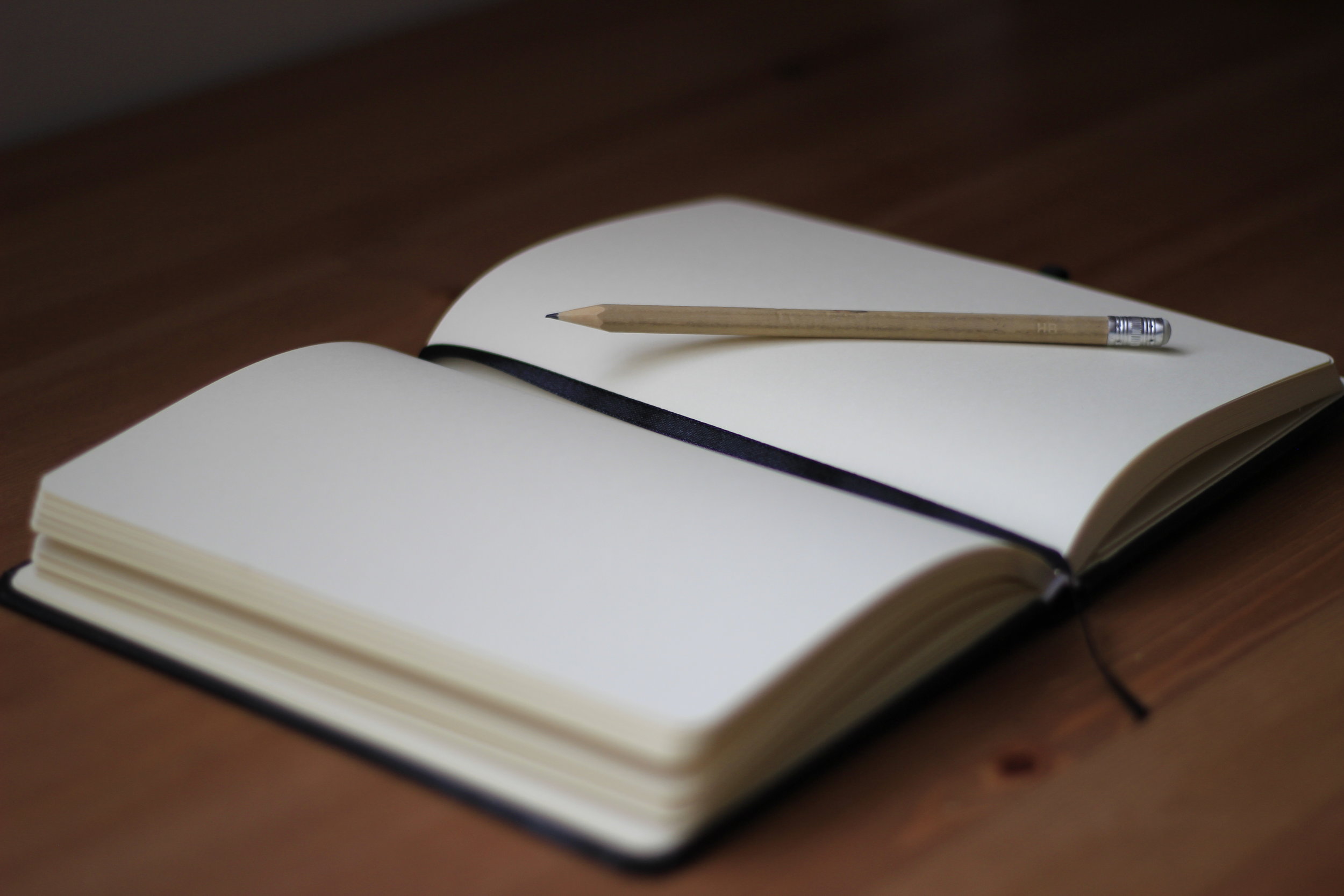
I have written Morning Pages for years. For those of you not familiar with the concept, see Julia Cameron’s web site or read her book The Artist’s Way.
Anxiety in the general population has been increasing for years. Add the fear, social isolation, economic impact, and disruption to our routines that go along with a global pandemic, and we have a real problem on our hands. And then there's the comfort food we're eating. Ultra-processed diet is associated with anxiety and depression. The systemic inflammation is thought to at least partially involve the microbiome.
Sleep, Movement, and Mind-Body practices are all essential pillars of wellness.
I'm interested in the Quantified Self Movement. I'm using a device that gives me daily insight into the efficiency of my sleep, meditation, and exercise. The tool, called the Oura Ring, has an array of sensors that measure heart rate, body temperature, movement, and more.

Mark Hyman's podcast, The Doctor's Farmacy, featured Laurie Santos, Professor of Psychology, and the Head of Silliman College at Yale University. Dr. Santos is the host of the critically acclaimed podcast, The Happiness Lab, and the faculty member who developed "Psychology and the Good Life," the most popular course in Yale's history.

The repercussions of the Covid-19 pandemic are everywhere. The restrictions are challenging every facet of physical and mental health. Resilience is a core skill these days.

I found the NYTimes article, How to Be More Optimistic full of actionable information to battle my inner Eeyore. Martin Seligman, a prominent author and the founder of Positive Psychology, is featured.
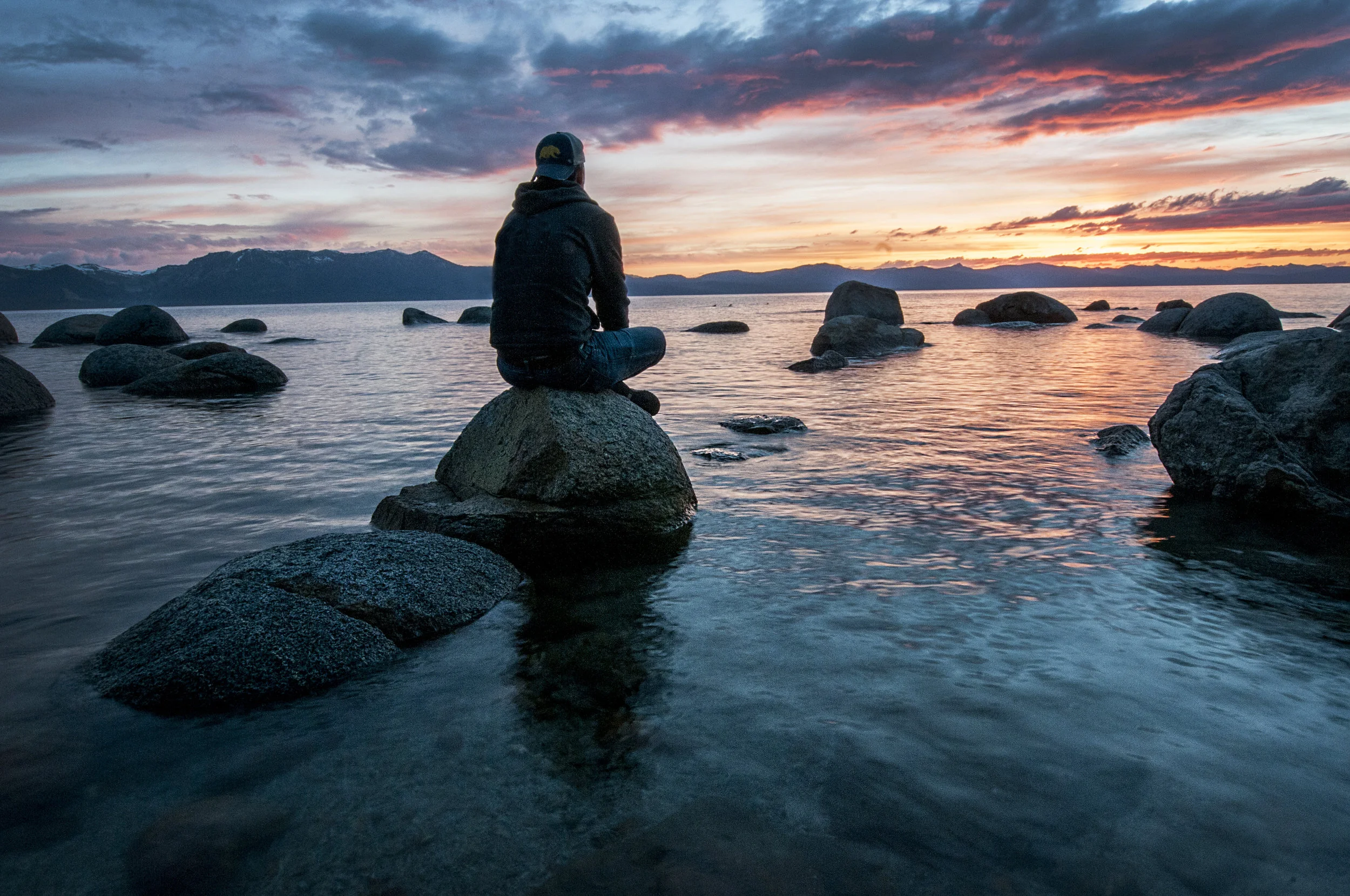
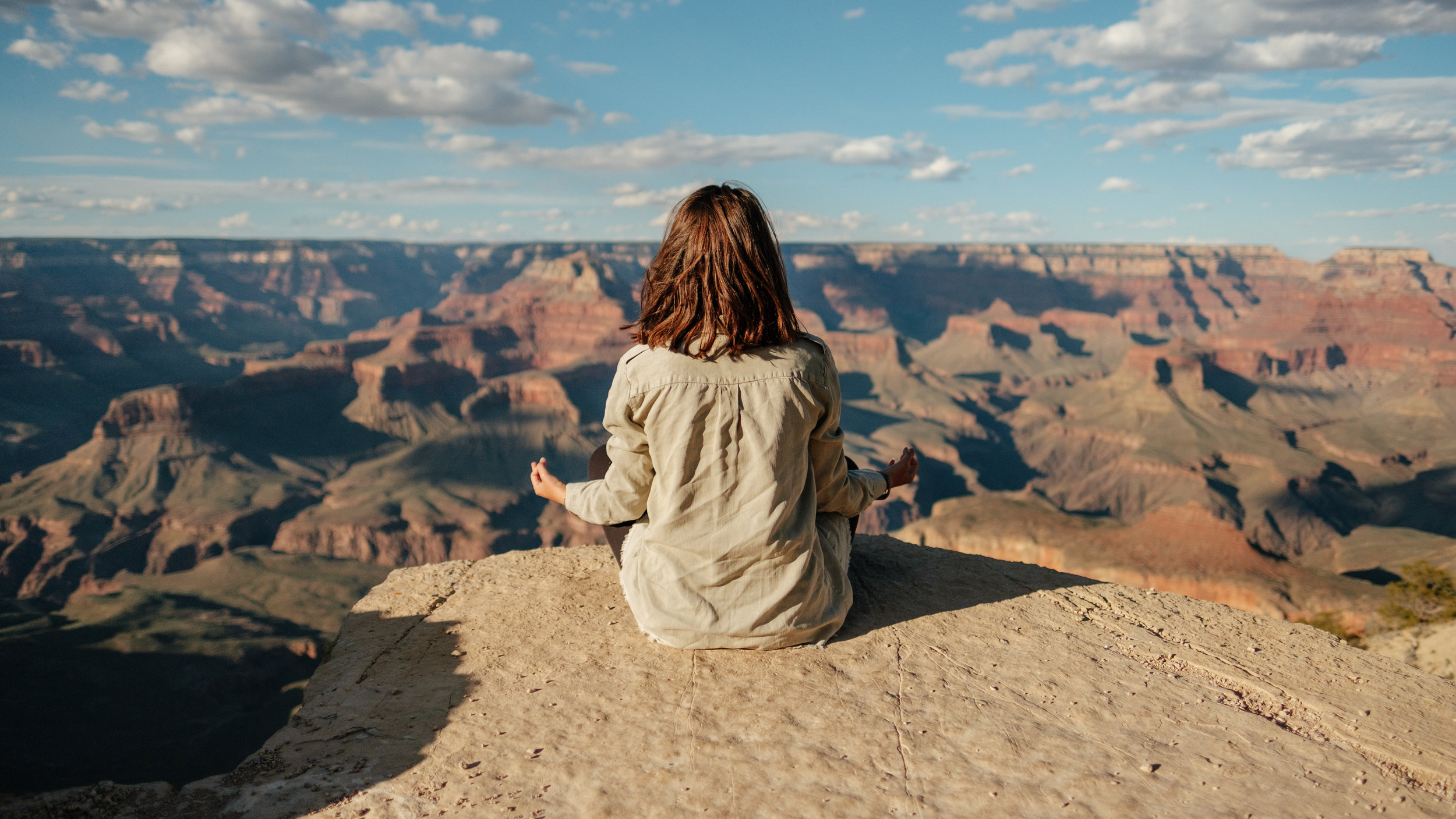
The global COVID-19 pandemic is causing a crisis in mental and physical health. One way to buffer yourself from the virus is to pay attention to sleep, nutrition, and stress management. Few interventions have more of an effect on stress management than Meditation. I pointed out some of these benefits, in my entry: Meditation, the facts.. As COVID-19 tears across the country, I find myself recommending meditation practice over and over again. Beginning the practice of Meditation will be the topic of today’s entry.

I've been a practitioner of meditation for more than a decade. I wish I had started sooner. I'm often asked about the evidence behind the practice of meditation. Davidson and Goleman, two meditation experts, wrote Altered Traits.

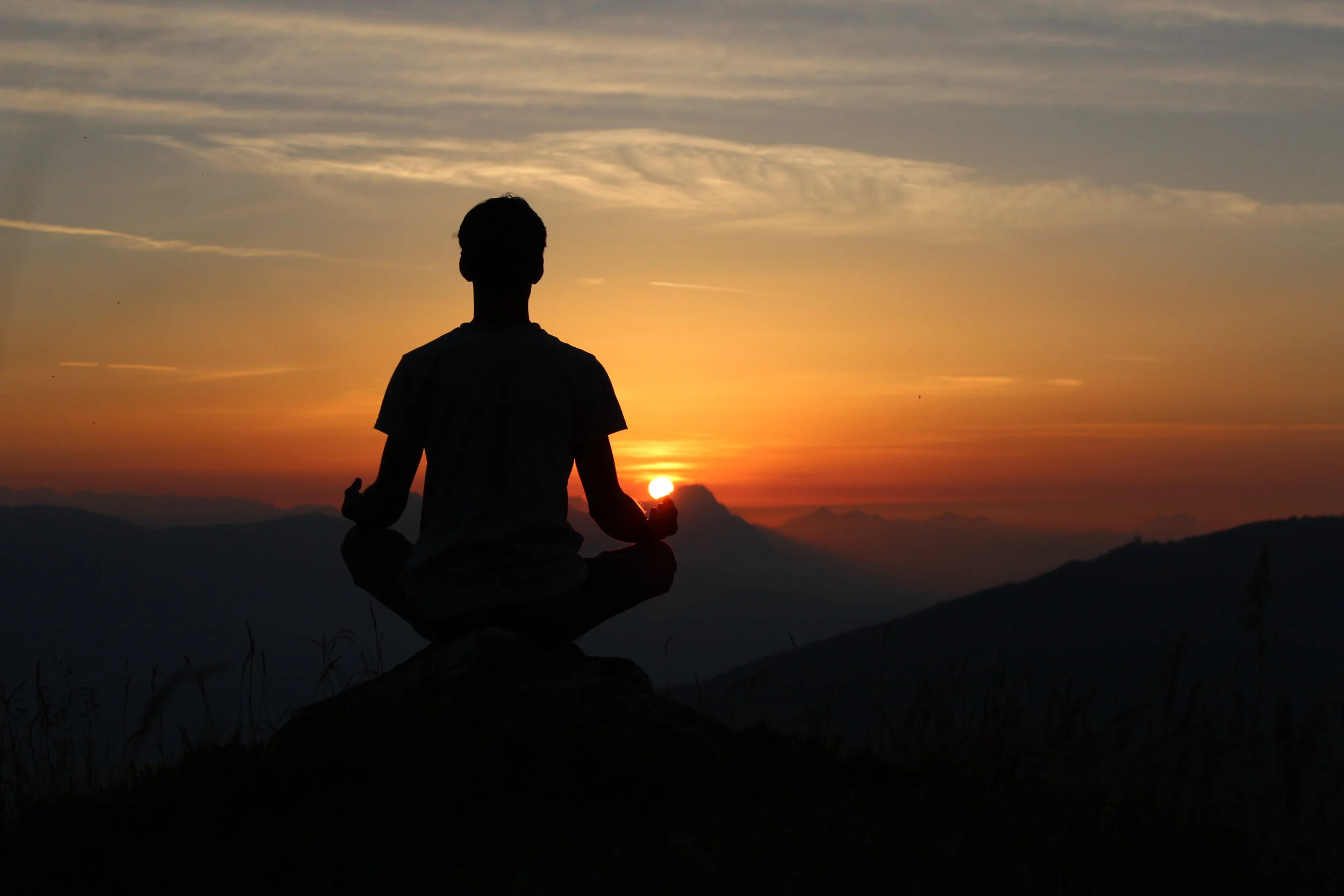
If I were granted a single wish to fundamentally alter the education system in the United States, it would be this: teaching meditation at an early age, then reinforcing the practice at every phase of learning.
