Marriage

123 - Dog:Human Lookalikes, Midlife Marriage Makeovers, and Mental Health - HealthHippieMD Week in Review


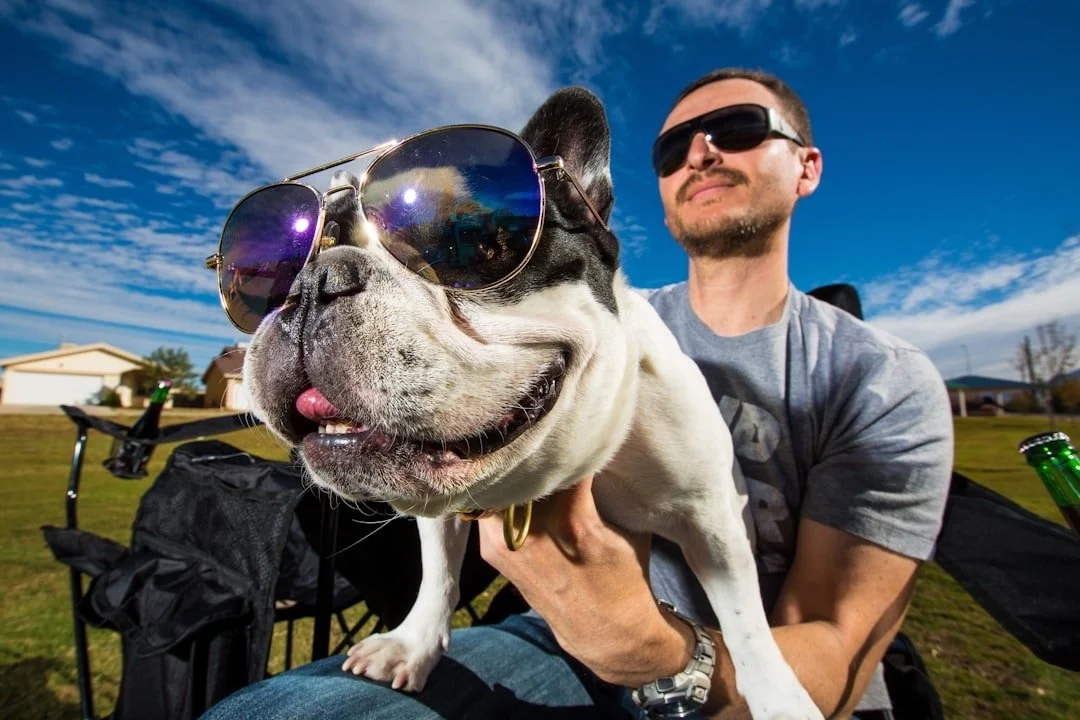
Photo by Daniel Lloyd Blunk-Fernández on Unsplash

Happy New Year and welcome to the first issue of HealthHippieMD on Substack mirrored on Squarespace.. If you haven’t yet subscribed to the newsletter click on the “Subscribe” button in the menu and sign up. Eventually, I will fully transition the Newsletter to Substack and stop posting here.

This space is where wellness meets curiosity, blending evidence-based insights with a sprinkle of holistic wisdom. Together, we'll explore innovative approaches to health, the latest in wellness trends, and practical tips to help you thrive in body, mind, and spirit. Please help me grow our community by liking, commenting, or sharing what you read.

Thank you for joining me on this journey—let's grow, learn, and inspire each other to live our healthiest lives.

Be Inspired. Be Informed. Be Well.

Jeff Taekman, M.D.

01

Gut Check on Alzheimer's

Could a common gut virus hold the key to Alzheimer's? A groundbreaking study explores how the human cytomegalovirus may travel along the vagus nerve, stirring immune responses linked to dementia. "Our results indicate a complex, cross-tissue interaction between HCMV and the host adaptive immune response," researchers revealed. This cross-tissue dynamic may open the door to antiviral therapies, potentially slowing or preventing Alzheimer's progression. As researcher Benjamin Readhead puts it, "We're motivated to understand whether these findings have implications for clinical care." Could this be the tipping point in understanding Alzheimer's? Common Gut Infection Tied to Alzheimer's Disease.

02

Ink and Lymphoma: A Risky Canvas?

Tattoos are more than skin deep—they may affect your health. A population-based study reveals a startling 20% increase in lymphoma risk among tattooed individuals, likely tied to carcinogens in tattoo ink and the immune system's response. "The study underscores the importance of regulatory measures to control the chemical composition of tattoo ink," the researchers emphasize, highlighting the urgency as tattoo culture grows. The question lingers: Is beauty worth the risk, or is it time for a regulatory makeover? Tattoos Linked to Malignant Lymphoma-Medscape.

03

Relationship Tips for the New Year

From "repotting" friendships to navigating "yellow flags" in dating to making over your marriage, these expert-backed strategies invite a more profound connection in every relationship. "Grieving and digesting the limits of one another's human imperfections is a central part of long-term intimacy," says family therapist Terrence Real, encouraging self-reflection and mutual understanding. Whether tackling tough conversations or finding joy in shared moments, these tips might transform your connections this year. Strengthen Your Relationships in 2025 - The New York Times (gift article).

04

Mental Health Hacks for 2025

Small changes can make a big difference. Whether moving your body, quieting your inner critic, or learning to embrace uncertainty, these science-backed tips are designed to help you thrive. Mental Health Advice for 2025 - The New York Times (gift article).

05

Midlife Marriage Makeover

Middle age often brings more than gray hairs—it's also a critical juncture for couples. Experts share six essential questions to rejuvenate your relationship, from reflecting on your dreams to uncovering your role in recurring conflicts. "When couples revisit the qualities that first drew them together, it shifts the emotional climate of the conversation," psychologist Harriet Lerner suggests, offering a powerful way to rekindle intimacy. Questions to Ask Your Partner at Midlife, According to Couples Counselors - The New York Times (gift article).

06

Insomnia's Emotional Cost

Sleep deprivation doesn't just leave you tired—it reshapes your mood, your thoughts, and even your mental health. Chronic insomnia, described as "a fire that jumps the fence" by one sufferer, can create a vicious cycle where anxiety disrupts sleep, which in turn exacerbates mental health issues. Cognitive-behavioral therapy for insomnia (CBT-I) has been transformative for many, teaching strategies like reframing negative thoughts and breaking harmful associations with sleepless nights. Is the answer to better mental health lying in bed? How Sleep Affects Your Mood: The Link Between Insomnia and Mental Health - The New York Times (gift article).

07

Who Let the Lookalikes Out?

Do you and your dog share a striking resemblance? Science suggests it's not just coincidence. Psychologist Yana Bender notes, "People consistently match dogs and their owners in photographs, even when the resemblance is subtle." Beyond physical similarities, personality traits also align—extraverted owners often have sociable dogs, while more anxious individuals report pets with heightened stranger-directed fear. Are we choosing pets that mirror us, or are they learning from us over time? Why We Look Like Our Dogs.

08

Mastering Calm

Can a simple breath change your brain? Science says yes. From ancient yoga practices to modern neuroscience, intentional breathing techniques are a powerful tool against stress. Could the rhythm of your breath be the symphony your mind needs? How to use breathwork to calm your mind - The Washington Post (gift article).

09

GLP-1s: A Weighty Solution?

With the obesity epidemic spiraling into a trillion-dollar crisis, GLP-1 drugs offer hope for weight loss and chronic disease prevention. But who benefits—patients, or the bottom line? Will these medications revolutionize care or reinforce inequalities as the health ecosystem pivots? Growth of GLP-1s has implications for multiple stakeholders-Deloitte.

10

Weight-Loss Wonders

Could a lizard's venom hold the secret to curing addiction and preventing Alzheimer's? The unexpected benefits of GLP-1 drugs, born from obesity treatments, are reshaping medical landscapes. These "wonder drugs" may alleviate cravings, protect against heart disease, and slow brain degeneration. With pharmaceutical giants like Eli Lilly racing to unlock their full potential, the question arises: Are GLP-1s medicine's new multi-tool, or just a weighty fix?
https://arstechnica.com/health/2024/12/weight-loss-drugs-may-also-treat-addiction-alzheimers-and-heart-disease/

11

Mindfulness: A Practice of Remembering

What if mindfulness isn't just about calm but transformation? Returning to its Buddhist roots reveals a practice steeped in remembrance—not of the past, but of the present moment. Can you "remember" your way to a more meaningful life? Mindfulness is about 'remembering' − a practice of coming back to the now.

If you enjoyed this newsletter, please comment, like, or share on Substack. Until next week.....

Be Inspired. Be Informed. Be Well.

088 - Fasting, Happiness, and the Skin-Gut Axis - HealthHippieMD Week In Review

A.I. Designs New Tools for DNA Editing

The realm of CRISPR gene editing is experiencing a technological revolution with the introduction of generative A.I. Profluent, a startup based in Berkeley, California, has unveiled an A.I. system that crafts blueprints for novel gene editing tools. This innovation, which employs methods similar to those driving the popular A.I. chatbot ChatGPT, can enhance the precision and speed of combating illnesses and diseases. Profluent's A.I. analyzes vast amounts of biological data to create gene editors that could surpass those formed through natural evolution. Their recent creation, OpenCRISPR-1, has already been used to edit human DNA and is now freely available for further experimentation. This breakthrough could herald a new era of medical treatments, tailor-made at unprecedented speeds. Generative A.I. Arrives in the Gene Editing World of CRISPR - The New York Times (gift article).

Skin-Gut Axis

Researchers at the University of California San Diego have discovered that skin injuries can significantly affect gut health in mice. This study reveals a skin-gut axis, showing that damage to the skin disrupts the intestinal defenses and alters the gut microbiome. The findings challenge the traditional belief that gut microbes primarily influence skin health, instead highlighting a bidirectional relationship. The experiments demonstrated that skin wounds and artificial increases in skin-specific enzyme levels led to more severe colitis, a gut disorder, by altering the microbial balance. This research, published in Nature Communications, suggests a new perspective on the interplay between skin injuries and gut health, with implications for understanding human diseases. A Skin-Deep Wound Can Trigger Gut Bacteria Changes: ScienceAlert (thanks, Amy).

Fever Dreams

Fever dreams, typically vivid, intense, and disturbing, are often a part of the ill experience when body temperature rises due to sickness. These dreams are characterized by bizarre, repetitive, and negative imagery, influenced by altered brain neurochemistry and rapid eye movement (REM) sleep disturbances. Research indicates these dreams often feature surreal scenarios and threatening elements, such as oversized creatures or menacing figures. Experts suggest fever-induced alterations in body and brain function could trigger these dreams, which also hold psychological significance, potentially representing inner fears or conflicts. While generally harmless, persistent fever dreams should be discussed with a healthcare provider as they could signal underlying health issues. What Does It Mean to Have a Fever Dream?

Fasting Time

Could a Calorie-Restricted Diet or Fasting Help You Live Longer? - The New York Times delves into the scientific intrigue surrounding calorie restriction and intermittent fasting as potential longevity boosters, a concept borne from decades of animal research. Studies suggest that cutting calorie intake can significantly extend the lifespan of various species, from worms to monkeys, by inducing key biological changes and reducing susceptibility to age-related illnesses like cancer. However, the application of these findings to human longevity remains uncertain. Although some evidence hints that these dietary adjustments could benefit human metabolic health and potentially slow aging, definitive long-term human studies are lacking, and the mixed results, including some contrary findings in human obesity, prompt ongoing debate among scientists.

Fact or Fiction

Chatbot answers are all made up. This new tool could help you figure out which ones to trust. | MIT Technology Review discusses a new tool developed by A.I. startup Cleanlab, aimed at evaluating the reliability of responses from large language models (LLMs). This tool, emerging from a quantum computing lab at MIT, scores outputs from LLMs on a scale from 0 to 1 to determine their trustworthiness, addressing businesses' concerns about these models' tendency to "hallucinate" or generate inaccurate information. By providing a reliability score, the tool allows users to discern which responses to trust. This innovation is especially pertinent as chatbots become more integrated into daily digital interactions, from search engines to office software. The Trustworthy Language Model could significantly reduce the risk of using LLMs in high-stakes business environments, enhancing their appeal and utility.

Sweet Nothings

In a recent article from The Atlantic, the introduction of brazzein, a new sugar substitute, is explored alongside older alternatives like aspartame and stevia. Despite its promise, brazzein must replicate sugar's unique sweetness, much like its predecessors. The narrative recounts a personal journey of managing blood sugar levels through various sweeteners, underscoring the dissatisfaction with their aftertaste and health concerns. Even with technological advancements, sugar substitutes still mimic sugar's flavor and texture, leading to continued disappointment for those seeking a healthier, yet equally satisfying, alternative to sugar. A New Sweetener Has Joined the Ranks of Aspartame and Stevia - The Atlantic

Happiness: Marriage and Money

The Happiness Trinity - The Atlantic delves into the complex question of what truly fuels our happiness. Marriage, according to W. Bradford Wilcox's new book, Get Married: Why Americans Must Defy the Elites, Forge Strong Families, and Save Civilization, emerges as a significant predictor of life satisfaction in America, outshining education, income, and job satisfaction. However, the discourse extends beyond matrimony, exploring "social fitness" — the quality of relationships in one's life — as an even stronger happiness determinant. The article also highlights the intertwined roles of income and social well-being, noting that higher income levels correspond with better marriage and social outcomes. Ultimately, the discussion suggests that happiness in America might morph into a luxury, stratified by income levels, with significant implications for society's overall well-being.

Unraveling the Complexities of Consciousness

The quest to understand consciousness remains elusive, yet tantalizing advances have sparked renewed interest. Grounded in the Orchestrated Objective Reduction (Orch OR) theory, pioneered by Roger Penrose and Stuart Hameroff, researchers posit that consciousness emerges from quantum processes within brain microtubules. Recent explorations extend this theory, demonstrating that microtubules might maintain quantum coherence far longer than expected, suggesting that our brains can sustain these quantum states despite their warm, wet conditions. Complementarily, Timothy Palmer's Invariant Set Theory proposes that consciousness and free will reflect our entanglement in a universal fractal geometry. While far from conclusive, these insights offer intriguing possibilities about the structure and reach of consciousness, bridging scientific inquiry with profound philosophical implications. Where Does Our Consciousness Live? It's Complicated.

063 - Long Covid Blood Trails, Weighty Decisions, and Honest Dishonesty? - HealthHippieMD Week In Review

GLP-1's Weighty Decision

Are you considering semaglutide or liraglutide for weight management? A recent study has highlighted some significant gastrointestinal concerns. Those using these GLP-1 receptor agonists face a nine-fold increased risk of pancreatitis and are four times more likely to develop bowel obstruction. Additionally, there's a 3.5 times elevated risk of gastroparesis. While these drugs offer potential benefits, especially for those with diabetes and obesity, it's crucial to be informed and weigh the risks against the benefits before deciding. GLP-1 Agonists Linked to Higher Risk for GI Complications.

The Ephemeral Nature of Dreams

The article, Why Do We Forget So Many of Our Dreams? - Scientific American, delves into the intriguing phenomenon of why we forget most of our dreams. The primary stage of dreaming, REM (Rapid Eye Movement) sleep, is where the brain's activity mirrors that of a waking state. However, the regions responsible for transferring memories to long-term storage are less active during this phase. This means that its memory fades away unless we awaken immediately after a dream. The duration of REM sleep increases throughout the night, making the last dream before waking the most memorable. Factors like age, gender, and personality traits also influence dream recall. Interestingly, focusing on dreams or even reading about them can enhance our ability to remember them.

+More on sleep/dreams. Should You Wake Someone from the Throes of a Nightmare? - Scientific American

+And how are memories saved, anyhow? The Usefulness of a Memory Guides Where the Brain Saves It - Nautilus.

The Therapeutic Power of Penmanship

The journey to self-awareness has a new ally: the act of writing. The article, Know Yourself Better by Writing What Pops into Your Head - Scientific American, emphasizes the profound benefits of documenting unfiltered thoughts daily. This simple practice, spanning just 5 to 20 minutes, can enhance health, reduce stress, and bolster self-confidence. Concerns about facing a blank page or the looming inner critic? The article provides insightful strategies to navigate these challenges. Thus, embracing the pen (or keyboard) might be the key to unlocking a deeper understanding of oneself.

Keeping Produce Fresh

"Every year, over a third of the food grown globally is thrown away. In the U.S., food waste is on the rise. Wasted food accounted for about 38 percent of the total food supply in 2021, worth roughly $444 billion, according to ReFED_." Counter or fridge? Here's how to store fruits and veggies for maximum freshness has some great recommendations.

Plastic Paradox

Despite popular belief, the journey of our recycled plastics is fraught with challenges. Influenced by industry lobbyists, several states have implemented policies that counteract plastic reduction efforts. The core dilemma? The undeniable profitability and affordability of plastics. However, innovative solutions are on the horizon. Streamlining plastic production and introducing methods to process mixed polymers are gaining traction. Remarkably, microbes like Ideonella sakaiensis have shown potential in breaking down plastics, with some even relying solely on plastic as a food source. Small policy shifts, such as a five-cent charge on plastic bags, have demonstrated significant impact. Yet, the overarching solution to the plastic conundrum remains elusive. Think that your plastic is being recycled? Think again. | MIT Technology Review.

23andMe's Genetic Security Breach

23andMe, the popular genetic testing company, recently experienced a significant data breach affecting 14 million users. Intriguingly, the hacker seemed interested in individuals of Jewish ancestry, offering their names, locations, and ethnicities for sale. The company confirmed the breach's origin as "credential stuffing," a method where attackers use previously leaked username-password combinations. This isn't 23andMe's first brush with privacy concerns. In the past, they pledged enhanced security after a DNA database was used in a police investigation. Their current remedy? Advising users to reset passwords and ponder data deletion. This article has some suggestions if you were affected by the breach. 23andme hack: What you can do after the data leak - The Washington Post. (gift article)

Devo-Lution

The NY Times had an article on one of my favorite bands in the 80s: Devo: Devo's Future Came True - The New York Times (gift article)

Start-up Mentality Enhances Relationships

"The sweet spot for a durable romantic partnership, then, is a new venture between two mature co-founders who are not so set in their ways that they act like entrenched corporations." Arthur Brooks wrote an article that likened successful relationships to business start-ups. Before you roll your eyes, give the piece a read: Why the Most Successful Marriages Are Start-Ups, Not Mergers - The Atlantic.

Decoding Long COVID: A Blood Trail

Over three years post the onset of the COVID-19 pandemic, 10% of patients continue to grapple with long COVID symptoms. Recent research published in Nature has identified specific blood biomarkers that provide insights into this condition. These markers indicate abnormal T-cell activity, viruses such as Epstein-Barr reactivation, and a notable decrease in cortisol levels. Impressively, utilizing these biomarkers, a machine learning algorithm has been developed that can identify long COVID cases with 96% accuracy, offering a promising avenue for understanding and potentially treating this elusive condition. Researchers Are Closing In on the Biomarkers for Long COVID.

The Paradox of Dishonesty Studies

Behavioral economists Dan Ariely and Francesca Gino, known for their extensive research on dishonesty, are now under the microscope. Ariely, recognized for integrating personal experiences into his work, and Gino, noted for her prolific output, contributed significantly to their field. However, this article suggests potential irregularities in their research, hinting at possible fabricated data and dubious practices. The situation presents an intriguing paradox: scholars of dishonesty potentially being dishonest in their work. They Studied Dishonesty. Was Their Work a Lie? | The New Yorker.