I've moved the newsletter to Substack. Please join us there......
123 - Dog:Human Lookalikes, Midlife Marriage Makeovers, and Mental Health - HealthHippieMD Week in Review
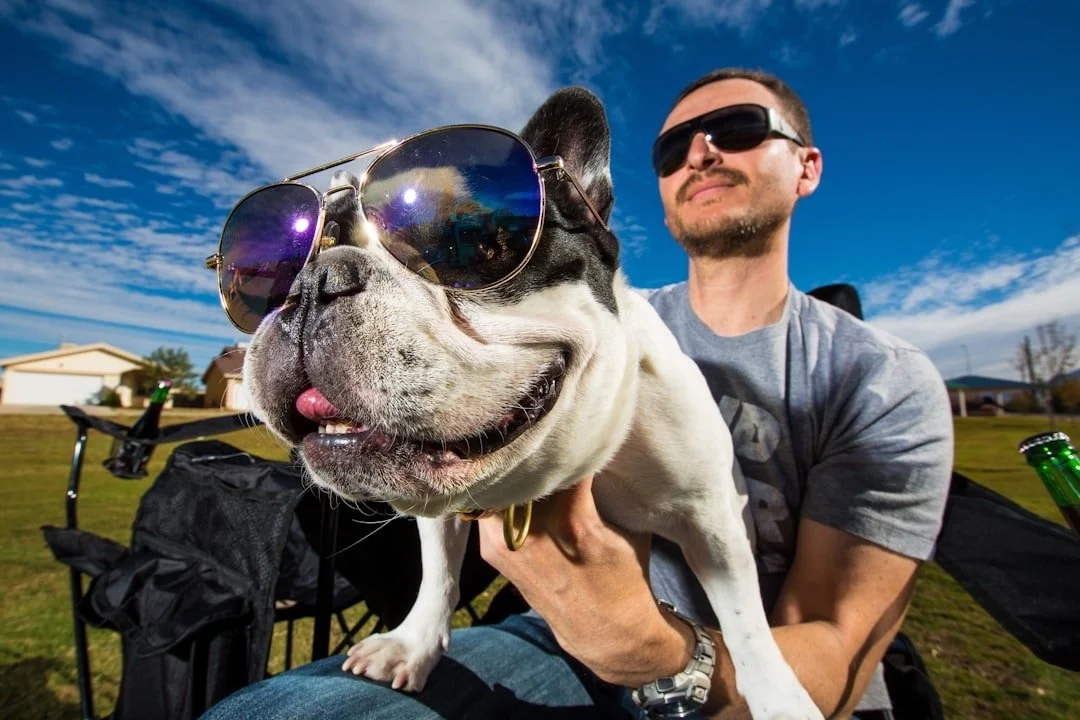
Photo by Daniel Lloyd Blunk-Fernández on Unsplash
Happy New Year and welcome to the first issue of HealthHippieMD on Substack mirrored on Squarespace.. If you haven’t yet subscribed to the newsletter click on the “Subscribe” button in the menu and sign up. Eventually, I will fully transition the Newsletter to Substack and stop posting here.
This space is where wellness meets curiosity, blending evidence-based insights with a sprinkle of holistic wisdom. Together, we'll explore innovative approaches to health, the latest in wellness trends, and practical tips to help you thrive in body, mind, and spirit. Please help me grow our community by liking, commenting, or sharing what you read.
Thank you for joining me on this journey—let's grow, learn, and inspire each other to live our healthiest lives.
Be Inspired. Be Informed. Be Well.
Jeff Taekman, M.D.
01
Gut Check on Alzheimer's
Could a common gut virus hold the key to Alzheimer's? A groundbreaking study explores how the human cytomegalovirus may travel along the vagus nerve, stirring immune responses linked to dementia. "Our results indicate a complex, cross-tissue interaction between HCMV and the host adaptive immune response," researchers revealed. This cross-tissue dynamic may open the door to antiviral therapies, potentially slowing or preventing Alzheimer's progression. As researcher Benjamin Readhead puts it, "We're motivated to understand whether these findings have implications for clinical care." Could this be the tipping point in understanding Alzheimer's? Common Gut Infection Tied to Alzheimer's Disease.
02
Ink and Lymphoma: A Risky Canvas?
Tattoos are more than skin deep—they may affect your health. A population-based study reveals a startling 20% increase in lymphoma risk among tattooed individuals, likely tied to carcinogens in tattoo ink and the immune system's response. "The study underscores the importance of regulatory measures to control the chemical composition of tattoo ink," the researchers emphasize, highlighting the urgency as tattoo culture grows. The question lingers: Is beauty worth the risk, or is it time for a regulatory makeover? Tattoos Linked to Malignant Lymphoma-Medscape.
03
Relationship Tips for the New Year
From "repotting" friendships to navigating "yellow flags" in dating to making over your marriage, these expert-backed strategies invite a more profound connection in every relationship. "Grieving and digesting the limits of one another's human imperfections is a central part of long-term intimacy," says family therapist Terrence Real, encouraging self-reflection and mutual understanding. Whether tackling tough conversations or finding joy in shared moments, these tips might transform your connections this year. Strengthen Your Relationships in 2025 - The New York Times (gift article).
04
Mental Health Hacks for 2025
Small changes can make a big difference. Whether moving your body, quieting your inner critic, or learning to embrace uncertainty, these science-backed tips are designed to help you thrive. Mental Health Advice for 2025 - The New York Times (gift article).
05
Midlife Marriage Makeover
Middle age often brings more than gray hairs—it's also a critical juncture for couples. Experts share six essential questions to rejuvenate your relationship, from reflecting on your dreams to uncovering your role in recurring conflicts. "When couples revisit the qualities that first drew them together, it shifts the emotional climate of the conversation," psychologist Harriet Lerner suggests, offering a powerful way to rekindle intimacy. Questions to Ask Your Partner at Midlife, According to Couples Counselors - The New York Times (gift article).
06
Insomnia's Emotional Cost
Sleep deprivation doesn't just leave you tired—it reshapes your mood, your thoughts, and even your mental health. Chronic insomnia, described as "a fire that jumps the fence" by one sufferer, can create a vicious cycle where anxiety disrupts sleep, which in turn exacerbates mental health issues. Cognitive-behavioral therapy for insomnia (CBT-I) has been transformative for many, teaching strategies like reframing negative thoughts and breaking harmful associations with sleepless nights. Is the answer to better mental health lying in bed? How Sleep Affects Your Mood: The Link Between Insomnia and Mental Health - The New York Times (gift article).
07
Who Let the Lookalikes Out?
Do you and your dog share a striking resemblance? Science suggests it's not just coincidence. Psychologist Yana Bender notes, "People consistently match dogs and their owners in photographs, even when the resemblance is subtle." Beyond physical similarities, personality traits also align—extraverted owners often have sociable dogs, while more anxious individuals report pets with heightened stranger-directed fear. Are we choosing pets that mirror us, or are they learning from us over time? Why We Look Like Our Dogs.
08
Mastering Calm
Can a simple breath change your brain? Science says yes. From ancient yoga practices to modern neuroscience, intentional breathing techniques are a powerful tool against stress. Could the rhythm of your breath be the symphony your mind needs? How to use breathwork to calm your mind - The Washington Post (gift article).
09
GLP-1s: A Weighty Solution?
With the obesity epidemic spiraling into a trillion-dollar crisis, GLP-1 drugs offer hope for weight loss and chronic disease prevention. But who benefits—patients, or the bottom line? Will these medications revolutionize care or reinforce inequalities as the health ecosystem pivots? Growth of GLP-1s has implications for multiple stakeholders-Deloitte.
10
Weight-Loss Wonders
Could a lizard's venom hold the secret to curing addiction and preventing Alzheimer's? The unexpected benefits of GLP-1 drugs, born from obesity treatments, are reshaping medical landscapes. These "wonder drugs" may alleviate cravings, protect against heart disease, and slow brain degeneration. With pharmaceutical giants like Eli Lilly racing to unlock their full potential, the question arises: Are GLP-1s medicine's new multi-tool, or just a weighty fix?
https://arstechnica.com/health/2024/12/weight-loss-drugs-may-also-treat-addiction-alzheimers-and-heart-disease/
11
Mindfulness: A Practice of Remembering
What if mindfulness isn't just about calm but transformation? Returning to its Buddhist roots reveals a practice steeped in remembrance—not of the past, but of the present moment. Can you "remember" your way to a more meaningful life? Mindfulness is about 'remembering' − a practice of coming back to the now.
If you enjoyed this newsletter, please comment, like, or share on Substack. Until next week.....
Be Inspired. Be Informed. Be Well.
122 - Dressing Dogs, Octopus Farming, and Lemnian Earth - HealthHippieMD Week In Review

Important Notice:
As you may have noticed, I’ve been changing the newsletter. The audio overview (below) is the first of those changes. With the new year, I plan to migrate the newsletter from Mailchimp to Substack (the HealthHippieMD website won’t change). With the migration you will receive a welcome email, but from a reader’s standpoint, I hope everything will be seamless. Please check your spam folder if you don’t receive the newsletter next weekend after the migration. I hope you’ll bear with me as I troubleshoot the inevitable wrinkles over the next few weeks. Thanks again for reading and your support!
Dream Machines
Artificial intelligence's so-called hallucinations, often dismissed as errors, are redefining innovation in science. These imaginative outputs aid researchers in creating novel proteins, designing advanced medical devices, and unlocking biological mysteries. Pioneers like Nobel laureate David Baker have harnessed AI's creative leaps to design over 10 million new proteins, some with transformative medical applications. Beyond biochemistry, A.I.-inspired designs improve technologies such as catheters and weather modeling. While "hallucinations" may evoke skepticism, scientists prefer seeing them as exploratory tools grounded in physics and biology. With careful testing, these bursts of computational creativity could propel breakthroughs, from fighting diseases to reimagining sustainable technologies. How Hallucinatory AI Helps Science Dream Up Big Breakthroughs - The New York Times (gift article).
Befriend Your Other Selves
How connected do you feel to the person you once were or hope to become? Psychologists call this "self-continuity," a trait that enhances emotional resilience and guides long-term decision-making. By fostering a sense of coherence—through practices like writing letters to your future self or reflecting on personal growth—you can bridge the gap between past regrets and aspirations. Back in 2014, I was interested in this topic. I wrote a grant proposal using self-continuity to promote health-related behaviors, but it was never funded. Making Friends with Your Past and Future Selves.
The Friendship Deficit
In an increasingly isolated world, Americans spend half as much time with friends as they did two decades ago. This growing loneliness has profound effects on mental and physical health. The solution isn't grand gestures but integrating friendship into everyday life—sharing meals, running errands, or watching TV together. Simple connections nurture profound relationships. Opinion | Feeling alone? Here's what the data says about how to fix that. - Washington Post.
Strengthening Relationship Maturity
Emotional immaturity can leave you feeling drained and disconnected, but emotional maturity transforms relationships into spaces of clarity and joy. This article explores recognizing immature traits, like an inability to apologize or accept feedback and offers strategies to foster healthier dynamics. It emphasizes the importance of firm boundaries, clear communication, and surrounding yourself with emotionally reliable people who uplift and energize you. How to Build an Emotionally Mature Relationship | Psychology Today.
Outwitting AI Scams
As AI-powered scams grow more sophisticated, families face new challenges in verifying identity. This article emphasizes the importance of creating unique family passphrases to protect against fraudsters exploiting voice cloning and deepfakes. It's a low-tech but highly effective way to maintain control, ensuring security in a digital age of deception. You Need to Create a Secret Password With Your Family | WIRED.
+see also: Emotional intelligence is the best defence against GenAI threats - Big Think.
Health Bots and Hiccups
AI tools are rapidly becoming part of healthcare, assisting doctors with note-taking and drafting patient communications. While promising, these systems bring bias, inaccuracies, and over-reliance risks. This exploration highlights the potential to ease physician workloads and the critical need for human oversight to ensure safe, personalized care. Doctors are using AI. Will it make health care better or break it? - The Washington Post (gift article).
Dressing Dogs for the Chill
Not all dogs are naturally equipped for winter weather. Small, short-haired, or elderly pups often need protective gear to brave the cold. Do dogs need winter jackets in the cold? In most cases, yes. - The Washington Post (gift article) examines the practical need for canine winter wear, blending safety with the growing trend of stylish pet apparel. From sweaters to booties, dog fashion meets function in cold climates.
Rethinking Octopus Farming
Octopuses are remarkable creatures with complex intelligence, memory, and problem-solving skills. As demand for octopus farming grows, ethical concerns mount. Are Octopuses Too Smart to Be Farmed? | Scientific American delves into the cognitive sophistication of cephalopods, questioning whether their intellect and behavior make them unsuitable for mass farming, despite their popularity in global cuisines.
Pain Points
Pain avoidance often leads to more suffering, both physically and emotionally. By reframing pain through philosophical and therapeutic approaches like mindfulness and acceptance, individuals can transform it from an adversary into a manageable aspect of life. Why the Right Philosophy Is the Best Pain Medication - The Atlantic challenges modern notions of eliminating pain and instead advocates for thriving despite it. I learned quite a bit from this article. Well worth a read.
Food Math: Scoring Health in the Aisles
Nutrient profiling systems are revolutionizing how we approach food choices, simplifying complex nutrition data into clear, actionable scores. By assessing fiber, sugars, and fats, these systems help consumers identify healthier options while challenging misconceptions about processed foods. This innovation makes grocery shopping smarter and more intuitive. What if you could rank food by 'healthiness' as you shopped? Nutrient profiling systems use algorithms to simplify picking healthy groceries.
+see also: What are macros? An exercise and nutrition scientist explains.
Life in Bloom
Modern life can feel monotonous, but philosopher Lorraine Besser offers three strategies to infuse daily routines with psychological richness. By embracing "Mindfulness 2.0," noticing without judgment, cultivating curiosity, and exploring creativity, individuals can transform mundane tasks into moments of engagement and wonder. Besser's approach underscores how curiosity and small creative acts—like altering a commute routine or trying something new—can make life more fulfilling by fostering cognitive engagement and novelty. Transform the daily grind to make life more interesting – a philosopher shares 3 strategies to help you attain the good life.
Clay Revival
Scientists have rediscovered Lemnian earth (LE), a medicinal clay with potential for modern gut health. This clay, combined with beneficial fungi, creates bioactive compounds that positively influence the gut microbiome, combat pathogens, and support intestinal health. Rooted in ancient Greek traditions, LE's antibacterial properties are being reimagined for 21st-century applications, offering a fascinating bridge between historical remedies and cutting-edge biomedical research. Ancient clay remedy may have potential to boost modern gut health.
Light vs. PFAS Pollutants
PFAS, the "forever chemicals," are infamous for their resistance to degradation and harmful health impacts. Researchers have developed a photocatalytic system using light to break down the carbon-fluorine bonds that make PFAS so persistent. This innovative technique could revolutionize efforts to eliminate these pollutants, transforming them into harmless byproducts. While promising, scalability remains a challenge, with ongoing research aimed at refining this sustainable solution. We developed a way to use light to dismantle PFAS 'forever chemicals' – long-lasting environmental pollutants.
Tattoos That Think
E-tattoos using polymer-based conductive inks offer a revolutionary approach to EEG monitoring. These tattoos can record brain activity through short hair without the discomfort of traditional caps. This technology developed by researchers could extend to mobile health monitoring, brain-computer interfaces, and organ-based diagnostics, making healthcare more accessible and adaptable. E-tattoos could make mobile EEGs a reality - Ars Technica.
121 - Grief Relief, Fighting Time, Diet and Dementia Risk - HealthHippieMD Week In Review

Food for Thought: How Diet Fuels Dementia Risk
Researchers discovered a clear link between inflammatory diets and increased dementia risk, analyzing 10 years of data from the Framingham Heart Study Offspring cohort. High Dietary Inflammatory Index (DII) scores were associated with all-cause dementia and Alzheimer's disease, suggesting that anti-inflammatory diets could play a preventive role. Although promising, these findings require further validation.Dementia Incidence Linked to Inflammatory Foods | MedPage Today (Thanks, Amy!)
Grief Relief: Navigating the Holidays with Compassion
The holiday season intensifies grief for many, but experts offer strategies for coping, including expressing emotions, engaging in rituals, and creating new traditions. Supporting loved ones involves empathy, practical help, and listening without judgment. Prolonged grief disorder, recognized in 2022, highlights the need for targeted interventions. How to Manage Holiday Grief in Yourself and Others | Scientific American.
Cultural Prescription: Art for What Ails You
Engaging in arts and culture isn't just entertaining—it's scientifically proven to enhance health, happiness, and productivity. A groundbreaking UK study reveals that occasional participation in cultural activities, from concerts to drawing classes, alleviates depression, pain, and loneliness, generating a societal financial benefit of £8 billion annually. Arts engagement boosts cognitive function, reduces reliance on medication, and supports preventative healthcare goals. Researchers highlight these benefits as personal and pivotal to public health, urging against cuts to arts funding. This study underscores art's power to enrich life, making it an essential component of wellness strategies.
Consuming arts and culture is good for health and wellbeing, research finds. (Thanks, Laura!).
Prescription for Competition: PBMs and Drug Pricing Woes
Pharmacy Benefit Managers (PBMs) control drug prices and coverage, but market concentration among a few dominant players stifles competition and inflates costs. While PBMs negotiate discounts, their practices often limit generics and create opaque pricing. Experts call for regulatory reforms to ensure fair competition and consumer savings. What are pharmacy benefit managers? A health economist explains how lack of competition drives up drug prices for everyone.
Antibody Aging Hacks: Fighting Time with Science
Antibodies, vital in combating infection, may now target aging itself. Recent studies reveal their potential to extend lifespan, rejuvenate tissues, and fight age-related diseases. Antibody therapies offer a revolutionary approach to aging, from targeting senescent cells to reducing inflammation. Could these medical breakthroughs be the future of anti-aging Antibodies Could Soon Help Slow the Aging Process.
Mind Your Brain: Practical Tips for Cognitive Wellness
Simple lifestyle changes—like better sleep hygiene, yoga, mindfulness, and gardening—can enhance cognitive and emotional health. Embrace the joy of missing out (JOMO) and make small, impactful shifts to protect your brain. Our best tips for cognitive health - The Washington Post (gift article.)
Mark Hyman's Functional Medicine Empire
Dr. Mark Hyman's functional medicine empire spans supplements, books, and diagnostics, merging holistic care with high-profile allies like Robert F. Kennedy Jr. Despite criticisms of unproven methods, his focus on root-cause medicine aligns with rising interest in preventative health. How RFK Jr's Longtime Friend Mark Hyman Built a Wellness Empire - The New York Times (gift article).
Tackling Depression with VNS Therapy
Vagus Nerve Stimulation (VNS) offers hope for treatment-resistant depression, with recent trials showing improved quality of life for patients with long-term depressive symptoms. Though FDA-approved, limited insurance coverage hinders access. How stimulating the body's largest nerve may relieve severe depression.
Longer Life, Shorter Straws
While global life expectancy has risen, Americans face a grim trade-off: more years of life spent sick. The U.S. lifespan-healthspan gap now averages 12.4 years, the widest globally. Women fare worse, with conditions like musculoskeletal and neurological diseases driving disparity. Researchers attribute this to a "disease paradox," where surviving acute illnesses leads to chronic conditions. The data calls for urgent reform in healthcare priorities to focus on extending not just years, but quality of life. Americans are living longer—but most of the extra time is spent being sick.
Patience in Peril: Conquering the Waiting Game
Anticipating test results can be as stressful as bad news itself. Experts recommend replacing passive distractions with immersive activities like exercise or puzzles to curb anxiety. Avoid "doomscrolling" for diagnoses, and instead, craft clear action plans with healthcare providers to regain control. Even if coping mechanisms falter, there's solace in preparedness—those who worry the most often adapt best to outcomes. Learn to wait wisely and reclaim peace in uncertain moments. How to Stay Calm While Waiting For a Test Result - The New York Times (gift article).
Covid's Lingering Gut Troubles
Post-Covid gastrointestinal issues, from IBS to chronic pain, are an unwelcome surprise for many survivors. Studies show up to 40% of Covid patients experience lasting digestive symptoms, often linked to inflammation or microbiome imbalances. Fortunately, targeted diets, mindfulness techniques, and medical interventions offer relief. While recovery varies, experts stress the importance of early intervention and holistic approaches to managing these life-altering conditions. How Covid Can Change Your Gut - The New York Times (gift article).
Lawn and Order: Farming the Front Yard
In Los Angeles, lawns are transforming into sustainable micro-farms, thanks to Crop Swap LA. These hyper-local gardens provide fresh produce to food-insecure families while using a fraction of the water that grass demands. The initiative, founded by Jamiah Hargins, turns suburban spaces into eco-friendly hubs, demonstrating that small-scale farming can fight food insecurity and environmental waste simultaneously.Growing Food Instead of Lawns in California Front Yards - The New York Times (gift article).
Algorithm Checkup: Regulating AI in Medicine
With AI-driven tools increasingly guiding healthcare decisions, experts warn of unregulated risks in clinical algorithms. A new rule under the Affordable Care Act aims to prevent biases in medical AI but leaves gaps for non-AI tools. Researchers stress the need for consistent standards across all clinical decision aids to ensure transparency and equity in patient care. AI in health should be regulated, but don't forget about the algorithms, researchers say.
120 - Mirror Cells, Fighting Inflammation with Food, and Artful Healing - HealthHippieMD Week In Review

Curiosity Killed the Bias
How to see the humanity in anyone | Psyche Guides explores the transformative practice of "deep curiosity," a tool for fostering empathy, connection, and understanding across divides. The author recounts a yearlong journey meeting individuals with opposing beliefs and challenging stereotypes fueled by assumptions and social media. Through the DIVE model—Detach, Intend, Value, Embrace—he teaches how to unlearn biases, prepare for meaningful dialogue, and honor others' dignity. By viewing challenges as opportunities for growth, deep curiosity strengthens relationships and enriches self-awareness. This guide empowers readers to break barriers and connect authentically in an increasingly polarized world. (Thanks, Laura!).
+see also: The War For Kindness - The Happiness Lab with Dr. Laurie Santos - Apple Podcasts.
Food Fights Inflammation
An anti-inflammatory diet swaps processed foods for whole, nutrient-dense options to combat chronic inflammation. Foods rich in antioxidants, polyphenols, and essential nutrients help reduce oxidative stress and regulate hormones. A Mediterranean-inspired diet—packed with fruits, vegetables, fish, nuts, and olive oil—nurtures a healthy gut biome, while magnesium-rich and brightly colored foods fight stress and free radicals. Spices like turmeric and garlic add flavor and anti-inflammatory benefits. While diet is just one piece of the wellness puzzle, adopting these habits offers long-term physical and mental health benefits—making it a marathon worth running. An anti-inflammatory diet can boost your health. What to eat and what to avoid | Fortune Well.
How Seed Oils May Ignite Cancer Risks
A new study highlights the potential role of omega-6 fatty acids—abundant in seed oils used in ultra-processed foods—in promoting inflammation that fuels colon cancer. Researchers found high levels of these proinflammatory lipids in tumor samples, alongside a deficiency in inflammation-resolving omega-3s. Experts point to dietary shifts since the 1950s, with ultra-processed foods and seed oils dominating modern diets, as a likely factor. While diet isn't the sole contributor, the findings emphasize the complex interplay of food, lifestyle, and genetics in cancer risk, advocating for moderation in omega-6 consumption pending further research. Ultraprocessed Foods High in Seed Oils Could Be Fueling Colon Cancer Risk | Scientific American.
Chasing Happiness
What can ancient philosophy teach us about a well lived life? Examining different schools of philosophical thought can teach us a lot about different ways to create happiness. The philosophy of happiness, explained in 10 minutes - Big Think.
Love Is a Marathon, Not a Sprint
Arthur C. Brooks explores the paradox of love and happiness, arguing that the exhilarating, passionate phase of romance—while thrilling—isn't what brings enduring joy. Instead, he highlights "companionate love," rooted in friendship, mutual understanding, and commitment, as the foundation of lasting happiness. Backed by research like the Harvard Study of Adult Development, Brooks demonstrates that stable relationships, especially those built on deep friendship, are the strongest predictors of lifelong contentment. With humor and personal anecdotes, he underscores that the secret to staying in love lies in simply liking your partner—your best friend. The Kind of Love That Makes People Happiest - The Atlantic.
+see also: This heartwarming video from Coldplay featuring Dick Van Dyke. All My Love Official Version, Director's Cut.
Press Paws
A recent study suggests that dogs may communicate intentionally by pressing buttons linked to words. Researchers found that some dogs form two- or three-word combinations, such as "want food," which appear deliberate rather than random. The study monitored button-pressing behaviors in over 150 dogs using soundboards, finding that dogs can express needs akin to a young child. However, skeptics argue the behavior could stem from training or reinforcement rather than true language understanding. While questions remain, the research highlights dogs' intelligence and their potential for deeper interaction with humans. Dogs may be able to communicate by pressing buttons, research suggests - The Washington Post (gift article).
Snooze You Can Use
Science-Backed Sleep Tips from 2024 to Help You Snooze Better | Scientific American explores 2024's popular sleep trends and their scientific validity. Highlights include the benefits of short naps for memory and mood and caution against "bed rotting," which disrupts circadian rhythms. TikTok's "sleepy girl mocktail" sheds light on magnesium's role in relaxation, while sleeping on the floor offers mixed results for back health. Sleep divorces—partners sleeping separately—can improve rest for mismatched sleepers. To combat election-induced insomnia, experts recommend unplugging, meditating, and reframing anxious thoughts with gratitude. These evidence-backed strategies aim to optimize sleep quality for a more restful 2025.
Artful Healing
Susan Magsamen's exploration of neuroaesthetics reveals the profound effects of art on mental health, trauma recovery, and cognitive disorders. This emerging field connects art, science, and well-being, showing how aesthetic experiences—from painting and dance to music—positively reshape our brains. Programs like Creative Forces empower trauma survivors, while dance improves cognition and mobility in Parkinson's patients. The arts, accessible to all, offer transformative benefits, reducing stress and fostering resilience. By embracing creativity, we can enhance our mental and physical health, proving that the arts are as essential as exercise or nutrition. 'Neuroaesthetics' Reveals How the Arts Help with Dementia and Trauma | Scientific American.
Neuroinflammation and Muscle Fatigue
Neuroinflammation, sparked by the brain's immune response to infections or chronic diseases like Long COVID and Alzheimer's, disrupts the brain-muscle connection, leading to muscle fatigue. This research uncovers how brain-released cytokines alter muscle energy production without damaging muscle structure. Studying fruit flies and mice, scientists identify a universal brain-to-muscle communication pathway that reallocates energy to combat infection. Potential treatments, such as neutralizing antibodies, aim to block this signaling. With further exploration, targeting this axis could alleviate fatigue in long COVID and other neuroinflammatory conditions, improving life for millions worldwide. Brain inflammation may be the reason behind muscle fatigue after infection and injury.
Mirror Cells: The Dark Reflection of Life
Scientists warn of the existential risks posed by "mirror cells," organisms built with reverse-handed DNA and proteins, defying the fundamental biology of Earth's life forms. These synthetic microbes, immune to natural defenses and capable of ecological devastation, could trigger pandemics or disrupt ecosystems if released. While promising medical advancements like long-acting drugs, their potential to bypass immune systems and evolve uncontrollably outweighs the benefits. Leading researchers advocate banning this technology, urging global dialogue to prevent catastrophic consequences before these innovations take root. A 'Second Tree of Life' Could Wreak Havoc, Scientists Warn - The New York Times (gift article).
+see also: one of the most memorable articles from Wired (from 25 years ago!)-Why the Future Doesn't Need Us | WIRED.
The Gut: The New Frontier of Mental Health Treatment
Emerging research highlights the potential of targeting gut cells, rather than brain cells, to treat depression and anxiety. Traditional SSRIs, while effective, often cause systemic side effects. Scientists have observed mood improvements in mice without the usual drawbacks by focusing on serotonin production in the intestines, unveiling the gut-brain connection's crucial role in emotional regulation. This novel approach may also address concerns about SSRI safety during pregnancy, offering a safer alternative for both mothers and babies. These findings could revolutionize mental health care by delivering effective relief without compromising physical well-being. Drugs targeting gut cells, not brain cells, fight depression better - Earth.com. (thanks, Amy!).
+see also: Gut Feelings: The Role of the Microbiome in Behavioral Health — HealthHippieMD.
119 - Gratitude, Giving, Hypochondria, and Chocolate - HealthHippieMD Week In Review

Gratitude and Giving
Gratitude isn't just good manners—it's good mental health. A recent meta-analysis revealed a robust inverse relationship between gratitude and loneliness, showing that feeling thankful fosters connection and reduces isolation. Simple practices, like journaling three daily blessings or writing gratitude letters, help shift focus from negativity to positivity. This "gratitude muscle" strengthens with use, improving emotional resilience and overall well-being. Experts emphasize that gratitude doesn't demand perfection, only consistent effort. Whether acknowledging a friend's kindness or savoring small joys, gratitude offers a powerful antidote to loneliness and a path to mental clarity. Gratitude can improve our mental health. Here's how to create a practice. - The Washington Post (gift article).
+see also: Get Happier, Help Others: Some - Cautionary Tales with Tim Harford - Apple Podcasts
+see also: Why Giving is a Great Daily Ha - The Happiness Lab with Dr. Laurie Santos - Apple Podcasts
The Surprising Upside of Future Focus
Staying resilient can be difficult in challenging times, such as the COVID-19 pandemic. A study involving performing artists found that while mindfulness—being present in the moment—has benefits, hopefulness was a more effective strategy for resilience. Hope, a belief in an effort toward a better future, helped participants stay engaged, maintain positive emotions, and explore new possibilities during the pandemic. The study suggests that mindfulness isn't a one-size-fits-all solution and that cultivating hope can be a powerful tool for navigating prolonged adversity. Hope Can Be More Powerful Than Mindfulness | Scientific American.
Ketones and Brain Health
Ketone Bodies Clear Damaged Proteins in the Brain - Neuroscience News highlights ketone bodies as not just energy sources during fasting but also as "cleaners" for damaged proteins in the brain. The ketone body β-hydroxybutyrate helps clear misfolded proteins through autophagy, reducing harmful protein aggregation. Tested in Alzheimer's and aging mouse models, treated animals showed improved brain health and protein quality control. This discovery links metabolism to aging and neurodegeneration, suggesting ketone bodies as potential therapeutic agents for neurodegenerative diseases by enhancing protein clearance and supporting brain function. (Thanks, Amy!)
Your Friends Are Closer Than You Think
Recent research in remote Honduran villages reveals that our microbiomes are shaped by our social circles—direct friends and their connections. The study found that people who frequently interact, even without living together, share up to 10% of their gut microbes, compared to only 4% among those who don't. This suggests that social networks might play a significant role in health, potentially influencing conditions like depression and obesity through microbiome transmission. While this could reshape our understanding of health, close contact is still beneficial overall. Your Friends Shape Your Microbiome—And So Do Their Friends | Scientific American.
Aging Piecemeal
New research reveals that aging is not a uniform process—our organs, cells, and body parts can age at different rates. This study from Stanford highlights "organ aging," where, for example, someone's heart may age faster than their brain, or vice versa. Understanding the unique aging trajectory of each organ—your "ageotype"—could help manage health risks by customizing lifestyle choices. Factors like exercise and diet significantly influence which organs age more rapidly, suggesting that some aspects of aging are within our control. Why your organs may be aging faster (or slower) than the rest of you - The Washington Post (gift article).
Wealth of Wisdom
In the latest Huberman Lab podcast, host Dr. Andrew Huberman converses with Morgan Housel, author of The Psychology of Money. They explore how our attitudes toward earning, saving, and spending money shape our psychological well-being and perceptions of wealth. The discussion delves into common financial pitfalls, such as overspending and excessive saving, and offers strategies to use money to achieve psychological security, freedom, and a deeper sense of purpose. The episode also examines the effects of social media and wealth signaling on our internal reward systems, highlighting the importance of adopting healthy financial mindsets to enhance overall happiness. Morgan Housel: Understand & Apply the Psychology of Money to Gain Greater Happiness - Huberman Lab - Apple Podcasts.
The Chemistry Behind Balanced Learning
A recent study from Stanford reveals dopamine and serotonin work like opposing pedals: dopamine is the accelerator for rewards, while serotonin acts as the brakes, moderating impulsive behaviors. Both neurotransmitters are crucial for effective learning, enabling a balanced approach to reward-seeking and patience. Researchers used optogenetics in mice to demonstrate that dopamine increases during rewards while serotonin decreases, showing their opposing but complementary roles. These insights have potential implications for treating psychiatric conditions like addiction and depression, where the balance between these systems is often disrupted. Dopamine and Serotonin Work in Opposition for Effective Learning - Neuroscience News.
How Exercise Can Make or Break Your Sleep
Regular exercise can boost sleep quality, but the key lies in moderation and timing. High-intensity workouts late in the day may hinder restful sleep by elevating stress hormones and increasing core body temperature. For individuals with insomnia, following a structured moderate exercise routine, such as walking or cycling, can support better rest. Experts recommend pairing aerobic activity with mindfulness practices like yoga, tailoring workout intensity to individual needs, and maintaining consistent schedules to optimize sleep and recovery. How to Exercise for Better Sleep - The New York Times (gift article).
A Bitter-Sweet Revelation
A large study comparing dark and milk chocolate reveals that dark chocolate might offer metabolic benefits, potentially lowering the risk of Type 2 diabetes. The research analyzed health data from nearly 192,000 participants over 30 years, concluding that those who consumed at least five ounces of dark chocolate weekly had a 21% lower risk of developing diabetes than those who didn't. Milk chocolate offered no similar benefits, likely due to higher sugar content. The study suggests moderation is key, as dark chocolate is also higher in beneficial plant compounds like flavonoids. So, it turns out dark chocolate isn't just good for your soul—it might also keep your sugar in check. Talk about a sweet deal! What's the healthiest type of chocolate? A new study offers an answer. - The Washington Post (gift article).
Hypochondria - More Than Just In Your Head
Hypochondria, or intense health anxiety, is an actual mental illness with serious consequences, including higher risks of physical harm and suicide. It's not just "in your head"—it affects lives profoundly, sometimes leaving people unable to function normally. Recent research has distinguished two forms: illness anxiety disorder and somatic symptom disorder. Effective treatments like cognitive-behavioral therapy (CBT) and antidepressants are showing promise. Cyberchondria—over-researching symptoms online—often worsens anxiety. Recognizing hypochondria as a legitimate condition is crucial for compassionate care and positive outcomes. Why Hypochondria Can Be Deadly, and How Newer Treatments Help | Scientific American.
118 - Kindness, Humor, and Maple Syrup - HealthHippieMD Week In Review

Small Acts, Big Ripples
An upward spiral – how small acts of kindness and connection really can change the world, according to psychology research explores how small, intentional acts of kindness and connection can catalyze societal change. Drawing on psychology, the author highlights how collective “micro-activism” combats hopelessness by addressing cognitive dissonance and fostering empathy. Studies reveal that personal connections soften prejudices, shift attitudes, and strengthen communities, ultimately influencing societal structures. From bridging political divides to improving intergroup relations, Hinchey demonstrates the transformational potential of everyday compassion. By building intentional relationships, individuals spark a powerful “upward spiral” of positive change, proving that small actions can create impactful global ripples.
Why Humor Is Serious Business
According to psychologists, humor serves as an unconscious yet strategic coping mechanism, transforming stress into moments of joy and connection. By triggering laughter, it enhances creativity, broadens perspective, and offers physical benefits like improved breathing and relaxation. Socially, humor fosters bonds, yet it requires mindful application—misplaced or mean-spirited jokes can deepen divides. Experts caution against toxic positivity, suggesting humor be used in moderation, providing emotional reprieve while still processing life’s challenges. Ultimately, humor acts as a psychological balm, equipping us with “antibodies” to weather hard times.How Humor Can Help You Get through Hard Times | Scientific American.
The Science of Chuckles and Tickles
A study by Roza Kamiloglu at the Free University of Amsterdam identifies two core types of human laughter: tickling-induced and laughter sparked by everything else. Using 887 video samples and machine learning, researchers found that tickling laughter has unique acoustic traits that make it more recognizable, a feature possibly tied to its evolutionary roots in primate play and bonding. Unlike other laughter forms, which evolved later with human cognition, tickling laughs date back over 10 million years. These findings illuminate laughter’s role in social connection and its potential infectiousness. The two types of human laugh.
Sweet or Sour? The Truth About Sugar Substitutes
As consumers seek to reduce sugar intake, food manufacturers increasingly use artificial and natural sugar substitutes, such as stevia, monk fruit, and allulose, to meet demand. While these alternatives promise fewer calories, experts caution about their health implications. Research links artificial sweeteners to potential risks, including cancer, heart disease, diabetes, depression, and gut health issues. New “natural” substitutes may seem safer, but their long-term effects remain uncertain. Moderation is key, with experts advising reduced reliance on processed foods and careful label scrutiny to limit hidden sweeteners. Ultimately, a balanced diet of whole foods is the safest choice. Are newer sugar substitutes better for you than artificial sweeteners? - The Washington Post (gift article).
Sweet Benefits of Maple Syrup for Health
A clinical trial (partially sponsored by the Maple Syrup Industry) reveals that swapping refined sugars for maple syrup improves cardiometabolic health, reduces abdominal fat, and enhances gut microbiota. Published in The Journal of Nutrition, the study highlights maple syrup’s natural compounds, including anti-inflammatory polyphenols, which lower blood sugar, systolic blood pressure, and harmful gut bacteria while increasing beneficial strains. Participants consuming two tablespoons daily experienced notable health improvements over eight weeks. Researchers aim to expand these findings, solidifying maple syrup as a “smarter sweetener” and an effective tool in preventing metabolic diseases like diabetes and cardiovascular issues. Reducing Abdominal Fat: Researchers Uncover Surprising Health Benefits of Maple Syrup. (Thanks, Amy!).
How Fear Shapes Your Choices
Loss aversion, a cognitive bias rooted in human psychology, compels us to avoid losses rather than seek equivalent gains, often leading to risk aversion and suboptimal decisions. Stemming from evolutionary survival mechanisms, this bias influences various aspects of life, from investments to career choices. How Loss Aversion Controls Your Decisions Without You Knowing It explores its impact on decision-making, highlighting cases like Polaroid’s failure to adapt and the sunk cost fallacy’s grip. Strategies to counteract loss aversion include reframing outcomes, quantifying risks, conducting pre-mortem analyses, and building emotional resilience, enabling more balanced, growth-oriented decisions.
Brain Gains with a Little Strain
A Penn State study reveals that even light physical activity, such as walking or playing, can enhance cognitive processing speed, reversing four years of cognitive aging. By tracking 204 middle-aged adults through smartphone check-ins over nine days, researchers found mental speed improved after participants engaged in any physical activity, regardless of intensity. The findings suggest movement, not vigorous exercise, as the key to cognitive boosts. While the long-term effects remain uncertain, ongoing research aims to explore how daily habits influence brain health and dementia prevention, using cutting-edge digital tools to deepen understanding. Light exercise can yield significant cognitive benefits, new research shows.
ChatGPT Diagnoses Better than Doctors
A study revealed ChatGPT’s diagnostic prowess surpassed physicians, even when doctors used the chatbot. While ChatGPT achieved a 90% accuracy rate on medical case histories, doctors averaged 74-76%, highlighting overconfidence and underutilization of AI. Researchers noted doctors often disregarded ChatGPT’s insights, contradicting their initial assumptions. The findings underscore the untapped potential of AI as a “doctor extender,” emphasizing the need for better integration and training. Though AI’s linguistic models shine in diagnosis, the human-AI collaboration still faces hurdles rooted in trust and adaptation to technology’s full capabilities. ChatGPT Defeated Doctors at Diagnosing Illness - The New York Times (gift article).
Keep Calm and Carry On (Mindfully)
How to Stay Calm When the World Is in Chaos | Psychology Today, although written in 2020, is equally applicable today. The article explores strategies for maintaining composure in an increasingly chaotic world. It emphasizes acknowledging fear without letting it dominate, living with intention, and fostering inner peace. Suggestions include limiting exposure to anxiety-inducing news, setting boundaries with people who amplify distress, and taking small, meaningful actions to feel empowered. The piece highlights the role of mindfulness, particularly meditation, as a tool to anchor oneself in the present and reduce catastrophizing thoughts. Seeking support from trusted individuals or professionals is encouraged, reinforcing that while change is inevitable, inner resilience can help navigate uncertainty.
Tune Up Your Memories
Listening to music can change how you remember past events - The Washington Post (gift article) reveals how music can remix your memories, shifting their emotional tone. Research from the Georgia Institute of Technology shows that listening to emotionally charged music during memory recall can reshape how those moments are remembered. Brain scans revealed enhanced activity in emotional and memory-processing regions, suggesting music’s power to intertwine with and reframe past events. These findings open new possibilities for music-based therapies, particularly for PTSD and depression. Everyday soundtracks, too, might uplift your mood and subtly transform how you recall life’s moments in the future.
117 - Loneliness, Plant Protein, and Curiosity- HealthHippieMD Week In Review

Forget Me Not: How Loneliness Affects the Mind
A study published in Nature Mental Health links loneliness to a 31% higher risk of dementia and a 15% increase in cognitive impairment. Drawing data from over 600,000 individuals worldwide, researchers found that loneliness impacts cognitive decline similarly to smoking or sedentary behavior. Experts suggest loneliness might precede dementia or worsen it by reducing social engagement and mental stimulation. Practical interventions, such as strengthening connections, finding like-minded communities, and cognitive-behavioral therapy, may mitigate these effects. With loneliness affecting millions, addressing this “social pain” could safeguard both mental and physical health. Loneliness can increase the risk for dementia, a large study shows - The Washington Post (gift article).
Nest Side Story: From Emptiness to Opportunity
Abandon the Empty Nest. Instead, Try the Open Door. - The Atlantic challenges the term “empty nest,” advocating for a reframe to “open door” to capture the transition parents face when children leave home. While the “empty nest” metaphor emphasizes loss, the “open door” symbolizes possibility, welcoming independence for both children and parents. Rubin reflects on the bittersweet emotions of this life stage, urging parents to see it as a time for self-discovery, new adventures, and deeper connections. This reimagining encourages embracing change with purpose and optimism, making space for grief and growth as parents step back while keeping the door open.
HIPAA-critical Condition
Elon Musk’s suggestion to share medical images with X’s AI chatbot, Grok, has sparked a privacy debate. Users eagerly upload sensitive scans like MRIs and X-rays, hoping for fast, accurate diagnoses. However, experts warn about Grok’s potential inaccuracies and the risks of exposing personal health data outside HIPAA protections. Critics highlight the danger of misuse by third parties, such as insurers or employers. While AI holds promise for healthcare, relying on incomplete tools like Grok is akin to a risky experiment, leaving users vulnerable to ethical and data privacy concerns. Elon Musk Asked People to Upload Their Health Data. X Users Obliged - The New York Times.
UnitedHealth’s Therapy Algorithm Hits Limits
UnitedHealth Group has come under fire for using an algorithm to restrict mental health therapy coverage, targeting patients receiving more frequent care. Deemed illegal in three states, these practices persist elsewhere due to fragmented regulations. United’s cost-saving strategy disproportionately impacts vulnerable populations, including Medicaid recipients, and relies on automated reviews disregarding clinical needs. Internal documents reveal that once designed for life-saving interventions, the algorithm has been repurposed to flag “overuse.” Despite legal settlements, rebranded programs continue scrutinizing care under different names, exposing gaps in mental health parity laws and regulatory oversight. Inside UnitedHealth’s Playbook for Limiting Mental Health Coverage — ProPublica.
Curiosity Doesn't Only Kill the Cat
Curiosity drives humans and machines to learn by balancing novelty and familiarity, creating a “sweet spot” where learning thrives. Neuroscientists and psychologists reveal that curiosity engages reward pathways in the brain, promotes memory retention, and fosters intrinsic motivation. This natural urge, shaped by evolution, pushes us to explore, even without immediate benefits. Experiments in robotics and education show that mimicking curiosity enhances efficiency and engagement, suggesting its potential for AI development and classroom innovation. Understanding curiosity’s mechanisms could transform learning and mental health approaches, proving its vital role in personal growth and societal progress. How the Science of Curiosity Boosts Learning | Scientific American.
Love and Peas: Are Plants Adequate Protein for Seniors?
A simulation study suggests that older adults can safely adopt a diet with up to 60% plant-based protein, maintaining adequate protein intake for health and muscle preservation. Flexitarian, pescetarian, and vegetarian diets provided sufficient protein, but vegan diets fell short, with nearly 83% of participants failing to meet recommended levels. Protein quantity dropped primarily at dinner, while quality deficits appeared at breakfast and lunch, especially in lysine. The study highlights the importance of strategic food combinations to enhance protein quality in plant-based diets for seniors. Limitations include reliance on simulations and specific food replacements.Can Plant-Based Diet Deliver Ample Protein for Older Adults?
Weight, Wait…
Researchers have uncovered a potential reason why weight regain after significant loss is so common: changes in fat cell DNA. These epigenetic changes persist even after substantial weight reduction, altering RNA levels, ramping up inflammation, and disrupting fat metabolism. A study involving humans and mice revealed that these molecular shifts may increase the tendency to regain weight. These findings hint at future treatments targeting the epigenetic mechanisms behind weight regain, offering hope for more sustainable weight loss solutions. As scientists dig deeper, the interplay of biology and environment continues to shape our understanding of obesity. We're starting to understand why some people regain weight they lost | New Scientist
A Healthier Holiday Food Mindset
The holidays bring delicious indulgences, but food anxiety often casts a shadow over celebrations. Enjoy Holiday Food without the Anxiety | Scientific American explores how stress over holiday eating can backfire, harming mental and physical health. Dietitian Sara Riehm emphasizes balance: enjoy treats without guilt by focusing on nutrient-rich options and mindful movement. She debunks myths like “saving calories” by skipping meals and advocating for steady, healthy habits. Her practical strategies—prioritizing unique dishes and avoiding extreme behaviors like cleanses—highlight the importance of planning and self-compassion. Ultimately, the key is to savor holiday moments while maintaining a positive, flexible relationship with food.
How Drugs Derail and Restore Memory Pathways
Researchers at UC San Diego uncovered a shared mechanism behind cognitive deficits caused by drugs like methamphetamine and PCP. Both trigger “neurotransmitter switching” in the medial prefrontal cortex, where neurons shift from producing glutamate to GABA, impairing memory. Surprisingly, heightened dopamine activity drives this switch, and the changes are reversible. Treatments like the antipsychotic clozapine or chemogenetic interventions restored normal brain function and memory in mice. While promising, the findings need further validation in humans, opening avenues for tackling drug-induced cognitive deficits and neuropsychiatric disorders. Neuroscientists identify a reversible biological mechanism behind drug-induced cognitive deficits (Thanks, Amy!)
America’s Sobering Stats on Alcohol-Related Deaths
Alcohol-related deaths in the U.S. have more than doubled since 1999, with nearly 50,000 fatalities recorded in 2020 compared to 19,000 two decades prior. The sharpest increases occurred among young adults aged 25–34, whose rates quadrupled, and women, who saw a 2.5-fold rise. Factors include heightened stress during the COVID-19 pandemic, rising obesity rates, and eased alcohol restrictions. Deaths span various illnesses, from liver disease to cardiovascular complications, with men still at the highest risk. Experts call for increased awareness and interventions addressing alcohol consumption and obesity to curb this alarming trend.Alcohol Deaths Have More Than Doubled in Two Decades, Study Finds - The New York Times (gift article).
+see also: Ozempic May Curb Alcohol Addiction, New Study Finds: Here's Why.
116 - Ailing America, Authenticity, Forbidden Fruit, and Venom - HealthHippieMD Week In Review
Ailing America: Why U.S. Healthcare Misses the Mark
Despite its wealth, technology, and high spending, the U.S. healthcare system ranks last among ten high-income countries across access, outcomes, and efficiency. With persistent insurance gaps, high out-of-pocket costs, and insufficient primary care access, Americans experience lower life expectancy and higher avoidable mortality than their peers. Even the best-performing U.S. states fall short of global standards. While structural issues such as poverty and inequality exacerbate challenges, reforms like broadening coverage, lowering costs, and strengthening primary care could significantly close the gap in healthcare performance. Why the U.S. Healthcare System Is So Much Worse Than Its Peers-Harvard Business Review.
Venom: The Bitter Pill That Heals
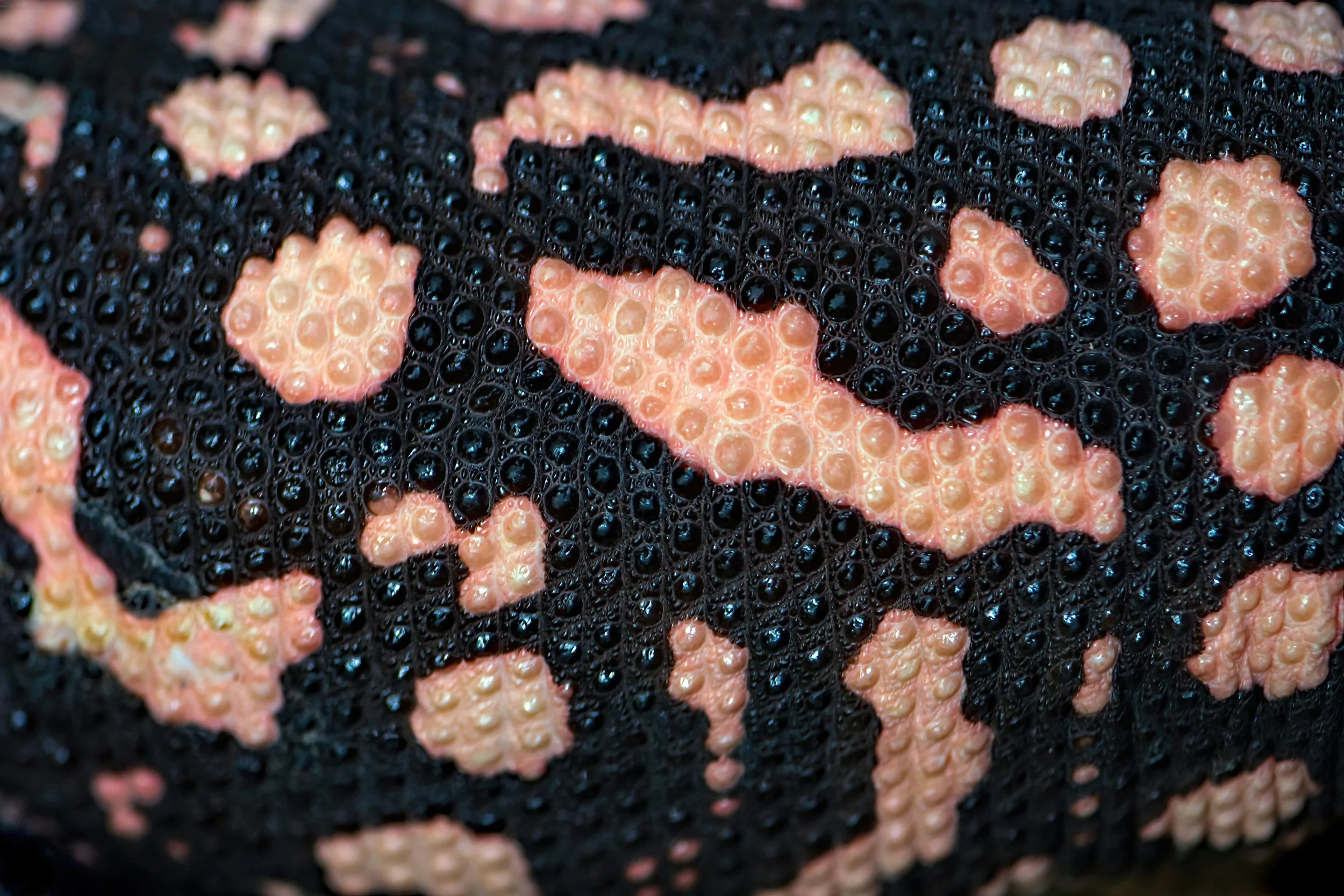
Gila monster venom paved the way for groundbreaking weight-loss and diabetes drugs like Ozempic, but its potential is just the tip of the fang. From tarantula venom aiding nerve research to cone snails delivering hypoglycemia-inducing toxins, venoms have evolved from biological weapons to pharmaceutical treasures. They act as nature’s Swiss Army knives, packed with peptides and proteins, offering targeted, potent solutions. Despite challenges like extinction and extraction, venom research reveals our shared molecular blueprints, promising innovations in cancer treatment, pain relief, and more—proving that even the deadliest bites can lead to life-saving breakthroughs. Venom Helped Create Weight-Loss Drugs. What Else Could It Do For Us? - The New York Times (gift article).
True to Self: Authenticity’s Inner Workings
What does authenticity mean? How to be more authentic. - The Washington Post (gift article) explores the profound psychological benefits of authenticity, framing it as a dynamic process of self-determination and alignment with personal values. Researchers argue that authenticity strengthens mental health, fosters meaningful relationships, and provides a deep sense of life purpose. Authenticity involves being truthful and actively choosing actions that resonate with one’s ideals, enhancing self-control, resilience, and decision-making. In contrast, inauthenticity can lead to anxiety and diminished life satisfaction. Individuals can find a more meaningful and fulfilling life path by pursuing goals rooted in personal values and staying open to evolving self-discovery.
Gene Insurance, No Coverage Guaranteed
As genetic testing becomes familiar, a troubling trend emerges: insurers are legally denying coverage based on genetic predispositions, creating a new form of discrimination. Kristen V. Brown highlights cases where individuals like “Bill,” a healthy man with a genetic marker for ALS, are refused policies or face inflated premiums due to perceived health risks. Though the Genetic Information Nondiscrimination Act (GINA) protects against genetic bias in health insurance and employment, life, disability, and long-term-care insurers face no such constraints. This legal gap fuels fears, deterring many from getting genetic tests that could aid in early disease prevention. They Were Denied Insurance After a DNA Test - The Atlantic.
Walk the Walk
Walking isn’t just a leisurely activity; it’s a powerful, accessible way to improve fitness, mental health, and weight management. This article details how adding intentional walking workouts—like intervals, step counting, and strength combos—can help you increase calorie burn and keep walks engaging. Fitness coach Michele Stanten shares top tips, including structuring walks as workouts and turning mundane steps into effective, fun routines. From desk-side walking pads to strolls during phone calls, you’ll find practical ideas to sneak in steps and reap walking’s full health benefits. How You Should Add Walking Workouts to Your Routine - Men's Health.
Pump Up Your Positive Vibes
Want to Feel Happier? Here’s How to Cultivate Positive Emotions. - The New York Times (gift article) delves into “reward sensitivity,” the psychological drive to seek and savor positive emotions. A clinical psychologist, Jenny Taitz outlines research-backed methods to help boost happiness, even for those prone to feeling low or anxious. Techniques include planning daily joyful activities, savoring the moment, expanding vocabulary for positive emotions, and visualizing uplifting outcomes. Taitz emphasizes that growing the habit of noticing and relishing joy strengthens one’s motivation to engage in future pleasurable experiences, transforming life’s small moments into meaningful mental boosts.
+An excellent app by the author of Permission to Feel: Unlocking the Power of Emotions to Help Our Kids, Ourselves, and Our Society to help with one of the suggestions of the article - expanding your feelings vocabulary. How We Feel App.
When Tired Minds Turn Testy
New research reveals that prolonged mental fatigue, or “ego depletion,” triggers changes in the brain’s frontal cortex, leading to increased aggression and diminished cooperation. During tasks requiring self-control, fatigued participants exhibited sleep-like brain activity, indicating localized “brain naps” in regions critical for decision-making. EEG scans confirmed these changes, showing that mental exhaustion disrupts impulse control and decision quality. Through economic games, fatigued individuals were found to be notably less cooperative and more hostile, underscoring the potential impact of mental fatigue on daily interactions, negotiations, and even legal scenarios. Mental Exhaustion Drives Aggressive Behavior - Neuroscience News.
Rat Race Reimagined
In a unique study, neuroscientist Kelly Lambert taught rats to drive mini cars, revealing that anticipation of enjoyable experiences may boost brain health and resilience. Rats that anticipated driving to earn a treat displayed behaviors linked to excitement, like standing with tails high. The study showed that positive experiences, not just stress, shape neuroplasticity and the brain’s ability to adapt. Lambert’s findings suggest that embracing joy and anticipation can transform behavior and mental health in rats and humans, underscoring the value of enjoying life’s journey, not just the destination. I’m a neuroscientist who taught rats to drive − their joy suggests how anticipating fun can enrich human life.
The Brain Isn’t the Only Keeper of Memories
Traditionally, memories are believed to reside solely in the brain, but a new study reveals that non-neural cells in the body also hold a memory function. Scientists at NYU found that cells outside the brain can “learn” and activate a memory gene in response to specific patterns of chemical signals, similar to how brain cells respond during spaced learning. This discovery suggests memory might be a cellular feature beyond the brain, potentially impacting future treatments for memory-related conditions and enhancing learning by targeting body-wide cellular responses. Memories are not only in the brain, human cell study finds (thanks, Amy!).
Forbidden Fruit Loophole: Why Some Banned Foods Make It to U.S. Plates
The U.S. food approval system allows certain additives banned in other countries to remain on American grocery shelves. Unlike Europe, which adopts a precautionary stance, the U.S. regulatory process is constrained by funding, industry influence, and a significant loophole: the “Generally Recognized as Safe” (GRAS) exemption. This GRAS policy lets companies self-determine safety without FDA review, leading to chemicals like titanium dioxide in foods despite potential risks. While some states are moving to ban specific additives, federal change remains slow, hindered by resource limitations and competing priorities within the FDA.Why US foods, including Halloween candy, have additives and chemicals banned in other countries | Vox.
115 - Doppelgangers, Ghosting, and Ephaptic Fields - HealthHippieMD Week In Review

Turning Disappointment into Resilience
In How to Deal With Disappointment - The Atlantic, Arthur C. Brooks explores the universal experience of disappointment, often arising when our expectations clash with reality. He differentiates disappointment from regret, emphasizing its link to feelings of powerlessness rather than self-reproach. Optimists are particularly vulnerable, as their positive outlooks set them up for deeper emotional dips when outcomes don’t meet their hopes. Brooks advocates for hope over blind optimism, suggesting that resilience and proactive strategies can soften the blow of letdowns. Individuals can foster a more balanced, growth-oriented perspective by learning from disappointment.
Sorting Stomach Signals
This comprehensive article dives deep into common concerns about gut health, exploring the essential role of the microbiome and addressing 15 frequently asked questions. Key signs of a healthy gut include quiet digestion and regular bowel movements, while persistent issues like bloating, acid reflux, or irregularity may indicate trouble. Experts suggest fiber-rich, plant-based diets, limited processed foods, and occasional fermented items to boost gut health. Topics also cover heartburn, the effects of antibiotics, myths about “leaky gut,” and the impacts of stress, diet, and even posture on digestion. How Do I Know if My Gut is Healthy? Your Microbiome Questions, Answered - The New York Times (gift article).
Coach or Crutch? The Risks of AI in Your Health Routine
AI-powered health coaches are reshaping the wellness industry, promising real-time diet, exercise, and sleep guidance based on a user’s biometrics. However, there are substantial risks in relying on AI alone. These virtual coaches may offer inaccurate advice, potentially leading users to delay essential medical care. Additionally, biases in data collection, like inaccuracy for darker skin tones and conflicting advice with medical professionals, raise serious concerns. As companies like Whoop, Google, and Apple introduce these tools, experts caution that human oversight remains crucial, advocating for responsible integration rather than blind trust. AI Fitness Coaches from Whoop, Apple, and Google Promise Health Feedback and Improvement, But Are They Reliable?
Alan’s AI Assistant Steps Up to Boost Health Access
French health tech startup Alan has unveiled Mo, an AI-powered assistant designed to help its 680,000 members receive fast, reliable health advice. Mo supports Alan’s existing chat-based doctor consultations, offering medical guidance with the assurance of doctor oversight within 15 minutes to ensure accuracy. Alan also introduced two new features: a mobile shop with curated health products and “Alan Walk,” a gamified step counter that rewards users for staying active. These additions bring Alan closer to its vision of a comprehensive healthcare “super app” that combines insurance, wellness, and accessible care. Expansion plans include Canada, marking Alan’s first move beyond Europe.Alan unveils AI health assistant for its 680K health insurance members | TechCrunch.
Food Fight
The upcoming U.S. Dietary Guidelines are unlikely to include a clear directive to avoid ultra-processed foods despite their association with health issues like obesity and diabetes. A scientific advisory committee concluded there isn’t sufficient evidence to recommend limiting these foods, mainly due to research limitations, including reliance on observational studies. Critics argue that the committee set a standard for proof too high, ignoring key findings from smaller studies. This decision disappoints health advocates who believe caution is warranted to curb high rates of chronic illness tied to diet, especially within federal food programs. The Next Dietary Guidelines May Punt on Ultraprocessed Foods - The New York Times (gift article).
Why We Ghost
Ghosting, or the abrupt end of communication without explanation, is more than a dating phenomenon; it’s a cultural puzzle impacting friendships, family, and even long-term relationships. The article dives into why people ghost, from practical reasons like communication overload to complex psychological motives such as “destiny beliefs”—the notion that relationships are “meant to be” or not. Studies show ghosters often believe they’re sparing feelings, while ghostees experience emotional fallout, grappling with self-blame and unresolved hurt. Despite the pain, some ghostees find personal growth, viewing the experience as a chance for self-reflection. Why We Ghost - Nautilus.
The Science Behind Your Doppelgänger
Scientists have long been intrigued by doppelgängers—unrelated individuals with uncanny physical resemblance. Molecular geneticist Manel Esteller’s research, using François Brunelle’s “I’m Not a Look-Alike!” project, reveals that these look-alikes often share specific genetic traits related to facial structure, pigmentation, and bone length. While facial similarities stem from shared genetic variants, personality traits do not correlate, as psychologist Nancy Segal’s studies show. The findings suggest that genetic makeup can influence appearance but not personality. With global populations rising, genetic resemblances between strangers have become more common, sparking curiosity about our “twin strangers.” The surprising science behind doppelgängers.
Sleep Solutions for Every Age
How Much Sleep Do You Need? Tips for Better Slumber at Every Age - The New York Times (gift article) explores how sleep needs evolve across different life stages. From the newborn’s chaotic schedule to the early riser tendencies of older adults, the article provides age-specific recommendations and tips for restful sleep. Experts emphasize adjusting bedtime routines, managing environmental factors, and addressing common challenges like stress, screen time, and caffeine. Tailored guidance for each age group—from toddlers to retirees—ensures readers can optimize sleep patterns to feel more refreshed and energetic.
Mind Over Matter: Filtering Out the Noise
Contrary to the “spotlight” metaphor, the brain’s attention mechanism functions more like a filter, dimming irrelevant stimuli rather than highlighting important ones. Neuroscientist Michael Halassa’s research reveals that subcortical regions, particularly the thalamic reticular nucleus (TRN) and basal ganglia, play a crucial role in managing sensory data by suppressing distractions directed by the prefrontal cortex. This mechanism supports efficient focus, guiding attention by removing sensory “clutter” early in the process. These insights reshape our understanding of attention, consciousness, and the intertwined nature of perception and action. To Pay Attention, the Brain Uses Filters, Not a Spotlight | Quanta Magazine.
Shocking Revelation: Consciousness Sparks Beyond Neurons
In Consciousness Might Hide in Our Brain’s Electric Fields | Scientific American, Tamlyn Hunt argues that ephaptic field effects—subtle electric fields generated by neurons—may play a more crucial role in our awareness than previously believed synaptic firings. Traditional neuroscience emphasizes neurons’ electrical spikes as the brain’s primary communicative mechanism. However, studies, including a notable one by Dominique Durand, reveal that these fields enable ultra-fast, non-synaptic brain interactions. This electromagnetic coupling could potentially explain the rapid information processing that underlies cognition, challenging the long-held “neural code” model and sparking fresh insights into the mystery of consciousness.