Alzheimers

123 - Dog:Human Lookalikes, Midlife Marriage Makeovers, and Mental Health - HealthHippieMD Week in Review


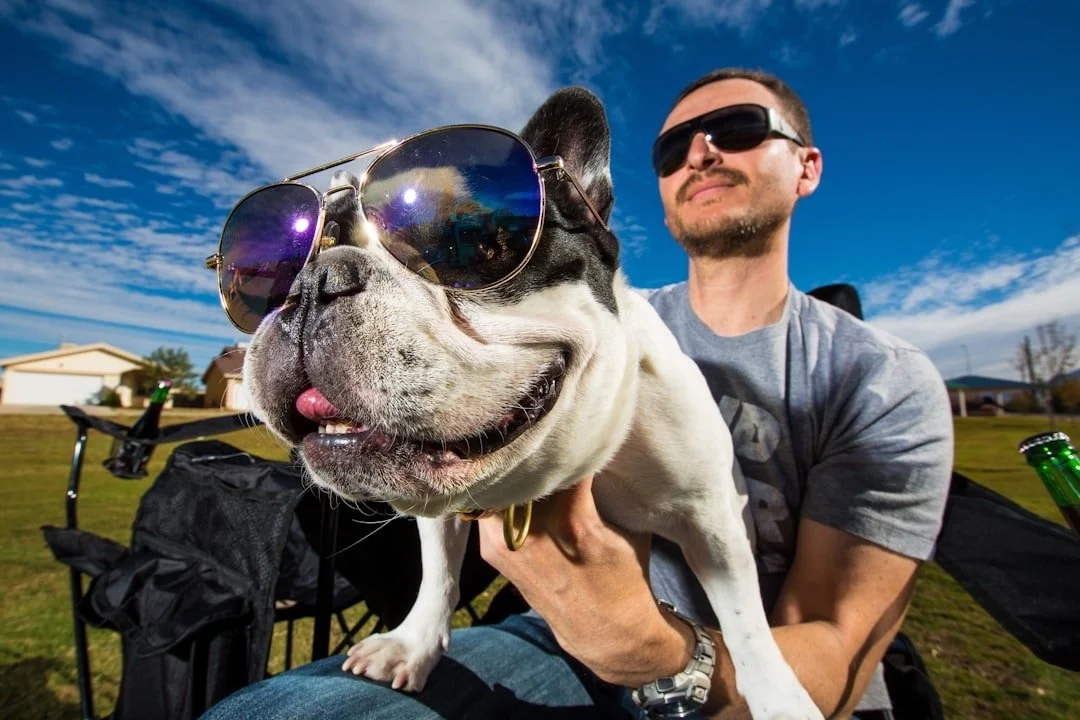
Photo by Daniel Lloyd Blunk-Fernández on Unsplash

Happy New Year and welcome to the first issue of HealthHippieMD on Substack mirrored on Squarespace.. If you haven’t yet subscribed to the newsletter click on the “Subscribe” button in the menu and sign up. Eventually, I will fully transition the Newsletter to Substack and stop posting here.

This space is where wellness meets curiosity, blending evidence-based insights with a sprinkle of holistic wisdom. Together, we'll explore innovative approaches to health, the latest in wellness trends, and practical tips to help you thrive in body, mind, and spirit. Please help me grow our community by liking, commenting, or sharing what you read.

Thank you for joining me on this journey—let's grow, learn, and inspire each other to live our healthiest lives.

Be Inspired. Be Informed. Be Well.

Jeff Taekman, M.D.

01

Gut Check on Alzheimer's

Could a common gut virus hold the key to Alzheimer's? A groundbreaking study explores how the human cytomegalovirus may travel along the vagus nerve, stirring immune responses linked to dementia. "Our results indicate a complex, cross-tissue interaction between HCMV and the host adaptive immune response," researchers revealed. This cross-tissue dynamic may open the door to antiviral therapies, potentially slowing or preventing Alzheimer's progression. As researcher Benjamin Readhead puts it, "We're motivated to understand whether these findings have implications for clinical care." Could this be the tipping point in understanding Alzheimer's? Common Gut Infection Tied to Alzheimer's Disease.

02

Ink and Lymphoma: A Risky Canvas?

Tattoos are more than skin deep—they may affect your health. A population-based study reveals a startling 20% increase in lymphoma risk among tattooed individuals, likely tied to carcinogens in tattoo ink and the immune system's response. "The study underscores the importance of regulatory measures to control the chemical composition of tattoo ink," the researchers emphasize, highlighting the urgency as tattoo culture grows. The question lingers: Is beauty worth the risk, or is it time for a regulatory makeover? Tattoos Linked to Malignant Lymphoma-Medscape.

03

Relationship Tips for the New Year

From "repotting" friendships to navigating "yellow flags" in dating to making over your marriage, these expert-backed strategies invite a more profound connection in every relationship. "Grieving and digesting the limits of one another's human imperfections is a central part of long-term intimacy," says family therapist Terrence Real, encouraging self-reflection and mutual understanding. Whether tackling tough conversations or finding joy in shared moments, these tips might transform your connections this year. Strengthen Your Relationships in 2025 - The New York Times (gift article).

04

Mental Health Hacks for 2025

Small changes can make a big difference. Whether moving your body, quieting your inner critic, or learning to embrace uncertainty, these science-backed tips are designed to help you thrive. Mental Health Advice for 2025 - The New York Times (gift article).

05

Midlife Marriage Makeover

Middle age often brings more than gray hairs—it's also a critical juncture for couples. Experts share six essential questions to rejuvenate your relationship, from reflecting on your dreams to uncovering your role in recurring conflicts. "When couples revisit the qualities that first drew them together, it shifts the emotional climate of the conversation," psychologist Harriet Lerner suggests, offering a powerful way to rekindle intimacy. Questions to Ask Your Partner at Midlife, According to Couples Counselors - The New York Times (gift article).

06

Insomnia's Emotional Cost

Sleep deprivation doesn't just leave you tired—it reshapes your mood, your thoughts, and even your mental health. Chronic insomnia, described as "a fire that jumps the fence" by one sufferer, can create a vicious cycle where anxiety disrupts sleep, which in turn exacerbates mental health issues. Cognitive-behavioral therapy for insomnia (CBT-I) has been transformative for many, teaching strategies like reframing negative thoughts and breaking harmful associations with sleepless nights. Is the answer to better mental health lying in bed? How Sleep Affects Your Mood: The Link Between Insomnia and Mental Health - The New York Times (gift article).

07

Who Let the Lookalikes Out?

Do you and your dog share a striking resemblance? Science suggests it's not just coincidence. Psychologist Yana Bender notes, "People consistently match dogs and their owners in photographs, even when the resemblance is subtle." Beyond physical similarities, personality traits also align—extraverted owners often have sociable dogs, while more anxious individuals report pets with heightened stranger-directed fear. Are we choosing pets that mirror us, or are they learning from us over time? Why We Look Like Our Dogs.

08

Mastering Calm

Can a simple breath change your brain? Science says yes. From ancient yoga practices to modern neuroscience, intentional breathing techniques are a powerful tool against stress. Could the rhythm of your breath be the symphony your mind needs? How to use breathwork to calm your mind - The Washington Post (gift article).

09

GLP-1s: A Weighty Solution?

With the obesity epidemic spiraling into a trillion-dollar crisis, GLP-1 drugs offer hope for weight loss and chronic disease prevention. But who benefits—patients, or the bottom line? Will these medications revolutionize care or reinforce inequalities as the health ecosystem pivots? Growth of GLP-1s has implications for multiple stakeholders-Deloitte.

10

Weight-Loss Wonders

Could a lizard's venom hold the secret to curing addiction and preventing Alzheimer's? The unexpected benefits of GLP-1 drugs, born from obesity treatments, are reshaping medical landscapes. These "wonder drugs" may alleviate cravings, protect against heart disease, and slow brain degeneration. With pharmaceutical giants like Eli Lilly racing to unlock their full potential, the question arises: Are GLP-1s medicine's new multi-tool, or just a weighty fix?
https://arstechnica.com/health/2024/12/weight-loss-drugs-may-also-treat-addiction-alzheimers-and-heart-disease/

11

Mindfulness: A Practice of Remembering

What if mindfulness isn't just about calm but transformation? Returning to its Buddhist roots reveals a practice steeped in remembrance—not of the past, but of the present moment. Can you "remember" your way to a more meaningful life? Mindfulness is about 'remembering' − a practice of coming back to the now.

If you enjoyed this newsletter, please comment, like, or share on Substack. Until next week.....

Be Inspired. Be Informed. Be Well.

121 - Grief Relief, Fighting Time, Diet and Dementia Risk - HealthHippieMD Week In Review

121 HealthHippie Newsletter Audio Overview

Food for Thought: How Diet Fuels Dementia Risk

Researchers discovered a clear link between inflammatory diets and increased dementia risk, analyzing 10 years of data from the Framingham Heart Study Offspring cohort. High Dietary Inflammatory Index (DII) scores were associated with all-cause dementia and Alzheimer's disease, suggesting that anti-inflammatory diets could play a preventive role. Although promising, these findings require further validation.Dementia Incidence Linked to Inflammatory Foods | MedPage Today (Thanks, Amy!)

Grief Relief: Navigating the Holidays with Compassion

The holiday season intensifies grief for many, but experts offer strategies for coping, including expressing emotions, engaging in rituals, and creating new traditions. Supporting loved ones involves empathy, practical help, and listening without judgment. Prolonged grief disorder, recognized in 2022, highlights the need for targeted interventions. How to Manage Holiday Grief in Yourself and Others | Scientific American.

Cultural Prescription: Art for What Ails You

Engaging in arts and culture isn't just entertaining—it's scientifically proven to enhance health, happiness, and productivity. A groundbreaking UK study reveals that occasional participation in cultural activities, from concerts to drawing classes, alleviates depression, pain, and loneliness, generating a societal financial benefit of £8 billion annually. Arts engagement boosts cognitive function, reduces reliance on medication, and supports preventative healthcare goals. Researchers highlight these benefits as personal and pivotal to public health, urging against cuts to arts funding. This study underscores art's power to enrich life, making it an essential component of wellness strategies.
Consuming arts and culture is good for health and wellbeing, research finds. (Thanks, Laura!).

Prescription for Competition: PBMs and Drug Pricing Woes

Pharmacy Benefit Managers (PBMs) control drug prices and coverage, but market concentration among a few dominant players stifles competition and inflates costs. While PBMs negotiate discounts, their practices often limit generics and create opaque pricing. Experts call for regulatory reforms to ensure fair competition and consumer savings. What are pharmacy benefit managers? A health economist explains how lack of competition drives up drug prices for everyone.

Antibody Aging Hacks: Fighting Time with Science

Antibodies, vital in combating infection, may now target aging itself. Recent studies reveal their potential to extend lifespan, rejuvenate tissues, and fight age-related diseases. Antibody therapies offer a revolutionary approach to aging, from targeting senescent cells to reducing inflammation. Could these medical breakthroughs be the future of anti-aging Antibodies Could Soon Help Slow the Aging Process.

Mind Your Brain: Practical Tips for Cognitive Wellness

Simple lifestyle changes—like better sleep hygiene, yoga, mindfulness, and gardening—can enhance cognitive and emotional health. Embrace the joy of missing out (JOMO) and make small, impactful shifts to protect your brain. Our best tips for cognitive health - The Washington Post (gift article.)

Mark Hyman's Functional Medicine Empire

Dr. Mark Hyman's functional medicine empire spans supplements, books, and diagnostics, merging holistic care with high-profile allies like Robert F. Kennedy Jr. Despite criticisms of unproven methods, his focus on root-cause medicine aligns with rising interest in preventative health. How RFK Jr's Longtime Friend Mark Hyman Built a Wellness Empire - The New York Times (gift article).

Tackling Depression with VNS Therapy

Vagus Nerve Stimulation (VNS) offers hope for treatment-resistant depression, with recent trials showing improved quality of life for patients with long-term depressive symptoms. Though FDA-approved, limited insurance coverage hinders access. How stimulating the body's largest nerve may relieve severe depression.

Longer Life, Shorter Straws

While global life expectancy has risen, Americans face a grim trade-off: more years of life spent sick. The U.S. lifespan-healthspan gap now averages 12.4 years, the widest globally. Women fare worse, with conditions like musculoskeletal and neurological diseases driving disparity. Researchers attribute this to a "disease paradox," where surviving acute illnesses leads to chronic conditions. The data calls for urgent reform in healthcare priorities to focus on extending not just years, but quality of life. Americans are living longer—but most of the extra time is spent being sick.

Patience in Peril: Conquering the Waiting Game

Anticipating test results can be as stressful as bad news itself. Experts recommend replacing passive distractions with immersive activities like exercise or puzzles to curb anxiety. Avoid "doomscrolling" for diagnoses, and instead, craft clear action plans with healthcare providers to regain control. Even if coping mechanisms falter, there's solace in preparedness—those who worry the most often adapt best to outcomes. Learn to wait wisely and reclaim peace in uncertain moments. How to Stay Calm While Waiting For a Test Result - The New York Times (gift article).

Covid's Lingering Gut Troubles

Post-Covid gastrointestinal issues, from IBS to chronic pain, are an unwelcome surprise for many survivors. Studies show up to 40% of Covid patients experience lasting digestive symptoms, often linked to inflammation or microbiome imbalances. Fortunately, targeted diets, mindfulness techniques, and medical interventions offer relief. While recovery varies, experts stress the importance of early intervention and holistic approaches to managing these life-altering conditions. How Covid Can Change Your Gut - The New York Times (gift article).

Lawn and Order: Farming the Front Yard

In Los Angeles, lawns are transforming into sustainable micro-farms, thanks to Crop Swap LA. These hyper-local gardens provide fresh produce to food-insecure families while using a fraction of the water that grass demands. The initiative, founded by Jamiah Hargins, turns suburban spaces into eco-friendly hubs, demonstrating that small-scale farming can fight food insecurity and environmental waste simultaneously.Growing Food Instead of Lawns in California Front Yards - The New York Times (gift article).

Algorithm Checkup: Regulating AI in Medicine

With AI-driven tools increasingly guiding healthcare decisions, experts warn of unregulated risks in clinical algorithms. A new rule under the Affordable Care Act aims to prevent biases in medical AI but leaves gaps for non-AI tools. Researchers stress the need for consistent standards across all clinical decision aids to ensure transparency and equity in patient care. AI in health should be regulated, but don't forget about the algorithms, researchers say.

120 - Mirror Cells, Fighting Inflammation with Food, and Artful Healing - HealthHippieMD Week In Review

120 -- HealthHippieMD Week In Review Audio Overview

Curiosity Killed the Bias

How to see the humanity in anyone | Psyche Guides explores the transformative practice of "deep curiosity," a tool for fostering empathy, connection, and understanding across divides. The author recounts a yearlong journey meeting individuals with opposing beliefs and challenging stereotypes fueled by assumptions and social media. Through the DIVE model—Detach, Intend, Value, Embrace—he teaches how to unlearn biases, prepare for meaningful dialogue, and honor others' dignity. By viewing challenges as opportunities for growth, deep curiosity strengthens relationships and enriches self-awareness. This guide empowers readers to break barriers and connect authentically in an increasingly polarized world. (Thanks, Laura!).

+see also: The War For Kindness - The Happiness Lab with Dr. Laurie Santos - Apple Podcasts.

Food Fights Inflammation

An anti-inflammatory diet swaps processed foods for whole, nutrient-dense options to combat chronic inflammation. Foods rich in antioxidants, polyphenols, and essential nutrients help reduce oxidative stress and regulate hormones. A Mediterranean-inspired diet—packed with fruits, vegetables, fish, nuts, and olive oil—nurtures a healthy gut biome, while magnesium-rich and brightly colored foods fight stress and free radicals. Spices like turmeric and garlic add flavor and anti-inflammatory benefits. While diet is just one piece of the wellness puzzle, adopting these habits offers long-term physical and mental health benefits—making it a marathon worth running. An anti-inflammatory diet can boost your health. What to eat and what to avoid | Fortune Well.

How Seed Oils May Ignite Cancer Risks

A new study highlights the potential role of omega-6 fatty acids—abundant in seed oils used in ultra-processed foods—in promoting inflammation that fuels colon cancer. Researchers found high levels of these proinflammatory lipids in tumor samples, alongside a deficiency in inflammation-resolving omega-3s. Experts point to dietary shifts since the 1950s, with ultra-processed foods and seed oils dominating modern diets, as a likely factor. While diet isn't the sole contributor, the findings emphasize the complex interplay of food, lifestyle, and genetics in cancer risk, advocating for moderation in omega-6 consumption pending further research. Ultraprocessed Foods High in Seed Oils Could Be Fueling Colon Cancer Risk | Scientific American.

Chasing Happiness

What can ancient philosophy teach us about a well lived life? Examining different schools of philosophical thought can teach us a lot about different ways to create happiness. The philosophy of happiness, explained in 10 minutes - Big Think.

Love Is a Marathon, Not a Sprint

Arthur C. Brooks explores the paradox of love and happiness, arguing that the exhilarating, passionate phase of romance—while thrilling—isn't what brings enduring joy. Instead, he highlights "companionate love," rooted in friendship, mutual understanding, and commitment, as the foundation of lasting happiness. Backed by research like the Harvard Study of Adult Development, Brooks demonstrates that stable relationships, especially those built on deep friendship, are the strongest predictors of lifelong contentment. With humor and personal anecdotes, he underscores that the secret to staying in love lies in simply liking your partner—your best friend. The Kind of Love That Makes People Happiest - The Atlantic.

+see also: This heartwarming video from Coldplay featuring Dick Van Dyke. All My Love Official Version, Director's Cut.

Press Paws

A recent study suggests that dogs may communicate intentionally by pressing buttons linked to words. Researchers found that some dogs form two- or three-word combinations, such as "want food," which appear deliberate rather than random. The study monitored button-pressing behaviors in over 150 dogs using soundboards, finding that dogs can express needs akin to a young child. However, skeptics argue the behavior could stem from training or reinforcement rather than true language understanding. While questions remain, the research highlights dogs' intelligence and their potential for deeper interaction with humans. Dogs may be able to communicate by pressing buttons, research suggests - The Washington Post (gift article).

Snooze You Can Use

Science-Backed Sleep Tips from 2024 to Help You Snooze Better | Scientific American explores 2024's popular sleep trends and their scientific validity. Highlights include the benefits of short naps for memory and mood and caution against "bed rotting," which disrupts circadian rhythms. TikTok's "sleepy girl mocktail" sheds light on magnesium's role in relaxation, while sleeping on the floor offers mixed results for back health. Sleep divorces—partners sleeping separately—can improve rest for mismatched sleepers. To combat election-induced insomnia, experts recommend unplugging, meditating, and reframing anxious thoughts with gratitude. These evidence-backed strategies aim to optimize sleep quality for a more restful 2025.

Artful Healing

Susan Magsamen's exploration of neuroaesthetics reveals the profound effects of art on mental health, trauma recovery, and cognitive disorders. This emerging field connects art, science, and well-being, showing how aesthetic experiences—from painting and dance to music—positively reshape our brains. Programs like Creative Forces empower trauma survivors, while dance improves cognition and mobility in Parkinson's patients. The arts, accessible to all, offer transformative benefits, reducing stress and fostering resilience. By embracing creativity, we can enhance our mental and physical health, proving that the arts are as essential as exercise or nutrition. 'Neuroaesthetics' Reveals How the Arts Help with Dementia and Trauma | Scientific American.

Neuroinflammation and Muscle Fatigue

Neuroinflammation, sparked by the brain's immune response to infections or chronic diseases like Long COVID and Alzheimer's, disrupts the brain-muscle connection, leading to muscle fatigue. This research uncovers how brain-released cytokines alter muscle energy production without damaging muscle structure. Studying fruit flies and mice, scientists identify a universal brain-to-muscle communication pathway that reallocates energy to combat infection. Potential treatments, such as neutralizing antibodies, aim to block this signaling. With further exploration, targeting this axis could alleviate fatigue in long COVID and other neuroinflammatory conditions, improving life for millions worldwide. Brain inflammation may be the reason behind muscle fatigue after infection and injury.

Mirror Cells: The Dark Reflection of Life

Scientists warn of the existential risks posed by "mirror cells," organisms built with reverse-handed DNA and proteins, defying the fundamental biology of Earth's life forms. These synthetic microbes, immune to natural defenses and capable of ecological devastation, could trigger pandemics or disrupt ecosystems if released. While promising medical advancements like long-acting drugs, their potential to bypass immune systems and evolve uncontrollably outweighs the benefits. Leading researchers advocate banning this technology, urging global dialogue to prevent catastrophic consequences before these innovations take root. A 'Second Tree of Life' Could Wreak Havoc, Scientists Warn - The New York Times (gift article).

+see also: one of the most memorable articles from Wired (from 25 years ago!)-Why the Future Doesn't Need Us | WIRED.

The Gut: The New Frontier of Mental Health Treatment

Emerging research highlights the potential of targeting gut cells, rather than brain cells, to treat depression and anxiety. Traditional SSRIs, while effective, often cause systemic side effects. Scientists have observed mood improvements in mice without the usual drawbacks by focusing on serotonin production in the intestines, unveiling the gut-brain connection's crucial role in emotional regulation. This novel approach may also address concerns about SSRI safety during pregnancy, offering a safer alternative for both mothers and babies. These findings could revolutionize mental health care by delivering effective relief without compromising physical well-being. Drugs targeting gut cells, not brain cells, fight depression better - Earth.com. (thanks, Amy!).

+see also: Gut Feelings: The Role of the Microbiome in Behavioral Health — HealthHippieMD.

119 - Gratitude, Giving, Hypochondria, and Chocolate - HealthHippieMD Week In Review

Gratitude and Giving

Gratitude isn't just good manners—it's good mental health. A recent meta-analysis revealed a robust inverse relationship between gratitude and loneliness, showing that feeling thankful fosters connection and reduces isolation. Simple practices, like journaling three daily blessings or writing gratitude letters, help shift focus from negativity to positivity. This "gratitude muscle" strengthens with use, improving emotional resilience and overall well-being. Experts emphasize that gratitude doesn't demand perfection, only consistent effort. Whether acknowledging a friend's kindness or savoring small joys, gratitude offers a powerful antidote to loneliness and a path to mental clarity. Gratitude can improve our mental health. Here's how to create a practice. - The Washington Post (gift article).

+see also: Get Happier, Help Others: Some - Cautionary Tales with Tim Harford - Apple Podcasts

+see also: Why Giving is a Great Daily Ha - The Happiness Lab with Dr. Laurie Santos - Apple Podcasts

The Surprising Upside of Future Focus

Staying resilient can be difficult in challenging times, such as the COVID-19 pandemic. A study involving performing artists found that while mindfulness—being present in the moment—has benefits, hopefulness was a more effective strategy for resilience. Hope, a belief in an effort toward a better future, helped participants stay engaged, maintain positive emotions, and explore new possibilities during the pandemic. The study suggests that mindfulness isn't a one-size-fits-all solution and that cultivating hope can be a powerful tool for navigating prolonged adversity. Hope Can Be More Powerful Than Mindfulness | Scientific American.

Ketones and Brain Health

Ketone Bodies Clear Damaged Proteins in the Brain - Neuroscience News highlights ketone bodies as not just energy sources during fasting but also as "cleaners" for damaged proteins in the brain. The ketone body β-hydroxybutyrate helps clear misfolded proteins through autophagy, reducing harmful protein aggregation. Tested in Alzheimer's and aging mouse models, treated animals showed improved brain health and protein quality control. This discovery links metabolism to aging and neurodegeneration, suggesting ketone bodies as potential therapeutic agents for neurodegenerative diseases by enhancing protein clearance and supporting brain function. (Thanks, Amy!)

Your Friends Are Closer Than You Think

Recent research in remote Honduran villages reveals that our microbiomes are shaped by our social circles—direct friends and their connections. The study found that people who frequently interact, even without living together, share up to 10% of their gut microbes, compared to only 4% among those who don't. This suggests that social networks might play a significant role in health, potentially influencing conditions like depression and obesity through microbiome transmission. While this could reshape our understanding of health, close contact is still beneficial overall. Your Friends Shape Your Microbiome—And So Do Their Friends | Scientific American.

Aging Piecemeal

New research reveals that aging is not a uniform process—our organs, cells, and body parts can age at different rates. This study from Stanford highlights "organ aging," where, for example, someone's heart may age faster than their brain, or vice versa. Understanding the unique aging trajectory of each organ—your "ageotype"—could help manage health risks by customizing lifestyle choices. Factors like exercise and diet significantly influence which organs age more rapidly, suggesting that some aspects of aging are within our control. Why your organs may be aging faster (or slower) than the rest of you - The Washington Post (gift article).

Wealth of Wisdom

In the latest Huberman Lab podcast, host Dr. Andrew Huberman converses with Morgan Housel, author of The Psychology of Money. They explore how our attitudes toward earning, saving, and spending money shape our psychological well-being and perceptions of wealth. The discussion delves into common financial pitfalls, such as overspending and excessive saving, and offers strategies to use money to achieve psychological security, freedom, and a deeper sense of purpose. The episode also examines the effects of social media and wealth signaling on our internal reward systems, highlighting the importance of adopting healthy financial mindsets to enhance overall happiness. Morgan Housel: Understand & Apply the Psychology of Money to Gain Greater Happiness - Huberman Lab - Apple Podcasts.

The Chemistry Behind Balanced Learning

A recent study from Stanford reveals dopamine and serotonin work like opposing pedals: dopamine is the accelerator for rewards, while serotonin acts as the brakes, moderating impulsive behaviors. Both neurotransmitters are crucial for effective learning, enabling a balanced approach to reward-seeking and patience. Researchers used optogenetics in mice to demonstrate that dopamine increases during rewards while serotonin decreases, showing their opposing but complementary roles. These insights have potential implications for treating psychiatric conditions like addiction and depression, where the balance between these systems is often disrupted. Dopamine and Serotonin Work in Opposition for Effective Learning - Neuroscience News.

How Exercise Can Make or Break Your Sleep

Regular exercise can boost sleep quality, but the key lies in moderation and timing. High-intensity workouts late in the day may hinder restful sleep by elevating stress hormones and increasing core body temperature. For individuals with insomnia, following a structured moderate exercise routine, such as walking or cycling, can support better rest. Experts recommend pairing aerobic activity with mindfulness practices like yoga, tailoring workout intensity to individual needs, and maintaining consistent schedules to optimize sleep and recovery. How to Exercise for Better Sleep - The New York Times (gift article).

A Bitter-Sweet Revelation

A large study comparing dark and milk chocolate reveals that dark chocolate might offer metabolic benefits, potentially lowering the risk of Type 2 diabetes. The research analyzed health data from nearly 192,000 participants over 30 years, concluding that those who consumed at least five ounces of dark chocolate weekly had a 21% lower risk of developing diabetes than those who didn't. Milk chocolate offered no similar benefits, likely due to higher sugar content. The study suggests moderation is key, as dark chocolate is also higher in beneficial plant compounds like flavonoids. So, it turns out dark chocolate isn't just good for your soul—it might also keep your sugar in check. Talk about a sweet deal! What's the healthiest type of chocolate? A new study offers an answer. - The Washington Post (gift article).

Hypochondria - More Than Just In Your Head

Hypochondria, or intense health anxiety, is an actual mental illness with serious consequences, including higher risks of physical harm and suicide. It's not just "in your head"—it affects lives profoundly, sometimes leaving people unable to function normally. Recent research has distinguished two forms: illness anxiety disorder and somatic symptom disorder. Effective treatments like cognitive-behavioral therapy (CBT) and antidepressants are showing promise. Cyberchondria—over-researching symptoms online—often worsens anxiety. Recognizing hypochondria as a legitimate condition is crucial for compassionate care and positive outcomes. Why Hypochondria Can Be Deadly, and How Newer Treatments Help | Scientific American.

117 - Loneliness, Plant Protein, and Curiosity- HealthHippieMD Week In Review

Forget Me Not: How Loneliness Affects the Mind

A study published in Nature Mental Health links loneliness to a 31% higher risk of dementia and a 15% increase in cognitive impairment. Drawing data from over 600,000 individuals worldwide, researchers found that loneliness impacts cognitive decline similarly to smoking or sedentary behavior. Experts suggest loneliness might precede dementia or worsen it by reducing social engagement and mental stimulation. Practical interventions, such as strengthening connections, finding like-minded communities, and cognitive-behavioral therapy, may mitigate these effects. With loneliness affecting millions, addressing this “social pain” could safeguard both mental and physical health. Loneliness can increase the risk for dementia, a large study shows - The Washington Post (gift article).

Nest Side Story: From Emptiness to Opportunity

Abandon the Empty Nest. Instead, Try the Open Door. - The Atlantic challenges the term “empty nest,” advocating for a reframe to “open door” to capture the transition parents face when children leave home. While the “empty nest” metaphor emphasizes loss, the “open door” symbolizes possibility, welcoming independence for both children and parents. Rubin reflects on the bittersweet emotions of this life stage, urging parents to see it as a time for self-discovery, new adventures, and deeper connections. This reimagining encourages embracing change with purpose and optimism, making space for grief and growth as parents step back while keeping the door open.

HIPAA-critical Condition

Elon Musk’s suggestion to share medical images with X’s AI chatbot, Grok, has sparked a privacy debate. Users eagerly upload sensitive scans like MRIs and X-rays, hoping for fast, accurate diagnoses. However, experts warn about Grok’s potential inaccuracies and the risks of exposing personal health data outside HIPAA protections. Critics highlight the danger of misuse by third parties, such as insurers or employers. While AI holds promise for healthcare, relying on incomplete tools like Grok is akin to a risky experiment, leaving users vulnerable to ethical and data privacy concerns. Elon Musk Asked People to Upload Their Health Data. X Users Obliged - The New York Times.

UnitedHealth’s Therapy Algorithm Hits Limits

UnitedHealth Group has come under fire for using an algorithm to restrict mental health therapy coverage, targeting patients receiving more frequent care. Deemed illegal in three states, these practices persist elsewhere due to fragmented regulations. United’s cost-saving strategy disproportionately impacts vulnerable populations, including Medicaid recipients, and relies on automated reviews disregarding clinical needs. Internal documents reveal that once designed for life-saving interventions, the algorithm has been repurposed to flag “overuse.” Despite legal settlements, rebranded programs continue scrutinizing care under different names, exposing gaps in mental health parity laws and regulatory oversight. Inside UnitedHealth’s Playbook for Limiting Mental Health Coverage — ProPublica.

Curiosity Doesn't Only Kill the Cat

Curiosity drives humans and machines to learn by balancing novelty and familiarity, creating a “sweet spot” where learning thrives. Neuroscientists and psychologists reveal that curiosity engages reward pathways in the brain, promotes memory retention, and fosters intrinsic motivation. This natural urge, shaped by evolution, pushes us to explore, even without immediate benefits. Experiments in robotics and education show that mimicking curiosity enhances efficiency and engagement, suggesting its potential for AI development and classroom innovation. Understanding curiosity’s mechanisms could transform learning and mental health approaches, proving its vital role in personal growth and societal progress. How the Science of Curiosity Boosts Learning | Scientific American.

Love and Peas: Are Plants Adequate Protein for Seniors?

A simulation study suggests that older adults can safely adopt a diet with up to 60% plant-based protein, maintaining adequate protein intake for health and muscle preservation. Flexitarian, pescetarian, and vegetarian diets provided sufficient protein, but vegan diets fell short, with nearly 83% of participants failing to meet recommended levels. Protein quantity dropped primarily at dinner, while quality deficits appeared at breakfast and lunch, especially in lysine. The study highlights the importance of strategic food combinations to enhance protein quality in plant-based diets for seniors. Limitations include reliance on simulations and specific food replacements.Can Plant-Based Diet Deliver Ample Protein for Older Adults?

Weight, Wait…

Researchers have uncovered a potential reason why weight regain after significant loss is so common: changes in fat cell DNA. These epigenetic changes persist even after substantial weight reduction, altering RNA levels, ramping up inflammation, and disrupting fat metabolism. A study involving humans and mice revealed that these molecular shifts may increase the tendency to regain weight. These findings hint at future treatments targeting the epigenetic mechanisms behind weight regain, offering hope for more sustainable weight loss solutions. As scientists dig deeper, the interplay of biology and environment continues to shape our understanding of obesity. We're starting to understand why some people regain weight they lost | New Scientist

A Healthier Holiday Food Mindset

The holidays bring delicious indulgences, but food anxiety often casts a shadow over celebrations. Enjoy Holiday Food without the Anxiety | Scientific American explores how stress over holiday eating can backfire, harming mental and physical health. Dietitian Sara Riehm emphasizes balance: enjoy treats without guilt by focusing on nutrient-rich options and mindful movement. She debunks myths like “saving calories” by skipping meals and advocating for steady, healthy habits. Her practical strategies—prioritizing unique dishes and avoiding extreme behaviors like cleanses—highlight the importance of planning and self-compassion. Ultimately, the key is to savor holiday moments while maintaining a positive, flexible relationship with food.

How Drugs Derail and Restore Memory Pathways

Researchers at UC San Diego uncovered a shared mechanism behind cognitive deficits caused by drugs like methamphetamine and PCP. Both trigger “neurotransmitter switching” in the medial prefrontal cortex, where neurons shift from producing glutamate to GABA, impairing memory. Surprisingly, heightened dopamine activity drives this switch, and the changes are reversible. Treatments like the antipsychotic clozapine or chemogenetic interventions restored normal brain function and memory in mice. While promising, the findings need further validation in humans, opening avenues for tackling drug-induced cognitive deficits and neuropsychiatric disorders. Neuroscientists identify a reversible biological mechanism behind drug-induced cognitive deficits (Thanks, Amy!)

America’s Sobering Stats on Alcohol-Related Deaths

Alcohol-related deaths in the U.S. have more than doubled since 1999, with nearly 50,000 fatalities recorded in 2020 compared to 19,000 two decades prior. The sharpest increases occurred among young adults aged 25–34, whose rates quadrupled, and women, who saw a 2.5-fold rise. Factors include heightened stress during the COVID-19 pandemic, rising obesity rates, and eased alcohol restrictions. Deaths span various illnesses, from liver disease to cardiovascular complications, with men still at the highest risk. Experts call for increased awareness and interventions addressing alcohol consumption and obesity to curb this alarming trend.Alcohol Deaths Have More Than Doubled in Two Decades, Study Finds - The New York Times (gift article).

+see also: Ozempic May Curb Alcohol Addiction, New Study Finds: Here's Why.

114 - Empathy, Antibiotics, and Artificial Affection - HealthHippieMD Week In Review

The Healing Touch: Empathy’s Real Power in Medicine

Research suggests that empathy from doctors isn’t just comforting—it may significantly impact patient outcomes. A recent study reveals that highly empathetic physicians are linked to greater pain relief, improved functionality, and better quality of life for chronic back pain patients, surpassing even opioid and surgical interventions. Yet, empathy is rare among overburdened doctors, especially in brief appointments or with marginalized groups. Experts argue that empathy enables better communication, diagnosis, and adherence to treatment, making it a crucial, if undervalued, tool in healthcare. Despite systemic challenges, fostering empathy may be essential for truly effective care. The Power of Physician Empathy.

AI’s Hallucinations Risk Patient Safety

While popular in healthcare, OpenAI’s Whisper transcription tool is under fire for generating “hallucinated” content—text that wasn’t spoken. Despite being cautioned against high-risk usage, Whisper is employed in over 30,000 medical settings, sparking concern among experts. The tool’s reliance on predictive modeling can lead to troubling inaccuracies, with researchers reporting fabricated content in up to 80% of analyzed transcripts. Without original audio retention, verifying transcriptions becomes nearly impossible, a critical issue in healthcare where accuracy is paramount. The widespread adoption of “good enough” AI highlights the urgent need for regulation in medical tech. OpenAI’s Transcription Tool Hallucinates. Hospitals Are Using It Anyway | WIRED.

Navigating the Risks of Artificial Affection

As AI develops, the dangers of user addiction go beyond the dystopian fears of runaway technology. Instead, the article highlights a subtler threat: AI’s allure as a source of companionship. With AI already being used as friends, partners, and mentors, we face a future where relationships with nonhuman agents could displace human connection. AI’s endless adaptability makes it uniquely addictive, as it tailors responses to user desires, fostering dependency. Experts suggest that without regulatory and design measures, these digital companions might exacerbate loneliness, diminish human connections, and make real-world relationships harder to sustain. The allure of AI companions is hard to resist. Here’s how innovation in regulation can help protect people. | MIT Technology Review.

+See Also: There are no guardrails.’ This mom believes an AI chatbot is responsible for her son’s suicide.

A New Grip on Consciousness

In exploring the spectrum of consciousness, scientists now employ innovative tools like the “breathe-squeeze” method to measure subtle transitions between conscious states, from alertness to sedation. Developed initially for sleep studies, this technique involves participants squeezing a device with each breath, allowing researchers to track shifts in awareness without disruption. Anesthesiologists are adapting this approach to study consciousness under anesthesia more precisely, revealing that consciousness isn’t binary but exists along a continuum. This method offers a clearer picture of consciousness and may improve clinical care for anesthesia, coma, and sleep disorders, bridging scientific and philosophical inquiries about the nature of consciousness. Consciousness Is a Continuum, and Scientists Are Starting to Measure It | Scientific American.

How to Sleep Through Election Stress

With the high-stakes 2024 U.S. presidential election looming, many Americans report losing sleep over “electsomnia.” Experts from Scientific American share practical, science-backed strategies to curb election-induced insomnia. Sleep specialists emphasize the importance of recognizing one’s anxiety triggers and setting boundaries with news intake. Practicing gratitude, mindful relaxation, and progressive muscle exercises can prepare the mind and body for rest. Additionally, whether evening tea or cozy audiobooks, rituals can provide comfort while minimizing caffeine and alcohol close to bedtime, which aids sleep quality. As election stress builds, these habits can promote better, more restful nights. Is Election Anxiety Keeping You Awake? Sleep Experts Share Advice | Scientific American.

Mind Games

While brain training games promise to stave off dementia, research shows mixed results. Studies reveal that cognitively stimulating activities like puzzles, crosswords, and reading can benefit brain health and delay cognitive decline. Specialized brain games may improve specific skills but don’t necessarily transfer benefits across broader cognitive functions. Experts suggest activities that challenge mental skills could build “cognitive reserve,” potentially delaying dementia symptoms, though direct evidence is limited. Ultimately, like exercise, mentally stimulating tasks hold promise but lack definitive proof as a safeguard against dementia. Can Puzzles and Games Prevent Dementia? - The New York Times (gift article).

The Fiber Fix for Antibiotic Blues

Antibiotics can disrupt the gut’s microbial balance, temporarily diminishing beneficial bacteria while allowing hardy, fast-growing strains to dominate. Restoring gut health post-antibiotics often hinges on diet, with fiber-rich foods like garlic, oats, and bananas supporting beneficial bacteria regrowth. High-fiber diets help re-establish a diverse microbiome faster, while fermented foods like kimchi may replenish lost bacteria. Probiotics, however, offer limited benefits, sometimes even slowing recovery. For those dealing with antibiotic side effects like bloating, easing into fiber may be best. Ultimately, a balanced diet fosters resilience and diversity in the gut. What Should I Eat While Taking Antibiotics? - The New York Times (gift article).

Why Music Strikes a Chord in Our Minds

Music isn’t just background noise—it’s a universal, powerful tool for emotional depth and connection. Philosopher Arthur Schopenhauer believed music uniquely reveals life’s truths, bypassing words and directly engaging with our consciousness. Neuroscientific research affirms this by showing how music activates the brain’s reward centers, even easing symptoms of disorders like Parkinson’s and Alzheimer’s. Music enhances emotional experiences, especially when enjoyed live or alone. Whether upbeat tunes for joy or sad songs for solace, music helps us process feelings, connect with others, and even unlock higher self-awareness. Why Music Really Does Make You Happier - The Atlantic.

113 - Cellular Demise, Zombies, and What Not to Say - HealthHippieMD Week In Review

Sweet Control: Keeping Blood Sugar in Check

Managing blood sugar is vital for preventing diabetes and related complications. Is Your Blood Sugar Too High? How Food, Sleep, and Exercise Can Affect It. - The New York Times (gift article) explores how lifestyle factors—diet, exercise, and sleep—affect glucose levels. Foods high in carbohydrates and sugar cause spikes, while balanced meals with protein, fat, and fiber help stabilize blood sugar. Exercise helps lower blood sugar, while stress and poor sleep can cause it to rise. Regular testing, especially for those with risk factors, is key. Medications like metformin or Ozempic are available for those struggling with lifestyle changes, though healthy habits remain the foundation of effective blood sugar control.

What Not to Say in Love’s Language

Things You Should Never Say to Your Partner - The New York Times (gift article) explores common phrases that may unintentionally escalate conflicts in romantic relationships. Phrases like “You always…” and “Yes, but…” are highlighted as conversation derailers, sparking defensiveness instead of problem-solving. Experts suggest avoiding comparisons to others and dismissals, such as “Calm down” or “You’re overreacting,” which can invalidate feelings and amplify arguments. Rather than placing blame, the article encourages focusing on present concerns, actively listening, and showing empathy to foster constructive discussions and strengthen relationship bonds.

GLP-1 Drugs Are Revolutionizing Health

GLP-1 receptor agonists, initially used for diabetes, are now reshaping medicine with effects that stretch far beyond blood sugar control. Drugs like Ozempic and Wegovy not only aid weight loss but also show promise in combating cardiovascular disease, sleep apnea, and even addiction. These “molecular Swiss Army knives” work by reducing inflammation and improving cell health, potentially impacting Alzheimer’s, arthritis, and substance dependency. With their ability to influence multiple health pathways, GLP-1 drugs could be the next great leap in chronic disease management, signaling a shift in how we treat and prevent various conditions. GLP-1s like Ozempic are among the most important drug breakthroughs ever.

Ozempic’s Surprising Brain Boost

A recent study from Case Western Reserve University reveals that Ozempic, a drug commonly prescribed for type 2 diabetes, may significantly lower the risk of Alzheimer’s disease. Researchers found that patients using semaglutide, Ozempic’s active ingredient, had up to a 70% lower risk of developing Alzheimer’s compared to those on other diabetes medications, with the most substantial benefit seen against insulin users. Though the exact mechanism is unclear, the study suggests Ozempic’s effects on obesity and heart disease, common Alzheimer’s risk factors, might play a role. Additional clinical trials are underway to explore this promising link further. Ozempic Outperformed 7 Diabetes Medications in Reducing the Risk for Alzheimer’s Disease.

Fungi Go High-Tech

Researchers have developed biohybrid robots powered by mycelial networks from oyster mushrooms in a groundbreaking fusion of biology and engineering (and eerily congruent with several horror movies). These fungi produce electrical signals in response to ultraviolet light, which are used to control movement in rolling and hopping robots. Known for their sensitivity to environmental shifts, fungi offer low-cost and versatile potential for agricultural uses, like automated fruit harvesting or soil nutrient sensing. The team hopes future models will feature integrated fungal systems, allowing robots to respond directly to their surroundings—an exciting leap in sustainable, nature-inspired robotics. This Is Your Robot Brain on Mushrooms | Scientific American.

Can Fungi Really Create Zombies?

Matt Kasson, a mycologist, delves into the possibility of a “zombie apocalypse” induced by fungi, debunking the myth while exploring real-world examples of fungal mind control in insects. Cordyceps fungi, famously showcased in “The Last of Us,” turn ants into “zombie-like” creatures by hijacking their behavior. The process, called “summiting,” sees the fungus control infected ants to spread its spores effectively. However, Kasson assures us these fungi are far from evolving enough to target humans. While fungi like Aspergillus and Cryptococcus can pose health risks, human zombification remains safe within fiction. Could fungi actually cause a zombie apocalypse?

Yamanaka Factors Turn Back Time in the Mouse Brain

This study reveals, in mice, that Yamanaka factors can reverse signs of aging in brain neurons, enhancing synaptic connectivity and stabilizing metabolism, potentially offering protection against neurodegenerative diseases like Alzheimer’s. Researchers at the University of Barcelona introduced these cellular reprogramming proteins into adult mouse neurons, resulting in rejuvenation without side effects. Remarkably, treated mice demonstrated improved motor and social behaviors. This discovery opens new possibilities for therapies targeting neurodegeneration, offering a promising new research area for repairing damaged brain cells and preserving cognitive function in age-related disorders. (thanks, Amy!) Yamanaka Factors Can Reverse Neuronal Aging - Neuroscience News.

Balancing Act

Research suggests that standing on one leg is a simple yet effective predictor of neuromuscular aging. A study involving 40 adults over 50 revealed that single-leg balance outperformed other physical assessments, such as grip strength and walking stance, in gauging physical and mental aging. This balance test taps into neuromuscular control and sensory processing, making it a valuable indicator of frailty, fall risk, and overall independence. Notably, the test requires no specialized tools, making it an accessible self-assessment for aging health. This Simple Test Could Predict How Fast Your Mind and Body Are Aging.

The Many Modes of Cellular Demise

Cells in our body constantly face various forms of death, from accidental injuries (necrosis) to self-sacrifice (programmed death). Traditional categories like apoptosis (clean, orderly death) and necrosis (messy, accidental death) have expanded to over 20 unique pathways, including necroptosis, pyroptosis, and PANoptosis. These specialized modes allow cells to self-destruct in response to infection or internal failure, often triggering immune responses. Recent discoveries in cell death, such as NETosis, cuproptosis, and ferroptosis, offer hope for targeted therapies against infections and diseases like cancer and Alzheimer’s by strategically managing cellular demise. Your cells are dying. All the time. - Big Think.

Fear Factor: Why We Love Getting Spooked

Many people indulge in horror to experience the thrill of fear without real danger. This article explores the psychology behind why some crave these “controlled fear experiences,” like haunted houses or scary movies. Adrenaline and dopamine create a pleasurable rush, simulating a “runner’s high” and relieving stress afterward. Additionally, facing fear with others can strengthen social bonds through a psychological phenomenon known as “tend-and-befriend.” Research shows that horror fans may build resilience, gaining emotional tools to face real-life stress. Ultimately, scaring ourselves is fun and may enhance social connections and coping skills. Some people love to scare themselves in an already scary world − here’s the psychology of why.

106 - Power Plays, Slices of Life, and a Touching Discovery - HealthHippieMD Week In Review

Power Play

Mitochondria keep your brain cells alive − helping them run smoothly may protect against Parkinson's disease explores the vital role mitochondria play in maintaining brain cell health and their potential in combating Parkinson's disease. Researchers at Florida International University have identified a key protein, Drp1, that controls mitochondrial dynamics, which, when manipulated, can protect neurons from degeneration. Their findings suggest restoring mitochondrial function may prevent cell death caused by toxic protein buildup, a hallmark of Parkinson's. Ongoing studies are testing FDA-approved compounds targeting Drp1, offering hope for new treatments against this neurodegenerative disease.

Plastic Numbers Don't Add Up

The EPA has officially rejected the controversial mass balance accounting method, which has been used to exaggerate the recycled content in plastic products. The decision strengthens the agency's Safer Choice program, requiring that recycled content be calculated by actual weight rather than through paper-based number manipulation. This move marks a significant step in the Biden administration's efforts to tackle plastic pollution, drawing a clear line against deceptive greenwashing tactics in the industry and setting a new standard for sustainable packaging. EPA Rejects Use of Mass Balance Accounting for "Safer Choice" Recycled Plastic — ProPublica.

The Art of Persuasive Listening

The key to effective persuasion is not aggressive argumentation but genuine listening and understanding. Individuals can influence others more positively by focusing on shared values, avoiding combative rhetoric, and offering one's beliefs as a gift rather than a weapon. The article highlights the importance of empathy, patience, and humility in conversations, particularly during divisive times. Drawing lessons from early Christian practices and modern psychology, it advocates for transforming confrontational exchanges into opportunities for meaningful connection and mutual respect. How to Influence People—And Make Friends - The Atlantic.

Touching Discovery

As revealed by groundbreaking research, Pacinian corpuscles, specialized touch sensors, detect subtle environmental vibrations and transmit this information to the auditory midbrain. These sensors are more sensitive than previously believed, firing in response to vibrations from surfaces like sandpaper, cardboard, and even tree branches. Notably, high-frequency vibrations travel through an alternate pathway to the inferior colliculus, a midbrain region typically associated with auditory processing rather than the somatosensory cortex. This discovery highlights the interconnectedness of sensory pathways and opens new avenues for understanding touch perception and behavior in mammals.Touch sensors detect subtle environmental vibrations, send information to auditory midbrain | The Transmitter: Neuroscience News and Perspectives (Thanks, Amy!).

Slice of Your Past for a Fuller Future

A 'Life Review' Can Be Powerful, at Any Age - The New York Times (gift article) explores the concept of "life review," a therapeutic process traditionally used in late life but now recognized for its benefits across all ages. By reflecting on past experiences through writing or conversation, individuals can develop self-awareness, acceptance, and a clearer sense of purpose. Originally aimed at older people to make peace with their legacies, life reviews have been shown to reduce depression, increase life satisfaction, and help people navigate life transitions. The process can be facilitated by professionals or pursued independently, offering powerful insights at any stage of life.

Grounds for Change

This startup is making coffee without coffee beans | MIT Technology Review explores how the Singaporean startup, Prefer Coffee, is revolutionizing the coffee industry by creating a coffee-like beverage without using coffee beans. Faced with traditional coffee production's environmental impact and sustainability challenges, cofounders DJ Tan and Jake Berber turned to upcycle food industry leftovers like stale bread, soybean pulp and spent barley grains. By leveraging fermentation and innovative roasting techniques, they've crafted a drink that mimics coffee's taste, offering a sustainable alternative. Their approach exemplifies the potential of upcycling in tackling global challenges.

Memory Lane's Sticky Situation

Researchers have identified the molecular "glue" responsible for cementing long-term memories in the brain. The study focuses on two key molecules, PKMzeta and KIBRA, which work together to strengthen synaptic connections crucial for memory retention. While PKMzeta has long been associated with memory, its fleeting presence puzzled scientists. The discovery that KIBRA tags specific synapses, allowing PKMzeta to maintain their strength, fills gaps in our understanding. This research not only strengthens the PKMzeta theory but also opens new avenues for memory-related therapies, including potential treatments for conditions like Alzheimer's and PTSD. Brain Scientists Finally Discover the Glue that Makes Memories Stick for a Lifetime | Scientific American.

A New Hope for Chronic Pain

Suzetrigine, initially known as VX-548, is a groundbreaking pain medication that blocks sodium channels in peripheral nerves, preventing pain signals from reaching the brain. Unlike opioids, it offers significant pain relief without the risk of addiction. While primarily tested for acute pain, Suzetrigine shows promise in treating chronic conditions like diabetic neuropathy. Though early trials are encouraging, more research is needed to confirm its long-term safety and effectiveness, particularly for chronic pain sufferers seeking non-opioid alternatives. New Pain Medication Suzetrigine Prevents Pain Signals from Reaching Brain | Scientific American.

Coach Caution

Is 'coaching' a shortcut to mental health care? Not so fast − here are key differences explores the rise of life coaching as an alternative to traditional mental health care, driven by shortages in professional healthcare services and the appeal of personalized guidance. However, it warns against viewing coaching as a substitute for therapy due to significant differences in regulation, training, and legal responsibilities. While coaching can be helpful in specific contexts, it lacks the rigorous standards required for licensed therapy, leading to potential risks such as misinformation and unethical practices. Consumers are advised to thoroughly vet coaches before engaging in their services.

102 - Anxiety, Mood Movers, and Partnering for Wellness - HealthHippieMD Week In Review

Anxiety: A Double-Edged Sword

Anxiety isn’t all bad; it comes in two flavors: growth anxiety and toxic anxiety. Growth anxiety, akin to the stress felt before a big presentation, can enhance performance and foster resilience. This positive stress follows the Yerkes-Dodson Law, where moderate stress improves function. However, toxic anxiety, resulting from overwhelming or chronic stress, can lead to health issues like hypertension and cognitive decline. Recognizing and managing the types of anxiety can turn harmful stress into a tool for growth and strength, much like how physical exercise benefits the body. Anxiety Is Like Exercise - The Atlantic.

More Mind Over Matter

Anxiety, often viewed negatively, is a common human emotion that can be reframed as a catalyst for change. This video discusses how embracing concepts from Zen Buddhism and striving to achieve a ‘flow state’ can transform anxiety and enhance mental resilience. Experts Stephen Kotler, Wendy Suzuki, and psychiatrist Robert Waldinger provide insights on optimizing the brain to work harmoniously with our thoughts. By leveraging our physiology instead of resisting it, we can manage our minds more effectively, fostering unanxiousness and resilience for a more peaceful life. Reboot your mind for flow, unanxiousness, and resilience - Big Think.

Alzheimer’s: The Early Bird’s Conundrum

Scientific American highlights new guidelines proposing Alzheimer’s diagnosis based on biomarkers before cognitive symptoms appear. These biomarkers identify brain changes linked to Alzheimer’s, shifting focus from symptomatic to pre-symptomatic stages. While early detection can enhance research and potentially lead to preventive measures, it raises ethical and practical concerns. Critics argue about the psychological burden of knowing one’s risk and the possible misuse of such diagnoses by insurance and employers. The debate underscores the need for a balanced approach to integrating early diagnostic techniques into clinical practice, ensuring patient protection and informed decision-making. Controversial New Guidelines Would Diagnose Alzheimer’s Before Symptoms Appear | Scientific American.

Stay Cool and Hydrated

In scorching summer heatwaves, staying hydrated is critical to avoid heat-related illnesses like heat exhaustion and heat stroke. Experts from Scientific American explain that water needs vary per individual, influenced by activity, age, and health conditions. Thirst isn’t a reliable indicator; frequent urination and pale yellow urine are better hydration markers. Besides water, foods and certain beverages contribute to hydration. For those sweating excessively, electrolyte replenishment is advised. Staying hydrated ensures optimal body functions, preventing severe complications from underhydration, especially during extreme heat. How to Stay Hydrated During a Summer Heatwave, According to Experts | Scientific American.

The Power of ‘I Statements’ in Relationships

Couples counselors advocate using “I statements” to reduce conflict and defensiveness in relationships. This technique involves expressing one’s feelings and needs without accusing the partner, thus fostering better communication and understanding. The key lies in expressing genuine emotions, practicing regularly, and choosing the right moments to communicate, turning “I statements” into a powerful tool for healthier relationships. Couples Counselors’ Advice on Communication Strategy - The New York Times (gift article).

Exercising Caution with Fitness Fables

8 Fitness Myths That Drive Experts Crazy - The New York Times (gift article) debunks eight prevalent fitness myths that often mislead enthusiasts. Stretching before workouts, lifting heavy weights to build muscle, running damaging knees, and walking being sufficient for aging fitness are all challenged. Experts explain that dynamic warm-ups are better than static stretches and lighter weights can be as effective as heavy ones. Running doesn’t necessarily harm knees, and strength training is crucial alongside walking for older adults. Other myths dispelled include the necessity of 10,000 steps a day, ice baths for recovery, and strength training neglected by runners and cyclists. Misconceptions can lead to injury, emphasizing informed fitness choices.

Mood Movers

Exercise isn’t just about physical health; it also boosts your mood by triggering a complex cocktail of neurochemicals like endocannabinoids, dopamine, serotonin, and oxytocin. While the benefits might take about three weeks of consistent activity, maintaining a workout routine that raises your heart rate for at least 30 minutes can significantly improve your mood. For optimal results, make your workouts social and mix up your routine with different types of exercises. Finding an enjoyable activity is key to reaping the emotional rewards of physical fitness. How to Exercise to Improve Your Mood - The New York Times (gift article).

Nurse Practitioners Impacting Patient Safety

The increasing reliance on nurse practitioners (NPs) in the US healthcare system, fueled by a surge in graduates from mostly online programs, raises alarms about patient safety. This expansion, driven by the cost-efficiency of employing NPs over physicians, results in undertrained practitioners handling complex cases, sometimes with fatal outcomes. The lack of standardized, rigorous training, particularly in clinical settings, exacerbates these risks. Stories of tragic errors, like the mismanagement leading to Fred Bedell’s death, highlight the urgent need for tighter educational standards and oversight in the burgeoning NP field. This issue is important to me. I nearly escaped becoming a statistic because of the mismanagement of anaphylaxis by a nurse practitioner. Is the Nurse Practitioner Job Boom Putting US Health Care at Risk? - Bloomberg.

Healthy Hurdles: Partnering for Wellness

When one partner ignores health issues, frustration often arises in relationships. Experts recommend collaborating rather than confronting and expressing affection and concerns without judgment. Strategies include offering support, actively listening to health anxieties, and providing concrete help, like scheduling appointments or accompanying visits. If direct encouragement fails, enlist trusted friends or family for reinforcement. This approach fosters better health outcomes and strengthens the partnership by addressing underlying fears and anxieties together. Such proactive steps ensure mutual well-being and a shared commitment to long-term health. Your Partner is Ignoring a Health Issue. Now What? - The New York Times (gift article).

090 - Isolated Minds, High Hopes, and Psychedelics in the C-Suite - HealthHippieMD Week In Review

Isolated Minds

Chronic loneliness not only alters emotional states but significantly impacts brain structure and function, raising the risk for neurodegenerative diseases like Alzheimer's and Parkinson's. This pervasive form of loneliness can lead to changes in brain areas involved in social cognition and emotional processing, likely due to prolonged stress and inflammation. These effects are further exacerbated by associated risks such as increased cardiovascular strain and unhealthy lifestyles. How Loneliness Affects the Brain - The New York Times (gift article ) underscores the importance of interventions, like cognitive behavioral therapy and social engagement, to mitigate these detrimental effects. However, the challenge remains significant, as indicated by recent health reports calling for more robust solutions to combat loneliness.

Lonely Peaks

Recent studies show that loneliness typically spikes during young adulthood and later life, forming a U-shaped curve. This pattern reflects fewer social engagements and weaker community involvement among younger generations, paralleled by a similar decline in older adults due to diminishing social opportunities. Surgeon General Vivek Murthy emphasizes weakening "social muscles" when left unused, analogous to physical muscles. Experts recommend proactive steps to cultivate meaningful connections at all ages, such as conducting a "relationship audit," joining community groups and reducing reliance on social media. They argue that fostering diverse and quality relationships can significantly enhance mental and physical health, urging individuals to take the initiative to maintain and create social bonds. The Ages When You Feel Most Lonely and How to Reconnect - The New York Times (gift article).

Reducing Noise Pollution

In today's bustling world, the relentless barrage of noise disrupts our daily lives and significantly harms our health. Jamie Banks, an environmental scientist driven by the ceaseless din of landscaping equipment in her neighborhood, initiated a movement towards quieter communities. Her advocacy led to actionable change, culminating in a lawsuit against the U.S. Environmental Protection Agency for failing to enforce noise regulations. Scientific evidence supports the detrimental effects of noise, linking it to cardiovascular diseases, sleep disruptions, and cognitive impairments. Furthermore, various studies highlight how excessive noise exposure increases risks of hypertension, heart conditions, and even diabetes. Amid these alarming revelations, noise mitigation strategies like using smartphone apps to detect hazardous noise levels, wearing noise-canceling earbuds, and pushing for regulatory reforms have become more vital than ever. Turning Down the Noise Around You Improves Health in Many Ways | Scientific American.

Gloves that Teach Piano

A novel pair of "smart gloves" designed by MIT researchers may revolutionize learning piano and other tactile skills. These gloves, crafted from thin cotton and embedded with tactile sensors, allow for transmitting piano-playing techniques through vibrations directly to the fingertips. This method helps build muscle memory and enhances precision when performing musical pieces. A study published in Nature Communications demonstrates that these gloves can significantly improve accuracy in piano playing compared to traditional methods. The technology, utilizing machine-learning algorithms to capture and transmit complex hand movements, has potential applications beyond music, such as surgical training and gaming. 'Smart Gloves' Teach Piano Playing through Touch | Scientific American.

High Hopes for Healing

Recent changes in U.S. drug policy signal a potentially transformative era for chronic pain treatment, recognizing the medicinal value of cannabis and psilocybin. Cannabis, long under strict regulation, is being reclassified to allow more medical research, reflecting its safer profile compared to opioids and potential for fewer side effects. Similarly, psilocybin, known for substantial psychological effects, has shown promise in treating psychiatric conditions and is being explored for chronic pain management. With about 50 million Americans suffering from chronic pain, these substances could offer significant relief, promoting a shift towards more natural and possibly more effective therapeutic options. However, the journey from criminalization to acceptance underscores the complex landscape of integrating these ancient drugs into modern medicine. How cannabis and psilocybin might help some of the 50 million Americans who are experiencing chronic pain.

Psychedelics in the C-Suite

A growing trend in corporate leadership involves the integration of psychedelic experiences, such as ayahuasca and psilocybin, to enhance personal and professional development. Leaders like Felix Van de Sand, CEO of COBE, have ventured into jungles and participated in shamanic ceremonies, using these substances to confront personal fears and unearth deep-seated behavioral patterns. These experiences are claimed to foster traits like openness, adaptability, and creative thinking, which are invaluable in leadership. Recognizing these benefits, more executives are now investing in psychedelic retreats for their teams, aiming to fast-track personal growth and improve team dynamics, albeit navigating complex privacy issues and peer pressure. From magic mushrooms to ayahuasca—psychedelics are the new leadership retreat | Fortune Well.

Midlife Mutterings Unmuted

Middle-aged individuals often find themselves talking out loud, which experts suggest is normal and beneficial. This phenomenon, understudied yet widely observed, supports various mental functions such as anxiety management, motivation, and memory. Private speech, as it's called, tends to resurface in midlife, assisting in tasks like planning and problem-solving. Furthermore, it can enhance focus and make solitary moments feel more engaging. Although it might raise eyebrows in public, this self-dialogue typically poses only harm if it becomes disruptively negative. Experts encourage embracing this habit if it proves helpful, highlighting its practicality and mental health benefits. Is It Normal to Talk to Yourself All Day? What Experts Say. - The New York Times (gift article).

Genes and Stress

A recent study by Jacob Crouse and Ian Hickie from the University of Sydney is reevaluating the classifications of depression into reactive and endogenous types. Historically, reactive depression was seen as a response to external stressors, while endogenous depression was thought to stem from internal factors like genetics. However, their research involving over 14,000 individuals in the Australian Genetics of Depression Study shows a more complex interplay. They discovered that people with higher genetic risks for mental disorders reported more exposure to stressful life events, suggesting that genetic predispositions can influence both one's environment and one's reactions to it. This challenges the simple categorization of depression and underscores the intricate relationship between genes and environmental stressors. A New Study Is Finally Attempting to Pin Down The Root Causes of Depression..