Neuroscience

122 - Dressing Dogs, Octopus Farming, and Lemnian Earth - HealthHippieMD Week In Review

Important Notice:

As you may have noticed, I’ve been changing the newsletter. The audio overview (below) is the first of those changes. With the new year, I plan to migrate the newsletter from Mailchimp to Substack (the HealthHippieMD website won’t change). With the migration you will receive a welcome email, but from a reader’s standpoint, I hope everything will be seamless. Please check your spam folder if you don’t receive the newsletter next weekend after the migration. I hope you’ll bear with me as I troubleshoot the inevitable wrinkles over the next few weeks. Thanks again for reading and your support!

122 - HealthHippieMD Newsletter Audio Overview

Dream Machines

Artificial intelligence's so-called hallucinations, often dismissed as errors, are redefining innovation in science. These imaginative outputs aid researchers in creating novel proteins, designing advanced medical devices, and unlocking biological mysteries. Pioneers like Nobel laureate David Baker have harnessed AI's creative leaps to design over 10 million new proteins, some with transformative medical applications. Beyond biochemistry, A.I.-inspired designs improve technologies such as catheters and weather modeling. While "hallucinations" may evoke skepticism, scientists prefer seeing them as exploratory tools grounded in physics and biology. With careful testing, these bursts of computational creativity could propel breakthroughs, from fighting diseases to reimagining sustainable technologies​. How Hallucinatory AI Helps Science Dream Up Big Breakthroughs - The New York Times (gift article).

Befriend Your Other Selves

How connected do you feel to the person you once were or hope to become? Psychologists call this "self-continuity," a trait that enhances emotional resilience and guides long-term decision-making. By fostering a sense of coherence—through practices like writing letters to your future self or reflecting on personal growth—you can bridge the gap between past regrets and aspirations​. Back in 2014, I was interested in this topic. I wrote a grant proposal using self-continuity to promote health-related behaviors, but it was never funded. Making Friends with Your Past and Future Selves.

The Friendship Deficit

In an increasingly isolated world, Americans spend half as much time with friends as they did two decades ago. This growing loneliness has profound effects on mental and physical health. The solution isn't grand gestures but integrating friendship into everyday life—sharing meals, running errands, or watching TV together. Simple connections nurture profound relationships​. Opinion | Feeling alone? Here's what the data says about how to fix that. - Washington Post.

Strengthening Relationship Maturity

Emotional immaturity can leave you feeling drained and disconnected, but emotional maturity transforms relationships into spaces of clarity and joy. This article explores recognizing immature traits, like an inability to apologize or accept feedback and offers strategies to foster healthier dynamics. It emphasizes the importance of firm boundaries, clear communication, and surrounding yourself with emotionally reliable people who uplift and energize you. How to Build an Emotionally Mature Relationship | Psychology Today.

Outwitting AI Scams

As AI-powered scams grow more sophisticated, families face new challenges in verifying identity. This article emphasizes the importance of creating unique family passphrases to protect against fraudsters exploiting voice cloning and deepfakes. It's a low-tech but highly effective way to maintain control, ensuring security in a digital age of deception​. You Need to Create a Secret Password With Your Family | WIRED.

+see also: Emotional intelligence is the best defence against GenAI threats - Big Think.

Health Bots and Hiccups

AI tools are rapidly becoming part of healthcare, assisting doctors with note-taking and drafting patient communications. While promising, these systems bring bias, inaccuracies, and over-reliance risks. This exploration highlights the potential to ease physician workloads and the critical need for human oversight to ensure safe, personalized care​. Doctors are using AI. Will it make health care better or break it? - The Washington Post (gift article).

Dressing Dogs for the Chill

Not all dogs are naturally equipped for winter weather. Small, short-haired, or elderly pups often need protective gear to brave the cold. Do dogs need winter jackets in the cold? In most cases, yes. - The Washington Post (gift article) examines the practical need for canine winter wear, blending safety with the growing trend of stylish pet apparel. From sweaters to booties, dog fashion meets function in cold climates​.

Rethinking Octopus Farming

Octopuses are remarkable creatures with complex intelligence, memory, and problem-solving skills. As demand for octopus farming grows, ethical concerns mount. Are Octopuses Too Smart to Be Farmed? | Scientific American delves into the cognitive sophistication of cephalopods, questioning whether their intellect and behavior make them unsuitable for mass farming, despite their popularity in global cuisines​.

Pain Points

Pain avoidance often leads to more suffering, both physically and emotionally. By reframing pain through philosophical and therapeutic approaches like mindfulness and acceptance, individuals can transform it from an adversary into a manageable aspect of life. Why the Right Philosophy Is the Best Pain Medication - The Atlantic challenges modern notions of eliminating pain and instead advocates for thriving despite it​. I learned quite a bit from this article. Well worth a read.

Food Math: Scoring Health in the Aisles

Nutrient profiling systems are revolutionizing how we approach food choices, simplifying complex nutrition data into clear, actionable scores. By assessing fiber, sugars, and fats, these systems help consumers identify healthier options while challenging misconceptions about processed foods. This innovation makes grocery shopping smarter and more intuitive​. What if you could rank food by 'healthiness' as you shopped? Nutrient profiling systems use algorithms to simplify picking healthy groceries.

+see also: What are macros? An exercise and nutrition scientist explains.

Life in Bloom

Modern life can feel monotonous, but philosopher Lorraine Besser offers three strategies to infuse daily routines with psychological richness. By embracing "Mindfulness 2.0," noticing without judgment, cultivating curiosity, and exploring creativity, individuals can transform mundane tasks into moments of engagement and wonder. Besser's approach underscores how curiosity and small creative acts—like altering a commute routine or trying something new—can make life more fulfilling by fostering cognitive engagement and novelty​. Transform the daily grind to make life more interesting – a philosopher shares 3 strategies to help you attain the good life.

Clay Revival

Scientists have rediscovered Lemnian earth (LE), a medicinal clay with potential for modern gut health. This clay, combined with beneficial fungi, creates bioactive compounds that positively influence the gut microbiome, combat pathogens, and support intestinal health. Rooted in ancient Greek traditions, LE's antibacterial properties are being reimagined for 21st-century applications, offering a fascinating bridge between historical remedies and cutting-edge biomedical research​. Ancient clay remedy may have potential to boost modern gut health.

Light vs. PFAS Pollutants

PFAS, the "forever chemicals," are infamous for their resistance to degradation and harmful health impacts. Researchers have developed a photocatalytic system using light to break down the carbon-fluorine bonds that make PFAS so persistent. This innovative technique could revolutionize efforts to eliminate these pollutants, transforming them into harmless byproducts. While promising, scalability remains a challenge, with ongoing research aimed at refining this sustainable solution​. We developed a way to use light to dismantle PFAS 'forever chemicals' – long-lasting environmental pollutants.

Tattoos That Think

E-tattoos using polymer-based conductive inks offer a revolutionary approach to EEG monitoring. These tattoos can record brain activity through short hair without the discomfort of traditional caps. This technology developed by researchers could extend to mobile health monitoring, brain-computer interfaces, and organ-based diagnostics, making healthcare more accessible and adaptable​. E-tattoos could make mobile EEGs a reality - Ars Technica.

117 - Loneliness, Plant Protein, and Curiosity- HealthHippieMD Week In Review

Forget Me Not: How Loneliness Affects the Mind

A study published in Nature Mental Health links loneliness to a 31% higher risk of dementia and a 15% increase in cognitive impairment. Drawing data from over 600,000 individuals worldwide, researchers found that loneliness impacts cognitive decline similarly to smoking or sedentary behavior. Experts suggest loneliness might precede dementia or worsen it by reducing social engagement and mental stimulation. Practical interventions, such as strengthening connections, finding like-minded communities, and cognitive-behavioral therapy, may mitigate these effects. With loneliness affecting millions, addressing this “social pain” could safeguard both mental and physical health. Loneliness can increase the risk for dementia, a large study shows - The Washington Post (gift article).

Nest Side Story: From Emptiness to Opportunity

Abandon the Empty Nest. Instead, Try the Open Door. - The Atlantic challenges the term “empty nest,” advocating for a reframe to “open door” to capture the transition parents face when children leave home. While the “empty nest” metaphor emphasizes loss, the “open door” symbolizes possibility, welcoming independence for both children and parents. Rubin reflects on the bittersweet emotions of this life stage, urging parents to see it as a time for self-discovery, new adventures, and deeper connections. This reimagining encourages embracing change with purpose and optimism, making space for grief and growth as parents step back while keeping the door open.

HIPAA-critical Condition

Elon Musk’s suggestion to share medical images with X’s AI chatbot, Grok, has sparked a privacy debate. Users eagerly upload sensitive scans like MRIs and X-rays, hoping for fast, accurate diagnoses. However, experts warn about Grok’s potential inaccuracies and the risks of exposing personal health data outside HIPAA protections. Critics highlight the danger of misuse by third parties, such as insurers or employers. While AI holds promise for healthcare, relying on incomplete tools like Grok is akin to a risky experiment, leaving users vulnerable to ethical and data privacy concerns. Elon Musk Asked People to Upload Their Health Data. X Users Obliged - The New York Times.

UnitedHealth’s Therapy Algorithm Hits Limits

UnitedHealth Group has come under fire for using an algorithm to restrict mental health therapy coverage, targeting patients receiving more frequent care. Deemed illegal in three states, these practices persist elsewhere due to fragmented regulations. United’s cost-saving strategy disproportionately impacts vulnerable populations, including Medicaid recipients, and relies on automated reviews disregarding clinical needs. Internal documents reveal that once designed for life-saving interventions, the algorithm has been repurposed to flag “overuse.” Despite legal settlements, rebranded programs continue scrutinizing care under different names, exposing gaps in mental health parity laws and regulatory oversight. Inside UnitedHealth’s Playbook for Limiting Mental Health Coverage — ProPublica.

Curiosity Doesn't Only Kill the Cat

Curiosity drives humans and machines to learn by balancing novelty and familiarity, creating a “sweet spot” where learning thrives. Neuroscientists and psychologists reveal that curiosity engages reward pathways in the brain, promotes memory retention, and fosters intrinsic motivation. This natural urge, shaped by evolution, pushes us to explore, even without immediate benefits. Experiments in robotics and education show that mimicking curiosity enhances efficiency and engagement, suggesting its potential for AI development and classroom innovation. Understanding curiosity’s mechanisms could transform learning and mental health approaches, proving its vital role in personal growth and societal progress. How the Science of Curiosity Boosts Learning | Scientific American.

Love and Peas: Are Plants Adequate Protein for Seniors?

A simulation study suggests that older adults can safely adopt a diet with up to 60% plant-based protein, maintaining adequate protein intake for health and muscle preservation. Flexitarian, pescetarian, and vegetarian diets provided sufficient protein, but vegan diets fell short, with nearly 83% of participants failing to meet recommended levels. Protein quantity dropped primarily at dinner, while quality deficits appeared at breakfast and lunch, especially in lysine. The study highlights the importance of strategic food combinations to enhance protein quality in plant-based diets for seniors. Limitations include reliance on simulations and specific food replacements.Can Plant-Based Diet Deliver Ample Protein for Older Adults?

Weight, Wait…

Researchers have uncovered a potential reason why weight regain after significant loss is so common: changes in fat cell DNA. These epigenetic changes persist even after substantial weight reduction, altering RNA levels, ramping up inflammation, and disrupting fat metabolism. A study involving humans and mice revealed that these molecular shifts may increase the tendency to regain weight. These findings hint at future treatments targeting the epigenetic mechanisms behind weight regain, offering hope for more sustainable weight loss solutions. As scientists dig deeper, the interplay of biology and environment continues to shape our understanding of obesity. We're starting to understand why some people regain weight they lost | New Scientist

A Healthier Holiday Food Mindset

The holidays bring delicious indulgences, but food anxiety often casts a shadow over celebrations. Enjoy Holiday Food without the Anxiety | Scientific American explores how stress over holiday eating can backfire, harming mental and physical health. Dietitian Sara Riehm emphasizes balance: enjoy treats without guilt by focusing on nutrient-rich options and mindful movement. She debunks myths like “saving calories” by skipping meals and advocating for steady, healthy habits. Her practical strategies—prioritizing unique dishes and avoiding extreme behaviors like cleanses—highlight the importance of planning and self-compassion. Ultimately, the key is to savor holiday moments while maintaining a positive, flexible relationship with food.

How Drugs Derail and Restore Memory Pathways

Researchers at UC San Diego uncovered a shared mechanism behind cognitive deficits caused by drugs like methamphetamine and PCP. Both trigger “neurotransmitter switching” in the medial prefrontal cortex, where neurons shift from producing glutamate to GABA, impairing memory. Surprisingly, heightened dopamine activity drives this switch, and the changes are reversible. Treatments like the antipsychotic clozapine or chemogenetic interventions restored normal brain function and memory in mice. While promising, the findings need further validation in humans, opening avenues for tackling drug-induced cognitive deficits and neuropsychiatric disorders. Neuroscientists identify a reversible biological mechanism behind drug-induced cognitive deficits (Thanks, Amy!)

America’s Sobering Stats on Alcohol-Related Deaths

Alcohol-related deaths in the U.S. have more than doubled since 1999, with nearly 50,000 fatalities recorded in 2020 compared to 19,000 two decades prior. The sharpest increases occurred among young adults aged 25–34, whose rates quadrupled, and women, who saw a 2.5-fold rise. Factors include heightened stress during the COVID-19 pandemic, rising obesity rates, and eased alcohol restrictions. Deaths span various illnesses, from liver disease to cardiovascular complications, with men still at the highest risk. Experts call for increased awareness and interventions addressing alcohol consumption and obesity to curb this alarming trend.Alcohol Deaths Have More Than Doubled in Two Decades, Study Finds - The New York Times (gift article).

+see also: Ozempic May Curb Alcohol Addiction, New Study Finds: Here's Why.

116 - Ailing America, Authenticity, Forbidden Fruit, and Venom - HealthHippieMD Week In Review

Ailing America: Why U.S. Healthcare Misses the Mark

Despite its wealth, technology, and high spending, the U.S. healthcare system ranks last among ten high-income countries across access, outcomes, and efficiency. With persistent insurance gaps, high out-of-pocket costs, and insufficient primary care access, Americans experience lower life expectancy and higher avoidable mortality than their peers. Even the best-performing U.S. states fall short of global standards. While structural issues such as poverty and inequality exacerbate challenges, reforms like broadening coverage, lowering costs, and strengthening primary care could significantly close the gap in healthcare performance. Why the U.S. Healthcare System Is So Much Worse Than Its Peers-Harvard Business Review.

Venom: The Bitter Pill That Heals

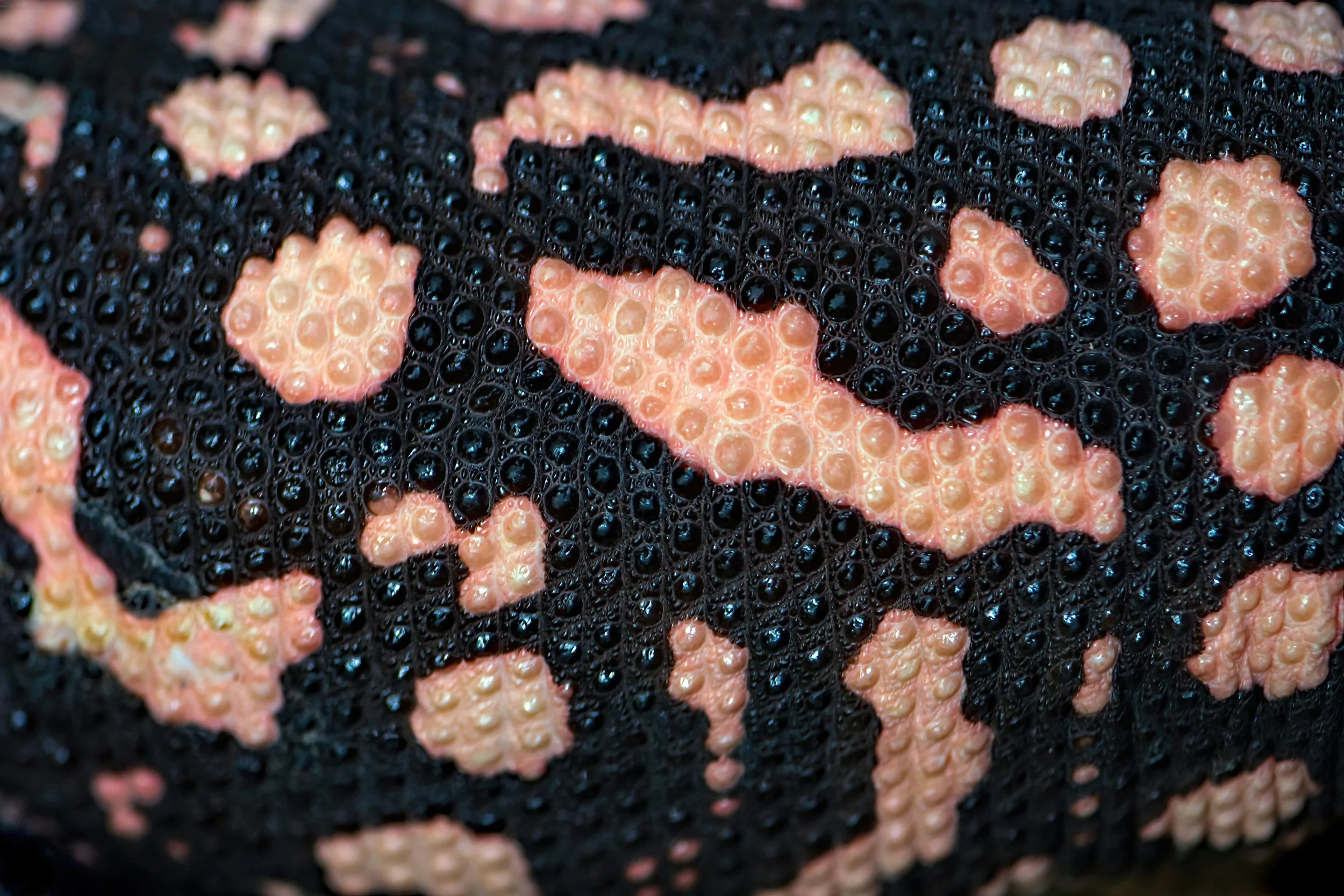
Gila monster venom paved the way for groundbreaking weight-loss and diabetes drugs like Ozempic, but its potential is just the tip of the fang. From tarantula venom aiding nerve research to cone snails delivering hypoglycemia-inducing toxins, venoms have evolved from biological weapons to pharmaceutical treasures. They act as nature’s Swiss Army knives, packed with peptides and proteins, offering targeted, potent solutions. Despite challenges like extinction and extraction, venom research reveals our shared molecular blueprints, promising innovations in cancer treatment, pain relief, and more—proving that even the deadliest bites can lead to life-saving breakthroughs. Venom Helped Create Weight-Loss Drugs. What Else Could It Do For Us? - The New York Times (gift article).

True to Self: Authenticity’s Inner Workings

What does authenticity mean? How to be more authentic. - The Washington Post (gift article) explores the profound psychological benefits of authenticity, framing it as a dynamic process of self-determination and alignment with personal values. Researchers argue that authenticity strengthens mental health, fosters meaningful relationships, and provides a deep sense of life purpose. Authenticity involves being truthful and actively choosing actions that resonate with one’s ideals, enhancing self-control, resilience, and decision-making. In contrast, inauthenticity can lead to anxiety and diminished life satisfaction. Individuals can find a more meaningful and fulfilling life path by pursuing goals rooted in personal values and staying open to evolving self-discovery.

Gene Insurance, No Coverage Guaranteed

As genetic testing becomes familiar, a troubling trend emerges: insurers are legally denying coverage based on genetic predispositions, creating a new form of discrimination. Kristen V. Brown highlights cases where individuals like “Bill,” a healthy man with a genetic marker for ALS, are refused policies or face inflated premiums due to perceived health risks. Though the Genetic Information Nondiscrimination Act (GINA) protects against genetic bias in health insurance and employment, life, disability, and long-term-care insurers face no such constraints. This legal gap fuels fears, deterring many from getting genetic tests that could aid in early disease prevention. They Were Denied Insurance After a DNA Test - The Atlantic.

Walk the Walk

Walking isn’t just a leisurely activity; it’s a powerful, accessible way to improve fitness, mental health, and weight management. This article details how adding intentional walking workouts—like intervals, step counting, and strength combos—can help you increase calorie burn and keep walks engaging. Fitness coach Michele Stanten shares top tips, including structuring walks as workouts and turning mundane steps into effective, fun routines. From desk-side walking pads to strolls during phone calls, you’ll find practical ideas to sneak in steps and reap walking’s full health benefits. How You Should Add Walking Workouts to Your Routine - Men's Health.

Pump Up Your Positive Vibes

Want to Feel Happier? Here’s How to Cultivate Positive Emotions. - The New York Times (gift article) delves into “reward sensitivity,” the psychological drive to seek and savor positive emotions. A clinical psychologist, Jenny Taitz outlines research-backed methods to help boost happiness, even for those prone to feeling low or anxious. Techniques include planning daily joyful activities, savoring the moment, expanding vocabulary for positive emotions, and visualizing uplifting outcomes. Taitz emphasizes that growing the habit of noticing and relishing joy strengthens one’s motivation to engage in future pleasurable experiences, transforming life’s small moments into meaningful mental boosts.

+An excellent app by the author of Permission to Feel: Unlocking the Power of Emotions to Help Our Kids, Ourselves, and Our Society to help with one of the suggestions of the article - expanding your feelings vocabulary. How We Feel App.

When Tired Minds Turn Testy

New research reveals that prolonged mental fatigue, or “ego depletion,” triggers changes in the brain’s frontal cortex, leading to increased aggression and diminished cooperation. During tasks requiring self-control, fatigued participants exhibited sleep-like brain activity, indicating localized “brain naps” in regions critical for decision-making. EEG scans confirmed these changes, showing that mental exhaustion disrupts impulse control and decision quality. Through economic games, fatigued individuals were found to be notably less cooperative and more hostile, underscoring the potential impact of mental fatigue on daily interactions, negotiations, and even legal scenarios. Mental Exhaustion Drives Aggressive Behavior - Neuroscience News.

Rat Race Reimagined

In a unique study, neuroscientist Kelly Lambert taught rats to drive mini cars, revealing that anticipation of enjoyable experiences may boost brain health and resilience. Rats that anticipated driving to earn a treat displayed behaviors linked to excitement, like standing with tails high. The study showed that positive experiences, not just stress, shape neuroplasticity and the brain’s ability to adapt. Lambert’s findings suggest that embracing joy and anticipation can transform behavior and mental health in rats and humans, underscoring the value of enjoying life’s journey, not just the destination. I’m a neuroscientist who taught rats to drive − their joy suggests how anticipating fun can enrich human life.

The Brain Isn’t the Only Keeper of Memories

Traditionally, memories are believed to reside solely in the brain, but a new study reveals that non-neural cells in the body also hold a memory function. Scientists at NYU found that cells outside the brain can “learn” and activate a memory gene in response to specific patterns of chemical signals, similar to how brain cells respond during spaced learning. This discovery suggests memory might be a cellular feature beyond the brain, potentially impacting future treatments for memory-related conditions and enhancing learning by targeting body-wide cellular responses. Memories are not only in the brain, human cell study finds (thanks, Amy!).

Forbidden Fruit Loophole: Why Some Banned Foods Make It to U.S. Plates

The U.S. food approval system allows certain additives banned in other countries to remain on American grocery shelves. Unlike Europe, which adopts a precautionary stance, the U.S. regulatory process is constrained by funding, industry influence, and a significant loophole: the “Generally Recognized as Safe” (GRAS) exemption. This GRAS policy lets companies self-determine safety without FDA review, leading to chemicals like titanium dioxide in foods despite potential risks. While some states are moving to ban specific additives, federal change remains slow, hindered by resource limitations and competing priorities within the FDA.Why US foods, including Halloween candy, have additives and chemicals banned in other countries | Vox.

111 - Fly Brains, Melting Mozzarella, and Super-Potent Psychedelics - HealthHippieMD Week In Review

Neurons Speak Volumes

Scientists have mapped how neurons in the frontal cortex encode word meanings, marking a breakthrough in understanding language processing. By recording neuron activity in epilepsy patients, researchers discovered that specific cells react to words with related meanings, such as foods or objects. Notably, neurons responded differently when words were presented in context versus randomly, emphasizing the role of context in language comprehension. This research opens doors for advanced speech prostheses, possibly enabling the decoding of meanings from neural activity to help those with communication impairments. Scientists map how neurons encode word meanings - Big Think.

The Rise of Super-Potent Psychedelics

Psychedelic Mushrooms Are Getting Much, Much Stronger | WIRED explores the growing trend of breeding increasingly potent psychedelic mushrooms. With advances in cultivation techniques and genetic manipulation, strains are now reaching unprecedented levels of psilocybin content, sometimes exceeding 5% of psychedelic alkaloids. Self-taught mycologist Julian Mattucci, among others, has seen rapid results in potency enhancement, leading to trips more intense than previously experienced, even at lower doses. This push for stronger mushrooms brings excitement but also risks, as some consumers accidentally take too much, leading to challenging or distressing trips.

Happiness Isn't All It's Cracked Up to Be

In "The Techno-Humanist Manifesto," Jason Crawford argues that happiness is a fleeting, relative measure of well-being and not a reliable indicator of human progress. Instead, Crawford suggests that well-being should be measured by the ability to achieve and fulfill personal values. He critiques the idea that wealth or economic growth alone leads to lasting happiness, pointing out that humans adapt to material gains quickly. True well-being, he contends, is found in constant growth, achievement, and the pursuit of values that give life meaning. Why happiness is not the best indicator of well-being - Big Think.

Pattern Recognition Autopilot

A new study reveals that the human brain unconsciously detects patterns in real-time events by integrating "what" and "when" information. Researchers observed the brain activity of epilepsy patients with implanted electrodes, focusing on neurons in the hippocampus and entorhinal cortex, areas involved in memory and navigation. Even when participants were unaware of patterns in sequences of images, their neurons learned and anticipated future events. This discovery highlights the brain's remarkable ability to process and organize information implicitly, suggesting potential applications for memory-enhancement therapies. How Your Brain Detects Patterns without Conscious Thought | Scientific American.

Melting Mozzarella

The science behind why some cheeses melt smoothly while others, like ricotta, don't hinges on the structure of casein proteins and calcium bonds. Cheeses like mozzarella melt into stretchy goodness due to flexible casein networks, while higher acidity or calcium content can result in stiffer textures. The aging process also plays a role, as enzyme activity alters melting characteristics. Understanding how acid, fat, and water content affect cheese provides insight into the culinary variety of melted and non-melted cheeses. Why Cheeses Such as Mozzarella and Cheddar Melt Differently Than Ricotta | Scientific American.

+And if you're as interested in the the science of food and cooking as I am, check out: On Food and Cooking: The Science and Lore of the Kitchen: McGee, Harold.

How Gaming Can Improve Your Sleep

A systematic review (Video gaming and sleep in adults: A systematic review - PubMed) reveals that certain non-arousing video games, such as word games, can enhance sleep quality by promoting relaxation. However, action-packed games like shooters and MMORPGs are detrimental, keeping players mentally engaged and interfering with sleep. Casual gaming, up to seven hours a week, doesn't negatively affect sleep, but excessive gaming can disrupt sleep architecture. Experts recommend low-stimulation gaming before bed to help unwind, emphasizing moderation and caution with screen exposure before bedtime for optimal rest. These Types of Video Games Might Improve Your Sleep, Research Shows.

Lessons in Emotional Health

Happiness class is helping clinically depressed school teachers become emotionally healthy − with a cheery assist from Aristotle explores an innovative course designed to support teachers struggling with stress and depression through evidence-based happiness practices. Led by clinical psychologist John Sommers-Flanagan, the course teaches interventions inspired by Aristotle's concept of eudaimonic happiness, focusing on meaningful relationships, personal growth, and purpose. Participants learn practical techniques like gratitude and mindfulness to improve mental health, sleep, and overall well-being. Early results show significant reductions in clinical depression among educators, highlighting the course's potential as an emotional health tool for teachers and other high-stress professionals.

Mapping a Fly Brain

The most detailed map of an animal brain ever created, a new study reveals the intricate neural connections of the Drosophila melanogaster (fruit fly). With over 140,000 neurons and 50 million synapses, hundreds of scientists have developed this groundbreaking "connectome" since 2013. The brain's network spans 490 feet, and the findings are expected to provide insights into human neuroscience due to the genetic similarities between flies and humans. The study offers 3-D models and diagrams of the fly brain, pushing the boundaries of our understanding of cognition. A New Map of the Fruit Fly Brain (Thanks, Amy, for the recommendation and for helping bring this work to fruition-pun intended!).

Living Immunocompromised

What Does It Mean to Be Immunocompromised? - The New York Times (gift article) delves into the growing population of immunocompromised individuals in the U.S., highlighting the variety of conditions and treatments that weaken immune systems, from cancer to autoimmune diseases. With approximately 18 million adults affected, being immunocompromised presents heightened risks, even from common illnesses like the cold. It underscores the challenges faced by those with compromised immunity, the impacts of treatment, and how the immune system can recover over time. The piece reveals how these vulnerabilities affect everyday life, raising awareness of this expanding health concern.

110 - Rapamycin, Genes on Sale, and Flowing Through Jazz - HealthHippieMD Week In Review

There will be no newsletter next week as I gather with family and friends to celebrate my son's wedding. The newsletter will resume on Sunday, October 6.

Forever in Your Food

PFAS, or "forever chemicals," are increasingly found in food, raising concerns about long-term health impacts. These synthetic substances, used in products like nonstick cookware and food packaging, resist breakdown, contaminating farmland through sewage sludge fertilizer. Linked to cancer, liver disease, and developmental issues, PFAS can accumulate in food, particularly in items like milk, eggs, and seafood. While the FDA's tests show low levels in most foods, the full extent of contamination remains to be seen, and regulatory gaps leave questions about how safe our food supply truly is. How Dangerous Is PFAS in Food? - The New York Times (gift article).

Leaky Gut Instinct

Emerging research suggests long-term COVID-19 in children might be linked to gut permeability, or "leaky gut." Dr. Lael Yonker, a pediatric pulmonologist, has launched the first clinical trial testing larazotide, a drug to tighten intestinal walls. This trial seeks to address symptoms such as headaches, gastrointestinal pain, and attention issues in children with long-term COVID-19. While long Covid research has primarily focused on adults, Yonker's trial could provide an essential treatment option for young patients, possibly offering a breakthrough in combating this debilitating condition. The Gut Might Hold the Key to Treating Long Covid in Kids | WIRED.

Plastic Fantasy

In a lawsuit backed by ProPublica's reporting, California accuses ExxonMobil of deceptive marketing regarding its chemical recycling process, pyrolysis. The oil giant claims the technology transforms plastic waste into reusable products, such as fruit cups, but evidence shows less than 0.1% of the recycled content ends up in new products. Despite this, ExxonMobil advertises 30% recycled content using controversial accounting methods. The lawsuit likens this practice to past tobacco industry deceptions, calling for billions in penalties to fund public education and sustainability efforts. ExxonMobil Accused of Deceptive Marketing of Plastics Recycling Process — ProPublica.

Genes on Sale

Remember That DNA You Gave 23andMe? - The Atlantic explores the potential sale of 23andMe and its genetic data, raising concerns about DNA privacy. As the company struggles financially, with stock declines and leadership upheavals, its most valuable asset—customers' genetic information—may be sold. This creates uncertainties about how future owners might use sensitive data, with risks extending beyond current privacy policies. Insurance companies, law enforcement, and other third parties could exploit the DNA data for profit or surveillance. The article underscores that once DNA is shared, it cannot be fully controlled, posing long-term consumer risks.

AI Doctor's Notes

As physicians face overwhelming patient messages, AI tools like MyChart's "In Basket Art" are stepping in to draft responses. These tools use AI models to mimic doctors' voices, providing medical advice or administrative replies. Though many hospitals embrace efficiency, concerns over transparency and potential errors in AI-generated responses grow. Experts worry about automation bias, where physicians may rely too much on AI, risking patient safety. As AI edges into clinical decision-making, ethical questions arise about the role of technology in personal doctor-patient communication. That Message From Your Doctor? It May Have Been Drafted by AI - The New York Times (gift article).

The Rapamycin Gamble

Rapamycin, a drug traditionally used as an immunosuppressant, has gained attention in the longevity community for its potential anti-aging benefits. Early studies in animals, including mice, show promise, suggesting the drug can extend lifespan by inhibiting the mTOR complex, which is linked to cellular health. However, human studies remain inconclusive, with mixed results and limited long-term data. While some users report improvements in energy, reduced inflammation, and other minor health benefits, skeptics caution about the drug's potential risks, such as immune suppression. The quest for a longer, healthier life continues—cautiously. Rapamycin and Anti-Aging: What to Know - The New York Times (gift article).

A Recipe for Health

How UTSW's Food as Medicine Program Is Revolutionizing Physician Education - D Magazine explores the Food as Medicine program at UT Southwestern (UTSW) and how it is transforming physician education by incorporating culinary medicine into medical training. Spearheaded by Dr. Jaclyn Albin and Program Director Milette Siler, the initiative teaches medical students and residents how to use food to combat chronic illness. With cooking classes and real-world nutrition lessons, physicians learn to help patients manage conditions like diabetes and heart disease through diet. The program partners with local communities and aims to make healthy eating accessible and culturally sensitive, tackling health outcomes and social isolation. I am currently enrolled in a similar class offered online: Culinary Health Education Fundamentals (CHEF) Coaching—The Basics-Overview | Continuing Education Catalog. (thanks, Amy!).

Flowing Through Jazz

In a study of jazz musicians, researchers used EEG scans to explore the brain activity behind entering a "flow state," a heightened, effortless creative focus. Jazz guitarists of varying experience levels improvised while their brain activity was recorded, revealing that more experienced musicians frequently entered flow. Brain scans showed reduced activity in areas associated with cognitive control, suggesting that expertise enables performers to "let go" mentally, allowing creativity to flourish. This research sheds light on how mastery and relaxed focus foster spontaneous innovation. Brain Scans of Jazz Musicians Reveal How to Reach a Creative 'Flow State' | Scientific American.

Empathy: A Team Sport?

Empathy isn't just an individual endeavor—it's socially driven. Research shows that empathy flourishes when it's a group norm, not just a personal skill. Programs like "empathy cafes" and classroom workshops reveal that structured dialogues and reflective listening can foster understanding, even across deep divides. Neuroscience supports this: empathetic behavior lights up specific brain regions, and witnessing empathy in others boosts our empathetic response. The key takeaway? Empathy thrives when nurtured in communities, showing that togetherness can make the cognitive challenge of empathy more manageable and rewarding. Being Empathetic Is Easier when Everyone's Doing It | Scientific American.

099 - Forest Bathing, Ripple Effects, and Brain Gains - HealthHippieMD Week In Review

A Wellness Bot in Hot Water?

Big banks and VCs are wary of an AI bubble, but Arianna Huffington dives in. Teaming up with OpenAI’s Sam Altman, she announced a hyper-personalized AI health coach via Thrive Global. This bot, trained on peer-reviewed science and personal data, aims to improve daily habits and reduce health inequities. However, skepticism arises from Huffington’s history with health pseudoscience, charlatans, and Altman’s controversial ventures. While AI has potential in healthcare, critics question the efficacy and equity of this initiative, warning it could perpetuate existing biases and inequalities. Why Arianna Huffington and Sam Altman Are Such a Catastrophic Pair to Make a Health App-Slate.

Mental Wealth Management

Navigating mental health treatment can be daunting due to a variety of options and a shortage of providers. A clinical psychologist, Bryan Cochran, emphasizes recognizing distress and impairment as the first step. Diagnosis and referrals are crucial for treatment, often starting with primary care. Insurance can complicate access, but many communities offer sliding-scale services. Therapy types and effectiveness vary by condition; combining medication with therapy can enhance outcomes. A strong therapist-client relationship significantly impacts success, making it essential to find the right fit. Despite challenges, pursuing mental health care is a valuable endeavor. Navigating mental health treatment options can be overwhelming – a clinical psychologist explains why it’s worth the effort.

+And how professional athletes are changing popular beliefs about mental health: By revealing their mental health struggles, pro athletes are scoring with fans.

Fiber Face-Off: Food vs. Supplements

In Is a Fiber Supplement Just as Good as Fiber From Food? - The New York Times (gift article), experts weigh in on whether fiber supplements can match the health benefits of fiber-rich foods. While supplements can aid digestion and alleviate issues like constipation and bloating, they lack the vitamins, minerals, and other beneficial compounds in whole foods. Dr. Denise Millstine emphasizes that fruits, vegetables, nuts, and whole grains offer comprehensive health benefits, including reduced inflammation and lower disease risk.

Tree-ting Stress Naturally

Forest bathing, or shinrin-yoku, is a therapeutic practice from Japan that immerses individuals in nature to promote health. Pioneered by Dr. Qing Li, this method reduces stress, lowers blood pressure, and enhances mood and immune function without side effects. Studies reveal significant health benefits, including reduced anxiety, improved sleep, and elevated anticancer proteins. Accessible even in urban parks, forest bathing involves simple activities like walking, tai chi, or mindful observation of nature. Embracing this practice not only improves human health but also fosters environmental conservation. Opinion | Forest bathing as a side effect-free antidote for stress - The Washington Post (gift article).

+and a story on NPR about preschools in the forests of Colorado: Colorado is the 2nd state to approve licenses for outdoor preschools | KUNC.

Weight Loss Showdown

A new study in JAMA Internal Medicine reveals that Eli Lilly’s tirzepatide, the active ingredient in Mounjaro and Zepbound, significantly outperforms Novo Nordisk’s semaglutide (Ozempic and Wegovy) for weight loss. Researchers analyzed the health records of 41,000 patients over 12 months, finding that tripeptide users lost up to 15.3% of their body weight compared to 8.3% with semaglutide. The results have propelled Eli Lilly and Novo Nordisk to the top of the pharmaceutical market, though Novo Nordisk highlights the study’s limitations and the comprehensive benefits of its drugs. Mounjaro is better for weight loss than Ozempic: study.

Intermittent Fasting Myths Busted

Intermittent fasting, practiced by one in 10 Americans, must be understood despite its popularity. A new study debunks four myths: it doesn’t harm sex hormones, leads to greater muscle loss than other diets, worsens diet quality, or promotes eating disorders. Instead, it can safely aid weight management and metabolic health by reducing overall calorie intake without altering food choices. The simplicity of fasting schedules makes it a sustainable option for many, offering benefits like reduced body fat and improved cellular function. Debunking four popular myths about intermittent fasting.j

Brain Gains: Age is Just a Number

In Can we change how our brains age? Scientists think it’s possible, scientists explore how lifestyle and technology can decelerate brain aging. Communities like Loma Linda’s Blue Zone show that diet, social interaction, and mental stimulation extend lifespans. AI and MRI technology advances allow for early detection and treatment of brain aging signs. Researchers like Dr. Andrei Irimia and companies like Brainkey are pioneering methods to predict and manage brain health. Sleep, depression treatment, and innovative biotech approaches are crucial in maintaining cognitive vitality, offering hope for a healthier, longer life.

Ripple Effects: How the Brain Chooses Memories

Neuroscientist György Buzsáki explores how the brain decides what to remember by studying sharp wave ripples—high-frequency brain waves fired during rest. His research shows these ripples are crucial in tagging and consolidating meaningful experiences into long-term memories. When animals rest, these ripples replay specific neuronal activity sequences from recent experiences, signaling which memories to retain. This phenomenon underscores the importance of sleep and rest in memory formation, as awake and asleep brains use these sharp wave ripples to filter and solidify memories. How the Brain Decides What to Remember-Wired.

Cracking the Autism Code

A new study in Nature Microbiology reveals that children with autism spectrum disorder (ASD) have unique gut microbiomes. By analyzing over 1,600 stool samples, researchers identified distinct biological markers in autistic children, which could lead to more objective diagnostic tools. Current diagnostic methods rely heavily on subjective observations, which can be error-prone. This groundbreaking research opens the door for earlier, more accurate diagnoses and interventions, though more validation is needed, especially across diverse populations. The findings represent a significant step towards understanding the biological underpinnings of ASD through the gut microbiome. Children With Autism Carry Unique Gut Flora, Study Finds - The New York Times (gift article).

094 - When Drugs Go Wild, Dodging Microplastics, and The Brain's Fear Gear - HealthHippieMD Week In Review

The Brain's Fear Gear

A recent study, published in Science, elucidated a chemical "switch" in the brainstem's dorsal raphe nucleus of mice that converts stress into fear by altering neurotransmitter release, leading to anxiety disorders and PTSD. This switch involves neurons shifting from releasing glutamate to GABA. Experiments showed that blocking GABA synthesis or using fluoxetine (Prozac) could prevent generalized fear responses. Post-mortem studies on human PTSD patients confirmed this mechanism, opening avenues for targeted treatments. Understanding these molecular processes provides a pathway for developing specific interventions for stress-induced fear and related disorders. The brain's "switch" that puts fear into overdrive - Big Think

Put the 230 Genie Back in the Bottle

The article argues for reforming Section 230 of the Communications Decency Act, which protects online platforms from liability for user-generated content. Originally intended to encourage moderation of harmful content, Section 230 has instead enabled the spread of misinformation, online harassment, and social polarization. The article suggests a "notice-and-takedown" approach and other modifications to hold platforms accountable while preserving the law's benefits. Reform is necessary to mitigate the negative impacts on social discourse and restore some responsibility to the internet. It's Time to Restore Some Sanity to the Internet-Mother Jones.

A Trip Full of Pitfalls

MDMA's approval for PTSD treatment faces significant hurdles after an FDA advisory panel voted against recommending approval due to issues like biased self-reporting and inconsistent psychotherapy standards. The "unblinding" effect, where participants likely knew if they received MDMA or a placebo, raises concerns about the validity of positive outcomes. Allegations of therapist misconduct and insufficient monitoring of side effects further complicate the case. With the FDA's decision pending, the future of MDMA-assisted therapy remains uncertain, highlighting the challenges in proving the efficacy and safety of psychedelic treatments. The panel's decision will slow but likely not dampen interest in the use of psychedelics for mental health. "In many ways, we're creating a new field of medicine," said Lykos' senior medical director, Alia Lilienstein. The Case for MDMA's Approval Is Riddled With Problems | WIRED.

The Potential of Psychedelics

Gül Dölen, a neuroscientist and psychiatric researcher at the University of California, Berkeley, discusses the surprising potential of psychedelics to change the lives of those grappling with addiction, depression, and post-traumatic stress. A must-listen if you're curious about psychedelics and before you get too discouraged by the FDA Panel's decision this week. ‎The Joy of Why: Can Psychedelics Improve Mental Health?

Xylitol's Hidden Risks

Recent research highlights a concerning link between the popular sugar substitute xylitol and an increased risk of heart attack and stroke. While xylitol is widely used for its dental benefits and low-calorie content, new findings suggest potential cardiovascular dangers. This revelation urges caution for those seeking healthier sweetener alternatives, emphasizing the need for further investigation into xylitol's long-term effects on heart health. Xylitol Increases Heart-Health Risks (Thanks, Dave - NextDraft).

When Drugs Go Wild

Modern drug pollution is transforming wildlife, with meth-addicted trout, fearless perch, and sex-changed fish among the casualties. Pharmaceuticals like antidepressants and contraceptives, entering ecosystems via inadequate waste treatment, are altering animal behavior and physiology. Diclofenac, an anti-inflammatory, caused a dramatic decline in India's vultures, leading to increased rabies from unconsumed cattle carcasses. Experts urge urgent reform in drug design to mitigate these unintended ecological impacts, emphasizing that the same properties that make drugs effective in humans pose severe risks to biodiversity. Environmental exposure to pharmaceuticals is a pressing global issue demanding immediate attention. Meth-addict fish, aggro starlings, caffeinated minnows: animals radically changed by human drugs. (Thanks again Dave-NextDraft).

Food Waste Unpeeled

America's apple obsession reveals the broader issue of food waste. Despite producing 4.36 million metric tons of apples annually, a significant portion rots due to factors like overproduction and market fluctuations. This waste is emblematic of a more substantial problem, with 30-40% of all food in the U.S. wasted, equating to 133 billion pounds annually. The waste spans all stages of food production, exacerbated by weather, inefficient storage, and consumer habits. Innovations like controlled-atmosphere storage and advocacy from groups like The Farmlink Project show promise, but systemic change is essential to curb this massive loss and its environmental impact. America's Favorite Fruit Reveals The Hidden Truth About Food Waste.

+See Also: The Rotten Secret Plaguing America's Grocery Stores.

An Operating Room "Black Box."

Teodor Grantcharov's AI-powered "black box" aims to revolutionize surgical safety by recording and analyzing all OR activities. The technology captures everything from instrument use to environmental factors, offering a comprehensive view of operations. Despite the potential for significant improvements in safety and efficiency, the system faces resistance due to privacy concerns and fear of legal repercussions. Hospitals are divided between leveraging this data for quality improvements and managing the overwhelming influx of information. As the black box spreads, it promises a new era of transparency and enhanced patient care. This AI-powered "black-box" could make surgery safer | MIT Technology Review. (paywall).

Dodging Microplastics

Microplastics in food, air, and household items pose potential health risks. To minimize exposure, opt for less processed foods, use glass containers, avoid heating plastics, and switch to loose-leaf tea. Limit plastic use in furniture and clothing; frequent vacuuming with a HEPA filter and damp cloths can reduce indoor microplastics. Choose reusable water bottles and consider laundry solutions like special filters or washing less often. While complete avoidance is impossible, making informed choices can reduce microplastic intake, emphasizing the importance of manageable, everyday actions.How to Minimize Your Exposure to Microplastics - The New York Times (gift article).

093 - Electric Dreams, Face Time, and Your Gut on Salt - HealthHippieMD Week In Review

Face Time

Unlike virtual connections, regular face-to-face interactions with friends significantly enhance physical and mental health. Studies reveal that in-person meetings boost the immune system, reduce stress, and improve overall well-being, comparable to the effects of a Mediterranean diet. Frequent physical contact, such as hugs, also benefits the hypothalamic-pituitary-adrenal axis, lowering inflammation and improving sleep. Additionally, our sense of smell and neural synchrony are crucial in forming deeper, more empathetic connections. Decreased time spent with friends underscores the importance of rekindling in-person socializing for better health. In-person friendships are better for health than virtual connections - The Washington Post (gift article) (Thanks, Amy!).

Paws-in

The viral "paws-in" challenge on TikTok sees dogs imitating their owners by placing a paw atop a stack of human hands. The trend delights viewers, showcasing dogs' ability to mimic, seek attention, and connect with their human families. Experts highlight the role of training and innate behavior in dogs' responses. Even if some dogs don't join in perfectly, their varied reactions—using their muzzle or looking for cues—emphasize the deep bond between humans and their pets. The challenge underscores the joy and heartwarming connection pets bring to their owners' lives. Dogs are doing the viral 'paws in' challenge. Here's why. - The Washington Post (gift article).

Electric Dreams

Researchers have explored using electricity to control the immune system for over a decade, promising a revolution in treating chronic diseases like rheumatoid arthritis and diabetes. Despite substantial investment, electroceuticals—implants designed to replace drugs—haven't yet fulfilled their early promise. Meanwhile, new research into bioelectric medicine shows potential for innovative treatments, including fast-healing bandages and cancer therapies. The field faces challenges, including precise targeting and overcoming biases toward nervous system-centric approaches. As research evolves, the dream of electrically hacking the body for better health remains an electrifying possibility. The decade-long quest to hack the body's immune system with electricity | MIT Technology Review.

+see also: 091 - Meta Heads, Embracing Solitude, and The Brain's Immunity Master Switch - HealthHippieMD Week In Review — HealthHippieMD.

Mediterranean Eating May Boost Brain Health

A new study in Nature Aging suggests the Mediterranean diet, rich in fatty acids, carotenoids, and vitamin E, may slow cognitive decline. Researchers from the University of Illinois and the University of Nebraska-Lincoln found that participants aged 65-75 with delayed brain aging had larger brain volumes, better connectivity, and higher cognitive scores. Essential nutrients included α-linolenic acid and eicosapentaenoic acid from fish and plants, carotenoids from colorful vegetables, and vitamin E from nuts and oils. While promising, the study calls for further research across diverse populations. New Study Suggests Mediterranean Diet May Slow Cognitive Decline.

Cognitive Harmony

Understanding cognition requires viewing the brain's large-scale coordination of neural activity, driven by rhythmic electric fields, rather than focusing on individual neurons. MIT neuroscientists argue that brain rhythms, once dismissed as mere byproducts, are crucial for organizing neural activity. These rhythms influence cognition and could be key to treating disorders like schizophrenia and epilepsy. Brain waves like beta and gamma rhythms coordinate complex cognitive tasks, acting like stencils guiding neural activity. Scientists hope to unlock deeper insights into how thoughts and memories form and function by studying these rhythms. To understand cognition, neuroscientists must learn its rhythms - Big Think.

The Brain-Belly Connection

In this episode of the Huberman Lab Podcast, Stanford's Dr. Andrew Huberman hosts Dr. Diego Bohórquez of Duke University. Dr. Bohórquez, an expert in gastrointestinal physiology and neuroscience, delves into the gut-brain axis, focusing on how our gut senses food. Unlike the popular microbiome focus, Dr. Bohórquez explores how our gut detects nutrients like amino acids, fats, and sugars, akin to how our eyes sense light. This episode reveals the intricate sensory mechanisms within our digestive system, offering a deeper understanding of how our gut communicates with our brain. ‎Huberman Lab: Dr. Diego Bohórquez: The Science of Your Gut Sense & the Gut-Brain Axis.

Following the Pharma Funds

How much Big Pharma is paying doctors discusses the financial relationships between doctors and pharmaceutical companies, highlighting the Open Payments website. This platform, run by Medicare, allows the public to see the payments made to doctors by healthcare companies. A recent JAMA study revealed that many physicians endorsing products on social media have received payments from the companies behind these products. The article emphasizes the importance of transparency in understanding these financial ties and their potential impact on healthcare costs and quality in the U.S.

Your Gut on Salt

Excessive salt, though essential historically, disrupts the gut microbiome, likely contributing to health issues like high blood pressure, heart disease, and metabolic disorders. Modern diets, laden with processed foods, exacerbate these problems. High sodium intake alters beneficial gut bacteria, leading to inflammation and metabolic disruptions and increasing cravings and weight gain. Reducing salt intake and focusing on unprocessed, plant-based foods can help maintain a healthy microbiome and prevent disease. The push for lower sodium in diets faces challenges from industry lobbyists, but evidence for its necessity continues to grow. How Salty Food Can Poison Your Microbiome.

Jazz Mind and Flow

Researchers at Drexel University's Creativity Research Lab studied how jazz musicians reach a creative "flow state." They discovered that flow involves a balance between expertise and releasing focus. Using EEG, they recorded the brain activity of 32 jazz guitarists, finding that flow states correlated with reduced frontal lobe activity, indicating low cognitive control. Experienced musicians showed enhanced sensory brain activity. The study suggests achieving flow requires extensive practice and the ability to let go of conscious control, allowing automatic, creative responses. This dual approach can help in mastering any creative task. Brain Scans of Jazz Musicians Reveal How to Reach a Creative' Flow State' | Scientific American.

+see also: We all can reach a "flow state." Here's how. - Big Think.

091 - Meta Heads, Embracing Solitude, and The Brain's Immunity Master Switch - HealthHippieMD Week In Review

The Brain's Immunity Master Switch

In a groundbreaking study, A body–brain circuit that regulates body inflammatory responses | Nature, researchers led by Charles Zuker at the Howard Hughes Medical Institute discovered that the brainstem plays a crucial role in controlling the immune system. This revelation challenges the long-held belief that immune regulation is solely within the immune system. Using advanced genetic techniques, the team identified specific brainstem neurons that, through the vagus nerve, can either boost or suppress inflammation. This finding opens new avenues for treating immune disorders by targeting this brain-immune axis, potentially transforming the approach to managing diseases like rheumatoid arthritis and toxic shock syndrome. Very exciting! Finding a Master Immune System Controller | HHMI(Thanks, Miriam!).

Siri-ous Competition

OpenAI's latest release, GPT-4o, showcased its advanced capabilities in a live demo, positioning it as a game-changer in natural human-computer interaction on iPhones. This new model demonstrated storytelling, visual understanding, and multilingual conversation interpretation, all within the updated ChatGPT app. The impressive features of GPT-4o signal a potential end for Siri and similar voice assistants, which lag in functionality and responsiveness. Major tech companies like Apple and Samsung are racing to integrate generative AI into their devices, highlighting software as the new frontier in smartphone innovation. This Is the Next Smartphone Evolution - The Atlantic.

Avo-lution

The United States of Avocado | TASTE explores the growing popularity of avocados in the United States, from their rising role as a baby's first food to their integration into various cuisines and cultural dishes. Avocados, celebrated for their nutritional benefits and mild flavor, have doubled consumption in the U.S. since 2001. The article also delves into the avocado industry's expansion, including direct-to-consumer models and the challenges of maintaining quality and affordability. Despite issues like the involvement of organized crime in Mexican avocado production, the fruit's global appeal continues to rise, influencing food trends and diets. (Thanks, Dave / NextDraft!).

Bite-Sized Triumphs

Breaking large goals into smaller, flexible subgoals can significantly enhance goal achievement, as confirmed by a recent study published in the Journal of Applied Psychology. The study involved over 9,000 volunteers from Crisis Text Line, revealing that those assigned weekly or biweekly subgoals volunteered 7-8% more hours than those with a broad annual target. This incremental approach mirrors techniques in language learning apps and savings programs, proving effective across various contexts by making daunting tasks feel more manageable and achievable over time. The Secret to Accomplishing Big Goals Lies in Breaking Them into Flexible, Bite-Size Chunks | Scientific American.

Meta Heads

The European Union has initiated an investigation into Facebook and Instagram over concerns about their addictive impact on children. This probe mirrors earlier inquiries into TikTok's influence on young users. Meta's platforms are being scrutinized for fostering excessive exposure to content about depression and unrealistic body images and for potentially allowing children under 13 to use their services. This investigation, led by EU's internal markets commissioner Thierry Breton, is part of the broader Digital Services Act enforcement, aiming to ensure safer online experiences for children. Meta Faces Fresh Probe Over 'Addictive' Effect on Kids | WIRED.

Weight and See

A four-year study on Wegovy (semaglutide) in Nature Medicine shows sustained weight loss in people with cardiovascular disease who are overweight or obese. Initial weight loss occurred in the first 65 weeks, plateauing after that but remaining stable for the study. The SELECT trial involved 17,604 participants and revealed an average weight reduction of 10.2% for those on Wegovy, compared to 1.5% for the placebo group. Despite limitations like demographic skew, the study supports Wegovy's use for long-term weight management in cardiovascular patients. Researchers now face questions about the drug's long-term usage and cost. Wegovy Can Keep Weight Off for at Least 4 Years, Research Shows | WIRED.

Embracing Solitude

We All Need Time Alone. Here's How to Embrace It (gift article) from The New York Times explores the importance of spending time alone and how to embrace it positively. Psychologists Robert Coplan and Thuyvy Nguyen explain that solitude, distinct from loneliness, offers emotional and physical benefits like stress reduction and increased creativity. They suggest practical tips for incorporating alone time into daily routines, such as tracking moods, engaging in personal hobbies, and setting boundaries with partners. The article encourages finding "micro-moments" of solitude at home or in public spaces to enhance well-being and maintain a healthy balance between solo and social time.

Plasticulture's Paradox

Plastic mulch revolutionizes agriculture by boosting crop yields, conserving water, and reducing pesticide use. However, it leaves behind massive amounts of waste at season's end. While economically and environmentally advantageous in some aspects, the thin, contaminated plastic is tough to recycle, often ending up in landfills or incinerators. Innovative solutions, like those from Revolution Sustainable Solutions, show promise in recycling agricultural plastics, but challenges remain. As biodegradable alternatives prove costly and inconsistent, the farm sector grapples with balancing efficiency and sustainability amidst growing plastic waste. Giant Heaps of Plastic Are Helping Vegetables Grow - The Atlantic

Mind Over Muscle

A study in the Proceedings of the National Academy of Sciences reveals how exercise enhances brain health. When activated, muscles, rich in nerve cells, release compounds that boost cognitive function. Brain-muscle communication is crucial for producing proteins, mRNA, and hormones supporting neural growth. Regular exercise maintains these neural connections, promoting brain health. Researchers used a synthetic model to show that muscle stimulation increases brain-boosting substances' production. Although further research is needed to confirm these effects in humans, the findings highlight the profound link between physical activity and cognitive vitality. Why Exercise Is So Good For Our Brains According to A Wild New Study.

089 - High Times, Super-Agers, and Soothing Sounds - HealthHippieMD Week In Review

Secrets of Super-Agers

Research has unveiled the remarkable cognitive resilience of "super-agers," individuals aged 80 and above who exhibit the memory capabilities of people decades younger. Studies by scientists such as Dr. Emily Rogalski and Dr. Bryan Strange have focused on why these elders defy typical age-related cognitive decline. Extensive testing, including brain scans and cognitive assessments, revealed that super-agers possess significantly less brain atrophy, particularly in regions crucial for memory, such as the hippocampus and entorhinal cortex. They also maintain stronger neural connections, contributing to their exceptional cognitive abilities. Despite similar lifestyles and health profiles compared to their peers, super-agers show unique brain preservation, suggesting a blend of genetic factors and possibly earlier life habits contribute to their resilience. A Peek Inside the Brains of 'Super-Agers' - The New York Times. (gift article).

Mechanizing the Mind

A recent tech forum in Beijing, China, showcased a new brain-computer interface (BCI) allowing a monkey to control a robotic arm by thought alone. This development, by NeuCyber NeuroTech and the Chinese Institute for Brain Research, signifies China's rapid advancement in BCI technology, which collects and analyzes brain signals to manipulate external devices like robotic arms or keyboards. While the U.S. has been exploring similar medical and cognitive enhancement technologies, China's aggressive progress includes invasive and noninvasive BCIs, with applications stretching from medical to military uses. China's ambitious approach raises ethical concerns, especially as it looks to enhance cognitive functions in healthy individuals, blurring the lines between human and machine capabilities. China Has a Controversial Plan for Brain-Computer Interfaces | WIRED.

Carnivore's Diet Warning

"Our sexy, lean mice who ate high-protein, low-carb diets were the shortest-lived of all. They made great-looking middle-aged corpses." In the wake of Joe Rogan's promotion, the carnivore diet has surged as a social media phenomenon, with enthusiasts advocating for an all-meat regimen consisting of beef, bacon, butter, and eggs. This diet, championed by influencers like Dr. Shawn Baker and popularized in his 2018 book, excludes vegetables and is promoted as a means to achieve optimal mental and physical health. Despite the lack of medical endorsement and potential health risks outlined by nutrition experts, the diet's appeal grows, possibly reacting to conventional dietary advice. Promoters argue that this approach echoes the nutritional habits of our hunter-gatherer ancestors, offering a simplistic yet radical return to what they consider a more natural state of human nutrition. Meet the Men Who Eat Meat - The New York Times (gift article).

Speed Demons

In a detailed investigation by ProPublica, Dr. Debby Day, a former medical director at Cigna, revealed that she was pressured to review patient cases faster than she deemed professionally responsible. This emphasis on speed over accuracy was reportedly driven by Cigna's productivity metrics, which monitored and compared the case-handling speeds of their medical directors. Day described an environment where the quick denial of cases was encouraged to meet performance benchmarks, often using a "click and close" method. Despite Cigna's insistence on thorough, objective reviews, the emphasis leaned towards fast decision-making, which could potentially lead to wrongful denials of critical care. The report sheds light on the troubling use of productivity metrics in healthcare, raising concerns about patient safety and care quality under such systems. Cigna Pressured Her to Review Patients' Cases Too Quickly, Says Former Cigna Medical Director — ProPublica.

Soothing Sounds

Sound baths, involving meditative experiences with gongs, chimes, and crystal bowls, are gaining popularity across the U.S., from beachside sessions in Santa Monica to urban studios and corporate events. Originating from spiritual practices, these sessions immerse participants in a wash of sonic waves, purportedly easing stress and enhancing mental wellness. While sound baths are lauded for their calming effects, allowing some attendees to experience deep relaxation and emotional release, scientific research on their benefits remains limited. Initial studies suggest the potential for reducing anxiety and promoting a tranquil state of mind, although definitive claims about health impacts like lowered blood pressure or mood improvements require more rigorous investigation. As sound baths continue to resonate with modern wellness enthusiasts, they offer a tranquil escape, weaving harmony into the cacophony of daily life. Can Sound Bath Meditation Actually Benefit You? - The New York Times. (gift article).

+see also: Alzheimer's Disease and Gamma Waves — HealthHippieMD.

Conscious Creatures

A recent declaration by a group of leading animal cognition researchers suggests a broader recognition of consciousness across various species, including vertebrates and many invertebrates like cephalopods, crustaceans, and insects. Inspired by studies, such as playful bumblebees at Queen Mary University of London, this new consensus acknowledges the possibility that even animals with simpler nervous systems may experience phenomena like pain and pleasure. The New York Declaration, which was revealed during a conference at New York University, aims to update and expand previous notions of animal consciousness. This expansion challenges our understanding of neurological complexity and prompts a reevaluation of ethical treatment and scientific standards concerning animal welfare. A New Declaration of Animal Consciousness - The Atlantic.

Karate's Concrete Conquest

In the late 1970s, a trio of karate-enthusiast physicists, including MIT's Michael Feld and astronaut-to-be Ronald McNair, investigated how a karate strike could shatter wood and concrete without harming the hand. Their research revealed that breaking these materials requires precise applications of Newton's laws, involving the exertion of thousands of newtons of force within milliseconds. They discovered that human hands can generate significant force briefly enough to avoid injury, thanks to the resilience of bone and meticulous technique. Their study underscores karate as a physical and mental discipline, highlighting the intricate balance of speed, power, and precision necessary for successful martial arts practices. Karate physics: How a hand can snap concrete without breaking - Big Think.

Intermittent Fasting and Alzheimer's

A study from the University of California San Diego School of Medicine reveals (in mice) the potential of time-restricted feeding (TRF) to combat Alzheimer's disease. This novel approach focuses on alleviating circadian rhythm disruptions associated with Alzheimer's, which affects over 6 million Americans. The study demonstrates that mice on a TRF diet, limiting eating to a six-hour window, showed improved memory, reduced nighttime hyperactivity, and consistent sleep patterns. Assuming the finding holds in humans, this simple lifestyle change, which avoids complex drug interventions, could potentially revolutionize the treatment of Alzheimer's by addressing one of its primary drivers: circadian rhythm disruptions. Surprising link found between intermittent fasting and Alzheimer's disease. (thanks, Dave).

High Time for Science

In a landmark move, the U.S. Drug Enforcement Administration plans to reclassify marijuana from Schedule I to Schedule III, significantly easing research restrictions on the drug. This shift, reported earlier this week, marks a dramatic change in federal drug policy, potentially enhancing scientific understanding of marijuana's health effects. Currently, 24 states permit recreational use of cannabis, yet significant gaps in knowledge remain regarding its impact on health, including mental health and heart and lung function. The reclassification will expand research opportunities, allowing for more comprehensive studies on both the potential harms and benefits of cannabis, which has been both widely used and stigmatized for decades. This development promises a new era of enriched scientific inquiry into a substance that has historically been difficult to study due to regulatory hurdles. Marijuana's Health Effects Are About to Get a Whole Lot Clearer - The Atlantic.