Happiness

122 - Dressing Dogs, Octopus Farming, and Lemnian Earth - HealthHippieMD Week In Review

Important Notice:

As you may have noticed, I’ve been changing the newsletter. The audio overview (below) is the first of those changes. With the new year, I plan to migrate the newsletter from Mailchimp to Substack (the HealthHippieMD website won’t change). With the migration you will receive a welcome email, but from a reader’s standpoint, I hope everything will be seamless. Please check your spam folder if you don’t receive the newsletter next weekend after the migration. I hope you’ll bear with me as I troubleshoot the inevitable wrinkles over the next few weeks. Thanks again for reading and your support!

122 - HealthHippieMD Newsletter Audio Overview

Dream Machines

Artificial intelligence's so-called hallucinations, often dismissed as errors, are redefining innovation in science. These imaginative outputs aid researchers in creating novel proteins, designing advanced medical devices, and unlocking biological mysteries. Pioneers like Nobel laureate David Baker have harnessed AI's creative leaps to design over 10 million new proteins, some with transformative medical applications. Beyond biochemistry, A.I.-inspired designs improve technologies such as catheters and weather modeling. While "hallucinations" may evoke skepticism, scientists prefer seeing them as exploratory tools grounded in physics and biology. With careful testing, these bursts of computational creativity could propel breakthroughs, from fighting diseases to reimagining sustainable technologies​. How Hallucinatory AI Helps Science Dream Up Big Breakthroughs - The New York Times (gift article).

Befriend Your Other Selves

How connected do you feel to the person you once were or hope to become? Psychologists call this "self-continuity," a trait that enhances emotional resilience and guides long-term decision-making. By fostering a sense of coherence—through practices like writing letters to your future self or reflecting on personal growth—you can bridge the gap between past regrets and aspirations​. Back in 2014, I was interested in this topic. I wrote a grant proposal using self-continuity to promote health-related behaviors, but it was never funded. Making Friends with Your Past and Future Selves.

The Friendship Deficit

In an increasingly isolated world, Americans spend half as much time with friends as they did two decades ago. This growing loneliness has profound effects on mental and physical health. The solution isn't grand gestures but integrating friendship into everyday life—sharing meals, running errands, or watching TV together. Simple connections nurture profound relationships​. Opinion | Feeling alone? Here's what the data says about how to fix that. - Washington Post.

Strengthening Relationship Maturity

Emotional immaturity can leave you feeling drained and disconnected, but emotional maturity transforms relationships into spaces of clarity and joy. This article explores recognizing immature traits, like an inability to apologize or accept feedback and offers strategies to foster healthier dynamics. It emphasizes the importance of firm boundaries, clear communication, and surrounding yourself with emotionally reliable people who uplift and energize you. How to Build an Emotionally Mature Relationship | Psychology Today.

Outwitting AI Scams

As AI-powered scams grow more sophisticated, families face new challenges in verifying identity. This article emphasizes the importance of creating unique family passphrases to protect against fraudsters exploiting voice cloning and deepfakes. It's a low-tech but highly effective way to maintain control, ensuring security in a digital age of deception​. You Need to Create a Secret Password With Your Family | WIRED.

+see also: Emotional intelligence is the best defence against GenAI threats - Big Think.

Health Bots and Hiccups

AI tools are rapidly becoming part of healthcare, assisting doctors with note-taking and drafting patient communications. While promising, these systems bring bias, inaccuracies, and over-reliance risks. This exploration highlights the potential to ease physician workloads and the critical need for human oversight to ensure safe, personalized care​. Doctors are using AI. Will it make health care better or break it? - The Washington Post (gift article).

Dressing Dogs for the Chill

Not all dogs are naturally equipped for winter weather. Small, short-haired, or elderly pups often need protective gear to brave the cold. Do dogs need winter jackets in the cold? In most cases, yes. - The Washington Post (gift article) examines the practical need for canine winter wear, blending safety with the growing trend of stylish pet apparel. From sweaters to booties, dog fashion meets function in cold climates​.

Rethinking Octopus Farming

Octopuses are remarkable creatures with complex intelligence, memory, and problem-solving skills. As demand for octopus farming grows, ethical concerns mount. Are Octopuses Too Smart to Be Farmed? | Scientific American delves into the cognitive sophistication of cephalopods, questioning whether their intellect and behavior make them unsuitable for mass farming, despite their popularity in global cuisines​.

Pain Points

Pain avoidance often leads to more suffering, both physically and emotionally. By reframing pain through philosophical and therapeutic approaches like mindfulness and acceptance, individuals can transform it from an adversary into a manageable aspect of life. Why the Right Philosophy Is the Best Pain Medication - The Atlantic challenges modern notions of eliminating pain and instead advocates for thriving despite it​. I learned quite a bit from this article. Well worth a read.

Food Math: Scoring Health in the Aisles

Nutrient profiling systems are revolutionizing how we approach food choices, simplifying complex nutrition data into clear, actionable scores. By assessing fiber, sugars, and fats, these systems help consumers identify healthier options while challenging misconceptions about processed foods. This innovation makes grocery shopping smarter and more intuitive​. What if you could rank food by 'healthiness' as you shopped? Nutrient profiling systems use algorithms to simplify picking healthy groceries.

+see also: What are macros? An exercise and nutrition scientist explains.

Life in Bloom

Modern life can feel monotonous, but philosopher Lorraine Besser offers three strategies to infuse daily routines with psychological richness. By embracing "Mindfulness 2.0," noticing without judgment, cultivating curiosity, and exploring creativity, individuals can transform mundane tasks into moments of engagement and wonder. Besser's approach underscores how curiosity and small creative acts—like altering a commute routine or trying something new—can make life more fulfilling by fostering cognitive engagement and novelty​. Transform the daily grind to make life more interesting – a philosopher shares 3 strategies to help you attain the good life.

Clay Revival

Scientists have rediscovered Lemnian earth (LE), a medicinal clay with potential for modern gut health. This clay, combined with beneficial fungi, creates bioactive compounds that positively influence the gut microbiome, combat pathogens, and support intestinal health. Rooted in ancient Greek traditions, LE's antibacterial properties are being reimagined for 21st-century applications, offering a fascinating bridge between historical remedies and cutting-edge biomedical research​. Ancient clay remedy may have potential to boost modern gut health.

Light vs. PFAS Pollutants

PFAS, the "forever chemicals," are infamous for their resistance to degradation and harmful health impacts. Researchers have developed a photocatalytic system using light to break down the carbon-fluorine bonds that make PFAS so persistent. This innovative technique could revolutionize efforts to eliminate these pollutants, transforming them into harmless byproducts. While promising, scalability remains a challenge, with ongoing research aimed at refining this sustainable solution​. We developed a way to use light to dismantle PFAS 'forever chemicals' – long-lasting environmental pollutants.

Tattoos That Think

E-tattoos using polymer-based conductive inks offer a revolutionary approach to EEG monitoring. These tattoos can record brain activity through short hair without the discomfort of traditional caps. This technology developed by researchers could extend to mobile health monitoring, brain-computer interfaces, and organ-based diagnostics, making healthcare more accessible and adaptable​. E-tattoos could make mobile EEGs a reality - Ars Technica.

120 - Mirror Cells, Fighting Inflammation with Food, and Artful Healing - HealthHippieMD Week In Review

120 -- HealthHippieMD Week In Review Audio Overview

Curiosity Killed the Bias

How to see the humanity in anyone | Psyche Guides explores the transformative practice of "deep curiosity," a tool for fostering empathy, connection, and understanding across divides. The author recounts a yearlong journey meeting individuals with opposing beliefs and challenging stereotypes fueled by assumptions and social media. Through the DIVE model—Detach, Intend, Value, Embrace—he teaches how to unlearn biases, prepare for meaningful dialogue, and honor others' dignity. By viewing challenges as opportunities for growth, deep curiosity strengthens relationships and enriches self-awareness. This guide empowers readers to break barriers and connect authentically in an increasingly polarized world. (Thanks, Laura!).

+see also: The War For Kindness - The Happiness Lab with Dr. Laurie Santos - Apple Podcasts.

Food Fights Inflammation

An anti-inflammatory diet swaps processed foods for whole, nutrient-dense options to combat chronic inflammation. Foods rich in antioxidants, polyphenols, and essential nutrients help reduce oxidative stress and regulate hormones. A Mediterranean-inspired diet—packed with fruits, vegetables, fish, nuts, and olive oil—nurtures a healthy gut biome, while magnesium-rich and brightly colored foods fight stress and free radicals. Spices like turmeric and garlic add flavor and anti-inflammatory benefits. While diet is just one piece of the wellness puzzle, adopting these habits offers long-term physical and mental health benefits—making it a marathon worth running. An anti-inflammatory diet can boost your health. What to eat and what to avoid | Fortune Well.

How Seed Oils May Ignite Cancer Risks

A new study highlights the potential role of omega-6 fatty acids—abundant in seed oils used in ultra-processed foods—in promoting inflammation that fuels colon cancer. Researchers found high levels of these proinflammatory lipids in tumor samples, alongside a deficiency in inflammation-resolving omega-3s. Experts point to dietary shifts since the 1950s, with ultra-processed foods and seed oils dominating modern diets, as a likely factor. While diet isn't the sole contributor, the findings emphasize the complex interplay of food, lifestyle, and genetics in cancer risk, advocating for moderation in omega-6 consumption pending further research. Ultraprocessed Foods High in Seed Oils Could Be Fueling Colon Cancer Risk | Scientific American.

Chasing Happiness

What can ancient philosophy teach us about a well lived life? Examining different schools of philosophical thought can teach us a lot about different ways to create happiness. The philosophy of happiness, explained in 10 minutes - Big Think.

Love Is a Marathon, Not a Sprint

Arthur C. Brooks explores the paradox of love and happiness, arguing that the exhilarating, passionate phase of romance—while thrilling—isn't what brings enduring joy. Instead, he highlights "companionate love," rooted in friendship, mutual understanding, and commitment, as the foundation of lasting happiness. Backed by research like the Harvard Study of Adult Development, Brooks demonstrates that stable relationships, especially those built on deep friendship, are the strongest predictors of lifelong contentment. With humor and personal anecdotes, he underscores that the secret to staying in love lies in simply liking your partner—your best friend. The Kind of Love That Makes People Happiest - The Atlantic.

+see also: This heartwarming video from Coldplay featuring Dick Van Dyke. All My Love Official Version, Director's Cut.

Press Paws

A recent study suggests that dogs may communicate intentionally by pressing buttons linked to words. Researchers found that some dogs form two- or three-word combinations, such as "want food," which appear deliberate rather than random. The study monitored button-pressing behaviors in over 150 dogs using soundboards, finding that dogs can express needs akin to a young child. However, skeptics argue the behavior could stem from training or reinforcement rather than true language understanding. While questions remain, the research highlights dogs' intelligence and their potential for deeper interaction with humans. Dogs may be able to communicate by pressing buttons, research suggests - The Washington Post (gift article).

Snooze You Can Use

Science-Backed Sleep Tips from 2024 to Help You Snooze Better | Scientific American explores 2024's popular sleep trends and their scientific validity. Highlights include the benefits of short naps for memory and mood and caution against "bed rotting," which disrupts circadian rhythms. TikTok's "sleepy girl mocktail" sheds light on magnesium's role in relaxation, while sleeping on the floor offers mixed results for back health. Sleep divorces—partners sleeping separately—can improve rest for mismatched sleepers. To combat election-induced insomnia, experts recommend unplugging, meditating, and reframing anxious thoughts with gratitude. These evidence-backed strategies aim to optimize sleep quality for a more restful 2025.

Artful Healing

Susan Magsamen's exploration of neuroaesthetics reveals the profound effects of art on mental health, trauma recovery, and cognitive disorders. This emerging field connects art, science, and well-being, showing how aesthetic experiences—from painting and dance to music—positively reshape our brains. Programs like Creative Forces empower trauma survivors, while dance improves cognition and mobility in Parkinson's patients. The arts, accessible to all, offer transformative benefits, reducing stress and fostering resilience. By embracing creativity, we can enhance our mental and physical health, proving that the arts are as essential as exercise or nutrition. 'Neuroaesthetics' Reveals How the Arts Help with Dementia and Trauma | Scientific American.

Neuroinflammation and Muscle Fatigue

Neuroinflammation, sparked by the brain's immune response to infections or chronic diseases like Long COVID and Alzheimer's, disrupts the brain-muscle connection, leading to muscle fatigue. This research uncovers how brain-released cytokines alter muscle energy production without damaging muscle structure. Studying fruit flies and mice, scientists identify a universal brain-to-muscle communication pathway that reallocates energy to combat infection. Potential treatments, such as neutralizing antibodies, aim to block this signaling. With further exploration, targeting this axis could alleviate fatigue in long COVID and other neuroinflammatory conditions, improving life for millions worldwide. Brain inflammation may be the reason behind muscle fatigue after infection and injury.

Mirror Cells: The Dark Reflection of Life

Scientists warn of the existential risks posed by "mirror cells," organisms built with reverse-handed DNA and proteins, defying the fundamental biology of Earth's life forms. These synthetic microbes, immune to natural defenses and capable of ecological devastation, could trigger pandemics or disrupt ecosystems if released. While promising medical advancements like long-acting drugs, their potential to bypass immune systems and evolve uncontrollably outweighs the benefits. Leading researchers advocate banning this technology, urging global dialogue to prevent catastrophic consequences before these innovations take root. A 'Second Tree of Life' Could Wreak Havoc, Scientists Warn - The New York Times (gift article).

+see also: one of the most memorable articles from Wired (from 25 years ago!)-Why the Future Doesn't Need Us | WIRED.

The Gut: The New Frontier of Mental Health Treatment

Emerging research highlights the potential of targeting gut cells, rather than brain cells, to treat depression and anxiety. Traditional SSRIs, while effective, often cause systemic side effects. Scientists have observed mood improvements in mice without the usual drawbacks by focusing on serotonin production in the intestines, unveiling the gut-brain connection's crucial role in emotional regulation. This novel approach may also address concerns about SSRI safety during pregnancy, offering a safer alternative for both mothers and babies. These findings could revolutionize mental health care by delivering effective relief without compromising physical well-being. Drugs targeting gut cells, not brain cells, fight depression better - Earth.com. (thanks, Amy!).

+see also: Gut Feelings: The Role of the Microbiome in Behavioral Health — HealthHippieMD.

116 - Ailing America, Authenticity, Forbidden Fruit, and Venom - HealthHippieMD Week In Review

Ailing America: Why U.S. Healthcare Misses the Mark

Despite its wealth, technology, and high spending, the U.S. healthcare system ranks last among ten high-income countries across access, outcomes, and efficiency. With persistent insurance gaps, high out-of-pocket costs, and insufficient primary care access, Americans experience lower life expectancy and higher avoidable mortality than their peers. Even the best-performing U.S. states fall short of global standards. While structural issues such as poverty and inequality exacerbate challenges, reforms like broadening coverage, lowering costs, and strengthening primary care could significantly close the gap in healthcare performance. Why the U.S. Healthcare System Is So Much Worse Than Its Peers-Harvard Business Review.

Venom: The Bitter Pill That Heals

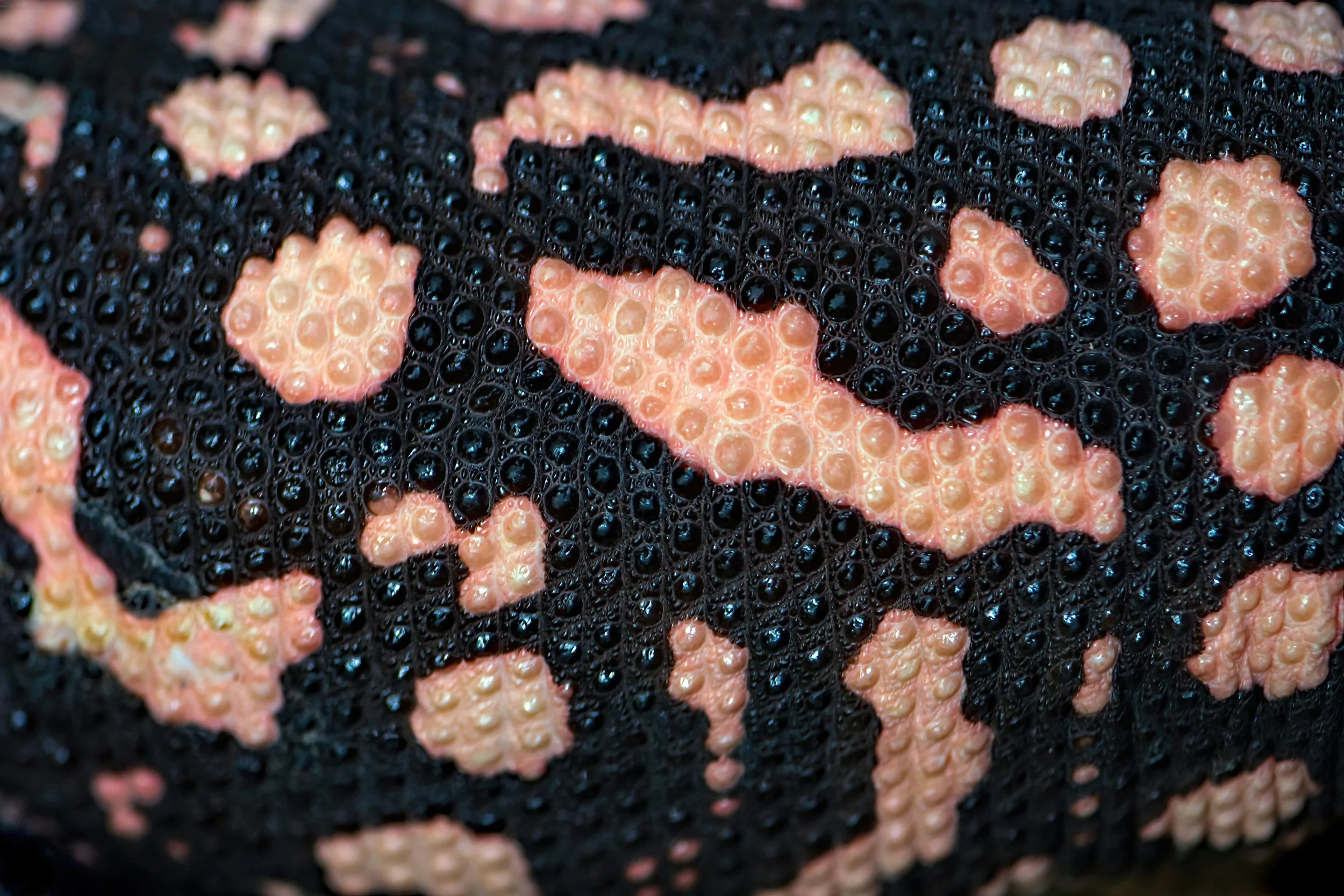
Gila monster venom paved the way for groundbreaking weight-loss and diabetes drugs like Ozempic, but its potential is just the tip of the fang. From tarantula venom aiding nerve research to cone snails delivering hypoglycemia-inducing toxins, venoms have evolved from biological weapons to pharmaceutical treasures. They act as nature’s Swiss Army knives, packed with peptides and proteins, offering targeted, potent solutions. Despite challenges like extinction and extraction, venom research reveals our shared molecular blueprints, promising innovations in cancer treatment, pain relief, and more—proving that even the deadliest bites can lead to life-saving breakthroughs. Venom Helped Create Weight-Loss Drugs. What Else Could It Do For Us? - The New York Times (gift article).

True to Self: Authenticity’s Inner Workings

What does authenticity mean? How to be more authentic. - The Washington Post (gift article) explores the profound psychological benefits of authenticity, framing it as a dynamic process of self-determination and alignment with personal values. Researchers argue that authenticity strengthens mental health, fosters meaningful relationships, and provides a deep sense of life purpose. Authenticity involves being truthful and actively choosing actions that resonate with one’s ideals, enhancing self-control, resilience, and decision-making. In contrast, inauthenticity can lead to anxiety and diminished life satisfaction. Individuals can find a more meaningful and fulfilling life path by pursuing goals rooted in personal values and staying open to evolving self-discovery.

Gene Insurance, No Coverage Guaranteed

As genetic testing becomes familiar, a troubling trend emerges: insurers are legally denying coverage based on genetic predispositions, creating a new form of discrimination. Kristen V. Brown highlights cases where individuals like “Bill,” a healthy man with a genetic marker for ALS, are refused policies or face inflated premiums due to perceived health risks. Though the Genetic Information Nondiscrimination Act (GINA) protects against genetic bias in health insurance and employment, life, disability, and long-term-care insurers face no such constraints. This legal gap fuels fears, deterring many from getting genetic tests that could aid in early disease prevention. They Were Denied Insurance After a DNA Test - The Atlantic.

Walk the Walk

Walking isn’t just a leisurely activity; it’s a powerful, accessible way to improve fitness, mental health, and weight management. This article details how adding intentional walking workouts—like intervals, step counting, and strength combos—can help you increase calorie burn and keep walks engaging. Fitness coach Michele Stanten shares top tips, including structuring walks as workouts and turning mundane steps into effective, fun routines. From desk-side walking pads to strolls during phone calls, you’ll find practical ideas to sneak in steps and reap walking’s full health benefits. How You Should Add Walking Workouts to Your Routine - Men's Health.

Pump Up Your Positive Vibes

Want to Feel Happier? Here’s How to Cultivate Positive Emotions. - The New York Times (gift article) delves into “reward sensitivity,” the psychological drive to seek and savor positive emotions. A clinical psychologist, Jenny Taitz outlines research-backed methods to help boost happiness, even for those prone to feeling low or anxious. Techniques include planning daily joyful activities, savoring the moment, expanding vocabulary for positive emotions, and visualizing uplifting outcomes. Taitz emphasizes that growing the habit of noticing and relishing joy strengthens one’s motivation to engage in future pleasurable experiences, transforming life’s small moments into meaningful mental boosts.

+An excellent app by the author of Permission to Feel: Unlocking the Power of Emotions to Help Our Kids, Ourselves, and Our Society to help with one of the suggestions of the article - expanding your feelings vocabulary. How We Feel App.

When Tired Minds Turn Testy

New research reveals that prolonged mental fatigue, or “ego depletion,” triggers changes in the brain’s frontal cortex, leading to increased aggression and diminished cooperation. During tasks requiring self-control, fatigued participants exhibited sleep-like brain activity, indicating localized “brain naps” in regions critical for decision-making. EEG scans confirmed these changes, showing that mental exhaustion disrupts impulse control and decision quality. Through economic games, fatigued individuals were found to be notably less cooperative and more hostile, underscoring the potential impact of mental fatigue on daily interactions, negotiations, and even legal scenarios. Mental Exhaustion Drives Aggressive Behavior - Neuroscience News.

Rat Race Reimagined

In a unique study, neuroscientist Kelly Lambert taught rats to drive mini cars, revealing that anticipation of enjoyable experiences may boost brain health and resilience. Rats that anticipated driving to earn a treat displayed behaviors linked to excitement, like standing with tails high. The study showed that positive experiences, not just stress, shape neuroplasticity and the brain’s ability to adapt. Lambert’s findings suggest that embracing joy and anticipation can transform behavior and mental health in rats and humans, underscoring the value of enjoying life’s journey, not just the destination. I’m a neuroscientist who taught rats to drive − their joy suggests how anticipating fun can enrich human life.

The Brain Isn’t the Only Keeper of Memories

Traditionally, memories are believed to reside solely in the brain, but a new study reveals that non-neural cells in the body also hold a memory function. Scientists at NYU found that cells outside the brain can “learn” and activate a memory gene in response to specific patterns of chemical signals, similar to how brain cells respond during spaced learning. This discovery suggests memory might be a cellular feature beyond the brain, potentially impacting future treatments for memory-related conditions and enhancing learning by targeting body-wide cellular responses. Memories are not only in the brain, human cell study finds (thanks, Amy!).

Forbidden Fruit Loophole: Why Some Banned Foods Make It to U.S. Plates

The U.S. food approval system allows certain additives banned in other countries to remain on American grocery shelves. Unlike Europe, which adopts a precautionary stance, the U.S. regulatory process is constrained by funding, industry influence, and a significant loophole: the “Generally Recognized as Safe” (GRAS) exemption. This GRAS policy lets companies self-determine safety without FDA review, leading to chemicals like titanium dioxide in foods despite potential risks. While some states are moving to ban specific additives, federal change remains slow, hindered by resource limitations and competing priorities within the FDA.Why US foods, including Halloween candy, have additives and chemicals banned in other countries | Vox.

114 - Empathy, Antibiotics, and Artificial Affection - HealthHippieMD Week In Review

The Healing Touch: Empathy’s Real Power in Medicine

Research suggests that empathy from doctors isn’t just comforting—it may significantly impact patient outcomes. A recent study reveals that highly empathetic physicians are linked to greater pain relief, improved functionality, and better quality of life for chronic back pain patients, surpassing even opioid and surgical interventions. Yet, empathy is rare among overburdened doctors, especially in brief appointments or with marginalized groups. Experts argue that empathy enables better communication, diagnosis, and adherence to treatment, making it a crucial, if undervalued, tool in healthcare. Despite systemic challenges, fostering empathy may be essential for truly effective care. The Power of Physician Empathy.

AI’s Hallucinations Risk Patient Safety

While popular in healthcare, OpenAI’s Whisper transcription tool is under fire for generating “hallucinated” content—text that wasn’t spoken. Despite being cautioned against high-risk usage, Whisper is employed in over 30,000 medical settings, sparking concern among experts. The tool’s reliance on predictive modeling can lead to troubling inaccuracies, with researchers reporting fabricated content in up to 80% of analyzed transcripts. Without original audio retention, verifying transcriptions becomes nearly impossible, a critical issue in healthcare where accuracy is paramount. The widespread adoption of “good enough” AI highlights the urgent need for regulation in medical tech. OpenAI’s Transcription Tool Hallucinates. Hospitals Are Using It Anyway | WIRED.

Navigating the Risks of Artificial Affection

As AI develops, the dangers of user addiction go beyond the dystopian fears of runaway technology. Instead, the article highlights a subtler threat: AI’s allure as a source of companionship. With AI already being used as friends, partners, and mentors, we face a future where relationships with nonhuman agents could displace human connection. AI’s endless adaptability makes it uniquely addictive, as it tailors responses to user desires, fostering dependency. Experts suggest that without regulatory and design measures, these digital companions might exacerbate loneliness, diminish human connections, and make real-world relationships harder to sustain. The allure of AI companions is hard to resist. Here’s how innovation in regulation can help protect people. | MIT Technology Review.

+See Also: There are no guardrails.’ This mom believes an AI chatbot is responsible for her son’s suicide.

A New Grip on Consciousness

In exploring the spectrum of consciousness, scientists now employ innovative tools like the “breathe-squeeze” method to measure subtle transitions between conscious states, from alertness to sedation. Developed initially for sleep studies, this technique involves participants squeezing a device with each breath, allowing researchers to track shifts in awareness without disruption. Anesthesiologists are adapting this approach to study consciousness under anesthesia more precisely, revealing that consciousness isn’t binary but exists along a continuum. This method offers a clearer picture of consciousness and may improve clinical care for anesthesia, coma, and sleep disorders, bridging scientific and philosophical inquiries about the nature of consciousness. Consciousness Is a Continuum, and Scientists Are Starting to Measure It | Scientific American.

How to Sleep Through Election Stress

With the high-stakes 2024 U.S. presidential election looming, many Americans report losing sleep over “electsomnia.” Experts from Scientific American share practical, science-backed strategies to curb election-induced insomnia. Sleep specialists emphasize the importance of recognizing one’s anxiety triggers and setting boundaries with news intake. Practicing gratitude, mindful relaxation, and progressive muscle exercises can prepare the mind and body for rest. Additionally, whether evening tea or cozy audiobooks, rituals can provide comfort while minimizing caffeine and alcohol close to bedtime, which aids sleep quality. As election stress builds, these habits can promote better, more restful nights. Is Election Anxiety Keeping You Awake? Sleep Experts Share Advice | Scientific American.

Mind Games

While brain training games promise to stave off dementia, research shows mixed results. Studies reveal that cognitively stimulating activities like puzzles, crosswords, and reading can benefit brain health and delay cognitive decline. Specialized brain games may improve specific skills but don’t necessarily transfer benefits across broader cognitive functions. Experts suggest activities that challenge mental skills could build “cognitive reserve,” potentially delaying dementia symptoms, though direct evidence is limited. Ultimately, like exercise, mentally stimulating tasks hold promise but lack definitive proof as a safeguard against dementia. Can Puzzles and Games Prevent Dementia? - The New York Times (gift article).

The Fiber Fix for Antibiotic Blues

Antibiotics can disrupt the gut’s microbial balance, temporarily diminishing beneficial bacteria while allowing hardy, fast-growing strains to dominate. Restoring gut health post-antibiotics often hinges on diet, with fiber-rich foods like garlic, oats, and bananas supporting beneficial bacteria regrowth. High-fiber diets help re-establish a diverse microbiome faster, while fermented foods like kimchi may replenish lost bacteria. Probiotics, however, offer limited benefits, sometimes even slowing recovery. For those dealing with antibiotic side effects like bloating, easing into fiber may be best. Ultimately, a balanced diet fosters resilience and diversity in the gut. What Should I Eat While Taking Antibiotics? - The New York Times (gift article).

Why Music Strikes a Chord in Our Minds

Music isn’t just background noise—it’s a universal, powerful tool for emotional depth and connection. Philosopher Arthur Schopenhauer believed music uniquely reveals life’s truths, bypassing words and directly engaging with our consciousness. Neuroscientific research affirms this by showing how music activates the brain’s reward centers, even easing symptoms of disorders like Parkinson’s and Alzheimer’s. Music enhances emotional experiences, especially when enjoyed live or alone. Whether upbeat tunes for joy or sad songs for solace, music helps us process feelings, connect with others, and even unlock higher self-awareness. Why Music Really Does Make You Happier - The Atlantic.

111 - Fly Brains, Melting Mozzarella, and Super-Potent Psychedelics - HealthHippieMD Week In Review

Neurons Speak Volumes

Scientists have mapped how neurons in the frontal cortex encode word meanings, marking a breakthrough in understanding language processing. By recording neuron activity in epilepsy patients, researchers discovered that specific cells react to words with related meanings, such as foods or objects. Notably, neurons responded differently when words were presented in context versus randomly, emphasizing the role of context in language comprehension. This research opens doors for advanced speech prostheses, possibly enabling the decoding of meanings from neural activity to help those with communication impairments. Scientists map how neurons encode word meanings - Big Think.

The Rise of Super-Potent Psychedelics

Psychedelic Mushrooms Are Getting Much, Much Stronger | WIRED explores the growing trend of breeding increasingly potent psychedelic mushrooms. With advances in cultivation techniques and genetic manipulation, strains are now reaching unprecedented levels of psilocybin content, sometimes exceeding 5% of psychedelic alkaloids. Self-taught mycologist Julian Mattucci, among others, has seen rapid results in potency enhancement, leading to trips more intense than previously experienced, even at lower doses. This push for stronger mushrooms brings excitement but also risks, as some consumers accidentally take too much, leading to challenging or distressing trips.

Happiness Isn't All It's Cracked Up to Be

In "The Techno-Humanist Manifesto," Jason Crawford argues that happiness is a fleeting, relative measure of well-being and not a reliable indicator of human progress. Instead, Crawford suggests that well-being should be measured by the ability to achieve and fulfill personal values. He critiques the idea that wealth or economic growth alone leads to lasting happiness, pointing out that humans adapt to material gains quickly. True well-being, he contends, is found in constant growth, achievement, and the pursuit of values that give life meaning. Why happiness is not the best indicator of well-being - Big Think.

Pattern Recognition Autopilot

A new study reveals that the human brain unconsciously detects patterns in real-time events by integrating "what" and "when" information. Researchers observed the brain activity of epilepsy patients with implanted electrodes, focusing on neurons in the hippocampus and entorhinal cortex, areas involved in memory and navigation. Even when participants were unaware of patterns in sequences of images, their neurons learned and anticipated future events. This discovery highlights the brain's remarkable ability to process and organize information implicitly, suggesting potential applications for memory-enhancement therapies. How Your Brain Detects Patterns without Conscious Thought | Scientific American.

Melting Mozzarella

The science behind why some cheeses melt smoothly while others, like ricotta, don't hinges on the structure of casein proteins and calcium bonds. Cheeses like mozzarella melt into stretchy goodness due to flexible casein networks, while higher acidity or calcium content can result in stiffer textures. The aging process also plays a role, as enzyme activity alters melting characteristics. Understanding how acid, fat, and water content affect cheese provides insight into the culinary variety of melted and non-melted cheeses. Why Cheeses Such as Mozzarella and Cheddar Melt Differently Than Ricotta | Scientific American.

+And if you're as interested in the the science of food and cooking as I am, check out: On Food and Cooking: The Science and Lore of the Kitchen: McGee, Harold.

How Gaming Can Improve Your Sleep

A systematic review (Video gaming and sleep in adults: A systematic review - PubMed) reveals that certain non-arousing video games, such as word games, can enhance sleep quality by promoting relaxation. However, action-packed games like shooters and MMORPGs are detrimental, keeping players mentally engaged and interfering with sleep. Casual gaming, up to seven hours a week, doesn't negatively affect sleep, but excessive gaming can disrupt sleep architecture. Experts recommend low-stimulation gaming before bed to help unwind, emphasizing moderation and caution with screen exposure before bedtime for optimal rest. These Types of Video Games Might Improve Your Sleep, Research Shows.

Lessons in Emotional Health

Happiness class is helping clinically depressed school teachers become emotionally healthy − with a cheery assist from Aristotle explores an innovative course designed to support teachers struggling with stress and depression through evidence-based happiness practices. Led by clinical psychologist John Sommers-Flanagan, the course teaches interventions inspired by Aristotle's concept of eudaimonic happiness, focusing on meaningful relationships, personal growth, and purpose. Participants learn practical techniques like gratitude and mindfulness to improve mental health, sleep, and overall well-being. Early results show significant reductions in clinical depression among educators, highlighting the course's potential as an emotional health tool for teachers and other high-stress professionals.

Mapping a Fly Brain

The most detailed map of an animal brain ever created, a new study reveals the intricate neural connections of the Drosophila melanogaster (fruit fly). With over 140,000 neurons and 50 million synapses, hundreds of scientists have developed this groundbreaking "connectome" since 2013. The brain's network spans 490 feet, and the findings are expected to provide insights into human neuroscience due to the genetic similarities between flies and humans. The study offers 3-D models and diagrams of the fly brain, pushing the boundaries of our understanding of cognition. A New Map of the Fruit Fly Brain (Thanks, Amy, for the recommendation and for helping bring this work to fruition-pun intended!).

Living Immunocompromised

What Does It Mean to Be Immunocompromised? - The New York Times (gift article) delves into the growing population of immunocompromised individuals in the U.S., highlighting the variety of conditions and treatments that weaken immune systems, from cancer to autoimmune diseases. With approximately 18 million adults affected, being immunocompromised presents heightened risks, even from common illnesses like the cold. It underscores the challenges faced by those with compromised immunity, the impacts of treatment, and how the immune system can recover over time. The piece reveals how these vulnerabilities affect everyday life, raising awareness of this expanding health concern.

100 - Tidy Conversations, Sweat, and Grim Reaping- HealthHippieMD Week In Review

In honor of my 100th newsletter, would you please do me a favor and forward this emair to at least one interested friend? Thank you!

Ozempic Your Brain

A recent study in Lancet eClinical Medicine suggests that semaglutide, the active ingredient in Ozempic, might lower the risk of cognitive decline and dementia in type 2 diabetes patients. Analyzing data from over 100,000 patients, researchers found those on semaglutide had lower rates of cognitive issues compared to those on other diabetes medications. While the findings show a significant link, they do not establish causation, prompting calls for further clinical trials. Experts believe Ozempic's neuroprotective effects, anti-inflammatory properties, and enhanced glucose utilization in the brain may contribute to these promising outcomes. Study: Ozempic Could Lower Dementia Risk, Cognitive Decline.

Tidy Conversations

How to talk to aging parents about downsizing and decluttering - The Washington Post (gift article) discusses the delicate process of talking to aging parents about downsizing and decluttering. It emphasizes the importance of approaching the conversation with empathy, respecting parents' autonomy, and setting clear intentions. Experts suggest initiating discussions by posing neutral questions and involving parents in decision-making. The process should be gradual to avoid overwhelming parents and ensure meaningful items aren't discarded. Tips include categorizing items, using sticky notes for organization, and considering the sentimental value of belongings. The article also advises how to navigate unwanted heirlooms and the benefits of donating items to meaningful organizations.

Pancreatic Cancer's Silent Switcheroo

Recent research reveals pancreatic cancer's cunning strategy: it deactivates a crucial gene, HNF4A, via DNA methylation, allowing rapid growth and spread. This aggressive cancer, often detected too late, has a bleak prognosis, with over half of patients dying within three months of diagnosis. Scientists emphasize the urgency of understanding this mechanism to develop better treatments. The study highlights how HNF4A loss contributes to cancer's severity, offering insights that could pave the way for future, more effective, less invasive therapies. Pancreatic Cancer Turns Off a Key Gene In Order to Grow | WIRED.

AI vs. AI

The article discusses a novel method where one AI language model interrogates another to detect inaccuracies, known as hallucinations, in AI responses. These hallucinations range from harmless errors to potentially dangerous mistakes in critical areas like medical advice. Researchers have developed a system where a second AI checks the consistency of multiple answers from the first AI, identifying outliers to spot inaccuracies. This method improves detection accuracy but comes with high energy costs and needs to be foolproof, highlighting the ongoing challenges in AI reliability and accuracy. Can One Chatbot Catch Another's Lies? | Scientific American.

Meat the Future

Researchers are closing the gap between lab-grown and conventional beef by enhancing cultured meat with compounds from the Maillard reaction responsible for cooked meat's savory flavors. This advancement, published in Nature Communications, allows lab-grown meat to release authentic beefy aromas at high temperatures. By integrating furfuryl mercaptan and other Maillard products into a hydrogel scaffold, the team achieved a flavor profile closer to natural beef. This breakthrough could improve public perception and scalability of cultured meat, paving the way for a more sustainable and cruelty-free alternative to traditional meat. Lab-Grown Meat Is Getting Closer to Tasting Like Real Beef | Scientific American.

Sweet and Low-Down

Since their debut in the 1950s, artificial sweeteners have promised to curb the cravings of America's sweet tooth without the calorie count of sugar. These sugar substitutes are now widespread in diet sodas, breads, yogurts, and even coffee. However, their safety has been under scrutiny for decades. Research remains inconclusive and sometimes contradictory, leaving many questions about their health impacts. Despite widespread use, experts like Dr. Dariush Mozaffarian from Tufts University argue that more human studies are needed to understand their benefits and risks fully. Are Artificial Sweeteners Safer Than Sugar? - The New York Times (gift article).

Truth About Sweat

In Stop Feeling Bad About Sweating | TIME, author Sarah Everts delves into the misunderstood world of perspiration. Sweating, often maligned and masked by whole-body deodorants, is a remarkable cooling mechanism that sets humans apart in the animal kingdom. While marketing tactics exploit our insecurities, encouraging the overuse of deodorants can disrupt our skin's microbiome. Beyond its cooling function, sweat plays a role in personal scent identity, which fosters emotional connections. Embracing our natural sweat can shift the narrative from shame to acceptance, recognizing its vital role in survival and social bonds.

Weight a Minute: Rethinking the Obesity-Health Link

Researchers have identified a phenomenon called metabolically healthy obesity (MHO), where individuals classified as obese based on their BMI exhibit no health issues typically associated with obesity, such as high blood pressure or insulin resistance. This condition challenges the traditional notion that obesity inherently leads to poor health. Studies reveal that 6% to 60% of obese adults could be metabolically healthy, suggesting the need to reconsider the stigmatization of larger body sizes and the accuracy of BMI as a sole health metric. Understanding MHO may help destigmatize larger bodies and promote a more nuanced view of weight and health. People Who Are Fat and Healthy May Hold Keys to Understanding Obesity | Scientific American.

Vax to the Future: Shots Lower Long Covid Odds

A new study published in The New England Journal of Medicine confirms that COVID-19 vaccines significantly reduce the risk of developing long-term COVID-19. Researchers analyzed the health records of nearly 450,000 Covid-infected individuals and over 4.7 million non-infected people in the U.S. Veterans Affairs health system. Findings reveal that vaccinated individuals had a much lower incidence of long-term COVID-19 than their unvaccinated counterparts. Despite this, a residual risk remains for vaccinated people, suggesting that while vaccines mitigate long-term COVID-19, they don't eliminate it. Vaccines Significantly Reduce the Risk of Long Covid, Study Finds - The New York Times (gift article).

Grim Reaping the Benefits

Contemplating death, or "memento mori," can enrich our lives by highlighting the importance of living fully. In her book "You Only Die Once," Jodi Wellman argues that acknowledging our mortality can lead to a more meaningful and vital existence. By considering "temporal scarcity," we value our limited time more. This perspective encourages prioritizing what truly matters and helps avoid regrets. Positive psychology supports this duality of appreciating life's joys alongside its inevitable hardships. Embracing death reminders, like counting our remaining Mondays, can inspire us to live more purposefully and joyfully. Memento mori: Why thinking about death enriches your life - Big Think. +see also: "Memento Mori": The Reminder We All Desperately Need.

092 - Sleeping Your Way to the Top, Mellow Yellow, and The Brain Microbiome - HealthHippieMD Week In Review

May 26th is my 60th birthday. As a gift to me, please pass this newsletter on to at least one person you think might be interested. I'd love to double my readership. Thanks for reading and your ongoing support!

Forgive and Let Live

In the podcast, Feel Better, Live More with Dr Rangan Chatterjee: #448 A Proven Prescription for Health and Happiness: Why Being Able To Forgive Improves Your Physical & Mental Wellbeing Dr. Rangan Chatterjee discusses the importance of forgiveness with Dr. Fred Luskin, a clinical psychologist from Stanford University. Dr. Luskin, the director of the Stanford University Forgiveness Projects, emphasizes that forgiveness is a crucial yet often overlooked component of health. He argues that while diet, exercise, stress, and sleep are vital, the ability to forgive can significantly improve both mental and physical wellbeing. According to Dr. Luskin, forgiveness is a perspective that can lead to profound healing and a happier life. (Thanks, Megan).

Hard Facts on Stool

Michael Harrop's Human Microbes has created a controversial black market for fecal microbiota transplants (FMT), used to treat conditions like cystitis and irritable bowel syndrome. Despite the FDA only approving FMT for Clostridioides difficile, desperate patients like Alexandra seek alternative cures from this underground source. Despite lacking medical credentials, Harrop matches "super-donors" with buyers, selling stool for $1,000 per dose. While some report miraculous recoveries, medical experts warn of severe risks and unknown long-term effects, urging caution and further research. Fecal microbiota transplant: Inside the black market for human poop.

Fit or Fat

A recent study by the University of Aberdeen reveals that exercise enhances the body's ability to metabolize saturated fats. The research focused on the "athlete's paradox," which observes that endurance athletes and people with type 2 diabetes store high levels of muscle fat. Through an eight-week experiment involving 29 athletes and 30 people with diabetes, researchers discovered that exercise enables people with diabetes to store and burn saturated fat efficiently, mirroring the athletes' fat metabolism. The study underscores the importance of regular physical activity for improving fat metabolism and overall metabolic health. Exercise improves storage and burning of saturated fat, study finds.

3 M's Sticky Situation

ProPublica's exposé reveals how Kris Hansen, a chemist at 3M, discovered toxic "forever chemicals" (PFAS) in human blood. Initially tasked with verifying external lab results, Hansen confirmed that PFAS contamination was widespread, even in the general population. Despite her findings, 3M executives suppressed the information, halting her research and enforcing secrecy. Decades later, the EPA is now demanding the removal of these chemicals from drinking water. Hansen, who remained silent for years, now grapples with the environmental and health implications of her discovery and 3 M's long-held secrets. How 3M Execs Convinced a Scientist the Forever Chemicals She Found in Human Blood Were Safe — ProPublica.

A Sobering Solution?

Scientists have developed a hydrogel that may be the answer to hangover woes and alcohol-related health issues. Crafted from whey protein and enhanced with iron atoms, sugar molecules, and gold nanoparticles, this gel breaks down alcohol in the gastrointestinal tract. In mouse experiments, it significantly reduced blood alcohol levels and prevented liver damage, weight loss, and gut problems. This novel hydrogel holds promise for both social drinkers and those with chronic alcohol issues, potentially serving as a groundbreaking remedy and preventative measure against alcohol's harmful effects. Clinical trials in humans are anticipated soon. Is this the hangover cure we've been waiting for?

The Brain Microbiome

Recent research suggests that the brain might have its own microbiome, challenging the long-held belief that the brain is a sterile organ. Initial studies from 2013 found non-human genetic material in brain tissue, hinting at the presence of bacteria and viruses. More recent investigations have discovered bacteria and fungi in the brains of both healthy individuals and those with Alzheimer's disease. However, the mechanisms by which these microbes enter the brain remain unclear. This discovery could open new avenues for treating neurological diseases, but further research is needed to fully confirm and understand these findings. Wait, The Brain Has Its Own Microbiome? What New Research Tells Us.

Mellow Yellow

A recent study reveals that D-limonene, a terpene found in citrus fruits and cannabis, reduces anxiety when combined with THC, the psychoactive component in marijuana. Conducted by Johns Hopkins University, the double-blind study involved 20 participants inhaling various doses of THC and limonene. Results showed that higher doses of limonene significantly decreased anxiety and paranoia. While the exact mechanism remains unclear, the study suggests limonene's potential as an anxiolytic agent. This research highlights the need for empirical testing of terpenes' effects, challenging unverified marketing claims in the medicinal cannabis industry. A New Study Found This Molecule Is Linked to Less Anxiety While Stoned.

Sleep Your Way to the Top

In How to Buy Yourself a Longer Life - The New York Times (gift article), Frank Bruni explores Equinox's new luxury membership, "Optimize," costing $40,000 annually and featuring services like a sleep coach, nutritionist, and personal trainer. This deluxe package aims to enhance fitness and longevity, reflecting an increasing obsession among the wealthy with extended youth. Bruni critiques this trend, highlighting the growing economic segregation and the extravagant ways the affluent flaunt their wealth and seek to optimize their lives, underscoring a deepening divide in American society.

Garden Your Way to a Healthier You

Gardening offers multifaceted benefits for both mind and body. Engaging in activities such as shoveling mulch and pulling weeds counts as moderate-intensity exercise, contributing significantly to physical activity goals. Beyond the physical, gardening provides mental health perks, including stress reduction and a sense of purpose. Emilee Weaver from the North Carolina Botanical Garden highlights how nurturing plants can be deeply fulfilling. Studies support these claims, showing that gardeners are more active and enjoy better mental health than non-gardeners. The article briefly mentions exposure to the soil microbiome and its association with mental health. The Health Benefits of Gardening - The New York Times (gift article).

Prior Authorization Frustration

Medicare Advantage plans, touted for reducing waste and inappropriate care, are increasingly criticized for unnecessarily restricting coverage. This issue is starkly illustrated by Marlene Nathanson's experience, whose stroke recovery was abruptly interrupted when her plan denied further treatment coverage. Despite significant progress in therapy, she was given just 48 hours to leave her rehabilitation facility. Traditional Medicare seldom requires prior authorization, but nearly all Advantage plans do, particularly for high-cost services. With more than half of Medicare beneficiaries enrolled in these plans, such denials are becoming alarmingly common. When 'Prior Authorization' Becomes a Medical Roadblock - The New York Times (gift article).

088 - Fasting, Happiness, and the Skin-Gut Axis - HealthHippieMD Week In Review

A.I. Designs New Tools for DNA Editing

The realm of CRISPR gene editing is experiencing a technological revolution with the introduction of generative A.I. Profluent, a startup based in Berkeley, California, has unveiled an A.I. system that crafts blueprints for novel gene editing tools. This innovation, which employs methods similar to those driving the popular A.I. chatbot ChatGPT, can enhance the precision and speed of combating illnesses and diseases. Profluent's A.I. analyzes vast amounts of biological data to create gene editors that could surpass those formed through natural evolution. Their recent creation, OpenCRISPR-1, has already been used to edit human DNA and is now freely available for further experimentation. This breakthrough could herald a new era of medical treatments, tailor-made at unprecedented speeds. Generative A.I. Arrives in the Gene Editing World of CRISPR - The New York Times (gift article).

Skin-Gut Axis

Researchers at the University of California San Diego have discovered that skin injuries can significantly affect gut health in mice. This study reveals a skin-gut axis, showing that damage to the skin disrupts the intestinal defenses and alters the gut microbiome. The findings challenge the traditional belief that gut microbes primarily influence skin health, instead highlighting a bidirectional relationship. The experiments demonstrated that skin wounds and artificial increases in skin-specific enzyme levels led to more severe colitis, a gut disorder, by altering the microbial balance. This research, published in Nature Communications, suggests a new perspective on the interplay between skin injuries and gut health, with implications for understanding human diseases. A Skin-Deep Wound Can Trigger Gut Bacteria Changes: ScienceAlert (thanks, Amy).

Fever Dreams

Fever dreams, typically vivid, intense, and disturbing, are often a part of the ill experience when body temperature rises due to sickness. These dreams are characterized by bizarre, repetitive, and negative imagery, influenced by altered brain neurochemistry and rapid eye movement (REM) sleep disturbances. Research indicates these dreams often feature surreal scenarios and threatening elements, such as oversized creatures or menacing figures. Experts suggest fever-induced alterations in body and brain function could trigger these dreams, which also hold psychological significance, potentially representing inner fears or conflicts. While generally harmless, persistent fever dreams should be discussed with a healthcare provider as they could signal underlying health issues. What Does It Mean to Have a Fever Dream?

Fasting Time

Could a Calorie-Restricted Diet or Fasting Help You Live Longer? - The New York Times delves into the scientific intrigue surrounding calorie restriction and intermittent fasting as potential longevity boosters, a concept borne from decades of animal research. Studies suggest that cutting calorie intake can significantly extend the lifespan of various species, from worms to monkeys, by inducing key biological changes and reducing susceptibility to age-related illnesses like cancer. However, the application of these findings to human longevity remains uncertain. Although some evidence hints that these dietary adjustments could benefit human metabolic health and potentially slow aging, definitive long-term human studies are lacking, and the mixed results, including some contrary findings in human obesity, prompt ongoing debate among scientists.

Fact or Fiction

Chatbot answers are all made up. This new tool could help you figure out which ones to trust. | MIT Technology Review discusses a new tool developed by A.I. startup Cleanlab, aimed at evaluating the reliability of responses from large language models (LLMs). This tool, emerging from a quantum computing lab at MIT, scores outputs from LLMs on a scale from 0 to 1 to determine their trustworthiness, addressing businesses' concerns about these models' tendency to "hallucinate" or generate inaccurate information. By providing a reliability score, the tool allows users to discern which responses to trust. This innovation is especially pertinent as chatbots become more integrated into daily digital interactions, from search engines to office software. The Trustworthy Language Model could significantly reduce the risk of using LLMs in high-stakes business environments, enhancing their appeal and utility.

Sweet Nothings

In a recent article from The Atlantic, the introduction of brazzein, a new sugar substitute, is explored alongside older alternatives like aspartame and stevia. Despite its promise, brazzein must replicate sugar's unique sweetness, much like its predecessors. The narrative recounts a personal journey of managing blood sugar levels through various sweeteners, underscoring the dissatisfaction with their aftertaste and health concerns. Even with technological advancements, sugar substitutes still mimic sugar's flavor and texture, leading to continued disappointment for those seeking a healthier, yet equally satisfying, alternative to sugar. A New Sweetener Has Joined the Ranks of Aspartame and Stevia - The Atlantic

Happiness: Marriage and Money

The Happiness Trinity - The Atlantic delves into the complex question of what truly fuels our happiness. Marriage, according to W. Bradford Wilcox's new book, Get Married: Why Americans Must Defy the Elites, Forge Strong Families, and Save Civilization, emerges as a significant predictor of life satisfaction in America, outshining education, income, and job satisfaction. However, the discourse extends beyond matrimony, exploring "social fitness" — the quality of relationships in one's life — as an even stronger happiness determinant. The article also highlights the intertwined roles of income and social well-being, noting that higher income levels correspond with better marriage and social outcomes. Ultimately, the discussion suggests that happiness in America might morph into a luxury, stratified by income levels, with significant implications for society's overall well-being.

Unraveling the Complexities of Consciousness

The quest to understand consciousness remains elusive, yet tantalizing advances have sparked renewed interest. Grounded in the Orchestrated Objective Reduction (Orch OR) theory, pioneered by Roger Penrose and Stuart Hameroff, researchers posit that consciousness emerges from quantum processes within brain microtubules. Recent explorations extend this theory, demonstrating that microtubules might maintain quantum coherence far longer than expected, suggesting that our brains can sustain these quantum states despite their warm, wet conditions. Complementarily, Timothy Palmer's Invariant Set Theory proposes that consciousness and free will reflect our entanglement in a universal fractal geometry. While far from conclusive, these insights offer intriguing possibilities about the structure and reach of consciousness, bridging scientific inquiry with profound philosophical implications. Where Does Our Consciousness Live? It's Complicated.

081 - Mind Meld, Productive Conflict, and the Art of Saying No - HealthHippieMD Week In Review

NCCIH Relaxation Techniques

"Relaxation techniques help bring about the body's "relaxation response," characterized by slower breathing, lower blood pressure, and a reduced heart rate. The relaxation response is the opposite of the stress response." Here is an evidence fact sheet: Relaxation Techniques: What You Need To Know. | NCCIH

The Art of Saying "No" for a Happier You

In his article Overwhelmed? Just Say 'No.' - The Atlantic Arthur C. Brooks delves into the science of happiness and how saying "no" more often can lead to a more fulfilling life. He argues that the constant bombardment of demands and requests can overwhelm us and distract us from our happiness. Brooks identifies two main issues that contribute to this problem: hyperbolic discounting, which leads us to prioritize immediate pleasures over future benefits, and the fear of future regret, which can make us hesitant to decline opportunities. He suggests three strategies to combat these tendencies: forming a "No Club" for accountability, making "no" the default response, and adding friction to the process of saying "yes." By mastering the art of saying "no," Brooks believes we can focus more on our priorities and lead happier lives.

Long-Covid's Foggy Forecast

A comprehensive study in England involving nearly 113,000 participants has revealed that individuals with persistent post-COVID symptoms, commonly referred to as long-term COVID-19, exhibit a measurable decline in cognitive abilities, particularly in memory, reasoning, and planning. The study, published in The New England Journal of Medicine, found that those with long Covid scored the equivalent of 6 I.Q. points lower than those who had never been infected. Even individuals who had recovered from Covid-19 showed a slight decline in cognitive performance compared to the uninfected. However, the study also offers hope, suggesting that the associated cognitive impairment might improve if Covid symptoms ease over time. This research provides numerical evidence for the cognitive challenges many long Covid sufferers face and highlights the importance of understanding and addressing the long-term effects of the virus on mental function. Long Covid May Lead to Measurable Cognitive Decline, Study Finds - The New York Times (gift article).

Covid is NOT the Flu

Four years into the COVID-19 pandemic, the United States' approach to managing the virus increasingly resembles its handling of seasonal flu. Vaccines are updated annually, and the CDC is considering more flu-like isolation guidelines. Despite some similarities, COVID-19 and flu are distinct, with COVID-19 causing more hospitalizations and deaths and having a less predictable pattern. The trend towards treating COVID-19 as a routine illness raises concerns about diminishing precautions and the potential underutilization of treatments like Paxlovid. This shift may also obscure the ongoing impact of long COVID and reduce incentives for testing. While some policy convergence is understandable, experts worry that the U.S. is moving too quickly towards normalizing COVID-19 without adequately addressing its unique challenges. Why Are We Still Flu-ifying COVID? - The Atlantic.

Productive Conflict

"The goal. It isn't to avoid conflict. At the highest level, it's to recognize what kind of conversation you're having." Derek Thompson explores the insights from Charles Duhigg's book, "Supercommunicators," on improving communication in relationships. The article highlights the importance of recognizing the type of conversation, whether practical or emotional, to avoid unnecessary conflicts. It also delves into research from the 1970s by psychologists known as the "Love Shrinks," who studied how married couples navigate conflicts. Their findings revealed that all couples fight, but the key to a healthy relationship is not what they fight about but how they fight. Happy couples tend to focus on controlling themselves rather than their partners, avoid escalating the conflict, and use "I" statements instead of accusatory "you" statements. Thompson shares his realization of the importance of staying on topic during arguments, using the metaphor of not "opening new tabs" in a browser. The article suggests asking three brief questions during conflicts to improve communication: "Are we opening new tabs?" "Are we venting or problem-solving?" and "What if I tried to control only myself?" Three Ways to Have Better Fights - The Atlantic

The Neuroscience of Hanging Art

Arranging art on walls can be overwhelming, but incorporating whimsy and proportion can enhance enjoyment. Neuroscience suggests considering the viewer's perspective, with art ideally hung 56 to 60 inches above the floor. For groupings, prioritize special pieces, maintain spacing, and consider symmetry, which is psychologically pleasing. Planning layouts on the floor before hanging can ensure a satisfying arrangement. The article emphasizes that while there are guidelines, personal expression and creativity are key to a visually appealing display. How to hang art and photos to please the eye and the brain - The Washington Post (gift article).

Mind Meld

The Remarkable Ways Our Brains Slip Into Synchrony | The MIT Press Reader explores the fascinating ways in which our brains synchronize during shared experiences, a phenomenon increasingly supported by cognitive science research. This synchronization is evident in various scenarios, such as collaborating on a task, engaging in conversation, or sharing a meal. The merging of individual cognitions creates a fluid exchange of information, blurring the lines between separate entities. Experiments have shown that when people work together, their actions and even postural sways can become coordinated, resembling the behavior of a single system. This coordination extends to brain activity, eye movements, and gestures, enhancing empathy and rapport. The article highlights that effective communication is about exchanging messages and co-creating a shared experience, underscoring the deep interconnectedness of human cognition. (Thanks, Wendy)

Microbiome and Retinal Disease

Recent research suggests a surprising link between gut bacteria and inherited retinal diseases like retinitis pigmentosa, which can lead to blindness. The study, published in Cell, challenges the long-held belief that the eyes are shielded from bacterial invasion. Researchers found that mutations in the CRB1 gene, a leading cause of these diseases, weaken the protective barrier around the eye and the cell linkages in the colon, allowing gut bacteria to travel to the retina. Experiments with Crb1-mutant mice showed that depleting gut bacteria or treating with antibiotics reduced retinal damage, hinting at potential new treatments. However, experts urge caution, as the complexity of the disease and the role of bacteria are not fully understood, and antibiotics may not reverse the genetic damage. The surprising link between gut bacteria and devastating eye diseases. (Thanks, Amy)

063 - Long Covid Blood Trails, Weighty Decisions, and Honest Dishonesty? - HealthHippieMD Week In Review

GLP-1's Weighty Decision

Are you considering semaglutide or liraglutide for weight management? A recent study has highlighted some significant gastrointestinal concerns. Those using these GLP-1 receptor agonists face a nine-fold increased risk of pancreatitis and are four times more likely to develop bowel obstruction. Additionally, there's a 3.5 times elevated risk of gastroparesis. While these drugs offer potential benefits, especially for those with diabetes and obesity, it's crucial to be informed and weigh the risks against the benefits before deciding. GLP-1 Agonists Linked to Higher Risk for GI Complications.

The Ephemeral Nature of Dreams

The article, Why Do We Forget So Many of Our Dreams? - Scientific American, delves into the intriguing phenomenon of why we forget most of our dreams. The primary stage of dreaming, REM (Rapid Eye Movement) sleep, is where the brain's activity mirrors that of a waking state. However, the regions responsible for transferring memories to long-term storage are less active during this phase. This means that its memory fades away unless we awaken immediately after a dream. The duration of REM sleep increases throughout the night, making the last dream before waking the most memorable. Factors like age, gender, and personality traits also influence dream recall. Interestingly, focusing on dreams or even reading about them can enhance our ability to remember them.

+More on sleep/dreams. Should You Wake Someone from the Throes of a Nightmare? - Scientific American

+And how are memories saved, anyhow? The Usefulness of a Memory Guides Where the Brain Saves It - Nautilus.

The Therapeutic Power of Penmanship

The journey to self-awareness has a new ally: the act of writing. The article, Know Yourself Better by Writing What Pops into Your Head - Scientific American, emphasizes the profound benefits of documenting unfiltered thoughts daily. This simple practice, spanning just 5 to 20 minutes, can enhance health, reduce stress, and bolster self-confidence. Concerns about facing a blank page or the looming inner critic? The article provides insightful strategies to navigate these challenges. Thus, embracing the pen (or keyboard) might be the key to unlocking a deeper understanding of oneself.

Keeping Produce Fresh

"Every year, over a third of the food grown globally is thrown away. In the U.S., food waste is on the rise. Wasted food accounted for about 38 percent of the total food supply in 2021, worth roughly $444 billion, according to ReFED_." Counter or fridge? Here's how to store fruits and veggies for maximum freshness has some great recommendations.

Plastic Paradox

Despite popular belief, the journey of our recycled plastics is fraught with challenges. Influenced by industry lobbyists, several states have implemented policies that counteract plastic reduction efforts. The core dilemma? The undeniable profitability and affordability of plastics. However, innovative solutions are on the horizon. Streamlining plastic production and introducing methods to process mixed polymers are gaining traction. Remarkably, microbes like Ideonella sakaiensis have shown potential in breaking down plastics, with some even relying solely on plastic as a food source. Small policy shifts, such as a five-cent charge on plastic bags, have demonstrated significant impact. Yet, the overarching solution to the plastic conundrum remains elusive. Think that your plastic is being recycled? Think again. | MIT Technology Review.

23andMe's Genetic Security Breach

23andMe, the popular genetic testing company, recently experienced a significant data breach affecting 14 million users. Intriguingly, the hacker seemed interested in individuals of Jewish ancestry, offering their names, locations, and ethnicities for sale. The company confirmed the breach's origin as "credential stuffing," a method where attackers use previously leaked username-password combinations. This isn't 23andMe's first brush with privacy concerns. In the past, they pledged enhanced security after a DNA database was used in a police investigation. Their current remedy? Advising users to reset passwords and ponder data deletion. This article has some suggestions if you were affected by the breach. 23andme hack: What you can do after the data leak - The Washington Post. (gift article)

Devo-Lution

The NY Times had an article on one of my favorite bands in the 80s: Devo: Devo's Future Came True - The New York Times (gift article)

Start-up Mentality Enhances Relationships

"The sweet spot for a durable romantic partnership, then, is a new venture between two mature co-founders who are not so set in their ways that they act like entrenched corporations." Arthur Brooks wrote an article that likened successful relationships to business start-ups. Before you roll your eyes, give the piece a read: Why the Most Successful Marriages Are Start-Ups, Not Mergers - The Atlantic.

Decoding Long COVID: A Blood Trail

Over three years post the onset of the COVID-19 pandemic, 10% of patients continue to grapple with long COVID symptoms. Recent research published in Nature has identified specific blood biomarkers that provide insights into this condition. These markers indicate abnormal T-cell activity, viruses such as Epstein-Barr reactivation, and a notable decrease in cortisol levels. Impressively, utilizing these biomarkers, a machine learning algorithm has been developed that can identify long COVID cases with 96% accuracy, offering a promising avenue for understanding and potentially treating this elusive condition. Researchers Are Closing In on the Biomarkers for Long COVID.

The Paradox of Dishonesty Studies

Behavioral economists Dan Ariely and Francesca Gino, known for their extensive research on dishonesty, are now under the microscope. Ariely, recognized for integrating personal experiences into his work, and Gino, noted for her prolific output, contributed significantly to their field. However, this article suggests potential irregularities in their research, hinting at possible fabricated data and dubious practices. The situation presents an intriguing paradox: scholars of dishonesty potentially being dishonest in their work. They Studied Dishonesty. Was Their Work a Lie? | The New Yorker.