Insomnia

123 - Dog:Human Lookalikes, Midlife Marriage Makeovers, and Mental Health - HealthHippieMD Week in Review


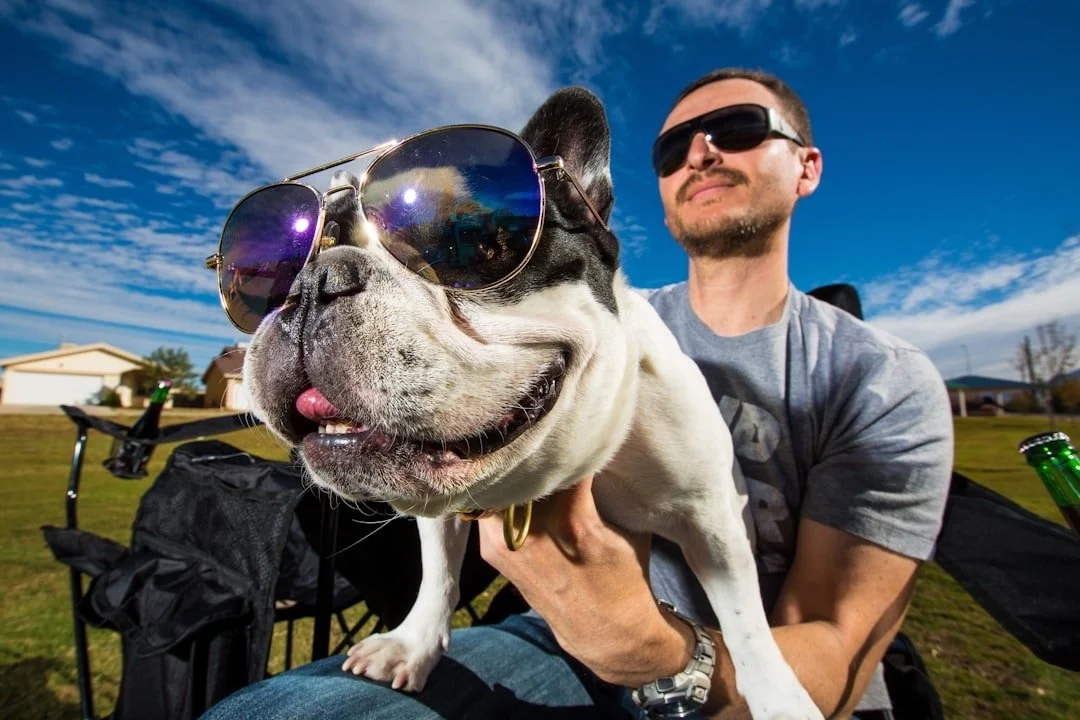
Photo by Daniel Lloyd Blunk-Fernández on Unsplash

Happy New Year and welcome to the first issue of HealthHippieMD on Substack mirrored on Squarespace.. If you haven’t yet subscribed to the newsletter click on the “Subscribe” button in the menu and sign up. Eventually, I will fully transition the Newsletter to Substack and stop posting here.

This space is where wellness meets curiosity, blending evidence-based insights with a sprinkle of holistic wisdom. Together, we'll explore innovative approaches to health, the latest in wellness trends, and practical tips to help you thrive in body, mind, and spirit. Please help me grow our community by liking, commenting, or sharing what you read.

Thank you for joining me on this journey—let's grow, learn, and inspire each other to live our healthiest lives.

Be Inspired. Be Informed. Be Well.

Jeff Taekman, M.D.

01

Gut Check on Alzheimer's

Could a common gut virus hold the key to Alzheimer's? A groundbreaking study explores how the human cytomegalovirus may travel along the vagus nerve, stirring immune responses linked to dementia. "Our results indicate a complex, cross-tissue interaction between HCMV and the host adaptive immune response," researchers revealed. This cross-tissue dynamic may open the door to antiviral therapies, potentially slowing or preventing Alzheimer's progression. As researcher Benjamin Readhead puts it, "We're motivated to understand whether these findings have implications for clinical care." Could this be the tipping point in understanding Alzheimer's? Common Gut Infection Tied to Alzheimer's Disease.

02

Ink and Lymphoma: A Risky Canvas?

Tattoos are more than skin deep—they may affect your health. A population-based study reveals a startling 20% increase in lymphoma risk among tattooed individuals, likely tied to carcinogens in tattoo ink and the immune system's response. "The study underscores the importance of regulatory measures to control the chemical composition of tattoo ink," the researchers emphasize, highlighting the urgency as tattoo culture grows. The question lingers: Is beauty worth the risk, or is it time for a regulatory makeover? Tattoos Linked to Malignant Lymphoma-Medscape.

03

Relationship Tips for the New Year

From "repotting" friendships to navigating "yellow flags" in dating to making over your marriage, these expert-backed strategies invite a more profound connection in every relationship. "Grieving and digesting the limits of one another's human imperfections is a central part of long-term intimacy," says family therapist Terrence Real, encouraging self-reflection and mutual understanding. Whether tackling tough conversations or finding joy in shared moments, these tips might transform your connections this year. Strengthen Your Relationships in 2025 - The New York Times (gift article).

04

Mental Health Hacks for 2025

Small changes can make a big difference. Whether moving your body, quieting your inner critic, or learning to embrace uncertainty, these science-backed tips are designed to help you thrive. Mental Health Advice for 2025 - The New York Times (gift article).

05

Midlife Marriage Makeover

Middle age often brings more than gray hairs—it's also a critical juncture for couples. Experts share six essential questions to rejuvenate your relationship, from reflecting on your dreams to uncovering your role in recurring conflicts. "When couples revisit the qualities that first drew them together, it shifts the emotional climate of the conversation," psychologist Harriet Lerner suggests, offering a powerful way to rekindle intimacy. Questions to Ask Your Partner at Midlife, According to Couples Counselors - The New York Times (gift article).

06

Insomnia's Emotional Cost

Sleep deprivation doesn't just leave you tired—it reshapes your mood, your thoughts, and even your mental health. Chronic insomnia, described as "a fire that jumps the fence" by one sufferer, can create a vicious cycle where anxiety disrupts sleep, which in turn exacerbates mental health issues. Cognitive-behavioral therapy for insomnia (CBT-I) has been transformative for many, teaching strategies like reframing negative thoughts and breaking harmful associations with sleepless nights. Is the answer to better mental health lying in bed? How Sleep Affects Your Mood: The Link Between Insomnia and Mental Health - The New York Times (gift article).

07

Who Let the Lookalikes Out?

Do you and your dog share a striking resemblance? Science suggests it's not just coincidence. Psychologist Yana Bender notes, "People consistently match dogs and their owners in photographs, even when the resemblance is subtle." Beyond physical similarities, personality traits also align—extraverted owners often have sociable dogs, while more anxious individuals report pets with heightened stranger-directed fear. Are we choosing pets that mirror us, or are they learning from us over time? Why We Look Like Our Dogs.

08

Mastering Calm

Can a simple breath change your brain? Science says yes. From ancient yoga practices to modern neuroscience, intentional breathing techniques are a powerful tool against stress. Could the rhythm of your breath be the symphony your mind needs? How to use breathwork to calm your mind - The Washington Post (gift article).

09

GLP-1s: A Weighty Solution?

With the obesity epidemic spiraling into a trillion-dollar crisis, GLP-1 drugs offer hope for weight loss and chronic disease prevention. But who benefits—patients, or the bottom line? Will these medications revolutionize care or reinforce inequalities as the health ecosystem pivots? Growth of GLP-1s has implications for multiple stakeholders-Deloitte.

10

Weight-Loss Wonders

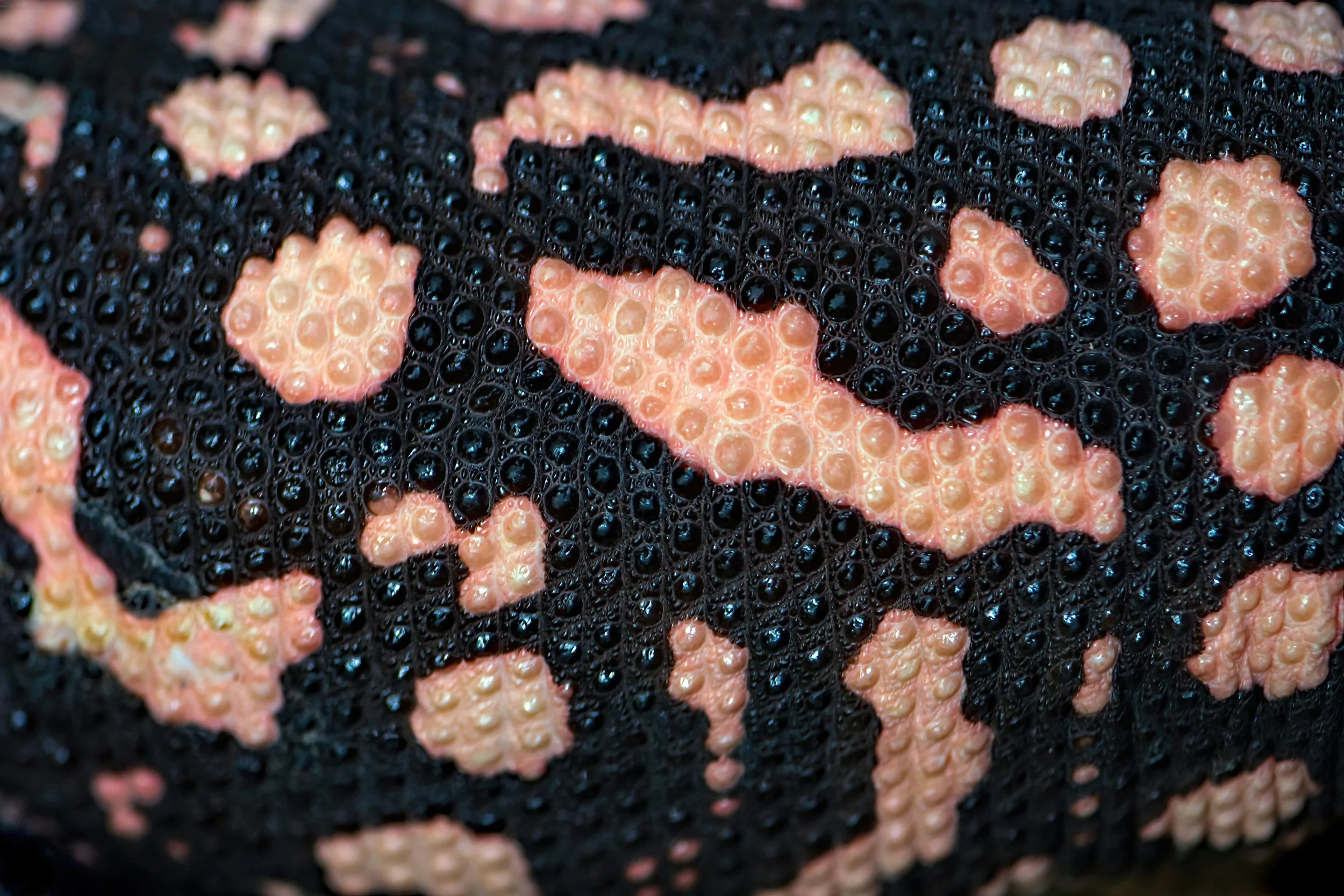
Could a lizard's venom hold the secret to curing addiction and preventing Alzheimer's? The unexpected benefits of GLP-1 drugs, born from obesity treatments, are reshaping medical landscapes. These "wonder drugs" may alleviate cravings, protect against heart disease, and slow brain degeneration. With pharmaceutical giants like Eli Lilly racing to unlock their full potential, the question arises: Are GLP-1s medicine's new multi-tool, or just a weighty fix?
https://arstechnica.com/health/2024/12/weight-loss-drugs-may-also-treat-addiction-alzheimers-and-heart-disease/

11

Mindfulness: A Practice of Remembering

What if mindfulness isn't just about calm but transformation? Returning to its Buddhist roots reveals a practice steeped in remembrance—not of the past, but of the present moment. Can you "remember" your way to a more meaningful life? Mindfulness is about 'remembering' − a practice of coming back to the now.

If you enjoyed this newsletter, please comment, like, or share on Substack. Until next week.....

Be Inspired. Be Informed. Be Well.

120 - Mirror Cells, Fighting Inflammation with Food, and Artful Healing - HealthHippieMD Week In Review

120 -- HealthHippieMD Week In Review Audio Overview

Curiosity Killed the Bias

How to see the humanity in anyone | Psyche Guides explores the transformative practice of "deep curiosity," a tool for fostering empathy, connection, and understanding across divides. The author recounts a yearlong journey meeting individuals with opposing beliefs and challenging stereotypes fueled by assumptions and social media. Through the DIVE model—Detach, Intend, Value, Embrace—he teaches how to unlearn biases, prepare for meaningful dialogue, and honor others' dignity. By viewing challenges as opportunities for growth, deep curiosity strengthens relationships and enriches self-awareness. This guide empowers readers to break barriers and connect authentically in an increasingly polarized world. (Thanks, Laura!).

+see also: The War For Kindness - The Happiness Lab with Dr. Laurie Santos - Apple Podcasts.

Food Fights Inflammation

An anti-inflammatory diet swaps processed foods for whole, nutrient-dense options to combat chronic inflammation. Foods rich in antioxidants, polyphenols, and essential nutrients help reduce oxidative stress and regulate hormones. A Mediterranean-inspired diet—packed with fruits, vegetables, fish, nuts, and olive oil—nurtures a healthy gut biome, while magnesium-rich and brightly colored foods fight stress and free radicals. Spices like turmeric and garlic add flavor and anti-inflammatory benefits. While diet is just one piece of the wellness puzzle, adopting these habits offers long-term physical and mental health benefits—making it a marathon worth running. An anti-inflammatory diet can boost your health. What to eat and what to avoid | Fortune Well.

How Seed Oils May Ignite Cancer Risks

A new study highlights the potential role of omega-6 fatty acids—abundant in seed oils used in ultra-processed foods—in promoting inflammation that fuels colon cancer. Researchers found high levels of these proinflammatory lipids in tumor samples, alongside a deficiency in inflammation-resolving omega-3s. Experts point to dietary shifts since the 1950s, with ultra-processed foods and seed oils dominating modern diets, as a likely factor. While diet isn't the sole contributor, the findings emphasize the complex interplay of food, lifestyle, and genetics in cancer risk, advocating for moderation in omega-6 consumption pending further research. Ultraprocessed Foods High in Seed Oils Could Be Fueling Colon Cancer Risk | Scientific American.

Chasing Happiness

What can ancient philosophy teach us about a well lived life? Examining different schools of philosophical thought can teach us a lot about different ways to create happiness. The philosophy of happiness, explained in 10 minutes - Big Think.

Love Is a Marathon, Not a Sprint

Arthur C. Brooks explores the paradox of love and happiness, arguing that the exhilarating, passionate phase of romance—while thrilling—isn't what brings enduring joy. Instead, he highlights "companionate love," rooted in friendship, mutual understanding, and commitment, as the foundation of lasting happiness. Backed by research like the Harvard Study of Adult Development, Brooks demonstrates that stable relationships, especially those built on deep friendship, are the strongest predictors of lifelong contentment. With humor and personal anecdotes, he underscores that the secret to staying in love lies in simply liking your partner—your best friend. The Kind of Love That Makes People Happiest - The Atlantic.

+see also: This heartwarming video from Coldplay featuring Dick Van Dyke. All My Love Official Version, Director's Cut.

Press Paws

A recent study suggests that dogs may communicate intentionally by pressing buttons linked to words. Researchers found that some dogs form two- or three-word combinations, such as "want food," which appear deliberate rather than random. The study monitored button-pressing behaviors in over 150 dogs using soundboards, finding that dogs can express needs akin to a young child. However, skeptics argue the behavior could stem from training or reinforcement rather than true language understanding. While questions remain, the research highlights dogs' intelligence and their potential for deeper interaction with humans. Dogs may be able to communicate by pressing buttons, research suggests - The Washington Post (gift article).

Snooze You Can Use

Science-Backed Sleep Tips from 2024 to Help You Snooze Better | Scientific American explores 2024's popular sleep trends and their scientific validity. Highlights include the benefits of short naps for memory and mood and caution against "bed rotting," which disrupts circadian rhythms. TikTok's "sleepy girl mocktail" sheds light on magnesium's role in relaxation, while sleeping on the floor offers mixed results for back health. Sleep divorces—partners sleeping separately—can improve rest for mismatched sleepers. To combat election-induced insomnia, experts recommend unplugging, meditating, and reframing anxious thoughts with gratitude. These evidence-backed strategies aim to optimize sleep quality for a more restful 2025.

Artful Healing

Susan Magsamen's exploration of neuroaesthetics reveals the profound effects of art on mental health, trauma recovery, and cognitive disorders. This emerging field connects art, science, and well-being, showing how aesthetic experiences—from painting and dance to music—positively reshape our brains. Programs like Creative Forces empower trauma survivors, while dance improves cognition and mobility in Parkinson's patients. The arts, accessible to all, offer transformative benefits, reducing stress and fostering resilience. By embracing creativity, we can enhance our mental and physical health, proving that the arts are as essential as exercise or nutrition. 'Neuroaesthetics' Reveals How the Arts Help with Dementia and Trauma | Scientific American.

Neuroinflammation and Muscle Fatigue

Neuroinflammation, sparked by the brain's immune response to infections or chronic diseases like Long COVID and Alzheimer's, disrupts the brain-muscle connection, leading to muscle fatigue. This research uncovers how brain-released cytokines alter muscle energy production without damaging muscle structure. Studying fruit flies and mice, scientists identify a universal brain-to-muscle communication pathway that reallocates energy to combat infection. Potential treatments, such as neutralizing antibodies, aim to block this signaling. With further exploration, targeting this axis could alleviate fatigue in long COVID and other neuroinflammatory conditions, improving life for millions worldwide. Brain inflammation may be the reason behind muscle fatigue after infection and injury.

Mirror Cells: The Dark Reflection of Life

Scientists warn of the existential risks posed by "mirror cells," organisms built with reverse-handed DNA and proteins, defying the fundamental biology of Earth's life forms. These synthetic microbes, immune to natural defenses and capable of ecological devastation, could trigger pandemics or disrupt ecosystems if released. While promising medical advancements like long-acting drugs, their potential to bypass immune systems and evolve uncontrollably outweighs the benefits. Leading researchers advocate banning this technology, urging global dialogue to prevent catastrophic consequences before these innovations take root. A 'Second Tree of Life' Could Wreak Havoc, Scientists Warn - The New York Times (gift article).

+see also: one of the most memorable articles from Wired (from 25 years ago!)-Why the Future Doesn't Need Us | WIRED.

The Gut: The New Frontier of Mental Health Treatment

Emerging research highlights the potential of targeting gut cells, rather than brain cells, to treat depression and anxiety. Traditional SSRIs, while effective, often cause systemic side effects. Scientists have observed mood improvements in mice without the usual drawbacks by focusing on serotonin production in the intestines, unveiling the gut-brain connection's crucial role in emotional regulation. This novel approach may also address concerns about SSRI safety during pregnancy, offering a safer alternative for both mothers and babies. These findings could revolutionize mental health care by delivering effective relief without compromising physical well-being. Drugs targeting gut cells, not brain cells, fight depression better - Earth.com. (thanks, Amy!).

+see also: Gut Feelings: The Role of the Microbiome in Behavioral Health — HealthHippieMD.

116 - Ailing America, Authenticity, Forbidden Fruit, and Venom - HealthHippieMD Week In Review

Ailing America: Why U.S. Healthcare Misses the Mark

Despite its wealth, technology, and high spending, the U.S. healthcare system ranks last among ten high-income countries across access, outcomes, and efficiency. With persistent insurance gaps, high out-of-pocket costs, and insufficient primary care access, Americans experience lower life expectancy and higher avoidable mortality than their peers. Even the best-performing U.S. states fall short of global standards. While structural issues such as poverty and inequality exacerbate challenges, reforms like broadening coverage, lowering costs, and strengthening primary care could significantly close the gap in healthcare performance. Why the U.S. Healthcare System Is So Much Worse Than Its Peers-Harvard Business Review.

Venom: The Bitter Pill That Heals

Gila monster venom paved the way for groundbreaking weight-loss and diabetes drugs like Ozempic, but its potential is just the tip of the fang. From tarantula venom aiding nerve research to cone snails delivering hypoglycemia-inducing toxins, venoms have evolved from biological weapons to pharmaceutical treasures. They act as nature’s Swiss Army knives, packed with peptides and proteins, offering targeted, potent solutions. Despite challenges like extinction and extraction, venom research reveals our shared molecular blueprints, promising innovations in cancer treatment, pain relief, and more—proving that even the deadliest bites can lead to life-saving breakthroughs. Venom Helped Create Weight-Loss Drugs. What Else Could It Do For Us? - The New York Times (gift article).

True to Self: Authenticity’s Inner Workings

What does authenticity mean? How to be more authentic. - The Washington Post (gift article) explores the profound psychological benefits of authenticity, framing it as a dynamic process of self-determination and alignment with personal values. Researchers argue that authenticity strengthens mental health, fosters meaningful relationships, and provides a deep sense of life purpose. Authenticity involves being truthful and actively choosing actions that resonate with one’s ideals, enhancing self-control, resilience, and decision-making. In contrast, inauthenticity can lead to anxiety and diminished life satisfaction. Individuals can find a more meaningful and fulfilling life path by pursuing goals rooted in personal values and staying open to evolving self-discovery.

Gene Insurance, No Coverage Guaranteed

As genetic testing becomes familiar, a troubling trend emerges: insurers are legally denying coverage based on genetic predispositions, creating a new form of discrimination. Kristen V. Brown highlights cases where individuals like “Bill,” a healthy man with a genetic marker for ALS, are refused policies or face inflated premiums due to perceived health risks. Though the Genetic Information Nondiscrimination Act (GINA) protects against genetic bias in health insurance and employment, life, disability, and long-term-care insurers face no such constraints. This legal gap fuels fears, deterring many from getting genetic tests that could aid in early disease prevention. They Were Denied Insurance After a DNA Test - The Atlantic.

Walk the Walk

Walking isn’t just a leisurely activity; it’s a powerful, accessible way to improve fitness, mental health, and weight management. This article details how adding intentional walking workouts—like intervals, step counting, and strength combos—can help you increase calorie burn and keep walks engaging. Fitness coach Michele Stanten shares top tips, including structuring walks as workouts and turning mundane steps into effective, fun routines. From desk-side walking pads to strolls during phone calls, you’ll find practical ideas to sneak in steps and reap walking’s full health benefits. How You Should Add Walking Workouts to Your Routine - Men's Health.

Pump Up Your Positive Vibes

Want to Feel Happier? Here’s How to Cultivate Positive Emotions. - The New York Times (gift article) delves into “reward sensitivity,” the psychological drive to seek and savor positive emotions. A clinical psychologist, Jenny Taitz outlines research-backed methods to help boost happiness, even for those prone to feeling low or anxious. Techniques include planning daily joyful activities, savoring the moment, expanding vocabulary for positive emotions, and visualizing uplifting outcomes. Taitz emphasizes that growing the habit of noticing and relishing joy strengthens one’s motivation to engage in future pleasurable experiences, transforming life’s small moments into meaningful mental boosts.

+An excellent app by the author of Permission to Feel: Unlocking the Power of Emotions to Help Our Kids, Ourselves, and Our Society to help with one of the suggestions of the article - expanding your feelings vocabulary. How We Feel App.

When Tired Minds Turn Testy

New research reveals that prolonged mental fatigue, or “ego depletion,” triggers changes in the brain’s frontal cortex, leading to increased aggression and diminished cooperation. During tasks requiring self-control, fatigued participants exhibited sleep-like brain activity, indicating localized “brain naps” in regions critical for decision-making. EEG scans confirmed these changes, showing that mental exhaustion disrupts impulse control and decision quality. Through economic games, fatigued individuals were found to be notably less cooperative and more hostile, underscoring the potential impact of mental fatigue on daily interactions, negotiations, and even legal scenarios. Mental Exhaustion Drives Aggressive Behavior - Neuroscience News.

Rat Race Reimagined

In a unique study, neuroscientist Kelly Lambert taught rats to drive mini cars, revealing that anticipation of enjoyable experiences may boost brain health and resilience. Rats that anticipated driving to earn a treat displayed behaviors linked to excitement, like standing with tails high. The study showed that positive experiences, not just stress, shape neuroplasticity and the brain’s ability to adapt. Lambert’s findings suggest that embracing joy and anticipation can transform behavior and mental health in rats and humans, underscoring the value of enjoying life’s journey, not just the destination. I’m a neuroscientist who taught rats to drive − their joy suggests how anticipating fun can enrich human life.

The Brain Isn’t the Only Keeper of Memories

Traditionally, memories are believed to reside solely in the brain, but a new study reveals that non-neural cells in the body also hold a memory function. Scientists at NYU found that cells outside the brain can “learn” and activate a memory gene in response to specific patterns of chemical signals, similar to how brain cells respond during spaced learning. This discovery suggests memory might be a cellular feature beyond the brain, potentially impacting future treatments for memory-related conditions and enhancing learning by targeting body-wide cellular responses. Memories are not only in the brain, human cell study finds (thanks, Amy!).

Forbidden Fruit Loophole: Why Some Banned Foods Make It to U.S. Plates

The U.S. food approval system allows certain additives banned in other countries to remain on American grocery shelves. Unlike Europe, which adopts a precautionary stance, the U.S. regulatory process is constrained by funding, industry influence, and a significant loophole: the “Generally Recognized as Safe” (GRAS) exemption. This GRAS policy lets companies self-determine safety without FDA review, leading to chemicals like titanium dioxide in foods despite potential risks. While some states are moving to ban specific additives, federal change remains slow, hindered by resource limitations and competing priorities within the FDA.Why US foods, including Halloween candy, have additives and chemicals banned in other countries | Vox.

115 - Doppelgangers, Ghosting, and Ephaptic Fields - HealthHippieMD Week In Review

Turning Disappointment into Resilience

In How to Deal With Disappointment - The Atlantic, Arthur C. Brooks explores the universal experience of disappointment, often arising when our expectations clash with reality. He differentiates disappointment from regret, emphasizing its link to feelings of powerlessness rather than self-reproach. Optimists are particularly vulnerable, as their positive outlooks set them up for deeper emotional dips when outcomes don’t meet their hopes. Brooks advocates for hope over blind optimism, suggesting that resilience and proactive strategies can soften the blow of letdowns. Individuals can foster a more balanced, growth-oriented perspective by learning from disappointment.

Sorting Stomach Signals

This comprehensive article dives deep into common concerns about gut health, exploring the essential role of the microbiome and addressing 15 frequently asked questions. Key signs of a healthy gut include quiet digestion and regular bowel movements, while persistent issues like bloating, acid reflux, or irregularity may indicate trouble. Experts suggest fiber-rich, plant-based diets, limited processed foods, and occasional fermented items to boost gut health. Topics also cover heartburn, the effects of antibiotics, myths about “leaky gut,” and the impacts of stress, diet, and even posture on digestion. How Do I Know if My Gut is Healthy? Your Microbiome Questions, Answered - The New York Times (gift article).

Coach or Crutch? The Risks of AI in Your Health Routine

AI-powered health coaches are reshaping the wellness industry, promising real-time diet, exercise, and sleep guidance based on a user’s biometrics. However, there are substantial risks in relying on AI alone. These virtual coaches may offer inaccurate advice, potentially leading users to delay essential medical care. Additionally, biases in data collection, like inaccuracy for darker skin tones and conflicting advice with medical professionals, raise serious concerns. As companies like Whoop, Google, and Apple introduce these tools, experts caution that human oversight remains crucial, advocating for responsible integration rather than blind trust. AI Fitness Coaches from Whoop, Apple, and Google Promise Health Feedback and Improvement, But Are They Reliable?

Alan’s AI Assistant Steps Up to Boost Health Access

French health tech startup Alan has unveiled Mo, an AI-powered assistant designed to help its 680,000 members receive fast, reliable health advice. Mo supports Alan’s existing chat-based doctor consultations, offering medical guidance with the assurance of doctor oversight within 15 minutes to ensure accuracy. Alan also introduced two new features: a mobile shop with curated health products and “Alan Walk,” a gamified step counter that rewards users for staying active. These additions bring Alan closer to its vision of a comprehensive healthcare “super app” that combines insurance, wellness, and accessible care. Expansion plans include Canada, marking Alan’s first move beyond Europe.Alan unveils AI health assistant for its 680K health insurance members | TechCrunch.

Food Fight

The upcoming U.S. Dietary Guidelines are unlikely to include a clear directive to avoid ultra-processed foods despite their association with health issues like obesity and diabetes. A scientific advisory committee concluded there isn’t sufficient evidence to recommend limiting these foods, mainly due to research limitations, including reliance on observational studies. Critics argue that the committee set a standard for proof too high, ignoring key findings from smaller studies. This decision disappoints health advocates who believe caution is warranted to curb high rates of chronic illness tied to diet, especially within federal food programs. The Next Dietary Guidelines May Punt on Ultraprocessed Foods - The New York Times (gift article).

Why We Ghost

Ghosting, or the abrupt end of communication without explanation, is more than a dating phenomenon; it’s a cultural puzzle impacting friendships, family, and even long-term relationships. The article dives into why people ghost, from practical reasons like communication overload to complex psychological motives such as “destiny beliefs”—the notion that relationships are “meant to be” or not. Studies show ghosters often believe they’re sparing feelings, while ghostees experience emotional fallout, grappling with self-blame and unresolved hurt. Despite the pain, some ghostees find personal growth, viewing the experience as a chance for self-reflection. Why We Ghost - Nautilus.

The Science Behind Your Doppelgänger

Scientists have long been intrigued by doppelgängers—unrelated individuals with uncanny physical resemblance. Molecular geneticist Manel Esteller’s research, using François Brunelle’s “I’m Not a Look-Alike!” project, reveals that these look-alikes often share specific genetic traits related to facial structure, pigmentation, and bone length. While facial similarities stem from shared genetic variants, personality traits do not correlate, as psychologist Nancy Segal’s studies show. The findings suggest that genetic makeup can influence appearance but not personality. With global populations rising, genetic resemblances between strangers have become more common, sparking curiosity about our “twin strangers.” The surprising science behind doppelgängers.

Sleep Solutions for Every Age

How Much Sleep Do You Need? Tips for Better Slumber at Every Age - The New York Times (gift article) explores how sleep needs evolve across different life stages. From the newborn’s chaotic schedule to the early riser tendencies of older adults, the article provides age-specific recommendations and tips for restful sleep. Experts emphasize adjusting bedtime routines, managing environmental factors, and addressing common challenges like stress, screen time, and caffeine. Tailored guidance for each age group—from toddlers to retirees—ensures readers can optimize sleep patterns to feel more refreshed and energetic.

Mind Over Matter: Filtering Out the Noise

Contrary to the “spotlight” metaphor, the brain’s attention mechanism functions more like a filter, dimming irrelevant stimuli rather than highlighting important ones. Neuroscientist Michael Halassa’s research reveals that subcortical regions, particularly the thalamic reticular nucleus (TRN) and basal ganglia, play a crucial role in managing sensory data by suppressing distractions directed by the prefrontal cortex. This mechanism supports efficient focus, guiding attention by removing sensory “clutter” early in the process. These insights reshape our understanding of attention, consciousness, and the intertwined nature of perception and action. To Pay Attention, the Brain Uses Filters, Not a Spotlight | Quanta Magazine.

Shocking Revelation: Consciousness Sparks Beyond Neurons

In Consciousness Might Hide in Our Brain’s Electric Fields | Scientific American, Tamlyn Hunt argues that ephaptic field effects—subtle electric fields generated by neurons—may play a more crucial role in our awareness than previously believed synaptic firings. Traditional neuroscience emphasizes neurons’ electrical spikes as the brain’s primary communicative mechanism. However, studies, including a notable one by Dominique Durand, reveal that these fields enable ultra-fast, non-synaptic brain interactions. This electromagnetic coupling could potentially explain the rapid information processing that underlies cognition, challenging the long-held “neural code” model and sparking fresh insights into the mystery of consciousness.

114 - Empathy, Antibiotics, and Artificial Affection - HealthHippieMD Week In Review

The Healing Touch: Empathy’s Real Power in Medicine

Research suggests that empathy from doctors isn’t just comforting—it may significantly impact patient outcomes. A recent study reveals that highly empathetic physicians are linked to greater pain relief, improved functionality, and better quality of life for chronic back pain patients, surpassing even opioid and surgical interventions. Yet, empathy is rare among overburdened doctors, especially in brief appointments or with marginalized groups. Experts argue that empathy enables better communication, diagnosis, and adherence to treatment, making it a crucial, if undervalued, tool in healthcare. Despite systemic challenges, fostering empathy may be essential for truly effective care. The Power of Physician Empathy.

AI’s Hallucinations Risk Patient Safety

While popular in healthcare, OpenAI’s Whisper transcription tool is under fire for generating “hallucinated” content—text that wasn’t spoken. Despite being cautioned against high-risk usage, Whisper is employed in over 30,000 medical settings, sparking concern among experts. The tool’s reliance on predictive modeling can lead to troubling inaccuracies, with researchers reporting fabricated content in up to 80% of analyzed transcripts. Without original audio retention, verifying transcriptions becomes nearly impossible, a critical issue in healthcare where accuracy is paramount. The widespread adoption of “good enough” AI highlights the urgent need for regulation in medical tech. OpenAI’s Transcription Tool Hallucinates. Hospitals Are Using It Anyway | WIRED.

Navigating the Risks of Artificial Affection

As AI develops, the dangers of user addiction go beyond the dystopian fears of runaway technology. Instead, the article highlights a subtler threat: AI’s allure as a source of companionship. With AI already being used as friends, partners, and mentors, we face a future where relationships with nonhuman agents could displace human connection. AI’s endless adaptability makes it uniquely addictive, as it tailors responses to user desires, fostering dependency. Experts suggest that without regulatory and design measures, these digital companions might exacerbate loneliness, diminish human connections, and make real-world relationships harder to sustain. The allure of AI companions is hard to resist. Here’s how innovation in regulation can help protect people. | MIT Technology Review.

+See Also: There are no guardrails.’ This mom believes an AI chatbot is responsible for her son’s suicide.

A New Grip on Consciousness

In exploring the spectrum of consciousness, scientists now employ innovative tools like the “breathe-squeeze” method to measure subtle transitions between conscious states, from alertness to sedation. Developed initially for sleep studies, this technique involves participants squeezing a device with each breath, allowing researchers to track shifts in awareness without disruption. Anesthesiologists are adapting this approach to study consciousness under anesthesia more precisely, revealing that consciousness isn’t binary but exists along a continuum. This method offers a clearer picture of consciousness and may improve clinical care for anesthesia, coma, and sleep disorders, bridging scientific and philosophical inquiries about the nature of consciousness. Consciousness Is a Continuum, and Scientists Are Starting to Measure It | Scientific American.

How to Sleep Through Election Stress

With the high-stakes 2024 U.S. presidential election looming, many Americans report losing sleep over “electsomnia.” Experts from Scientific American share practical, science-backed strategies to curb election-induced insomnia. Sleep specialists emphasize the importance of recognizing one’s anxiety triggers and setting boundaries with news intake. Practicing gratitude, mindful relaxation, and progressive muscle exercises can prepare the mind and body for rest. Additionally, whether evening tea or cozy audiobooks, rituals can provide comfort while minimizing caffeine and alcohol close to bedtime, which aids sleep quality. As election stress builds, these habits can promote better, more restful nights. Is Election Anxiety Keeping You Awake? Sleep Experts Share Advice | Scientific American.

Mind Games

While brain training games promise to stave off dementia, research shows mixed results. Studies reveal that cognitively stimulating activities like puzzles, crosswords, and reading can benefit brain health and delay cognitive decline. Specialized brain games may improve specific skills but don’t necessarily transfer benefits across broader cognitive functions. Experts suggest activities that challenge mental skills could build “cognitive reserve,” potentially delaying dementia symptoms, though direct evidence is limited. Ultimately, like exercise, mentally stimulating tasks hold promise but lack definitive proof as a safeguard against dementia. Can Puzzles and Games Prevent Dementia? - The New York Times (gift article).

The Fiber Fix for Antibiotic Blues

Antibiotics can disrupt the gut’s microbial balance, temporarily diminishing beneficial bacteria while allowing hardy, fast-growing strains to dominate. Restoring gut health post-antibiotics often hinges on diet, with fiber-rich foods like garlic, oats, and bananas supporting beneficial bacteria regrowth. High-fiber diets help re-establish a diverse microbiome faster, while fermented foods like kimchi may replenish lost bacteria. Probiotics, however, offer limited benefits, sometimes even slowing recovery. For those dealing with antibiotic side effects like bloating, easing into fiber may be best. Ultimately, a balanced diet fosters resilience and diversity in the gut. What Should I Eat While Taking Antibiotics? - The New York Times (gift article).

Why Music Strikes a Chord in Our Minds

Music isn’t just background noise—it’s a universal, powerful tool for emotional depth and connection. Philosopher Arthur Schopenhauer believed music uniquely reveals life’s truths, bypassing words and directly engaging with our consciousness. Neuroscientific research affirms this by showing how music activates the brain’s reward centers, even easing symptoms of disorders like Parkinson’s and Alzheimer’s. Music enhances emotional experiences, especially when enjoyed live or alone. Whether upbeat tunes for joy or sad songs for solace, music helps us process feelings, connect with others, and even unlock higher self-awareness. Why Music Really Does Make You Happier - The Atlantic.

111 - Fly Brains, Melting Mozzarella, and Super-Potent Psychedelics - HealthHippieMD Week In Review

Neurons Speak Volumes

Scientists have mapped how neurons in the frontal cortex encode word meanings, marking a breakthrough in understanding language processing. By recording neuron activity in epilepsy patients, researchers discovered that specific cells react to words with related meanings, such as foods or objects. Notably, neurons responded differently when words were presented in context versus randomly, emphasizing the role of context in language comprehension. This research opens doors for advanced speech prostheses, possibly enabling the decoding of meanings from neural activity to help those with communication impairments. Scientists map how neurons encode word meanings - Big Think.

The Rise of Super-Potent Psychedelics

Psychedelic Mushrooms Are Getting Much, Much Stronger | WIRED explores the growing trend of breeding increasingly potent psychedelic mushrooms. With advances in cultivation techniques and genetic manipulation, strains are now reaching unprecedented levels of psilocybin content, sometimes exceeding 5% of psychedelic alkaloids. Self-taught mycologist Julian Mattucci, among others, has seen rapid results in potency enhancement, leading to trips more intense than previously experienced, even at lower doses. This push for stronger mushrooms brings excitement but also risks, as some consumers accidentally take too much, leading to challenging or distressing trips.

Happiness Isn't All It's Cracked Up to Be

In "The Techno-Humanist Manifesto," Jason Crawford argues that happiness is a fleeting, relative measure of well-being and not a reliable indicator of human progress. Instead, Crawford suggests that well-being should be measured by the ability to achieve and fulfill personal values. He critiques the idea that wealth or economic growth alone leads to lasting happiness, pointing out that humans adapt to material gains quickly. True well-being, he contends, is found in constant growth, achievement, and the pursuit of values that give life meaning. Why happiness is not the best indicator of well-being - Big Think.

Pattern Recognition Autopilot

A new study reveals that the human brain unconsciously detects patterns in real-time events by integrating "what" and "when" information. Researchers observed the brain activity of epilepsy patients with implanted electrodes, focusing on neurons in the hippocampus and entorhinal cortex, areas involved in memory and navigation. Even when participants were unaware of patterns in sequences of images, their neurons learned and anticipated future events. This discovery highlights the brain's remarkable ability to process and organize information implicitly, suggesting potential applications for memory-enhancement therapies. How Your Brain Detects Patterns without Conscious Thought | Scientific American.

Melting Mozzarella

The science behind why some cheeses melt smoothly while others, like ricotta, don't hinges on the structure of casein proteins and calcium bonds. Cheeses like mozzarella melt into stretchy goodness due to flexible casein networks, while higher acidity or calcium content can result in stiffer textures. The aging process also plays a role, as enzyme activity alters melting characteristics. Understanding how acid, fat, and water content affect cheese provides insight into the culinary variety of melted and non-melted cheeses. Why Cheeses Such as Mozzarella and Cheddar Melt Differently Than Ricotta | Scientific American.

+And if you're as interested in the the science of food and cooking as I am, check out: On Food and Cooking: The Science and Lore of the Kitchen: McGee, Harold.

How Gaming Can Improve Your Sleep

A systematic review (Video gaming and sleep in adults: A systematic review - PubMed) reveals that certain non-arousing video games, such as word games, can enhance sleep quality by promoting relaxation. However, action-packed games like shooters and MMORPGs are detrimental, keeping players mentally engaged and interfering with sleep. Casual gaming, up to seven hours a week, doesn't negatively affect sleep, but excessive gaming can disrupt sleep architecture. Experts recommend low-stimulation gaming before bed to help unwind, emphasizing moderation and caution with screen exposure before bedtime for optimal rest. These Types of Video Games Might Improve Your Sleep, Research Shows.

Lessons in Emotional Health

Happiness class is helping clinically depressed school teachers become emotionally healthy − with a cheery assist from Aristotle explores an innovative course designed to support teachers struggling with stress and depression through evidence-based happiness practices. Led by clinical psychologist John Sommers-Flanagan, the course teaches interventions inspired by Aristotle's concept of eudaimonic happiness, focusing on meaningful relationships, personal growth, and purpose. Participants learn practical techniques like gratitude and mindfulness to improve mental health, sleep, and overall well-being. Early results show significant reductions in clinical depression among educators, highlighting the course's potential as an emotional health tool for teachers and other high-stress professionals.

Mapping a Fly Brain

The most detailed map of an animal brain ever created, a new study reveals the intricate neural connections of the Drosophila melanogaster (fruit fly). With over 140,000 neurons and 50 million synapses, hundreds of scientists have developed this groundbreaking "connectome" since 2013. The brain's network spans 490 feet, and the findings are expected to provide insights into human neuroscience due to the genetic similarities between flies and humans. The study offers 3-D models and diagrams of the fly brain, pushing the boundaries of our understanding of cognition. A New Map of the Fruit Fly Brain (Thanks, Amy, for the recommendation and for helping bring this work to fruition-pun intended!).

Living Immunocompromised

What Does It Mean to Be Immunocompromised? - The New York Times (gift article) delves into the growing population of immunocompromised individuals in the U.S., highlighting the variety of conditions and treatments that weaken immune systems, from cancer to autoimmune diseases. With approximately 18 million adults affected, being immunocompromised presents heightened risks, even from common illnesses like the cold. It underscores the challenges faced by those with compromised immunity, the impacts of treatment, and how the immune system can recover over time. The piece reveals how these vulnerabilities affect everyday life, raising awareness of this expanding health concern.

095 - Criticism, Landfills, and Tripping with Toad Venom - HealthHippieMD Week In Review

Dream On

Recent research has made significant strides in understanding sleep. Scientists have discovered more about lucid dreaming and how our brains replay memories during sleep. They've shown that sleep deprivation disrupts brain connectivity, impairing learning and emotional regulation. Furthermore, quality sleep is essential in preventing neurodegenerative diseases by clearing harmful toxins. Finally, new treatments like cognitive behavioral therapy for insomnia (CBT-I) are proving effective in enhancing sleep quality. These breakthroughs highlight the critical role of sleep in overall health and cognitive function. These 5 Sleep Science Breakthroughs Might Help You Get Better Rest.

+see also: Why We Sleep: Unlocking the Power of Sleep and Dreams.

Non-Meditative Mindfulness

Ellen Langer is a psychologist at Harvard who studies the mind-body connection. She's published some of the most counterintuitive studies in Social Science. I learned a lot from this podcast about her work and the history and importance of mindfulness. ‎People I (Mostly) Admire: 133. Pay Attention! (Your Body Will Thank You).

Toadally Psychedelic

5-MeO-DMT, a potent psychedelic from the Sonoran Desert toad, is renowned for its rapid, intense effects. While it holds promise for treating mental health disorders like depression and PTSD, its extraction threatens the toad population. Scientists are developing synthetic versions to alleviate this issue and ensure controlled dosing. Research highlights potential therapeutic benefits and the need for cautious, ethical approaches. As interest in psychedelics rises, the balance between medical advancement and environmental conservation remains crucial. The Promise — And Perils — Of 5-MeO-DMT.

+listen also: my favorite story EVER on NPR: The Dog that Loved to Suck on Toads.

Trimming the Fat on Global Obesity

France bucks the global obesity trend, dropping rates from 10.4% in 1990 to 9.7% in 2020. This contrasts starkly with countries like Egypt and the U.S., where rates have more than doubled. The Programme National Nutrition Santé, launched in 2001, is vital to France's success, focusing on improved nutrition and exercise. The initiative includes public campaigns like Manger Bouger, promoting healthier lifestyles. Meanwhile, Germany's obesity rates have plateaued due to a cultural shift towards healthier eating among younger generations. There's no magical cure, but these nations highlight the impact of proactive health policies and lifestyle changes. How is France dodging the global obesity trend?

Oh, Oh, Oh, Ozempic

Ozempic and other GLP-1 agonists, initially designed for diabetes, now offer benefits beyond weight loss, including reduced risk of heart disease and sleep apnea and potentially aiding in conditions like Alzheimer's and fertility issues. These drugs, often termed a "Swiss Army knife" for health, show promise in treating various ailments through mechanisms involving blood sugar control, organ-specific actions, and reduced inflammation. However, distinguishing the direct effects from those related to weight loss remains complex, and ongoing research is crucial to understand and fully utilize these multi-functional medications. Is Ozempic an Obesity Drug, or an Everything Drug? - The Atlantic.

The Dark Side of Plant-Based Diets

Ultra-processed plant-based foods, such as french fries and pastries, are linked to an increased risk of cardiovascular disease, according to a new study in The Lancet Regional Health-Europe. Research involving 118,000 UK adults reveals that while plant-based diets are beneficial, their health advantages vanish when the foods are ultra-processed. These findings suggest that minimally processed plant-based foods significantly lower the risk of fatal and nonfatal cardiovascular events, unlike their ultra-processed counterparts, which strip away essential nutrients and disrupt the food matrix, undermining heart health. These Ultra-Processed Plant-Based Foods Might Increase the Risk For Many Diseases.

Space Oddities

Four private astronauts spent three days in space aboard Inspiration4, experiencing significant, albeit temporary, changes in their bodies and minds. Research revealed cognitive declines, immune stress, and genetic alterations. Despite returning to normal post-mission, these findings highlight gaps in space medicine. The mission's data, stored in the Space Omics and Medical Atlas, is crucial for future space travel. From diverse backgrounds, the astronauts contributed invaluable insights into the physiological impacts of space, setting the stage for more tailored health measures for upcoming private space missions. Four Astronauts Spent 3 Days in Space. Here's What It Did to Their Bodies and Minds. - The New York Times (gift article).

White House Plans Diet for Landfills

The Biden administration introduced a national strategy to combat food waste, aiming to reduce the 30% of the U.S. food supply in landfills. The plan focuses on extending food shelf life, increasing food donations, and promoting composting. Despite these efforts, the strategy needs to include new regulations and catch up to some state and international laws. Key initiatives include research funding, consumer education, and collaboration with farmers and businesses. Critics view the plan as a positive but insufficient first step towards halving food waste by 2030. White House Takes a Tiny Bite From Giant Pile of Food Waste - The New York Times (gift article).

What Children Remember

Happy Father's Day! The Atlantic published a curated list of stories on fathers. I'm working my way through the list. What children remember - The Atlantic.

Criticism: The Gift That Keeps on Giving

In today's feedback-driven world, mastering the art of receiving and giving criticism is essential for personal happiness and professional growth. Criticism, significantly negative, is challenging to accept due to its impact on our brains and emotions. People with low self-esteem or high competitiveness struggle the most. Individuals can thrive by depersonalizing feedback, viewing it as insider information, and using it constructively. Criticism should be given with care, respect, and good intentions, always privately if negative. Embracing these practices can lead to improved well-being and performance. How to Take—And Give—Criticism Well - The Atlantic.

Gut Instincts

Microbiome research has traditionally focused on stool samples, but recent advancements allow scientists to explore the small intestine, revealing critical insights into gut health. The small intestine microbiome plays a crucial role in digestion, metabolism, and immunity. Disturbances in this area are linked to conditions like IBS, SIBO, and Celiac disease. New technologies like camera capsules facilitate better understanding and treatment development. This shift from focusing solely on the colon to including the small intestine promises significant advancements in microbiome medicine and gut health therapies. Poop has been an easy target for microbiome research, but voyages into the small intestine shed new light on ways to improve gut health.

086 - Emotional Choreography, Musical Flow States, and Brain Waves from the Grave - HealthHippieMD Week In Review

Sweet Relief

Honey, with its long-standing reputation as a natural remedy, is being explored for its potential to alleviate hay fever symptoms. Ancient civilizations utilized honey for medicinal purposes, and today, its anti-inflammatory and anti-allergic properties are of interest. Recent research suggests that honey could act as a form of immunotherapy, desensitizing the immune system to allergens and reducing allergic reactions. Studies have shown that consuming local honey daily can lead to significant improvements in hay fever symptoms. Honey's anti-inflammatory effects, antioxidants, and prebiotic characteristics may contribute to its therapeutic potential. However, not all honey is created equal, and its efficacy can vary depending on its source and processing. While honey shows promise, it should be used alongside conventional therapies and with caution, especially in children under one and individuals with severe allergies. The Truth About Honey And Hay Fever.

Emotional Choreography

The cerebellum, traditionally known for controlling movement, is revealing its deeper role in regulating emotions, social interactions, and complex behaviors. This "little brain" at the back of our heads contains a staggering three-quarters of all brain neurons, organized in a crystalline-like structure. Recent studies, presented at the Society for Neuroscience annual meeting, challenge the long-standing view of the cerebellum's limited function. Using advanced techniques, researchers are uncovering its involvement in maternal behavior, social recognition, and even autism, suggesting it acts as a hub for sensory input and higher cognitive functions. This shift in understanding highlights the cerebellum's integral role in both movement and mental processes, showcasing its significance beyond mere physical coordination. Scientists Are Unlocking the Secrets of Your ‘Little Brain’ | WIRED.

Garden Variety

In this comprehensive guide from The Washington Post, readers are introduced to the basics of starting a vegetable garden. The article emphasizes that anyone can grow vegetables, regardless of space, by selecting the right location, sourcing quality soil, and choosing appropriate plants. It highlights the importance of sunlight, proper drainage, and understanding your hardiness zone for planting. The piece advises starting with easy-to-grow vegetables and incorporating flowers and herbs for a diverse ecosystem. It also stresses the significance of having the right attitude, embracing experimentation, and learning from failures. Overall, the article provides practical tips and encouragement for budding gardeners looking to cultivate their own edible harvest. How to start a vegetable garden - The Washington Post (gift article).

Fortune's Folly

Big Think had an excellent video on the myth of the billionaire genius."wealth is not directly correlated with brain power. Thinking smarter and working harder does not always make you rich; most of the time, it’s just about being positioned at the luckiest spot on the bell curve." Debunking the ‘billionaire = genius’ myth - Big Think.

Jazzing Up the Brain

A study conducted by Drexel University's Creativity Research Lab reveals the neural underpinnings of achieving a state of "flow" in creativity, particularly among jazz musicians in the Philadelphia area. By examining the brain activity of 32 jazz guitarists through EEG scans while they improvised, researchers found that flow is associated with reduced activity in the frontal lobes, which are responsible for executive function and cognitive control. This suggests that letting go of conscious control is key to reaching this state. The study also showed that experienced musicians were more likely to achieve flow, indicating that a foundation of expertise is necessary before one can truly "just wail," as jazz legend Charlie Parker advised. These findings not only shed light on the neural mechanisms of flow but also suggest practical strategies for enhancing creative thinking. Brain scans of Philly jazz musicians reveal secrets to reaching creative flow.

Sleep

Up to 2/3 of adults will suffer from insomnia at some point in their life. The National Center for Integrative and Complementary Health has an excellent science-based overview of various interventions: [Mind and Body Practices for Sleep Disorders: What the Science Says | NCCIH.](https://www.nccih.nih.gov/health/providers/digest/psychological-and-physical-approaches-for-sleep-disorders-science +see also Sleep Disorders – Common Types, Symptoms, Treatments | Sleep Foundation.

Brain Waves from the Grave

The new science of death: ‘There’s something happening in the brain that makes no sense’ explores the enigmatic phenomenon of heightened brain activity in individuals at the brink of death, challenging conventional understanding of the dying process. In particular, it delves into the case of "Patient One," whose brain exhibited remarkable electrical signals and connectivity even after life support was removed. This unexpected discovery, made by neurologist Jimo Borjigin and her team at the University of Michigan, suggests that the brain may enter a hyperactive state during the final moments of life, potentially giving rise to near-death experiences. The findings have profound implications for our comprehension of consciousness and the boundaries between life and death, propelling the scientific community towards new frontiers in the study of the dying brain and the possibility of reversing death itself.

Matrix of Productivity

The Eisenhower matrix, named after the 34th President of the United States, is a powerful tool for enhancing productivity by organizing tasks based on their urgency and importance. Although there's no evidence that Eisenhower himself used the matrix, its principles align with his famous saying, "What is important is seldom urgent and what is urgent is seldom important." The matrix divides tasks into four categories: do (urgent and important), decide (important but not urgent), delegate (urgent but not important), and delete (neither urgent nor important). By regularly revisiting and adjusting the matrix, individuals can maintain focus on their goals and values, ensuring that they invest their time in what truly matters. This method not only aids in managing day-to-day tasks but also helps in aligning efforts with long-term objectives, promoting a balanced and fulfilling life. Why the “Eisenhower matrix” is a fantastic productivity hack - Big Think.

A Nosh Above

Manischewitz, the 136-year-old kosher food brand, is spicing up its image with a vibrant rebrand aimed at attracting new customers and making kosher cuisine a culinary destination. The new packaging features tangerine hues, arched logos, and Hebrew-inspired accents. Shani Seidman, CMO of parent company Kayco, envisions broadening the brand's appeal beyond traditional consumers to those curious about diverse cuisines. The rebrand includes an expanded product range, from frozen matzoh balls to "Mani'z" snacks, and quirky merchandise like "Man I Shvitz" T-shirts. Despite the risks of alienating loyal customers, the move is seen as vital for the brand's long-term survival and relevance in a changing market. Manischewitz hopes its rebrand will make kosher food cool - The Washington Post (gift article).

072 - Spice Odyssey, Pillow Talk, and Filing for Ecstasy - HealthHippieMD Week In Review

AI in Academia

In the University of Mississippi's Department of Writing and Rhetoric, Marc Watkins, a self-proclaimed AI guru, is navigating the transformative impact of large language models like ChatGPT on student learning. These AI tools significantly alter how students engage with writing and reading, sometimes even taking over these tasks for them. Watkins' approach to faculty meetings often starts with the quip, "Remember what I told you last week? Forget it," highlighting the rapidly evolving nature of AI in educational settings and its profound implications for teaching methodologies. Opinion | How AI is transforming education at the University of Mississippi - The Washington Post (gift article).

Spice Odyssey

The article How cinnamon, nutmeg and ginger became the scents of winter holidays, far from their tropical originsexplores how these spices, originally from tropical regions, have become synonymous with winter holiday festivities in the Northern Hemisphere. These spices, known for their 'warm' flavors, have a rich global trade and exploration history. Ginger, used in sweet and savory dishes, requires 8-10 months to mature and can be harvested year-round. Nutmeg, derived from the Myristica fragrans tree in Indonesia, takes years to reach peak production, offering nutmeg and mace from its seeds. Cinnamon, harvested from tree bark, is best collected after heavy rains or soaking in water. These spices add distinctive flavors to holiday dishes and offer health benefits. Cinnamon, for instance, can reduce blood glucose levels, ginger aids digestion, and nutmeg has anti-diabetic properties. Their integration into winter holiday traditions is a testament to the enduring influence of the spice trade and the global exchange of culinary practices.

The Elusive World of Hidden Carcinogens

The article The Fight Against Cancer Turns to a Special Class of Carcinogens in The New Yorker delves into the complexities of identifying and understanding carcinogens that don't directly cause mutations in cells but play a crucial role in cancer development. It highlights the limitations of traditional methods like the Ames test in detecting these carcinogens. The piece explores the work of scientists like Bruce Ames, Allan Balmain, and Charles Swanton, who have contributed to our understanding of carcinogenesis. The article discusses how certain substances, while not directly mutagenic, can act as cancer promoters by altering the environment around cells or interacting with pre-existing mutations. This exploration into the 'dark matter' of carcinogens challenges the conventional approach to cancer research, suggesting a need to broaden our perspective and methodologies to include these elusive cancer-promoting agents.

Aging Gracefully

A BLUEPRINT FOR ANTI-AGING (Apple News+) provides valuable insights into the aging process and offers practical tips for maintaining a youthful appearance and prolonging lifespan. The document covers a range of lifestyle factors that can impact aging, from the importance of exercise and a healthy diet to the benefits of good oral hygiene and quality sleep. Additionally, the PDF explores the biological hallmarks of aging and offers advice for measuring biological age at home. With helpful tips on everything from wearing sunscreen to strength training, this document is a must-read for anyone looking to age gracefully.

Filing For Ecstasy

MAPS Public Benefit Corp. has taken a groundbreaking step by filing an application with the U.S. Food and Drug Administration to approve MDMA, commonly known as Ecstasy, combined with therapy for treating post-traumatic stress disorder (PTSD). This marks a significant milestone in the journey of psychedelic drugs from restricted substances to potential mainstream medical treatments. The application follows decades of research showing the potential of psychedelics like psilocybin and ketamine in treating mental health disorders. If approved, MDMA-assisted therapy would be the first of its kind, potentially setting a precedent for future psychedelic treatments. The treatment involves psychotherapy sessions supplemented with MDMA, aiming to provide a new avenue for those suffering from PTSD. This development reflects a growing recognition of psychedelic treatments, with the FDA increasingly acknowledging their potential therapeutic value. MAPS seeks approval of Ecstasy- or MDMA-assisted therapy - The Washington Post.

MedLM in Medicine

Google's new suite of health-care-specific AI models, MedLM, is set to leave its mark on healthcare. MedLM includes large and medium-sized models built on Med-PaLM 2, a language model trained on medical data. This innovation aims to assist clinicians and researchers in complex studies and summarizing doctor-patient interactions. Companies like HCA Healthcare have been testing Google's technology, using it for tasks like automatic documentation of patient interactions and developing tools for nurse handoffs. While the technology shows promise in improving workflows and reducing clerical work, challenges such as accuracy and implementation remain. Google plans to further enhance MedLM with health-care-specific versions of Gemini, its newest AI model, indicating a significant step towards AI integration in healthcare. How doctors are using Google's new AI models for health care.

Many Holiday Returns

The Atlantic has a curated list of articles on shopping returns. "When my colleague Amanda Mull ventured into the belly of the holiday-returns beast, she learned that somewhere amid a complex system of transporters, warehousers, and resellers, a guy named Michael has to sniff the sweatpants." The Fate of Your Holiday-Season Returns - The Atlantic.

Pillow Talk

Do Sleeping Pills Work? A Guide to Insomnia Drugs and Their Risks - The New York Times (gift article) offers a guide to insomnia medications, their potential risks, and when they should be used. With a variety of prescription and over-the-counter options available, including suvorexant and antihistamines, this article explores the golden age of insomnia drugs. Experts advise limited use, cautioning against habit-forming tendencies and emphasizing the importance of consulting a healthcare provider. Whether it's a short-term relief or a last resort, this informative piece provides valuable insights into managing sleep issues while shedding light on the complexities of sleep medication dependency and safe withdrawal methods.

049 - Collective Neuroscience, Biobanks, and Consciousness- HealthHippieMD Week In Review

The Problem with Biobanks

In today's biobank studies, your genetic information can provide valuable insights even with partial information. Researchers often use de-identified genetic data stored in biobanks for various studies, but the broad consent obtained from participants may not adequately inform them about the potential uses of their data. Recent research highlights that even non-response to survey questions can reveal information about a person's education, health, and income levels if genetic data is available. To ensure transparency and trust, improving informed consent processes is essential in leveraging biobanks effectively for health research. Researchers can learn a lot with your genetic information, even when you skip survey questions – yesterday's mode of informed consent doesn't quite fit today's biobank studies

Consciousness Showdown

In a packed auditorium, neuroscientists and philosophers eagerly awaited the unveiling of groundbreaking results from a two-decade-old bet. David Chalmers, a philosopher, and Christof Koch, a neuroscientist, had wagered on finding a neural correlate of consciousness within 25 years. As cutting-edge experiments shed light on the nature of consciousness, two leading theories emerged: the Global Workspace Theory and the Integrated Information Theory. A high-stakes trial pitted these theories against each other, with mixed results, leaving the search for a clear neural marker of consciousness unresolved. Nonetheless, a new bet has been placed, setting the stage for a fascinating future of exploration. 2 Leading Theories of Consciousness Square Off - The New York Times (gift article)

Climate Change and Salmon Farming

Chile produces more than half of the farmed salmon consumed in the U.S. Climate change is profoundly altering the industry...The Perils of Farming Salmon in a Warming World

Cracking the Case

In a groundbreaking study, researchers from Nanjing University and the University of Bristol have delved into the age-old question: "Which came first, the chicken or the egg?" Contrary to previous beliefs, scientists discovered that the earliest common ancestors of the Amniota family, which includes chickens, did not lay hard-shelled eggs. Instead, they either gave birth to live young or practiced extended embryo retention (EER), where the fetus develops within the mother for an extended period. These findings challenge the notion that the hard-shelled egg was essential for the evolution of terrestrial animals and shed new light on the complex process of animal reproduction and evolution. Which Came First, the Chicken or the Egg? Scientists Might Finally Have the Answer.

Fourth of July Food

In honor of the Fourth of July, here are some interesting food origin stories: Pink Lemonade's origin story begins with a disgruntled circus clown (gift article) and The Hamburger's origin story (gift article).

Whose "Fault" is Obesity

The Washington Post had an interesting opinion piece on responsibility for the obesity epidemic: Whose fault is obesity? Primarily the food industry. (gift article)

Ode to Dietary Fiber

"Limiting simple sugars and refined carbohydrates may improve certain aspects of metabolic health, as these are some of the most easily digested and absorbed calories. But a more sustainable and comprehensive way of improving health may be increasing the unprocessed, more complex, and slowly absorbed carbohydrates that come with their natural packages and instructions intact – those with fiber." Dietary fiber, which few Americans get enough of, is one of the keys to weight management. Fiber is your body's natural guide to weight management – rather than cutting carbs out of your diet, eat them in their original fiber packaging instead.

What To Do When You Can't Fall Asleep

What to Do When You Can't Fall Asleep May Surprise You - Scientific American has some good tips for those occasional nights of insomnia and when lack of sleep becomes a problem.

AI and Musical Hit Prediction

AI researchers claim to have found a link between the body's physiological response to music and the likelihood of a song becoming a hit. By analyzing cardiac activity using a wearable device, the researchers converted the data into measures of attention and emotion. Their machine-learning model achieved a remarkable 97% accuracy in predicting whether a song would be a hit or a flop. While the study offers potential implications for music production and curation, skeptics raise concerns about biases, ethical implications, and the reliability of fusing AI and brain data. Can Your Body's Response to Music Predict Hit Songs? A New AI Study Claims It Can - Scientific American

Collective Neuroscience: Brain Waves Align in Social Interaction

Brain Waves Synchronize when People Interact explores the fascinating phenomenon of brain wave synchronization during social interactions. Neuroscientists have discovered that when people converse, share experiences, or engage in joint activities, their brain waves synchronize. This collective neuroscience, as it's called, reveals that corresponding neurons in different brains fire simultaneously, creating matching patterns akin to dancers moving in sync. This synchronization extends to various brain regions and is associated with enhanced learning, enjoyment, and social bonds. Scientists are delving deeper into this field to understand the benefits and implications of brain wave synchrony in social behavior.

AI and Diabetes Management

To revolutionize the management of type 1 diabetes, researchers are exploring the potential of artificial intelligence (AI). Scientists developed a machine learning algorithm that can assist in insulin delivery for diabetes patients. Using offline reinforcement learning and virtual patient simulations, the AI algorithm achieved comparable dosing accuracy to commercial controllers but with significantly reduced training time. Although regulatory approval and real-world implementation remain, AI-powered diabetes technology could offer new hope for individuals living with the condition. Managing Type 1 Diabetes Is Tricky. Can AI Help?