Obesity

123 - Dog:Human Lookalikes, Midlife Marriage Makeovers, and Mental Health - HealthHippieMD Week in Review


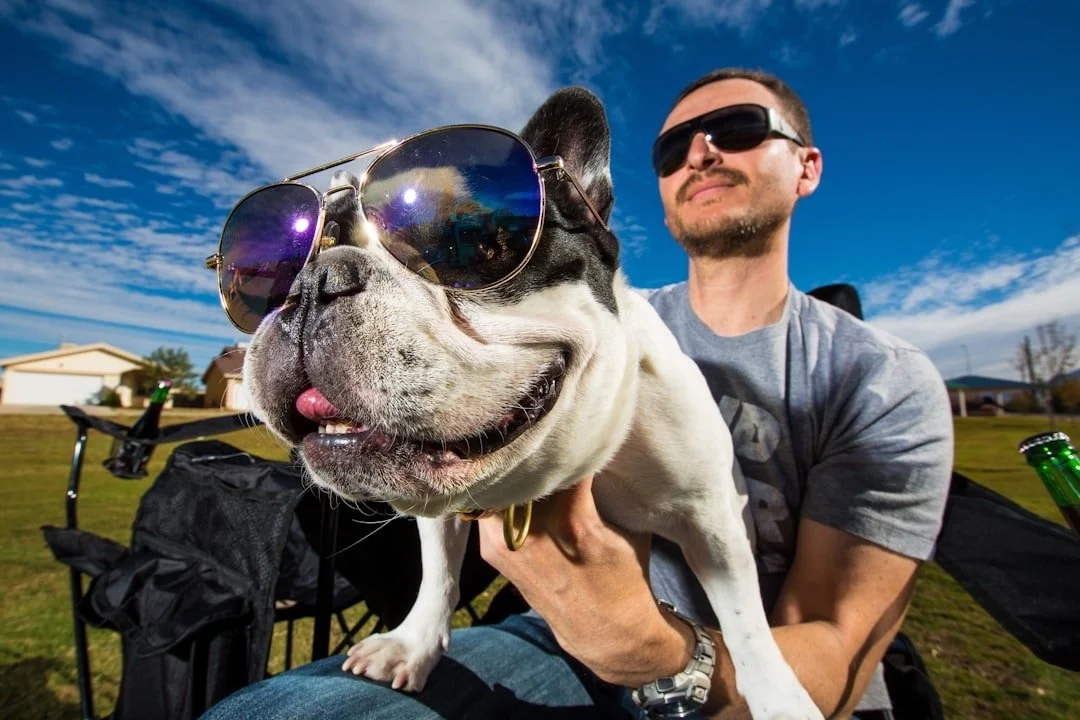
Photo by Daniel Lloyd Blunk-Fernández on Unsplash

Happy New Year and welcome to the first issue of HealthHippieMD on Substack mirrored on Squarespace.. If you haven’t yet subscribed to the newsletter click on the “Subscribe” button in the menu and sign up. Eventually, I will fully transition the Newsletter to Substack and stop posting here.

This space is where wellness meets curiosity, blending evidence-based insights with a sprinkle of holistic wisdom. Together, we'll explore innovative approaches to health, the latest in wellness trends, and practical tips to help you thrive in body, mind, and spirit. Please help me grow our community by liking, commenting, or sharing what you read.

Thank you for joining me on this journey—let's grow, learn, and inspire each other to live our healthiest lives.

Be Inspired. Be Informed. Be Well.

Jeff Taekman, M.D.

01

Gut Check on Alzheimer's

Could a common gut virus hold the key to Alzheimer's? A groundbreaking study explores how the human cytomegalovirus may travel along the vagus nerve, stirring immune responses linked to dementia. "Our results indicate a complex, cross-tissue interaction between HCMV and the host adaptive immune response," researchers revealed. This cross-tissue dynamic may open the door to antiviral therapies, potentially slowing or preventing Alzheimer's progression. As researcher Benjamin Readhead puts it, "We're motivated to understand whether these findings have implications for clinical care." Could this be the tipping point in understanding Alzheimer's? Common Gut Infection Tied to Alzheimer's Disease.

02

Ink and Lymphoma: A Risky Canvas?

Tattoos are more than skin deep—they may affect your health. A population-based study reveals a startling 20% increase in lymphoma risk among tattooed individuals, likely tied to carcinogens in tattoo ink and the immune system's response. "The study underscores the importance of regulatory measures to control the chemical composition of tattoo ink," the researchers emphasize, highlighting the urgency as tattoo culture grows. The question lingers: Is beauty worth the risk, or is it time for a regulatory makeover? Tattoos Linked to Malignant Lymphoma-Medscape.

03

Relationship Tips for the New Year

From "repotting" friendships to navigating "yellow flags" in dating to making over your marriage, these expert-backed strategies invite a more profound connection in every relationship. "Grieving and digesting the limits of one another's human imperfections is a central part of long-term intimacy," says family therapist Terrence Real, encouraging self-reflection and mutual understanding. Whether tackling tough conversations or finding joy in shared moments, these tips might transform your connections this year. Strengthen Your Relationships in 2025 - The New York Times (gift article).

04

Mental Health Hacks for 2025

Small changes can make a big difference. Whether moving your body, quieting your inner critic, or learning to embrace uncertainty, these science-backed tips are designed to help you thrive. Mental Health Advice for 2025 - The New York Times (gift article).

05

Midlife Marriage Makeover

Middle age often brings more than gray hairs—it's also a critical juncture for couples. Experts share six essential questions to rejuvenate your relationship, from reflecting on your dreams to uncovering your role in recurring conflicts. "When couples revisit the qualities that first drew them together, it shifts the emotional climate of the conversation," psychologist Harriet Lerner suggests, offering a powerful way to rekindle intimacy. Questions to Ask Your Partner at Midlife, According to Couples Counselors - The New York Times (gift article).

06

Insomnia's Emotional Cost

Sleep deprivation doesn't just leave you tired—it reshapes your mood, your thoughts, and even your mental health. Chronic insomnia, described as "a fire that jumps the fence" by one sufferer, can create a vicious cycle where anxiety disrupts sleep, which in turn exacerbates mental health issues. Cognitive-behavioral therapy for insomnia (CBT-I) has been transformative for many, teaching strategies like reframing negative thoughts and breaking harmful associations with sleepless nights. Is the answer to better mental health lying in bed? How Sleep Affects Your Mood: The Link Between Insomnia and Mental Health - The New York Times (gift article).

07

Who Let the Lookalikes Out?

Do you and your dog share a striking resemblance? Science suggests it's not just coincidence. Psychologist Yana Bender notes, "People consistently match dogs and their owners in photographs, even when the resemblance is subtle." Beyond physical similarities, personality traits also align—extraverted owners often have sociable dogs, while more anxious individuals report pets with heightened stranger-directed fear. Are we choosing pets that mirror us, or are they learning from us over time? Why We Look Like Our Dogs.

08

Mastering Calm

Can a simple breath change your brain? Science says yes. From ancient yoga practices to modern neuroscience, intentional breathing techniques are a powerful tool against stress. Could the rhythm of your breath be the symphony your mind needs? How to use breathwork to calm your mind - The Washington Post (gift article).

09

GLP-1s: A Weighty Solution?

With the obesity epidemic spiraling into a trillion-dollar crisis, GLP-1 drugs offer hope for weight loss and chronic disease prevention. But who benefits—patients, or the bottom line? Will these medications revolutionize care or reinforce inequalities as the health ecosystem pivots? Growth of GLP-1s has implications for multiple stakeholders-Deloitte.

10

Weight-Loss Wonders

Could a lizard's venom hold the secret to curing addiction and preventing Alzheimer's? The unexpected benefits of GLP-1 drugs, born from obesity treatments, are reshaping medical landscapes. These "wonder drugs" may alleviate cravings, protect against heart disease, and slow brain degeneration. With pharmaceutical giants like Eli Lilly racing to unlock their full potential, the question arises: Are GLP-1s medicine's new multi-tool, or just a weighty fix?
https://arstechnica.com/health/2024/12/weight-loss-drugs-may-also-treat-addiction-alzheimers-and-heart-disease/

11

Mindfulness: A Practice of Remembering

What if mindfulness isn't just about calm but transformation? Returning to its Buddhist roots reveals a practice steeped in remembrance—not of the past, but of the present moment. Can you "remember" your way to a more meaningful life? Mindfulness is about 'remembering' − a practice of coming back to the now.

If you enjoyed this newsletter, please comment, like, or share on Substack. Until next week.....

Be Inspired. Be Informed. Be Well.

119 - Gratitude, Giving, Hypochondria, and Chocolate - HealthHippieMD Week In Review

Gratitude and Giving

Gratitude isn't just good manners—it's good mental health. A recent meta-analysis revealed a robust inverse relationship between gratitude and loneliness, showing that feeling thankful fosters connection and reduces isolation. Simple practices, like journaling three daily blessings or writing gratitude letters, help shift focus from negativity to positivity. This "gratitude muscle" strengthens with use, improving emotional resilience and overall well-being. Experts emphasize that gratitude doesn't demand perfection, only consistent effort. Whether acknowledging a friend's kindness or savoring small joys, gratitude offers a powerful antidote to loneliness and a path to mental clarity. Gratitude can improve our mental health. Here's how to create a practice. - The Washington Post (gift article).

+see also: Get Happier, Help Others: Some - Cautionary Tales with Tim Harford - Apple Podcasts

+see also: Why Giving is a Great Daily Ha - The Happiness Lab with Dr. Laurie Santos - Apple Podcasts

The Surprising Upside of Future Focus

Staying resilient can be difficult in challenging times, such as the COVID-19 pandemic. A study involving performing artists found that while mindfulness—being present in the moment—has benefits, hopefulness was a more effective strategy for resilience. Hope, a belief in an effort toward a better future, helped participants stay engaged, maintain positive emotions, and explore new possibilities during the pandemic. The study suggests that mindfulness isn't a one-size-fits-all solution and that cultivating hope can be a powerful tool for navigating prolonged adversity. Hope Can Be More Powerful Than Mindfulness | Scientific American.

Ketones and Brain Health

Ketone Bodies Clear Damaged Proteins in the Brain - Neuroscience News highlights ketone bodies as not just energy sources during fasting but also as "cleaners" for damaged proteins in the brain. The ketone body β-hydroxybutyrate helps clear misfolded proteins through autophagy, reducing harmful protein aggregation. Tested in Alzheimer's and aging mouse models, treated animals showed improved brain health and protein quality control. This discovery links metabolism to aging and neurodegeneration, suggesting ketone bodies as potential therapeutic agents for neurodegenerative diseases by enhancing protein clearance and supporting brain function. (Thanks, Amy!)

Your Friends Are Closer Than You Think

Recent research in remote Honduran villages reveals that our microbiomes are shaped by our social circles—direct friends and their connections. The study found that people who frequently interact, even without living together, share up to 10% of their gut microbes, compared to only 4% among those who don't. This suggests that social networks might play a significant role in health, potentially influencing conditions like depression and obesity through microbiome transmission. While this could reshape our understanding of health, close contact is still beneficial overall. Your Friends Shape Your Microbiome—And So Do Their Friends | Scientific American.

Aging Piecemeal

New research reveals that aging is not a uniform process—our organs, cells, and body parts can age at different rates. This study from Stanford highlights "organ aging," where, for example, someone's heart may age faster than their brain, or vice versa. Understanding the unique aging trajectory of each organ—your "ageotype"—could help manage health risks by customizing lifestyle choices. Factors like exercise and diet significantly influence which organs age more rapidly, suggesting that some aspects of aging are within our control. Why your organs may be aging faster (or slower) than the rest of you - The Washington Post (gift article).

Wealth of Wisdom

In the latest Huberman Lab podcast, host Dr. Andrew Huberman converses with Morgan Housel, author of The Psychology of Money. They explore how our attitudes toward earning, saving, and spending money shape our psychological well-being and perceptions of wealth. The discussion delves into common financial pitfalls, such as overspending and excessive saving, and offers strategies to use money to achieve psychological security, freedom, and a deeper sense of purpose. The episode also examines the effects of social media and wealth signaling on our internal reward systems, highlighting the importance of adopting healthy financial mindsets to enhance overall happiness. Morgan Housel: Understand & Apply the Psychology of Money to Gain Greater Happiness - Huberman Lab - Apple Podcasts.

The Chemistry Behind Balanced Learning

A recent study from Stanford reveals dopamine and serotonin work like opposing pedals: dopamine is the accelerator for rewards, while serotonin acts as the brakes, moderating impulsive behaviors. Both neurotransmitters are crucial for effective learning, enabling a balanced approach to reward-seeking and patience. Researchers used optogenetics in mice to demonstrate that dopamine increases during rewards while serotonin decreases, showing their opposing but complementary roles. These insights have potential implications for treating psychiatric conditions like addiction and depression, where the balance between these systems is often disrupted. Dopamine and Serotonin Work in Opposition for Effective Learning - Neuroscience News.

How Exercise Can Make or Break Your Sleep

Regular exercise can boost sleep quality, but the key lies in moderation and timing. High-intensity workouts late in the day may hinder restful sleep by elevating stress hormones and increasing core body temperature. For individuals with insomnia, following a structured moderate exercise routine, such as walking or cycling, can support better rest. Experts recommend pairing aerobic activity with mindfulness practices like yoga, tailoring workout intensity to individual needs, and maintaining consistent schedules to optimize sleep and recovery. How to Exercise for Better Sleep - The New York Times (gift article).

A Bitter-Sweet Revelation

A large study comparing dark and milk chocolate reveals that dark chocolate might offer metabolic benefits, potentially lowering the risk of Type 2 diabetes. The research analyzed health data from nearly 192,000 participants over 30 years, concluding that those who consumed at least five ounces of dark chocolate weekly had a 21% lower risk of developing diabetes than those who didn't. Milk chocolate offered no similar benefits, likely due to higher sugar content. The study suggests moderation is key, as dark chocolate is also higher in beneficial plant compounds like flavonoids. So, it turns out dark chocolate isn't just good for your soul—it might also keep your sugar in check. Talk about a sweet deal! What's the healthiest type of chocolate? A new study offers an answer. - The Washington Post (gift article).

Hypochondria - More Than Just In Your Head

Hypochondria, or intense health anxiety, is an actual mental illness with serious consequences, including higher risks of physical harm and suicide. It's not just "in your head"—it affects lives profoundly, sometimes leaving people unable to function normally. Recent research has distinguished two forms: illness anxiety disorder and somatic symptom disorder. Effective treatments like cognitive-behavioral therapy (CBT) and antidepressants are showing promise. Cyberchondria—over-researching symptoms online—often worsens anxiety. Recognizing hypochondria as a legitimate condition is crucial for compassionate care and positive outcomes. Why Hypochondria Can Be Deadly, and How Newer Treatments Help | Scientific American.

117 - Loneliness, Plant Protein, and Curiosity- HealthHippieMD Week In Review

Forget Me Not: How Loneliness Affects the Mind

A study published in Nature Mental Health links loneliness to a 31% higher risk of dementia and a 15% increase in cognitive impairment. Drawing data from over 600,000 individuals worldwide, researchers found that loneliness impacts cognitive decline similarly to smoking or sedentary behavior. Experts suggest loneliness might precede dementia or worsen it by reducing social engagement and mental stimulation. Practical interventions, such as strengthening connections, finding like-minded communities, and cognitive-behavioral therapy, may mitigate these effects. With loneliness affecting millions, addressing this “social pain” could safeguard both mental and physical health. Loneliness can increase the risk for dementia, a large study shows - The Washington Post (gift article).

Nest Side Story: From Emptiness to Opportunity

Abandon the Empty Nest. Instead, Try the Open Door. - The Atlantic challenges the term “empty nest,” advocating for a reframe to “open door” to capture the transition parents face when children leave home. While the “empty nest” metaphor emphasizes loss, the “open door” symbolizes possibility, welcoming independence for both children and parents. Rubin reflects on the bittersweet emotions of this life stage, urging parents to see it as a time for self-discovery, new adventures, and deeper connections. This reimagining encourages embracing change with purpose and optimism, making space for grief and growth as parents step back while keeping the door open.

HIPAA-critical Condition

Elon Musk’s suggestion to share medical images with X’s AI chatbot, Grok, has sparked a privacy debate. Users eagerly upload sensitive scans like MRIs and X-rays, hoping for fast, accurate diagnoses. However, experts warn about Grok’s potential inaccuracies and the risks of exposing personal health data outside HIPAA protections. Critics highlight the danger of misuse by third parties, such as insurers or employers. While AI holds promise for healthcare, relying on incomplete tools like Grok is akin to a risky experiment, leaving users vulnerable to ethical and data privacy concerns. Elon Musk Asked People to Upload Their Health Data. X Users Obliged - The New York Times.

UnitedHealth’s Therapy Algorithm Hits Limits

UnitedHealth Group has come under fire for using an algorithm to restrict mental health therapy coverage, targeting patients receiving more frequent care. Deemed illegal in three states, these practices persist elsewhere due to fragmented regulations. United’s cost-saving strategy disproportionately impacts vulnerable populations, including Medicaid recipients, and relies on automated reviews disregarding clinical needs. Internal documents reveal that once designed for life-saving interventions, the algorithm has been repurposed to flag “overuse.” Despite legal settlements, rebranded programs continue scrutinizing care under different names, exposing gaps in mental health parity laws and regulatory oversight. Inside UnitedHealth’s Playbook for Limiting Mental Health Coverage — ProPublica.

Curiosity Doesn't Only Kill the Cat

Curiosity drives humans and machines to learn by balancing novelty and familiarity, creating a “sweet spot” where learning thrives. Neuroscientists and psychologists reveal that curiosity engages reward pathways in the brain, promotes memory retention, and fosters intrinsic motivation. This natural urge, shaped by evolution, pushes us to explore, even without immediate benefits. Experiments in robotics and education show that mimicking curiosity enhances efficiency and engagement, suggesting its potential for AI development and classroom innovation. Understanding curiosity’s mechanisms could transform learning and mental health approaches, proving its vital role in personal growth and societal progress. How the Science of Curiosity Boosts Learning | Scientific American.

Love and Peas: Are Plants Adequate Protein for Seniors?

A simulation study suggests that older adults can safely adopt a diet with up to 60% plant-based protein, maintaining adequate protein intake for health and muscle preservation. Flexitarian, pescetarian, and vegetarian diets provided sufficient protein, but vegan diets fell short, with nearly 83% of participants failing to meet recommended levels. Protein quantity dropped primarily at dinner, while quality deficits appeared at breakfast and lunch, especially in lysine. The study highlights the importance of strategic food combinations to enhance protein quality in plant-based diets for seniors. Limitations include reliance on simulations and specific food replacements.Can Plant-Based Diet Deliver Ample Protein for Older Adults?

Weight, Wait…

Researchers have uncovered a potential reason why weight regain after significant loss is so common: changes in fat cell DNA. These epigenetic changes persist even after substantial weight reduction, altering RNA levels, ramping up inflammation, and disrupting fat metabolism. A study involving humans and mice revealed that these molecular shifts may increase the tendency to regain weight. These findings hint at future treatments targeting the epigenetic mechanisms behind weight regain, offering hope for more sustainable weight loss solutions. As scientists dig deeper, the interplay of biology and environment continues to shape our understanding of obesity. We're starting to understand why some people regain weight they lost | New Scientist

A Healthier Holiday Food Mindset

The holidays bring delicious indulgences, but food anxiety often casts a shadow over celebrations. Enjoy Holiday Food without the Anxiety | Scientific American explores how stress over holiday eating can backfire, harming mental and physical health. Dietitian Sara Riehm emphasizes balance: enjoy treats without guilt by focusing on nutrient-rich options and mindful movement. She debunks myths like “saving calories” by skipping meals and advocating for steady, healthy habits. Her practical strategies—prioritizing unique dishes and avoiding extreme behaviors like cleanses—highlight the importance of planning and self-compassion. Ultimately, the key is to savor holiday moments while maintaining a positive, flexible relationship with food.

How Drugs Derail and Restore Memory Pathways

Researchers at UC San Diego uncovered a shared mechanism behind cognitive deficits caused by drugs like methamphetamine and PCP. Both trigger “neurotransmitter switching” in the medial prefrontal cortex, where neurons shift from producing glutamate to GABA, impairing memory. Surprisingly, heightened dopamine activity drives this switch, and the changes are reversible. Treatments like the antipsychotic clozapine or chemogenetic interventions restored normal brain function and memory in mice. While promising, the findings need further validation in humans, opening avenues for tackling drug-induced cognitive deficits and neuropsychiatric disorders. Neuroscientists identify a reversible biological mechanism behind drug-induced cognitive deficits (Thanks, Amy!)

America’s Sobering Stats on Alcohol-Related Deaths

Alcohol-related deaths in the U.S. have more than doubled since 1999, with nearly 50,000 fatalities recorded in 2020 compared to 19,000 two decades prior. The sharpest increases occurred among young adults aged 25–34, whose rates quadrupled, and women, who saw a 2.5-fold rise. Factors include heightened stress during the COVID-19 pandemic, rising obesity rates, and eased alcohol restrictions. Deaths span various illnesses, from liver disease to cardiovascular complications, with men still at the highest risk. Experts call for increased awareness and interventions addressing alcohol consumption and obesity to curb this alarming trend.Alcohol Deaths Have More Than Doubled in Two Decades, Study Finds - The New York Times (gift article).

+see also: Ozempic May Curb Alcohol Addiction, New Study Finds: Here's Why.

116 - Ailing America, Authenticity, Forbidden Fruit, and Venom - HealthHippieMD Week In Review

Ailing America: Why U.S. Healthcare Misses the Mark

Despite its wealth, technology, and high spending, the U.S. healthcare system ranks last among ten high-income countries across access, outcomes, and efficiency. With persistent insurance gaps, high out-of-pocket costs, and insufficient primary care access, Americans experience lower life expectancy and higher avoidable mortality than their peers. Even the best-performing U.S. states fall short of global standards. While structural issues such as poverty and inequality exacerbate challenges, reforms like broadening coverage, lowering costs, and strengthening primary care could significantly close the gap in healthcare performance. Why the U.S. Healthcare System Is So Much Worse Than Its Peers-Harvard Business Review.

Venom: The Bitter Pill That Heals

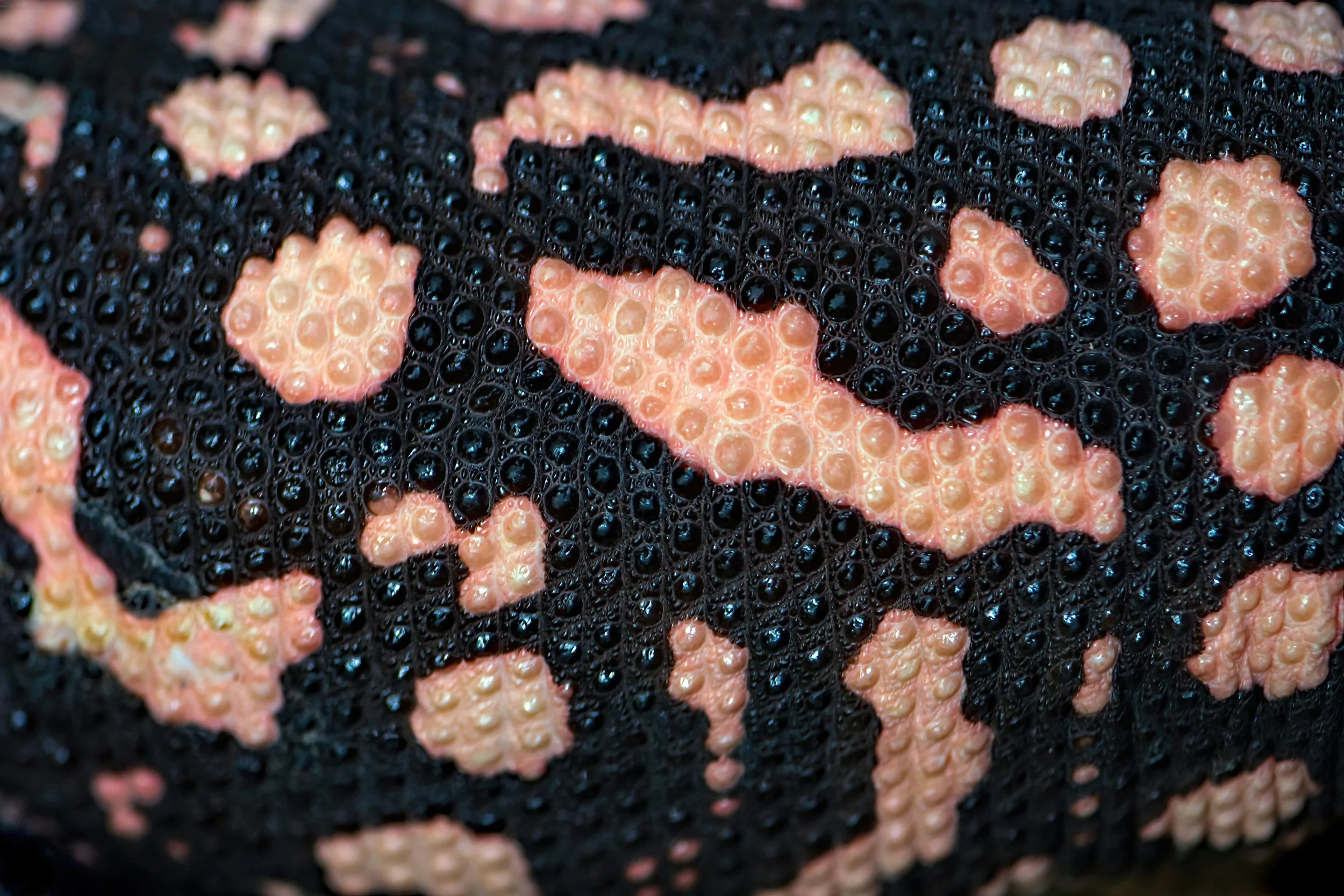
Gila monster venom paved the way for groundbreaking weight-loss and diabetes drugs like Ozempic, but its potential is just the tip of the fang. From tarantula venom aiding nerve research to cone snails delivering hypoglycemia-inducing toxins, venoms have evolved from biological weapons to pharmaceutical treasures. They act as nature’s Swiss Army knives, packed with peptides and proteins, offering targeted, potent solutions. Despite challenges like extinction and extraction, venom research reveals our shared molecular blueprints, promising innovations in cancer treatment, pain relief, and more—proving that even the deadliest bites can lead to life-saving breakthroughs. Venom Helped Create Weight-Loss Drugs. What Else Could It Do For Us? - The New York Times (gift article).

True to Self: Authenticity’s Inner Workings

What does authenticity mean? How to be more authentic. - The Washington Post (gift article) explores the profound psychological benefits of authenticity, framing it as a dynamic process of self-determination and alignment with personal values. Researchers argue that authenticity strengthens mental health, fosters meaningful relationships, and provides a deep sense of life purpose. Authenticity involves being truthful and actively choosing actions that resonate with one’s ideals, enhancing self-control, resilience, and decision-making. In contrast, inauthenticity can lead to anxiety and diminished life satisfaction. Individuals can find a more meaningful and fulfilling life path by pursuing goals rooted in personal values and staying open to evolving self-discovery.

Gene Insurance, No Coverage Guaranteed

As genetic testing becomes familiar, a troubling trend emerges: insurers are legally denying coverage based on genetic predispositions, creating a new form of discrimination. Kristen V. Brown highlights cases where individuals like “Bill,” a healthy man with a genetic marker for ALS, are refused policies or face inflated premiums due to perceived health risks. Though the Genetic Information Nondiscrimination Act (GINA) protects against genetic bias in health insurance and employment, life, disability, and long-term-care insurers face no such constraints. This legal gap fuels fears, deterring many from getting genetic tests that could aid in early disease prevention. They Were Denied Insurance After a DNA Test - The Atlantic.

Walk the Walk

Walking isn’t just a leisurely activity; it’s a powerful, accessible way to improve fitness, mental health, and weight management. This article details how adding intentional walking workouts—like intervals, step counting, and strength combos—can help you increase calorie burn and keep walks engaging. Fitness coach Michele Stanten shares top tips, including structuring walks as workouts and turning mundane steps into effective, fun routines. From desk-side walking pads to strolls during phone calls, you’ll find practical ideas to sneak in steps and reap walking’s full health benefits. How You Should Add Walking Workouts to Your Routine - Men's Health.

Pump Up Your Positive Vibes

Want to Feel Happier? Here’s How to Cultivate Positive Emotions. - The New York Times (gift article) delves into “reward sensitivity,” the psychological drive to seek and savor positive emotions. A clinical psychologist, Jenny Taitz outlines research-backed methods to help boost happiness, even for those prone to feeling low or anxious. Techniques include planning daily joyful activities, savoring the moment, expanding vocabulary for positive emotions, and visualizing uplifting outcomes. Taitz emphasizes that growing the habit of noticing and relishing joy strengthens one’s motivation to engage in future pleasurable experiences, transforming life’s small moments into meaningful mental boosts.

+An excellent app by the author of Permission to Feel: Unlocking the Power of Emotions to Help Our Kids, Ourselves, and Our Society to help with one of the suggestions of the article - expanding your feelings vocabulary. How We Feel App.

When Tired Minds Turn Testy

New research reveals that prolonged mental fatigue, or “ego depletion,” triggers changes in the brain’s frontal cortex, leading to increased aggression and diminished cooperation. During tasks requiring self-control, fatigued participants exhibited sleep-like brain activity, indicating localized “brain naps” in regions critical for decision-making. EEG scans confirmed these changes, showing that mental exhaustion disrupts impulse control and decision quality. Through economic games, fatigued individuals were found to be notably less cooperative and more hostile, underscoring the potential impact of mental fatigue on daily interactions, negotiations, and even legal scenarios. Mental Exhaustion Drives Aggressive Behavior - Neuroscience News.

Rat Race Reimagined

In a unique study, neuroscientist Kelly Lambert taught rats to drive mini cars, revealing that anticipation of enjoyable experiences may boost brain health and resilience. Rats that anticipated driving to earn a treat displayed behaviors linked to excitement, like standing with tails high. The study showed that positive experiences, not just stress, shape neuroplasticity and the brain’s ability to adapt. Lambert’s findings suggest that embracing joy and anticipation can transform behavior and mental health in rats and humans, underscoring the value of enjoying life’s journey, not just the destination. I’m a neuroscientist who taught rats to drive − their joy suggests how anticipating fun can enrich human life.

The Brain Isn’t the Only Keeper of Memories

Traditionally, memories are believed to reside solely in the brain, but a new study reveals that non-neural cells in the body also hold a memory function. Scientists at NYU found that cells outside the brain can “learn” and activate a memory gene in response to specific patterns of chemical signals, similar to how brain cells respond during spaced learning. This discovery suggests memory might be a cellular feature beyond the brain, potentially impacting future treatments for memory-related conditions and enhancing learning by targeting body-wide cellular responses. Memories are not only in the brain, human cell study finds (thanks, Amy!).

Forbidden Fruit Loophole: Why Some Banned Foods Make It to U.S. Plates

The U.S. food approval system allows certain additives banned in other countries to remain on American grocery shelves. Unlike Europe, which adopts a precautionary stance, the U.S. regulatory process is constrained by funding, industry influence, and a significant loophole: the “Generally Recognized as Safe” (GRAS) exemption. This GRAS policy lets companies self-determine safety without FDA review, leading to chemicals like titanium dioxide in foods despite potential risks. While some states are moving to ban specific additives, federal change remains slow, hindered by resource limitations and competing priorities within the FDA.Why US foods, including Halloween candy, have additives and chemicals banned in other countries | Vox.

112 - Nourishing Medical Minds, People Pleasing, and A New Leash on Life - HealthHippieMD Week In Review

A New Leash on Life for Modern Dogs

As society shifts toward urban living, dogs are undergoing a new wave of domestication, adapting to our modern lifestyles. Historically valued for their work ethic and protective instincts, today’s pets are expected to be calm, friendly, and adaptable companions. Service dogs exemplify this transformation, showcasing friendliness and social bonding traits that reflect early domestication patterns. These dogs offer a blueprint for a new type of pet, where temperament, not just appearance, becomes the breeding focus. This shift promises to reshape the future of our beloved canine companions. Dogs Are Entering a New Wave of Domestication - The Atlantic.

Nourishing Medical Minds

A panel of experts has urged medical schools to integrate comprehensive nutrition education into their curricula, citing diet as a significant factor in seven of the ten leading causes of death in the U.S. In a new consensus statement published in JAMA Network Open, the panel outlined 36 key nutrition competencies for medical training. Despite the undeniable link between diet and health, most medical programs offer little to no instruction on nutrition. The panel emphasizes that improving doctors’ understanding of nutrition can greatly enhance patient care and disease prevention strategies. Panel recommends medical nutrition training, citing diet disease risks - The Washington Post (gift article).

Bot or Not

Generative AI platforms like Character.AI enable users to create chatbots impersonating real people, often without their consent, leading to ethical dilemmas. A notable case involves the unauthorized creation of a bot modeled after Jennifer Ann Crecente, a teen murdered in 2006. Her father, Drew Crecente, discovered this AI bot mimicking his daughter’s identity, bringing fresh grief. Despite Character.AI’s policies, countless non-consensual bots remain. Legal protections lag, leaving those impersonated with little recourse as the line between digital personas and personal privacy blurs in this rapidly evolving space. Anyone Can Turn You Into an AI Chatbot. There’s Little You Can Do to Stop Them | WIRED.

+see also: A murdered high-schooler’s image was used to create an AI chatbot - The Washington Post.

Metformin’s Miss

Metformin, a widely used diabetes drug, once sparked hopes of being a cancer-fighting breakthrough. Early studies suggested that the drug could reduce cancer risk and enhance chemotherapy effects, but subsequent large-scale trials failed to confirm these benefits. Researchers now attribute earlier positive findings to flaws like “immortal time bias” and excessively high doses used in lab studies. While metformin remains promising for other conditions like aging and dementia, its potential as a cancer treatment has been largely dismissed, with experts calling for more cautious optimism. This Common Diabetes Drug Was Thought to Revolutionize Cancer — Here’s What Happened Instead.

Peptide Promises

‘GLP-1’ Has Become an Empty Buzzword - The Atlantic delves into the growing trend of “GLP-1” supplements, marketed as alternatives to weight-loss drugs like Ozempic. Despite their catchy association with GLP-1 agonists, these supplements pale in comparison to the actual effectiveness of obesity drugs. While the natural hormone GLP-1 is released after eating and influences satiety, the supplements only offer a minor boost in GLP-1 levels. Their marketing preys on consumers seeking a cheaper, non-pharmaceutical solution, but in reality, they repurpose common ingredients, leaving people with little more than hollow promises.

Rethinking Obesity

A Gen X physician reflects on his earlier misconceptions about obesity, realizing that it is a complex, mostly neurological, and inheritable disease rather than simply a result of laziness or poor choices. He acknowledges how his success with weight loss led to a condescending attitude toward patients who struggled, failing to recognize their unique genetic predispositions. With the introduction of GLP-1 drugs like Ozempic and Wegovy, the doctor is cautiously optimistic that science can finally offer effective treatments for obesity, moving beyond outdated assumptions about personal responsibility.​ I was once condescending to obese patients. I regret it. - The Washington Post (gift article).

Ozempic Tackles More Than Just Weight

Recent studies reveal that Ozempic, widely known for treating type 2 diabetes and aiding weight loss, might also reduce addiction-related behaviors. Researchers from Loyola University found that those on the drug had significantly lower rates of opioid overdose (40%) and alcohol intoxication (50%) compared to non-users. The findings, derived from analyzing over a million health records, suggest that GLP-1 receptor agonists may influence addiction, though the exact mechanisms remain unclear. While promising, further research is needed to confirm the drug’s potential in addiction treatment. Ozempic Might Help Treat Two Common Addiction Disorders.

People-Pleaser Predicament

How to Stop Being a People Pleaser - The New York Times (gift article) delves into the common habit of people-pleasing, where individuals prioritize others’ needs at the expense of their own. Experts explain how this behavior often stems from childhood or social anxiety and initially offers satisfaction by gaining approval. However, it can lead to resentment and emotional burnout. The article offers practical tips to set boundaries, manage pushback, and overcome fears of rejection. The focus is on building self-worth, prioritizing personal needs, and embracing balance in relationships to prevent feeling drained by constant people-pleasing.

A Playbook for the Heart

Seven Ways to Love Better - The New York Times (gift article) by Daniel Jones, editor of the Modern Love column, reflects on two decades of curating stories about love. He distills seven essential lessons learned from thousands of submissions. Love, he argues, thrives on curiosity, empathy, and impermanence. Relationships should be handled like basketballs, and they should be able to bounce back from conflict. Success is not measured by longevity but by impact. Whether it’s appreciating fleeting moments or navigating difficult separations, Jones emphasizes the importance of being present, open-minded, and grateful for every connection, no matter how brief.

108 - Tripping with Dogs, Fasting for Longevity, and Animal Grief - HealthHippieMD Week In Review

A Look at Animal Grief

In Do Animals Know That They Will Die? - The Atlantic, scientists explore the question of whether animals understand death as humans do. Through compelling anecdotes, such as a grieving chimp mother named Moni, researchers speculate about how animals process death and loss. The field of comparative thanatology examines animals like chimpanzees, whales, and elephants, searching for signs of grief, awareness, or even a concept of mortality. Yet, while some behaviors suggest emotional depth, scientists admit that much remains uncertain, particularly regarding whether animals comprehend their eventual deaths.

+see also: We're not the only animals that appear to grieve. What are the implications? | Aeon Videos.

How Microbes Unfreeze Time of Death

In extreme cold conditions, traditional forensic methods struggle to estimate the time of death due to slowed decomposition. Researchers from the University of North Dakota and the University of Central Lancashire have turned to microbes as potential "timekeepers" for bodies frozen in snow. Their study in Grand Forks, North Dakota, identified bacterial species like Psychrobacter and Pseudomonas that follow predictable patterns during decomposition, even in freezing temperatures. These microbes offer forensic scientists a more accurate way to estimate the post-mortem interval, providing critical clues for investigations in frigid environments. Found dead in the snow − how microbes can help pinpoint the time of death for forensic investigations in frigid conditions.

Grounds for Concern

The S.E.C. fined Keurig Dr Pepper $1.5 million for misleading claims about the recyclability of its K-Cup coffee pods. While the company asserts that its pods can be recycled, two major recycling firms have refused to accept them, casting doubt on its assertions. Keurig's statements in both marketing and financial reports have now raised concerns about inflating shareholder value through misleading information. This case underscores the growing scrutiny of companies making environmental claims that don't hold up under scrutiny. K-Cup Pods Aren't Recyclable, S.E.C. Says - The New York Times (gift article).

Mind Over Monologue

How to step out of your inner monologue and understand the world better - Big Think explores neuroscientist David Eagleman's insights into how our brains shape reality through biases and categorization. Eagleman explains how we instinctively separate people into ingroups and outgroups, often leading to reduced empathy and dehumanization. He suggests strategies like blinding biases, resisting propaganda, and creating cross-group connections to help us overcome these neurological limitations. Eagleman argues that expanding our perceptions can foster greater understanding and reduce conflict in society, especially in an era where technology can amplify divisions.

It's Not Just Calories Counting in Weight Loss

While the traditional "calories in, calories out" model holds truth, recent research highlights the role of gut microbes and food "leftovers" in metabolic health. Bioactive compounds, like fibers and polyphenols, regulate metabolism and appetite by interacting with gut microbes, turning unused calories into beneficial metabolites. Still encased in their natural fibers, whole foods lead to more calories being excreted and less absorbed. Mitochondrial efficiency also influences weight gain, and healthy microbiomes optimize calorie burning. Processed foods lack these bioactives, further complicating the weight loss equation. Is weight loss as simple as calories in, calories out? In the end, it's your gut microbes and leftovers that make your calories count.

Tripping With Dogs

A groundbreaking study reveals that humans and dogs can synchronize their brain activity, known as inter-brain activity coupling. Researchers conducted experiments using dogs with genetic markers for autism spectrum disorder (A.S.D.) to explore this phenomenon, administering L.S.D. to observe its effects on neural synchronization. The results showed increased inter-brain coupling during social interactions, especially with L.S.D., suggesting potential benefits for individuals with A.S.D. This study is the first to demonstrate such neural connections between species, offering insights into human-animal bonds and the neurological impact of psychedelics. Researchers Gave L.S.D. and Humans To Dogs — And Something Magical Happened.

+see also: The Internet's 'Dog Mom' Talks the Science of the Human-Dog Bond | Scientific American

Life After Death, Cellular Edition

Biobots arise from the cells of dead organisms − pushing the boundaries of life, death, and medicine explores the discovery of biobots—multicellular organisms that emerge from cells of deceased organisms, blurring the line between life and death. Researchers found that, given the right conditions, cells can reorganize into new life forms, such as xenobots, which exhibit behaviors far beyond their biological roles. These entities, from frog cells to human lung cells, adapt to new environments, heal, and self-replicate. This "third state" could revolutionize medicine by offering new ways to treat diseases through adaptable, living entities with limited life spans.

Milk It

Breast milk, long hailed for its benefits to babies, is now being explored for its potential in treating adult diseases like cancer, heart disease, and I.B.S. Packed with a complex array of proteins, sugars, and bacteria, its components, such as human milk oligosaccharides (H.M.O.s), show anti-inflammatory properties that could be key in future therapies. From bolstering the immune system to promising cancer treatments like HAMLET, breast milk continues to astonish scientists, proving itself a potent resource beyond infancy. Breast milk's benefits are not limited to babies.

Sleep Tight, but Right

As more people embrace sleep's importance, some have taken the pursuit of perfect rest to extremes, dubbing themselves "sleepmaxxers." From mouth tape and nose dilators to expensive gadgets, they seek to optimize every aspect of sleep. However, experts caution that obsessing over perfection can backfire, leading to anxiety and even sleep disorders like "orthosomnia." While sleep aids and rituals may help some, professionals advise balance, emphasizing that sleep should be natural, not forced. Too much focus on rest can ultimately disrupt it. How the Pursuit of Perfect Sleep Can Backfire - The New York Times (gift article).

Fasting Your Way to Longevity?

Can fasting help you live to 100? explores Valter Longo's research on fasting and its potential to extend human life. Longo, an Italian scientist, believes fasting triggers autophagy and activates stem cells, processes that can slow aging and combat diseases like diabetes, cancer, and Alzheimer's. His fasting-mimicking diet (F.M.D.) mimics fasting's effects while still providing limited calories. Though celebrated by celebrities and the public, Longo's work faces skepticism from some scientists regarding his products' longevity claims and commercialized nature. Nonetheless, fasting's ancient roots and modern appeal continue to spark debate.

104 - Outsmarting Aging, Anxiety Off-Switch, and the Midlife Shift - HealthHippieMD Week In Review

Anxiety Off-Switch

Researchers at the National Institute of Neurological Disorders and Stroke (NINDS) have uncovered a novel approach to treating anxiety by manipulating a specific signaling pathway in the brain. Through experiments on stressed mice, the team discovered that inhibiting the Src kinase protein halted anxious behaviors without significant side effects. This groundbreaking study suggests that targeting this pathway could pave the way for new, more precise anti-anxiety medications for humans, offering hope for better treatments with fewer drawbacks than current options. Researchers discover an entirely new way to treat anxiety - Big Think (Thanks, Amy!).

The Mind-Blowing Plan to Outsmart Aging

Jean Hébert, a pioneering researcher now with ARPA-H, envisions defeating aging through a radical concept: gradually replacing all body parts, including the brain, with youthful lab-grown tissues. Hébert’s approach, rooted in progressive brain tissue replacement, aims to preserve memory and identity while rejuvenating the mind. Though his ideas face skepticism and significant scientific hurdles, they have garnered support from the U.S. government, potentially paving the way for future breakthroughs in life extension and neurodegenerative disease treatment. This researcher wants to replace your brain, little by little | MIT Technology Review.

Jealousy Unleashed

Do dogs really get jealous? - The Washington Post (gift article) explores whether dogs truly experience complex emotions like guilt and jealousy or if these behaviors are simply responses to human cues. Research suggests that dogs may not understand guilt as we do but instead react to their owners’ scolding. The discussion extends to how we might misinterpret dogs’ behaviors in situations like vet visits or walks, labeling them stubborn or dramatic. The article emphasizes the importance of understanding dogs’ primary emotions, like fear or anxiety, rather than projecting human emotions onto them.

Gel to the Rescue

The FDA has approved Cresilon’s Traumagel, a revolutionary plant-based gel designed to rapidly control moderate to severe bleeding from traumatic injuries like gunshot and stab wounds. Unlike traditional methods that require a lengthy application, Traumagel forms blood clots instantly without pressure, potentially saving lives in critical situations. Set to launch in late 2024 in easy-to-use syringes, this gel could be a game-changer for emergency responders, military personnel, and healthcare providers. The approval follows the earlier clearance of a smaller version for minor cuts. FDA approves gel that can stop bleeding from stab and gunshot wounds.

Fat Chance: Rethinking BMI

A study presented at the European Congress on Obesity suggests that body fat percentage may be a more accurate measure of obesity than the traditional Body Mass Index (BMI) for middle-aged individuals. Researchers found that using a BMI threshold of 27, rather than the standard 30, better identifies obesity-related risks in people over 40. The study highlights the limitations of BMI, particularly its inability to distinguish between fat and muscle, urging a more comprehensive approach to obesity assessment in clinical settings. Is Body Fat a Better Measure of Obesity in Midlife Than BMI?

Well-Being Slips Before Memory Trips

A recent study reveals that psychological well-being declines years before mild cognitive impairment (MCI) onset. The research, involving 910 older adults, highlights that two key aspects—purpose in life and personal growth—experience the most significant downturns. These declines began three to six years before an MCI diagnosis. Post-diagnosis, relationships with others deteriorated more rapidly. The findings suggest that reduced well-being may be an early indicator of cognitive decline, emphasizing the need for psychological support following diagnosis. Well-Being Declines Before Mild Cognitive Impairment | MedPage Today.

Quantum Chatter

Researchers are exploring whether consciousness could stem from quantum mechanics, a realm typically reserved for microscopic particles. Building on Roger Penrose’s theory, which links consciousness to the collapse of quantum states, scientists are conducting experiments with fruit flies and brain organoids to test these ideas. The results could radically alter our understanding of the mind, potentially bridging the gap between biology and quantum physics and even leading to advancements in enhancing human consciousness through quantum engineering. Experiments Prepare to Test Whether Consciousness Arises from Quantum Weirdness | Scientific American.

The Midlife Shift

A Stanford University study reveals that the human body undergoes two significant molecular changes during midlife, primarily around the ages of 44 and 60. These changes, affecting over 135,000 molecules, challenge the notion of gradual aging, showing that aging occurs in spurts. The research highlights shifts in metabolism, immune function, and cardiovascular health. These findings suggest that lifestyle adjustments, especially in diet and exercise, become crucial during these midlife phases to mitigate age-related diseases. The study underscores the importance of regular health checkups and personalized care as we age. Humans undergo midlife molecule changes in the 40s and 60s, Stanford study says - The Washington Post (gift article).

AI Gets a Neural Boost

AI scientists are producing new theories of how the brain learns (gift article) delves into how AI research, particularly Geoffrey Hinton’s work on artificial neural networks, is inspiring new theories about how the brain learns. Hinton’s development of the backpropagation algorithm revolutionized AI, but recent studies suggest it might also mirror processes in the human brain, challenging long-held beliefs. Researchers are exploring modified versions of backpropagation and alternative algorithms like prospective configuration, which may offer more brain-like learning mechanisms. These insights could advance AI and unlock a deeper understanding of human cognition.

Supplemental Gains

The supplement industry is capitalizing on the popularity of GLP-1 agonists like Ozempic, creating products marketed as either complements or alternatives to these weight-loss drugs. Companies like Vitamin Shoppe and Nestlé offer supplements to support users of GLP-1 medications, while others like Supergut and Codeage promote their products as “natural” GLP-1 boosters. Despite their rising profits, experts express skepticism about the efficacy and safety of these supplements, cautioning that they may not deliver the same results as pharmaceutical options. Supplements Companies Are Cashing In on the Ozempic Wave | WIRED.

100 - Tidy Conversations, Sweat, and Grim Reaping- HealthHippieMD Week In Review

In honor of my 100th newsletter, would you please do me a favor and forward this emair to at least one interested friend? Thank you!

Ozempic Your Brain

A recent study in Lancet eClinical Medicine suggests that semaglutide, the active ingredient in Ozempic, might lower the risk of cognitive decline and dementia in type 2 diabetes patients. Analyzing data from over 100,000 patients, researchers found those on semaglutide had lower rates of cognitive issues compared to those on other diabetes medications. While the findings show a significant link, they do not establish causation, prompting calls for further clinical trials. Experts believe Ozempic's neuroprotective effects, anti-inflammatory properties, and enhanced glucose utilization in the brain may contribute to these promising outcomes. Study: Ozempic Could Lower Dementia Risk, Cognitive Decline.

Tidy Conversations

How to talk to aging parents about downsizing and decluttering - The Washington Post (gift article) discusses the delicate process of talking to aging parents about downsizing and decluttering. It emphasizes the importance of approaching the conversation with empathy, respecting parents' autonomy, and setting clear intentions. Experts suggest initiating discussions by posing neutral questions and involving parents in decision-making. The process should be gradual to avoid overwhelming parents and ensure meaningful items aren't discarded. Tips include categorizing items, using sticky notes for organization, and considering the sentimental value of belongings. The article also advises how to navigate unwanted heirlooms and the benefits of donating items to meaningful organizations.

Pancreatic Cancer's Silent Switcheroo

Recent research reveals pancreatic cancer's cunning strategy: it deactivates a crucial gene, HNF4A, via DNA methylation, allowing rapid growth and spread. This aggressive cancer, often detected too late, has a bleak prognosis, with over half of patients dying within three months of diagnosis. Scientists emphasize the urgency of understanding this mechanism to develop better treatments. The study highlights how HNF4A loss contributes to cancer's severity, offering insights that could pave the way for future, more effective, less invasive therapies. Pancreatic Cancer Turns Off a Key Gene In Order to Grow | WIRED.

AI vs. AI

The article discusses a novel method where one AI language model interrogates another to detect inaccuracies, known as hallucinations, in AI responses. These hallucinations range from harmless errors to potentially dangerous mistakes in critical areas like medical advice. Researchers have developed a system where a second AI checks the consistency of multiple answers from the first AI, identifying outliers to spot inaccuracies. This method improves detection accuracy but comes with high energy costs and needs to be foolproof, highlighting the ongoing challenges in AI reliability and accuracy. Can One Chatbot Catch Another's Lies? | Scientific American.

Meat the Future

Researchers are closing the gap between lab-grown and conventional beef by enhancing cultured meat with compounds from the Maillard reaction responsible for cooked meat's savory flavors. This advancement, published in Nature Communications, allows lab-grown meat to release authentic beefy aromas at high temperatures. By integrating furfuryl mercaptan and other Maillard products into a hydrogel scaffold, the team achieved a flavor profile closer to natural beef. This breakthrough could improve public perception and scalability of cultured meat, paving the way for a more sustainable and cruelty-free alternative to traditional meat. Lab-Grown Meat Is Getting Closer to Tasting Like Real Beef | Scientific American.

Sweet and Low-Down

Since their debut in the 1950s, artificial sweeteners have promised to curb the cravings of America's sweet tooth without the calorie count of sugar. These sugar substitutes are now widespread in diet sodas, breads, yogurts, and even coffee. However, their safety has been under scrutiny for decades. Research remains inconclusive and sometimes contradictory, leaving many questions about their health impacts. Despite widespread use, experts like Dr. Dariush Mozaffarian from Tufts University argue that more human studies are needed to understand their benefits and risks fully. Are Artificial Sweeteners Safer Than Sugar? - The New York Times (gift article).

Truth About Sweat

In Stop Feeling Bad About Sweating | TIME, author Sarah Everts delves into the misunderstood world of perspiration. Sweating, often maligned and masked by whole-body deodorants, is a remarkable cooling mechanism that sets humans apart in the animal kingdom. While marketing tactics exploit our insecurities, encouraging the overuse of deodorants can disrupt our skin's microbiome. Beyond its cooling function, sweat plays a role in personal scent identity, which fosters emotional connections. Embracing our natural sweat can shift the narrative from shame to acceptance, recognizing its vital role in survival and social bonds.

Weight a Minute: Rethinking the Obesity-Health Link

Researchers have identified a phenomenon called metabolically healthy obesity (MHO), where individuals classified as obese based on their BMI exhibit no health issues typically associated with obesity, such as high blood pressure or insulin resistance. This condition challenges the traditional notion that obesity inherently leads to poor health. Studies reveal that 6% to 60% of obese adults could be metabolically healthy, suggesting the need to reconsider the stigmatization of larger body sizes and the accuracy of BMI as a sole health metric. Understanding MHO may help destigmatize larger bodies and promote a more nuanced view of weight and health. People Who Are Fat and Healthy May Hold Keys to Understanding Obesity | Scientific American.

Vax to the Future: Shots Lower Long Covid Odds

A new study published in The New England Journal of Medicine confirms that COVID-19 vaccines significantly reduce the risk of developing long-term COVID-19. Researchers analyzed the health records of nearly 450,000 Covid-infected individuals and over 4.7 million non-infected people in the U.S. Veterans Affairs health system. Findings reveal that vaccinated individuals had a much lower incidence of long-term COVID-19 than their unvaccinated counterparts. Despite this, a residual risk remains for vaccinated people, suggesting that while vaccines mitigate long-term COVID-19, they don't eliminate it. Vaccines Significantly Reduce the Risk of Long Covid, Study Finds - The New York Times (gift article).

Grim Reaping the Benefits

Contemplating death, or "memento mori," can enrich our lives by highlighting the importance of living fully. In her book "You Only Die Once," Jodi Wellman argues that acknowledging our mortality can lead to a more meaningful and vital existence. By considering "temporal scarcity," we value our limited time more. This perspective encourages prioritizing what truly matters and helps avoid regrets. Positive psychology supports this duality of appreciating life's joys alongside its inevitable hardships. Embracing death reminders, like counting our remaining Mondays, can inspire us to live more purposefully and joyfully. Memento mori: Why thinking about death enriches your life - Big Think. +see also: "Memento Mori": The Reminder We All Desperately Need.

099 - Forest Bathing, Ripple Effects, and Brain Gains - HealthHippieMD Week In Review

A Wellness Bot in Hot Water?

Big banks and VCs are wary of an AI bubble, but Arianna Huffington dives in. Teaming up with OpenAI’s Sam Altman, she announced a hyper-personalized AI health coach via Thrive Global. This bot, trained on peer-reviewed science and personal data, aims to improve daily habits and reduce health inequities. However, skepticism arises from Huffington’s history with health pseudoscience, charlatans, and Altman’s controversial ventures. While AI has potential in healthcare, critics question the efficacy and equity of this initiative, warning it could perpetuate existing biases and inequalities. Why Arianna Huffington and Sam Altman Are Such a Catastrophic Pair to Make a Health App-Slate.

Mental Wealth Management

Navigating mental health treatment can be daunting due to a variety of options and a shortage of providers. A clinical psychologist, Bryan Cochran, emphasizes recognizing distress and impairment as the first step. Diagnosis and referrals are crucial for treatment, often starting with primary care. Insurance can complicate access, but many communities offer sliding-scale services. Therapy types and effectiveness vary by condition; combining medication with therapy can enhance outcomes. A strong therapist-client relationship significantly impacts success, making it essential to find the right fit. Despite challenges, pursuing mental health care is a valuable endeavor. Navigating mental health treatment options can be overwhelming – a clinical psychologist explains why it’s worth the effort.

+And how professional athletes are changing popular beliefs about mental health: By revealing their mental health struggles, pro athletes are scoring with fans.

Fiber Face-Off: Food vs. Supplements

In Is a Fiber Supplement Just as Good as Fiber From Food? - The New York Times (gift article), experts weigh in on whether fiber supplements can match the health benefits of fiber-rich foods. While supplements can aid digestion and alleviate issues like constipation and bloating, they lack the vitamins, minerals, and other beneficial compounds in whole foods. Dr. Denise Millstine emphasizes that fruits, vegetables, nuts, and whole grains offer comprehensive health benefits, including reduced inflammation and lower disease risk.

Tree-ting Stress Naturally

Forest bathing, or shinrin-yoku, is a therapeutic practice from Japan that immerses individuals in nature to promote health. Pioneered by Dr. Qing Li, this method reduces stress, lowers blood pressure, and enhances mood and immune function without side effects. Studies reveal significant health benefits, including reduced anxiety, improved sleep, and elevated anticancer proteins. Accessible even in urban parks, forest bathing involves simple activities like walking, tai chi, or mindful observation of nature. Embracing this practice not only improves human health but also fosters environmental conservation. Opinion | Forest bathing as a side effect-free antidote for stress - The Washington Post (gift article).

+and a story on NPR about preschools in the forests of Colorado: Colorado is the 2nd state to approve licenses for outdoor preschools | KUNC.

Weight Loss Showdown

A new study in JAMA Internal Medicine reveals that Eli Lilly’s tirzepatide, the active ingredient in Mounjaro and Zepbound, significantly outperforms Novo Nordisk’s semaglutide (Ozempic and Wegovy) for weight loss. Researchers analyzed the health records of 41,000 patients over 12 months, finding that tripeptide users lost up to 15.3% of their body weight compared to 8.3% with semaglutide. The results have propelled Eli Lilly and Novo Nordisk to the top of the pharmaceutical market, though Novo Nordisk highlights the study’s limitations and the comprehensive benefits of its drugs. Mounjaro is better for weight loss than Ozempic: study.

Intermittent Fasting Myths Busted

Intermittent fasting, practiced by one in 10 Americans, must be understood despite its popularity. A new study debunks four myths: it doesn’t harm sex hormones, leads to greater muscle loss than other diets, worsens diet quality, or promotes eating disorders. Instead, it can safely aid weight management and metabolic health by reducing overall calorie intake without altering food choices. The simplicity of fasting schedules makes it a sustainable option for many, offering benefits like reduced body fat and improved cellular function. Debunking four popular myths about intermittent fasting.j

Brain Gains: Age is Just a Number

In Can we change how our brains age? Scientists think it’s possible, scientists explore how lifestyle and technology can decelerate brain aging. Communities like Loma Linda’s Blue Zone show that diet, social interaction, and mental stimulation extend lifespans. AI and MRI technology advances allow for early detection and treatment of brain aging signs. Researchers like Dr. Andrei Irimia and companies like Brainkey are pioneering methods to predict and manage brain health. Sleep, depression treatment, and innovative biotech approaches are crucial in maintaining cognitive vitality, offering hope for a healthier, longer life.

Ripple Effects: How the Brain Chooses Memories

Neuroscientist György Buzsáki explores how the brain decides what to remember by studying sharp wave ripples—high-frequency brain waves fired during rest. His research shows these ripples are crucial in tagging and consolidating meaningful experiences into long-term memories. When animals rest, these ripples replay specific neuronal activity sequences from recent experiences, signaling which memories to retain. This phenomenon underscores the importance of sleep and rest in memory formation, as awake and asleep brains use these sharp wave ripples to filter and solidify memories. How the Brain Decides What to Remember-Wired.

Cracking the Autism Code

A new study in Nature Microbiology reveals that children with autism spectrum disorder (ASD) have unique gut microbiomes. By analyzing over 1,600 stool samples, researchers identified distinct biological markers in autistic children, which could lead to more objective diagnostic tools. Current diagnostic methods rely heavily on subjective observations, which can be error-prone. This groundbreaking research opens the door for earlier, more accurate diagnoses and interventions, though more validation is needed, especially across diverse populations. The findings represent a significant step towards understanding the biological underpinnings of ASD through the gut microbiome. Children With Autism Carry Unique Gut Flora, Study Finds - The New York Times (gift article).

098 - Trust Falls, AI Lie Detection, and Surviving Trauma - HealthHippieMD Week In Review

NY Times Nutritional Nuggets

Nutrition experts share key takeaways to shape our diets. The Mediterranean diet remains a top choice for heart health and longevity. Despite past beliefs, red wine's heart benefits are outweighed by its risks. Avocados stand out for their rich nutrients while delaying morning caffeine lacks scientific support. Environmental concerns temper Shrimp's nutritional value, and reducing sodium intake is essential for many. Apple cider vinegar's benefits are selective, and managing IBS might be more effective with diet changes than medication. Lastly, stay hydrated sensibly and be cautious with ultraprocessed foods.Our Favorite Nutrition Takeaways from 2024, So Far - The New York Times (gift article).

Trust Falls: Mind Your Moves

Nonverbal cues play a critical role in building trust, often betraying our true feelings unconsciously. Mixed messages—like warm tones paired with crossed arms—can create mistrust. Trust hinges on congruence between words and body language. Incongruity, emotional leaks, and closed body language can undermine trust and cause suspicion. To foster trust, align your verbal and nonverbal communication, manage emotional awareness, and practice open body language. Conscious communication helps convey sincerity and reliability, which are essential for strong relationships and successful collaborations. Unconscious behaviors that make people not trust you.

Holo-Doc

Crescent Regional Hospital in Lancaster, Texas, has introduced a futuristic approach to telehealth with hologram technology via Holoconnects. Patients can now interact with doctors through a 7-foot-tall, 440-pound Holobox, offering a 3-D, life-like video experience for $42,000 plus annual fees. While proponents tout improved patient engagement and realistic interactions, skeptics question the benefits of traditional 2-D telehealth options. Critics argue that the high cost and limited data on improved care quality make it less practical for widespread medical use, though it shows promise in the physical therapy and hospitality sectors. Your Hologram Doctor Will See You Now - The New York Times (gift article).

America's Diet Dilemma

America's obsession with dieting spans over a century, reflecting a paradox of indulgence and restraint. Early 20th-century essays in The Atlantic highlight the cyclical nature of diet culture, where strict regimens follow periods of indulgence. By the 1920s, slimness equated to health and wealth, further embedding the societal pressure to lose weight. Despite numerous fad diets and the evolution of nutritional understanding, the fundamental misunderstanding of balanced eating persists. Modern weight-loss drugs like Ozempic may change the landscape, but as long as thinness is idealized, the diet culture will endure. America can't stop dieting - The Atlantic. ^

Tau-morrow's Diagnosis Today

UC San Francisco researchers have discovered a method to diagnose progressive supranuclear palsy (PSP) in living patients. Previously identified only post-mortem, PSP, often mistaken for Parkinson's, progresses rapidly and is fatal within seven years. A study in Neurology highlights the use of high-throughput technology to identify protein biomarkers in spinal fluid, differentiating PSP from other forms of frontotemporal dementia. This breakthrough could lead to early diagnostic tests and targeted therapies, offering hope for timely intervention. The study underscores the importance of early diagnosis to enhance treatment efficacy and improve patient outcomes. Scientists may have discovered how to diagnose elusive neuro disorder (Thanks, Amy!).

Arthur Brooks on Fixing Social Media

In this video, Professor Arthur Brooks discusses how social media harms our socializing ability and proposes a way to fix it. We're lonelier than ever — and there's one big reason - Big Think.

Surviving Trauma

On this podcast, Dr. Bessel van der Kolk, psychiatrist and author of The Body Keeps the Score, discusses understanding and dealing with lasting psychological trauma. It's well worth a listen. ‎How To!: How To Survive a Shark Attack (Encore).

Befriending Your Inner Voice

You know that negative voice that constantly berates you with negative self-talk? Thinking about anything else is hard when that inner chatter gets switched on. This podcast discusses how to keep our negative emotions from morphing into chatter. ‎Hidden Brain: Befriending Your Inner Voice.

Healthcare from Cradle to Cane

Designer Yves Behar argues that health care should cater to society's most vulnerable: children, older people, and those with disabilities. He critiques the sector for lagging in innovation compared to consumer experiences like those at an Apple Store. Behar's projects, like the AI companion robot Moxie for neurodivergent children and the FDA-approved SNOO bassinet for safe infant sleep, illustrate his vision. These designs address extreme needs and offer broader benefits, proving that inclusive design enhances everyone's experience. Health Care Should Be Designed for the Extremes of Life | WIRED.

AI Lie Detection

A study has shown AI outperforms humans in detecting lies, achieving a 67% accuracy rate compared to humans' 50%. Utilizing Google's AI model BERT, the tool identified falsehoods more effectively. However, reliance on AI led to increased accusations, raising ethical concerns about trust and social bonds. Despite skepticism, a third of participants trusted the AI tool's predictions, demonstrating its potential impact on evaluating claims and detecting misinformation. The study highlights the need for thorough testing before widespread implementation. AI lie detectors are better than humans at spotting lies | MIT Technology Review.

Mindful Matters

Despite its widespread promotion as a mental health cure-all, mindfulness may not benefit everyone equally. Research shows that the effectiveness of mindfulness practices varies with age. Older adults tend to experience better mental health by acting with awareness and being nonjudgmental, while younger individuals, who are more focused on observing, often see fewer benefits. A tailored approach to mindfulness, emphasizing aspects like nonjudgment for youth, could enhance its impact. Personalized mindfulness practices, reflecting one's age and specific needs, may be essential to unlocking its full potential. Here's Why You May Not Be Getting the Benefits You Expected From Mindfulness.