Sleep

123 - Dog:Human Lookalikes, Midlife Marriage Makeovers, and Mental Health - HealthHippieMD Week in Review


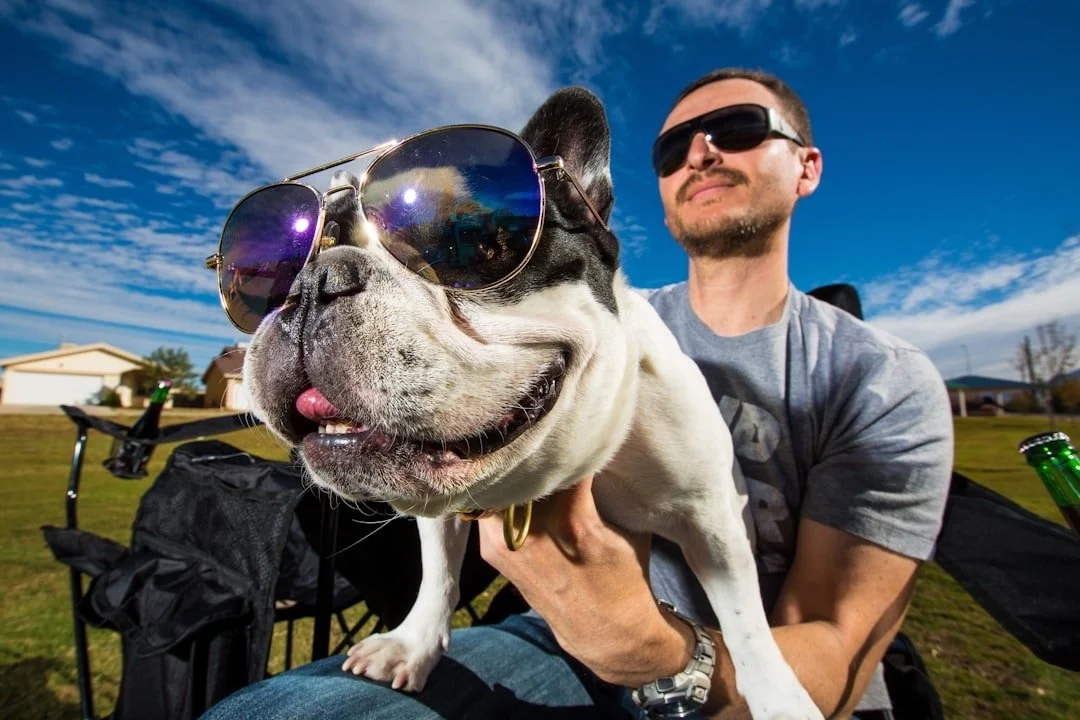
Photo by Daniel Lloyd Blunk-Fernández on Unsplash

Happy New Year and welcome to the first issue of HealthHippieMD on Substack mirrored on Squarespace.. If you haven’t yet subscribed to the newsletter click on the “Subscribe” button in the menu and sign up. Eventually, I will fully transition the Newsletter to Substack and stop posting here.

This space is where wellness meets curiosity, blending evidence-based insights with a sprinkle of holistic wisdom. Together, we'll explore innovative approaches to health, the latest in wellness trends, and practical tips to help you thrive in body, mind, and spirit. Please help me grow our community by liking, commenting, or sharing what you read.

Thank you for joining me on this journey—let's grow, learn, and inspire each other to live our healthiest lives.

Be Inspired. Be Informed. Be Well.

Jeff Taekman, M.D.

01

Gut Check on Alzheimer's

Could a common gut virus hold the key to Alzheimer's? A groundbreaking study explores how the human cytomegalovirus may travel along the vagus nerve, stirring immune responses linked to dementia. "Our results indicate a complex, cross-tissue interaction between HCMV and the host adaptive immune response," researchers revealed. This cross-tissue dynamic may open the door to antiviral therapies, potentially slowing or preventing Alzheimer's progression. As researcher Benjamin Readhead puts it, "We're motivated to understand whether these findings have implications for clinical care." Could this be the tipping point in understanding Alzheimer's? Common Gut Infection Tied to Alzheimer's Disease.

02

Ink and Lymphoma: A Risky Canvas?

Tattoos are more than skin deep—they may affect your health. A population-based study reveals a startling 20% increase in lymphoma risk among tattooed individuals, likely tied to carcinogens in tattoo ink and the immune system's response. "The study underscores the importance of regulatory measures to control the chemical composition of tattoo ink," the researchers emphasize, highlighting the urgency as tattoo culture grows. The question lingers: Is beauty worth the risk, or is it time for a regulatory makeover? Tattoos Linked to Malignant Lymphoma-Medscape.

03

Relationship Tips for the New Year

From "repotting" friendships to navigating "yellow flags" in dating to making over your marriage, these expert-backed strategies invite a more profound connection in every relationship. "Grieving and digesting the limits of one another's human imperfections is a central part of long-term intimacy," says family therapist Terrence Real, encouraging self-reflection and mutual understanding. Whether tackling tough conversations or finding joy in shared moments, these tips might transform your connections this year. Strengthen Your Relationships in 2025 - The New York Times (gift article).

04

Mental Health Hacks for 2025

Small changes can make a big difference. Whether moving your body, quieting your inner critic, or learning to embrace uncertainty, these science-backed tips are designed to help you thrive. Mental Health Advice for 2025 - The New York Times (gift article).

05

Midlife Marriage Makeover

Middle age often brings more than gray hairs—it's also a critical juncture for couples. Experts share six essential questions to rejuvenate your relationship, from reflecting on your dreams to uncovering your role in recurring conflicts. "When couples revisit the qualities that first drew them together, it shifts the emotional climate of the conversation," psychologist Harriet Lerner suggests, offering a powerful way to rekindle intimacy. Questions to Ask Your Partner at Midlife, According to Couples Counselors - The New York Times (gift article).

06

Insomnia's Emotional Cost

Sleep deprivation doesn't just leave you tired—it reshapes your mood, your thoughts, and even your mental health. Chronic insomnia, described as "a fire that jumps the fence" by one sufferer, can create a vicious cycle where anxiety disrupts sleep, which in turn exacerbates mental health issues. Cognitive-behavioral therapy for insomnia (CBT-I) has been transformative for many, teaching strategies like reframing negative thoughts and breaking harmful associations with sleepless nights. Is the answer to better mental health lying in bed? How Sleep Affects Your Mood: The Link Between Insomnia and Mental Health - The New York Times (gift article).

07

Who Let the Lookalikes Out?

Do you and your dog share a striking resemblance? Science suggests it's not just coincidence. Psychologist Yana Bender notes, "People consistently match dogs and their owners in photographs, even when the resemblance is subtle." Beyond physical similarities, personality traits also align—extraverted owners often have sociable dogs, while more anxious individuals report pets with heightened stranger-directed fear. Are we choosing pets that mirror us, or are they learning from us over time? Why We Look Like Our Dogs.

08

Mastering Calm

Can a simple breath change your brain? Science says yes. From ancient yoga practices to modern neuroscience, intentional breathing techniques are a powerful tool against stress. Could the rhythm of your breath be the symphony your mind needs? How to use breathwork to calm your mind - The Washington Post (gift article).

09

GLP-1s: A Weighty Solution?

With the obesity epidemic spiraling into a trillion-dollar crisis, GLP-1 drugs offer hope for weight loss and chronic disease prevention. But who benefits—patients, or the bottom line? Will these medications revolutionize care or reinforce inequalities as the health ecosystem pivots? Growth of GLP-1s has implications for multiple stakeholders-Deloitte.

10

Weight-Loss Wonders

Could a lizard's venom hold the secret to curing addiction and preventing Alzheimer's? The unexpected benefits of GLP-1 drugs, born from obesity treatments, are reshaping medical landscapes. These "wonder drugs" may alleviate cravings, protect against heart disease, and slow brain degeneration. With pharmaceutical giants like Eli Lilly racing to unlock their full potential, the question arises: Are GLP-1s medicine's new multi-tool, or just a weighty fix?
https://arstechnica.com/health/2024/12/weight-loss-drugs-may-also-treat-addiction-alzheimers-and-heart-disease/

11

Mindfulness: A Practice of Remembering

What if mindfulness isn't just about calm but transformation? Returning to its Buddhist roots reveals a practice steeped in remembrance—not of the past, but of the present moment. Can you "remember" your way to a more meaningful life? Mindfulness is about 'remembering' − a practice of coming back to the now.

If you enjoyed this newsletter, please comment, like, or share on Substack. Until next week.....

Be Inspired. Be Informed. Be Well.

120 - Mirror Cells, Fighting Inflammation with Food, and Artful Healing - HealthHippieMD Week In Review

120 -- HealthHippieMD Week In Review Audio Overview

Curiosity Killed the Bias

How to see the humanity in anyone | Psyche Guides explores the transformative practice of "deep curiosity," a tool for fostering empathy, connection, and understanding across divides. The author recounts a yearlong journey meeting individuals with opposing beliefs and challenging stereotypes fueled by assumptions and social media. Through the DIVE model—Detach, Intend, Value, Embrace—he teaches how to unlearn biases, prepare for meaningful dialogue, and honor others' dignity. By viewing challenges as opportunities for growth, deep curiosity strengthens relationships and enriches self-awareness. This guide empowers readers to break barriers and connect authentically in an increasingly polarized world. (Thanks, Laura!).

+see also: The War For Kindness - The Happiness Lab with Dr. Laurie Santos - Apple Podcasts.

Food Fights Inflammation

An anti-inflammatory diet swaps processed foods for whole, nutrient-dense options to combat chronic inflammation. Foods rich in antioxidants, polyphenols, and essential nutrients help reduce oxidative stress and regulate hormones. A Mediterranean-inspired diet—packed with fruits, vegetables, fish, nuts, and olive oil—nurtures a healthy gut biome, while magnesium-rich and brightly colored foods fight stress and free radicals. Spices like turmeric and garlic add flavor and anti-inflammatory benefits. While diet is just one piece of the wellness puzzle, adopting these habits offers long-term physical and mental health benefits—making it a marathon worth running. An anti-inflammatory diet can boost your health. What to eat and what to avoid | Fortune Well.

How Seed Oils May Ignite Cancer Risks

A new study highlights the potential role of omega-6 fatty acids—abundant in seed oils used in ultra-processed foods—in promoting inflammation that fuels colon cancer. Researchers found high levels of these proinflammatory lipids in tumor samples, alongside a deficiency in inflammation-resolving omega-3s. Experts point to dietary shifts since the 1950s, with ultra-processed foods and seed oils dominating modern diets, as a likely factor. While diet isn't the sole contributor, the findings emphasize the complex interplay of food, lifestyle, and genetics in cancer risk, advocating for moderation in omega-6 consumption pending further research. Ultraprocessed Foods High in Seed Oils Could Be Fueling Colon Cancer Risk | Scientific American.

Chasing Happiness

What can ancient philosophy teach us about a well lived life? Examining different schools of philosophical thought can teach us a lot about different ways to create happiness. The philosophy of happiness, explained in 10 minutes - Big Think.

Love Is a Marathon, Not a Sprint

Arthur C. Brooks explores the paradox of love and happiness, arguing that the exhilarating, passionate phase of romance—while thrilling—isn't what brings enduring joy. Instead, he highlights "companionate love," rooted in friendship, mutual understanding, and commitment, as the foundation of lasting happiness. Backed by research like the Harvard Study of Adult Development, Brooks demonstrates that stable relationships, especially those built on deep friendship, are the strongest predictors of lifelong contentment. With humor and personal anecdotes, he underscores that the secret to staying in love lies in simply liking your partner—your best friend. The Kind of Love That Makes People Happiest - The Atlantic.

+see also: This heartwarming video from Coldplay featuring Dick Van Dyke. All My Love Official Version, Director's Cut.

Press Paws

A recent study suggests that dogs may communicate intentionally by pressing buttons linked to words. Researchers found that some dogs form two- or three-word combinations, such as "want food," which appear deliberate rather than random. The study monitored button-pressing behaviors in over 150 dogs using soundboards, finding that dogs can express needs akin to a young child. However, skeptics argue the behavior could stem from training or reinforcement rather than true language understanding. While questions remain, the research highlights dogs' intelligence and their potential for deeper interaction with humans. Dogs may be able to communicate by pressing buttons, research suggests - The Washington Post (gift article).

Snooze You Can Use

Science-Backed Sleep Tips from 2024 to Help You Snooze Better | Scientific American explores 2024's popular sleep trends and their scientific validity. Highlights include the benefits of short naps for memory and mood and caution against "bed rotting," which disrupts circadian rhythms. TikTok's "sleepy girl mocktail" sheds light on magnesium's role in relaxation, while sleeping on the floor offers mixed results for back health. Sleep divorces—partners sleeping separately—can improve rest for mismatched sleepers. To combat election-induced insomnia, experts recommend unplugging, meditating, and reframing anxious thoughts with gratitude. These evidence-backed strategies aim to optimize sleep quality for a more restful 2025.

Artful Healing

Susan Magsamen's exploration of neuroaesthetics reveals the profound effects of art on mental health, trauma recovery, and cognitive disorders. This emerging field connects art, science, and well-being, showing how aesthetic experiences—from painting and dance to music—positively reshape our brains. Programs like Creative Forces empower trauma survivors, while dance improves cognition and mobility in Parkinson's patients. The arts, accessible to all, offer transformative benefits, reducing stress and fostering resilience. By embracing creativity, we can enhance our mental and physical health, proving that the arts are as essential as exercise or nutrition. 'Neuroaesthetics' Reveals How the Arts Help with Dementia and Trauma | Scientific American.

Neuroinflammation and Muscle Fatigue

Neuroinflammation, sparked by the brain's immune response to infections or chronic diseases like Long COVID and Alzheimer's, disrupts the brain-muscle connection, leading to muscle fatigue. This research uncovers how brain-released cytokines alter muscle energy production without damaging muscle structure. Studying fruit flies and mice, scientists identify a universal brain-to-muscle communication pathway that reallocates energy to combat infection. Potential treatments, such as neutralizing antibodies, aim to block this signaling. With further exploration, targeting this axis could alleviate fatigue in long COVID and other neuroinflammatory conditions, improving life for millions worldwide. Brain inflammation may be the reason behind muscle fatigue after infection and injury.

Mirror Cells: The Dark Reflection of Life

Scientists warn of the existential risks posed by "mirror cells," organisms built with reverse-handed DNA and proteins, defying the fundamental biology of Earth's life forms. These synthetic microbes, immune to natural defenses and capable of ecological devastation, could trigger pandemics or disrupt ecosystems if released. While promising medical advancements like long-acting drugs, their potential to bypass immune systems and evolve uncontrollably outweighs the benefits. Leading researchers advocate banning this technology, urging global dialogue to prevent catastrophic consequences before these innovations take root. A 'Second Tree of Life' Could Wreak Havoc, Scientists Warn - The New York Times (gift article).

+see also: one of the most memorable articles from Wired (from 25 years ago!)-Why the Future Doesn't Need Us | WIRED.

The Gut: The New Frontier of Mental Health Treatment

Emerging research highlights the potential of targeting gut cells, rather than brain cells, to treat depression and anxiety. Traditional SSRIs, while effective, often cause systemic side effects. Scientists have observed mood improvements in mice without the usual drawbacks by focusing on serotonin production in the intestines, unveiling the gut-brain connection's crucial role in emotional regulation. This novel approach may also address concerns about SSRI safety during pregnancy, offering a safer alternative for both mothers and babies. These findings could revolutionize mental health care by delivering effective relief without compromising physical well-being. Drugs targeting gut cells, not brain cells, fight depression better - Earth.com. (thanks, Amy!).

+see also: Gut Feelings: The Role of the Microbiome in Behavioral Health — HealthHippieMD.

119 - Gratitude, Giving, Hypochondria, and Chocolate - HealthHippieMD Week In Review

Gratitude and Giving

Gratitude isn't just good manners—it's good mental health. A recent meta-analysis revealed a robust inverse relationship between gratitude and loneliness, showing that feeling thankful fosters connection and reduces isolation. Simple practices, like journaling three daily blessings or writing gratitude letters, help shift focus from negativity to positivity. This "gratitude muscle" strengthens with use, improving emotional resilience and overall well-being. Experts emphasize that gratitude doesn't demand perfection, only consistent effort. Whether acknowledging a friend's kindness or savoring small joys, gratitude offers a powerful antidote to loneliness and a path to mental clarity. Gratitude can improve our mental health. Here's how to create a practice. - The Washington Post (gift article).

+see also: Get Happier, Help Others: Some - Cautionary Tales with Tim Harford - Apple Podcasts

+see also: Why Giving is a Great Daily Ha - The Happiness Lab with Dr. Laurie Santos - Apple Podcasts

The Surprising Upside of Future Focus

Staying resilient can be difficult in challenging times, such as the COVID-19 pandemic. A study involving performing artists found that while mindfulness—being present in the moment—has benefits, hopefulness was a more effective strategy for resilience. Hope, a belief in an effort toward a better future, helped participants stay engaged, maintain positive emotions, and explore new possibilities during the pandemic. The study suggests that mindfulness isn't a one-size-fits-all solution and that cultivating hope can be a powerful tool for navigating prolonged adversity. Hope Can Be More Powerful Than Mindfulness | Scientific American.

Ketones and Brain Health

Ketone Bodies Clear Damaged Proteins in the Brain - Neuroscience News highlights ketone bodies as not just energy sources during fasting but also as "cleaners" for damaged proteins in the brain. The ketone body β-hydroxybutyrate helps clear misfolded proteins through autophagy, reducing harmful protein aggregation. Tested in Alzheimer's and aging mouse models, treated animals showed improved brain health and protein quality control. This discovery links metabolism to aging and neurodegeneration, suggesting ketone bodies as potential therapeutic agents for neurodegenerative diseases by enhancing protein clearance and supporting brain function. (Thanks, Amy!)

Your Friends Are Closer Than You Think

Recent research in remote Honduran villages reveals that our microbiomes are shaped by our social circles—direct friends and their connections. The study found that people who frequently interact, even without living together, share up to 10% of their gut microbes, compared to only 4% among those who don't. This suggests that social networks might play a significant role in health, potentially influencing conditions like depression and obesity through microbiome transmission. While this could reshape our understanding of health, close contact is still beneficial overall. Your Friends Shape Your Microbiome—And So Do Their Friends | Scientific American.

Aging Piecemeal

New research reveals that aging is not a uniform process—our organs, cells, and body parts can age at different rates. This study from Stanford highlights "organ aging," where, for example, someone's heart may age faster than their brain, or vice versa. Understanding the unique aging trajectory of each organ—your "ageotype"—could help manage health risks by customizing lifestyle choices. Factors like exercise and diet significantly influence which organs age more rapidly, suggesting that some aspects of aging are within our control. Why your organs may be aging faster (or slower) than the rest of you - The Washington Post (gift article).

Wealth of Wisdom

In the latest Huberman Lab podcast, host Dr. Andrew Huberman converses with Morgan Housel, author of The Psychology of Money. They explore how our attitudes toward earning, saving, and spending money shape our psychological well-being and perceptions of wealth. The discussion delves into common financial pitfalls, such as overspending and excessive saving, and offers strategies to use money to achieve psychological security, freedom, and a deeper sense of purpose. The episode also examines the effects of social media and wealth signaling on our internal reward systems, highlighting the importance of adopting healthy financial mindsets to enhance overall happiness. Morgan Housel: Understand & Apply the Psychology of Money to Gain Greater Happiness - Huberman Lab - Apple Podcasts.

The Chemistry Behind Balanced Learning

A recent study from Stanford reveals dopamine and serotonin work like opposing pedals: dopamine is the accelerator for rewards, while serotonin acts as the brakes, moderating impulsive behaviors. Both neurotransmitters are crucial for effective learning, enabling a balanced approach to reward-seeking and patience. Researchers used optogenetics in mice to demonstrate that dopamine increases during rewards while serotonin decreases, showing their opposing but complementary roles. These insights have potential implications for treating psychiatric conditions like addiction and depression, where the balance between these systems is often disrupted. Dopamine and Serotonin Work in Opposition for Effective Learning - Neuroscience News.

How Exercise Can Make or Break Your Sleep

Regular exercise can boost sleep quality, but the key lies in moderation and timing. High-intensity workouts late in the day may hinder restful sleep by elevating stress hormones and increasing core body temperature. For individuals with insomnia, following a structured moderate exercise routine, such as walking or cycling, can support better rest. Experts recommend pairing aerobic activity with mindfulness practices like yoga, tailoring workout intensity to individual needs, and maintaining consistent schedules to optimize sleep and recovery. How to Exercise for Better Sleep - The New York Times (gift article).

A Bitter-Sweet Revelation

A large study comparing dark and milk chocolate reveals that dark chocolate might offer metabolic benefits, potentially lowering the risk of Type 2 diabetes. The research analyzed health data from nearly 192,000 participants over 30 years, concluding that those who consumed at least five ounces of dark chocolate weekly had a 21% lower risk of developing diabetes than those who didn't. Milk chocolate offered no similar benefits, likely due to higher sugar content. The study suggests moderation is key, as dark chocolate is also higher in beneficial plant compounds like flavonoids. So, it turns out dark chocolate isn't just good for your soul—it might also keep your sugar in check. Talk about a sweet deal! What's the healthiest type of chocolate? A new study offers an answer. - The Washington Post (gift article).

Hypochondria - More Than Just In Your Head

Hypochondria, or intense health anxiety, is an actual mental illness with serious consequences, including higher risks of physical harm and suicide. It's not just "in your head"—it affects lives profoundly, sometimes leaving people unable to function normally. Recent research has distinguished two forms: illness anxiety disorder and somatic symptom disorder. Effective treatments like cognitive-behavioral therapy (CBT) and antidepressants are showing promise. Cyberchondria—over-researching symptoms online—often worsens anxiety. Recognizing hypochondria as a legitimate condition is crucial for compassionate care and positive outcomes. Why Hypochondria Can Be Deadly, and How Newer Treatments Help | Scientific American.

116 - Ailing America, Authenticity, Forbidden Fruit, and Venom - HealthHippieMD Week In Review

Ailing America: Why U.S. Healthcare Misses the Mark

Despite its wealth, technology, and high spending, the U.S. healthcare system ranks last among ten high-income countries across access, outcomes, and efficiency. With persistent insurance gaps, high out-of-pocket costs, and insufficient primary care access, Americans experience lower life expectancy and higher avoidable mortality than their peers. Even the best-performing U.S. states fall short of global standards. While structural issues such as poverty and inequality exacerbate challenges, reforms like broadening coverage, lowering costs, and strengthening primary care could significantly close the gap in healthcare performance. Why the U.S. Healthcare System Is So Much Worse Than Its Peers-Harvard Business Review.

Venom: The Bitter Pill That Heals

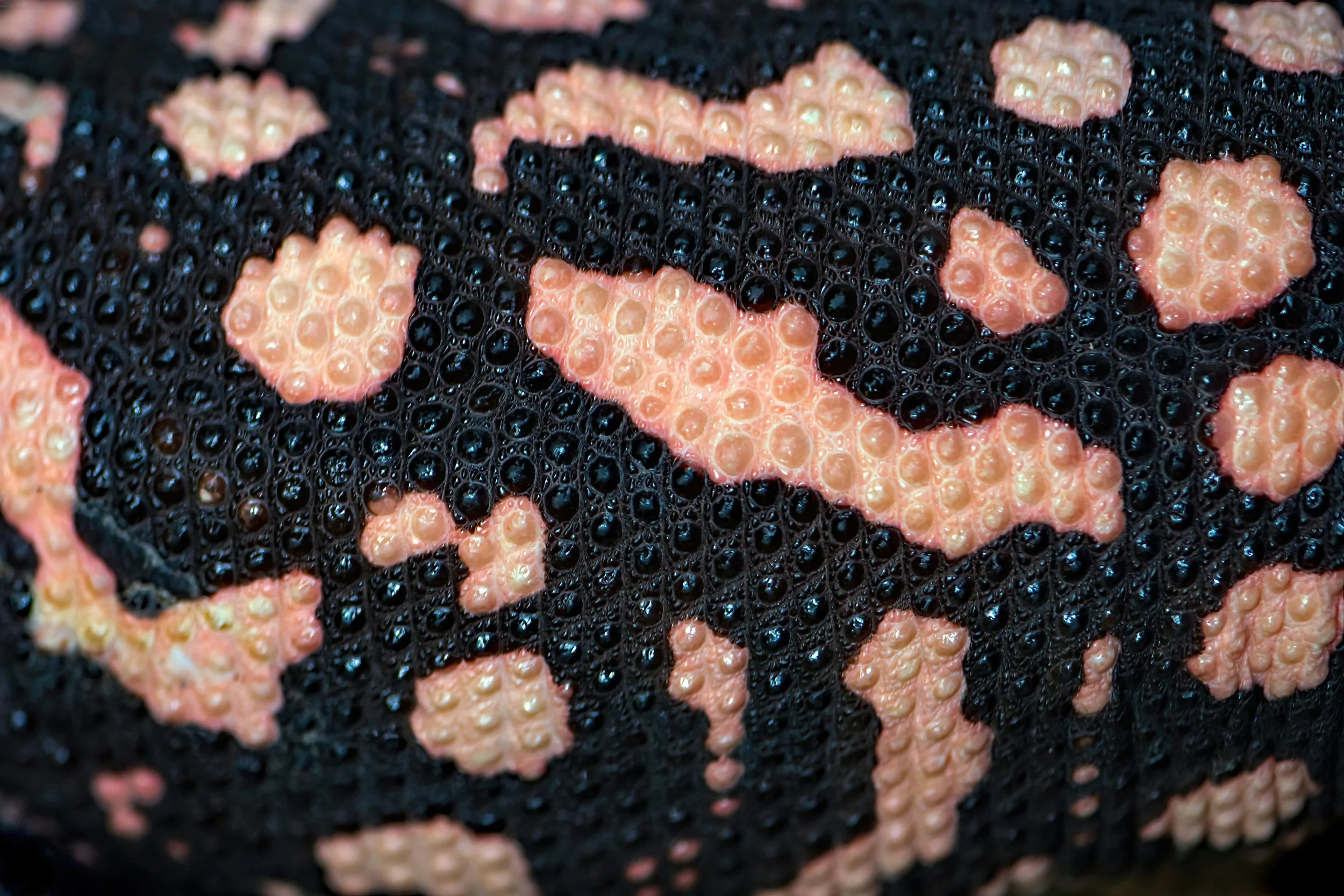
Gila monster venom paved the way for groundbreaking weight-loss and diabetes drugs like Ozempic, but its potential is just the tip of the fang. From tarantula venom aiding nerve research to cone snails delivering hypoglycemia-inducing toxins, venoms have evolved from biological weapons to pharmaceutical treasures. They act as nature’s Swiss Army knives, packed with peptides and proteins, offering targeted, potent solutions. Despite challenges like extinction and extraction, venom research reveals our shared molecular blueprints, promising innovations in cancer treatment, pain relief, and more—proving that even the deadliest bites can lead to life-saving breakthroughs. Venom Helped Create Weight-Loss Drugs. What Else Could It Do For Us? - The New York Times (gift article).

True to Self: Authenticity’s Inner Workings

What does authenticity mean? How to be more authentic. - The Washington Post (gift article) explores the profound psychological benefits of authenticity, framing it as a dynamic process of self-determination and alignment with personal values. Researchers argue that authenticity strengthens mental health, fosters meaningful relationships, and provides a deep sense of life purpose. Authenticity involves being truthful and actively choosing actions that resonate with one’s ideals, enhancing self-control, resilience, and decision-making. In contrast, inauthenticity can lead to anxiety and diminished life satisfaction. Individuals can find a more meaningful and fulfilling life path by pursuing goals rooted in personal values and staying open to evolving self-discovery.

Gene Insurance, No Coverage Guaranteed

As genetic testing becomes familiar, a troubling trend emerges: insurers are legally denying coverage based on genetic predispositions, creating a new form of discrimination. Kristen V. Brown highlights cases where individuals like “Bill,” a healthy man with a genetic marker for ALS, are refused policies or face inflated premiums due to perceived health risks. Though the Genetic Information Nondiscrimination Act (GINA) protects against genetic bias in health insurance and employment, life, disability, and long-term-care insurers face no such constraints. This legal gap fuels fears, deterring many from getting genetic tests that could aid in early disease prevention. They Were Denied Insurance After a DNA Test - The Atlantic.

Walk the Walk

Walking isn’t just a leisurely activity; it’s a powerful, accessible way to improve fitness, mental health, and weight management. This article details how adding intentional walking workouts—like intervals, step counting, and strength combos—can help you increase calorie burn and keep walks engaging. Fitness coach Michele Stanten shares top tips, including structuring walks as workouts and turning mundane steps into effective, fun routines. From desk-side walking pads to strolls during phone calls, you’ll find practical ideas to sneak in steps and reap walking’s full health benefits. How You Should Add Walking Workouts to Your Routine - Men's Health.

Pump Up Your Positive Vibes

Want to Feel Happier? Here’s How to Cultivate Positive Emotions. - The New York Times (gift article) delves into “reward sensitivity,” the psychological drive to seek and savor positive emotions. A clinical psychologist, Jenny Taitz outlines research-backed methods to help boost happiness, even for those prone to feeling low or anxious. Techniques include planning daily joyful activities, savoring the moment, expanding vocabulary for positive emotions, and visualizing uplifting outcomes. Taitz emphasizes that growing the habit of noticing and relishing joy strengthens one’s motivation to engage in future pleasurable experiences, transforming life’s small moments into meaningful mental boosts.

+An excellent app by the author of Permission to Feel: Unlocking the Power of Emotions to Help Our Kids, Ourselves, and Our Society to help with one of the suggestions of the article - expanding your feelings vocabulary. How We Feel App.

When Tired Minds Turn Testy

New research reveals that prolonged mental fatigue, or “ego depletion,” triggers changes in the brain’s frontal cortex, leading to increased aggression and diminished cooperation. During tasks requiring self-control, fatigued participants exhibited sleep-like brain activity, indicating localized “brain naps” in regions critical for decision-making. EEG scans confirmed these changes, showing that mental exhaustion disrupts impulse control and decision quality. Through economic games, fatigued individuals were found to be notably less cooperative and more hostile, underscoring the potential impact of mental fatigue on daily interactions, negotiations, and even legal scenarios. Mental Exhaustion Drives Aggressive Behavior - Neuroscience News.

Rat Race Reimagined

In a unique study, neuroscientist Kelly Lambert taught rats to drive mini cars, revealing that anticipation of enjoyable experiences may boost brain health and resilience. Rats that anticipated driving to earn a treat displayed behaviors linked to excitement, like standing with tails high. The study showed that positive experiences, not just stress, shape neuroplasticity and the brain’s ability to adapt. Lambert’s findings suggest that embracing joy and anticipation can transform behavior and mental health in rats and humans, underscoring the value of enjoying life’s journey, not just the destination. I’m a neuroscientist who taught rats to drive − their joy suggests how anticipating fun can enrich human life.

The Brain Isn’t the Only Keeper of Memories

Traditionally, memories are believed to reside solely in the brain, but a new study reveals that non-neural cells in the body also hold a memory function. Scientists at NYU found that cells outside the brain can “learn” and activate a memory gene in response to specific patterns of chemical signals, similar to how brain cells respond during spaced learning. This discovery suggests memory might be a cellular feature beyond the brain, potentially impacting future treatments for memory-related conditions and enhancing learning by targeting body-wide cellular responses. Memories are not only in the brain, human cell study finds (thanks, Amy!).

Forbidden Fruit Loophole: Why Some Banned Foods Make It to U.S. Plates

The U.S. food approval system allows certain additives banned in other countries to remain on American grocery shelves. Unlike Europe, which adopts a precautionary stance, the U.S. regulatory process is constrained by funding, industry influence, and a significant loophole: the “Generally Recognized as Safe” (GRAS) exemption. This GRAS policy lets companies self-determine safety without FDA review, leading to chemicals like titanium dioxide in foods despite potential risks. While some states are moving to ban specific additives, federal change remains slow, hindered by resource limitations and competing priorities within the FDA.Why US foods, including Halloween candy, have additives and chemicals banned in other countries | Vox.

115 - Doppelgangers, Ghosting, and Ephaptic Fields - HealthHippieMD Week In Review

Turning Disappointment into Resilience

In How to Deal With Disappointment - The Atlantic, Arthur C. Brooks explores the universal experience of disappointment, often arising when our expectations clash with reality. He differentiates disappointment from regret, emphasizing its link to feelings of powerlessness rather than self-reproach. Optimists are particularly vulnerable, as their positive outlooks set them up for deeper emotional dips when outcomes don’t meet their hopes. Brooks advocates for hope over blind optimism, suggesting that resilience and proactive strategies can soften the blow of letdowns. Individuals can foster a more balanced, growth-oriented perspective by learning from disappointment.

Sorting Stomach Signals

This comprehensive article dives deep into common concerns about gut health, exploring the essential role of the microbiome and addressing 15 frequently asked questions. Key signs of a healthy gut include quiet digestion and regular bowel movements, while persistent issues like bloating, acid reflux, or irregularity may indicate trouble. Experts suggest fiber-rich, plant-based diets, limited processed foods, and occasional fermented items to boost gut health. Topics also cover heartburn, the effects of antibiotics, myths about “leaky gut,” and the impacts of stress, diet, and even posture on digestion. How Do I Know if My Gut is Healthy? Your Microbiome Questions, Answered - The New York Times (gift article).

Coach or Crutch? The Risks of AI in Your Health Routine

AI-powered health coaches are reshaping the wellness industry, promising real-time diet, exercise, and sleep guidance based on a user’s biometrics. However, there are substantial risks in relying on AI alone. These virtual coaches may offer inaccurate advice, potentially leading users to delay essential medical care. Additionally, biases in data collection, like inaccuracy for darker skin tones and conflicting advice with medical professionals, raise serious concerns. As companies like Whoop, Google, and Apple introduce these tools, experts caution that human oversight remains crucial, advocating for responsible integration rather than blind trust. AI Fitness Coaches from Whoop, Apple, and Google Promise Health Feedback and Improvement, But Are They Reliable?

Alan’s AI Assistant Steps Up to Boost Health Access

French health tech startup Alan has unveiled Mo, an AI-powered assistant designed to help its 680,000 members receive fast, reliable health advice. Mo supports Alan’s existing chat-based doctor consultations, offering medical guidance with the assurance of doctor oversight within 15 minutes to ensure accuracy. Alan also introduced two new features: a mobile shop with curated health products and “Alan Walk,” a gamified step counter that rewards users for staying active. These additions bring Alan closer to its vision of a comprehensive healthcare “super app” that combines insurance, wellness, and accessible care. Expansion plans include Canada, marking Alan’s first move beyond Europe.Alan unveils AI health assistant for its 680K health insurance members | TechCrunch.

Food Fight

The upcoming U.S. Dietary Guidelines are unlikely to include a clear directive to avoid ultra-processed foods despite their association with health issues like obesity and diabetes. A scientific advisory committee concluded there isn’t sufficient evidence to recommend limiting these foods, mainly due to research limitations, including reliance on observational studies. Critics argue that the committee set a standard for proof too high, ignoring key findings from smaller studies. This decision disappoints health advocates who believe caution is warranted to curb high rates of chronic illness tied to diet, especially within federal food programs. The Next Dietary Guidelines May Punt on Ultraprocessed Foods - The New York Times (gift article).

Why We Ghost

Ghosting, or the abrupt end of communication without explanation, is more than a dating phenomenon; it’s a cultural puzzle impacting friendships, family, and even long-term relationships. The article dives into why people ghost, from practical reasons like communication overload to complex psychological motives such as “destiny beliefs”—the notion that relationships are “meant to be” or not. Studies show ghosters often believe they’re sparing feelings, while ghostees experience emotional fallout, grappling with self-blame and unresolved hurt. Despite the pain, some ghostees find personal growth, viewing the experience as a chance for self-reflection. Why We Ghost - Nautilus.

The Science Behind Your Doppelgänger

Scientists have long been intrigued by doppelgängers—unrelated individuals with uncanny physical resemblance. Molecular geneticist Manel Esteller’s research, using François Brunelle’s “I’m Not a Look-Alike!” project, reveals that these look-alikes often share specific genetic traits related to facial structure, pigmentation, and bone length. While facial similarities stem from shared genetic variants, personality traits do not correlate, as psychologist Nancy Segal’s studies show. The findings suggest that genetic makeup can influence appearance but not personality. With global populations rising, genetic resemblances between strangers have become more common, sparking curiosity about our “twin strangers.” The surprising science behind doppelgängers.

Sleep Solutions for Every Age

How Much Sleep Do You Need? Tips for Better Slumber at Every Age - The New York Times (gift article) explores how sleep needs evolve across different life stages. From the newborn’s chaotic schedule to the early riser tendencies of older adults, the article provides age-specific recommendations and tips for restful sleep. Experts emphasize adjusting bedtime routines, managing environmental factors, and addressing common challenges like stress, screen time, and caffeine. Tailored guidance for each age group—from toddlers to retirees—ensures readers can optimize sleep patterns to feel more refreshed and energetic.

Mind Over Matter: Filtering Out the Noise

Contrary to the “spotlight” metaphor, the brain’s attention mechanism functions more like a filter, dimming irrelevant stimuli rather than highlighting important ones. Neuroscientist Michael Halassa’s research reveals that subcortical regions, particularly the thalamic reticular nucleus (TRN) and basal ganglia, play a crucial role in managing sensory data by suppressing distractions directed by the prefrontal cortex. This mechanism supports efficient focus, guiding attention by removing sensory “clutter” early in the process. These insights reshape our understanding of attention, consciousness, and the intertwined nature of perception and action. To Pay Attention, the Brain Uses Filters, Not a Spotlight | Quanta Magazine.

Shocking Revelation: Consciousness Sparks Beyond Neurons

In Consciousness Might Hide in Our Brain’s Electric Fields | Scientific American, Tamlyn Hunt argues that ephaptic field effects—subtle electric fields generated by neurons—may play a more crucial role in our awareness than previously believed synaptic firings. Traditional neuroscience emphasizes neurons’ electrical spikes as the brain’s primary communicative mechanism. However, studies, including a notable one by Dominique Durand, reveal that these fields enable ultra-fast, non-synaptic brain interactions. This electromagnetic coupling could potentially explain the rapid information processing that underlies cognition, challenging the long-held “neural code” model and sparking fresh insights into the mystery of consciousness.

114 - Empathy, Antibiotics, and Artificial Affection - HealthHippieMD Week In Review

The Healing Touch: Empathy’s Real Power in Medicine

Research suggests that empathy from doctors isn’t just comforting—it may significantly impact patient outcomes. A recent study reveals that highly empathetic physicians are linked to greater pain relief, improved functionality, and better quality of life for chronic back pain patients, surpassing even opioid and surgical interventions. Yet, empathy is rare among overburdened doctors, especially in brief appointments or with marginalized groups. Experts argue that empathy enables better communication, diagnosis, and adherence to treatment, making it a crucial, if undervalued, tool in healthcare. Despite systemic challenges, fostering empathy may be essential for truly effective care. The Power of Physician Empathy.

AI’s Hallucinations Risk Patient Safety

While popular in healthcare, OpenAI’s Whisper transcription tool is under fire for generating “hallucinated” content—text that wasn’t spoken. Despite being cautioned against high-risk usage, Whisper is employed in over 30,000 medical settings, sparking concern among experts. The tool’s reliance on predictive modeling can lead to troubling inaccuracies, with researchers reporting fabricated content in up to 80% of analyzed transcripts. Without original audio retention, verifying transcriptions becomes nearly impossible, a critical issue in healthcare where accuracy is paramount. The widespread adoption of “good enough” AI highlights the urgent need for regulation in medical tech. OpenAI’s Transcription Tool Hallucinates. Hospitals Are Using It Anyway | WIRED.

Navigating the Risks of Artificial Affection

As AI develops, the dangers of user addiction go beyond the dystopian fears of runaway technology. Instead, the article highlights a subtler threat: AI’s allure as a source of companionship. With AI already being used as friends, partners, and mentors, we face a future where relationships with nonhuman agents could displace human connection. AI’s endless adaptability makes it uniquely addictive, as it tailors responses to user desires, fostering dependency. Experts suggest that without regulatory and design measures, these digital companions might exacerbate loneliness, diminish human connections, and make real-world relationships harder to sustain. The allure of AI companions is hard to resist. Here’s how innovation in regulation can help protect people. | MIT Technology Review.

+See Also: There are no guardrails.’ This mom believes an AI chatbot is responsible for her son’s suicide.

A New Grip on Consciousness

In exploring the spectrum of consciousness, scientists now employ innovative tools like the “breathe-squeeze” method to measure subtle transitions between conscious states, from alertness to sedation. Developed initially for sleep studies, this technique involves participants squeezing a device with each breath, allowing researchers to track shifts in awareness without disruption. Anesthesiologists are adapting this approach to study consciousness under anesthesia more precisely, revealing that consciousness isn’t binary but exists along a continuum. This method offers a clearer picture of consciousness and may improve clinical care for anesthesia, coma, and sleep disorders, bridging scientific and philosophical inquiries about the nature of consciousness. Consciousness Is a Continuum, and Scientists Are Starting to Measure It | Scientific American.

How to Sleep Through Election Stress

With the high-stakes 2024 U.S. presidential election looming, many Americans report losing sleep over “electsomnia.” Experts from Scientific American share practical, science-backed strategies to curb election-induced insomnia. Sleep specialists emphasize the importance of recognizing one’s anxiety triggers and setting boundaries with news intake. Practicing gratitude, mindful relaxation, and progressive muscle exercises can prepare the mind and body for rest. Additionally, whether evening tea or cozy audiobooks, rituals can provide comfort while minimizing caffeine and alcohol close to bedtime, which aids sleep quality. As election stress builds, these habits can promote better, more restful nights. Is Election Anxiety Keeping You Awake? Sleep Experts Share Advice | Scientific American.

Mind Games

While brain training games promise to stave off dementia, research shows mixed results. Studies reveal that cognitively stimulating activities like puzzles, crosswords, and reading can benefit brain health and delay cognitive decline. Specialized brain games may improve specific skills but don’t necessarily transfer benefits across broader cognitive functions. Experts suggest activities that challenge mental skills could build “cognitive reserve,” potentially delaying dementia symptoms, though direct evidence is limited. Ultimately, like exercise, mentally stimulating tasks hold promise but lack definitive proof as a safeguard against dementia. Can Puzzles and Games Prevent Dementia? - The New York Times (gift article).

The Fiber Fix for Antibiotic Blues

Antibiotics can disrupt the gut’s microbial balance, temporarily diminishing beneficial bacteria while allowing hardy, fast-growing strains to dominate. Restoring gut health post-antibiotics often hinges on diet, with fiber-rich foods like garlic, oats, and bananas supporting beneficial bacteria regrowth. High-fiber diets help re-establish a diverse microbiome faster, while fermented foods like kimchi may replenish lost bacteria. Probiotics, however, offer limited benefits, sometimes even slowing recovery. For those dealing with antibiotic side effects like bloating, easing into fiber may be best. Ultimately, a balanced diet fosters resilience and diversity in the gut. What Should I Eat While Taking Antibiotics? - The New York Times (gift article).

Why Music Strikes a Chord in Our Minds

Music isn’t just background noise—it’s a universal, powerful tool for emotional depth and connection. Philosopher Arthur Schopenhauer believed music uniquely reveals life’s truths, bypassing words and directly engaging with our consciousness. Neuroscientific research affirms this by showing how music activates the brain’s reward centers, even easing symptoms of disorders like Parkinson’s and Alzheimer’s. Music enhances emotional experiences, especially when enjoyed live or alone. Whether upbeat tunes for joy or sad songs for solace, music helps us process feelings, connect with others, and even unlock higher self-awareness. Why Music Really Does Make You Happier - The Atlantic.

111 - Fly Brains, Melting Mozzarella, and Super-Potent Psychedelics - HealthHippieMD Week In Review

Neurons Speak Volumes

Scientists have mapped how neurons in the frontal cortex encode word meanings, marking a breakthrough in understanding language processing. By recording neuron activity in epilepsy patients, researchers discovered that specific cells react to words with related meanings, such as foods or objects. Notably, neurons responded differently when words were presented in context versus randomly, emphasizing the role of context in language comprehension. This research opens doors for advanced speech prostheses, possibly enabling the decoding of meanings from neural activity to help those with communication impairments. Scientists map how neurons encode word meanings - Big Think.

The Rise of Super-Potent Psychedelics

Psychedelic Mushrooms Are Getting Much, Much Stronger | WIRED explores the growing trend of breeding increasingly potent psychedelic mushrooms. With advances in cultivation techniques and genetic manipulation, strains are now reaching unprecedented levels of psilocybin content, sometimes exceeding 5% of psychedelic alkaloids. Self-taught mycologist Julian Mattucci, among others, has seen rapid results in potency enhancement, leading to trips more intense than previously experienced, even at lower doses. This push for stronger mushrooms brings excitement but also risks, as some consumers accidentally take too much, leading to challenging or distressing trips.

Happiness Isn't All It's Cracked Up to Be

In "The Techno-Humanist Manifesto," Jason Crawford argues that happiness is a fleeting, relative measure of well-being and not a reliable indicator of human progress. Instead, Crawford suggests that well-being should be measured by the ability to achieve and fulfill personal values. He critiques the idea that wealth or economic growth alone leads to lasting happiness, pointing out that humans adapt to material gains quickly. True well-being, he contends, is found in constant growth, achievement, and the pursuit of values that give life meaning. Why happiness is not the best indicator of well-being - Big Think.

Pattern Recognition Autopilot

A new study reveals that the human brain unconsciously detects patterns in real-time events by integrating "what" and "when" information. Researchers observed the brain activity of epilepsy patients with implanted electrodes, focusing on neurons in the hippocampus and entorhinal cortex, areas involved in memory and navigation. Even when participants were unaware of patterns in sequences of images, their neurons learned and anticipated future events. This discovery highlights the brain's remarkable ability to process and organize information implicitly, suggesting potential applications for memory-enhancement therapies. How Your Brain Detects Patterns without Conscious Thought | Scientific American.

Melting Mozzarella

The science behind why some cheeses melt smoothly while others, like ricotta, don't hinges on the structure of casein proteins and calcium bonds. Cheeses like mozzarella melt into stretchy goodness due to flexible casein networks, while higher acidity or calcium content can result in stiffer textures. The aging process also plays a role, as enzyme activity alters melting characteristics. Understanding how acid, fat, and water content affect cheese provides insight into the culinary variety of melted and non-melted cheeses. Why Cheeses Such as Mozzarella and Cheddar Melt Differently Than Ricotta | Scientific American.

+And if you're as interested in the the science of food and cooking as I am, check out: On Food and Cooking: The Science and Lore of the Kitchen: McGee, Harold.

How Gaming Can Improve Your Sleep

A systematic review (Video gaming and sleep in adults: A systematic review - PubMed) reveals that certain non-arousing video games, such as word games, can enhance sleep quality by promoting relaxation. However, action-packed games like shooters and MMORPGs are detrimental, keeping players mentally engaged and interfering with sleep. Casual gaming, up to seven hours a week, doesn't negatively affect sleep, but excessive gaming can disrupt sleep architecture. Experts recommend low-stimulation gaming before bed to help unwind, emphasizing moderation and caution with screen exposure before bedtime for optimal rest. These Types of Video Games Might Improve Your Sleep, Research Shows.

Lessons in Emotional Health

Happiness class is helping clinically depressed school teachers become emotionally healthy − with a cheery assist from Aristotle explores an innovative course designed to support teachers struggling with stress and depression through evidence-based happiness practices. Led by clinical psychologist John Sommers-Flanagan, the course teaches interventions inspired by Aristotle's concept of eudaimonic happiness, focusing on meaningful relationships, personal growth, and purpose. Participants learn practical techniques like gratitude and mindfulness to improve mental health, sleep, and overall well-being. Early results show significant reductions in clinical depression among educators, highlighting the course's potential as an emotional health tool for teachers and other high-stress professionals.

Mapping a Fly Brain

The most detailed map of an animal brain ever created, a new study reveals the intricate neural connections of the Drosophila melanogaster (fruit fly). With over 140,000 neurons and 50 million synapses, hundreds of scientists have developed this groundbreaking "connectome" since 2013. The brain's network spans 490 feet, and the findings are expected to provide insights into human neuroscience due to the genetic similarities between flies and humans. The study offers 3-D models and diagrams of the fly brain, pushing the boundaries of our understanding of cognition. A New Map of the Fruit Fly Brain (Thanks, Amy, for the recommendation and for helping bring this work to fruition-pun intended!).

Living Immunocompromised

What Does It Mean to Be Immunocompromised? - The New York Times (gift article) delves into the growing population of immunocompromised individuals in the U.S., highlighting the variety of conditions and treatments that weaken immune systems, from cancer to autoimmune diseases. With approximately 18 million adults affected, being immunocompromised presents heightened risks, even from common illnesses like the cold. It underscores the challenges faced by those with compromised immunity, the impacts of treatment, and how the immune system can recover over time. The piece reveals how these vulnerabilities affect everyday life, raising awareness of this expanding health concern.

109 - Lucid Dreams, Unpacking Chemicals, and Quelling Inflammation - HealthHippieMD Week In Review

Lucid Dreams, Lucid Schemes

Living In A Lucid Dream explores the phenomenon of lucid dreaming, blending personal experiences with scientific and philosophical perspectives. Lucid dreaming, a state where individuals are aware they’re dreaming and can sometimes control their actions, has intrigued thinkers from Aristotle to modern researchers. Evans dives into the history of dream studies, from Buddhist traditions to 20th-century breakthroughs in REM research, and contemplates the philosophical implications of dreams. While lucid dreaming offers exhilarating possibilities, it also raises questions about reality, consciousness, and the balance between control and the dream’s inherent mystery.

Old Phages, New Rages

Once sidelined by antibiotics, phage therapy is being reconsidered to combat antibiotic resistance. Researchers are exploring phages that target bacterial efflux pumps—key in antibiotic resistance—forcing bacteria into an evolutionary trap. If bacteria mutate to avoid phages, they lose antibiotic resistance, and vice versa. This “phage steering” has shown promise against multidrug-resistant bacteria like Pseudomonas aeruginosa and Acinetobacter baumannii. However, challenges remain, including unpredictable results and safety concerns. Despite these hurdles, phage therapy could offer a vital tool in the fight against antibiotic-resistant infections. A Fix for Antibiotic Resistance Could Be Hiding in The Past - The Atlantic.

Brain Drain and COVID Strains

Did the Pandemic Break Our Brains? | TIME explores the cognitive impacts of the COVID-19 pandemic, both from the virus itself and the related social and mental stress. Individuals report memory issues and cognitive slips, which researchers suggest may result from brain inflammation caused by SARS-CoV-2 or the trauma of pandemic life. Studies link COVID-19 to subtle IQ drops and brain fog, but stress and disrupted routines also play a role. While some effects may be reversible with time and brain-healthy habits, the road to full mental recovery is still being studied, offering cautious hope.

Inflammation’s Role in Disease

Emerging research reveals that inflammation may not only be a symptom but a driving factor behind numerous chronic diseases. While essential for healing and infection defense, persistent low-grade inflammation has been linked to conditions like heart disease, dementia, and even infertility. Drugs like GLP-1 agonists, such as Ozempic, promise to reduce this inflammation, offering potential benefits beyond weight loss. However, the complex balance between necessary immune responses and harmful chronic inflammation suggests that treatment must tread carefully to avoid unintended consequences. Opinion | Inflammation May Be the Root of Disease - The New York Times (gift article).

The Gut Benefits of Resistant Carbs

Resistant starch, found in foods like green bananas, raw potatoes, oats, certain nuts and seeds, beans, and legumes, resists digestion in the small intestine and ferments in the colon, feeding beneficial gut bacteria. This prebiotic powerhouse improves gut health, reduces inflammation, supports weight loss, and regulates blood sugar. Despite these benefits, most adults fall short of the recommended daily intake of 15 grams. Experts suggest incorporating more whole grains, legumes, and cooled starchy foods into your diet to harness the many health advantages of this underrated carbohydrate. Why this type of carb is so good for your gut health.

Douse Inflammation with Diet

Chronic inflammation can be mitigated through mindful eating. Foods rich in fiber, antioxidants, and omega-3s—like leafy greens, berries, legumes, and fatty fish—help combat inflammation. Spices such as turmeric and ginger and fermented foods and beverages like yogurt and kombucha offer additional benefits. A diverse diet featuring 30+ foods weekly, including coffee and tea, promotes better inflammation management. While no single food is a cure-all, a balanced diet remains vital to keeping inflammation at bay. The Foods That Fight Inflammation - The New York Times (gift article).

Why OpenAI’s o1 Model is a Game Changer

OpenAI’s new o1 model represents a significant leap in AI reasoning capabilities, focusing on advanced tasks like mathematics and coding rather than just language processing. Unlike its predecessor, GPT-4o, which struggled with reasoning-based challenges, o1 excels at “chain of thought” techniques, breaking down complex problems and learning from its mistakes. This model achieves high accuracy in competitive coding and math challenges, outperforming human experts and previous AI models. While its capabilities are exciting for research and STEM fields, the model’s steep price tag limits its accessibility. Why OpenAI’s new model is such a big deal | MIT Technology Review.

Life: A Problem-Solving Algorithm

Is life a complex computational process? | Aeon Essays explores whether life is a computational process rather than a purely chemical one. By drawing parallels between computation and biological adaptation, it argues that life emerges from problem-solving functions, much like a computer program. It explores three hypotheses—the Tron, Golem, and Maupertuis—each proposing that life can be simulated, synthesized, or follow deeper universal principles beyond chemistry. These perspectives challenge traditional views, suggesting life is not defined by specific materials but by its ability to solve problems and adapt to environments, much like a computational system.

Unpacking Chemicals in Our Food

A recent study highlights the alarming infiltration of over 3,000 chemicals from food packaging into our bodies. Everyday items, like plastic-wrapped meat or takeout containers, expose us to substances that may pose health risks. While the convenience of food packaging is undeniable, the study raises concerns about the cumulative impact these chemicals—such as PFAS and phthalates—could have over time. Researchers are urging for more transparency and better regulation to mitigate potential health risks from materials that come in contact with our food. Scientists just figured out how many chemicals enter our bodies from food packaging - The Washington Post (gift article).

108 - Tripping with Dogs, Fasting for Longevity, and Animal Grief - HealthHippieMD Week In Review

A Look at Animal Grief

In Do Animals Know That They Will Die? - The Atlantic, scientists explore the question of whether animals understand death as humans do. Through compelling anecdotes, such as a grieving chimp mother named Moni, researchers speculate about how animals process death and loss. The field of comparative thanatology examines animals like chimpanzees, whales, and elephants, searching for signs of grief, awareness, or even a concept of mortality. Yet, while some behaviors suggest emotional depth, scientists admit that much remains uncertain, particularly regarding whether animals comprehend their eventual deaths.

+see also: We're not the only animals that appear to grieve. What are the implications? | Aeon Videos.

How Microbes Unfreeze Time of Death

In extreme cold conditions, traditional forensic methods struggle to estimate the time of death due to slowed decomposition. Researchers from the University of North Dakota and the University of Central Lancashire have turned to microbes as potential "timekeepers" for bodies frozen in snow. Their study in Grand Forks, North Dakota, identified bacterial species like Psychrobacter and Pseudomonas that follow predictable patterns during decomposition, even in freezing temperatures. These microbes offer forensic scientists a more accurate way to estimate the post-mortem interval, providing critical clues for investigations in frigid environments. Found dead in the snow − how microbes can help pinpoint the time of death for forensic investigations in frigid conditions.

Grounds for Concern

The S.E.C. fined Keurig Dr Pepper $1.5 million for misleading claims about the recyclability of its K-Cup coffee pods. While the company asserts that its pods can be recycled, two major recycling firms have refused to accept them, casting doubt on its assertions. Keurig's statements in both marketing and financial reports have now raised concerns about inflating shareholder value through misleading information. This case underscores the growing scrutiny of companies making environmental claims that don't hold up under scrutiny. K-Cup Pods Aren't Recyclable, S.E.C. Says - The New York Times (gift article).

Mind Over Monologue

How to step out of your inner monologue and understand the world better - Big Think explores neuroscientist David Eagleman's insights into how our brains shape reality through biases and categorization. Eagleman explains how we instinctively separate people into ingroups and outgroups, often leading to reduced empathy and dehumanization. He suggests strategies like blinding biases, resisting propaganda, and creating cross-group connections to help us overcome these neurological limitations. Eagleman argues that expanding our perceptions can foster greater understanding and reduce conflict in society, especially in an era where technology can amplify divisions.

It's Not Just Calories Counting in Weight Loss

While the traditional "calories in, calories out" model holds truth, recent research highlights the role of gut microbes and food "leftovers" in metabolic health. Bioactive compounds, like fibers and polyphenols, regulate metabolism and appetite by interacting with gut microbes, turning unused calories into beneficial metabolites. Still encased in their natural fibers, whole foods lead to more calories being excreted and less absorbed. Mitochondrial efficiency also influences weight gain, and healthy microbiomes optimize calorie burning. Processed foods lack these bioactives, further complicating the weight loss equation. Is weight loss as simple as calories in, calories out? In the end, it's your gut microbes and leftovers that make your calories count.

Tripping With Dogs

A groundbreaking study reveals that humans and dogs can synchronize their brain activity, known as inter-brain activity coupling. Researchers conducted experiments using dogs with genetic markers for autism spectrum disorder (A.S.D.) to explore this phenomenon, administering L.S.D. to observe its effects on neural synchronization. The results showed increased inter-brain coupling during social interactions, especially with L.S.D., suggesting potential benefits for individuals with A.S.D. This study is the first to demonstrate such neural connections between species, offering insights into human-animal bonds and the neurological impact of psychedelics. Researchers Gave L.S.D. and Humans To Dogs — And Something Magical Happened.

+see also: The Internet's 'Dog Mom' Talks the Science of the Human-Dog Bond | Scientific American

Life After Death, Cellular Edition

Biobots arise from the cells of dead organisms − pushing the boundaries of life, death, and medicine explores the discovery of biobots—multicellular organisms that emerge from cells of deceased organisms, blurring the line between life and death. Researchers found that, given the right conditions, cells can reorganize into new life forms, such as xenobots, which exhibit behaviors far beyond their biological roles. These entities, from frog cells to human lung cells, adapt to new environments, heal, and self-replicate. This "third state" could revolutionize medicine by offering new ways to treat diseases through adaptable, living entities with limited life spans.

Milk It

Breast milk, long hailed for its benefits to babies, is now being explored for its potential in treating adult diseases like cancer, heart disease, and I.B.S. Packed with a complex array of proteins, sugars, and bacteria, its components, such as human milk oligosaccharides (H.M.O.s), show anti-inflammatory properties that could be key in future therapies. From bolstering the immune system to promising cancer treatments like HAMLET, breast milk continues to astonish scientists, proving itself a potent resource beyond infancy. Breast milk's benefits are not limited to babies.

Sleep Tight, but Right

As more people embrace sleep's importance, some have taken the pursuit of perfect rest to extremes, dubbing themselves "sleepmaxxers." From mouth tape and nose dilators to expensive gadgets, they seek to optimize every aspect of sleep. However, experts caution that obsessing over perfection can backfire, leading to anxiety and even sleep disorders like "orthosomnia." While sleep aids and rituals may help some, professionals advise balance, emphasizing that sleep should be natural, not forced. Too much focus on rest can ultimately disrupt it. How the Pursuit of Perfect Sleep Can Backfire - The New York Times (gift article).

Fasting Your Way to Longevity?

Can fasting help you live to 100? explores Valter Longo's research on fasting and its potential to extend human life. Longo, an Italian scientist, believes fasting triggers autophagy and activates stem cells, processes that can slow aging and combat diseases like diabetes, cancer, and Alzheimer's. His fasting-mimicking diet (F.M.D.) mimics fasting's effects while still providing limited calories. Though celebrated by celebrities and the public, Longo's work faces skepticism from some scientists regarding his products' longevity claims and commercialized nature. Nonetheless, fasting's ancient roots and modern appeal continue to spark debate.

101 - Nonprofit Hospital Illusion, Genetic Discrimination, and Microbial Athletic Edge - HealthHippieMD Week In Review

Long COVID: An Unsettling Puzzle

Long COVID, a widespread post-infection condition, affects millions globally, significantly impacting health and economies. Despite over 24,000 scientific publications, understanding still needs to be completed. The risk of long COVID has declined due to vaccines and viral changes, yet millions still suffer. It manifests in over 200 symptoms, from respiratory issues to neurological and metabolic disorders, severely impacting daily life and work. Recent studies suggest persistent viral presence and immune dysfunction as causes. Misleading public narratives downplay its threat, but data shows COVID-19 remains a severe and ongoing health risk.Long COVID puzzle pieces are falling into place – the picture is unsettling.

The Need for Genetic Discrimination Safeguards

The increasing popularity of genetic testing, with millions sharing their DNA for health and ancestry insights, raises critical concerns about genetic discrimination. Genetic data, often inadequately secured, poses risks if accessed by insurance companies or employers, leading to potential discrimination. This article highlights the ambiguity in defining genetic discrimination, drawing parallels to historical eugenics. Despite existing laws, varying definitions complicate protection efforts. Newer tests, like those measuring biological age, further complicate the landscape. Policymakers face challenges in creating robust protections, while individuals are urged to scrutinize data-sharing terms and understand their rights. Why we need safeguards against genetic discrimination | MIT Technology Review.

VR: The Body Image Game-Changer?

Virtual reality (VR) is emerging as a promising tool to tackle body image disturbances. These disturbances, often linked to eating disorders and body dysmorphic disorder, stem from faulty multisensory integration, leading to distorted body perceptions. VR-based "embodiment illusions," like the "rubber hand illusion," can trick the mind into feeling it inhabits a different body, potentially realigning these perceptions. Research shows that people with higher body image disturbance are more susceptible to these illusions, which can reduce perceptual distortions and negative emotions about body size and shape. While promising, further research is needed to understand the long-term effects and ethical implications. Can Virtual Reality Help Folks With Body Image Disturbance?

Dream Cuisine

Sleep deprivation affects about one-third of Americans, leading to severe health issues. However, improving sleep quality is achievable through specific dietary habits. Consuming foods rich in tryptophan, like turkey, fish, eggs, and nuts, combined with healthy carbs, can enhance melatonin production, promoting better sleep. Adopting a Mediterranean diet high in fiber, zinc, B vitamins, and magnesium can also aid sleep. Avoiding inflammatory foods such as sugary cereals and saturated fats is crucial. A consistent eating schedule and incorporating gut-friendly foods like yogurt and fermented items can further support restful sleep. 8 Eating Habits That Improve Your Sleep | TIME.

The Nonprofit Hospital Illusion

Many major nonprofit hospitals are barely charitable, maintaining tax-exempt status while running numerous for-profit ventures. They exploit legal loopholes, enjoy regulatory leniency, and engage in extensive lobbying to operate like big businesses yet avoid taxes. Their activities include owning for-profit insurers, venture capital firms, and hospitals abroad. Despite significant earnings, they report "operating surpluses" instead of profits. Critics argue these hospitals should lose tax benefits as their community contributions are minimal compared to the financial advantages they gain. The article calls for stricter regulations and more accountability to prevent such exploitation. Opinion | Many hospitals are nonprofit in name only, and get away with it - The Washington Post (gift article).

The Microbial Edge in Athletic Performance

Endurance athletes constantly seek ways to enhance their performance, often focusing on optimizing their mitochondrial health through rigorous training and precise nutrition. However, emerging research highlights the gut microbiome as a crucial yet overlooked factor in athletic excellence. The gut microbiome, a complex community of microorganisms, aids in nutrient absorption, immune function, and even communication with mitochondria. Elite athletes often exhibit unique microbiomes that directly impact performance and boost VO2 max and lactate thresholds. Integrating microbiome-friendly foods and probiotics into diets can significantly enhance endurance and recovery, presenting a new frontier in sports nutrition. Athletes looking for a competitive edge may find it within their gut microbiome.

+see also: Do Gut Bacteria Improve Athletic Performance? (yes, if you're a mouse, and maybe if you're a human) — HealthHippieMD.

Fun Fitness Challenges Await

7 Fitness Tests to Gauge Your Strength and Mobility - The New York Times (gift article) introduces seven fitness tests to assess strength, mobility, and overall fitness. These tests range from measuring flexibility and balance to evaluating power and VO2 max, catering to various fitness levels. The tests include simple activities like standing on one leg, gripping a bar, and rapidly getting out of a chair. They aim to provide a comprehensive snapshot of one's fitness, helping individuals track progress and set achievable goals. Whether you're training for a marathon or just curious about your fitness, these tests offer valuable insights and fun challenges.

Mind Over Matter

Advanced meditation is revolutionizing our understanding of consciousness. Neuroscientist Matthew Sacchet delves into the brain's behavior during deep meditative states. Unlike mindfulness practices for stress reduction, advanced meditation explores profound states of ecstatic bliss, deep insights, and compassionate experiences. Sacchet, who has meditated since childhood, uses a multidisciplinary approach to study these states, combining personal experiences, wisdom traditions, and empirical neuroscience. His research aims to unlock advanced meditation's potential for enhancing mental health and well-being and even integrating with psychedelics and AI for deeper consciousness insights. Altering Consciousness with Advanced Meditation | Scientific American.

Canines Catch Your Cortisol

Research from the University of Bristol reveals that dogs can detect human stress through scent, specifically the cortisol hormone in sweat. In the study, dogs were exposed to sweat samples from stressed and relaxed volunteers. The results showed that dogs became more pessimistic about ambiguous situations after smelling stress-induced sweat, suggesting they emotionally react to human stress. This emotional contagion between humans and dogs likely evolved for mutual survival benefits. The findings emphasize the profound empathetic bond between humans and their canine companions, highlighting the impact of human emotions on dog behavior. When Dogs Smell Your Stress, They Act Sad | Scientific American.