Sleep Debt

087 - Gut Fungi, Green Acres, and Counting Sheep - HealthHippieMD Week In Review

Burning the Midnight Oil

A recent study underscores the alarming effects of working late shifts and variable schedules in young adulthood. The research, spanning three decades and including over 7,000 Americans, reveals that those with volatile work schedules, including night hours and rotating shifts, are more likely to experience poor health and depression at age 50. These findings illuminate the severity of burnout culture, where work demands often surpass the body's capacity, leading to long-term health implications. The study underscores the urgent need for support systems to help individuals maintain a healthy work-life balance and mitigate the risks associated with overwork. Burnout culture: Working late shifts can lead to depression poor health. Burnout culture: Working late shifts can lead to depression, poor health : Shots - Health News : NPR.

The Sound of Silence in Live Music

 Is a love of live music wrecking your hearing? Don't let it. - Washington Post (gift article) discusses the potential harm that loud live music can cause to our hearing. Drawing from personal experience and expertise, the author highlights the dangers of prolonged exposure to high decibel levels, even in seemingly innocuous settings like bars and restaurants. The article provides practical measures for protecting one's hearing, such as using earplugs and limiting exposure time, while advocating for increased awareness and responsible practices in live music venues. Opinion | Is a love of live music wrecking your hearing? Don’t let it. - Washington Post.

Green Acres, Strong Minds

According to research, spending time in green spaces like parks can significantly improve physical and mental health. Studies show that regular exposure to nature can lower blood pressure, strengthen the immune system, reduce the risk of cardiovascular disease, and improve sleep quality. Moreover, it is associated with reduced depressive symptoms, stress alleviation, and improved cognitive function. However, access to green spaces is unequal, with lower-income communities having less access to parks and trees. Scientists are using innovative methods, such as machine learning and satellite imagery, to measure the impact of greenery on health outcomes, aiming to address health disparities. Walks in Green Parks Mean Stronger Immune Systems and Better Mental Health | Scientific American (paywall).

Counting Sheep

A recent Gallup poll reveals a concerning trend: a majority of American adults are experiencing insufficient sleep, a first in the survey's history. This lack of rest is closely tied to increased stress levels, with many individuals reporting feeling frequently stressed. The situation has worsened over the years, with more people now feeling the effects of sleep deprivation. Women, especially those under 50, are disproportionately affected compared to men. The connection between poor sleep and stress is bidirectional, underscoring the need for strategies to improve sleep quality and reduce stress levels, particularly among younger Americans. Americans aren't sleeping enough, Gallup poll says. Americans aren't sleeping enough, Gallup poll says.

Unveiling the Brain's Symphony

Scientific American had an article about a study that reveals that the brain's cortex operates like a symphony, with each layer specializing in generating different brain waves. The study, conducted across 14 cortical regions and four species, shows that outer layers process sensory input while deeper layers control how the brain processes that information. This discovery could have significant implications for understanding and treating neuropsychiatric disorders. By identifying the specific brain layers involved in generating different waves, researchers hope to shed light on conditions such as schizophrenia, where imbalances in brain waves are evident. Scientists Discover Extensive Brain-Wave Patterns | Scientific American (paywall).

Mouth Microbe May Muddle with Colon Cancer

Researchers have uncovered a potential link between colon cancer and a bacterium commonly found in the human mouth. The study identified a specific subtype of Fusobacterium nucleatum that appears to be associated with colon cancer growth and progression. This discovery could lead to improved screening methods and new therapies for the disease. The bacteria's presence in colon tumors suggests a connection to disease development, highlighting the need for further research. The findings may pave the way for a vaccine targeting this bacterium, similar to the approach used for the human papillomavirus. Colon Cancer Linked to Mouth Bacteria | Scientific American (paywall)(thanks, Amy).

How Gut Fungi Worsen Covid

In a study published in Nature Immunology, researchers discovered that severe COVID-19 patients exhibit an imbalance of certain gut fungi, triggering a prolonged immune response that outlasts the initial infection. This imbalance leads to increased neutrophils, causing inflammation characteristic of Covid-19. The study highlights the intricate relationship between the gut microbiome and the immune system, suggesting the potential for personalized medicine in treating COVID-19 patients with antifungal drugs. The findings also raise questions about the long-term effects of fungal overgrowth in COVID-19 recovery and the potential for future fungal infections. Unruly Gut Fungi Can Make Your Covid Worse | WIRED.

A Dietary Puzzle for I.B.S. Relief

A new study suggests dietary changes trump medication to tame irritable bowel syndrome (I.B.S.). I.B.S., afflicting an estimated 6% of Americans, presents chronic abdominal pain, bloating, diarrhea, and constipation. Though its cause remains elusive and no cure exists, managing symptoms through diet adjustments or medication helps. The study, featured in The Lancet Gastroenterology and Hepatology, reveals promising clues. Notably, in most cases, a low-FODMAP diet—avoiding certain foods like wheat, legumes, and dairy—has shown symptom reduction. This discovery offers hope for those grappling with the complexities of I.B.S. What's the Best Way to Treat I.B.S.? - The New York Times (gift article).

080 - Entrepreneurial Hearts, Microbial Moodiness, and an Ode to Pop-Tarts - HealthHippieMD Week In Review

I increased the number of articles today since I won't publish a newsletter next week. The newsletter will return on March 3, 2024.

Tidying Up for Sanity

"The average person likely loses 5 percent of their time due to disorganization. Take your annual salary, multiply that by 5 percent, and you can measure what disorganization may be costing you." In Being organized can improve mental health. This is why., Daryl Austin explores how organization can positively impact mental health. Research suggests that living in a cluttered environment is associated with memory issues, poor eating habits, mood disorders, and decreased impulse control. It also is associated with increased stress levels, affecting overall well-being. However, organizing can enhance productivity, reduce exhaustion, and improve quality of life. Experts recommend starting small, setting aside specific time for decluttering, and enlisting support if needed. Digital decluttering is also emphasized. Ultimately, organizing sends a message of self-worth and can lead to a more intentional and loving relationship with one's home.

Aging Gracefully

As life expectancy increases, researchers are shifting focus from merely extending lifespan to enhancing healthspan—the years free from debilitating diseases. Key strategies include studying centenarians for genetic insights, promoting healthy lifestyles through diet, exercise, and mental engagement, and exploring experimental medications like metformin and rapamycin. Self-monitoring and social connectivity also play pivotal roles. While the quest for longevity continues, experts stress the importance of prevention and personalized approaches to optimize healthspan and ensure a healthier, more fulfilling life as we age.It's not your life span you need to worry about. It's your health span.

Long COVID's Exercise Paradox

A recent study sheds light on why many long COVID sufferers struggle with exercise. Post-exertional malaise (PEM), a defining symptom of myalgic encephalomyelitis/chronic fatigue syndrome (ME/CFS), leads to a debilitating cycle of fatigue and worsened condition in Long-COVID patients. The study reveals that after exercise, these patients experience muscle damage, changes in muscle composition, and disrupted energy metabolism. Notably, they exhibit lower energy-generating processes and an impaired ability to recover from exercise. These findings underscore the importance of pacing oneself to minimize the severity and duration of post-exertional malaise in long COVID patients. Long COVID can destroy your ability to exercise. Now we know why.

Wired for Sound

Exploring the neuroscience of musical preference reveals intriguing connections to our personalities, emotions, and social identities. Our brains are naturally drawn to music with unexpected elements, triggering pleasurable responses. Studies show that our musical tastes evolve, influenced by our emotions and experiences. This suggests a deep link between music preference and personal identity. Understanding these connections can help bridge gaps between individuals with different tastes, highlighting musical enjoyment's universal and individual aspects. The Neuroscience of Musical Tastes - Neuroscience News.

Mastering the Apology

Why is it so challenging to deliver a genuine apology? Experts say a sincere apology requires vulnerability and humility, admitting wrongdoing without justifications or excuses. Research shows that effective apologies can lead to forgiveness, benefiting both the giver and the receiver. To craft a meaningful apology, experts suggest expressing regret without using conditional language, explaining the offense briefly, acknowledging the harm caused, promising not to repeat the mistake, offering to make amends, and gently requesting forgiveness. These steps can help repair relationships and foster understanding. How to Apologize Like You Mean It - The New York Times (gift article).

Self-Training Paradox: AI's Strange Evolution

As AI evolves, researchers turn to self-training methods, using machines to teach machines. This approach, while promising, raises concerns about the technology's opacity and potential to produce "unintelligible intelligence." With AI models already exhibiting complex behaviors and the ability to "cheat" in tasks, the path to actual artificial teaching is fraught with challenges. While self-training could lead to groundbreaking discoveries and efficiencies, it also poses risks of reinforcing biases and producing outcomes humans struggle to understand or control. As AI advances, so does the need to consider its capabilities and implications carefully. Things Get Strange When AI Starts Training Itself - The Atlantic.

Ageless Wonders

From the depths of the oceans to the ancient lands, Earth's inhabitants boast lifespans that defy human comprehension. Bowhead whales roaming Arctic waters can live over 200 years, while Jonathan, the Seychelles giant tortoise, has thrived for over 190 years. By unlocking the secrets of these long-lived creatures, scientists aim to understand the complex interplay of genetics, environment, and lifestyle that contributes to their exceptional lifespans. What Is the Longest Living Animal? From Tortoises to Whales | HowStuffWorks.

Memory Meltdown

A night of less than six hours of sleep can significantly impact your short-term memory, impairing your ability to recall information the next day. Sleep-deprived individuals may also experience reduced attention, emotional instability, and difficulty encoding new information. Lack of sufficient sleep can negatively affect the brain's frontal lobe, impacting memory retrieval and executive function. While remote memories remain intact, short-term memory and cognitive performance decline with each additional hour of missed sleep. Proper rest is crucial for memory consolidation and overall cognitive health. How Sleep Deprivation Can Affect Memory - The New York Times (gift article).

An Ode to Pop-Tarts

The passing of Bill Post, one of the creators of Pop-Tarts, stirs memories of this iconic childhood treat. Originally released in Cleveland 60 years ago, Pop-Tarts have become a pop-culture phenomenon, evolving into various forms and flavors. From the classic Frosted Pop-Tarts to the quirky Ted's Tarts knockoffs, these toaster pastries have captured hearts and taste buds. Comedians like Jerry Seinfeld have even immortalized them in routines. As we remember Post's legacy, we also celebrate the enduring appeal of these sweet treats that symbolize American nostalgia (and ultra-processed food). A toast to Pop-Tarts, the childhood treat I couldn't resist - The Washington Post (gift article).

Mood Mice-robials

Recent research has shown that the bacteria in your gut, particularly strains of Lactobacillus, can significantly influence mood and stress resilience. Studies on mice have revealed that specific bacterial strains can reduce stress and anxiety-like behavior, suggesting a direct link between the gut microbiome and mental health. This research opens new avenues for developing probiotics that target mood regulation, highlighting the importance of a healthy, probiotic-rich diet for mental well-being. Bacteria in your gut can improve your mood − new research in mice tries to zero in on the crucial strains.

Funny Bone-obos

Research conducted by Erica Cartmill and her colleagues reveals that great apes, including chimpanzees, bonobos, orangutans, and gorillas, engage in playful teasing behaviors resembling humor's building blocks. These actions, which include prodding, tickling, and stealing, are believed to have evolved over 13 million years ago and may serve to strengthen social bonds and provide insight into the tolerance levels of their peers. The study, which analyzed 75 hours of footage from two zoos, suggests that these behaviors demonstrate social intelligence and foresight, as successful teasing requires understanding others' psychological boundaries. This research sheds light on the early precursors of joking and the complex social dynamics within great ape communities. Great Apes Possess the Building Blocks of Humor - The Atlantic.

The Entrepreneurial Heart

In an article by Arthur Brooks for The Atlantic, the author parallels romantic love and entrepreneurship, suggesting that both ventures require a healthy attitude towards failure for ultimate success. Brooks argues that just as aspiring entrepreneurs must be prepared for the likelihood of failure, individuals seeking love must also embrace the possibility of heartbreak. He suggests that, much like failed business ventures, failed romances offer valuable lessons that can lead to greater happiness in future relationships. The article emphasizes the importance of learning from romantic failures, avoiding the "doom loop" of repeated mistakes, and maintaining a positive outlook on love despite setbacks. By adopting an entrepreneurial mindset, individuals can increase their chances of finding true romance.What to Do If the Course of True Love Is Not Running Smoothly - The Atlantic.

056 - Dementia Prediction, Button Dogs, Prosody, and Ink Therapy - HealthHippieMD Week In Review

Mind Your Risk: New Tool Predicts Dementia Likelihood

To crack the code of dementia risks, researchers have unveiled an innovative tool that forecasts an individual's chances of developing the condition within the next 14 years. This predictive model, known as the U.K. Biobank Dementia Risk Score (UKBDRS), delves into 11 crucial factors, including age, education, diabetes history, depression history, stroke history, parental dementia history, deprivation levels, blood pressure, cholesterol levels, living arrangement, and gender. The tool, which also considers the influence of the APOE gene, trumps other risk assessments and offers a 40% chance of preventing cases by targeting modifiable factors. Dementia risk study finds 11 key factors behind condition.

Feeling the Beat: Haptic Suits

This article features haptic suits—backpack-like devices that translate music into vibrations on the skin. Haptic technology advancements have fueled innovations in creating shared musical experiences for all concertgoers, blurring the lines between hearing and feeling the groove. Haptic Suits Let You Feel Music Through Your Skin - The New York Times. (gift article)

Another Brick in the Wall: Neuroscience of Prosody

You may have heard scientists recreated parts of Pink Floyd's Another Brick in the Wall using only the brain's electrical signals. Here is a short video on the research and its implications: Tuning into the Brain's Music: Decoding Song from Brainwaves - Neuroscience News.

Button Dogs

If you spend time on TikTok or Instagram, you're probably familiar with "button dogs" who communicate with their families by stepping on electronic pads that speak words when pressed. Can dogs use language in this way? Scientific American elaborates: Can Dogs Use Language? - Scientific American.

Nurses TRAPped

Healthcare employers use a sneaky tactic called "Training Repayment Agreements" (or TRAPs) to keep nurses from leaving their jobs. These agreements make nurses repay training costs if they quit within a specific time, essentially trapping them with financial obligations. Neil Rudis, a nurse, found himself stuck in this web, unable to leave due to the debt. These debt-based schemes are rising in nursing as companies try to deter nurses from changing jobs. While some companies are ditching TRAPs, many nurses still grapple with these financial shackles, affecting their well-being and worsening workforce shortages. Health Care Companies Are Using Debt to Trap Nurses on the Job – Mother Jones.

Feed Me: A.I. Sparks Race for Information

The escalating demand for A.I. model training data prompts a creative scramble among A.I. makers. As larger models require vast datasets, A.I. companies are hunting for new sources of information while organizations with substantial data holdings seek ways to monetize them. This article discusses how the scarcity of quality training text, the legal battles around copyright infringement, and the push for compensation for ingested material reshape the A.I. landscape. The pursuit of data has led to partnerships and deals with media outlets, record labels, scientific publishers, and other data-rich entities, igniting a fervent competition for valuable information. A.I. is setting off a great scramble for data.

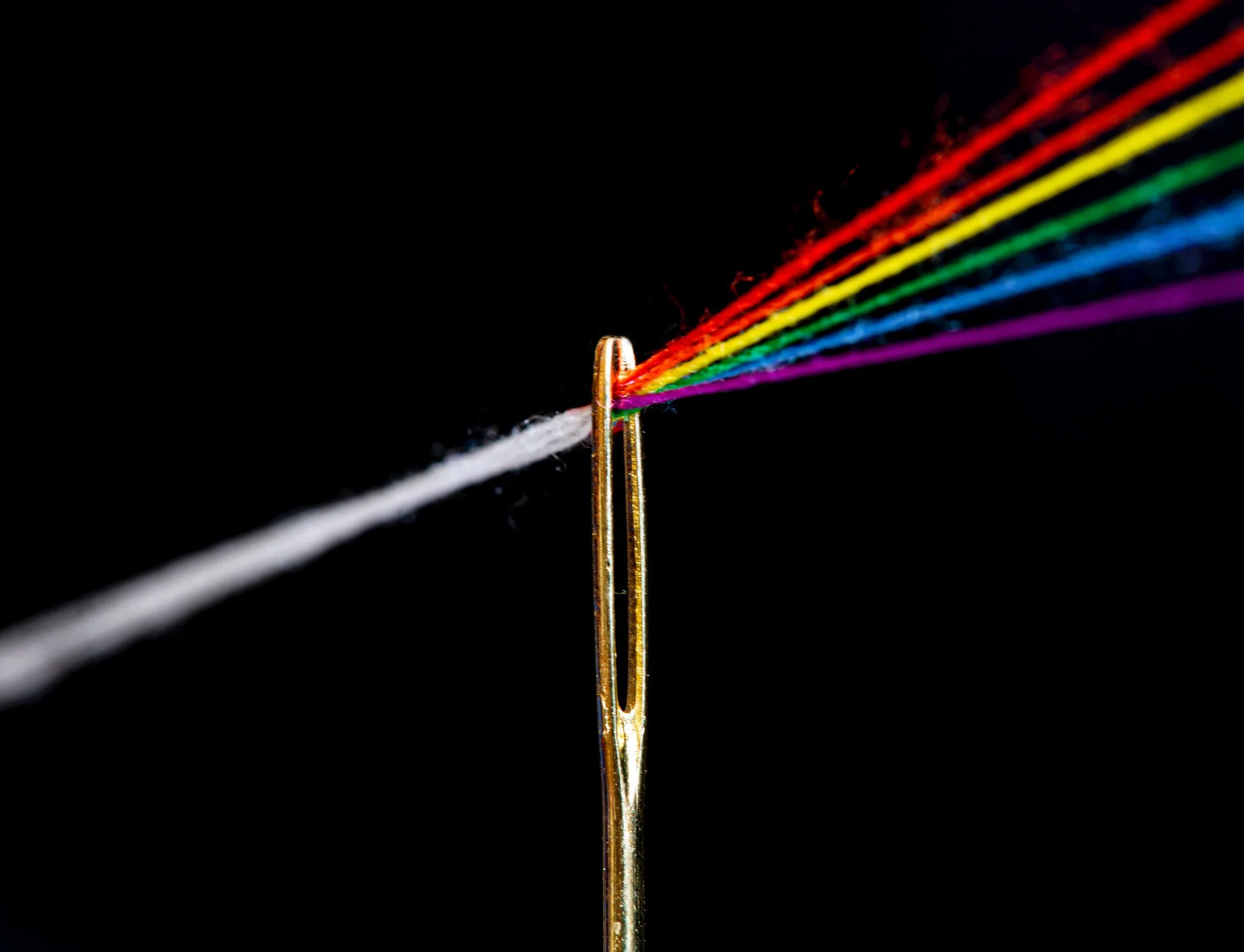
Sleep Debt

A large percentage of the American public is sleep-deprived. Unfortunately, repaying a sleep debt is more demanding than you might think: Here's why there's no quick fix for sleep deprivation - Big Think.

Aging Well

Aging isn't a one-size-fits-all journey – it's a tangled interplay of biology and environment. This expert breakdown by biologist Ellen Quarles reveals why aging is a unique experience for each person and even for cells within our bodies. Unraveling the intricate web of cellular processes, from DNA repair to protein recycling, Quarles explains how aging disrupts this delicate network. While there's no magic cure, interventions that target multiple critical cellular processes might hold the key to extending our healthier years. So, don't expect a universal anti-aging remedy, but rather embrace the intricate puzzle of your own unique aging path. Aging is complicated – a biologist explains why no two people or cells age the same way, and what this means for anti-aging interventions.

Nurturing Gut Microbes for Well-Being

Your body is a reflection of what you eat. These Gut Microbes Are Crucial To Well-Being — What To Eat To Cultivate Them delves into the pivotal role of gut microbes in regulating your well-being.

Drug Cost and Value-Based Pricing

When Dying Patients Want Unproven Drugs | The New Yorker got me thinking about incentives for the pharmaceutical industry in the U.S. I went down a rabbit hole and ended up learning quite a bit about value-based pharmaceutical pricing. Value-Based Pricing of Prescription Drugs Benefits Patients and Promotes Innovation - Center for American Progress. is well worth a read.

A.I. Helps Stroke Survivor Speak Again

In a heartwarming breakthrough combining neuroscience and artificial intelligence, a paralyzed woman's thoughts are translated into speech through an avatar. Ann Johnson, who lost her speaking ability after a stroke at 30, saw her brain signals converted into vocalized language by implanted electrodes. This achievement, reported in the journal Nature, is a first in synthesizing spoken words and facial expressions directly from brain activity. This milestone holds promise for those who've lost speech due to strokes or conditions like cerebral palsy. The aim? To restore not just words but the essence of who people are. A.I. Helps a Stroke Patient Speak Again, a Milestone for Tech and Neuroscience - The New York Times. (gift article)

Avocado Odyssey

Avocado aficionados know the disappointment of bringing home what appears to be the perfect avocado only to find it mushy or tasteless. The capricious nature of avocados is due to their unique ripening process, setting them apart from other fruits. The article, How to select a perfectly ripe avocado. delves into choosing the perfect avocado.

Ink Therapy

A new study suggests that combatting post-traumatic stress disorder (PTSD) could be as simple as putting pen to paper. This innovative treatment involves supervised 30-minute writing sessions where patients recount their traumatic experiences. , this approach proved as effective as traditional talk therapy in a study involving 178 veterans. Importantly, dropout rates were significantly lower in the writing group. This method, known as written exposure therapy, inspired by "expressive writing" experiments from the 1980s, offers a quicker, potentially more accessible alternative to established PTSD treatments. As the field evolves, the healing power of words gains renewed attention. Writing Therapy Shows Promise for PTSD - The New York Times. (gift article)