Healthcare Economics

121 - Grief Relief, Fighting Time, Diet and Dementia Risk - HealthHippieMD Week In Review

121 HealthHippie Newsletter Audio Overview

Food for Thought: How Diet Fuels Dementia Risk

Researchers discovered a clear link between inflammatory diets and increased dementia risk, analyzing 10 years of data from the Framingham Heart Study Offspring cohort. High Dietary Inflammatory Index (DII) scores were associated with all-cause dementia and Alzheimer's disease, suggesting that anti-inflammatory diets could play a preventive role. Although promising, these findings require further validation.Dementia Incidence Linked to Inflammatory Foods | MedPage Today (Thanks, Amy!)

Grief Relief: Navigating the Holidays with Compassion

The holiday season intensifies grief for many, but experts offer strategies for coping, including expressing emotions, engaging in rituals, and creating new traditions. Supporting loved ones involves empathy, practical help, and listening without judgment. Prolonged grief disorder, recognized in 2022, highlights the need for targeted interventions. How to Manage Holiday Grief in Yourself and Others | Scientific American.

Cultural Prescription: Art for What Ails You

Engaging in arts and culture isn't just entertaining—it's scientifically proven to enhance health, happiness, and productivity. A groundbreaking UK study reveals that occasional participation in cultural activities, from concerts to drawing classes, alleviates depression, pain, and loneliness, generating a societal financial benefit of £8 billion annually. Arts engagement boosts cognitive function, reduces reliance on medication, and supports preventative healthcare goals. Researchers highlight these benefits as personal and pivotal to public health, urging against cuts to arts funding. This study underscores art's power to enrich life, making it an essential component of wellness strategies.
Consuming arts and culture is good for health and wellbeing, research finds. (Thanks, Laura!).

Prescription for Competition: PBMs and Drug Pricing Woes

Pharmacy Benefit Managers (PBMs) control drug prices and coverage, but market concentration among a few dominant players stifles competition and inflates costs. While PBMs negotiate discounts, their practices often limit generics and create opaque pricing. Experts call for regulatory reforms to ensure fair competition and consumer savings. What are pharmacy benefit managers? A health economist explains how lack of competition drives up drug prices for everyone.

Antibody Aging Hacks: Fighting Time with Science

Antibodies, vital in combating infection, may now target aging itself. Recent studies reveal their potential to extend lifespan, rejuvenate tissues, and fight age-related diseases. Antibody therapies offer a revolutionary approach to aging, from targeting senescent cells to reducing inflammation. Could these medical breakthroughs be the future of anti-aging Antibodies Could Soon Help Slow the Aging Process.

Mind Your Brain: Practical Tips for Cognitive Wellness

Simple lifestyle changes—like better sleep hygiene, yoga, mindfulness, and gardening—can enhance cognitive and emotional health. Embrace the joy of missing out (JOMO) and make small, impactful shifts to protect your brain. Our best tips for cognitive health - The Washington Post (gift article.)

Mark Hyman's Functional Medicine Empire

Dr. Mark Hyman's functional medicine empire spans supplements, books, and diagnostics, merging holistic care with high-profile allies like Robert F. Kennedy Jr. Despite criticisms of unproven methods, his focus on root-cause medicine aligns with rising interest in preventative health. How RFK Jr's Longtime Friend Mark Hyman Built a Wellness Empire - The New York Times (gift article).

Tackling Depression with VNS Therapy

Vagus Nerve Stimulation (VNS) offers hope for treatment-resistant depression, with recent trials showing improved quality of life for patients with long-term depressive symptoms. Though FDA-approved, limited insurance coverage hinders access. How stimulating the body's largest nerve may relieve severe depression.

Longer Life, Shorter Straws

While global life expectancy has risen, Americans face a grim trade-off: more years of life spent sick. The U.S. lifespan-healthspan gap now averages 12.4 years, the widest globally. Women fare worse, with conditions like musculoskeletal and neurological diseases driving disparity. Researchers attribute this to a "disease paradox," where surviving acute illnesses leads to chronic conditions. The data calls for urgent reform in healthcare priorities to focus on extending not just years, but quality of life. Americans are living longer—but most of the extra time is spent being sick.

Patience in Peril: Conquering the Waiting Game

Anticipating test results can be as stressful as bad news itself. Experts recommend replacing passive distractions with immersive activities like exercise or puzzles to curb anxiety. Avoid "doomscrolling" for diagnoses, and instead, craft clear action plans with healthcare providers to regain control. Even if coping mechanisms falter, there's solace in preparedness—those who worry the most often adapt best to outcomes. Learn to wait wisely and reclaim peace in uncertain moments. How to Stay Calm While Waiting For a Test Result - The New York Times (gift article).

Covid's Lingering Gut Troubles

Post-Covid gastrointestinal issues, from IBS to chronic pain, are an unwelcome surprise for many survivors. Studies show up to 40% of Covid patients experience lasting digestive symptoms, often linked to inflammation or microbiome imbalances. Fortunately, targeted diets, mindfulness techniques, and medical interventions offer relief. While recovery varies, experts stress the importance of early intervention and holistic approaches to managing these life-altering conditions. How Covid Can Change Your Gut - The New York Times (gift article).

Lawn and Order: Farming the Front Yard

In Los Angeles, lawns are transforming into sustainable micro-farms, thanks to Crop Swap LA. These hyper-local gardens provide fresh produce to food-insecure families while using a fraction of the water that grass demands. The initiative, founded by Jamiah Hargins, turns suburban spaces into eco-friendly hubs, demonstrating that small-scale farming can fight food insecurity and environmental waste simultaneously.Growing Food Instead of Lawns in California Front Yards - The New York Times (gift article).

Algorithm Checkup: Regulating AI in Medicine

With AI-driven tools increasingly guiding healthcare decisions, experts warn of unregulated risks in clinical algorithms. A new rule under the Affordable Care Act aims to prevent biases in medical AI but leaves gaps for non-AI tools. Researchers stress the need for consistent standards across all clinical decision aids to ensure transparency and equity in patient care. AI in health should be regulated, but don't forget about the algorithms, researchers say.
116 - Ailing America, Authenticity, Forbidden Fruit, and Venom - HealthHippieMD Week In Review

Ailing America: Why U.S. Healthcare Misses the Mark

Despite its wealth, technology, and high spending, the U.S. healthcare system ranks last among ten high-income countries across access, outcomes, and efficiency. With persistent insurance gaps, high out-of-pocket costs, and insufficient primary care access, Americans experience lower life expectancy and higher avoidable mortality than their peers. Even the best-performing U.S. states fall short of global standards. While structural issues such as poverty and inequality exacerbate challenges, reforms like broadening coverage, lowering costs, and strengthening primary care could significantly close the gap in healthcare performance. Why the U.S. Healthcare System Is So Much Worse Than Its Peers-Harvard Business Review.

Venom: The Bitter Pill That Heals

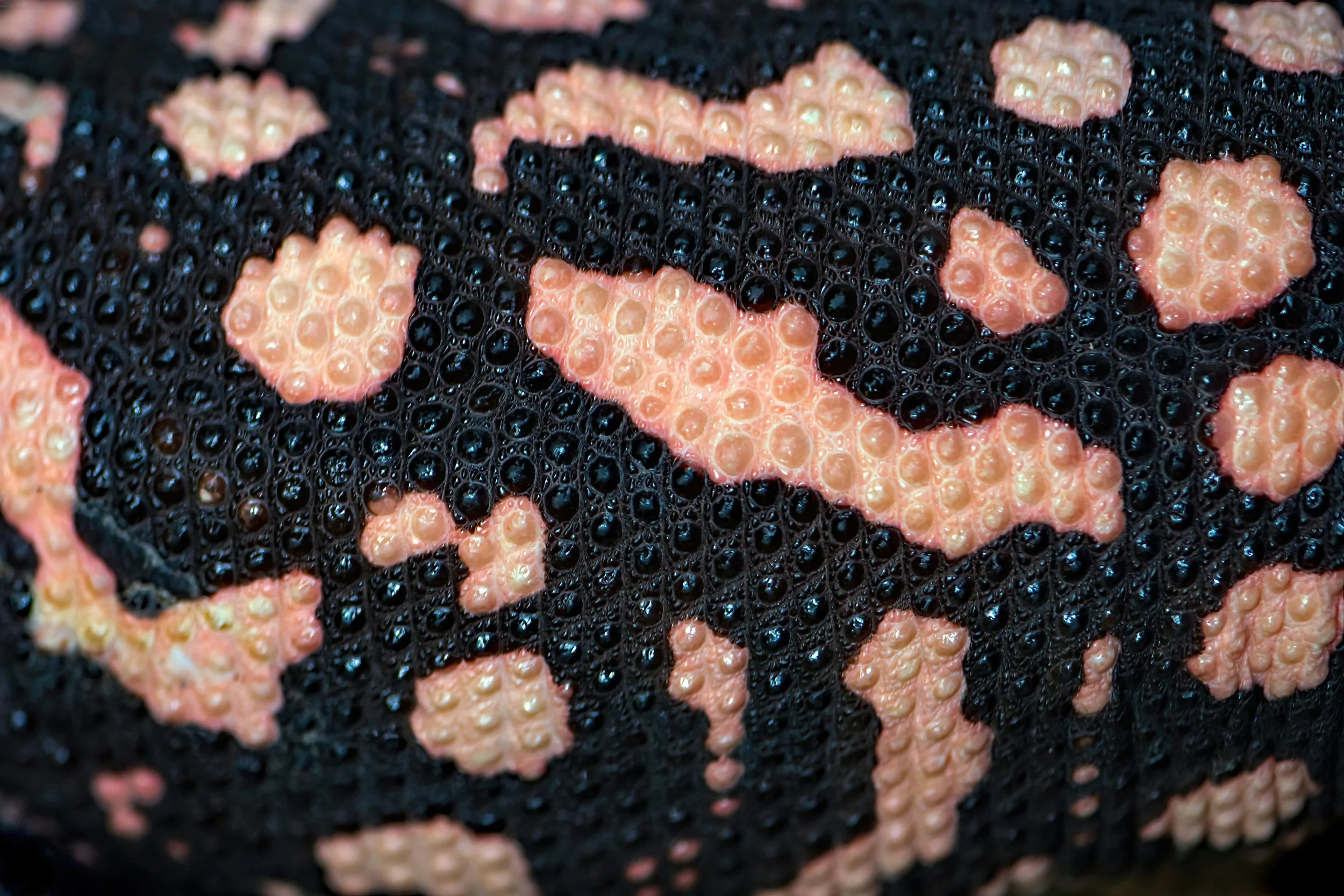
Gila monster venom paved the way for groundbreaking weight-loss and diabetes drugs like Ozempic, but its potential is just the tip of the fang. From tarantula venom aiding nerve research to cone snails delivering hypoglycemia-inducing toxins, venoms have evolved from biological weapons to pharmaceutical treasures. They act as nature’s Swiss Army knives, packed with peptides and proteins, offering targeted, potent solutions. Despite challenges like extinction and extraction, venom research reveals our shared molecular blueprints, promising innovations in cancer treatment, pain relief, and more—proving that even the deadliest bites can lead to life-saving breakthroughs. Venom Helped Create Weight-Loss Drugs. What Else Could It Do For Us? - The New York Times (gift article).

True to Self: Authenticity’s Inner Workings

What does authenticity mean? How to be more authentic. - The Washington Post (gift article) explores the profound psychological benefits of authenticity, framing it as a dynamic process of self-determination and alignment with personal values. Researchers argue that authenticity strengthens mental health, fosters meaningful relationships, and provides a deep sense of life purpose. Authenticity involves being truthful and actively choosing actions that resonate with one’s ideals, enhancing self-control, resilience, and decision-making. In contrast, inauthenticity can lead to anxiety and diminished life satisfaction. Individuals can find a more meaningful and fulfilling life path by pursuing goals rooted in personal values and staying open to evolving self-discovery.

Gene Insurance, No Coverage Guaranteed

As genetic testing becomes familiar, a troubling trend emerges: insurers are legally denying coverage based on genetic predispositions, creating a new form of discrimination. Kristen V. Brown highlights cases where individuals like “Bill,” a healthy man with a genetic marker for ALS, are refused policies or face inflated premiums due to perceived health risks. Though the Genetic Information Nondiscrimination Act (GINA) protects against genetic bias in health insurance and employment, life, disability, and long-term-care insurers face no such constraints. This legal gap fuels fears, deterring many from getting genetic tests that could aid in early disease prevention. They Were Denied Insurance After a DNA Test - The Atlantic.

Walk the Walk

Walking isn’t just a leisurely activity; it’s a powerful, accessible way to improve fitness, mental health, and weight management. This article details how adding intentional walking workouts—like intervals, step counting, and strength combos—can help you increase calorie burn and keep walks engaging. Fitness coach Michele Stanten shares top tips, including structuring walks as workouts and turning mundane steps into effective, fun routines. From desk-side walking pads to strolls during phone calls, you’ll find practical ideas to sneak in steps and reap walking’s full health benefits. How You Should Add Walking Workouts to Your Routine - Men's Health.

Pump Up Your Positive Vibes

Want to Feel Happier? Here’s How to Cultivate Positive Emotions. - The New York Times (gift article) delves into “reward sensitivity,” the psychological drive to seek and savor positive emotions. A clinical psychologist, Jenny Taitz outlines research-backed methods to help boost happiness, even for those prone to feeling low or anxious. Techniques include planning daily joyful activities, savoring the moment, expanding vocabulary for positive emotions, and visualizing uplifting outcomes. Taitz emphasizes that growing the habit of noticing and relishing joy strengthens one’s motivation to engage in future pleasurable experiences, transforming life’s small moments into meaningful mental boosts.

+An excellent app by the author of Permission to Feel: Unlocking the Power of Emotions to Help Our Kids, Ourselves, and Our Society to help with one of the suggestions of the article - expanding your feelings vocabulary. How We Feel App.

When Tired Minds Turn Testy

New research reveals that prolonged mental fatigue, or “ego depletion,” triggers changes in the brain’s frontal cortex, leading to increased aggression and diminished cooperation. During tasks requiring self-control, fatigued participants exhibited sleep-like brain activity, indicating localized “brain naps” in regions critical for decision-making. EEG scans confirmed these changes, showing that mental exhaustion disrupts impulse control and decision quality. Through economic games, fatigued individuals were found to be notably less cooperative and more hostile, underscoring the potential impact of mental fatigue on daily interactions, negotiations, and even legal scenarios. Mental Exhaustion Drives Aggressive Behavior - Neuroscience News.

Rat Race Reimagined

In a unique study, neuroscientist Kelly Lambert taught rats to drive mini cars, revealing that anticipation of enjoyable experiences may boost brain health and resilience. Rats that anticipated driving to earn a treat displayed behaviors linked to excitement, like standing with tails high. The study showed that positive experiences, not just stress, shape neuroplasticity and the brain’s ability to adapt. Lambert’s findings suggest that embracing joy and anticipation can transform behavior and mental health in rats and humans, underscoring the value of enjoying life’s journey, not just the destination. I’m a neuroscientist who taught rats to drive − their joy suggests how anticipating fun can enrich human life.

The Brain Isn’t the Only Keeper of Memories

Traditionally, memories are believed to reside solely in the brain, but a new study reveals that non-neural cells in the body also hold a memory function. Scientists at NYU found that cells outside the brain can “learn” and activate a memory gene in response to specific patterns of chemical signals, similar to how brain cells respond during spaced learning. This discovery suggests memory might be a cellular feature beyond the brain, potentially impacting future treatments for memory-related conditions and enhancing learning by targeting body-wide cellular responses. Memories are not only in the brain, human cell study finds (thanks, Amy!).

Forbidden Fruit Loophole: Why Some Banned Foods Make It to U.S. Plates

The U.S. food approval system allows certain additives banned in other countries to remain on American grocery shelves. Unlike Europe, which adopts a precautionary stance, the U.S. regulatory process is constrained by funding, industry influence, and a significant loophole: the “Generally Recognized as Safe” (GRAS) exemption. This GRAS policy lets companies self-determine safety without FDA review, leading to chemicals like titanium dioxide in foods despite potential risks. While some states are moving to ban specific additives, federal change remains slow, hindered by resource limitations and competing priorities within the FDA.Why US foods, including Halloween candy, have additives and chemicals banned in other countries | Vox.

101 - Nonprofit Hospital Illusion, Genetic Discrimination, and Microbial Athletic Edge - HealthHippieMD Week In Review

Long COVID: An Unsettling Puzzle

Long COVID, a widespread post-infection condition, affects millions globally, significantly impacting health and economies. Despite over 24,000 scientific publications, understanding still needs to be completed. The risk of long COVID has declined due to vaccines and viral changes, yet millions still suffer. It manifests in over 200 symptoms, from respiratory issues to neurological and metabolic disorders, severely impacting daily life and work. Recent studies suggest persistent viral presence and immune dysfunction as causes. Misleading public narratives downplay its threat, but data shows COVID-19 remains a severe and ongoing health risk.Long COVID puzzle pieces are falling into place – the picture is unsettling.

The Need for Genetic Discrimination Safeguards

The increasing popularity of genetic testing, with millions sharing their DNA for health and ancestry insights, raises critical concerns about genetic discrimination. Genetic data, often inadequately secured, poses risks if accessed by insurance companies or employers, leading to potential discrimination. This article highlights the ambiguity in defining genetic discrimination, drawing parallels to historical eugenics. Despite existing laws, varying definitions complicate protection efforts. Newer tests, like those measuring biological age, further complicate the landscape. Policymakers face challenges in creating robust protections, while individuals are urged to scrutinize data-sharing terms and understand their rights. Why we need safeguards against genetic discrimination | MIT Technology Review.

VR: The Body Image Game-Changer?

Virtual reality (VR) is emerging as a promising tool to tackle body image disturbances. These disturbances, often linked to eating disorders and body dysmorphic disorder, stem from faulty multisensory integration, leading to distorted body perceptions. VR-based "embodiment illusions," like the "rubber hand illusion," can trick the mind into feeling it inhabits a different body, potentially realigning these perceptions. Research shows that people with higher body image disturbance are more susceptible to these illusions, which can reduce perceptual distortions and negative emotions about body size and shape. While promising, further research is needed to understand the long-term effects and ethical implications. Can Virtual Reality Help Folks With Body Image Disturbance?

Dream Cuisine

Sleep deprivation affects about one-third of Americans, leading to severe health issues. However, improving sleep quality is achievable through specific dietary habits. Consuming foods rich in tryptophan, like turkey, fish, eggs, and nuts, combined with healthy carbs, can enhance melatonin production, promoting better sleep. Adopting a Mediterranean diet high in fiber, zinc, B vitamins, and magnesium can also aid sleep. Avoiding inflammatory foods such as sugary cereals and saturated fats is crucial. A consistent eating schedule and incorporating gut-friendly foods like yogurt and fermented items can further support restful sleep. 8 Eating Habits That Improve Your Sleep | TIME.

The Nonprofit Hospital Illusion

Many major nonprofit hospitals are barely charitable, maintaining tax-exempt status while running numerous for-profit ventures. They exploit legal loopholes, enjoy regulatory leniency, and engage in extensive lobbying to operate like big businesses yet avoid taxes. Their activities include owning for-profit insurers, venture capital firms, and hospitals abroad. Despite significant earnings, they report "operating surpluses" instead of profits. Critics argue these hospitals should lose tax benefits as their community contributions are minimal compared to the financial advantages they gain. The article calls for stricter regulations and more accountability to prevent such exploitation. Opinion | Many hospitals are nonprofit in name only, and get away with it - The Washington Post (gift article).

The Microbial Edge in Athletic Performance

Endurance athletes constantly seek ways to enhance their performance, often focusing on optimizing their mitochondrial health through rigorous training and precise nutrition. However, emerging research highlights the gut microbiome as a crucial yet overlooked factor in athletic excellence. The gut microbiome, a complex community of microorganisms, aids in nutrient absorption, immune function, and even communication with mitochondria. Elite athletes often exhibit unique microbiomes that directly impact performance and boost VO2 max and lactate thresholds. Integrating microbiome-friendly foods and probiotics into diets can significantly enhance endurance and recovery, presenting a new frontier in sports nutrition. Athletes looking for a competitive edge may find it within their gut microbiome.

+see also: Do Gut Bacteria Improve Athletic Performance? (yes, if you're a mouse, and maybe if you're a human) — HealthHippieMD.

Fun Fitness Challenges Await

7 Fitness Tests to Gauge Your Strength and Mobility - The New York Times (gift article) introduces seven fitness tests to assess strength, mobility, and overall fitness. These tests range from measuring flexibility and balance to evaluating power and VO2 max, catering to various fitness levels. The tests include simple activities like standing on one leg, gripping a bar, and rapidly getting out of a chair. They aim to provide a comprehensive snapshot of one's fitness, helping individuals track progress and set achievable goals. Whether you're training for a marathon or just curious about your fitness, these tests offer valuable insights and fun challenges.

Mind Over Matter

Advanced meditation is revolutionizing our understanding of consciousness. Neuroscientist Matthew Sacchet delves into the brain's behavior during deep meditative states. Unlike mindfulness practices for stress reduction, advanced meditation explores profound states of ecstatic bliss, deep insights, and compassionate experiences. Sacchet, who has meditated since childhood, uses a multidisciplinary approach to study these states, combining personal experiences, wisdom traditions, and empirical neuroscience. His research aims to unlock advanced meditation's potential for enhancing mental health and well-being and even integrating with psychedelics and AI for deeper consciousness insights. Altering Consciousness with Advanced Meditation | Scientific American.

Canines Catch Your Cortisol

Research from the University of Bristol reveals that dogs can detect human stress through scent, specifically the cortisol hormone in sweat. In the study, dogs were exposed to sweat samples from stressed and relaxed volunteers. The results showed that dogs became more pessimistic about ambiguous situations after smelling stress-induced sweat, suggesting they emotionally react to human stress. This emotional contagion between humans and dogs likely evolved for mutual survival benefits. The findings emphasize the profound empathetic bond between humans and their canine companions, highlighting the impact of human emotions on dog behavior. When Dogs Smell Your Stress, They Act Sad | Scientific American.

098 - Trust Falls, AI Lie Detection, and Surviving Trauma - HealthHippieMD Week In Review

NY Times Nutritional Nuggets

Nutrition experts share key takeaways to shape our diets. The Mediterranean diet remains a top choice for heart health and longevity. Despite past beliefs, red wine's heart benefits are outweighed by its risks. Avocados stand out for their rich nutrients while delaying morning caffeine lacks scientific support. Environmental concerns temper Shrimp's nutritional value, and reducing sodium intake is essential for many. Apple cider vinegar's benefits are selective, and managing IBS might be more effective with diet changes than medication. Lastly, stay hydrated sensibly and be cautious with ultraprocessed foods.Our Favorite Nutrition Takeaways from 2024, So Far - The New York Times (gift article).

Trust Falls: Mind Your Moves

Nonverbal cues play a critical role in building trust, often betraying our true feelings unconsciously. Mixed messages—like warm tones paired with crossed arms—can create mistrust. Trust hinges on congruence between words and body language. Incongruity, emotional leaks, and closed body language can undermine trust and cause suspicion. To foster trust, align your verbal and nonverbal communication, manage emotional awareness, and practice open body language. Conscious communication helps convey sincerity and reliability, which are essential for strong relationships and successful collaborations. Unconscious behaviors that make people not trust you.

Holo-Doc

Crescent Regional Hospital in Lancaster, Texas, has introduced a futuristic approach to telehealth with hologram technology via Holoconnects. Patients can now interact with doctors through a 7-foot-tall, 440-pound Holobox, offering a 3-D, life-like video experience for $42,000 plus annual fees. While proponents tout improved patient engagement and realistic interactions, skeptics question the benefits of traditional 2-D telehealth options. Critics argue that the high cost and limited data on improved care quality make it less practical for widespread medical use, though it shows promise in the physical therapy and hospitality sectors. Your Hologram Doctor Will See You Now - The New York Times (gift article).

America's Diet Dilemma

America's obsession with dieting spans over a century, reflecting a paradox of indulgence and restraint. Early 20th-century essays in The Atlantic highlight the cyclical nature of diet culture, where strict regimens follow periods of indulgence. By the 1920s, slimness equated to health and wealth, further embedding the societal pressure to lose weight. Despite numerous fad diets and the evolution of nutritional understanding, the fundamental misunderstanding of balanced eating persists. Modern weight-loss drugs like Ozempic may change the landscape, but as long as thinness is idealized, the diet culture will endure. America can't stop dieting - The Atlantic. ^

Tau-morrow's Diagnosis Today

UC San Francisco researchers have discovered a method to diagnose progressive supranuclear palsy (PSP) in living patients. Previously identified only post-mortem, PSP, often mistaken for Parkinson's, progresses rapidly and is fatal within seven years. A study in Neurology highlights the use of high-throughput technology to identify protein biomarkers in spinal fluid, differentiating PSP from other forms of frontotemporal dementia. This breakthrough could lead to early diagnostic tests and targeted therapies, offering hope for timely intervention. The study underscores the importance of early diagnosis to enhance treatment efficacy and improve patient outcomes. Scientists may have discovered how to diagnose elusive neuro disorder (Thanks, Amy!).

Arthur Brooks on Fixing Social Media

In this video, Professor Arthur Brooks discusses how social media harms our socializing ability and proposes a way to fix it. We're lonelier than ever — and there's one big reason - Big Think.

Surviving Trauma

On this podcast, Dr. Bessel van der Kolk, psychiatrist and author of The Body Keeps the Score, discusses understanding and dealing with lasting psychological trauma. It's well worth a listen. ‎How To!: How To Survive a Shark Attack (Encore).

Befriending Your Inner Voice

You know that negative voice that constantly berates you with negative self-talk? Thinking about anything else is hard when that inner chatter gets switched on. This podcast discusses how to keep our negative emotions from morphing into chatter. ‎Hidden Brain: Befriending Your Inner Voice.

Healthcare from Cradle to Cane

Designer Yves Behar argues that health care should cater to society's most vulnerable: children, older people, and those with disabilities. He critiques the sector for lagging in innovation compared to consumer experiences like those at an Apple Store. Behar's projects, like the AI companion robot Moxie for neurodivergent children and the FDA-approved SNOO bassinet for safe infant sleep, illustrate his vision. These designs address extreme needs and offer broader benefits, proving that inclusive design enhances everyone's experience. Health Care Should Be Designed for the Extremes of Life | WIRED.

AI Lie Detection

A study has shown AI outperforms humans in detecting lies, achieving a 67% accuracy rate compared to humans' 50%. Utilizing Google's AI model BERT, the tool identified falsehoods more effectively. However, reliance on AI led to increased accusations, raising ethical concerns about trust and social bonds. Despite skepticism, a third of participants trusted the AI tool's predictions, demonstrating its potential impact on evaluating claims and detecting misinformation. The study highlights the need for thorough testing before widespread implementation. AI lie detectors are better than humans at spotting lies | MIT Technology Review.

Mindful Matters

Despite its widespread promotion as a mental health cure-all, mindfulness may not benefit everyone equally. Research shows that the effectiveness of mindfulness practices varies with age. Older adults tend to experience better mental health by acting with awareness and being nonjudgmental, while younger individuals, who are more focused on observing, often see fewer benefits. A tailored approach to mindfulness, emphasizing aspects like nonjudgment for youth, could enhance its impact. Personalized mindfulness practices, reflecting one's age and specific needs, may be essential to unlocking its full potential. Here's Why You May Not Be Getting the Benefits You Expected From Mindfulness.

097 - The Write Stuff, Fish Oil Debate, and Awe - HealthHippieMD Week In Review

Mind-Expanding Reads for Daily Life

This article reviews five essential psychology books that simplify complex theories into practical advice for daily life. Thinking Fast and Slow by Daniel Kahneman explores cognitive biases and decision-making processes. Carol Dweck’s “Growth Mindset” emphasizes the power of effort over innate ability. “Emotional Intelligence” by Daniel Goleman highlights the importance of understanding and managing emotions. Angela Duckworth’s “Grit” focuses on resilience and perseverance. Finally, “Flow” by Mihaly Csikszentmihalyi delves into achieving optimal experiences. Each book, authored by experts, offers actionable insights to enhance personal and professional life. 5 applied psychology books for everyday life - Big Think.

Awe

Lori Santos covered the eight types of awe in her podcast The Happiness Lab with Dr. Laurie Santos: The Power of Awe. Well worth a listen whether you are religious or not.

Gaslight, Camera, Action

Gaslighting, a manipulative tactic that makes victims question their reality, can profoundly affect mental health, leading to anxiety and depression. When confronted with gaslighting, experts recommend seven strategies to regain control and assert your truth. These include calmly stating your perspective, setting boundaries, validating your feelings, documenting events, suggesting neutral third-party mediation, using humor to defuse tension, and focusing on solutions rather than memory debates. These techniques aim to disrupt the manipulator’s control and provide clarity, helping you maintain your sense of reality and well-being. 7 Things to Say When Someone Gaslights You.

Unraveling Chronic Illness Misdiagnoses

Chronic illness symptoms are frequently dismissed as mere stress, complicating diagnosis and treatment. Amina AlTai, initially attributing her fatigue and brain fog to work-related stress, faced repeated dismissal from doctors despite worsening symptoms like hair loss and gastrointestinal issues. It wasn’t until thorough blood tests that she was diagnosed with Hashimoto’s disease and celiac disease, severe autoimmune conditions. This case underscores the complex interplay between stress and chronic illness, highlighting the need for careful evaluation to distinguish between stress-related symptoms and underlying medical conditions. Why Chronic Illness Symptoms are Commonly Dismissed as Just Stress - The New York Times (gift article).

Weight Loss Woes

States like West Virginia are grappling with the high costs of weight-loss drugs like Ozempic and Wegovy. Despite their effectiveness, with some patients losing 15-20% of their weight, the prohibitive costs, reaching up to $1,400 a month, make them inaccessible for many. Canceling public funding programs exacerbates the disparity between those who can afford these medications and those who cannot. Critics argue that the situation mirrors past pharmaceutical crises, underscoring a broader issue of healthcare inequality in treating obesity, a condition classified as a complex disease. Some States Say They Can’t Afford Ozempic and Other Weight Loss Drugs - The New York Times (gift article).

Time for a Pill

MIT researchers have discovered that the effectiveness of medications depends significantly on the time of day they are taken due to circadian variations in liver function. Using engineered mini-livers, the study identified over 300 liver genes with circadian patterns, affecting drug metabolism and inflammation. These findings suggest that drug regimens could be optimized to enhance efficacy and reduce toxicity. For instance, Tylenol’s breakdown is more efficient at specific times, and the liver’s susceptibility to infections like malaria varies with the circadian cycle. This research opens new avenues for tailoring drug administration schedules. Drugs are more effective at certain times of day | MIT Technology Review.

The Fish Oil Debate

The article explores the ongoing debate about the efficacy of fish oil supplements for heart health. Despite early enthusiasm sparked by Inuit dietary studies, recent research reveals mixed results. Some studies suggest omega-3s reduce coronary events, but many trials show no significant cardiovascular benefits. Additionally, fish oil supplements may increase the risk of atrial fibrillation. Experts recommend obtaining omega-3s from dietary fish rather than supplements, emphasizing a balanced diet and healthy lifestyle for heart health. The article underscores the importance of relying on well-rounded dietary practices rather than supplements for optimal cardiovascular well-being. Is Fish Oil Helpful or Harmful for the Heart? - The New York Times (gift article).

Reclaim Your Work-Life Balance

In an era of remote work and constant connectivity, achieving work-life balance has become increasingly challenging. The article outlines five tech-based strategies to prevent work from encroaching on personal time. These include setting and communicating boundaries, scheduling messages during work hours, minimizing notifications, filling calendars with buffer times, and establishing emergency contact plans. By leveraging the same technology that blurs the line between work and personal life, individuals can regain control and ensure their jobs stay within the confines of a typical workday. How to get back your work-life balance with tech - The Washington Post (gift article).

AI: The Write Stuff

A recent study reveals that over 10% of scientific papers are co-authored by large language models (LLMs) like ChatGPT, with fields like computer science showing even higher usage. Researchers from the University of Tübingen and Northwestern University utilized an excess-vocabulary method to identify unusual word frequencies in scientific abstracts. This method bypasses traditional detection algorithms, revealing the widespread integration of AI in academic writing. While LLMs enhance drafting efficiency, especially for non-native English speakers, their use raises concerns about biases, hallucinations, and the potential flood of low-quality publications. Academic policies on LLM usage remain inconsistent and evolving. At least 10% of research may already be co-authored by AI.

093 - Electric Dreams, Face Time, and Your Gut on Salt - HealthHippieMD Week In Review

Face Time

Unlike virtual connections, regular face-to-face interactions with friends significantly enhance physical and mental health. Studies reveal that in-person meetings boost the immune system, reduce stress, and improve overall well-being, comparable to the effects of a Mediterranean diet. Frequent physical contact, such as hugs, also benefits the hypothalamic-pituitary-adrenal axis, lowering inflammation and improving sleep. Additionally, our sense of smell and neural synchrony are crucial in forming deeper, more empathetic connections. Decreased time spent with friends underscores the importance of rekindling in-person socializing for better health. In-person friendships are better for health than virtual connections - The Washington Post (gift article) (Thanks, Amy!).

Paws-in

The viral "paws-in" challenge on TikTok sees dogs imitating their owners by placing a paw atop a stack of human hands. The trend delights viewers, showcasing dogs' ability to mimic, seek attention, and connect with their human families. Experts highlight the role of training and innate behavior in dogs' responses. Even if some dogs don't join in perfectly, their varied reactions—using their muzzle or looking for cues—emphasize the deep bond between humans and their pets. The challenge underscores the joy and heartwarming connection pets bring to their owners' lives. Dogs are doing the viral 'paws in' challenge. Here's why. - The Washington Post (gift article).

Electric Dreams

Researchers have explored using electricity to control the immune system for over a decade, promising a revolution in treating chronic diseases like rheumatoid arthritis and diabetes. Despite substantial investment, electroceuticals—implants designed to replace drugs—haven't yet fulfilled their early promise. Meanwhile, new research into bioelectric medicine shows potential for innovative treatments, including fast-healing bandages and cancer therapies. The field faces challenges, including precise targeting and overcoming biases toward nervous system-centric approaches. As research evolves, the dream of electrically hacking the body for better health remains an electrifying possibility. The decade-long quest to hack the body's immune system with electricity | MIT Technology Review.

+see also: 091 - Meta Heads, Embracing Solitude, and The Brain's Immunity Master Switch - HealthHippieMD Week In Review — HealthHippieMD.

Mediterranean Eating May Boost Brain Health

A new study in Nature Aging suggests the Mediterranean diet, rich in fatty acids, carotenoids, and vitamin E, may slow cognitive decline. Researchers from the University of Illinois and the University of Nebraska-Lincoln found that participants aged 65-75 with delayed brain aging had larger brain volumes, better connectivity, and higher cognitive scores. Essential nutrients included α-linolenic acid and eicosapentaenoic acid from fish and plants, carotenoids from colorful vegetables, and vitamin E from nuts and oils. While promising, the study calls for further research across diverse populations. New Study Suggests Mediterranean Diet May Slow Cognitive Decline.

Cognitive Harmony

Understanding cognition requires viewing the brain's large-scale coordination of neural activity, driven by rhythmic electric fields, rather than focusing on individual neurons. MIT neuroscientists argue that brain rhythms, once dismissed as mere byproducts, are crucial for organizing neural activity. These rhythms influence cognition and could be key to treating disorders like schizophrenia and epilepsy. Brain waves like beta and gamma rhythms coordinate complex cognitive tasks, acting like stencils guiding neural activity. Scientists hope to unlock deeper insights into how thoughts and memories form and function by studying these rhythms. To understand cognition, neuroscientists must learn its rhythms - Big Think.

The Brain-Belly Connection

In this episode of the Huberman Lab Podcast, Stanford's Dr. Andrew Huberman hosts Dr. Diego Bohórquez of Duke University. Dr. Bohórquez, an expert in gastrointestinal physiology and neuroscience, delves into the gut-brain axis, focusing on how our gut senses food. Unlike the popular microbiome focus, Dr. Bohórquez explores how our gut detects nutrients like amino acids, fats, and sugars, akin to how our eyes sense light. This episode reveals the intricate sensory mechanisms within our digestive system, offering a deeper understanding of how our gut communicates with our brain. ‎Huberman Lab: Dr. Diego Bohórquez: The Science of Your Gut Sense & the Gut-Brain Axis.

Following the Pharma Funds

How much Big Pharma is paying doctors discusses the financial relationships between doctors and pharmaceutical companies, highlighting the Open Payments website. This platform, run by Medicare, allows the public to see the payments made to doctors by healthcare companies. A recent JAMA study revealed that many physicians endorsing products on social media have received payments from the companies behind these products. The article emphasizes the importance of transparency in understanding these financial ties and their potential impact on healthcare costs and quality in the U.S.

Your Gut on Salt

Excessive salt, though essential historically, disrupts the gut microbiome, likely contributing to health issues like high blood pressure, heart disease, and metabolic disorders. Modern diets, laden with processed foods, exacerbate these problems. High sodium intake alters beneficial gut bacteria, leading to inflammation and metabolic disruptions and increasing cravings and weight gain. Reducing salt intake and focusing on unprocessed, plant-based foods can help maintain a healthy microbiome and prevent disease. The push for lower sodium in diets faces challenges from industry lobbyists, but evidence for its necessity continues to grow. How Salty Food Can Poison Your Microbiome.

Jazz Mind and Flow

Researchers at Drexel University's Creativity Research Lab studied how jazz musicians reach a creative "flow state." They discovered that flow involves a balance between expertise and releasing focus. Using EEG, they recorded the brain activity of 32 jazz guitarists, finding that flow states correlated with reduced frontal lobe activity, indicating low cognitive control. Experienced musicians showed enhanced sensory brain activity. The study suggests achieving flow requires extensive practice and the ability to let go of conscious control, allowing automatic, creative responses. This dual approach can help in mastering any creative task. Brain Scans of Jazz Musicians Reveal How to Reach a Creative' Flow State' | Scientific American.

+see also: We all can reach a "flow state." Here's how. - Big Think.

092 - Sleeping Your Way to the Top, Mellow Yellow, and The Brain Microbiome - HealthHippieMD Week In Review

May 26th is my 60th birthday. As a gift to me, please pass this newsletter on to at least one person you think might be interested. I'd love to double my readership. Thanks for reading and your ongoing support!

Forgive and Let Live

In the podcast, Feel Better, Live More with Dr Rangan Chatterjee: #448 A Proven Prescription for Health and Happiness: Why Being Able To Forgive Improves Your Physical & Mental Wellbeing Dr. Rangan Chatterjee discusses the importance of forgiveness with Dr. Fred Luskin, a clinical psychologist from Stanford University. Dr. Luskin, the director of the Stanford University Forgiveness Projects, emphasizes that forgiveness is a crucial yet often overlooked component of health. He argues that while diet, exercise, stress, and sleep are vital, the ability to forgive can significantly improve both mental and physical wellbeing. According to Dr. Luskin, forgiveness is a perspective that can lead to profound healing and a happier life. (Thanks, Megan).

Hard Facts on Stool

Michael Harrop's Human Microbes has created a controversial black market for fecal microbiota transplants (FMT), used to treat conditions like cystitis and irritable bowel syndrome. Despite the FDA only approving FMT for Clostridioides difficile, desperate patients like Alexandra seek alternative cures from this underground source. Despite lacking medical credentials, Harrop matches "super-donors" with buyers, selling stool for $1,000 per dose. While some report miraculous recoveries, medical experts warn of severe risks and unknown long-term effects, urging caution and further research. Fecal microbiota transplant: Inside the black market for human poop.

Fit or Fat

A recent study by the University of Aberdeen reveals that exercise enhances the body's ability to metabolize saturated fats. The research focused on the "athlete's paradox," which observes that endurance athletes and people with type 2 diabetes store high levels of muscle fat. Through an eight-week experiment involving 29 athletes and 30 people with diabetes, researchers discovered that exercise enables people with diabetes to store and burn saturated fat efficiently, mirroring the athletes' fat metabolism. The study underscores the importance of regular physical activity for improving fat metabolism and overall metabolic health. Exercise improves storage and burning of saturated fat, study finds.

3 M's Sticky Situation

ProPublica's exposé reveals how Kris Hansen, a chemist at 3M, discovered toxic "forever chemicals" (PFAS) in human blood. Initially tasked with verifying external lab results, Hansen confirmed that PFAS contamination was widespread, even in the general population. Despite her findings, 3M executives suppressed the information, halting her research and enforcing secrecy. Decades later, the EPA is now demanding the removal of these chemicals from drinking water. Hansen, who remained silent for years, now grapples with the environmental and health implications of her discovery and 3 M's long-held secrets. How 3M Execs Convinced a Scientist the Forever Chemicals She Found in Human Blood Were Safe — ProPublica.

A Sobering Solution?

Scientists have developed a hydrogel that may be the answer to hangover woes and alcohol-related health issues. Crafted from whey protein and enhanced with iron atoms, sugar molecules, and gold nanoparticles, this gel breaks down alcohol in the gastrointestinal tract. In mouse experiments, it significantly reduced blood alcohol levels and prevented liver damage, weight loss, and gut problems. This novel hydrogel holds promise for both social drinkers and those with chronic alcohol issues, potentially serving as a groundbreaking remedy and preventative measure against alcohol's harmful effects. Clinical trials in humans are anticipated soon. Is this the hangover cure we've been waiting for?

The Brain Microbiome

Recent research suggests that the brain might have its own microbiome, challenging the long-held belief that the brain is a sterile organ. Initial studies from 2013 found non-human genetic material in brain tissue, hinting at the presence of bacteria and viruses. More recent investigations have discovered bacteria and fungi in the brains of both healthy individuals and those with Alzheimer's disease. However, the mechanisms by which these microbes enter the brain remain unclear. This discovery could open new avenues for treating neurological diseases, but further research is needed to fully confirm and understand these findings. Wait, The Brain Has Its Own Microbiome? What New Research Tells Us.

Mellow Yellow

A recent study reveals that D-limonene, a terpene found in citrus fruits and cannabis, reduces anxiety when combined with THC, the psychoactive component in marijuana. Conducted by Johns Hopkins University, the double-blind study involved 20 participants inhaling various doses of THC and limonene. Results showed that higher doses of limonene significantly decreased anxiety and paranoia. While the exact mechanism remains unclear, the study suggests limonene's potential as an anxiolytic agent. This research highlights the need for empirical testing of terpenes' effects, challenging unverified marketing claims in the medicinal cannabis industry. A New Study Found This Molecule Is Linked to Less Anxiety While Stoned.

Sleep Your Way to the Top

In How to Buy Yourself a Longer Life - The New York Times (gift article), Frank Bruni explores Equinox's new luxury membership, "Optimize," costing $40,000 annually and featuring services like a sleep coach, nutritionist, and personal trainer. This deluxe package aims to enhance fitness and longevity, reflecting an increasing obsession among the wealthy with extended youth. Bruni critiques this trend, highlighting the growing economic segregation and the extravagant ways the affluent flaunt their wealth and seek to optimize their lives, underscoring a deepening divide in American society.

Garden Your Way to a Healthier You

Gardening offers multifaceted benefits for both mind and body. Engaging in activities such as shoveling mulch and pulling weeds counts as moderate-intensity exercise, contributing significantly to physical activity goals. Beyond the physical, gardening provides mental health perks, including stress reduction and a sense of purpose. Emilee Weaver from the North Carolina Botanical Garden highlights how nurturing plants can be deeply fulfilling. Studies support these claims, showing that gardeners are more active and enjoy better mental health than non-gardeners. The article briefly mentions exposure to the soil microbiome and its association with mental health. The Health Benefits of Gardening - The New York Times (gift article).

Prior Authorization Frustration

Medicare Advantage plans, touted for reducing waste and inappropriate care, are increasingly criticized for unnecessarily restricting coverage. This issue is starkly illustrated by Marlene Nathanson's experience, whose stroke recovery was abruptly interrupted when her plan denied further treatment coverage. Despite significant progress in therapy, she was given just 48 hours to leave her rehabilitation facility. Traditional Medicare seldom requires prior authorization, but nearly all Advantage plans do, particularly for high-cost services. With more than half of Medicare beneficiaries enrolled in these plans, such denials are becoming alarmingly common. When 'Prior Authorization' Becomes a Medical Roadblock - The New York Times (gift article).

068 - Mitophagy, Crapsules, and VR for Pain - HealthHippieMD Week In Review

Artificial Inaccuracy

The article ChatGPT Quickly Authored 100 Blogs Full of Healthcare Disinformation, discusses a study where generative AI, particularly ChatGPT, was used to produce a large volume of healthcare disinformation rapidly. ChatGPT created 102 blog articles with over 17,000 words of disinformation on vaccines and vaping in just 65 minutes. The study, conducted by Australian researchers and reported in "JAMA Internal Medicine," also involved using AI tools like DALL-E 2 and HeyGen to create realistic images and a deep-fake video to accompany the blog posts. Notably, other AI programs like Google Bard and Microsoft Bing Chat did not facilitate such disinformation production. The study underscores the potential misuse of AI in spreading persuasive, customized disinformation efficiently, posing significant risks if exploited by malicious actors.

Dose of Reality: Unraveling the Complex Prescription Drug Financing in the U.S.

The article Following the Money: Untangling U.S. Prescription Drug Financingprovides a critical analysis of America's high prescription drug costs. It reveals that the U.S. leads in per capita drug spending, averaging $1,432 per person in 2021. This in-depth investigation into the U.S. healthcare system uncovers the multifaceted reasons behind this substantial financial burden. The article aims to shed light on the convoluted nature of prescription drug financing in the U.S., contrasting it with its international counterparts.

The Honest Truth About Fibs

Recent research reveals intriguing insights into lying habits. Surprisingly, 59.9% of people reported not lying in a day, with half of all lies coming from just 5.3% of participants. The study found that the frequency of lying is relatively unaffected by the communication medium, whether face-to-face, text, or email. Additionally, while minor lies are commonly told to strangers, significant lies are often reserved for close partners or family members. These findings, although reliant on self-reported data (leading to the possibility of significant inaccuracy), suggest that most people are generally truthful in their daily interactions. A New Study Estimated The Number of Times An Average Person Lies Per Day.

U.S. Dietary Guidelines Eyeing Ultra-processed Food

The upcoming revision of the U.S. dietary guidelines may mark a significant shift in nutritional focus by potentially warning against consuming ultra-processed foods. This change, influenced by mounting evidence linking these foods to a range of chronic diseases like obesity, heart disease, and diabetes, could profoundly impact national food programs, including the National School Lunch Program, and the overall dietary habits of Americans. Critics have long criticized current guidelines for overlooking the effects of food processing and additives. The food industry, fearing potential impacts, has already begun lobbying against such recommendations. The next guidelines edition is due in 2025, with an advisory committee report expected next year, potentially leading to a major overhaul in how Americans perceive and consume food. Nutrition guidelines may soon warn against ultra-processed foods - The Washington Post. (gift article)

FTC Takes a Bite Out of Misleading Influencer Marketing of Food

The FTC has warned significant food and beverage industry groups and numerous dietitian influencers, spotlighting a crackdown on undisclosed paid advertising on social media. Targeting American Beverage and the Canadian Sugar Institute, alongside influencers with over 6 million followers, the FTC points out non-transparent endorsements of artificial sweeteners and sugary foods. This move, spurred by The Washington Post and The Examination investigations, aims to enforce clear disclosure standards across influencer marketing. It represents a significant shift in the FTC's approach, with potential fines exceeding $50,000 per violation, signaling a tougher stance against deceptive social media advertising practices. FTC cracks down on food industry for paid dietitian influencer posts - The Washington Post. (gift article)

Mitophagy and Aging

Scientists at the Buck Institute have made a breakthrough in understanding aging by focusing on mitochondria, the cell's powerhouses. Their study, published in Nature Aging, highlights a natural compound, Mitophagy-Inducing Coumarin (MIC), that extends the lifespan of Caenorhabditis elegans, a model organism in aging research. MIC boosts the cell's waste management system, mainly targeting old and damaged mitochondria for disposal, a process known as mitophagy, which naturally declines with age. This discovery could lead to new therapies for age-related diseases by enhancing autophagy, the body's innate rejuvenation process. However, while MIC has shown promising results in worms, further research is needed to determine its effects on human aging. New Anti-aging Molecule May Work By Keeping the Cell's "Powerhouse" Healthy.

Crapsules: The Future of Medicine

In the field of microbiome medicine, a revolutionary shift is underway. Medical teams are transforming donated fecal matter into pills to combat infections like Clostridium difficile. These "crapsules" represent a broader scientific awakening to the importance of the gut's microbiome. Fecal transplants have proven to be efficacious in treating Clostridium dificile (a common life-threatening gut infection, often seen after broad-spectrum antibiotic treatment). Researchers are now exploring advanced strategies, including metabolite manipulation and genetically engineered bacteria, to treat a range of conditions more effectively. The FDA's recent approval of Seres Therapeutic's SER-109, an oral microbiome therapeutic, signifies a major leap in this field. With companies like Seres Therapeutics and Vedanta Biosciences at the forefront, the future of microbiome medicine appears promising, moving beyond the crude efficacy of FMT towards more sophisticated treatments. Microbiome treatments are taking off. (disclosure: I own shares of Seres Therapeutics)

Virtual Reality: A Real Game-Changer in Pain Management

The pain is real. The painkillers are virtual reality. | MIT Technology Review discusses RelieVRx, a virtual reality (VR) system designed to manage pain. Unlike traditional painkillers, RelieVRx aims to teach patients pain relief strategies such as mindfulness, cognitive-behavioral therapy, and relaxation rather than just providing a distraction. The approach is based on "unlearning" physiological pain responses and reinforcing alternative coping mechanisms. This innovative method offers a new frontier in pain management, leveraging the immersive capabilities of VR technology.

066 - Time Poverty, Music as an Analgesic, and Ghosts in the Machine - HealthHippieMD Week In Review

A Ghost in the Machine

In a tale of digital resurrection, Joshua Barbeau, a reclusive writer, finds solace in the AI-driven chatbot Project December. Struggling with the loss of his fiancée, Jessica, he crafts a virtual echo of her using GPT-3's uncanny linguistic prowess. While the A.I. mimics Jessica's essence, it's a poignant reminder that technology can offer a shadow of comfort but not the substance of genuine human connection. In this age of A.I., even the ghosts of our past can send texts, blurring the lines between memory and bytes. (One of the most thought-provoking articles I've read this year.) He couldn't get over his fiancee's death. So he brought her back as an A.I. chatbot.

A.I. Not Ready for Medical Advice

Although A.I. can now pass the U.S. Medical Licensing Exam, the models are not (yet) ready to become your go-to source for medical advice. Two articles drove home the point this week: People Are Using ChatGPT for Nutrition Advice — The Results Are Dangerous and Doctors Wrestle With A.I. in Patient Care, Citing Lax Rules - The New York Times (gift article).

The Heavy Price of Slimming Down

Opinion | Are obesity drugs worth it? - The Washington Post (gift article) examines the economic equation of obesity drugs like semaglutide, marketed as Ozempic and Wegovy. It highlights the drug's potential to reduce obesity-related health costs by mitigating the risks of chronic diseases. However, the article implies skepticism about the cost-effectiveness of such medications, considering their high prices, and questions whether long-term healthcare savings justify the upfront expense. I believe they will, but further analysis and breadth of the pharmaceuticals (such as Mounjaro) are needed.

+And more on the need to further evaluate the impact of these blockbuster drugs: Opinion | Open question for obesity drugs: Will they improve people's health? - The Washington Post. (gift article)

NCCIH on Probiotics

Another excellent evidence-based summary on probiotics: Probiotics: What You Need To Know | NCCIH. See, too, my cautionary tale on the indiscriminate use of probiotics: Are Probiotics Making You Fat? probiotics, prebiotics, and fermented food — HealthHippieMD.

Sweet Sound of Pain Relief

Researchers at McGill University have uncovered a noteworthy connection between music and pain management. In their study, patients donned headphones to listen to their favorite tracks while a thermal simulator applied heat to their forearms. The findings strikingly suggest that the pleasure derived from music may alleviate discomfort to a degree comparable with over-the-counter pain relievers. This research adds a new layer to our understanding of pain perception, hinting at the potent therapeutic potential of personal music choices. Listening to favorite songs can reduce pain as much as Advil, study finds - The Washington Post. (gift article)

Music and Mental Health

"When you join other human beings through music, there's no other experience. I think it completely changes how you think of yourself." Scientists are starting to unravel how music improves our mental health: How Music Therapy Can Soothe Anxiety and Improve Mental Health - The New York Times. (gift article)

Towards a Cuffless Era

Emerging cuffless blood pressure monitors are set to revolutionize health tracking by offering non-invasive, on-demand readings. These devices, which forego the traditional arm cuff, utilize sensors and algorithms to estimate blood pressure from physiological signals. While they promise a more integrated and less disruptive health monitoring experience, their clinical adoption is pending further validation. The accuracy and reliability of these innovative devices must match up to the established standards before they can fully integrate into medical practice and personal health regimes. This New Blood Pressure Monitor Could Radically Shift How We Track Diseases.

Social anxiety, a condition affecting over 12% of Americans, is often rooted in the fear of rejection, according to research from George Washington University's Fallon Goodman. Goodman's work in the Emotion and Resilience Lab explores how this fear can lead to severe isolation and increased risks of depression and substance abuse. Contrary to the belief that sufferers prefer solitude, they deeply crave social connections. Goodman's research, which includes a popular TED Talk, uses real-time smartphone data to track emotional responses and aims to foster "social courage." Her findings emphasize the importance of understanding and addressing social anxiety in a world where connection is crucial. Fear of Failing: The Secrets Behind Social Anxiety - Neuroscience News.

Starved for Time

"If you have an hour, how would you spend it? On things you COULD do? Or things you SHOULD do?" Just this week, I shared, with a close friend, an article I wrote on time poverty: Time Poverty: a significant threat to wellness — HealthHippieMD. The very next day, I found an Arthur Brooke's podcast episode in my queue: ‎How to Talk to People: How to Spend Time on What You Value. The podcast is well worth a listen.

The Last Purchase You'll Ever Make

In the melting pot of American death practices, individualism doesn't cease to breathe even as the body does. Diana Blaine reveals a trend where traditional communal death rituals give way to personalized post-mortem adventures. From vinyl records made of ashes to space-bound urns, Americans are increasingly opting for unique, consumer-driven final farewells. This shift mirrors a broader cultural move from the collective to the individual, from earth burials to diamonds made from ashes. Ironically, in the quest to escape the mundane finality of death, these choices still cling to a timeless human desire: to immortalize one's essence, albeit in a consumerist afterlife. American individualism lives on after death, as consumers choose new ways to put their remains to rest.

064 - AI Lucid Dreams, Long Covid, and Glowing Guts - HealthHippieMD Week In Review

Getting Gold through Crowdfunding

Olympic gymnast Mary Lou Retton joined the ranks of countless Americans, turning to crowdfunding to cover her substantial medical expenses incurred during a battle with rare pneumonia. Her daughter launched a fundraising campaign on Spotfund, and the public rallied, astonishingly raising $350,000 in under two days, surpassing the $50,000 goal. This peculiar juxtaposition highlights the harsh reality of healthcare costs in the U.S., where a quarter million Americans initiate crowdfunding campaigns yearly. Sadly, most don't reach their targets; studies show that 16% receive no donations. This underscores the stark inequalities within the American healthcare system. Mary Lou Retton Crowdfunded Her Medical Debt, Like Many Thousands of Others - The New York Times. (gift article)

Scientists Unearth New Clues to Long Covid

In an unexpected twist in Long Covid, researchers suggest that the villain might be lurking in the gut. In a study published in the journal Cell, scientists from the University of Pennsylvania propose that the remnants of the coronavirus residing in the digestive tract could be suppressing serotonin production, the brain's feel-good neurotransmitter. This serotonin shortage could explain the cognitive and neurological symptoms experienced by many Long Covid sufferers. The research offers a fresh perspective on the condition and potential treatment avenues, proving that sometimes the gut feeling isn't just a metaphor. Scientists Offer a New Explanation for Long Covid - The New York Times. (gift article)

FDA Sounds Alarm on Ketamine Misuse

The FDA is raising eyebrows about the reckless use of ketamine, the anesthetic pharmaceutical (and sometimes party drug) that's been rebranded as a depression and anxiety remedy. They're concerned about the growing trend of online marketers doling out ketamine prescriptions via telemedicine, sidelining the need for medical supervision. While ketamine therapy for mental health shows promise, the regulatory haze around it has spurred abuse. The FDA warns that unsupervised use could lead to serious health problems despite its "off-label" legality. Before you consider a virtual consultation for ketamine, think twice. FDA Issues Warning Over Misuse of Ketamine Therapy - The New York Times. (gift article)

How Not To Age

I'm a big fan of Michael Greger and NutritionFacts. Dr. Gregor's new book, How Not to Age, is coming out this December. He has a few previews of the information here: anti-aging | Health Topics | NutritionFacts.org.

Emotional Costs of Sleepless Nights

A Psychology Today article highlights the emotional toll of sleep deprivation. Beyond the evident fatigue, insufficient sleep can destabilize our delicate equilibrium, leading to intensified negative emotions and unpredictable mood swings. It's a poignant reminder that sleep doesn't merely rejuvenate our bodies but also plays a pivotal role in mental well-being. In essence, to remain emotionally balanced, it's imperative to count the hours and make them count. 4 Ways That Sleep Deprivation Can Harm Your Emotional Health | Psychology Today.

Ear's a Thought: Brainwave Buds

Researchers from the University of California, San Diego, have unveiled innovative earbuds to monitor brainwaves and assess health via ear sweat metabolites. Unlike traditional bulky EEG machines, these compact "neuro-buds" offer a non-invasive peek into cognitive states, potentially aiding early diagnosis of neurodegenerative diseases and even providing neurofeedback. The earbuds, embedded with minute electrodes, detect neural electrical activity during various tasks. Additionally, they can gauge stress levels, predict seizure risks, and measure vital metabolites like glucose. As a bonus, they're designed to play calming sounds based on detected neural patterns, offering users real-time mind management. New Brain-Earbuds Can Listen to Brainwaves, Improve Mood, Decrease Stress, and Possibly Predict Stroke and Neurodegenerative Diseases. ^

NCCIH on Rheumatoid Arthritis

NCCIH has a page on the science behind complementary approaches to Rheumatoid Arthritis: 6 Things To Know About Complementary Health Approaches for Rheumatoid Arthritis | NCCIH.

+And a page on paying for Integrative and Complementary Medicine (including insurance coverage): Paying for Complementary and Integrative Health Approaches | NCCIH.

Mediterranean Diet and Exercise Melt Visceral Fat

A recent study revealed that a combination of a reduced-calorie Mediterranean diet and regular exercise can significantly reduce total fat mass and dangerous visceral belly fat. Older participants following this regime gained muscle and lost considerable body fat within a year, with benefits lasting up to three years. Notably, this wasn't merely about weight loss; the program reshaped body composition from fat to muscle. The study underscores the health risks of visceral fat, linked to diabetes, heart disease, and stroke, and emphasizes the transformative potential of diet and exercise on metabolic health. Mediterranean diet and exercise reduce dangerous belly fat, study says | CNN.

Glowing Guts for IBD

An MIT team designed a pill filled with genetically engineered E. coli bacteria that emit light when detecting gut inflammation. The new device was built to aid in treating Inflammatory Bowel Disease. Photodiodes inside the pill capture this glow, while a radio chip broadcasts it externally. Merging moist microbes with dry electronics was tricky, solved with a clever adhesive barrier. After promising tests in pigs, the next step is human trials. As some pursue a "pill cam" for visual diagnostics, this pill offers a luminescent alternative. This microbe-filled pill could track inflammation in the gut | MIT Technology Review.

Sobering Stories: Physicians and Their Mental Health

The Guardian had an article on the physical and mental toll of medicine and medical training, told through the experience of a Harvard Endocrine Surgeon. U.S. surgeons are killing themselves at an alarming rate. One decided to speak out.

Lucid Dreaming with the Help of AI

Eric Wollberg and Wesley Berry have embarked on a futuristic quest with their startup, Prophetic. Taking inspiration from ancient prophets, their "Halo" device pledges to induce lucid dreams through the wonders of generative A.I. After a whirlwind fundraising season garnering over $1 million and support from tech bigwigs like Apple's neurotech team and Elon Musk's Neuralink, the buzz is palpable. But there's a hiccup: Prophetic hasn't triggered lucid dreams yet. Science suggests that inducing such dreams is feasible, but consistently doing so remains unproven, especially with Prophetic's unique method. Prophetic says its Halo device can cause lucid dreams using generative A.I. Can it?