Health Insurance

116 - Ailing America, Authenticity, Forbidden Fruit, and Venom - HealthHippieMD Week In Review

Ailing America: Why U.S. Healthcare Misses the Mark

Despite its wealth, technology, and high spending, the U.S. healthcare system ranks last among ten high-income countries across access, outcomes, and efficiency. With persistent insurance gaps, high out-of-pocket costs, and insufficient primary care access, Americans experience lower life expectancy and higher avoidable mortality than their peers. Even the best-performing U.S. states fall short of global standards. While structural issues such as poverty and inequality exacerbate challenges, reforms like broadening coverage, lowering costs, and strengthening primary care could significantly close the gap in healthcare performance. Why the U.S. Healthcare System Is So Much Worse Than Its Peers-Harvard Business Review.

Venom: The Bitter Pill That Heals

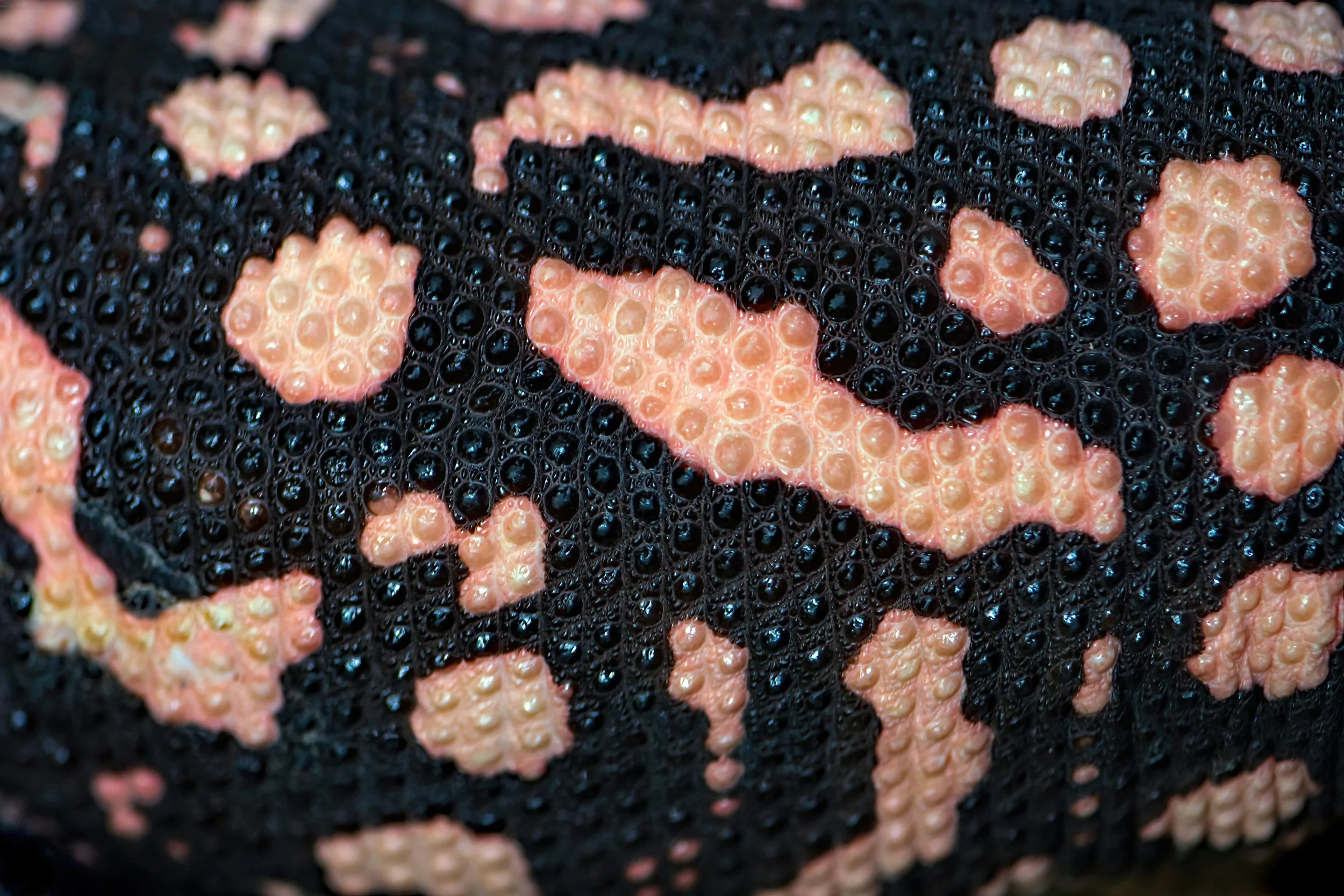
Gila monster venom paved the way for groundbreaking weight-loss and diabetes drugs like Ozempic, but its potential is just the tip of the fang. From tarantula venom aiding nerve research to cone snails delivering hypoglycemia-inducing toxins, venoms have evolved from biological weapons to pharmaceutical treasures. They act as nature’s Swiss Army knives, packed with peptides and proteins, offering targeted, potent solutions. Despite challenges like extinction and extraction, venom research reveals our shared molecular blueprints, promising innovations in cancer treatment, pain relief, and more—proving that even the deadliest bites can lead to life-saving breakthroughs. Venom Helped Create Weight-Loss Drugs. What Else Could It Do For Us? - The New York Times (gift article).

True to Self: Authenticity’s Inner Workings

What does authenticity mean? How to be more authentic. - The Washington Post (gift article) explores the profound psychological benefits of authenticity, framing it as a dynamic process of self-determination and alignment with personal values. Researchers argue that authenticity strengthens mental health, fosters meaningful relationships, and provides a deep sense of life purpose. Authenticity involves being truthful and actively choosing actions that resonate with one’s ideals, enhancing self-control, resilience, and decision-making. In contrast, inauthenticity can lead to anxiety and diminished life satisfaction. Individuals can find a more meaningful and fulfilling life path by pursuing goals rooted in personal values and staying open to evolving self-discovery.

Gene Insurance, No Coverage Guaranteed

As genetic testing becomes familiar, a troubling trend emerges: insurers are legally denying coverage based on genetic predispositions, creating a new form of discrimination. Kristen V. Brown highlights cases where individuals like “Bill,” a healthy man with a genetic marker for ALS, are refused policies or face inflated premiums due to perceived health risks. Though the Genetic Information Nondiscrimination Act (GINA) protects against genetic bias in health insurance and employment, life, disability, and long-term-care insurers face no such constraints. This legal gap fuels fears, deterring many from getting genetic tests that could aid in early disease prevention. They Were Denied Insurance After a DNA Test - The Atlantic.

Walk the Walk

Walking isn’t just a leisurely activity; it’s a powerful, accessible way to improve fitness, mental health, and weight management. This article details how adding intentional walking workouts—like intervals, step counting, and strength combos—can help you increase calorie burn and keep walks engaging. Fitness coach Michele Stanten shares top tips, including structuring walks as workouts and turning mundane steps into effective, fun routines. From desk-side walking pads to strolls during phone calls, you’ll find practical ideas to sneak in steps and reap walking’s full health benefits. How You Should Add Walking Workouts to Your Routine - Men's Health.

Pump Up Your Positive Vibes

Want to Feel Happier? Here’s How to Cultivate Positive Emotions. - The New York Times (gift article) delves into “reward sensitivity,” the psychological drive to seek and savor positive emotions. A clinical psychologist, Jenny Taitz outlines research-backed methods to help boost happiness, even for those prone to feeling low or anxious. Techniques include planning daily joyful activities, savoring the moment, expanding vocabulary for positive emotions, and visualizing uplifting outcomes. Taitz emphasizes that growing the habit of noticing and relishing joy strengthens one’s motivation to engage in future pleasurable experiences, transforming life’s small moments into meaningful mental boosts.

+An excellent app by the author of Permission to Feel: Unlocking the Power of Emotions to Help Our Kids, Ourselves, and Our Society to help with one of the suggestions of the article - expanding your feelings vocabulary. How We Feel App.

When Tired Minds Turn Testy

New research reveals that prolonged mental fatigue, or “ego depletion,” triggers changes in the brain’s frontal cortex, leading to increased aggression and diminished cooperation. During tasks requiring self-control, fatigued participants exhibited sleep-like brain activity, indicating localized “brain naps” in regions critical for decision-making. EEG scans confirmed these changes, showing that mental exhaustion disrupts impulse control and decision quality. Through economic games, fatigued individuals were found to be notably less cooperative and more hostile, underscoring the potential impact of mental fatigue on daily interactions, negotiations, and even legal scenarios. Mental Exhaustion Drives Aggressive Behavior - Neuroscience News.

Rat Race Reimagined

In a unique study, neuroscientist Kelly Lambert taught rats to drive mini cars, revealing that anticipation of enjoyable experiences may boost brain health and resilience. Rats that anticipated driving to earn a treat displayed behaviors linked to excitement, like standing with tails high. The study showed that positive experiences, not just stress, shape neuroplasticity and the brain’s ability to adapt. Lambert’s findings suggest that embracing joy and anticipation can transform behavior and mental health in rats and humans, underscoring the value of enjoying life’s journey, not just the destination. I’m a neuroscientist who taught rats to drive − their joy suggests how anticipating fun can enrich human life.

The Brain Isn’t the Only Keeper of Memories

Traditionally, memories are believed to reside solely in the brain, but a new study reveals that non-neural cells in the body also hold a memory function. Scientists at NYU found that cells outside the brain can “learn” and activate a memory gene in response to specific patterns of chemical signals, similar to how brain cells respond during spaced learning. This discovery suggests memory might be a cellular feature beyond the brain, potentially impacting future treatments for memory-related conditions and enhancing learning by targeting body-wide cellular responses. Memories are not only in the brain, human cell study finds (thanks, Amy!).

Forbidden Fruit Loophole: Why Some Banned Foods Make It to U.S. Plates

The U.S. food approval system allows certain additives banned in other countries to remain on American grocery shelves. Unlike Europe, which adopts a precautionary stance, the U.S. regulatory process is constrained by funding, industry influence, and a significant loophole: the “Generally Recognized as Safe” (GRAS) exemption. This GRAS policy lets companies self-determine safety without FDA review, leading to chemicals like titanium dioxide in foods despite potential risks. While some states are moving to ban specific additives, federal change remains slow, hindered by resource limitations and competing priorities within the FDA.Why US foods, including Halloween candy, have additives and chemicals banned in other countries | Vox.

055 - Forever Chemicals, Prebunking Misinformation, and Chronic Pain - HealthHippieMD Week In Review

Fiber Up

Fiber deficiency is a widespread issue, despite its numerous health benefits. Research suggests that fiber-rich diets promote healthier digestion, longer lives, and reduced risks of chronic conditions. Modern diets often fall short of recommended fiber intake, potentially due to processing that strips food of its fiber content. Experts advocate for gradually increasing fiber consumption through whole plant-based foods, such as legumes, whole grains, and fruits. These dietary adjustments can help prevent various health issues and support a well-balanced gut microbiome. Why is Fiber Good For You? And How to Eat More of It - The New York Times (gift article)

+and an article on the growing popularity of psyllium....Psyllium Husks Entice the Ozempic Generation - The New York Times

AI Transforming Music

3 ways AI is transforming music is an interesting article that mentions several sites I plan to explore.

Insurers' Unexpected Fees

As if insurers weren't making enough money, The Hidden Fee Costing Doctors Millions Every Year — ProPublicadiscusses how a powerful lobbyist's influence led to a federal agency allowing health insurers to charge fees on payments to doctors. The shift went largely unnoticed but financially impacted medical professionals. Doctors must now pay up to 5% in fees for electronic payments, creating an extra burden in an already strained healthcare system. As large insurers profit, doctors are left grappling with additional costs, potentially forcing some practices to close and increasing patient healthcare expenses.

+And more alleged shameless behavior by Cigna, one of the biggest U.S. healthcare insurers: Cigna Accused of Using AI, Not Doctors, to Deny Claims "The lawsuit says that Cigna relies on an algorithm, PxDx, to review and frequently deny medically necessary claims. According to court records, the system allows Cigna's doctors to "instantly reject claims on medical grounds without ever opening patient files." Using the system, the average claims processing time is 1.2 seconds."

Aristotle's Virtues for a Good Life

The Greek philosopher Aristotle offered a recipe for happiness, focusing not on seeking happiness but cultivating virtues to attract it. He identified ten virtues, including courage, temperance, liberality, magnificence, and more, which modern research indicates can lead to a happier life. These virtues encompass qualities like self-control, kindness, truthfulness, and forgiveness. By following this ancient wisdom and turning these virtues into habits, individuals can open the door to a life of well-being and contentment. Aristotle's 10 Rules for a Happy Life - The Atlantic

How Genes Shape Your Palate

New research has revealed 481 genome regions connected to dietary patterns and preferences for specific foods. These findings highlight the influence of genetics on our taste preferences, ranging from fruit to alcohol. Based on a large-scale genomics study, this comprehensive analysis is a significant advancement in understanding how genes impact our eating habits. The research could offer insights into nutritional needs and disease risks and guide interventions for healthier eating patterns. Your Genes May Influence What You Like to Eat - Scientific American

How to Say You're Sorry

How to Apologize Like a Pro - The Atlantic gives tips and tricks for life's inevitable disagreements and misunderstandings.

Academic M-AI-lfeasance

Academic journals struggle to spot the infiltration of generative AI in submitted papers. The use of AI to craft scholarly articles, like a recent fossil fuel efficiency study, is difficult to discern. Although some efforts have been made to enforce disclosure, many cases have slipped through. The evolving technology poses both benefits and risks. While AI can enhance non-native writers' language skills, undisclosed AI-written content could mislead, harm credibility, and even propagate AI-generated misinformation. The challenge of identifying AI-generated submissions grows as language models become more sophisticated, prompting researchers to advocate for improved detection tools and more transparent disclosure protocols. Use of AI Is Seeping Into Academic Journals—and It's Proving Difficult to Detect | WIRED

"Prebunking" Misinformation

Sander van der Linden, a University of Cambridge psychologist, pioneers a method to immunize people against fake news. Inspired by the concept of vaccines, van der Linden's approach involves exposing individuals to weakened misinformation to build cognitive defenses. His work began by countering climate change denial and evolved into collaborating with social media platforms like YouTube to display pre-video warnings about misinformation tactics. By partnering with technology giants and disseminating his ideas, van der Linden aims to empower individuals to prebunk false narratives and protect themselves against deceptive content. This Psychologist Wants To Vaccinate You Against Fake News | WIRED

Wegovy Origin Story

The article Where Ozempic, Wegovy and New Weight Loss Drugs Came From - The New York Times (gift article) explores the origin and enigmatic effectiveness of groundbreaking weight loss drugs like Ozempic and Wegovy. These medications offer hope for combating obesity, which affects a significant portion of the population. Unlike previous approaches, developing these drugs was not straightforward; researchers stumbled upon unexpected ways to induce weight loss. The drugs' mechanisms remain mysterious, exposing the brain to hormone levels never seen in nature. Despite this uncertainty, the drugs offer a new era of potential treatments for obesity.

Non-Pharmacological Approaches to Pain

The NCCIH has a page devoted to the efficacy of non-pharmacological approaches to pain relief: Chronic Pain: What You Need To Know | NCCIH

Forever Chemicals

The NY Times had an excellent (and sobering) article on "Forever chemicals: "'Forever Chemicals' Are Everywhere. What Are They Doing to Us? - The New York Times (gift article)

035 - Dumb Questions, Gallows Humor, and Synesthesia - HealthHippieMD Week In Review

In Pursuit of the Perfect Shot of Espresso

Understanding Espresso: A Six-Part Series Explaining What It Takes to Pull the Ideal Shot includes videos on "how to choose the right dose of coffee, ratio between the amount of ground and liquid coffee, brew time, grind size, brew temperature, and pressure."

The Wisdom of Dumb Questions

"Can you explain this to me like I barely know anything about this subject?" Asking "dumb" questions is an effective way to bring out the knowledge of experts: Stop Trying to Ask 'Smart Questions'

Exercise May Counteract the Negative Effects of Too Little Sleep

"a new study suggests that exercise could potentially help counteract the health consequences of not getting a proper amount of sleep." Exercise May Help Counteract the Toll of Poor Sleep, Study Suggests(gift article)

The Science of Habits

Are you trying to develop a good habit or break a bad one? Here are some science-backed tips to help: The science of habits. See also Atomic Habits: An Easy & Proven Way to Build Good Habits & Break Bad Ones.

Bad Actors of Health Insurance

Here's an article from ProPublica on how commercial health insurers automatically deny claims and how Cigna developed an incentive system that encourages the behavior. How Cigna Saves Millions by Having Its Doctors Reject Claims Without Reading Them

The Strange Benefits of Gallows Humor

"The most surprising result is that subjects which show the highest values with respect to black humor preference … show the lowest values regarding mood disturbance and aggression." Gallows humor: The surprising benefits of dark laughter

Cockroaches Diminishing Sweet-Tooth

Here is an interesting article about the cat-and-mouse game of cockroaches and human endeavors to eliminate them: Cockroaches have outsmarted us again

Aging and Microgravity

Microgravitational environments have all sorts of effects on the body. These scientists are trying to unravel the impact of space travel on aging: New Study Suggests One Aspect of Space Travel Can Accelerate Aging

Science-Backed Approaches to Depression

The incidence of depression increased during the pandemic. Here are some science-backed tips for combatting the blues: These Science-Backed Strategies Can Help "Hard to Treat" Depression

Measuring Fitness Minimizing Attention to Weight

Here are some factors to focus on instead of the scale: How Fit Are You? 3 Ways to Measure Without Focusing on Weight - The New York Times

Multiple Sclerosis: What the Science says about Complementary Approaches

The National Center for Complementary and Integrative Health published a great resource : Multiple Sclerosis and Complementary Health Approaches: What the Science Says

Friendship Recession

Americans without friends have increased by 250% in recent years. Lacking friends is as bad as smoking more than a dozen cigarettes daily. BigThink tackles the phenomenon: The friendship recession - Big Think

A Doctor's Experience with Ozempic

I read an interesting article by a physician who hopped on the glucagon-like peptide 1 (GLP-1) receptor agonist train--the weight loss drug taking the world by storm: What's It Like to Take Ozempic? A Doctor's Own Story

American Heart Association's Life's Essential 8

The AMA published a study looking at eight lifestyle factors and their association with life expectancy and chronic disease: Life's Essential 8: Higher Scores Extend Health Span

Ultra-processed Food and Cancer Risk

"A new analysis suggests that replacing even a small amount of ultra-processed foods with an equal amount of minimally processed options may reduce certain cancer risks." Ultraprocessed Foods and Cancer: Small Changes May Lower Risk

The Power of Walking

The NY Times had an ode to walking: Opinion | Whatever the Problem, It's Probably Solved by Walking (gift article)

How to Tell If Your Brain Needs a Break

We all suffer from brain slumps that impact our ability to do quality work. This is what to do when you're in one: How a Brain Break Can Increase Focus and Productivity

Synesthesia

What do Billy Joel, Billie Eilish, and Vincent van Gogh have in common?-They all experience(d) music in colors. Big Think explores the phenomenon of synesthesia: Billie Eilish, van Gogh, and the trippy science of synesthesia