Exercise

119 - Gratitude, Giving, Hypochondria, and Chocolate - HealthHippieMD Week In Review

Gratitude and Giving

Gratitude isn't just good manners—it's good mental health. A recent meta-analysis revealed a robust inverse relationship between gratitude and loneliness, showing that feeling thankful fosters connection and reduces isolation. Simple practices, like journaling three daily blessings or writing gratitude letters, help shift focus from negativity to positivity. This "gratitude muscle" strengthens with use, improving emotional resilience and overall well-being. Experts emphasize that gratitude doesn't demand perfection, only consistent effort. Whether acknowledging a friend's kindness or savoring small joys, gratitude offers a powerful antidote to loneliness and a path to mental clarity. Gratitude can improve our mental health. Here's how to create a practice. - The Washington Post (gift article).

+see also: Get Happier, Help Others: Some - Cautionary Tales with Tim Harford - Apple Podcasts

+see also: Why Giving is a Great Daily Ha - The Happiness Lab with Dr. Laurie Santos - Apple Podcasts

The Surprising Upside of Future Focus

Staying resilient can be difficult in challenging times, such as the COVID-19 pandemic. A study involving performing artists found that while mindfulness—being present in the moment—has benefits, hopefulness was a more effective strategy for resilience. Hope, a belief in an effort toward a better future, helped participants stay engaged, maintain positive emotions, and explore new possibilities during the pandemic. The study suggests that mindfulness isn't a one-size-fits-all solution and that cultivating hope can be a powerful tool for navigating prolonged adversity. Hope Can Be More Powerful Than Mindfulness | Scientific American.

Ketones and Brain Health

Ketone Bodies Clear Damaged Proteins in the Brain - Neuroscience News highlights ketone bodies as not just energy sources during fasting but also as "cleaners" for damaged proteins in the brain. The ketone body β-hydroxybutyrate helps clear misfolded proteins through autophagy, reducing harmful protein aggregation. Tested in Alzheimer's and aging mouse models, treated animals showed improved brain health and protein quality control. This discovery links metabolism to aging and neurodegeneration, suggesting ketone bodies as potential therapeutic agents for neurodegenerative diseases by enhancing protein clearance and supporting brain function. (Thanks, Amy!)

Your Friends Are Closer Than You Think

Recent research in remote Honduran villages reveals that our microbiomes are shaped by our social circles—direct friends and their connections. The study found that people who frequently interact, even without living together, share up to 10% of their gut microbes, compared to only 4% among those who don't. This suggests that social networks might play a significant role in health, potentially influencing conditions like depression and obesity through microbiome transmission. While this could reshape our understanding of health, close contact is still beneficial overall. Your Friends Shape Your Microbiome—And So Do Their Friends | Scientific American.

Aging Piecemeal

New research reveals that aging is not a uniform process—our organs, cells, and body parts can age at different rates. This study from Stanford highlights "organ aging," where, for example, someone's heart may age faster than their brain, or vice versa. Understanding the unique aging trajectory of each organ—your "ageotype"—could help manage health risks by customizing lifestyle choices. Factors like exercise and diet significantly influence which organs age more rapidly, suggesting that some aspects of aging are within our control. Why your organs may be aging faster (or slower) than the rest of you - The Washington Post (gift article).

Wealth of Wisdom

In the latest Huberman Lab podcast, host Dr. Andrew Huberman converses with Morgan Housel, author of The Psychology of Money. They explore how our attitudes toward earning, saving, and spending money shape our psychological well-being and perceptions of wealth. The discussion delves into common financial pitfalls, such as overspending and excessive saving, and offers strategies to use money to achieve psychological security, freedom, and a deeper sense of purpose. The episode also examines the effects of social media and wealth signaling on our internal reward systems, highlighting the importance of adopting healthy financial mindsets to enhance overall happiness. Morgan Housel: Understand & Apply the Psychology of Money to Gain Greater Happiness - Huberman Lab - Apple Podcasts.

The Chemistry Behind Balanced Learning

A recent study from Stanford reveals dopamine and serotonin work like opposing pedals: dopamine is the accelerator for rewards, while serotonin acts as the brakes, moderating impulsive behaviors. Both neurotransmitters are crucial for effective learning, enabling a balanced approach to reward-seeking and patience. Researchers used optogenetics in mice to demonstrate that dopamine increases during rewards while serotonin decreases, showing their opposing but complementary roles. These insights have potential implications for treating psychiatric conditions like addiction and depression, where the balance between these systems is often disrupted. Dopamine and Serotonin Work in Opposition for Effective Learning - Neuroscience News.

How Exercise Can Make or Break Your Sleep

Regular exercise can boost sleep quality, but the key lies in moderation and timing. High-intensity workouts late in the day may hinder restful sleep by elevating stress hormones and increasing core body temperature. For individuals with insomnia, following a structured moderate exercise routine, such as walking or cycling, can support better rest. Experts recommend pairing aerobic activity with mindfulness practices like yoga, tailoring workout intensity to individual needs, and maintaining consistent schedules to optimize sleep and recovery. How to Exercise for Better Sleep - The New York Times (gift article).

A Bitter-Sweet Revelation

A large study comparing dark and milk chocolate reveals that dark chocolate might offer metabolic benefits, potentially lowering the risk of Type 2 diabetes. The research analyzed health data from nearly 192,000 participants over 30 years, concluding that those who consumed at least five ounces of dark chocolate weekly had a 21% lower risk of developing diabetes than those who didn't. Milk chocolate offered no similar benefits, likely due to higher sugar content. The study suggests moderation is key, as dark chocolate is also higher in beneficial plant compounds like flavonoids. So, it turns out dark chocolate isn't just good for your soul—it might also keep your sugar in check. Talk about a sweet deal! What's the healthiest type of chocolate? A new study offers an answer. - The Washington Post (gift article).

Hypochondria - More Than Just In Your Head

Hypochondria, or intense health anxiety, is an actual mental illness with serious consequences, including higher risks of physical harm and suicide. It's not just "in your head"—it affects lives profoundly, sometimes leaving people unable to function normally. Recent research has distinguished two forms: illness anxiety disorder and somatic symptom disorder. Effective treatments like cognitive-behavioral therapy (CBT) and antidepressants are showing promise. Cyberchondria—over-researching symptoms online—often worsens anxiety. Recognizing hypochondria as a legitimate condition is crucial for compassionate care and positive outcomes. Why Hypochondria Can Be Deadly, and How Newer Treatments Help | Scientific American.

118 - Kindness, Humor, and Maple Syrup - HealthHippieMD Week In Review

Small Acts, Big Ripples

An upward spiral – how small acts of kindness and connection really can change the world, according to psychology research explores how small, intentional acts of kindness and connection can catalyze societal change. Drawing on psychology, the author highlights how collective “micro-activism” combats hopelessness by addressing cognitive dissonance and fostering empathy. Studies reveal that personal connections soften prejudices, shift attitudes, and strengthen communities, ultimately influencing societal structures. From bridging political divides to improving intergroup relations, Hinchey demonstrates the transformational potential of everyday compassion. By building intentional relationships, individuals spark a powerful “upward spiral” of positive change, proving that small actions can create impactful global ripples.

Why Humor Is Serious Business

According to psychologists, humor serves as an unconscious yet strategic coping mechanism, transforming stress into moments of joy and connection. By triggering laughter, it enhances creativity, broadens perspective, and offers physical benefits like improved breathing and relaxation. Socially, humor fosters bonds, yet it requires mindful application—misplaced or mean-spirited jokes can deepen divides. Experts caution against toxic positivity, suggesting humor be used in moderation, providing emotional reprieve while still processing life’s challenges. Ultimately, humor acts as a psychological balm, equipping us with “antibodies” to weather hard times.How Humor Can Help You Get through Hard Times | Scientific American.

The Science of Chuckles and Tickles

A study by Roza Kamiloglu at the Free University of Amsterdam identifies two core types of human laughter: tickling-induced and laughter sparked by everything else. Using 887 video samples and machine learning, researchers found that tickling laughter has unique acoustic traits that make it more recognizable, a feature possibly tied to its evolutionary roots in primate play and bonding. Unlike other laughter forms, which evolved later with human cognition, tickling laughs date back over 10 million years. These findings illuminate laughter’s role in social connection and its potential infectiousness. The two types of human laugh.

Sweet or Sour? The Truth About Sugar Substitutes

As consumers seek to reduce sugar intake, food manufacturers increasingly use artificial and natural sugar substitutes, such as stevia, monk fruit, and allulose, to meet demand. While these alternatives promise fewer calories, experts caution about their health implications. Research links artificial sweeteners to potential risks, including cancer, heart disease, diabetes, depression, and gut health issues. New “natural” substitutes may seem safer, but their long-term effects remain uncertain. Moderation is key, with experts advising reduced reliance on processed foods and careful label scrutiny to limit hidden sweeteners. Ultimately, a balanced diet of whole foods is the safest choice. Are newer sugar substitutes better for you than artificial sweeteners? - The Washington Post (gift article).

Sweet Benefits of Maple Syrup for Health

A clinical trial (partially sponsored by the Maple Syrup Industry) reveals that swapping refined sugars for maple syrup improves cardiometabolic health, reduces abdominal fat, and enhances gut microbiota. Published in The Journal of Nutrition, the study highlights maple syrup’s natural compounds, including anti-inflammatory polyphenols, which lower blood sugar, systolic blood pressure, and harmful gut bacteria while increasing beneficial strains. Participants consuming two tablespoons daily experienced notable health improvements over eight weeks. Researchers aim to expand these findings, solidifying maple syrup as a “smarter sweetener” and an effective tool in preventing metabolic diseases like diabetes and cardiovascular issues. Reducing Abdominal Fat: Researchers Uncover Surprising Health Benefits of Maple Syrup. (Thanks, Amy!).

How Fear Shapes Your Choices

Loss aversion, a cognitive bias rooted in human psychology, compels us to avoid losses rather than seek equivalent gains, often leading to risk aversion and suboptimal decisions. Stemming from evolutionary survival mechanisms, this bias influences various aspects of life, from investments to career choices. How Loss Aversion Controls Your Decisions Without You Knowing It explores its impact on decision-making, highlighting cases like Polaroid’s failure to adapt and the sunk cost fallacy’s grip. Strategies to counteract loss aversion include reframing outcomes, quantifying risks, conducting pre-mortem analyses, and building emotional resilience, enabling more balanced, growth-oriented decisions.

Brain Gains with a Little Strain

A Penn State study reveals that even light physical activity, such as walking or playing, can enhance cognitive processing speed, reversing four years of cognitive aging. By tracking 204 middle-aged adults through smartphone check-ins over nine days, researchers found mental speed improved after participants engaged in any physical activity, regardless of intensity. The findings suggest movement, not vigorous exercise, as the key to cognitive boosts. While the long-term effects remain uncertain, ongoing research aims to explore how daily habits influence brain health and dementia prevention, using cutting-edge digital tools to deepen understanding. Light exercise can yield significant cognitive benefits, new research shows.

ChatGPT Diagnoses Better than Doctors

A study revealed ChatGPT’s diagnostic prowess surpassed physicians, even when doctors used the chatbot. While ChatGPT achieved a 90% accuracy rate on medical case histories, doctors averaged 74-76%, highlighting overconfidence and underutilization of AI. Researchers noted doctors often disregarded ChatGPT’s insights, contradicting their initial assumptions. The findings underscore the untapped potential of AI as a “doctor extender,” emphasizing the need for better integration and training. Though AI’s linguistic models shine in diagnosis, the human-AI collaboration still faces hurdles rooted in trust and adaptation to technology’s full capabilities. ChatGPT Defeated Doctors at Diagnosing Illness - The New York Times (gift article).

Keep Calm and Carry On (Mindfully)

How to Stay Calm When the World Is in Chaos | Psychology Today, although written in 2020, is equally applicable today. The article explores strategies for maintaining composure in an increasingly chaotic world. It emphasizes acknowledging fear without letting it dominate, living with intention, and fostering inner peace. Suggestions include limiting exposure to anxiety-inducing news, setting boundaries with people who amplify distress, and taking small, meaningful actions to feel empowered. The piece highlights the role of mindfulness, particularly meditation, as a tool to anchor oneself in the present and reduce catastrophizing thoughts. Seeking support from trusted individuals or professionals is encouraged, reinforcing that while change is inevitable, inner resilience can help navigate uncertainty.

Tune Up Your Memories

Listening to music can change how you remember past events - The Washington Post (gift article) reveals how music can remix your memories, shifting their emotional tone. Research from the Georgia Institute of Technology shows that listening to emotionally charged music during memory recall can reshape how those moments are remembered. Brain scans revealed enhanced activity in emotional and memory-processing regions, suggesting music’s power to intertwine with and reframe past events. These findings open new possibilities for music-based therapies, particularly for PTSD and depression. Everyday soundtracks, too, might uplift your mood and subtly transform how you recall life’s moments in the future.

116 - Ailing America, Authenticity, Forbidden Fruit, and Venom - HealthHippieMD Week In Review

Ailing America: Why U.S. Healthcare Misses the Mark

Despite its wealth, technology, and high spending, the U.S. healthcare system ranks last among ten high-income countries across access, outcomes, and efficiency. With persistent insurance gaps, high out-of-pocket costs, and insufficient primary care access, Americans experience lower life expectancy and higher avoidable mortality than their peers. Even the best-performing U.S. states fall short of global standards. While structural issues such as poverty and inequality exacerbate challenges, reforms like broadening coverage, lowering costs, and strengthening primary care could significantly close the gap in healthcare performance. Why the U.S. Healthcare System Is So Much Worse Than Its Peers-Harvard Business Review.

Venom: The Bitter Pill That Heals

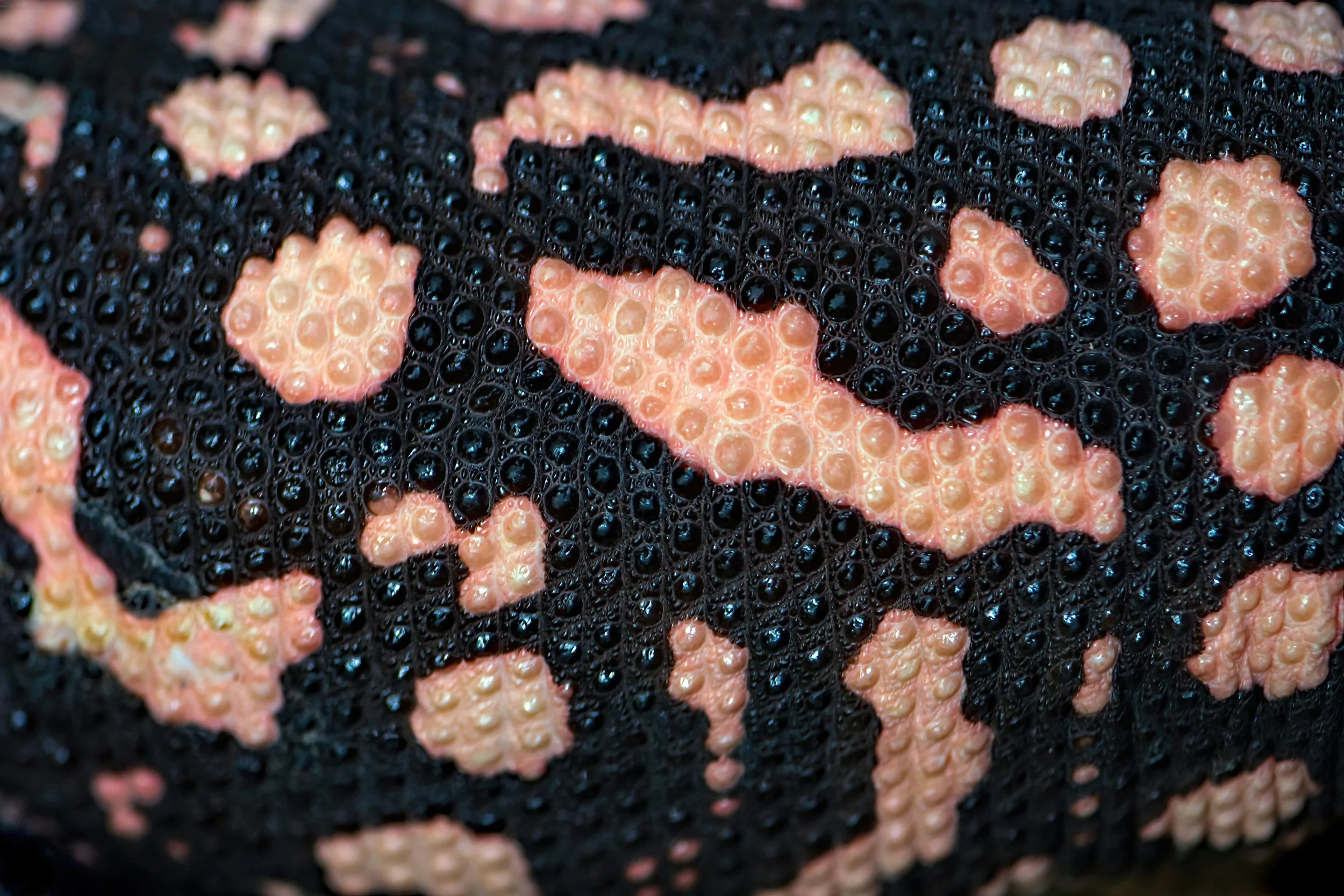
Gila monster venom paved the way for groundbreaking weight-loss and diabetes drugs like Ozempic, but its potential is just the tip of the fang. From tarantula venom aiding nerve research to cone snails delivering hypoglycemia-inducing toxins, venoms have evolved from biological weapons to pharmaceutical treasures. They act as nature’s Swiss Army knives, packed with peptides and proteins, offering targeted, potent solutions. Despite challenges like extinction and extraction, venom research reveals our shared molecular blueprints, promising innovations in cancer treatment, pain relief, and more—proving that even the deadliest bites can lead to life-saving breakthroughs. Venom Helped Create Weight-Loss Drugs. What Else Could It Do For Us? - The New York Times (gift article).

True to Self: Authenticity’s Inner Workings

What does authenticity mean? How to be more authentic. - The Washington Post (gift article) explores the profound psychological benefits of authenticity, framing it as a dynamic process of self-determination and alignment with personal values. Researchers argue that authenticity strengthens mental health, fosters meaningful relationships, and provides a deep sense of life purpose. Authenticity involves being truthful and actively choosing actions that resonate with one’s ideals, enhancing self-control, resilience, and decision-making. In contrast, inauthenticity can lead to anxiety and diminished life satisfaction. Individuals can find a more meaningful and fulfilling life path by pursuing goals rooted in personal values and staying open to evolving self-discovery.

Gene Insurance, No Coverage Guaranteed

As genetic testing becomes familiar, a troubling trend emerges: insurers are legally denying coverage based on genetic predispositions, creating a new form of discrimination. Kristen V. Brown highlights cases where individuals like “Bill,” a healthy man with a genetic marker for ALS, are refused policies or face inflated premiums due to perceived health risks. Though the Genetic Information Nondiscrimination Act (GINA) protects against genetic bias in health insurance and employment, life, disability, and long-term-care insurers face no such constraints. This legal gap fuels fears, deterring many from getting genetic tests that could aid in early disease prevention. They Were Denied Insurance After a DNA Test - The Atlantic.

Walk the Walk

Walking isn’t just a leisurely activity; it’s a powerful, accessible way to improve fitness, mental health, and weight management. This article details how adding intentional walking workouts—like intervals, step counting, and strength combos—can help you increase calorie burn and keep walks engaging. Fitness coach Michele Stanten shares top tips, including structuring walks as workouts and turning mundane steps into effective, fun routines. From desk-side walking pads to strolls during phone calls, you’ll find practical ideas to sneak in steps and reap walking’s full health benefits. How You Should Add Walking Workouts to Your Routine - Men's Health.

Pump Up Your Positive Vibes

Want to Feel Happier? Here’s How to Cultivate Positive Emotions. - The New York Times (gift article) delves into “reward sensitivity,” the psychological drive to seek and savor positive emotions. A clinical psychologist, Jenny Taitz outlines research-backed methods to help boost happiness, even for those prone to feeling low or anxious. Techniques include planning daily joyful activities, savoring the moment, expanding vocabulary for positive emotions, and visualizing uplifting outcomes. Taitz emphasizes that growing the habit of noticing and relishing joy strengthens one’s motivation to engage in future pleasurable experiences, transforming life’s small moments into meaningful mental boosts.

+An excellent app by the author of Permission to Feel: Unlocking the Power of Emotions to Help Our Kids, Ourselves, and Our Society to help with one of the suggestions of the article - expanding your feelings vocabulary. How We Feel App.

When Tired Minds Turn Testy

New research reveals that prolonged mental fatigue, or “ego depletion,” triggers changes in the brain’s frontal cortex, leading to increased aggression and diminished cooperation. During tasks requiring self-control, fatigued participants exhibited sleep-like brain activity, indicating localized “brain naps” in regions critical for decision-making. EEG scans confirmed these changes, showing that mental exhaustion disrupts impulse control and decision quality. Through economic games, fatigued individuals were found to be notably less cooperative and more hostile, underscoring the potential impact of mental fatigue on daily interactions, negotiations, and even legal scenarios. Mental Exhaustion Drives Aggressive Behavior - Neuroscience News.

Rat Race Reimagined

In a unique study, neuroscientist Kelly Lambert taught rats to drive mini cars, revealing that anticipation of enjoyable experiences may boost brain health and resilience. Rats that anticipated driving to earn a treat displayed behaviors linked to excitement, like standing with tails high. The study showed that positive experiences, not just stress, shape neuroplasticity and the brain’s ability to adapt. Lambert’s findings suggest that embracing joy and anticipation can transform behavior and mental health in rats and humans, underscoring the value of enjoying life’s journey, not just the destination. I’m a neuroscientist who taught rats to drive − their joy suggests how anticipating fun can enrich human life.

The Brain Isn’t the Only Keeper of Memories

Traditionally, memories are believed to reside solely in the brain, but a new study reveals that non-neural cells in the body also hold a memory function. Scientists at NYU found that cells outside the brain can “learn” and activate a memory gene in response to specific patterns of chemical signals, similar to how brain cells respond during spaced learning. This discovery suggests memory might be a cellular feature beyond the brain, potentially impacting future treatments for memory-related conditions and enhancing learning by targeting body-wide cellular responses. Memories are not only in the brain, human cell study finds (thanks, Amy!).

Forbidden Fruit Loophole: Why Some Banned Foods Make It to U.S. Plates

The U.S. food approval system allows certain additives banned in other countries to remain on American grocery shelves. Unlike Europe, which adopts a precautionary stance, the U.S. regulatory process is constrained by funding, industry influence, and a significant loophole: the “Generally Recognized as Safe” (GRAS) exemption. This GRAS policy lets companies self-determine safety without FDA review, leading to chemicals like titanium dioxide in foods despite potential risks. While some states are moving to ban specific additives, federal change remains slow, hindered by resource limitations and competing priorities within the FDA.Why US foods, including Halloween candy, have additives and chemicals banned in other countries | Vox.

107 - Booze and Bugs, Sound Health, and Akkermansia - HealthHippieMD Week In Review

Routine Recall

Sticking to repetitive routines might seem beneficial, but research reveals it can harm memory and cognitive function. Breaking free from habitual activities, such as doing the same workouts or eating the same meals, can improve mental stimulation, rewire your brain, and even increase happiness. Diversifying daily activities like cooking new recipes, learning new skills, or engaging in varied physical exercises promotes neuroplasticity and better cognitive health. Simple changes help stimulate the brain, enhance memory, and foster a greater sense of well-being. Keep your brain active by embracing novelty and variety. The #1 Habit to Break to Improve Your Memory.

Parkinson's Disease May Start in the Gut

A recent study adds weight to the theory that Parkinson's disease might originate in the gut rather than the brain. Researchers found that damage to the gastrointestinal lining, such as ulcers and esophagitis, increased the likelihood of developing Parkinson's later in life. The results support the "gut-first" hypothesis, which posits that misfolded proteins in the gut could spread to the brain through the vagus nerve, contributing to the onset of Parkinson's. Early detection and treatment of gut issues may be crucial in reducing this risk. Parkinson's may begin in the gut, study adds to growing evidence - The Washington Post (gift article).

Brain Fluid's Far-Reaching Voyage

Recent research reveals cerebrospinal fluid (CSF) may travel far beyond the brain and spinal cord, challenging long-held beliefs. Researchers injected fluorescent tracers and gold nanoparticles into mice's brain chambers and discovered the fluid reached peripheral nerves like the sciatic nerve. This breakthrough suggests CSF and peripheral nerves interact in ways not previously understood, potentially revolutionizing drug delivery to otherwise hard-to-reach nerves. While much is still unknown, these findings open new doors in neuroscience and pain management, especially for conditions like Ehlers-Danlos syndrome. Brain fluid may travel to distant parts of body | Science | AAAS (Thanks, Amy!).

Age is Just a Number (or is it?)

How much does aging affect mental acuity? It's debatable explores the complex relationship between aging and mental acuity, debunking common misconceptions about the elderly and cognitive decline. It highlights that age alone doesn't determine mental function—factors like lifestyle, genetics, and environmental influences play pivotal roles. While aging can affect reaction time and memory, the brain retains adaptability through new learning strategies. Cognitive frailty, distinct from dementia, can signal increased vulnerability to stress, but it isn't inevitable. The piece urges regular cognitive screenings, physical activity, and social engagement to support healthy brain aging and prevent mental decline.

Sound Health

The National Center for Complementary and Integrative Health of the NIH is considering expanding its Sound Health Initiative. The Sound Health Initiative aims to: 1. expand current knowledge and understanding of how listening, performing, or creating music involves intricate circuitry in the brain that could be harnessed for health and wellness applications in daily life, 2. explore ways to enhance the potential for music as therapy for neurological disorders, 3. identify future opportunities for research, and 4. create public awareness about how the brain functions and interacts with music. The NIH is requesting information to build research capacity through career-stage training programs potentially. Request for Information (RFI): Inviting Comments on Early Career Stage Training Programs to Support Capacity Building for Music and Health Research | NCCIH. +see also: Information from the joint NIH/National Endowment for the Arts December 2023 Workshop: Music as Medicine: The Science and Clinical Practice | NCCIH

The Thick Truth About Akkermansia

Akkermansia muciniphila, a probiotic microbe, is gaining attention for its potential health benefits, including weight management, better blood sugar control, and stimulating satiety hormones. While studies suggest higher levels of Akkermansia are linked to better metabolic health, its role is still under scrutiny due to limited research and possible side effects, including heightened vulnerability to pathogens. Despite the buzz and celebrity endorsements, experts urge caution and recommend prioritizing diet and exercise for gut health before turning to expensive supplements like Pendulum's probiotic products. A probiotic called Akkermansia claims to boost health. Does it work? - The Washington Post (gift article).

Buy Less, Do More

Buy Experiences instead of Possessions to Build Social Connection | Scientific American explores how purchasing experiences, rather than material goods, fosters deeper social connections. Research shows that shared experiences, like attending a concert or hiking, create a stronger sense of kinship than owning similar material items. Even when experiences differ in quality, they encourage bonding more than possessions. Reflecting on experiences also promotes a broader connection to humanity, countering loneliness and enhancing well-being. The article suggests prioritizing experiences over things for personal happiness and social cohesion and encourages policymakers to invest in public spaces for shared activities.

Booze and Bugs

How Does Alcohol Affect Your Gut Health? - The New York Times (gift article) explores the complex relationship between alcohol consumption and the gut microbiome. Heavy drinking can lead to imbalances in gut bacteria, inflammation, and a "leaky gut" that releases toxins into the bloodstream, potentially damaging the liver. While moderate alcohol consumption may not have the same harmful effects, research on its long-term impact is limited. Studies suggest red wine improves microbial diversity due to polyphenols, but reducing alcohol consumption is recommended to promote overall gut health and reduce the risk of various diseases.

Processed Predicaments

Are Some Ultraprocessed Foods Worse Than Others? - The New York Times (gift article) delves into a recent study analyzing the varying health risks associated with ultra-processed foods. Researchers found that certain types, like sugar-sweetened drinks and processed meats, pose a greater risk for cardiovascular disease than others, while some foods, like cereals and yogurts, might even offer nutritional benefits. The study emphasizes distinguishing between harmful and less harmful ultra-processed foods and recommends prioritizing whole, unprocessed foods for better health. Reducing processed meats and sugary beverages remains a crucial takeaway for healthier eating.

102 - Anxiety, Mood Movers, and Partnering for Wellness - HealthHippieMD Week In Review

Anxiety: A Double-Edged Sword

Anxiety isn’t all bad; it comes in two flavors: growth anxiety and toxic anxiety. Growth anxiety, akin to the stress felt before a big presentation, can enhance performance and foster resilience. This positive stress follows the Yerkes-Dodson Law, where moderate stress improves function. However, toxic anxiety, resulting from overwhelming or chronic stress, can lead to health issues like hypertension and cognitive decline. Recognizing and managing the types of anxiety can turn harmful stress into a tool for growth and strength, much like how physical exercise benefits the body. Anxiety Is Like Exercise - The Atlantic.

More Mind Over Matter

Anxiety, often viewed negatively, is a common human emotion that can be reframed as a catalyst for change. This video discusses how embracing concepts from Zen Buddhism and striving to achieve a ‘flow state’ can transform anxiety and enhance mental resilience. Experts Stephen Kotler, Wendy Suzuki, and psychiatrist Robert Waldinger provide insights on optimizing the brain to work harmoniously with our thoughts. By leveraging our physiology instead of resisting it, we can manage our minds more effectively, fostering unanxiousness and resilience for a more peaceful life. Reboot your mind for flow, unanxiousness, and resilience - Big Think.

Alzheimer’s: The Early Bird’s Conundrum

Scientific American highlights new guidelines proposing Alzheimer’s diagnosis based on biomarkers before cognitive symptoms appear. These biomarkers identify brain changes linked to Alzheimer’s, shifting focus from symptomatic to pre-symptomatic stages. While early detection can enhance research and potentially lead to preventive measures, it raises ethical and practical concerns. Critics argue about the psychological burden of knowing one’s risk and the possible misuse of such diagnoses by insurance and employers. The debate underscores the need for a balanced approach to integrating early diagnostic techniques into clinical practice, ensuring patient protection and informed decision-making. Controversial New Guidelines Would Diagnose Alzheimer’s Before Symptoms Appear | Scientific American.

Stay Cool and Hydrated

In scorching summer heatwaves, staying hydrated is critical to avoid heat-related illnesses like heat exhaustion and heat stroke. Experts from Scientific American explain that water needs vary per individual, influenced by activity, age, and health conditions. Thirst isn’t a reliable indicator; frequent urination and pale yellow urine are better hydration markers. Besides water, foods and certain beverages contribute to hydration. For those sweating excessively, electrolyte replenishment is advised. Staying hydrated ensures optimal body functions, preventing severe complications from underhydration, especially during extreme heat. How to Stay Hydrated During a Summer Heatwave, According to Experts | Scientific American.

The Power of ‘I Statements’ in Relationships

Couples counselors advocate using “I statements” to reduce conflict and defensiveness in relationships. This technique involves expressing one’s feelings and needs without accusing the partner, thus fostering better communication and understanding. The key lies in expressing genuine emotions, practicing regularly, and choosing the right moments to communicate, turning “I statements” into a powerful tool for healthier relationships. Couples Counselors’ Advice on Communication Strategy - The New York Times (gift article).

Exercising Caution with Fitness Fables

8 Fitness Myths That Drive Experts Crazy - The New York Times (gift article) debunks eight prevalent fitness myths that often mislead enthusiasts. Stretching before workouts, lifting heavy weights to build muscle, running damaging knees, and walking being sufficient for aging fitness are all challenged. Experts explain that dynamic warm-ups are better than static stretches and lighter weights can be as effective as heavy ones. Running doesn’t necessarily harm knees, and strength training is crucial alongside walking for older adults. Other myths dispelled include the necessity of 10,000 steps a day, ice baths for recovery, and strength training neglected by runners and cyclists. Misconceptions can lead to injury, emphasizing informed fitness choices.

Mood Movers

Exercise isn’t just about physical health; it also boosts your mood by triggering a complex cocktail of neurochemicals like endocannabinoids, dopamine, serotonin, and oxytocin. While the benefits might take about three weeks of consistent activity, maintaining a workout routine that raises your heart rate for at least 30 minutes can significantly improve your mood. For optimal results, make your workouts social and mix up your routine with different types of exercises. Finding an enjoyable activity is key to reaping the emotional rewards of physical fitness. How to Exercise to Improve Your Mood - The New York Times (gift article).

Nurse Practitioners Impacting Patient Safety

The increasing reliance on nurse practitioners (NPs) in the US healthcare system, fueled by a surge in graduates from mostly online programs, raises alarms about patient safety. This expansion, driven by the cost-efficiency of employing NPs over physicians, results in undertrained practitioners handling complex cases, sometimes with fatal outcomes. The lack of standardized, rigorous training, particularly in clinical settings, exacerbates these risks. Stories of tragic errors, like the mismanagement leading to Fred Bedell’s death, highlight the urgent need for tighter educational standards and oversight in the burgeoning NP field. This issue is important to me. I nearly escaped becoming a statistic because of the mismanagement of anaphylaxis by a nurse practitioner. Is the Nurse Practitioner Job Boom Putting US Health Care at Risk? - Bloomberg.

Healthy Hurdles: Partnering for Wellness

When one partner ignores health issues, frustration often arises in relationships. Experts recommend collaborating rather than confronting and expressing affection and concerns without judgment. Strategies include offering support, actively listening to health anxieties, and providing concrete help, like scheduling appointments or accompanying visits. If direct encouragement fails, enlist trusted friends or family for reinforcement. This approach fosters better health outcomes and strengthens the partnership by addressing underlying fears and anxieties together. Such proactive steps ensure mutual well-being and a shared commitment to long-term health. Your Partner is Ignoring a Health Issue. Now What? - The New York Times (gift article).

101 - Nonprofit Hospital Illusion, Genetic Discrimination, and Microbial Athletic Edge - HealthHippieMD Week In Review

Long COVID: An Unsettling Puzzle

Long COVID, a widespread post-infection condition, affects millions globally, significantly impacting health and economies. Despite over 24,000 scientific publications, understanding still needs to be completed. The risk of long COVID has declined due to vaccines and viral changes, yet millions still suffer. It manifests in over 200 symptoms, from respiratory issues to neurological and metabolic disorders, severely impacting daily life and work. Recent studies suggest persistent viral presence and immune dysfunction as causes. Misleading public narratives downplay its threat, but data shows COVID-19 remains a severe and ongoing health risk.Long COVID puzzle pieces are falling into place – the picture is unsettling.

The Need for Genetic Discrimination Safeguards

The increasing popularity of genetic testing, with millions sharing their DNA for health and ancestry insights, raises critical concerns about genetic discrimination. Genetic data, often inadequately secured, poses risks if accessed by insurance companies or employers, leading to potential discrimination. This article highlights the ambiguity in defining genetic discrimination, drawing parallels to historical eugenics. Despite existing laws, varying definitions complicate protection efforts. Newer tests, like those measuring biological age, further complicate the landscape. Policymakers face challenges in creating robust protections, while individuals are urged to scrutinize data-sharing terms and understand their rights. Why we need safeguards against genetic discrimination | MIT Technology Review.

VR: The Body Image Game-Changer?

Virtual reality (VR) is emerging as a promising tool to tackle body image disturbances. These disturbances, often linked to eating disorders and body dysmorphic disorder, stem from faulty multisensory integration, leading to distorted body perceptions. VR-based "embodiment illusions," like the "rubber hand illusion," can trick the mind into feeling it inhabits a different body, potentially realigning these perceptions. Research shows that people with higher body image disturbance are more susceptible to these illusions, which can reduce perceptual distortions and negative emotions about body size and shape. While promising, further research is needed to understand the long-term effects and ethical implications. Can Virtual Reality Help Folks With Body Image Disturbance?

Dream Cuisine

Sleep deprivation affects about one-third of Americans, leading to severe health issues. However, improving sleep quality is achievable through specific dietary habits. Consuming foods rich in tryptophan, like turkey, fish, eggs, and nuts, combined with healthy carbs, can enhance melatonin production, promoting better sleep. Adopting a Mediterranean diet high in fiber, zinc, B vitamins, and magnesium can also aid sleep. Avoiding inflammatory foods such as sugary cereals and saturated fats is crucial. A consistent eating schedule and incorporating gut-friendly foods like yogurt and fermented items can further support restful sleep. 8 Eating Habits That Improve Your Sleep | TIME.

The Nonprofit Hospital Illusion

Many major nonprofit hospitals are barely charitable, maintaining tax-exempt status while running numerous for-profit ventures. They exploit legal loopholes, enjoy regulatory leniency, and engage in extensive lobbying to operate like big businesses yet avoid taxes. Their activities include owning for-profit insurers, venture capital firms, and hospitals abroad. Despite significant earnings, they report "operating surpluses" instead of profits. Critics argue these hospitals should lose tax benefits as their community contributions are minimal compared to the financial advantages they gain. The article calls for stricter regulations and more accountability to prevent such exploitation. Opinion | Many hospitals are nonprofit in name only, and get away with it - The Washington Post (gift article).

The Microbial Edge in Athletic Performance

Endurance athletes constantly seek ways to enhance their performance, often focusing on optimizing their mitochondrial health through rigorous training and precise nutrition. However, emerging research highlights the gut microbiome as a crucial yet overlooked factor in athletic excellence. The gut microbiome, a complex community of microorganisms, aids in nutrient absorption, immune function, and even communication with mitochondria. Elite athletes often exhibit unique microbiomes that directly impact performance and boost VO2 max and lactate thresholds. Integrating microbiome-friendly foods and probiotics into diets can significantly enhance endurance and recovery, presenting a new frontier in sports nutrition. Athletes looking for a competitive edge may find it within their gut microbiome.

+see also: Do Gut Bacteria Improve Athletic Performance? (yes, if you're a mouse, and maybe if you're a human) — HealthHippieMD.

Fun Fitness Challenges Await

7 Fitness Tests to Gauge Your Strength and Mobility - The New York Times (gift article) introduces seven fitness tests to assess strength, mobility, and overall fitness. These tests range from measuring flexibility and balance to evaluating power and VO2 max, catering to various fitness levels. The tests include simple activities like standing on one leg, gripping a bar, and rapidly getting out of a chair. They aim to provide a comprehensive snapshot of one's fitness, helping individuals track progress and set achievable goals. Whether you're training for a marathon or just curious about your fitness, these tests offer valuable insights and fun challenges.

Mind Over Matter

Advanced meditation is revolutionizing our understanding of consciousness. Neuroscientist Matthew Sacchet delves into the brain's behavior during deep meditative states. Unlike mindfulness practices for stress reduction, advanced meditation explores profound states of ecstatic bliss, deep insights, and compassionate experiences. Sacchet, who has meditated since childhood, uses a multidisciplinary approach to study these states, combining personal experiences, wisdom traditions, and empirical neuroscience. His research aims to unlock advanced meditation's potential for enhancing mental health and well-being and even integrating with psychedelics and AI for deeper consciousness insights. Altering Consciousness with Advanced Meditation | Scientific American.

Canines Catch Your Cortisol

Research from the University of Bristol reveals that dogs can detect human stress through scent, specifically the cortisol hormone in sweat. In the study, dogs were exposed to sweat samples from stressed and relaxed volunteers. The results showed that dogs became more pessimistic about ambiguous situations after smelling stress-induced sweat, suggesting they emotionally react to human stress. This emotional contagion between humans and dogs likely evolved for mutual survival benefits. The findings emphasize the profound empathetic bond between humans and their canine companions, highlighting the impact of human emotions on dog behavior. When Dogs Smell Your Stress, They Act Sad | Scientific American.

096 - TV Trap, Fiber Fix, and Sound Health - HealthHippieMD Week In Review

TV Trap for Healthy Aging

A Harvard study reveals a strong inverse correlation between TV watching and healthy aging. Researchers found that for every two additional hours of TV time, the likelihood of aging healthily decreased by 12%. This effect was independent of other sitting forms, suggesting a unique risk associated with TV time. Data from over 45,000 women in the Nurses Health Study showed that those who limited their TV watching to less than three hours per week had significantly better odds of aging healthily. Replacing TV time with physical activity further improved these odds. Doing this one thing may improve your odds of healthy aging - Los Angeles Times.

The New Health Consensus on Alcohol

Alcohol, once considered a heart-friendly indulgence, is now recognized for its health risks even in moderation. Recent studies debunk the myth of beneficial drinking, revealing links to heart disease, cancer, and brain shrinkage. This shift in public health messaging has led to new guidelines and warnings, notably in Ireland and Canada. The pandemic's spike in alcohol consumption has also driven interest in alcohol-free alternatives. As society reevaluates its relationship with alcohol, individuals face personal decisions on the trade-offs between social enjoyment and health risks. Is That Drink Worth It to You? - The New York Times (gift article).

+see also: Ozempic, weight loss drugs could help fight addiction: study.

Sound Health

Music isn't just a delight for the ears; it's medicine for the soul. Research shows that music can significantly enhance mental and physical well-being. A 2022 review of 26 studies revealed that music interventions improve mental health-related quality of life. Brainwave entrainment plays a crucial role, where our brain syncs with musical rhythms. Additionally, music therapy increases heart rate variability, indicating better stress adaptation. Artists contribute to this therapeutic potential by creating diverse soundscapes. While the science is still evolving, it's clear that hitting play on your favorite track can be a powerful tool for healing. Music as medicine: The therapeutic potential of sound - Big Think.

+and if you're interested in this topic, the NIH published links to the Music as Medicine: The Science and Clinical Practice Workshop Summaries and Video Recordings: Music as Medicine: The Science and Clinical Practice | NCCIH.

Optimism Unleashed

Optimism is not about ignoring negative emotions but embracing them and focusing on positive outcomes. Optimistic people enhance their mental health and resilience by practicing mindfulness, expressing gratitude, engaging in positive self-talk, and staying in the present moment. They view failures as learning opportunities and surround themselves with supportive individuals. Saying "no" to things that deplete them and maintaining a good sense of humor also contribute to their positive outlook. Adopting these habits can help anyone cultivate a more positive mindset and improve overall well-being. Want to Be More Positive? Here Are 10 Things Optimistic People Do.

Sniffing Out Parkinson's

Joy Milne, a woman with an extraordinary sense of smell, detected a unique odor on her husband years before he was diagnosed with Parkinson's. Her ability to identify the scent has led to groundbreaking research on early disease detection. Joy's hyperosmia has allowed her to collaborate with scientists, identifying specific chemicals in sebum linked to Parkinson's. Her contributions may revolutionize early diagnosis and treatment, offering hope for early intervention. Joy's journey underscores the untapped potential of olfactory science in medical diagnostics. The Woman Who Could Smell Parkinson's - The New York Times (gift article).

The Warmth Behind Sentience

The article explores the role of warm-bloodedness in the evolution of sentience. Nicholas Humphrey suggests that maintaining a constant high body temperature, unique to birds and mammals, enabled significant changes in lifestyle and brain functionality. This physiological trait allowed animals to remain active across diverse climates and enhanced brain efficiency, fostering complex cognitive functions. The increased nerve conduction speed and reduced refractory period in warmer brains likely facilitated the development of consciousness. Thus, the evolution of warm-bloodedness played a critical role in shaping the autonomous and self-aware minds of mammals and birds. Did warm-bloodedness pave the path to sentience? - Big Think.

Counterfeit Calamity

Counterfeit Ozempic, a diabetes drug repurposed for weight loss, has become a lucrative global black market. Amid soaring demand and global shortages, counterfeiters exploit the gaps in the pharmaceutical supply chain, distributing fake versions that can cause severe health risks. This intricate network involves small-time intermediaries, criminal organizations, and unscrupulous distributors. As authorities struggle to track and control these fake medications, the health of desperate patients, who often fall victim to too-good-to-be-true deals, hangs in the balance. The FDA and pharmaceutical companies are racing against time to curb this growing threat. Why Counterfeit Ozempic Is a Global-Growth Industry | Vanity Fair.

+see also: Eli Lilly cracks down on counterfeit Zepbound and Mounjaro.

Walking Back the Pain

A recent study published in The Lancet confirms that regular walking can significantly reduce the recurrence of lower back pain. Researchers followed 701 adults with a history of back pain, splitting them into two groups: one receiving a personalized walking program and the other with no intervention. The walking group experienced nearly twice as long without pain recurrence as the control group. This study bolsters existing evidence that physical activity, including walking, is an effective, accessible remedy for back pain, offering a cost-effective alternative to clinical treatments. How Helpful Is Walking for Lower Back Pain? - The New York Times (gift article).

Fiber Fix: Gut Reaction to Chronic Inflammation

Recent research highlights the profound impact of diet on gut microbiome health and chronic inflammation. Diets rich in fiber and whole foods can reduce inflammation and prevent diseases like cancer and cardiovascular issues. Jennifer Wargo, an oncologist, emphasizes the importance of consuming 50 grams of fiber daily to manage inflammation. Mediterranean diets, rich in fruits, vegetables, and healthy fats, have shown significant anti-inflammatory effects. Conversely, diets high in processed foods increase inflammation markers. Ultimately, dietary choices, particularly fiber intake, can act as medicine, enhancing disease prevention and treatment. What foods you really need to eat to reduce inflammation.

092 - Sleeping Your Way to the Top, Mellow Yellow, and The Brain Microbiome - HealthHippieMD Week In Review

May 26th is my 60th birthday. As a gift to me, please pass this newsletter on to at least one person you think might be interested. I'd love to double my readership. Thanks for reading and your ongoing support!

Forgive and Let Live

In the podcast, Feel Better, Live More with Dr Rangan Chatterjee: #448 A Proven Prescription for Health and Happiness: Why Being Able To Forgive Improves Your Physical & Mental Wellbeing Dr. Rangan Chatterjee discusses the importance of forgiveness with Dr. Fred Luskin, a clinical psychologist from Stanford University. Dr. Luskin, the director of the Stanford University Forgiveness Projects, emphasizes that forgiveness is a crucial yet often overlooked component of health. He argues that while diet, exercise, stress, and sleep are vital, the ability to forgive can significantly improve both mental and physical wellbeing. According to Dr. Luskin, forgiveness is a perspective that can lead to profound healing and a happier life. (Thanks, Megan).

Hard Facts on Stool

Michael Harrop's Human Microbes has created a controversial black market for fecal microbiota transplants (FMT), used to treat conditions like cystitis and irritable bowel syndrome. Despite the FDA only approving FMT for Clostridioides difficile, desperate patients like Alexandra seek alternative cures from this underground source. Despite lacking medical credentials, Harrop matches "super-donors" with buyers, selling stool for $1,000 per dose. While some report miraculous recoveries, medical experts warn of severe risks and unknown long-term effects, urging caution and further research. Fecal microbiota transplant: Inside the black market for human poop.

Fit or Fat

A recent study by the University of Aberdeen reveals that exercise enhances the body's ability to metabolize saturated fats. The research focused on the "athlete's paradox," which observes that endurance athletes and people with type 2 diabetes store high levels of muscle fat. Through an eight-week experiment involving 29 athletes and 30 people with diabetes, researchers discovered that exercise enables people with diabetes to store and burn saturated fat efficiently, mirroring the athletes' fat metabolism. The study underscores the importance of regular physical activity for improving fat metabolism and overall metabolic health. Exercise improves storage and burning of saturated fat, study finds.

3 M's Sticky Situation

ProPublica's exposé reveals how Kris Hansen, a chemist at 3M, discovered toxic "forever chemicals" (PFAS) in human blood. Initially tasked with verifying external lab results, Hansen confirmed that PFAS contamination was widespread, even in the general population. Despite her findings, 3M executives suppressed the information, halting her research and enforcing secrecy. Decades later, the EPA is now demanding the removal of these chemicals from drinking water. Hansen, who remained silent for years, now grapples with the environmental and health implications of her discovery and 3 M's long-held secrets. How 3M Execs Convinced a Scientist the Forever Chemicals She Found in Human Blood Were Safe — ProPublica.

A Sobering Solution?

Scientists have developed a hydrogel that may be the answer to hangover woes and alcohol-related health issues. Crafted from whey protein and enhanced with iron atoms, sugar molecules, and gold nanoparticles, this gel breaks down alcohol in the gastrointestinal tract. In mouse experiments, it significantly reduced blood alcohol levels and prevented liver damage, weight loss, and gut problems. This novel hydrogel holds promise for both social drinkers and those with chronic alcohol issues, potentially serving as a groundbreaking remedy and preventative measure against alcohol's harmful effects. Clinical trials in humans are anticipated soon. Is this the hangover cure we've been waiting for?

The Brain Microbiome

Recent research suggests that the brain might have its own microbiome, challenging the long-held belief that the brain is a sterile organ. Initial studies from 2013 found non-human genetic material in brain tissue, hinting at the presence of bacteria and viruses. More recent investigations have discovered bacteria and fungi in the brains of both healthy individuals and those with Alzheimer's disease. However, the mechanisms by which these microbes enter the brain remain unclear. This discovery could open new avenues for treating neurological diseases, but further research is needed to fully confirm and understand these findings. Wait, The Brain Has Its Own Microbiome? What New Research Tells Us.

Mellow Yellow

A recent study reveals that D-limonene, a terpene found in citrus fruits and cannabis, reduces anxiety when combined with THC, the psychoactive component in marijuana. Conducted by Johns Hopkins University, the double-blind study involved 20 participants inhaling various doses of THC and limonene. Results showed that higher doses of limonene significantly decreased anxiety and paranoia. While the exact mechanism remains unclear, the study suggests limonene's potential as an anxiolytic agent. This research highlights the need for empirical testing of terpenes' effects, challenging unverified marketing claims in the medicinal cannabis industry. A New Study Found This Molecule Is Linked to Less Anxiety While Stoned.

Sleep Your Way to the Top

In How to Buy Yourself a Longer Life - The New York Times (gift article), Frank Bruni explores Equinox's new luxury membership, "Optimize," costing $40,000 annually and featuring services like a sleep coach, nutritionist, and personal trainer. This deluxe package aims to enhance fitness and longevity, reflecting an increasing obsession among the wealthy with extended youth. Bruni critiques this trend, highlighting the growing economic segregation and the extravagant ways the affluent flaunt their wealth and seek to optimize their lives, underscoring a deepening divide in American society.

Garden Your Way to a Healthier You

Gardening offers multifaceted benefits for both mind and body. Engaging in activities such as shoveling mulch and pulling weeds counts as moderate-intensity exercise, contributing significantly to physical activity goals. Beyond the physical, gardening provides mental health perks, including stress reduction and a sense of purpose. Emilee Weaver from the North Carolina Botanical Garden highlights how nurturing plants can be deeply fulfilling. Studies support these claims, showing that gardeners are more active and enjoy better mental health than non-gardeners. The article briefly mentions exposure to the soil microbiome and its association with mental health. The Health Benefits of Gardening - The New York Times (gift article).

Prior Authorization Frustration

Medicare Advantage plans, touted for reducing waste and inappropriate care, are increasingly criticized for unnecessarily restricting coverage. This issue is starkly illustrated by Marlene Nathanson's experience, whose stroke recovery was abruptly interrupted when her plan denied further treatment coverage. Despite significant progress in therapy, she was given just 48 hours to leave her rehabilitation facility. Traditional Medicare seldom requires prior authorization, but nearly all Advantage plans do, particularly for high-cost services. With more than half of Medicare beneficiaries enrolled in these plans, such denials are becoming alarmingly common. When 'Prior Authorization' Becomes a Medical Roadblock - The New York Times (gift article).

085 - Healthcare AI, Love's Faces, and Crafting a Sharper Mind - HealthHippieMD Week In Review

Timing is Everything

The optimal time for exercise is influenced by circadian rhythms, which govern physiological and behavioral patterns over a 24-hour cycle. Research shows that exercise timing can impact health and athletic performance. Morning exercise may help align the body's circadian rhythms, while afternoon exercise is often associated with peak physical performance. Muscle cells have their clocks, which can be trained to optimize performance at specific times of day. Consistency in exercise timing may also be beneficial for long-term health. Studies are exploring how exercise timing can be used to manage conditions like metabolic syndrome and diabetes, with some evidence suggesting that afternoon exercise may be more beneficial for those with Type 2 diabetes. However, the science is not yet settled, and individual preferences and schedules should be considered when determining the best time to exercise. Best time to exercise? How circadian rhythms affect your workout and your health: Shots - Health News : NPR (thanks, Wendy!).

Love's Familiar Faces

The concept of a romantic "type" may stem from psychological comfort rather than random attraction. Studies suggest we're drawn to partners with similarities in physical, psychological, and educational traits, often due to demographic factors and "assortative mating." Familiarity also plays a role, as we may seek partners who remind us of past relationships, reinforcing our perceptions of love. Understanding these patterns can help us consciously navigate our romantic choices, recognizing the importance of openness and self-awareness in our relationships. Where Your Romantic 'Type' Comes From - The Atlantic.

Allergy Apocalypse

In a conversation with Yasmin Tayag from The Atlantic, the "allergy apocalypse" is discussed as rising temperatures contribute to longer and more intense pollen seasons. Traditionally marked by tree pollen in early spring, followed by grasses and ragweed, allergy seasons are now starting earlier and lasting longer due to warming temperatures and increased carbon dioxide levels. This change has led to more people experiencing allergy symptoms, even those who previously had a higher tolerance for pollen exposure. The article also explores the impact of allergies on daily life and the limited options for managing symptoms, emphasizing the need for precautions like checking pollen counts and reducing exposure. The increasing pollen levels are causing individuals to spend less time outdoors, impacting their relationship with nature and the enjoyment of warmer seasons. The allergy apocalypse is here - The Atlantic.

Weighing the Odds

Altimmune's experimental weight loss drug, Pemvidutide, has shown promising results in a phase-2 trial, successfully minimizing muscle mass loss. In contrast to other weight loss drugs, which often lead to a higher rate of lean muscle loss, Pemvidutide's clinical study of 391 subjects revealed an average weight loss of 16% over 48 weeks, with 75% of this loss attributed to fat and only 25% to lean mass. This ratio closely mirrors that achieved through diet and exercise. The preservation of lean mass is crucial, especially for women and older people, as excessive loss can result in conditions like sarcopenia and bone fractures. Amidst the booming demand for weight loss drugs, several pharmaceutical companies are racing to introduce new and improved options, with Novo Nordisk even developing a more potent drug following the success of Wegovy and Ozempic.

Daniel Kahneman's Legacy of Learning from Errors

The world lost a titan this week. Daniel Kahneman, the renowned psychologist and Nobel laureate, passed away at 90, leaving a legacy of intellectual humility. Known for his groundbreaking work in behavioral economics and cognitive biases, Kahneman was unique in his persistent admission of his own mistakes, both in public and private. His book, Thinking, Fast and Slow reflects his lifelong journey of self-correction, highlighting the human propensity for errors and the importance of acknowledging them. Kahneman's approach to science was marked by constantly reevaluating his beliefs and an openness to learning from mistakes, a rare quality that made his contributions to psychology and economics invaluable. Even in the face of controversies, such as the reproducibility crisis in psychology, he remained a proponent of rigorous scrutiny and honesty in scientific research. Kahneman's work and willingness to admit faults have left an indelible mark on the field, emphasizing the importance of embracing our fallibility and striving for greater understanding. Daniel Kahneman Was Sometimes Wrong, and Always Right - The Atlantic.

Crafting a Sharper Mind

The New York Times article explores the cognitive and emotional advantages of engaging in hands-on activities like writing, gardening, and knitting. Neuroscience Professor Kelly Lambert highlights the brain's significant investment in hand movement and suggests that working with our hands may offer unique rewards, such as improved problem-solving skills and stress management. Studies indicate these activities can enhance memory, attention, and mental health. Moreover, handwriting, in particular, has been shown to stimulate more elaborate brain activity compared to typing. While the exact mechanisms remain under investigation, the consensus is that hands-on tasks, which require fine motor control and mental engagement, can benefit brain health and well-being. Working With Your Hands Is Good for Your Brain - The New York Times. (gift article).

Healthcare AI in the Economist

The latest Technology Quarterly features AI in healthcare:

Nerve-aid

Neurona Therapeutics' experimental epilepsy treatment, involving brain-cell transplants, shows promising early results. Justin Graves, a volunteer in the trial, experienced a significant reduction in seizures after receiving lab-made neurons injected into his brain. Developed as a breakthrough for stem-cell technology, this treatment uses cells converted to an embryonic-like state to manufacture young, healthy tissue. The therapy aims to restore balance in brain activity by growing inhibitory interneurons that quell electrical misfires causing seizures. While the treatment's long-term efficacy and consistency are yet to be confirmed, the initial success stories offer hope for a new, non-destructive approach to treating epilepsy, potentially shifting the current surgical paradigm. Brain-cell transplants are the newest experimental epilepsy treatment | MIT Technology Review.

084 - Digital Doppelgangers, Whispers in White Noise, and Optimism in Longevity - HealthHippieMD Week In Review

Digital Doppelgangers: Revolutionizing Diabetes Management

Twin Health has innovated a groundbreaking approach to managing type 2 diabetes by creating digital twins of the human body. These virtual avatars are built using multiple data points from sensors and AI algorithms to generate a personalized model of a patient's metabolism. The digital twin continuously learns from real-time data, offering tailored predictions and recommendations for managing blood sugar levels. In a clinical trial, patients using this technology saw significant reductions in blood sugar levels, with nearly 73% achieving remission after a year. The future of this technology promises a personalized and proactive approach to managing chronic diseases like diabetes, potentially transforming global healthcare standards. Interestingly, in 2014, I wrote a proposal for NLM and then NIDDK for this exact purpose. My proposal went unfunded, but seeing I was on the right track is rewarding. Digital twins are an effective new way to control your metabolism.

Sitting on a Time Bomb

A recent study by the University of California, San Diego (UCSD) has unveiled alarming findings about the health risks associated with prolonged sitting. Tracking 5,856 women aged 63 to 99 over a decade, researchers discovered that those sitting for more than 11 hours daily had a 57% higher risk of death compared to those sitting for less than 9.5 hours. Contrary to popular belief, even regular moderate-to-vigorous exercise couldn't offset the dangers of excessive sitting. However, an Australian study suggests that walking 9,000 to 10,500 steps daily could reduce the risk of premature death, even for habitual sitters. The discrepancies between studies might be due to different methods of measuring sitting time. The UCSD study's robust evidence underscores the importance of minimizing sitting time and breaking it up with periods of standing or walking, which aligns with World Health Organization guidelines. Sitting Is Even Deadlier Than We Thought, A New Study Reveals.

The Concussion Conundrum

The article explores the misconceptions surrounding concussion treatment, highlighting the story of Conor Gormally, who suffered multiple concussions. For years, the medical advice for concussion recovery emphasized total rest, but emerging research indicates that active rehabilitation, involving activities like exercise, reading, and screen time, is more effective. Despite this shift in understanding, many patients still receive outdated advice to "cocoon" themselves in rest, delaying their recovery. The article calls for a change in how concussions are treated, emphasizing the need for updated medical education and patient-centered care. Concussion: there's an insidious myth about a common sports injury. Even doctors believe it.

Optimism's Role in Longevity

The New Science of Optimism and Longevity explores the biological significance of optimism in promoting healthy aging and reducing disease risk. People with optimistic mindsets exhibit better cardiovascular, pulmonary, metabolic, and immunological health, leading to lower incidence of age-related illnesses and reduced mortality. A 2019 review found that optimists have a 35% lower risk of cardiovascular events and tend to live 11-15% longer than pessimists. The article also discusses the potential of optimism in slowing down cellular aging, as evidenced by studies on telomere shortening. While genetics play a role, optimism can be cultivated through social relationships and positive thinking practices, offering a strategy for enhancing physical and mental well-being.

Whispers in the White Noise

Have you ever heard mysterious voices or music in your white noise machine? You're not alone. This phenomenon, known as auditory pareidolia, occurs when your brain tries to match patterns in continuous noise, like white noise, with familiar sounds. It's a normal brain function, not a sign of schizophrenia or other psychological disorders. Experts explain that our brains are pattern-matching machines, constantly searching for recognizable sounds in the noise we hear. While it might be unsettling to listen to these phantom sounds, there's no need for concern unless you hear them without any noise present. If you're bothered by these sounds, try switching to a different type of noise or moving away from the source. Why You Hear Voices in Your White Noise Machine | WIRED.

The Impact of Electronic Music on Consciousness

Electronic music isn't just for dancing; it can also significantly alter our consciousness. Research shows that electronic music's repetitive beats and rhythms can induce trance-like states, impacting brainwave patterns and emotions. This effect is not only utilized by club-goers but also by therapists for meditation and relaxation. The article explores how electronic music's unique characteristics can influence our mental and emotional well-being, offering a new perspective on the power of music in shaping our state of mind. Brain beats: How electronic music can alter our state of consciousness. +see also Electronic music appears to alter our state of consciousness | New Scientist (subscription required)

Disconnect to Reconnect

Finding a healthy relationship with our devices is crucial in an age where technology is omnipresent. 5 Tips for a Healthier Relationship With Your Phone - The New York Times (gift article) offers practical advice for managing screen time without completely unplugging. Key suggestions include being mindful of automatic urges to check devices, limiting phone use while on the move, scheduling short tech breaks, creating an environment that encourages less phone usage, and ensuring that technology serves you, not the other way around. These tips help individuals regain control over their digital lives and foster a more balanced interaction with their gadgets.

Cool Your Jets

A comprehensive review of 154 studies by Sophie L. Kjaervik and Brad Bushman has revealed that traditional methods of managing anger, such as hitting a punching bag or jogging, may be ineffective. Instead, activities that decrease physiological arousal, like deep breathing, muscle relaxation, yoga, meditation, and mindfulness, have significantly reduced anger and aggression across various settings and populations. The research challenges the notion that venting anger is beneficial, highlighting that simple and accessible techniques can be more effective for anger management. This study offers evidence-based strategies for better anger control, promoting healthier outcomes and societal well-being. Chilling out rather than blowing off steam is a better way to manage anger − new review of 154 studies reveals what works.