Wellness

121 - Grief Relief, Fighting Time, Diet and Dementia Risk - HealthHippieMD Week In Review

121 HealthHippie Newsletter Audio Overview

Food for Thought: How Diet Fuels Dementia Risk

Researchers discovered a clear link between inflammatory diets and increased dementia risk, analyzing 10 years of data from the Framingham Heart Study Offspring cohort. High Dietary Inflammatory Index (DII) scores were associated with all-cause dementia and Alzheimer's disease, suggesting that anti-inflammatory diets could play a preventive role. Although promising, these findings require further validation.Dementia Incidence Linked to Inflammatory Foods | MedPage Today (Thanks, Amy!)

Grief Relief: Navigating the Holidays with Compassion

The holiday season intensifies grief for many, but experts offer strategies for coping, including expressing emotions, engaging in rituals, and creating new traditions. Supporting loved ones involves empathy, practical help, and listening without judgment. Prolonged grief disorder, recognized in 2022, highlights the need for targeted interventions. How to Manage Holiday Grief in Yourself and Others | Scientific American.

Cultural Prescription: Art for What Ails You

Engaging in arts and culture isn't just entertaining—it's scientifically proven to enhance health, happiness, and productivity. A groundbreaking UK study reveals that occasional participation in cultural activities, from concerts to drawing classes, alleviates depression, pain, and loneliness, generating a societal financial benefit of £8 billion annually. Arts engagement boosts cognitive function, reduces reliance on medication, and supports preventative healthcare goals. Researchers highlight these benefits as personal and pivotal to public health, urging against cuts to arts funding. This study underscores art's power to enrich life, making it an essential component of wellness strategies.
Consuming arts and culture is good for health and wellbeing, research finds. (Thanks, Laura!).

Prescription for Competition: PBMs and Drug Pricing Woes

Pharmacy Benefit Managers (PBMs) control drug prices and coverage, but market concentration among a few dominant players stifles competition and inflates costs. While PBMs negotiate discounts, their practices often limit generics and create opaque pricing. Experts call for regulatory reforms to ensure fair competition and consumer savings. What are pharmacy benefit managers? A health economist explains how lack of competition drives up drug prices for everyone.

Antibody Aging Hacks: Fighting Time with Science

Antibodies, vital in combating infection, may now target aging itself. Recent studies reveal their potential to extend lifespan, rejuvenate tissues, and fight age-related diseases. Antibody therapies offer a revolutionary approach to aging, from targeting senescent cells to reducing inflammation. Could these medical breakthroughs be the future of anti-aging Antibodies Could Soon Help Slow the Aging Process.

Mind Your Brain: Practical Tips for Cognitive Wellness

Simple lifestyle changes—like better sleep hygiene, yoga, mindfulness, and gardening—can enhance cognitive and emotional health. Embrace the joy of missing out (JOMO) and make small, impactful shifts to protect your brain. Our best tips for cognitive health - The Washington Post (gift article.)

Mark Hyman's Functional Medicine Empire

Dr. Mark Hyman's functional medicine empire spans supplements, books, and diagnostics, merging holistic care with high-profile allies like Robert F. Kennedy Jr. Despite criticisms of unproven methods, his focus on root-cause medicine aligns with rising interest in preventative health. How RFK Jr's Longtime Friend Mark Hyman Built a Wellness Empire - The New York Times (gift article).

Tackling Depression with VNS Therapy

Vagus Nerve Stimulation (VNS) offers hope for treatment-resistant depression, with recent trials showing improved quality of life for patients with long-term depressive symptoms. Though FDA-approved, limited insurance coverage hinders access. How stimulating the body's largest nerve may relieve severe depression.

Longer Life, Shorter Straws

While global life expectancy has risen, Americans face a grim trade-off: more years of life spent sick. The U.S. lifespan-healthspan gap now averages 12.4 years, the widest globally. Women fare worse, with conditions like musculoskeletal and neurological diseases driving disparity. Researchers attribute this to a "disease paradox," where surviving acute illnesses leads to chronic conditions. The data calls for urgent reform in healthcare priorities to focus on extending not just years, but quality of life. Americans are living longer—but most of the extra time is spent being sick.

Patience in Peril: Conquering the Waiting Game

Anticipating test results can be as stressful as bad news itself. Experts recommend replacing passive distractions with immersive activities like exercise or puzzles to curb anxiety. Avoid "doomscrolling" for diagnoses, and instead, craft clear action plans with healthcare providers to regain control. Even if coping mechanisms falter, there's solace in preparedness—those who worry the most often adapt best to outcomes. Learn to wait wisely and reclaim peace in uncertain moments. How to Stay Calm While Waiting For a Test Result - The New York Times (gift article).

Covid's Lingering Gut Troubles

Post-Covid gastrointestinal issues, from IBS to chronic pain, are an unwelcome surprise for many survivors. Studies show up to 40% of Covid patients experience lasting digestive symptoms, often linked to inflammation or microbiome imbalances. Fortunately, targeted diets, mindfulness techniques, and medical interventions offer relief. While recovery varies, experts stress the importance of early intervention and holistic approaches to managing these life-altering conditions. How Covid Can Change Your Gut - The New York Times (gift article).

Lawn and Order: Farming the Front Yard

In Los Angeles, lawns are transforming into sustainable micro-farms, thanks to Crop Swap LA. These hyper-local gardens provide fresh produce to food-insecure families while using a fraction of the water that grass demands. The initiative, founded by Jamiah Hargins, turns suburban spaces into eco-friendly hubs, demonstrating that small-scale farming can fight food insecurity and environmental waste simultaneously.Growing Food Instead of Lawns in California Front Yards - The New York Times (gift article).

Algorithm Checkup: Regulating AI in Medicine

With AI-driven tools increasingly guiding healthcare decisions, experts warn of unregulated risks in clinical algorithms. A new rule under the Affordable Care Act aims to prevent biases in medical AI but leaves gaps for non-AI tools. Researchers stress the need for consistent standards across all clinical decision aids to ensure transparency and equity in patient care. AI in health should be regulated, but don't forget about the algorithms, researchers say.
116 - Ailing America, Authenticity, Forbidden Fruit, and Venom - HealthHippieMD Week In Review

Ailing America: Why U.S. Healthcare Misses the Mark

Despite its wealth, technology, and high spending, the U.S. healthcare system ranks last among ten high-income countries across access, outcomes, and efficiency. With persistent insurance gaps, high out-of-pocket costs, and insufficient primary care access, Americans experience lower life expectancy and higher avoidable mortality than their peers. Even the best-performing U.S. states fall short of global standards. While structural issues such as poverty and inequality exacerbate challenges, reforms like broadening coverage, lowering costs, and strengthening primary care could significantly close the gap in healthcare performance. Why the U.S. Healthcare System Is So Much Worse Than Its Peers-Harvard Business Review.

Venom: The Bitter Pill That Heals

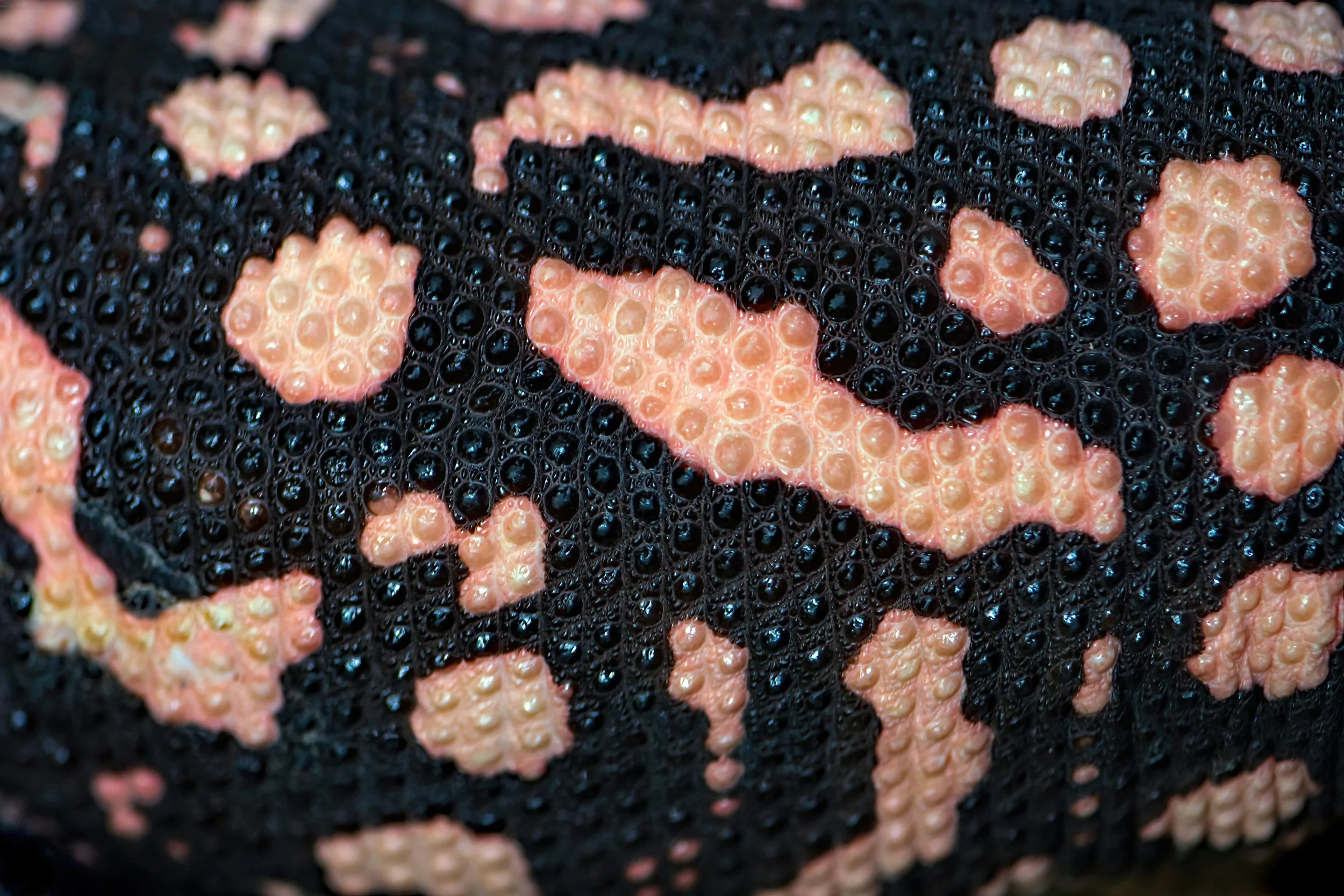
Gila monster venom paved the way for groundbreaking weight-loss and diabetes drugs like Ozempic, but its potential is just the tip of the fang. From tarantula venom aiding nerve research to cone snails delivering hypoglycemia-inducing toxins, venoms have evolved from biological weapons to pharmaceutical treasures. They act as nature’s Swiss Army knives, packed with peptides and proteins, offering targeted, potent solutions. Despite challenges like extinction and extraction, venom research reveals our shared molecular blueprints, promising innovations in cancer treatment, pain relief, and more—proving that even the deadliest bites can lead to life-saving breakthroughs. Venom Helped Create Weight-Loss Drugs. What Else Could It Do For Us? - The New York Times (gift article).

True to Self: Authenticity’s Inner Workings

What does authenticity mean? How to be more authentic. - The Washington Post (gift article) explores the profound psychological benefits of authenticity, framing it as a dynamic process of self-determination and alignment with personal values. Researchers argue that authenticity strengthens mental health, fosters meaningful relationships, and provides a deep sense of life purpose. Authenticity involves being truthful and actively choosing actions that resonate with one’s ideals, enhancing self-control, resilience, and decision-making. In contrast, inauthenticity can lead to anxiety and diminished life satisfaction. Individuals can find a more meaningful and fulfilling life path by pursuing goals rooted in personal values and staying open to evolving self-discovery.

Gene Insurance, No Coverage Guaranteed

As genetic testing becomes familiar, a troubling trend emerges: insurers are legally denying coverage based on genetic predispositions, creating a new form of discrimination. Kristen V. Brown highlights cases where individuals like “Bill,” a healthy man with a genetic marker for ALS, are refused policies or face inflated premiums due to perceived health risks. Though the Genetic Information Nondiscrimination Act (GINA) protects against genetic bias in health insurance and employment, life, disability, and long-term-care insurers face no such constraints. This legal gap fuels fears, deterring many from getting genetic tests that could aid in early disease prevention. They Were Denied Insurance After a DNA Test - The Atlantic.

Walk the Walk

Walking isn’t just a leisurely activity; it’s a powerful, accessible way to improve fitness, mental health, and weight management. This article details how adding intentional walking workouts—like intervals, step counting, and strength combos—can help you increase calorie burn and keep walks engaging. Fitness coach Michele Stanten shares top tips, including structuring walks as workouts and turning mundane steps into effective, fun routines. From desk-side walking pads to strolls during phone calls, you’ll find practical ideas to sneak in steps and reap walking’s full health benefits. How You Should Add Walking Workouts to Your Routine - Men's Health.

Pump Up Your Positive Vibes

Want to Feel Happier? Here’s How to Cultivate Positive Emotions. - The New York Times (gift article) delves into “reward sensitivity,” the psychological drive to seek and savor positive emotions. A clinical psychologist, Jenny Taitz outlines research-backed methods to help boost happiness, even for those prone to feeling low or anxious. Techniques include planning daily joyful activities, savoring the moment, expanding vocabulary for positive emotions, and visualizing uplifting outcomes. Taitz emphasizes that growing the habit of noticing and relishing joy strengthens one’s motivation to engage in future pleasurable experiences, transforming life’s small moments into meaningful mental boosts.

+An excellent app by the author of Permission to Feel: Unlocking the Power of Emotions to Help Our Kids, Ourselves, and Our Society to help with one of the suggestions of the article - expanding your feelings vocabulary. How We Feel App.

When Tired Minds Turn Testy

New research reveals that prolonged mental fatigue, or “ego depletion,” triggers changes in the brain’s frontal cortex, leading to increased aggression and diminished cooperation. During tasks requiring self-control, fatigued participants exhibited sleep-like brain activity, indicating localized “brain naps” in regions critical for decision-making. EEG scans confirmed these changes, showing that mental exhaustion disrupts impulse control and decision quality. Through economic games, fatigued individuals were found to be notably less cooperative and more hostile, underscoring the potential impact of mental fatigue on daily interactions, negotiations, and even legal scenarios. Mental Exhaustion Drives Aggressive Behavior - Neuroscience News.

Rat Race Reimagined

In a unique study, neuroscientist Kelly Lambert taught rats to drive mini cars, revealing that anticipation of enjoyable experiences may boost brain health and resilience. Rats that anticipated driving to earn a treat displayed behaviors linked to excitement, like standing with tails high. The study showed that positive experiences, not just stress, shape neuroplasticity and the brain’s ability to adapt. Lambert’s findings suggest that embracing joy and anticipation can transform behavior and mental health in rats and humans, underscoring the value of enjoying life’s journey, not just the destination. I’m a neuroscientist who taught rats to drive − their joy suggests how anticipating fun can enrich human life.

The Brain Isn’t the Only Keeper of Memories

Traditionally, memories are believed to reside solely in the brain, but a new study reveals that non-neural cells in the body also hold a memory function. Scientists at NYU found that cells outside the brain can “learn” and activate a memory gene in response to specific patterns of chemical signals, similar to how brain cells respond during spaced learning. This discovery suggests memory might be a cellular feature beyond the brain, potentially impacting future treatments for memory-related conditions and enhancing learning by targeting body-wide cellular responses. Memories are not only in the brain, human cell study finds (thanks, Amy!).

Forbidden Fruit Loophole: Why Some Banned Foods Make It to U.S. Plates

The U.S. food approval system allows certain additives banned in other countries to remain on American grocery shelves. Unlike Europe, which adopts a precautionary stance, the U.S. regulatory process is constrained by funding, industry influence, and a significant loophole: the “Generally Recognized as Safe” (GRAS) exemption. This GRAS policy lets companies self-determine safety without FDA review, leading to chemicals like titanium dioxide in foods despite potential risks. While some states are moving to ban specific additives, federal change remains slow, hindered by resource limitations and competing priorities within the FDA.Why US foods, including Halloween candy, have additives and chemicals banned in other countries | Vox.

044 - Biophilic Design, Hallucinations, and Erasing Memories - HealthHippieMD Week In Review

Strobe Lights Induce Visual Hallucinations

Wired U.K. featured a story about Dreamachine, where people experience hallucinatory effects through stroboscopic lights and music. The project aims to explore the impact of stroboscopic lights on the brain and investigate the neural basis of visual experience. Participants, even with closed eyes, reported vivid and kaleidoscopic visual experiences. The Dreamachine's potential applications extend to mental health therapy due to the reported common emotion of peace experienced by participants. This Machine Makes You Hallucinate | WIRED

Erasing Psychedelic Trips for the Good of Science

To address criticisms of psychedelic research, scientists at the University of Wisconsin–Madison Transdisciplinary Center for Research in Psychoactive Substances conducted a pilot study involving eight individuals, exploring the possibility of combining psychedelics with memory erasure. The study addresses the challenge of studying psychedelics in traditional randomized clinical trials due to the subjective nature of the experiences and the role of expectations. By exploring innovative study designs, scientists strive to better understand psychedelics' effects and potential therapeutic applications. Scientists Gave People Psychedelics—and Then Erased Their Memory

The Whimsy of Honoring Body Donors

Medical students and faculty members across the United States are organizing gratitude ceremonies to honor body donors who have contributed to medical research and education. These ceremonies involve music performances, speeches, and artistic expressions, allowing students to express appreciation for the donors who have served as their "first patients." The ceremonies aim to re-humanize the donors, recognizing their selfless acts and the sacrifice made by their families. The events provide closure and foster a sense of gratitude while imparting essential lessons in ethics and professionalism. Honoring the Body Donors Who Are a Medical Student's 'First Patient' (gift article)

Conversational Receptiveness: Mastering the Art of Disagreement

To have better disagreements, change your words – here are four ways to make your counterpart feel heard and keep the conversation going discusses the importance of changing our words and behaviors during disagreements to foster productive conversations. Instead of solely focusing on persuading others, the research suggests adopting a communication style called "conversational receptiveness." This style involves four key elements: hedging claims, emphasizing agreement, acknowledging the opposing perspective, and reframing to the positive. By employing these techniques, conversations become less confrontational and more constructive, allowing both parties to feel heard and maintaining relationships.

Rousing Revelations: Some Mental Illness May Have Autoimmune Origin

WaPo published a story about a groundbreaking case involving April Burrell, a catatonic woman diagnosed with schizophrenia. Researchers discovered that lupus, an autoimmune disease, attacked April's brain, leading to severe symptoms. After targeted treatments, including immunotherapy, April regained consciousness after being trapped in her mind for over two decades. This discovery has the potential to revolutionize the care for psychiatric patients worldwide and reshape the way mental illnesses are diagnosed and treated, bringing hope to "forgotten souls" who were deemed untreatable. How autoimmune disease can attack the brain, cause psychiatric symptoms - The Washington Post (gift article)

Function Over Flaws

A revolutionary new health metric called human functioning could alter the treatment of chronic illnesses. Traditionally, health has been measured based on morbidity and mortality rates, focusing solely on disease and death. However, the proposed metric considers a person's illness and available resources to gauge their condition's impact on daily life activities. This approach aims to shift the healthcare system toward a patient-centered approach, promoting well-being and enabling individuals to live their best lives. This New Metric For Health Could Revolutionize How We Treat Chronic Illnesses

Byte-Size Nutrition

Artificial intelligence (A.I.) nutritionist apps are revolutionizing healthy eating by offering personalized diet solutions. These apps use A.I. algorithms to analyze data on an individual's blood sugar, microbiome, and other metabolic measurements. By understanding how different foods affect each person's body, these apps can suggest healthier meal options. While personalized nutrition is still evolving, A.I. programs hold the potential for addressing obesity, heart disease, and other health concerns. Here Come the Artificial Intelligence Nutritionists

+A reminder, buyer-beware when it comes to A.I. advice (although the chatbot mentioned in this article is different than ChatGPT): An Eating Disorder Chatbot Is Suspended for Giving Harmful Advice^4a50c0

Music and Health: The Evidence

The NCCIH has a web page focused on Music and Health: What You Need To Know.

Nature at Home: A Prescription for Well-being

WaPo had an article about the science-backed concept of "biophilic design" that promotes connecting with nature indoors. 7 ways to bring nature into your home, according to science. (gift article)

Green Brain: Brain Aging Delayed with Mediterranean Diet

A recent study reveals that a Mediterranean diet can slow brain aging. The research indicates that a mere 1% reduction in body weight resulted in brains appearing almost nine months younger. Greener Diet, Younger Brain: Mediterranean Diet Slows Brain Aging.

Ultra-processed Food and Sleep Quality

"No study had previously investigated what happens if we consume an unhealthy diet and then compare it to the quality of sleep after that person follows a healthy diet." In this small preliminary study, an unhealthy diet impacted each individual's sleep quality. Junk Food vs. Sleep: New Study Reveals Impact of Diet on Sleep Quality.

039 - Centenarian Excrement, Creativity, and Cannabinoids - HealthHippieMD Week In Review

How to Make Peace with Your Feelings

How Leaning Into Negative Emotions Can Help Your Mental Health (gift article) is about accepting negative emotions for what they are: part of the human experience. What you do with the experience strongly influences your health and well-being.

Generative AI in Medicine

Wired had a story about ways generative AI will impact medicine, along with several caveats: ChatGPT Can Help Doctors—and Hurt Patients.

The Two Personality Traits that Predict Well-being

If you lack either (I'm strongly introverted, not extroverted), hope is not lost. Study Finds 2 Personality Traits Predict Well-being — But Don't Worry if You Don't Have Them.

The World's Rarest Eye Colors

Do you have one of the six rarest types of eye color? Read What Is the Rarest Eye Color?.

Is Alcohol in Moderation Good for You?

The Great Alcohol Health Flip-Flop Isn't That Hard to Understand—if You Know Who Was Behind It is an interesting article on how the supposed health benefits of a small amount of alcohol have been turned on its head, again.

What You See Is Not Always What You Get

The NY Times had an article about a recent publication in JAMA focused on melatonin gummies: "A team of researchers analyzed 25 melatonin gummy products from different brands and found that 22 contained different amounts of melatonin than what was listed on their labels; one contained only 74 percent of the advertised amount of melatonin, while another had 347 percent of the labeled amount. Yet another product contained no detectable melatonin at all." 22 Out of 25 Melatonin Products Were Mislabeled, Study Finds. (gift article) See also: ConsumerLab: Independent Testing of Supplements and Botanicals.

Hope

The Atlantic had an interesting article, Why Economists Should Study Hope, that discusses why hope is so important and how to cultivate more.

The Quest for Longevity

The Quest for Longevity Is Already Over is an interesting read. One of the points I strongly agree with in the article is that extending healthspan (the length of time one is healthy) is far more important than extending longevity (the length of time one lives).

Oura Partners with Best Buy

I love my Oura smart ring. I've worn mine for years. The hardest part of the purchase process was the sizing. Sizing will be less of an issue as you can soon walk into Best Buy and find a fitting station. The article Oura Is Proof That Smart Rings Are Here to Stay discusses the Oura Ring and some of the upcoming competitors.

Cannabis, Cannabinoids, and Delta-8 THC / Delta-10 THC

Cannabis-derived products like delta-8 THC and delta-10 THC have flooded the US market – two immunologists explain the medicinal benefits and potential risks is a quick overview of some of medicinal and side effects of cannabinoids. The article discusses hemp, cannabis, and a few of the cannabinoids.

Creativity / Rick Rubin

I enjoy writing words and music. I'm not good at either, but the process brings me joy. Rick Rubin's new book is about the creative process: The Creative Act: A Way of Being: Rubin, Rick. I've been a big fan of Rubin's Broken Record Podcast. I also enjoyed watching Rick Rubin: The 60 Minutes Interview - CBS News and hearing him interviewed on Rick Rubin on How to Make Something Great. I'm adding the book to my "must-read" list.

Brainstorming with ChatGPT

Wired had an article on how to brainstorm better with the generative AI platform: 6 Tips for Using ChatGPT to Brainstorm Better

What Can We Learn About Aging from Centenarian Excrement?

The longest-living people have a more diverse microbiome than their less healthy peers. A study published this month, Longevity of centenarians is reflected by the gut microbiome with youth-associated signatures looked at the gut microbiomes of centenarians — individuals who've reached or surpassed a century in age — and compared them against old, middle-aged, and young adults. Their results showed, "regardless of health status, the centenarians had a unique enterotype that is a combination of the two found in young adults aged 20 to 44 — Bacteroides — and older adults — Escherichia and/or Shigella." Read the study synopsis here: Centenarians Have Super Healthy Gut Microbiomes — Can This Help Us Live Longer?

Pill Popping Polypharmacy

"Getting people off drugs is unfamiliar terrain for modern health systems, mostly set up to put patients on them. But that is beginning to change. Doctors, pharmacists, and nurses are setting up "deprescribing networks" to try to spread the word." The Economist published an article on the overprescription of medication: Too many people take too many pills.

FDA-Approved Video Games

Much of my research at Duke focused on using video game technology in healthcare and healthcare education. It was fantastic to read this synopsis of Akili [^1] and EndeavorRX, an FDA-approved video game for treating ADHD. I can think of many more uses of the platform. The story behind an FDA-Approved Video Game Treatment for ADHD


[^1]: I am an Akili Interactive shareholder.

026 - Organic Fraud, Self-Schemas, and Improving Creativity - HealthHippieMD Week In Review

Wellness on Wheels

Wellness on Wheels Is Possible discusses how car makers are building "wellness" into their new vehicles in an attempt to decrease driving fatalities.

Attention, Attention

The ability to focus is an essential skill for physical and mental wellness, yet modern society pulls our attention in multiple directions. How to unlock your "peak mind" discusses the implications of poor attention and how to build your capacity to pay attention.

Soloman's Paradox

King Solomon was wise when it came to other people, but he was less successful in taking care of his personal affairs. The dichotomy gives rise to Soloman's Paradox, the fact that most people are better at advising others than themselves. How to use "Solomon's paradox" to give yourself good life advice discusses how to overcome the phenomenon.

Are Protein Bars Healthy?

Protein bars have come a long way since they were invented in the San Francisco Bay Area in the 1980s. Although many people associate "protein" with health, many choices are ultra-processed and high in sugars and additives. In the long run, you're always better off with whole food: Are Protein Bars Good for You? What to Know About Nutrition. (gift article)

How to Change your Habits to Exercise in the Morning

The jury is still out on what is better for you, exercising in the morning vs. the evening. Some evidence suggests morning workouts are superior for fat loss, while afternoon exercise improves your laboratory profile. If you want to transition to morning exercise, How to Become a Morning Exercise Person (gift article) is for you.

Learning/Understanding Multiple Languages Slows Alzheimer's Onset

Although no clinical trials have explored the impact size, multiple studies have shown that speaking two languages slows the onset of Alzheimer's Disease. The thought behind this phenomenon is that knowing more than one language builds cognitive reserve: Duolingo is a better Alzheimer's treatment than drugs. There are similar findings for playing musical instruments. Does playing a musical instrument prevent dementia?

Cancer-Mortality Rate Falls in the U.S.

Since the early 1990s, the U.S. cancer mortality rate has fallen by one-third, according to a new report from the American Cancer Society. Behavioral changes and screening are just as significant (or maybe more so) than treatment. The Surprising Reason for the Decline in Cancer Mortality.

BigThink had an article on the biotech trends we should keep an eye on for 2023: 5 biotech trends to watch in 2023.

Self-Schemas

Self-schemas profoundly affect how we feel and interact with the world. A positive self-schema has numerous benefits, while a negative self-schema can be highly detrimental to our success and happiness. Feeling insecure? 5 science-backed strategies could help break the cycle, gives some insight into how to improve how you see yourself.

Meditation and the Microbiome

A small observational study of 37 Tibetan Monks, published in General Psychiatry, attempted to link meditation to the microbiome's health. The methodology is loaded with problems, but the article is interesting nonetheless. Deep Meditation May Alter Gut Microbes for Better Health

The Key to a Good Life

The Harvard Study of Adult Development established a strong correlation between deep relationships and well-being. How does one nurture those deep relationships? What the Longest Study on Human Happiness Found Is the Key to a Good Life. +More wisdom on prioritizing friendships and relationships: 6 Keys to Lifelong Friendship +Tim Urban tackles relationships and quality time in The Tail End — Wait But Why

Animal Self-Awareness

The discovery that a wide range of animals possess self-awareness has called into question their captivity in zoos and for research. Aeon published a thought-provoking article on the fight over human exceptionalism and our right to exploit other species: Why nonhuman beings should be granted personhood rights.

One Simple Way to Improve Your Wellness and Creativity

Emotional reappraisal has many benefits. Study reveals one brilliant brain hack that can unlock your creativity discusses emotional reappraisal and how to use it to improve your well-being.

Memories vs. Perception

As I mentioned in 024 - Musical Instruments and Cognition, Law of Jante, McGurk Effect, Awe, our perception can vary from reality. Here is an article on how your brain stores information: How the Brain Distinguishes Memories From Perceptions

USDA to Crack Down on 'Organic' Fraud

Sales of organic foods in the United States have more than doubled in the past ten years, jumping by a record 12.4 percent in 2020 to $61.9 billion as consumers became more concerned about eating healthy foods, thereby increasing the incentive for fraud. USDA's Strengthening Organic Enforcement rule aims to stamp out fraud (gift article) is about the government's attempts to cut down on deceptive practices in the organic food space.

Using Virtual Worlds to Minimize Pain

An interesting article about how researchers are using virtual environments to help alleviate pain: SnowWorld melts away the pain for burn patients, using virtual reality snowballs (thanks, Josh)

Another Study Tying Hearing Loss to Dementia

A new study in JAMA demonstrated a 61% higher incidence of dementia among older people with moderate to severe [hearing loss][1] compared to those with normal hearing. Even mild hearing loss posed a risk: Hearing Loss Strongly Tied to Increased Dementia Risk

025 - Chronobiology, Anticipation, Cancer Dietary Choices - HealthHippieMD Week In Review

One Question to Boost Your Longevity and Well-being

Having something to look forward to has many health benefits: Asking yourself one fun question could help boost your well-being and longevity.

A Simple Dietary Swap to Improve Health

The new year is a time to examine our habits. If you've resolved to improve your diet, here is a simple yet effective way to improve the quality of your food: For weight loss, replace processed foods with healthy, fiber-rich carbs. (gift article)

Chrononutrition

Another article from WaPo on why you should front-load your calories early in the day: Why timing big meals early in the day is better for your health. (gift article)

Chronobiology and Chronotherapy

Scientists are slowly learning the importance of timing of oral medications: Timing matters for medications – your circadian rhythm influences how well treatments work and how much they might harm you. Yet, the FDA recognizes the importance of timing in only a few medications: Dosing time matters | Science.

New Study Demonstrates Association between Healthy Eating and Reduced Mortality

JAMA published a study demonstrating the association between healthy eating and decreased mortality this week. Although the investigation suffers from the traditional caveats of nutrition research (food diaries, etc.), it differentiates itself by the size of the cohort and the length of follow-up (36 years). Healthy Eating Patterns and Risk of Total and Cause-Specific Mortality.

The Psychology of Procrastination

If one of your resolutions is to procrastinate less, here is an article to help you understand how to overcome inertia: What causes your brain to procrastinate and how to face it. (gift article). One of my favorite internet sites, Wait but Why, also has a series on procrastination:

ZOE Nutrition

Tim Spector founded a personalized nutrition company and wants you to know why: Go with your gut: scientist Tim Spector on why food is not just fuel. The test is a bit expensive but is likely a harbinger of nutritional trends to come.

The Daily Habits of Happiness Experts

The people that study happiness have some valuable habits we can all learn from The Daily Habits of Happiness Experts.

England Bans Single-Use Cutlery

In an attempt to reduce pollution, England has banned single-use items such as plastic cutlery, plates, and trays. England Will Ban Single-Use Cutlery and Plates.

Scientific Stagnation

This year, a new study, Papers and patents are becoming less disruptive over time, reported any given paper today is much less likely to become influential than a paper in the same field from several decades ago. Science Has a Crummy-Paper Problem - The Atlantic

Hearing Aids and Cognition

Restoring hearing was linked with less long-term cognitive decline, a recent systematic review and meta-analysis showed: Use It, or Lose It: Hearing Aids Linked to Cognitive Benefit.

Cancer and Diet

Michael Greger has a great series of videos on food and cancer. In the latest, he offers his thoughts on what you should (and shouldn't) eat if you've already been diagnosed with cancer: The Best Diet for Cancer Patients.

How Music Casts its Spell on Us

Another excerpt from the book, Awe: The New Science of Everyday Wonder and How It Can Transform Your Life. The article The Neurophysiology of Enchantment: How Music Casts Its Spell on Us, discusses the neurophysiology of music appreciation. +Jeff Beck, one of the greatest guitarists of all time, passed away this week. The NY Times published a list of his ten essential songs: Jeff Beck's 10 Essential Songs (gift article)

Covid and the Immunocompromised

Although most Americans seem done with Covid and Covid precautions, the risk is still high for those of us that are immunocompromised. Here is an opinion piece on how society could protect its vulnerable citizens: Opinion | We need to do more to assist the immunocompromised. (gift article)

024 - Musical Instruments and Cognition, Law of Jante, McGurk Effect, Awe - HealthHippieMD Week In Review

The McGurk Effect

Our senses mediate everything we experience in the world. But sometimes, our senses fool us. One such example is the McGurk Effect: The "McGurk effect" is a mind-blowing auditory illusion—and you can listen to it here.

Cognitive Ability and Instrument Playing

There is a well-known link between playing an instrument and cognitive ability, but the benefit duration was unclear. A recent study suggests the mental benefit of playing a musical instrument remains for decades: Playing an instrument is linked to better cognition.

Awe and Well-being

"Awe is the feeling of being in the presence of something vast that transcends your understanding of the world." Awe is also a key component of well-being. How a Bit of Awe Can Improve Your Health (gift article), has a toolkit to experience more. I'm adding the book Awe: The New Science of Everyday Wonder and How It Can Transform Your Life to my reading list.

Microbiome Vaults

Diverse gut microbiota is a key element in health. Unfortunately, gut diversity is negatively influenced by our habits in modern society (processed foods, industrial chemicals, etc.). The article A Mass Extinction Is Taking Place in the Human Gut discusses efforts to preserve a historical record of human microbial diversity through the creation of a biological repository - or colloquially, a shit bank.

Olfaction and Navigation

A 2018 paper showed that those with a superior sense of smell were also better at navigating directions: Got a strong sense of smell? Then you probably also have this special skill. Why? It's thought to be because of the topographical overlap of the sense of smell and spatial memory of the brain.

The Mediterranean Diet

For the fifth straight year, the Mediterranean Diet was voted the most healthy eating pattern. The New York Times discusses many of the commonly asked questions: The Mediterranean Diet Really Is That Good for You. Here’s Why. (gift article)

Loneliness

Going from surviving to thriving is crucial for healing after a disaster. Disasters usually bring out pro-social behaviors. In 2023, instead of coming together, emerging evidence suggests that we are in the midst of a long-term crisis of chronic loneliness, in which relationships were severed and never re-established. How We Learned to Be Lonely mentions several ways to buck the trend.

Dishwashing Agents and the Microbiome

Here is a worrisome study looking at the effect of dishwashing agents on the microbiome. It is a well-known dish soap that breaks down the gut's mucus layer. Researchers find potential risks to the gut from rinse agents in dishwashers implicates alcohol ethoxylates, ingredients prevalent in commercial rinsing agents, in breaking down the epithelial layer of the gut. (thanks, Dave)

Setting Yourself Up for Success

Early January is a time to reflect on the direction of our lives and make plans for the upcoming year. 5 ways to set yourself up for success offers some good advice for the upcoming year.

Law of Jante

Denmark routinely ends up at the top of the world's happiest people, while the U.S. ranks far down the list. Some argue that societal belief in Jante Law, ten rules around accepting the average (rather than needing to be the best), are at least partially responsible for the nation's happiness. "Law of Jante": The grim Danish philosophy that makes people happy .

Diabetes and the Microbiome

A recent study revealed a distinct correlation between insulin sensitivity and certain butyrate-producing gut microbes. New findings link gut bacteria with diabetes risk, but questions remain discusses the findings.

015 - Deja Vu, Pilates, and Recycling Theater - HealthHippieMD Week In Review

Fight for the Soul of Pilates

An interesting story in the NY Times about the fight over Joseph Pilate's legacy (gift article) The Fight for the Soul of Pilates.

Technology and Shallow Relationships

It's well-known that frequent social media use contributes to feelings of loneliness and depression. Despite this, technology use accelerated during the pandemic. Arthur Brooks talks about how to combat over-reliance on technology in our relationships: Technology Can Make Your Relationships Shallower.

Predicting Long-Covid

A manuscript published this week, Early immune markers of clinical, virological, and immunological outcomes in patients with COVID-19: a multi-omics study, describes the use of multi-omics and machine learning to predict individuals who will develop long-covid.

Banana Genealogy

Everything you wanted to know about the origins of the modern banana: The Search Is on for Mysterious Banana Ancestors.

The Paradox of Atypical Anorexia

Eating disorders can affect anyone of any body, shape, or type. I learned quite a bit from 'You Don't Look Anorexic.' (gift article)

Lessons from a "Difficult Patient"

I enjoyed an essay in the NY Times about how medicine, in many ways, has lost its humanity. The article, Lessons From a 'Difficult Patient' (gift article), follows one physician's internal journey as she cares for a challenging patient throughout her training.

Understanding Deja Vu

I learned a few new things about the neuropsychological underpinnings of deja vu in the article: What is déjà vu? A psychologist explains this common but creepy phenomenon.

More Terramation

It seems like stories about human composting are everywhere. This article was in Slate: Composting offers a greener way to dispose of human remains.

Brain Cells on a Chip Learn to Play Pong

I found this article on brain-machine interfaces: Brain cells on a chip learn to play Pong within 5 minutes. Although the title is a bit sensational, I still find the concept disturbing.

Omega-3 Fatty Acids and Brain Health

In a new study, Omega-3's Linked to Improved Brain Structure and Cognition at Midlife, , the authors opined increasing omega-3 fatty intake might help preserve brain health and cognition in middle age. We still don't understand the mechanism of how omega-3 fatty acids work in the brain. My guess is the mechanism involves our endogenous endocannabinoid system, as I mentioned in 006 - Loneliness, Mucus, and Cannabinoids - HealthHippie Week In Review.

Return on Investment for Employee Wellness Programs

Michael Greger released the first video in a series focused on the business case for offering wellness programs in corporate environments: The Return on Investment (ROI) for Employee Health and Wellness Programs. His take after reviewing the literature: $3 returned for every $1 spent.

Rethinking Healthy Eating in Terms of the Microbiome

I loved the manuscript, Rethinking healthy eating in light of the gut microbiome. The manuscript synthesizes a wide range of information from around the world and makes recommendations on what constitutes healthy eating by promoting a healthy gut microbiome. I will be referring to this paper for a time to come.

The Rocky Road of Aspartame

I've had a long-standing interest in non-nutritive sweeteners. Aspartame, only one of many artificial sweeteners, is a multi-billion dollar product. Aspartame: Decades of Science Point to Serious Health Risks is a compilation of the primarily negative data on the multi-billion dollar substance. For a less critical view, see: The_History_of_Aspartame

Think You Are Responsible with your Recycling? Think again.

The article Big Plastic Wants You to Think You Can Recycle Your Yogurt Container, was eye-opening for me. Only a tiny fraction of plastics are recycled, and there is incredible resistance to doing so, given the cost. The take-home point of the article for me: buy fewer products made of ANY plastic.

Our Pets, Our Microbiome

I enjoyed reading Does owning a pet boost your gut health? on how humans and our animal companions swap bacteria -likely beneficial to our overall health and well-being. The one downside of the article is not being able to unsee the phrase "fecal patina."

Behold Envy, The Happiness Killer

Arthur Brooks tackles the topic of envy in the article How to Stop Being So Envious. The article touches on social comparison, social media, and the importance of authenticity. In addition, he offers a few practical suggestions to minimize the role of envy in your life.

Making Better Use of Antidepressants

I learned a lot from the article, How to make better use of antidepressants (pay-wall). I did not realize that 10-15% of the population is on antidepressants, many for a very long time. With the serotonin theory of depression recently called into doubt coupled with a re-examination of this class of drug's efficacy (only about 15% response rate, mainly in severely depressed), it is likely time to reexamine our overuse of these medications, especially in the elderly.

New Evidence Linking the Microbiome to Rheumatoid Arthritis

The 2017 paper, Evidence of the Immune Relevance of Prevotella copri, a Gut Microbe, in Patients With Rheumatoid Arthritis, hypothesized that a protein produced by a common gut bacteria, Prevotella copri, could trigger the immune system and lead to arthritic inflammation. A new study summarized in New evidence linking gut bacteria with rheumatoid arthritis development provides further evidence supporting the 2017 hypothesis.

Quote of the Week

"Without music, life would be a mistake." - Friedrich Nietzsche (thanks, Lauren!)