Food Policy

122 - Dressing Dogs, Octopus Farming, and Lemnian Earth - HealthHippieMD Week In Review

Important Notice:

As you may have noticed, I’ve been changing the newsletter. The audio overview (below) is the first of those changes. With the new year, I plan to migrate the newsletter from Mailchimp to Substack (the HealthHippieMD website won’t change). With the migration you will receive a welcome email, but from a reader’s standpoint, I hope everything will be seamless. Please check your spam folder if you don’t receive the newsletter next weekend after the migration. I hope you’ll bear with me as I troubleshoot the inevitable wrinkles over the next few weeks. Thanks again for reading and your support!

122 - HealthHippieMD Newsletter Audio Overview

Dream Machines

Artificial intelligence's so-called hallucinations, often dismissed as errors, are redefining innovation in science. These imaginative outputs aid researchers in creating novel proteins, designing advanced medical devices, and unlocking biological mysteries. Pioneers like Nobel laureate David Baker have harnessed AI's creative leaps to design over 10 million new proteins, some with transformative medical applications. Beyond biochemistry, A.I.-inspired designs improve technologies such as catheters and weather modeling. While "hallucinations" may evoke skepticism, scientists prefer seeing them as exploratory tools grounded in physics and biology. With careful testing, these bursts of computational creativity could propel breakthroughs, from fighting diseases to reimagining sustainable technologies​. How Hallucinatory AI Helps Science Dream Up Big Breakthroughs - The New York Times (gift article).

Befriend Your Other Selves

How connected do you feel to the person you once were or hope to become? Psychologists call this "self-continuity," a trait that enhances emotional resilience and guides long-term decision-making. By fostering a sense of coherence—through practices like writing letters to your future self or reflecting on personal growth—you can bridge the gap between past regrets and aspirations​. Back in 2014, I was interested in this topic. I wrote a grant proposal using self-continuity to promote health-related behaviors, but it was never funded. Making Friends with Your Past and Future Selves.

The Friendship Deficit

In an increasingly isolated world, Americans spend half as much time with friends as they did two decades ago. This growing loneliness has profound effects on mental and physical health. The solution isn't grand gestures but integrating friendship into everyday life—sharing meals, running errands, or watching TV together. Simple connections nurture profound relationships​. Opinion | Feeling alone? Here's what the data says about how to fix that. - Washington Post.

Strengthening Relationship Maturity

Emotional immaturity can leave you feeling drained and disconnected, but emotional maturity transforms relationships into spaces of clarity and joy. This article explores recognizing immature traits, like an inability to apologize or accept feedback and offers strategies to foster healthier dynamics. It emphasizes the importance of firm boundaries, clear communication, and surrounding yourself with emotionally reliable people who uplift and energize you. How to Build an Emotionally Mature Relationship | Psychology Today.

Outwitting AI Scams

As AI-powered scams grow more sophisticated, families face new challenges in verifying identity. This article emphasizes the importance of creating unique family passphrases to protect against fraudsters exploiting voice cloning and deepfakes. It's a low-tech but highly effective way to maintain control, ensuring security in a digital age of deception​. You Need to Create a Secret Password With Your Family | WIRED.

+see also: Emotional intelligence is the best defence against GenAI threats - Big Think.

Health Bots and Hiccups

AI tools are rapidly becoming part of healthcare, assisting doctors with note-taking and drafting patient communications. While promising, these systems bring bias, inaccuracies, and over-reliance risks. This exploration highlights the potential to ease physician workloads and the critical need for human oversight to ensure safe, personalized care​. Doctors are using AI. Will it make health care better or break it? - The Washington Post (gift article).

Dressing Dogs for the Chill

Not all dogs are naturally equipped for winter weather. Small, short-haired, or elderly pups often need protective gear to brave the cold. Do dogs need winter jackets in the cold? In most cases, yes. - The Washington Post (gift article) examines the practical need for canine winter wear, blending safety with the growing trend of stylish pet apparel. From sweaters to booties, dog fashion meets function in cold climates​.

Rethinking Octopus Farming

Octopuses are remarkable creatures with complex intelligence, memory, and problem-solving skills. As demand for octopus farming grows, ethical concerns mount. Are Octopuses Too Smart to Be Farmed? | Scientific American delves into the cognitive sophistication of cephalopods, questioning whether their intellect and behavior make them unsuitable for mass farming, despite their popularity in global cuisines​.

Pain Points

Pain avoidance often leads to more suffering, both physically and emotionally. By reframing pain through philosophical and therapeutic approaches like mindfulness and acceptance, individuals can transform it from an adversary into a manageable aspect of life. Why the Right Philosophy Is the Best Pain Medication - The Atlantic challenges modern notions of eliminating pain and instead advocates for thriving despite it​. I learned quite a bit from this article. Well worth a read.

Food Math: Scoring Health in the Aisles

Nutrient profiling systems are revolutionizing how we approach food choices, simplifying complex nutrition data into clear, actionable scores. By assessing fiber, sugars, and fats, these systems help consumers identify healthier options while challenging misconceptions about processed foods. This innovation makes grocery shopping smarter and more intuitive​. What if you could rank food by 'healthiness' as you shopped? Nutrient profiling systems use algorithms to simplify picking healthy groceries.

+see also: What are macros? An exercise and nutrition scientist explains.

Life in Bloom

Modern life can feel monotonous, but philosopher Lorraine Besser offers three strategies to infuse daily routines with psychological richness. By embracing "Mindfulness 2.0," noticing without judgment, cultivating curiosity, and exploring creativity, individuals can transform mundane tasks into moments of engagement and wonder. Besser's approach underscores how curiosity and small creative acts—like altering a commute routine or trying something new—can make life more fulfilling by fostering cognitive engagement and novelty​. Transform the daily grind to make life more interesting – a philosopher shares 3 strategies to help you attain the good life.

Clay Revival

Scientists have rediscovered Lemnian earth (LE), a medicinal clay with potential for modern gut health. This clay, combined with beneficial fungi, creates bioactive compounds that positively influence the gut microbiome, combat pathogens, and support intestinal health. Rooted in ancient Greek traditions, LE's antibacterial properties are being reimagined for 21st-century applications, offering a fascinating bridge between historical remedies and cutting-edge biomedical research​. Ancient clay remedy may have potential to boost modern gut health.

Light vs. PFAS Pollutants

PFAS, the "forever chemicals," are infamous for their resistance to degradation and harmful health impacts. Researchers have developed a photocatalytic system using light to break down the carbon-fluorine bonds that make PFAS so persistent. This innovative technique could revolutionize efforts to eliminate these pollutants, transforming them into harmless byproducts. While promising, scalability remains a challenge, with ongoing research aimed at refining this sustainable solution​. We developed a way to use light to dismantle PFAS 'forever chemicals' – long-lasting environmental pollutants.

Tattoos That Think

E-tattoos using polymer-based conductive inks offer a revolutionary approach to EEG monitoring. These tattoos can record brain activity through short hair without the discomfort of traditional caps. This technology developed by researchers could extend to mobile health monitoring, brain-computer interfaces, and organ-based diagnostics, making healthcare more accessible and adaptable​. E-tattoos could make mobile EEGs a reality - Ars Technica.
116 - Ailing America, Authenticity, Forbidden Fruit, and Venom - HealthHippieMD Week In Review

Ailing America: Why U.S. Healthcare Misses the Mark

Despite its wealth, technology, and high spending, the U.S. healthcare system ranks last among ten high-income countries across access, outcomes, and efficiency. With persistent insurance gaps, high out-of-pocket costs, and insufficient primary care access, Americans experience lower life expectancy and higher avoidable mortality than their peers. Even the best-performing U.S. states fall short of global standards. While structural issues such as poverty and inequality exacerbate challenges, reforms like broadening coverage, lowering costs, and strengthening primary care could significantly close the gap in healthcare performance. Why the U.S. Healthcare System Is So Much Worse Than Its Peers-Harvard Business Review.

Venom: The Bitter Pill That Heals

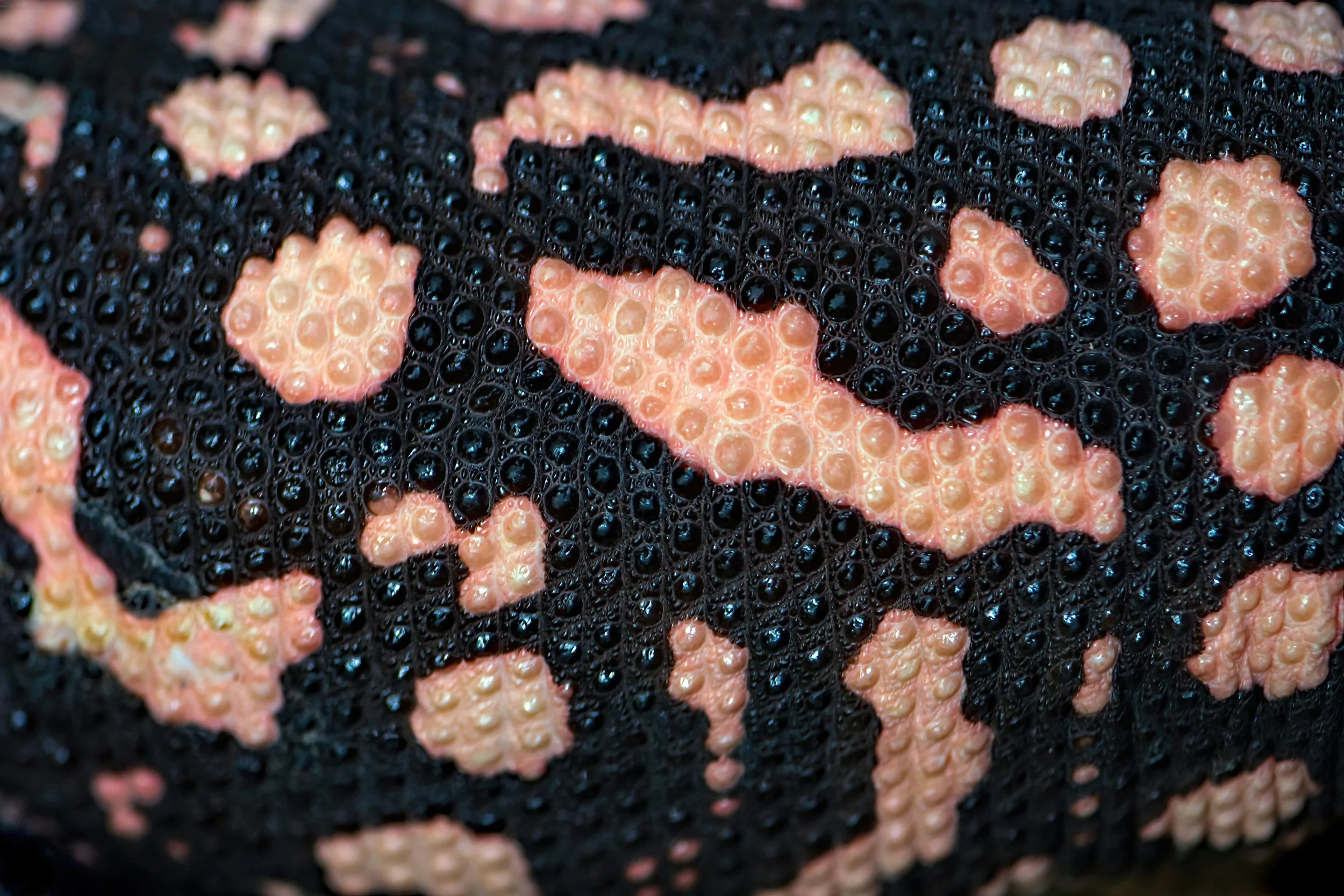
Gila monster venom paved the way for groundbreaking weight-loss and diabetes drugs like Ozempic, but its potential is just the tip of the fang. From tarantula venom aiding nerve research to cone snails delivering hypoglycemia-inducing toxins, venoms have evolved from biological weapons to pharmaceutical treasures. They act as nature’s Swiss Army knives, packed with peptides and proteins, offering targeted, potent solutions. Despite challenges like extinction and extraction, venom research reveals our shared molecular blueprints, promising innovations in cancer treatment, pain relief, and more—proving that even the deadliest bites can lead to life-saving breakthroughs. Venom Helped Create Weight-Loss Drugs. What Else Could It Do For Us? - The New York Times (gift article).

True to Self: Authenticity’s Inner Workings

What does authenticity mean? How to be more authentic. - The Washington Post (gift article) explores the profound psychological benefits of authenticity, framing it as a dynamic process of self-determination and alignment with personal values. Researchers argue that authenticity strengthens mental health, fosters meaningful relationships, and provides a deep sense of life purpose. Authenticity involves being truthful and actively choosing actions that resonate with one’s ideals, enhancing self-control, resilience, and decision-making. In contrast, inauthenticity can lead to anxiety and diminished life satisfaction. Individuals can find a more meaningful and fulfilling life path by pursuing goals rooted in personal values and staying open to evolving self-discovery.

Gene Insurance, No Coverage Guaranteed

As genetic testing becomes familiar, a troubling trend emerges: insurers are legally denying coverage based on genetic predispositions, creating a new form of discrimination. Kristen V. Brown highlights cases where individuals like “Bill,” a healthy man with a genetic marker for ALS, are refused policies or face inflated premiums due to perceived health risks. Though the Genetic Information Nondiscrimination Act (GINA) protects against genetic bias in health insurance and employment, life, disability, and long-term-care insurers face no such constraints. This legal gap fuels fears, deterring many from getting genetic tests that could aid in early disease prevention. They Were Denied Insurance After a DNA Test - The Atlantic.

Walk the Walk

Walking isn’t just a leisurely activity; it’s a powerful, accessible way to improve fitness, mental health, and weight management. This article details how adding intentional walking workouts—like intervals, step counting, and strength combos—can help you increase calorie burn and keep walks engaging. Fitness coach Michele Stanten shares top tips, including structuring walks as workouts and turning mundane steps into effective, fun routines. From desk-side walking pads to strolls during phone calls, you’ll find practical ideas to sneak in steps and reap walking’s full health benefits. How You Should Add Walking Workouts to Your Routine - Men's Health.

Pump Up Your Positive Vibes

Want to Feel Happier? Here’s How to Cultivate Positive Emotions. - The New York Times (gift article) delves into “reward sensitivity,” the psychological drive to seek and savor positive emotions. A clinical psychologist, Jenny Taitz outlines research-backed methods to help boost happiness, even for those prone to feeling low or anxious. Techniques include planning daily joyful activities, savoring the moment, expanding vocabulary for positive emotions, and visualizing uplifting outcomes. Taitz emphasizes that growing the habit of noticing and relishing joy strengthens one’s motivation to engage in future pleasurable experiences, transforming life’s small moments into meaningful mental boosts.

+An excellent app by the author of Permission to Feel: Unlocking the Power of Emotions to Help Our Kids, Ourselves, and Our Society to help with one of the suggestions of the article - expanding your feelings vocabulary. How We Feel App.

When Tired Minds Turn Testy

New research reveals that prolonged mental fatigue, or “ego depletion,” triggers changes in the brain’s frontal cortex, leading to increased aggression and diminished cooperation. During tasks requiring self-control, fatigued participants exhibited sleep-like brain activity, indicating localized “brain naps” in regions critical for decision-making. EEG scans confirmed these changes, showing that mental exhaustion disrupts impulse control and decision quality. Through economic games, fatigued individuals were found to be notably less cooperative and more hostile, underscoring the potential impact of mental fatigue on daily interactions, negotiations, and even legal scenarios. Mental Exhaustion Drives Aggressive Behavior - Neuroscience News.

Rat Race Reimagined

In a unique study, neuroscientist Kelly Lambert taught rats to drive mini cars, revealing that anticipation of enjoyable experiences may boost brain health and resilience. Rats that anticipated driving to earn a treat displayed behaviors linked to excitement, like standing with tails high. The study showed that positive experiences, not just stress, shape neuroplasticity and the brain’s ability to adapt. Lambert’s findings suggest that embracing joy and anticipation can transform behavior and mental health in rats and humans, underscoring the value of enjoying life’s journey, not just the destination. I’m a neuroscientist who taught rats to drive − their joy suggests how anticipating fun can enrich human life.

The Brain Isn’t the Only Keeper of Memories

Traditionally, memories are believed to reside solely in the brain, but a new study reveals that non-neural cells in the body also hold a memory function. Scientists at NYU found that cells outside the brain can “learn” and activate a memory gene in response to specific patterns of chemical signals, similar to how brain cells respond during spaced learning. This discovery suggests memory might be a cellular feature beyond the brain, potentially impacting future treatments for memory-related conditions and enhancing learning by targeting body-wide cellular responses. Memories are not only in the brain, human cell study finds (thanks, Amy!).

Forbidden Fruit Loophole: Why Some Banned Foods Make It to U.S. Plates

The U.S. food approval system allows certain additives banned in other countries to remain on American grocery shelves. Unlike Europe, which adopts a precautionary stance, the U.S. regulatory process is constrained by funding, industry influence, and a significant loophole: the “Generally Recognized as Safe” (GRAS) exemption. This GRAS policy lets companies self-determine safety without FDA review, leading to chemicals like titanium dioxide in foods despite potential risks. While some states are moving to ban specific additives, federal change remains slow, hindered by resource limitations and competing priorities within the FDA.Why US foods, including Halloween candy, have additives and chemicals banned in other countries | Vox.

115 - Doppelgangers, Ghosting, and Ephaptic Fields - HealthHippieMD Week In Review

Turning Disappointment into Resilience

In How to Deal With Disappointment - The Atlantic, Arthur C. Brooks explores the universal experience of disappointment, often arising when our expectations clash with reality. He differentiates disappointment from regret, emphasizing its link to feelings of powerlessness rather than self-reproach. Optimists are particularly vulnerable, as their positive outlooks set them up for deeper emotional dips when outcomes don’t meet their hopes. Brooks advocates for hope over blind optimism, suggesting that resilience and proactive strategies can soften the blow of letdowns. Individuals can foster a more balanced, growth-oriented perspective by learning from disappointment.

Sorting Stomach Signals

This comprehensive article dives deep into common concerns about gut health, exploring the essential role of the microbiome and addressing 15 frequently asked questions. Key signs of a healthy gut include quiet digestion and regular bowel movements, while persistent issues like bloating, acid reflux, or irregularity may indicate trouble. Experts suggest fiber-rich, plant-based diets, limited processed foods, and occasional fermented items to boost gut health. Topics also cover heartburn, the effects of antibiotics, myths about “leaky gut,” and the impacts of stress, diet, and even posture on digestion. How Do I Know if My Gut is Healthy? Your Microbiome Questions, Answered - The New York Times (gift article).

Coach or Crutch? The Risks of AI in Your Health Routine

AI-powered health coaches are reshaping the wellness industry, promising real-time diet, exercise, and sleep guidance based on a user’s biometrics. However, there are substantial risks in relying on AI alone. These virtual coaches may offer inaccurate advice, potentially leading users to delay essential medical care. Additionally, biases in data collection, like inaccuracy for darker skin tones and conflicting advice with medical professionals, raise serious concerns. As companies like Whoop, Google, and Apple introduce these tools, experts caution that human oversight remains crucial, advocating for responsible integration rather than blind trust. AI Fitness Coaches from Whoop, Apple, and Google Promise Health Feedback and Improvement, But Are They Reliable?

Alan’s AI Assistant Steps Up to Boost Health Access

French health tech startup Alan has unveiled Mo, an AI-powered assistant designed to help its 680,000 members receive fast, reliable health advice. Mo supports Alan’s existing chat-based doctor consultations, offering medical guidance with the assurance of doctor oversight within 15 minutes to ensure accuracy. Alan also introduced two new features: a mobile shop with curated health products and “Alan Walk,” a gamified step counter that rewards users for staying active. These additions bring Alan closer to its vision of a comprehensive healthcare “super app” that combines insurance, wellness, and accessible care. Expansion plans include Canada, marking Alan’s first move beyond Europe.Alan unveils AI health assistant for its 680K health insurance members | TechCrunch.

Food Fight

The upcoming U.S. Dietary Guidelines are unlikely to include a clear directive to avoid ultra-processed foods despite their association with health issues like obesity and diabetes. A scientific advisory committee concluded there isn’t sufficient evidence to recommend limiting these foods, mainly due to research limitations, including reliance on observational studies. Critics argue that the committee set a standard for proof too high, ignoring key findings from smaller studies. This decision disappoints health advocates who believe caution is warranted to curb high rates of chronic illness tied to diet, especially within federal food programs. The Next Dietary Guidelines May Punt on Ultraprocessed Foods - The New York Times (gift article).

Why We Ghost

Ghosting, or the abrupt end of communication without explanation, is more than a dating phenomenon; it’s a cultural puzzle impacting friendships, family, and even long-term relationships. The article dives into why people ghost, from practical reasons like communication overload to complex psychological motives such as “destiny beliefs”—the notion that relationships are “meant to be” or not. Studies show ghosters often believe they’re sparing feelings, while ghostees experience emotional fallout, grappling with self-blame and unresolved hurt. Despite the pain, some ghostees find personal growth, viewing the experience as a chance for self-reflection. Why We Ghost - Nautilus.

The Science Behind Your Doppelgänger

Scientists have long been intrigued by doppelgängers—unrelated individuals with uncanny physical resemblance. Molecular geneticist Manel Esteller’s research, using François Brunelle’s “I’m Not a Look-Alike!” project, reveals that these look-alikes often share specific genetic traits related to facial structure, pigmentation, and bone length. While facial similarities stem from shared genetic variants, personality traits do not correlate, as psychologist Nancy Segal’s studies show. The findings suggest that genetic makeup can influence appearance but not personality. With global populations rising, genetic resemblances between strangers have become more common, sparking curiosity about our “twin strangers.” The surprising science behind doppelgängers.

Sleep Solutions for Every Age

How Much Sleep Do You Need? Tips for Better Slumber at Every Age - The New York Times (gift article) explores how sleep needs evolve across different life stages. From the newborn’s chaotic schedule to the early riser tendencies of older adults, the article provides age-specific recommendations and tips for restful sleep. Experts emphasize adjusting bedtime routines, managing environmental factors, and addressing common challenges like stress, screen time, and caffeine. Tailored guidance for each age group—from toddlers to retirees—ensures readers can optimize sleep patterns to feel more refreshed and energetic.

Mind Over Matter: Filtering Out the Noise

Contrary to the “spotlight” metaphor, the brain’s attention mechanism functions more like a filter, dimming irrelevant stimuli rather than highlighting important ones. Neuroscientist Michael Halassa’s research reveals that subcortical regions, particularly the thalamic reticular nucleus (TRN) and basal ganglia, play a crucial role in managing sensory data by suppressing distractions directed by the prefrontal cortex. This mechanism supports efficient focus, guiding attention by removing sensory “clutter” early in the process. These insights reshape our understanding of attention, consciousness, and the intertwined nature of perception and action. To Pay Attention, the Brain Uses Filters, Not a Spotlight | Quanta Magazine.

Shocking Revelation: Consciousness Sparks Beyond Neurons

In Consciousness Might Hide in Our Brain’s Electric Fields | Scientific American, Tamlyn Hunt argues that ephaptic field effects—subtle electric fields generated by neurons—may play a more crucial role in our awareness than previously believed synaptic firings. Traditional neuroscience emphasizes neurons’ electrical spikes as the brain’s primary communicative mechanism. However, studies, including a notable one by Dominique Durand, reveal that these fields enable ultra-fast, non-synaptic brain interactions. This electromagnetic coupling could potentially explain the rapid information processing that underlies cognition, challenging the long-held “neural code” model and sparking fresh insights into the mystery of consciousness.

095 - Criticism, Landfills, and Tripping with Toad Venom - HealthHippieMD Week In Review

Dream On

Recent research has made significant strides in understanding sleep. Scientists have discovered more about lucid dreaming and how our brains replay memories during sleep. They've shown that sleep deprivation disrupts brain connectivity, impairing learning and emotional regulation. Furthermore, quality sleep is essential in preventing neurodegenerative diseases by clearing harmful toxins. Finally, new treatments like cognitive behavioral therapy for insomnia (CBT-I) are proving effective in enhancing sleep quality. These breakthroughs highlight the critical role of sleep in overall health and cognitive function. These 5 Sleep Science Breakthroughs Might Help You Get Better Rest.

+see also: Why We Sleep: Unlocking the Power of Sleep and Dreams.

Non-Meditative Mindfulness

Ellen Langer is a psychologist at Harvard who studies the mind-body connection. She's published some of the most counterintuitive studies in Social Science. I learned a lot from this podcast about her work and the history and importance of mindfulness. ‎People I (Mostly) Admire: 133. Pay Attention! (Your Body Will Thank You).

Toadally Psychedelic

5-MeO-DMT, a potent psychedelic from the Sonoran Desert toad, is renowned for its rapid, intense effects. While it holds promise for treating mental health disorders like depression and PTSD, its extraction threatens the toad population. Scientists are developing synthetic versions to alleviate this issue and ensure controlled dosing. Research highlights potential therapeutic benefits and the need for cautious, ethical approaches. As interest in psychedelics rises, the balance between medical advancement and environmental conservation remains crucial. The Promise — And Perils — Of 5-MeO-DMT.

+listen also: my favorite story EVER on NPR: The Dog that Loved to Suck on Toads.

Trimming the Fat on Global Obesity

France bucks the global obesity trend, dropping rates from 10.4% in 1990 to 9.7% in 2020. This contrasts starkly with countries like Egypt and the U.S., where rates have more than doubled. The Programme National Nutrition Santé, launched in 2001, is vital to France's success, focusing on improved nutrition and exercise. The initiative includes public campaigns like Manger Bouger, promoting healthier lifestyles. Meanwhile, Germany's obesity rates have plateaued due to a cultural shift towards healthier eating among younger generations. There's no magical cure, but these nations highlight the impact of proactive health policies and lifestyle changes. How is France dodging the global obesity trend?

Oh, Oh, Oh, Ozempic

Ozempic and other GLP-1 agonists, initially designed for diabetes, now offer benefits beyond weight loss, including reduced risk of heart disease and sleep apnea and potentially aiding in conditions like Alzheimer's and fertility issues. These drugs, often termed a "Swiss Army knife" for health, show promise in treating various ailments through mechanisms involving blood sugar control, organ-specific actions, and reduced inflammation. However, distinguishing the direct effects from those related to weight loss remains complex, and ongoing research is crucial to understand and fully utilize these multi-functional medications. Is Ozempic an Obesity Drug, or an Everything Drug? - The Atlantic.

The Dark Side of Plant-Based Diets

Ultra-processed plant-based foods, such as french fries and pastries, are linked to an increased risk of cardiovascular disease, according to a new study in The Lancet Regional Health-Europe. Research involving 118,000 UK adults reveals that while plant-based diets are beneficial, their health advantages vanish when the foods are ultra-processed. These findings suggest that minimally processed plant-based foods significantly lower the risk of fatal and nonfatal cardiovascular events, unlike their ultra-processed counterparts, which strip away essential nutrients and disrupt the food matrix, undermining heart health. These Ultra-Processed Plant-Based Foods Might Increase the Risk For Many Diseases.

Space Oddities

Four private astronauts spent three days in space aboard Inspiration4, experiencing significant, albeit temporary, changes in their bodies and minds. Research revealed cognitive declines, immune stress, and genetic alterations. Despite returning to normal post-mission, these findings highlight gaps in space medicine. The mission's data, stored in the Space Omics and Medical Atlas, is crucial for future space travel. From diverse backgrounds, the astronauts contributed invaluable insights into the physiological impacts of space, setting the stage for more tailored health measures for upcoming private space missions. Four Astronauts Spent 3 Days in Space. Here's What It Did to Their Bodies and Minds. - The New York Times (gift article).

White House Plans Diet for Landfills

The Biden administration introduced a national strategy to combat food waste, aiming to reduce the 30% of the U.S. food supply in landfills. The plan focuses on extending food shelf life, increasing food donations, and promoting composting. Despite these efforts, the strategy needs to include new regulations and catch up to some state and international laws. Key initiatives include research funding, consumer education, and collaboration with farmers and businesses. Critics view the plan as a positive but insufficient first step towards halving food waste by 2030. White House Takes a Tiny Bite From Giant Pile of Food Waste - The New York Times (gift article).

What Children Remember

Happy Father's Day! The Atlantic published a curated list of stories on fathers. I'm working my way through the list. What children remember - The Atlantic.

Criticism: The Gift That Keeps on Giving

In today's feedback-driven world, mastering the art of receiving and giving criticism is essential for personal happiness and professional growth. Criticism, significantly negative, is challenging to accept due to its impact on our brains and emotions. People with low self-esteem or high competitiveness struggle the most. Individuals can thrive by depersonalizing feedback, viewing it as insider information, and using it constructively. Criticism should be given with care, respect, and good intentions, always privately if negative. Embracing these practices can lead to improved well-being and performance. How to Take—And Give—Criticism Well - The Atlantic.

Gut Instincts

Microbiome research has traditionally focused on stool samples, but recent advancements allow scientists to explore the small intestine, revealing critical insights into gut health. The small intestine microbiome plays a crucial role in digestion, metabolism, and immunity. Disturbances in this area are linked to conditions like IBS, SIBO, and Celiac disease. New technologies like camera capsules facilitate better understanding and treatment development. This shift from focusing solely on the colon to including the small intestine promises significant advancements in microbiome medicine and gut health therapies. Poop has been an easy target for microbiome research, but voyages into the small intestine shed new light on ways to improve gut health.

091 - Meta Heads, Embracing Solitude, and The Brain's Immunity Master Switch - HealthHippieMD Week In Review

The Brain's Immunity Master Switch

In a groundbreaking study, A body–brain circuit that regulates body inflammatory responses | Nature, researchers led by Charles Zuker at the Howard Hughes Medical Institute discovered that the brainstem plays a crucial role in controlling the immune system. This revelation challenges the long-held belief that immune regulation is solely within the immune system. Using advanced genetic techniques, the team identified specific brainstem neurons that, through the vagus nerve, can either boost or suppress inflammation. This finding opens new avenues for treating immune disorders by targeting this brain-immune axis, potentially transforming the approach to managing diseases like rheumatoid arthritis and toxic shock syndrome. Very exciting! Finding a Master Immune System Controller | HHMI(Thanks, Miriam!).

Siri-ous Competition

OpenAI's latest release, GPT-4o, showcased its advanced capabilities in a live demo, positioning it as a game-changer in natural human-computer interaction on iPhones. This new model demonstrated storytelling, visual understanding, and multilingual conversation interpretation, all within the updated ChatGPT app. The impressive features of GPT-4o signal a potential end for Siri and similar voice assistants, which lag in functionality and responsiveness. Major tech companies like Apple and Samsung are racing to integrate generative AI into their devices, highlighting software as the new frontier in smartphone innovation. This Is the Next Smartphone Evolution - The Atlantic.

Avo-lution

The United States of Avocado | TASTE explores the growing popularity of avocados in the United States, from their rising role as a baby's first food to their integration into various cuisines and cultural dishes. Avocados, celebrated for their nutritional benefits and mild flavor, have doubled consumption in the U.S. since 2001. The article also delves into the avocado industry's expansion, including direct-to-consumer models and the challenges of maintaining quality and affordability. Despite issues like the involvement of organized crime in Mexican avocado production, the fruit's global appeal continues to rise, influencing food trends and diets. (Thanks, Dave / NextDraft!).

Bite-Sized Triumphs

Breaking large goals into smaller, flexible subgoals can significantly enhance goal achievement, as confirmed by a recent study published in the Journal of Applied Psychology. The study involved over 9,000 volunteers from Crisis Text Line, revealing that those assigned weekly or biweekly subgoals volunteered 7-8% more hours than those with a broad annual target. This incremental approach mirrors techniques in language learning apps and savings programs, proving effective across various contexts by making daunting tasks feel more manageable and achievable over time. The Secret to Accomplishing Big Goals Lies in Breaking Them into Flexible, Bite-Size Chunks | Scientific American.

Meta Heads

The European Union has initiated an investigation into Facebook and Instagram over concerns about their addictive impact on children. This probe mirrors earlier inquiries into TikTok's influence on young users. Meta's platforms are being scrutinized for fostering excessive exposure to content about depression and unrealistic body images and for potentially allowing children under 13 to use their services. This investigation, led by EU's internal markets commissioner Thierry Breton, is part of the broader Digital Services Act enforcement, aiming to ensure safer online experiences for children. Meta Faces Fresh Probe Over 'Addictive' Effect on Kids | WIRED.

Weight and See

A four-year study on Wegovy (semaglutide) in Nature Medicine shows sustained weight loss in people with cardiovascular disease who are overweight or obese. Initial weight loss occurred in the first 65 weeks, plateauing after that but remaining stable for the study. The SELECT trial involved 17,604 participants and revealed an average weight reduction of 10.2% for those on Wegovy, compared to 1.5% for the placebo group. Despite limitations like demographic skew, the study supports Wegovy's use for long-term weight management in cardiovascular patients. Researchers now face questions about the drug's long-term usage and cost. Wegovy Can Keep Weight Off for at Least 4 Years, Research Shows | WIRED.

Embracing Solitude

We All Need Time Alone. Here's How to Embrace It (gift article) from The New York Times explores the importance of spending time alone and how to embrace it positively. Psychologists Robert Coplan and Thuyvy Nguyen explain that solitude, distinct from loneliness, offers emotional and physical benefits like stress reduction and increased creativity. They suggest practical tips for incorporating alone time into daily routines, such as tracking moods, engaging in personal hobbies, and setting boundaries with partners. The article encourages finding "micro-moments" of solitude at home or in public spaces to enhance well-being and maintain a healthy balance between solo and social time.

Plasticulture's Paradox

Plastic mulch revolutionizes agriculture by boosting crop yields, conserving water, and reducing pesticide use. However, it leaves behind massive amounts of waste at season's end. While economically and environmentally advantageous in some aspects, the thin, contaminated plastic is tough to recycle, often ending up in landfills or incinerators. Innovative solutions, like those from Revolution Sustainable Solutions, show promise in recycling agricultural plastics, but challenges remain. As biodegradable alternatives prove costly and inconsistent, the farm sector grapples with balancing efficiency and sustainability amidst growing plastic waste. Giant Heaps of Plastic Are Helping Vegetables Grow - The Atlantic

Mind Over Muscle

A study in the Proceedings of the National Academy of Sciences reveals how exercise enhances brain health. When activated, muscles, rich in nerve cells, release compounds that boost cognitive function. Brain-muscle communication is crucial for producing proteins, mRNA, and hormones supporting neural growth. Regular exercise maintains these neural connections, promoting brain health. Researchers used a synthetic model to show that muscle stimulation increases brain-boosting substances' production. Although further research is needed to confirm these effects in humans, the findings highlight the profound link between physical activity and cognitive vitality. Why Exercise Is So Good For Our Brains According to A Wild New Study.

073 - Whiskey Business, British Bake Off, and the Sinister Secrets of Sugar - HealthHippieMD Week In Review

Life in the Fast Lane (podcast)

Ever wonder why time seems to accelerate as you age? Radiolab: The Secret to a Long Life explores the phenomenon.

Chronic Pain Conundrum (podcast)

Chronic pain casts its shadow over approximately one-third of the global population. Shockingly, for one in ten of these individuals, the pain reaches such devastating levels that it incapacitates them, thus establishing itself as the foremost cause of disability worldwide. The enigma surrounding certain types of chronic pain perplexes medical practitioners who struggle to provide effective treatments or unravel the underlying causal mechanisms. This enigmatic challenge looms large over societies, demanding innovative solutions to alleviate the burden on healthcare systems and provide much-needed relief for those enduring this relentless agony. Babbage from The Economist: The mystery of chronic pain (paywall).

Whiskey Business

In the article A bottle of scotch recently sold for $2.7 million – what's behind such outrageous prices? the author explores the unprecedented rise in Scotch whisky prices, exemplified by a recent $2.7 million sale. The article delves into the factors contributing to this trend, such as rarity, age, brand prestige, and collector demand. It discusses the allure of owning a piece of liquid history and how whisky has become a status symbol and investment opportunity for affluent enthusiasts. With captivating insights, the article unveils the fascinating world of ultra-high-end Scotch whisky auctions, shedding light on the intoxicating allure of these extravagant prices.

All I Needed to Know, I Learned in Grade School

In the article Teaching positive psychology skills at school may be one way to help student mental health and happiness the author explores the potential benefits of incorporating positive psychology into school curricula. By introducing students to techniques that promote resilience, optimism, and well-being, educators can empower them to navigate life's challenges better and enhance their mental health. The article emphasizes that fostering positive emotions, relationships, and personal strengths can increase happiness and improve overall mental well-being, ultimately providing students with essential life skills for a brighter future.

Age Beyond the Numbers

A New York Times article explored the intriguing world of "biological age testing." The article delves into the cutting-edge scientific methods used to determine one's biological age, including DNA analysis, biomarkers, and artificial intelligence. While these approaches hold promise in uncovering hidden health risks and offering longevity predictions, the article also highlights the skepticism surrounding the accuracy and practicality of these tests. As researchers continue to refine these techniques, the concept of biological age testing challenges our conventional understanding of aging and raises important questions about its role in the future of healthcare. Is Biological Age Testing Accurate or Useful? - The New York Times (gift article).

BMJ Christmas Edition: The British Bake Off

"Conclusion: Recipes for Christmas desserts from The Great British Bake Off often use ingredient groups associated with reductions, rather than increases, in the risk of death or disease. This Christmas, if concerns about the limitations of observational nutrition research are set aside, you can have your cake and eat it too." The BMJ's Christmas issue is now a well-established tradition. "Its mix of quirky comment articles, features, and peer-reviewed research was perhaps best described in a 2012 New York Times article as "lighthearted but rigorous." This year's articles include:

Sinister Secrets of Sugar (podcast)

In this enlightening episode, Dr. Andrew Huberman welcomes Dr. Robert Lustig, a renowned neuroendocrinologist and nutrition expert. Together, they dissect the conventional "calories in - calories out" model of metabolism and shed light on the role of macronutrients, fiber, and sugar in the equation. Delving into the nuances of sugar, particularly fructose, they explore its addictive qualities and how it rewires the brain's circuits related to cravings and satisfaction. The conversation extends to the profound impact of sugar on obesity, gut health, mental well-being, and the food industry's manipulation of refined sugars. The podcast is long but a must-listen for those curious about the profound impact of dietary choices on the mind and body. Huberman Lab: Dr. Robert Lustig: How Sugar & Processed Foods Impact Your Health.

The Funniest Articles of the Year

WaPo featured the funniest stories of the year. Opinion | Today's Opinions: The pieces that made us laugh the most in 2023 - The Washington Post (gift article).

Boomers Go Green

In this thought-provoking Wired article, the beef industry faces a seismic shift as baby boomers, traditionally avid beef consumers, pivot towards more sustainable and health-conscious eating habits. The article delves into the reasons behind this transformation, highlighting environmental concerns, health consciousness, and a growing appetite for plant-based alternatives. As boomers increasingly embrace greener diets, the meat industry adapts to changing consumer preferences. With captivating insights and statistics, this piece sheds light on the evolving landscape of food consumption and its implications for the beef industry's future. A Demographic Time Bomb Is About to Hit the Beef Industry | WIRED.

Misled to Misread

In the article Health misinformation is rampant on social media – here's what it does, why it spreads and what people can do about it the author delves into the pervasive issue of false health information circulating on social media platforms. The piece explores the damaging consequences of this misinformation, including the amplification of public health risks and the erosion of trust in medical experts. The article also sheds light on the mechanisms behind the rapid dissemination of such content and offers valuable insights into how individuals can combat this problem by promoting accurate information and critical thinking.

062 - Physics of Metallica, AI Annotation, and Guided by Dough - HealthHippieMD Week In Review

Unlocking "Jeong": Korea's Ancient Secret to Happiness

"Jeong" is a millennia-old Korean concept that encapsulates deep feelings of attachment and connection. It's not limited to human relationships; one can feel Jeong towards objects and places. Rooted in collective social responsibility and shared experiences, Jeong promotes a desire to protect and assist. Critical practices include prioritizing quality time with loved ones, offering genuine assistance, cultivating shared experiences, actively engaging within communities, embracing authenticity, and practicing active listening. Embracing Jeong could be a transformative step towards a more fulfilled life. Psychology expert shares the 2,000-year-old Korean mindset that can help you live a 'happier life'.

The AI Annotation Army!

As AI tech takes over, a growing "tasker underclass" is here to stay. This article dives into the world of AI annotators, the unsung heroes who label and sort data to train AI systems. Joe, a 30-year-old from Nairobi, shares his journey from being an annotator, tagging footage for self-driving cars, to running an annotation boot camp. Despite the tediousness of the job, the demand seems endless. However, as AI improves, the need for specialized skills in annotation rises, and Joe begins to question the future of this profession. Inside the AI Factory: The Humans That Make Tech Seem Human.

The Evolution of Beer

The Washington Post had an interesting interactive article on the history and evolution of beer. See how beer evolved through history from Stone Age sludge to craft brews - Washington Post. (gift article)

Brainwaves Beyond the Grave: The Science of Near-Death Experiences

Recent research published in "Resuscitation" delves into the enigmatic realm of near-death experiences. The study found that despite having flatlined brain activity, some cardiac arrest patients exhibited a surge of brain activity during CPR. Intriguingly, a subset of these patients could recall this experience post-recovery. One individual even remembered an audio test administered during their resuscitation. Researchers hypothesize this phenomenon might represent the brain's transition between life and death. This study sheds new light on the intricate relationship between consciousness and the dying brain. Some Patients Who 'Died' but Survived Report Lucid 'Near-Death Experiences,' a New Study Shows - Scientific American.

+see also: 045 - Dying Brains, Frenemies, and the Physiology of Hangry - HealthHippieMD Week In Review — HealthHippieMD.

NCCIH on Irritable Bowel

The National Center for Complementary and Integrative Health updated its page on the science behind complementary approaches to IBS: Irritable Bowel Syndrome: What You Need To Know | NCCIH.

Finland's Masterclass on Happiness

In March, Finland's tourism department offered ten people to visit the country and attend a "masterclass on happiness." Here are the things a journalist learned: I took Finland's masterclass on happiness: Here's what I learned.

Aging: Not a Bug, It's a Feature

Dreading those silver strands might be shaving years off your life. Research indicates that a positive perspective on aging can add a whopping 7.5 years to your lifespan. And the perks don't stop there: lower risk of dementia, better blood pressure, and generally healthier living. The trick? Toss out those outdated age stereotypes and find some seasoned role models. It's not about pretending aging doesn't exist, but instead seeing it as the ultimate life upgrade. How Optimism About Aging Can Benefit Your Health - The New York Times. (gift article)

The Physics of Metallica

I couldn't stop watching this video shot from the inside of a guitar: Nothing Else Matters - Metallica - Camera in Guitar Sound Hole - YouTube.

Rethinking the Dirt on Immunity

The belief that letting kids play in the dirt boosts their immunity might need a revisit. The hygiene hypothesis suggested that early exposure to germs can strengthen young immune systems, potentially reducing allergies later in life. However, a recent study involving "wildling" mice (lab mice raised in natural environments) found that despite their exposure to many microbes, they weren't any less prone to allergies than their lab-raised counterparts. While the findings don't wholly debunk the hygiene hypothesis, they hint that the relationship between dirt and immunity is more complex than previously thought. So, while playing in the soil has its joys, its health benefits might be overstated. Swedish Scientists Put the Hygiene Hypothesis to the Test in Mice. Results Suggest Early Exposure to Dirt and Microbes Alone May Not Protect Against Asthma and Allergies.

Guided by Dough

The article Food Industry Influence Could Cloud the U.S. Dietary Guidelines, a New Report Says - The New York Times (gift article) reveals potential conflicts of interest. A report by the nonprofit U.S. Right to Know highlights that 9 out of 20 2025 Dietary Guidelines Advisory Committee experts have affiliations with the food, beverage, pharmaceutical, or weight loss industries. Such ties raise concerns about the objectivity of the guidelines, which are intended to be science-based recommendations for public health. While the current committee has fewer industry connections than previous ones, any potential bias underscores the importance of transparency and rigorous scientific review in public health recommendations. Despite the conflicts, the members feel they could remain objective. Despite their intentions, objectivity is not likely since reciprocity is at play: Cialdini's 6 Principles of Persuasion: A Simple Summary - The World of Work Project.

048 - Mindfulishness, Alzheimer's and the Microbiome, VR Forest Bathing - HealthHippieMD Week In Revie

Alzheimer's and the Microbiome

In a groundbreaking study, researchers have discovered that alterations in the human gut microbiome can precede the cognitive declines associated with Alzheimer's disease. The study, led by experts in the gut microbiome and Alzheimer's research, found distinct differences in the gut bacteria of individuals in the preclinical stages of Alzheimer's, even before any visible symptoms emerge. The findings raise the possibility of using stool sample analysis to detect early risk for Alzheimer's, enabling earlier interventions to slow or halt its progression. Further research aims to determine if targeted dietary changes or probiotic treatments can effectively modify the gut microbiome and delay Alzheimer's development. Changes in Human Microbiome Precede Alzheimer's Cognitive Declines

Mindfulishness: Are Meditation Apps a Distraction Trap?

In the thought-provoking article, Your Phone Is the Wrong Place to Go for Mindfulness, the author explores the paradoxical nature of meditation apps and their relationship with smartphones. While mindfulness apps offer convenient access to meditation practices and promise to bring peace of mind, they also contribute to the ever-present distraction of smartphones. The article questions the effectiveness of using these apps on a device that is notorious for causing unfocus and stress. It highlights the need for mindful choices in our phone usage and suggests that true mindfulness may lie in disconnecting from the screen altogether.

When is Anxiety a Problem?

Anxiety disorders affect approximately 1 in 5 American adults. Understanding when anxiety becomes problematic is crucial. While anxiety can serve as a protective alarm system, persistent worry and interference with daily life may signal the need for evaluation and treatment. Dr. Petros Levounis, President of the American Psychiatric Association, sheds light on recognizing anxiety's red flags and the available treatments. Notably, the article also addresses the omission of older adults from the screening recommendations and emphasizes the importance of discussing emotional concerns with healthcare providers. When Is Anxiety a Health Problem? What to Know About New Screening Guidelines - The New York Times (gift article)

Unraveling Statins

Researchers have uncovered the long-standing puzzle surrounding the muscle-related side effects of statins, America's most popular drug for managing cholesterol. While investigating the genetic causes of limb-girdle muscle dystrophy, two independent groups of scientists unexpectedly identified mutations in the gene encoding the HMG-CoA reductase enzyme—the same enzyme statins inhibit to reduce cholesterol production. The discovery sheds light on the connection between a rare genetic disease and statins' common muscle-related side effects, offering potential insights for targeted treatments and improving the lives of severely affected patients. The Gene That Explains Statins' Most Puzzling Side Effect - The Atlantic

Forest Bathing in VR

Scientists are studying whether computer-generated forests have the same effect on health and well-being that natural forests do. "Forest bathing" might work in virtual reality too | MIT Technology Review

Dark Side of the Rainbow

In Pink Floyd, 'The Wizard of Oz' and Me, (gift article) a journalist shares his connection to the phenomenon that occurs when Pink Floyd's album "The Dark Side of the Moon" is played in sync with the movie "The Wizard of Oz." The article delves into the strange and surreal coincidences that arise from this synchronization and explores the journalist's role in popularizing the concept through his early internet presence. The story reflects on the cultural impact of this unique pairing and the enduring intrigue it continues to evoke.

Virtual Tours of the NIH

Are you curious about the history and footprint of the National Institutes of Health? You can now take a virtual tour: Virtual Tour | National Institutes of Health (NIH)

Canine Clinical Trials

Dog cancer research is helping drug development for humans and canines (gift article) is about driving advancements in the development of cancer drugs for both humans and canines. Comparative oncology, the study of cancers in companion animals, offers insights into human treatments and has gained momentum due to the high failure rate of cancer clinical trials using mouse models. Studying dogs provides advantages such as shared environmental factors, cleaner data, and easier data sharing, leading to potential breakthroughs in cancer treatment for both species.

The Brain as a Prediction Engine

"For as long as we've studied human cognition, we've believed that our senses give us direct access to the world. We see what's there—or so the thinking goes. But discoveries in neuroscience and psychology have turned this assumption on its head. What if rather than perceiving reality passively, your mind actively predicts it?" I just bought the book The Experience Machine: How Our Minds Predict and Shape Reality.

Trauma Hijacks the Prediction Algorithms of the Brain

The neuroscience of trauma is an interesting video featuring Dr. Lisa Feldman Barrett, who contends that trauma alters the prediction algorithms of the brain.

Anti-Prosopagnosiacs: Human Super-Recognizers Outshine AI in Facial Recognition

Current facial recognition technology has error rates ranging from 48 to 62 percent. To address this issue, police forces in London, Berlin, and Queensland have enlisted super-recognizers help—individuals with an innate talent for recognizing unfamiliar faces. Studies show that these human experts excel in challenging scenarios where AI falls short, such as low-resolution images or crowded environments. However, racial bias remains a challenge even for super-recognizers. Researchers aim to identify exceptional talents and uncover the secrets behind their extraordinary face recognition abilities. Police Are Using Human Super-Recognizers to Replace Facial Recognition Algorithms in Some Contexts.

End the Tyranny of Processed Food

"Anyone who's struggling with [food-related disease] as an individual should take their guilt and shame and transfer it outwardly to the corporations that are feeding us these addictive substances, to the governments doing nothing about it, and to the physicians and the social media personalities who keep telling us that this stuff is healthy. We must end the conflict of interest between the industry, politicians, doctors, and scientists. Only then can we tackle the problem." An opinion piece about the role of processed food in today's society. I agree with most, except for the part about physicians conspiring. The actual problem with physicians is a lack of understanding. It's Time to End the Tyranny of Ultra-Processed Food

Aspartame to be Declared Carcinogenic by WHO

The World Health Organization will reportedly categorize Aspartame/Nutrasweet as potentially carcinogenic. Aspartame: Key ingredient in Diet Coke set to be declared 'possible cancer risk' by WHO I also learned of a study last year (in mice) where aspartame increased anxiety and fear processing across generations.Transgenerational transmission of aspartame-induced anxiety and changes in glutamate-GABA signaling and gene expression in the amygdala

008 - U.S. Food Czar, 9-Volt Nirvana, Dragons and Thymi - HealthHippie Week In Review - September 4, 2022

White House Conference on Hunger, Nutrition, and Health

The most exciting news story of the week came from NPR, How the White House nutrition conference may tackle Americans' unhealthy diets. The article discusses the recommendations of the report, Informing the White House Conference, to be discussed on September 28. Re-calibrating America's relationship with food is the first (and arguably the most important) step to digging ourselves out of our current exorbitantly priced, low-value healthcare model (value=quality/cost). I'm hoping a "Food Czar" for the USA is named as an end-product of the meeting.

Skeptical Reflections of a Cancer Patient

What I've Learned From Having Cancer Is Nothing, is a reflection on common thoughts while living with cancer. Despite what the author says, you'll learn something.

The Best Diet for Healthy Aging

Michael Gregor explores how simple dietary modifications can profoundly impact one's health and well-being. The Best Diet for Healthy Aging. Spoiler alert: eat more plants!

The Joy of Why - Dreams

I found a new podcast I like, The Joy of Why. The latest episode on dreaming: Why and How Do We Dream, was great. (transcript) The discussion on lucid dreams and dream engineering was fascinating. I need to learn more about dream engineering. One of the best non-fiction books I've read in the last few years is Matthew Walker's Why We Sleep: Unlocking the Power of Sleep and Dreams.

Dragon Meet Maggots

I mentioned maggot therapy in 001 - Friendship, Psychedelics, and Maggots, Oh My. Now, maggot therapy has hit popular culture. Maggots made a cameo appearance In Episode 2 of House of Dragons. 'House of the Dragon' Episode 2's maggot scene is scientifically accurate I'm enjoying the Game of Thrones prequel.

Science behind Complementary Approaches to Irritable Bowel Syndrome

If you or someone you love suffer from IBS, the NCCIH has the evidence behind several complementary treatments: Irritable Bowel Syndrome and Complementary Health Approaches: What the Science Says

Dreaming of You(rself)

Everything you might want to know about experiencing memories/dreams in the first and third person: You've Probably Seen Yourself in Your Memories. I hadn't considered this phenomenon before, but the article points out the implications for the law, traumatic and near-death experiences, and more.

Thinking about Thinking

Rather than continuously constructing images based on all your sensory input, your brain likely conserves energy by predicting what it should see based on your previous experience and context, keying in on aspects that do not conform. The article, Your Brain Is an Energy-Efficient 'Prediction Machine', discusses efforts to understand the predictive processing framework.

9-Volt Nirvana

Two items on transcranial electrical stimulation hit my awareness in one of those "messages from the universe" (or maybe it's just the algorithms doing their thing). I'm fellowship trained in neuro-electrophysiology but was unaware of the studies focused on using mild electrical stimulation to enhance brain function (my fellowship focused on monitoring, not therapeutics). Early in the week, I read the article Brain stimulation boosts memory for at least a month. Then, without searching, a previous episode of Radiolab, 9-Volt Nirvana, , was in my podcast queue. After reading and listening to the podcast, I wondered if this technology might improve my quest to learn to play the guitar. I found an article I plan to read: Differential Effects of Transcranial Direct Current Stimulation-tDCS-Depending on Previous Musical Training. The jury is still out on the efficacy and safety of transcranial stimulation. Although there are already commercially available devices, I will wait to see how the field develops before I try it out.

Seven Simple Actions to Improve Your Mental Health

I read an article with pragmatic and easily actionable advice on improving your mental health. Feeling stressed? Here are 7 simple actions to boost your mental health.

The Down-Side of Dangerous World Beliefs

All of us want our children and loved ones to be safe. But teaching kids the world is dangerous in order to improve their vigilance is terrible, ultimately, for their health, happiness, and success. I learned a lot from the article, Don't Teach Your Kids to Fear the World. As a counter-narrative to all the negative news about the world, see the book What Are You Optimistic About?: Today's Leading Thinkers on Why Things Are Good and Getting Better.

Current Models of Aging

Eric Topol tweeted a link to an interesting paper that summarizes current thinking on aging. New hallmarks of aging: a 2022 Copenhagen aging meeting summary. I especially appreciated the first figure in the paper that graphically shows how our bodies break down.

My Thymus, Myself

The Radiolab episode, My Thymus, Myself was a whirlwind tour of the function of the thymus. You should listen if you're interested in the immune system and who isn't these days? Understanding the thymus could significantly impact infectious disease, autoimmunity, and transplant medicine. Bonus, the story featured a shoutout to Duke Cardiothoracic Surgery.

Quote of the Week

"All great truths begin as blasphemies." - George Bernard Shaw


Thank you for reading. Please grow our community by forwarding this newsletter to a friend, family member, or neighbor.