Walking

116 - Ailing America, Authenticity, Forbidden Fruit, and Venom - HealthHippieMD Week In Review

Ailing America: Why U.S. Healthcare Misses the Mark

Despite its wealth, technology, and high spending, the U.S. healthcare system ranks last among ten high-income countries across access, outcomes, and efficiency. With persistent insurance gaps, high out-of-pocket costs, and insufficient primary care access, Americans experience lower life expectancy and higher avoidable mortality than their peers. Even the best-performing U.S. states fall short of global standards. While structural issues such as poverty and inequality exacerbate challenges, reforms like broadening coverage, lowering costs, and strengthening primary care could significantly close the gap in healthcare performance. Why the U.S. Healthcare System Is So Much Worse Than Its Peers-Harvard Business Review.

Venom: The Bitter Pill That Heals

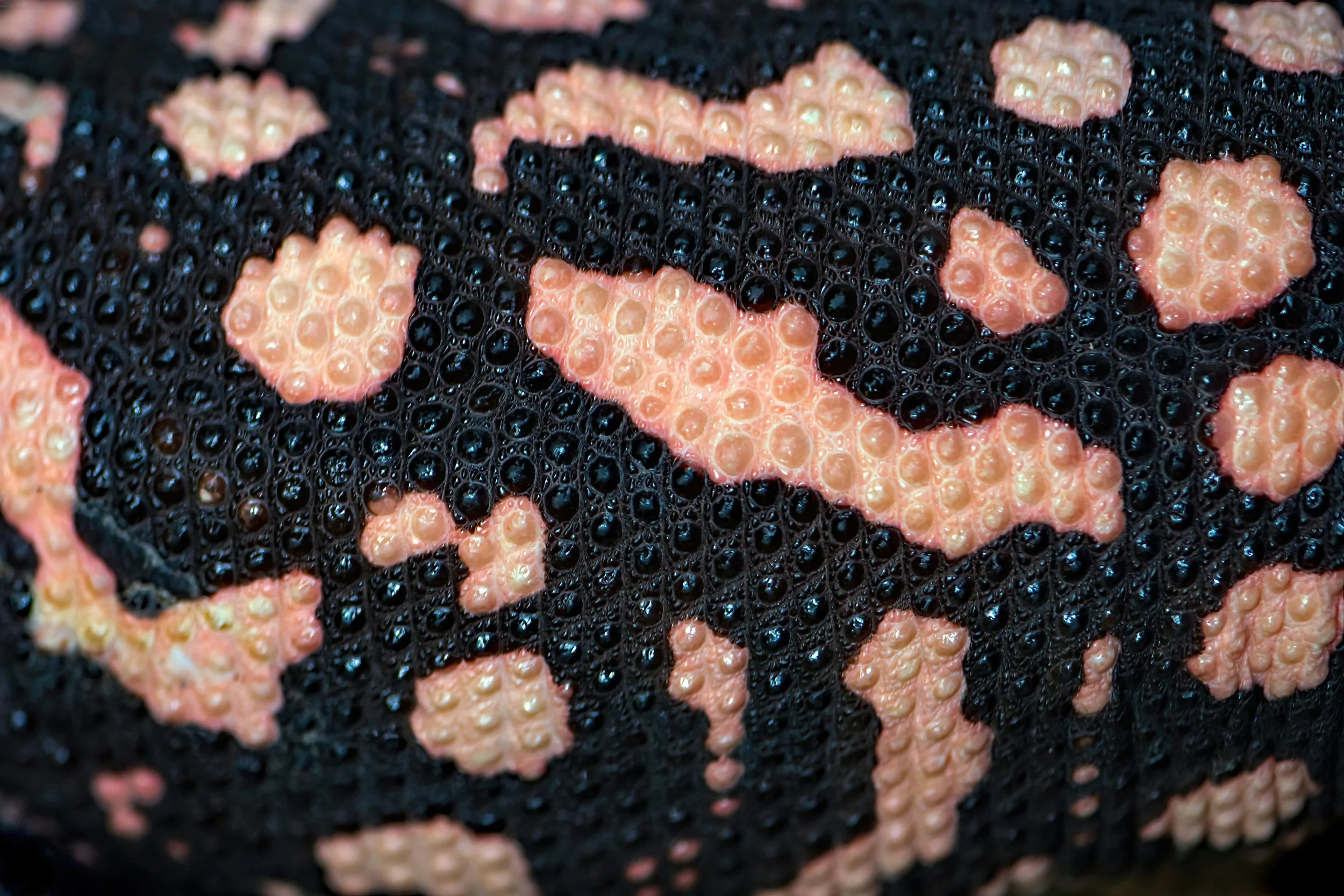
Gila monster venom paved the way for groundbreaking weight-loss and diabetes drugs like Ozempic, but its potential is just the tip of the fang. From tarantula venom aiding nerve research to cone snails delivering hypoglycemia-inducing toxins, venoms have evolved from biological weapons to pharmaceutical treasures. They act as nature’s Swiss Army knives, packed with peptides and proteins, offering targeted, potent solutions. Despite challenges like extinction and extraction, venom research reveals our shared molecular blueprints, promising innovations in cancer treatment, pain relief, and more—proving that even the deadliest bites can lead to life-saving breakthroughs. Venom Helped Create Weight-Loss Drugs. What Else Could It Do For Us? - The New York Times (gift article).

True to Self: Authenticity’s Inner Workings

What does authenticity mean? How to be more authentic. - The Washington Post (gift article) explores the profound psychological benefits of authenticity, framing it as a dynamic process of self-determination and alignment with personal values. Researchers argue that authenticity strengthens mental health, fosters meaningful relationships, and provides a deep sense of life purpose. Authenticity involves being truthful and actively choosing actions that resonate with one’s ideals, enhancing self-control, resilience, and decision-making. In contrast, inauthenticity can lead to anxiety and diminished life satisfaction. Individuals can find a more meaningful and fulfilling life path by pursuing goals rooted in personal values and staying open to evolving self-discovery.

Gene Insurance, No Coverage Guaranteed

As genetic testing becomes familiar, a troubling trend emerges: insurers are legally denying coverage based on genetic predispositions, creating a new form of discrimination. Kristen V. Brown highlights cases where individuals like “Bill,” a healthy man with a genetic marker for ALS, are refused policies or face inflated premiums due to perceived health risks. Though the Genetic Information Nondiscrimination Act (GINA) protects against genetic bias in health insurance and employment, life, disability, and long-term-care insurers face no such constraints. This legal gap fuels fears, deterring many from getting genetic tests that could aid in early disease prevention. They Were Denied Insurance After a DNA Test - The Atlantic.

Walk the Walk

Walking isn’t just a leisurely activity; it’s a powerful, accessible way to improve fitness, mental health, and weight management. This article details how adding intentional walking workouts—like intervals, step counting, and strength combos—can help you increase calorie burn and keep walks engaging. Fitness coach Michele Stanten shares top tips, including structuring walks as workouts and turning mundane steps into effective, fun routines. From desk-side walking pads to strolls during phone calls, you’ll find practical ideas to sneak in steps and reap walking’s full health benefits. How You Should Add Walking Workouts to Your Routine - Men's Health.

Pump Up Your Positive Vibes

Want to Feel Happier? Here’s How to Cultivate Positive Emotions. - The New York Times (gift article) delves into “reward sensitivity,” the psychological drive to seek and savor positive emotions. A clinical psychologist, Jenny Taitz outlines research-backed methods to help boost happiness, even for those prone to feeling low or anxious. Techniques include planning daily joyful activities, savoring the moment, expanding vocabulary for positive emotions, and visualizing uplifting outcomes. Taitz emphasizes that growing the habit of noticing and relishing joy strengthens one’s motivation to engage in future pleasurable experiences, transforming life’s small moments into meaningful mental boosts.

+An excellent app by the author of Permission to Feel: Unlocking the Power of Emotions to Help Our Kids, Ourselves, and Our Society to help with one of the suggestions of the article - expanding your feelings vocabulary. How We Feel App.

When Tired Minds Turn Testy

New research reveals that prolonged mental fatigue, or “ego depletion,” triggers changes in the brain’s frontal cortex, leading to increased aggression and diminished cooperation. During tasks requiring self-control, fatigued participants exhibited sleep-like brain activity, indicating localized “brain naps” in regions critical for decision-making. EEG scans confirmed these changes, showing that mental exhaustion disrupts impulse control and decision quality. Through economic games, fatigued individuals were found to be notably less cooperative and more hostile, underscoring the potential impact of mental fatigue on daily interactions, negotiations, and even legal scenarios. Mental Exhaustion Drives Aggressive Behavior - Neuroscience News.

Rat Race Reimagined

In a unique study, neuroscientist Kelly Lambert taught rats to drive mini cars, revealing that anticipation of enjoyable experiences may boost brain health and resilience. Rats that anticipated driving to earn a treat displayed behaviors linked to excitement, like standing with tails high. The study showed that positive experiences, not just stress, shape neuroplasticity and the brain’s ability to adapt. Lambert’s findings suggest that embracing joy and anticipation can transform behavior and mental health in rats and humans, underscoring the value of enjoying life’s journey, not just the destination. I’m a neuroscientist who taught rats to drive − their joy suggests how anticipating fun can enrich human life.

The Brain Isn’t the Only Keeper of Memories

Traditionally, memories are believed to reside solely in the brain, but a new study reveals that non-neural cells in the body also hold a memory function. Scientists at NYU found that cells outside the brain can “learn” and activate a memory gene in response to specific patterns of chemical signals, similar to how brain cells respond during spaced learning. This discovery suggests memory might be a cellular feature beyond the brain, potentially impacting future treatments for memory-related conditions and enhancing learning by targeting body-wide cellular responses. Memories are not only in the brain, human cell study finds (thanks, Amy!).

Forbidden Fruit Loophole: Why Some Banned Foods Make It to U.S. Plates

The U.S. food approval system allows certain additives banned in other countries to remain on American grocery shelves. Unlike Europe, which adopts a precautionary stance, the U.S. regulatory process is constrained by funding, industry influence, and a significant loophole: the “Generally Recognized as Safe” (GRAS) exemption. This GRAS policy lets companies self-determine safety without FDA review, leading to chemicals like titanium dioxide in foods despite potential risks. While some states are moving to ban specific additives, federal change remains slow, hindered by resource limitations and competing priorities within the FDA.Why US foods, including Halloween candy, have additives and chemicals banned in other countries | Vox.

084 - Digital Doppelgangers, Whispers in White Noise, and Optimism in Longevity - HealthHippieMD Week In Review

Digital Doppelgangers: Revolutionizing Diabetes Management

Twin Health has innovated a groundbreaking approach to managing type 2 diabetes by creating digital twins of the human body. These virtual avatars are built using multiple data points from sensors and AI algorithms to generate a personalized model of a patient's metabolism. The digital twin continuously learns from real-time data, offering tailored predictions and recommendations for managing blood sugar levels. In a clinical trial, patients using this technology saw significant reductions in blood sugar levels, with nearly 73% achieving remission after a year. The future of this technology promises a personalized and proactive approach to managing chronic diseases like diabetes, potentially transforming global healthcare standards. Interestingly, in 2014, I wrote a proposal for NLM and then NIDDK for this exact purpose. My proposal went unfunded, but seeing I was on the right track is rewarding. Digital twins are an effective new way to control your metabolism.

Sitting on a Time Bomb

A recent study by the University of California, San Diego (UCSD) has unveiled alarming findings about the health risks associated with prolonged sitting. Tracking 5,856 women aged 63 to 99 over a decade, researchers discovered that those sitting for more than 11 hours daily had a 57% higher risk of death compared to those sitting for less than 9.5 hours. Contrary to popular belief, even regular moderate-to-vigorous exercise couldn't offset the dangers of excessive sitting. However, an Australian study suggests that walking 9,000 to 10,500 steps daily could reduce the risk of premature death, even for habitual sitters. The discrepancies between studies might be due to different methods of measuring sitting time. The UCSD study's robust evidence underscores the importance of minimizing sitting time and breaking it up with periods of standing or walking, which aligns with World Health Organization guidelines. Sitting Is Even Deadlier Than We Thought, A New Study Reveals.

The Concussion Conundrum

The article explores the misconceptions surrounding concussion treatment, highlighting the story of Conor Gormally, who suffered multiple concussions. For years, the medical advice for concussion recovery emphasized total rest, but emerging research indicates that active rehabilitation, involving activities like exercise, reading, and screen time, is more effective. Despite this shift in understanding, many patients still receive outdated advice to "cocoon" themselves in rest, delaying their recovery. The article calls for a change in how concussions are treated, emphasizing the need for updated medical education and patient-centered care. Concussion: there's an insidious myth about a common sports injury. Even doctors believe it.

Optimism's Role in Longevity

The New Science of Optimism and Longevity explores the biological significance of optimism in promoting healthy aging and reducing disease risk. People with optimistic mindsets exhibit better cardiovascular, pulmonary, metabolic, and immunological health, leading to lower incidence of age-related illnesses and reduced mortality. A 2019 review found that optimists have a 35% lower risk of cardiovascular events and tend to live 11-15% longer than pessimists. The article also discusses the potential of optimism in slowing down cellular aging, as evidenced by studies on telomere shortening. While genetics play a role, optimism can be cultivated through social relationships and positive thinking practices, offering a strategy for enhancing physical and mental well-being.

Whispers in the White Noise

Have you ever heard mysterious voices or music in your white noise machine? You're not alone. This phenomenon, known as auditory pareidolia, occurs when your brain tries to match patterns in continuous noise, like white noise, with familiar sounds. It's a normal brain function, not a sign of schizophrenia or other psychological disorders. Experts explain that our brains are pattern-matching machines, constantly searching for recognizable sounds in the noise we hear. While it might be unsettling to listen to these phantom sounds, there's no need for concern unless you hear them without any noise present. If you're bothered by these sounds, try switching to a different type of noise or moving away from the source. Why You Hear Voices in Your White Noise Machine | WIRED.

The Impact of Electronic Music on Consciousness

Electronic music isn't just for dancing; it can also significantly alter our consciousness. Research shows that electronic music's repetitive beats and rhythms can induce trance-like states, impacting brainwave patterns and emotions. This effect is not only utilized by club-goers but also by therapists for meditation and relaxation. The article explores how electronic music's unique characteristics can influence our mental and emotional well-being, offering a new perspective on the power of music in shaping our state of mind. Brain beats: How electronic music can alter our state of consciousness. +see also Electronic music appears to alter our state of consciousness | New Scientist (subscription required)

Disconnect to Reconnect

Finding a healthy relationship with our devices is crucial in an age where technology is omnipresent. 5 Tips for a Healthier Relationship With Your Phone - The New York Times (gift article) offers practical advice for managing screen time without completely unplugging. Key suggestions include being mindful of automatic urges to check devices, limiting phone use while on the move, scheduling short tech breaks, creating an environment that encourages less phone usage, and ensuring that technology serves you, not the other way around. These tips help individuals regain control over their digital lives and foster a more balanced interaction with their gadgets.

Cool Your Jets

A comprehensive review of 154 studies by Sophie L. Kjaervik and Brad Bushman has revealed that traditional methods of managing anger, such as hitting a punching bag or jogging, may be ineffective. Instead, activities that decrease physiological arousal, like deep breathing, muscle relaxation, yoga, meditation, and mindfulness, have significantly reduced anger and aggression across various settings and populations. The research challenges the notion that venting anger is beneficial, highlighting that simple and accessible techniques can be more effective for anger management. This study offers evidence-based strategies for better anger control, promoting healthier outcomes and societal well-being. Chilling out rather than blowing off steam is a better way to manage anger − new review of 154 studies reveals what works.

074 - The Yips, Resilience, and Pig-Plant Hybrids - HealthHippieMD Week In Review

Mitochondria: Unmasking the Culprit Behind Long COVID Fatigue

In the article Scientists Pinpoint Key Part of Cells That Could Drive Long Covid Fatigue researchers shed light on the mysterious fatigue that often plagues long COVID sufferers. They reveal how the mitochondria, tiny energy factories within our cells, play a pivotal role. By studying the dysfunctional mitochondria in long COVID patients, scientists hope to uncover new treatment avenues, offering relief and insight into the lingering exhaustion that many survivors face. This research illuminates the cellular culprit behind post-COVID fatigue and opens doors to potential solutions for this debilitating condition.

The Magic of Immersive Tasks

Amid the 6-Day Energy Challenge, the New York Times explores the concept of flow states, where individuals become wholly absorbed in an activity, losing track of time and self-consciousness. These moments of intense focus, as described by positive psychology pioneer Mihaly Csikszentmihalyi, can lead to increased alertness and motivation. The article suggests finding your "low-stakes flow state" by identifying past immersive experiences and hobbies that bring joy. It offers various time-friendly activities, from learning a foreign language to tackling an adult Lego set, emphasizing the rejuvenating power of losing oneself in a task. The Energy Challenge: How Losing Yourself in A Task Can Boost Your Mood - The New York Times. (gift article)

The Mediterranean Diet's Heart-Healthy Legacy

The Mediterranean Diet, rooted in decades of research and the lifestyle choices of millions, emerges as a powerhouse for heart health. This lifestyle, emphasizing whole, unprocessed foods and rich in fruits, vegetables, legumes, nuts, and olive oil, showcases an impressive array of benefits, including lowered blood pressure, cholesterol and a reduced risk of Type 2 diabetes. Moderation is key, with occasional indulgences allowed. While not a guaranteed cure, the Mediterranean Diet can substantially enhance heart health with other healthy habits. With the potential for cognitive improvements within days and lasting benefits with commitment, this diet is a delicious and sensible choice. The Mediterranean Diet Is That Good for You. Here's Why. - The New York Times. (gift article)

Ozempic's Potential: Beyond Weight Loss, a Medical Revolution in Progress

The article Can Ozempic and Weight-Loss Drugs Treat Other Diseases? - The New York Times(gift article) explores the groundbreaking impact of drugs like Ozempic, which have revolutionized the treatment of obesity and diabetes. Scientists are now embarking on numerous clinical trials to investigate their potential in treating a wide array of conditions, from alcohol use disorder to polycystic ovary syndrome, liver disease, cardiovascular issues, sleep apnea, and kidney disease. These medications could offer hope to millions of patients with limited treatment options while presenting a lucrative pharmaceutical company market. As researchers unravel the mysteries of these drugs, they promise to reshape the future of medicine.

Reducing Food Waste

"In the United States, most dates consumers see on food items are for freshness, not safety, according to the U.S. Department of Agriculture." "A product past its 'best, if used by' date, may not taste as good as something fresh off the shelf. But it is often perfectly healthy to eat." The Washington Post had some great tips on how to minimize food waste. How to reduce food waste while cooking at home - The Washington Post (gift article).

A Surgeon Faces the Yips

"The principle "everything else is fixable" can apply to so much of life." The Washington Post published an opinion piece on the folly of perfectionism. Opinion | I had the yips as a young surgeon. Here's what it taught me. - The Washington Post (gift article).

Stepping into Creativity

In this article, titled How Walking Fosters Creativity Stanford researchers validate a timeless belief held by philosophers and writers - that walking enhances creativity. The study underscores how strolls can significantly boost creative thinking and problem-solving abilities. By examining participants' cognitive processes and neural activity while walking, the research confirms that walking sparks innovative thoughts and ideas. The findings provide scientific evidence for the age-old practice of "thinking on your feet" and highlight the valuable role of walking in nurturing creative thinking.

Building Resilience: The Recipe for Stress Management

In the article, What is resilience? A psychologist explains the main ingredients that help people manage stress, the author explores the concept of resilience and its vital role in handling stress effectively. Drawing on psychological insights, the article highlights the key components that contribute to resilience, such as adaptability, social support, and a positive mindset. By delving into these main ingredients, the author offers valuable insights into how individuals can cultivate resilience to better cope with life's challenges and stresses, ultimately leading to improved mental well-being and overall success.

Plant-Pig Hybrids Fake Meat Revolution

Moolecs, a cutting-edge biotech company, has unveiled a novel approach to enhance the taste and texture of plant-based meat alternatives. By creating plant-pig hybrids, Moolecs is bridging the gap between plant-based and animal-derived meats, promising consumers a more authentic, meatier experience. Through innovative genetic engineering, they have integrated essential flavor and texture components from pigs into plants, offering a sustainable and ethical solution for meat production. This exciting breakthrough can potentially revolutionize the fake meat industry and satisfy the cravings of even the most devoted carnivores. I have three words: No, thank you. The Plan to Put Pig Genes in Soy Beans for Tastier Fake Meat | WIRED.

035 - Dumb Questions, Gallows Humor, and Synesthesia - HealthHippieMD Week In Review

In Pursuit of the Perfect Shot of Espresso

Understanding Espresso: A Six-Part Series Explaining What It Takes to Pull the Ideal Shot includes videos on "how to choose the right dose of coffee, ratio between the amount of ground and liquid coffee, brew time, grind size, brew temperature, and pressure."

The Wisdom of Dumb Questions

"Can you explain this to me like I barely know anything about this subject?" Asking "dumb" questions is an effective way to bring out the knowledge of experts: Stop Trying to Ask 'Smart Questions'

Exercise May Counteract the Negative Effects of Too Little Sleep

"a new study suggests that exercise could potentially help counteract the health consequences of not getting a proper amount of sleep." Exercise May Help Counteract the Toll of Poor Sleep, Study Suggests(gift article)

The Science of Habits

Are you trying to develop a good habit or break a bad one? Here are some science-backed tips to help: The science of habits. See also Atomic Habits: An Easy & Proven Way to Build Good Habits & Break Bad Ones.

Bad Actors of Health Insurance

Here's an article from ProPublica on how commercial health insurers automatically deny claims and how Cigna developed an incentive system that encourages the behavior. How Cigna Saves Millions by Having Its Doctors Reject Claims Without Reading Them

The Strange Benefits of Gallows Humor

"The most surprising result is that subjects which show the highest values with respect to black humor preference … show the lowest values regarding mood disturbance and aggression." Gallows humor: The surprising benefits of dark laughter

Cockroaches Diminishing Sweet-Tooth

Here is an interesting article about the cat-and-mouse game of cockroaches and human endeavors to eliminate them: Cockroaches have outsmarted us again

Aging and Microgravity

Microgravitational environments have all sorts of effects on the body. These scientists are trying to unravel the impact of space travel on aging: New Study Suggests One Aspect of Space Travel Can Accelerate Aging

Science-Backed Approaches to Depression

The incidence of depression increased during the pandemic. Here are some science-backed tips for combatting the blues: These Science-Backed Strategies Can Help "Hard to Treat" Depression

Measuring Fitness Minimizing Attention to Weight

Here are some factors to focus on instead of the scale: How Fit Are You? 3 Ways to Measure Without Focusing on Weight - The New York Times

Multiple Sclerosis: What the Science says about Complementary Approaches

The National Center for Complementary and Integrative Health published a great resource : Multiple Sclerosis and Complementary Health Approaches: What the Science Says

Friendship Recession

Americans without friends have increased by 250% in recent years. Lacking friends is as bad as smoking more than a dozen cigarettes daily. BigThink tackles the phenomenon: The friendship recession - Big Think

A Doctor's Experience with Ozempic

I read an interesting article by a physician who hopped on the glucagon-like peptide 1 (GLP-1) receptor agonist train--the weight loss drug taking the world by storm: What's It Like to Take Ozempic? A Doctor's Own Story

American Heart Association's Life's Essential 8

The AMA published a study looking at eight lifestyle factors and their association with life expectancy and chronic disease: Life's Essential 8: Higher Scores Extend Health Span

Ultra-processed Food and Cancer Risk

"A new analysis suggests that replacing even a small amount of ultra-processed foods with an equal amount of minimally processed options may reduce certain cancer risks." Ultraprocessed Foods and Cancer: Small Changes May Lower Risk

The Power of Walking

The NY Times had an ode to walking: Opinion | Whatever the Problem, It's Probably Solved by Walking (gift article)

How to Tell If Your Brain Needs a Break

We all suffer from brain slumps that impact our ability to do quality work. This is what to do when you're in one: How a Brain Break Can Increase Focus and Productivity

Synesthesia

What do Billy Joel, Billie Eilish, and Vincent van Gogh have in common?-They all experience(d) music in colors. Big Think explores the phenomenon of synesthesia: Billie Eilish, van Gogh, and the trippy science of synesthesia

005 - Long Covid, Gut Health, and Cognition - HealthHippie Week In Review - August 14, 2022

Long Covid

Eric Topol wrote an excellent overview of Long Covid: Some Light on Long Covid. The article includes prevalence, mechanisms and biomarkers, and potential treatments. Nature published a summary of Long Covid treatments, Long-COVID treatments: why the world is still waiting. My takeaway: there still is no consensus on either mechanism or therapy. I did learn from these papers that the adrenal axis is involved.

Eating to Improve Gut Health and Microbial Diversity

I'm often asked what people can do to improve their gut health. I received an email from Michael Greger's Nutrition Facts linking to the following video: How to Cultivate a Healthy Gut Microbiome with Food. Nutrition Facts is a fantastic resource full of free bite-sized videos. I like the site so much that, at various times, I have been a monetary supporter.

Gimme S'More

Ever wonder where S'mores came from? Me either. Regardless, I read an article that covers the history of the S'More--ingredients and all. A brief history of the s'more, America's favorite campfire snack

Orthopedic Surgery and Breast Cancer

I read a disturbing article Why Do Orthopedic Surgeons Have Such High Breast Cancer Rates. Female orthopedic surgeons have four times the breast cancer rate of the general population. The article zeroes in on the radiation that orthopedic surgeons use regularly. In my experience, surgeons are diligent about wearing a radiation shield when using x-rays / fluoroscopy. I am far more suspicious about chemical exposure to methyl methacrylate, the substance orthopedic surgeons use as the "grout" in knee and hip replacements. Even if an orthopedic surgeon is not currently using the compound regularly in their practice, they likely had significant exposure during training. Food for thought.

Walking+

The article, One type of walking reliably boosts fitness more than any other, mentions that adding hand-poles to your walking routine (Nordic walking) will increase caloric expenditure by close to 20%. Nordic walking has many other health benefits as well. That sounds like a no-brainer to me. I ordered a pair of poles today: TrailBuddy Trekking Poles - 7075 Aluminum with Cork Grip: Sports & Outdoors

Linking Nature to Well-Being

I came across the Inverse article, How is nature connected to well-being? It's complicated, scientists say that summarizes an exciting review in Science Advances: Linking the nonmaterial dimensions of human-nature relations and human well-being through cultural ecosystem services Nature, outside of tangible offerings like food, water, and other resources, offers nonmaterial contributions to well-being such as recreation and leisure, spiritual fulfillment, personal development, social relations, and aesthetic experiences. The article reviews existing literature to build a framework/rubric for how nature influences well-being.

+More about nature and well-being with some practical tips from the Atlantic: To Get Out of Your Head, Get Out of Your House

Reversing Lactose Intolerance

About 1/4 of the U.S. population is lactose intolerant. The symptoms of lactose intolerance (bloating, gas, abdominal discomfort, diarrhea) are caused by the absence of lactase, the enzyme that breaks down milk. Lactase production, in many people, turns off after weaning. If you are intolerant but want to enjoy dairy products, all is not lost. You can increase your tolerance of dairy by strategically using food. The article Can you become more tolerant of lactose? explains the method and mentions the ancient New England Journal of Medicine paper on the same topic: Yogurt — An Autodigesting Source of Lactose.

The Hippocampus and PTSD

Interesting scientific output from the AURORA Project (Advancing Understanding of Recovery after Trauma) housed at UNC. A recent paper in The Journal of Neuroscience, Hippocampal Threat Reactivity Interacts with Physiological Arousal to Predict PTSD Symptoms focuses on the memory forming region of the brain, the hippocampus, and its role in the variability of PTSD development in the general population. Read the summary article here: The brain's memory hub may explain why some people get PTSD and some don't

Emotional WellBeing and Whole Person Health

I look forward to receiving emails from the National Center for Complementary and Integrative Medicine (NCCIH). The Director's message this week was about emotional well-being and its impact on the various pillars of health. Emotional Well-Being and Whole Person Health. I learned of the NIH networks to advance emotional well-being research. One disturbing fact that had me wanting to learn more-"A recent analysis of U.S. national data showed that 2 years after the diagnosis of cancer, 42 percent of survivors had depleted their entire net worth."_ Here are two of the free lectures the article mentions:

  1. Well-Being and the Economic Burden of Disease: What Are We Learning From Cancer Survivors?
  2. Advancing Research on Emotional Well-Being and Regulation of Eating

Dietary Supplements and Cognition

Another email this week touched on the science of supplements to slow cognitive decline, 7 Things To Know About Dietary Supplements and Alzheimer's Disease I'm a big fan of the NCCIH Tip Sheets: Tips on Complementary Health Practices

Mental Fatigue and Cognition

Just as our bodies get tired with prolonged physical activity, our minds show fatigue after long bouts of thinking. The article, How thinking hard makes the brain tired zeroes in on a neurometabolic cause for mental exhaustion (altered glutamate levels in specific regions of the brain).

Gut Microbiome in Anesthesiology and Pain Medicine

An interesting article published on WebMD, although a good part of the article is focused on pre-clinical findings: Gut Microbiome in Anesthesiology and Pain Medicine

Quote of the Week

"Do the best you can until you know better. Then when you know better, do better." ― Maya Angelou