004 - Fighting Food Waste, Dark Cheerfulness, What We Smell in Our Friends - HealthHippie Week In Review - August 7, 2022

Revamping the Food Expiration System

Americans waste about one-third of their food. The article, Food expiration dates are broken — a microbiologist explains how to fix them discusses revamping the system to be more beneficial for consumers (and to decrease food waste).

Hospital Rankings

This week, the U.S. News and World Report released its hospital rankings. The podcast episode, Should We Trust Hospital Rankings? is an interesting discussion of the ranking system and how the rankings could be improved. "Hospitals compete for prime spots on the U.S. News rankings — but could those lists do more harm than good?"

The Dark Side of Cheerfulness

"Emotions are usually defined by their ungovernability, experienced as forces that wash over us and challenge our sense of agency. That quality is what makes most seem authentic and trustworthy to us. Fake anger or love feels like a betrayal. But fake cheer?..." The excerpt is taken from the book review, The Dark Side of American Cheerfulness on the book: Cheerfulness: A Literary and Cultural History. The review is well worth the read, touching on psychology, culture, history, philosophy, and politics.

Smell you Later

Many of us believe we have cognitive control over most aspects of our lives, including the people we call friends and the people we choose as romantic partners. With all types of human connections, some just "click," but the basis behind interpersonal chemistry remains elusive. As with all things physiological, the story is complex. Do we like our friends because they stink like we do is a reminder that at our core, we are just evolved animals. These researchers claim they can determine "chemistry" between two individuals with 71% accuracy using only their smell.

Pandemic and Positive Emotions

Listened to the Pushkin Podcast from the Happiness Lab with Laurie Santos, What Did the Pandemic Teach Us About Happiness? about the role the pandemic played in happiness. The discussion referred to Surgeon General Vivek Murthy's NEJM article, Confronting Health Worker Burnout and Well-Being. In 2017 I tried to get my proposal, Measuring the impact of biofeedback-enhanced meditation on resident stress, burnout, and well-being, funded. The plan was to begin with residents but ultimately study the entire perioperative healthcare workforce. The proposal was not funded. I remain just as interested today as I was back then, maybe more so now that my daughter has started her long medical training.

Questioning the Theory of Chemical Imbalance in Depression

The manuscript, The serotonin theory of depression: a systematic umbrella review of the evidence. stirred quite a bit of controversy. The commentary in Slate, Why has the misleading chemical imbalance theory of mental illness persisted for so long was one of the better articles I read.

Nutrition and Mental Health

And while we are on the topic of mental health, I discovered a new podcast this week from ZOE Science and Nutrition. I listened to two of the episodes. Both were excellent with a mix of science and actionable advice: How food can improve your mood and Can you reverse damage from a bad diet?

Can We Cure Aging?

Medscape published an excellent brief overview of longevity research: Is There a Cure for Aging?

Dr. Amazon is In

Several interesting stories about Amazon this week. First, an article about Alexa's potential utility in early diagnosis of cognitive decline: Alexa could diagnose Alzheimer's and other brain conditions — should it? The article discusses the technology and some of the ethics behind continuous digital monitoring—food for thought. Voice technology will continue to improve in its ability to "diagnose" many mood and cognitive disorders.

+I woke up to news that Amazon is interested in purchasing iRobot, the company that makes the Roomba. Roomba has a "Smart Maps" feature that maps the interior of your living area. The article focuses on Amazon as a surveillance company. I don't necessarily agree. I wouldn't be surprised if Amazon's interest in iRobot has medical applications--perhaps mapping the safety of an elder's environment to minimize falls. I look forward to hearing more about this deal.

Bacteriophages and IBD

I read an exciting news story on Inverse, Bacteria-eating virus cocktails may effectively treat gut inflammation, that covers the findings in the manuscript, Targeted suppression of human IBD-associated gut microbiota commensals by phage consortia for treatment of intestinal inflammation. An Israeli-led team (that includes UNC's Dr. Ryan Balfour Sartor) zeroed in on a strain of bacteria, Klebsiella pneumoniae, and demonstrated the bacteria could cause IBD like symptoms in mice. They then developed a cocktail of phages (viruses that selectively attack particular bacteria) that targeted K. pneumonia and ameliorated damage caused by the bacteria. The authors are now beginning clinical trials. I plan to follow this work carefully.

Thanks for reading. See you next week! Please forward the newsletter to a friend.
003 - Mad Honey, Frisson, and Psychedelic Capitalism - HealthHippie Week In Review - July 31, 2022

1. High on Honey

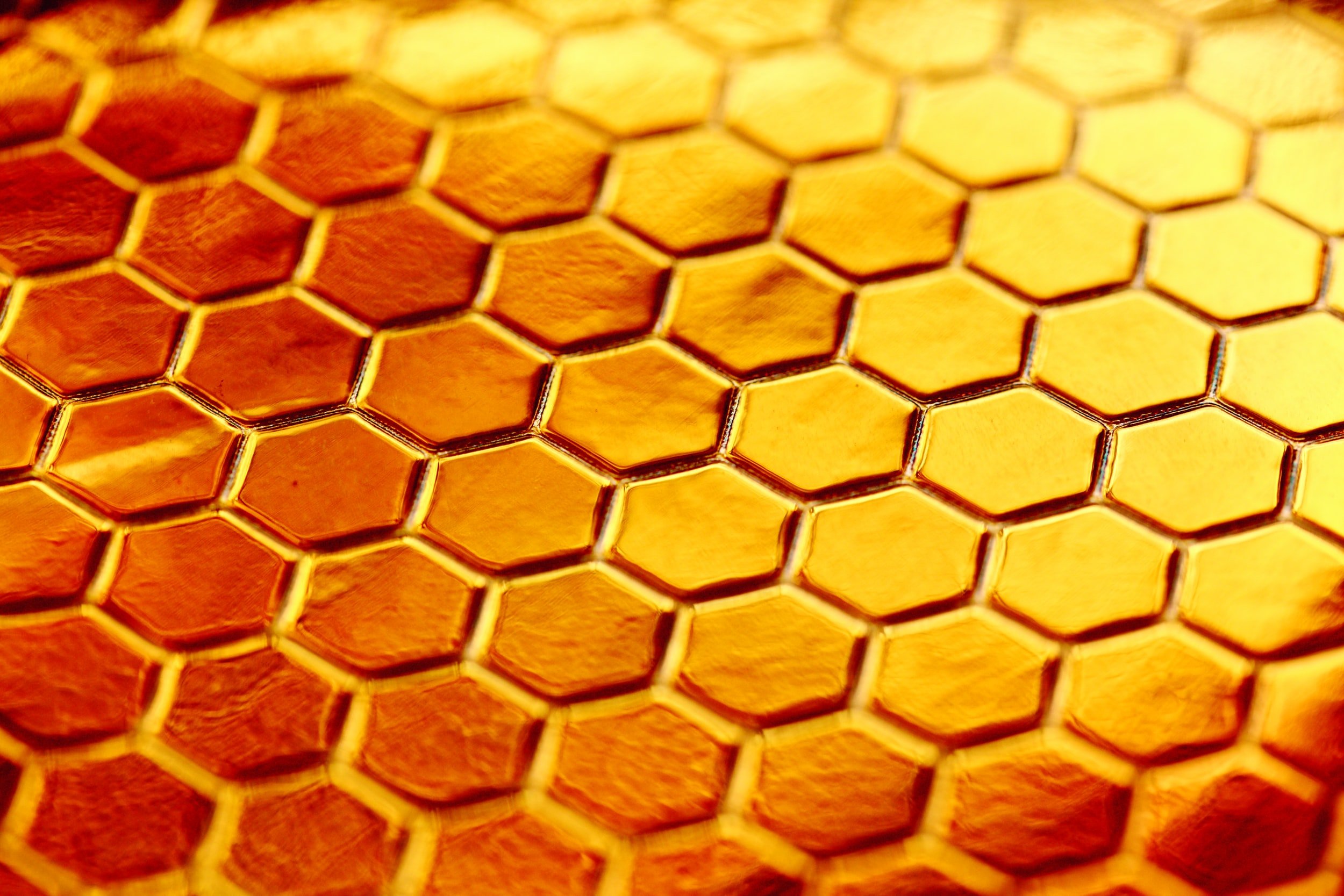
I had never heard of "Mad Honey." The article Can mad honey get you high? A bee expert reveals the answer. The psychoactive ingredient in Mad Honey is Grayanotoxin, a neurotoxin that works by changing sodium-gating in cells. Mad Honey is produced in Nepal and Turkey, but Mad Honey Disease (intoxication with Mad Honey) is seen worldwide thanks to the Dark Web. Mad Honey is used as an aphrodisiac to treat various GI ailments and hypertension.

2. A Walk in the Park

I came across an article from 2018, The Secret to Good Health May Be a Walk in the Park - The New York Times The connection between parks and health is well established, but I learned quite a few things. The rankings have changed since the article was written in 2018. This year, Washington, D.C was rated #1. North Carolina does not fare well for its beauty and open space. Raleigh, NC's top park city, is #50 in the top 100 metropolitan areas. Explore your city's rank with the ParkScore Index.

3. Umami

A brief overview of the fifth taste, Umami: Umami: You never say its name, yet you taste it every day - Big Think

4. The Microbiome and Longevity

I found an interesting press release from 2017, Gut bacteria might one day help slow down aging process, and I had to learn more. So I downloaded the paper, 'Inside Out'- a dialogue between mitochondria and bacteria - PubMed. Most of the work focused on observing the role of Colanic Acid, an E. Coli derivative, in the aging process of worms. The longevity boost appeared mediated through the mitochondria (the powerhouses of each cell). The authors were hopeful the finding would translate into humans as Colanic Acids work similarly in worms, fruit flies, and cultured mammalian cells.

5. Circadian Rhythms and Exercise

There is an age-old debate about the best time of day to exercise. Your body has an internal clock that dictates when you eat, sleep, and might have a heart attack – all based on time of day describes some pre-clinical work to answer this decades-long debate.

6. Psychedelic Capitalism

There is a gold rush when a paradigm-shifting discovery arrives in medicine. So it is with the (re)emerging domain of psychedelics. The article The High-Stakes Race to Engineer New Psychedelic Drugs, focuses on one of the prominent (controversial) companies in the new psychedelic race, Compass Pathways, and its star chemist, Jason Wallach.

7. Music and Pain Relief (Music-Induced Analgesia)

Anything that mentions music and medicine catches my eye. I read Why does music numb physical pain? Scientists uncover clues . The article summarizes the findings in Sound induces analgesia through corticothalamic circuits recently published in Science. In mice, several types of Sound, pleasing (at least to humans, unknown in mice), discordant, and white noise, all seemed to influence pain perception similarly through modulation of thalamic circuitry. I plan to pay close attention to the emerging studies of music-induced analgesia.

8. Oura adds Blood Oxygen Sensing

I wrote about my love for my Oura Ring. This week, Oura is rolling out night-time oxygen sensing. Third-generation rings will measure blood oxygen and breathing regularity, both impaired with serious health problems such as sleep apnea and/or lifestyle choices such as alcohol before bedtime. The addition of the new variables "provide a more comprehensive assessment of sleep health and physiology." I'm a fan, except the new feature significantly impacts how often I have to recharge my ring.

9. How to Read Effectively

I love the Farnum Street newsletter, blog, and podcast. The host, Shane Parrish, never disappoints in his thoughtfulness and approach to topics. It is a rare week I don't learn something from him. I found this video on YouTube, How to Become a Better Reader (read less, learn more). The video is a brief overview of HOW to read. Here is the FS blog entry on the same topic. If you'd like to learn more about extracting and retaining knowledge, the book How to Take Smart Notes: One Simple Technique to Boost Writing, Learning, and Thinking is a classic. I've always been more digital than analog and am enamored with Personal Knowledge Management (PKM) software to keep track of notes. I'm especially fond of Obsidian and DEVONthink. For more on idea generation and knowledge management, please see Zettelkasten Management 2022 using Obsidian, Drafts, and Devonthink and my other entries at wippp.com.

10. Rethinking Alzheimer's

For as long as I remember, toxic proteins have been thought to cause Alzheimer's Disease. But recently, scientists contend our understanding of the disease is at best incomplete and at worst wrong: We might have Alzheimer's all wrong.

11. Follow the White Light

The article, After death, you're aware that you've died, say scientists, was the strangest I read this week. Scientists studying Near-Death Experiences (NDE) try to explain the common phenomenon reported by those that die and are resuscitated. Although the mechanisms are unclear, these scientists believe we remain conscious for up to 20 seconds after our breathing and hearts stop. The article also mentions a study in rats that showed a surge of electrical signals moments before brain death. I saw something similar in a case in the OR. Our original observation during organ donation prompted this case study: Processed Electroencephalogram During Donation After Cardiac Arrest.

12. This Playlist is Scientifically Verified to Give you Chills

Most of us have had a feeling of "frisson" (the sense of hair raising on the back of the neck) when listening to music, observing beautiful art, hearing poetry, or viewing brilliant scenes in nature. The article Frisson: This playlist is scientifically verified to give you chills, discusses the phenomenon in depth and includes a link 715 Songs to Give you Frisson I'm slowly working my way through.

+This band consistently gives me Frisson-Echo Sessions 63 - Dirtwire - Full Show

+Another fascinating article discussing how personality type influences musical preference: Your music preferences reveal your personality traits.

13. Akkermansia Muciniphilia

For the duration of my almost 20-year fascination with the microbiome, certain bacteria keep popping up. One of the bacteria that seem to be continually in the literature is Akkermansia muciniphilia. A. mucinophilia appears to play a critical role in immunity and immunity homeostasis. It has purported roles in obesity, inflammatory bowel disease, diabetes, and cancer immunotherapy efficacy. The manuscript, Akkermansia muciniphila phospholipid induces homeostatic immune responses is the latest article I've read on the biochemistry involved in immune regulation.

002 - Hangover Pills, Animal Dreams, and Sound - HealthHippie Week In Review - July 24, 2022

Here are a few of the interesting stories I read this week...

Chronic Fatigue and Covid

Freakonomics, M.D.: 46. Could Long Covid Help Treat Other Chronic Illnesses? on Apple Podcasts This was an interesting discussion about the similarities between Long Covid and Myalgic Encephalomyelitis/Chronic Fatigue Syndrome(ME/CFS). I learned that ME/CFS is the most underfunded disease in the NIH portfolio relative to disease burden. Interestingly, there was no mention of the influence of the microbiome. I will be astounded if changes in the microbiome aren't involved with (or even responsible for) both diseases.

How to Hack Intrusive Thoughts

"It's not about controlling your thoughts; it's about not letting the thoughts control you..." This was the opening statement in the article A psychiatrist's guide to coexisting with intrusive thoughts. The report is a summary of If you don't let it in, you don't have to get it out: Thought preemption as a method to control unwanted thoughts.A 2020 NIH survey reported more than 1 in 5 Americans have a mental illness, but even a higher percentage have unwanted or obsessive thoughts. Rumination can adversely affect longevity as well as physical and mental well-being. The best take-home advice from the article was "We encourage people to think of intrusive thoughts as strangers at a party who drift into a room that you might happen to be in, you might engage with them for a little bit, but then eventually, they wander out the other door, and you may not spend too much time engaging with them.".

Inflammatory Bowel Disease and Depression

More interesting news on the gut-brain axis. A new study, Bidirectional association between inflammatory bowel disease and depression among patients and their unaffected siblings demonstrated a bidirectional link between Inflammatory Bowel Disease and Depression. The findings were summarized in New study shows a bidirectional link between inflammatory bowel disease and depression

Anthropause

The article Did Nature Heal During the Pandemic' Anthropause' is fascinating. "Anthropause" is what scientists named the slowdown of human activity during the Covid-19 Pandemic. Interestingly, according to the authors, the impact of diminished human activity is both positive AND negative.

Superbugs

The pandemic has impacted healthcare well beyond patients that contract Covid. I read a depressing article, The Pandemic Fueled a Superbug Surge. Can Medicine Recover?, about how the pandemic influenced a rapid rise in deadly resistant superbugs that will impact us all. The article was written in response to a recent CDC report, COVID-19, U.S. Impact on Antimicrobial Resistance. Unfortunately, not much good news there that brings greater urgency to out-of-the-box thinking to treat infections such as last week's story on Maggot Therapy.

Combatting Burnout

Burnout: How to recover and enjoy your free time is an interesting article on how burnout has reached epic proportions during the pandemic, and how to cope. The main points I took from the article:

  1. The more stressful the job, the more difficult it is to recover and the more significant the impact on self-care behaviors.
  2. Scientists group downtime into two categories: relaxation and mastery (and the importance of mastery in recovery).
  3. The importance of self-directed downtime activities.
  4. The importance of regularly separating oneself from work.

Sabine Sonnentag wrote an excellent review on the topic: Recovery from Work: Advancing the Field Toward the Future | Annual Review of Organizational Psychology and Organizational Behavior Also see my article on Time Poverty.

A Probiotic Pill for Hangovers? Not So Fast!

In my blog entry, Are Probiotics Making You Fat? probiotics, prebiotics, and fermented food,, I warned about the over-zealous promotion of probiotics as a miracle cure-all. Myrkl: new anti-hangover pill said to break down 70% of alcohol in an hour, is a perfect example of the need for caution. This is the latest instance I've read about of a companies trying to cash in on the probiotic gold rush. Myrkl, recently released in the U.K., is an enteric coated pill (resistant to stomach acid) that delivers a load of Bacillus subtilis and Bacillus coagulans to the small intestine. The company claims the two bacteria break down alcohol, thereby preventing a hangover. Putting aside the fact that a hangover is caused only indirectly by alcohol, the claim Myrkl can "cure" hangovers is based on a single, weak, poorly designed, non-generalizable investigation. I also disagree with the author of the article that probiotics are entirely safe--we don't know enough about them to make that claim. Buyer beware!

Do Animals Dream?

The article, Do Animals Dream, is a review of the book When Animals Dream: The Hidden World of Animal Consciousness. I'm adding this to my queue.

Turtle Time

There are three ways to die: injury, disease, or old age. The aging process is called senescence, the gradual breakdown of bodily functions. The article, What Turtles Can Teach Humans About the Science of Slow Aging, discusses recent studies that examine the factors contributing to the prolonged aging process of turtles. By studying slow-aging species, scientists hope to gain insight into human healthspanmight be improved.

An Apple A Day

Apple released a 65-page reporton their activities in the healthcare and wellness space. I'm working my way through the report now. Big tech is finally deeply embracing healthcare: see this article in the Economist about Alphabet/Google (Alphabet is spending billions to become a force in health care) and Amazon (Amazon to Acquire One Medical Clinics in Latest Push Into Health Care.) Amazon and other large corporations aim to control a portion of their healthcare expenditures by bringing primary care in-house rather than paying incumbent health systems and insurers. The tech giants and other prominent players (e.g., national pharmacy chains like CVS and Walgreens and retailers like Walmart) will ultimately attempt to keep their company workforce healthy (through wellness and preventative care) and OUT of incumbent health systems. Healthcare tech development is the first phase of what promises to be a massive shift in healthcare: Deloitte Estimates Wellness will Play a $3.8 Trillion Role in the Future of Medicine.

Weekend Warriors

A study published in JAMA Internal Medicine, Association of the "Weekend Warrior" and Other Leisure-time Physical Activity Patterns With All-Cause and Cause-Specific Mortality, showed that Weekend Warriors, those who only engage in exercise on the weekends, had many of the same reduction in the risk of dying as those that exercised more frequently.

Arthur Brook's Three Biggest Happiness Rules

I'm a big fan of Arthur Brook's How to Build a Life Series in The Atlantic. The article, A Happiness Columnist's Three Biggest Happiness Rules, is worth a read. The best quote: " Happy people love people and use things; unhappy people use people and love things."

Sleep and Sound

I read an interesting article on how your brain is still responsive to sound during sleep, The missing conductor: Your brain still hears sound as it sleeps. It made me think of the work at MIT looking at specific frequencies of sound and light and their effect on immune function Alzheimer's Disease and Gamma Waves. The article made me wonder if I should play particular frequency sounds while sleeping.

001 - Friendship, Psychedelics, and Maggots, Oh My - HealthHippie Week In Review - July 17, 2022

You may have noticed the difference in format this week. Starting today, I will send a weekly curated newsletter with interesting articles, videos, and audio from the week. I will reserve blog entries for longer-form writing, such as the following past articles:

Thanks for reading and your suggestions. Please grow my audience by forwarding this email to at least one friend and encouraging them to subscribe.

Thanks for your support!


Here are some of the interesting items from this week.

On Friendship and Living Well

The Friendship Files - The Atlantic presents an out-of-the-box method to finding deep friendship, similar to an arranged marriage, complete with rituals and renewal of vows. The article made me think of another I had read about Aristotle's virtues and how to live a good life: How to be happy: Aristotle's 11 guidelines for a good life.

Maggot Therapy

This week's Science Friday featured a previous story on Maggot Therapy and an update. Science Friday: Big Bang Debate History, Black Hole Sounds, Maggot Healthcare, Forest Lichens. July 8, 2022, Part 2 on Apple Podcasts The history of the discovery of maggot's medicinal use is fascinating (it turns out larvae secrete antibacterial, antifungal, antiviral and pro-healing compounds). Listening to the story and reading about the history, The Biochemistry Of Medical Maggot Spit, made me think of some of the observations of Florence Nightingale (who observed that soldiers exposed to the fresh air and sunlight after being wounded, actually had better outcomes) Open hospital windows to stem the spread of infections, says microbiologist.

Mental Illness, Psychedelics, and Psychiatry

Currently, many eyes (both clinical and on Wall Street) are focused on the emergence of psychedelic-assisted psychotherapy. I've added Netflix's new docuseries, How to Change Your Mind, to my viewing queue. The series is adapted from Michael Pollen's excellent book of the same name. As I read another article, Will We Ever Find a Cure for Mental Illness? - The Atlantic, that reviews a new book by Andrew Scull on the history of psychiatry, Desperate Remedies.

Antibiotics and Mental Health

I read an interesting story about a study that claims a single dose of antibiotics correlates with altered emotional processing in young adults - Antibiotic Treatments May Make Us More Susceptible to Negative Emotions - Neuroscience News. I have yet to read the actual manuscript currently in pre-press, but I find fascinating the emerging focus on the gut-brain axis and its influence on mental health. The microbiome is the new frontier in diagnosing and treating mental illness. Last year, I delivered a Zoom lecture on the topic - Gut Feelings: the role of the microbiome in behavioral health — HealthHippieMD

The Brain's Low Power Mode

Much like our electronic devices, pre-clinical studies suggest the brain has a low-power mode that kicks in when energy is in short supply. This interesting article, The Brain Has a 'Low-Power Mode' That Blunts Our Senses covers the findings in the recently published paper, Neocortex saves energy by reducing coding precision during food scarcity. In short, the visual cortex conserves energy by altering the firing of neurons in the visual pathways. The power down-regulation could be switched off by administering Leptin. The influence of Leptin, a hormone usually thought of in a food-seeking context, not visual pathways, is another example of how our bodies are an extensive, complex, integrated system. The far-reaching effects of hormones should also be a warning that manipulation of single pathways of our complex physiology can have unintended consequences-there are still many unknown unknowns in human physiology and biochemistry.

Circadian Medicine

It seems everywhere I look, I see a story or study about the body's circadian rhythms. I read two articles this week on the topic: Clocking the Drugs, Drugging the Clock: The Health Impact Of Circadian Medicine. and One kind of work interferes with metabolic health Most are aware of the central master clock, but as with everything in the body, the story is much more complicated. Every organ, and likely every cell, has an intrinsic physiological clock. As with many processes in the body, the influence is bidirectional. For instance, circadian rhythms affect the composition of the microbiome, and the microbiome composition affects circadian rhythm. Current studies are investigating the impact of circadian rhythms on health, cancer treatment, and a whole host of other applications. One thing is growing increasingly clear: there is likely an optimal time to eat, sleep, and take medications/supplements. One kind of work interferes with metabolic health discussed the various health effects of working at night. There is an association between night work and obesity, cancer, and diabetes. The article made me wonder if nighttime workers should be offered hazard pay since night shifts negatively impact health and well-being.

NCCIH Free ebook on Yoga

The National Center for Complementary and Integrative Health published a free ebook about Yoga. The ebook provides an overview of the Science behind the benefits of Yoga, information on how to practice Yoga safely, and a summary of national survey findings about the use of Yoga in the United States. Yoga for Health (eBook) | NCCIH

Intermittent Fasting and Covid

Late in the week, I read this news release, Study finds people who practice intermittent fasting experience less severe complications from COVID-19! and the paper it cites, Association of periodic fasting with lower severity of COVID-19 outcomes in the SARS-CoV-2 prevaccine era: an observational cohort from the INSPIRE registry | BMJ Nutrition, Prevention & Health. Although there are many obstacles to the generalizability of the study (non-randomized study population, self-selection for database inclusion, self-reported fasting activity, etc. ), the paper includes many thought-provoking hypotheses on how fasting might influence COVID outcomes.


Thanks for reading! If you enjoyed the information, please help me grow my audience by forwarding this email to at least one friend.