Inflammatory Bowel Disease

105 - Mood Food, Microplastics in the Brain, and Friendship on a Platter - HealthHippieMD Week In Review

Consciousness in Comas

A groundbreaking international study reveals that up to 25% of people with severe brain injuries, previously thought to be unresponsive, may be conscious. These individuals exhibit brain activity when asked to imagine specific actions despite being unable to respond physically. Cognitive motor dissociation suggests that more people in comas or similar states may hear and understand their surroundings. The findings highlight the need for advanced brain-computer interfaces and tailored care to improve communication and outcomes for these patients. 1 in 4 Unresponsive People with Brain Injuries May Be Conscious | Scientific American (thanks, Richard!).

When Psychedelics Mimic Near-Death

A recent study explores the intriguing overlap between near-death experiences (NDEs) and psychedelic trips. Researchers surveyed 31 individuals who had both NDEs and psychedelic experiences, revealing shared sensations such as leaving the earthly realm, altered time perception, and profound peace. While psychedelics often induce stronger visual hallucinations, NDEs are more associated with out-of-body sensations. The study suggests that psychedelics might serve as a window into understanding near-death states, though the full connection between these altered states remains a subject for further research. Psychedelics May Give the Living a Glimpse Into Near-Death States - The New York Times (gift article).

Happiness on a Plate

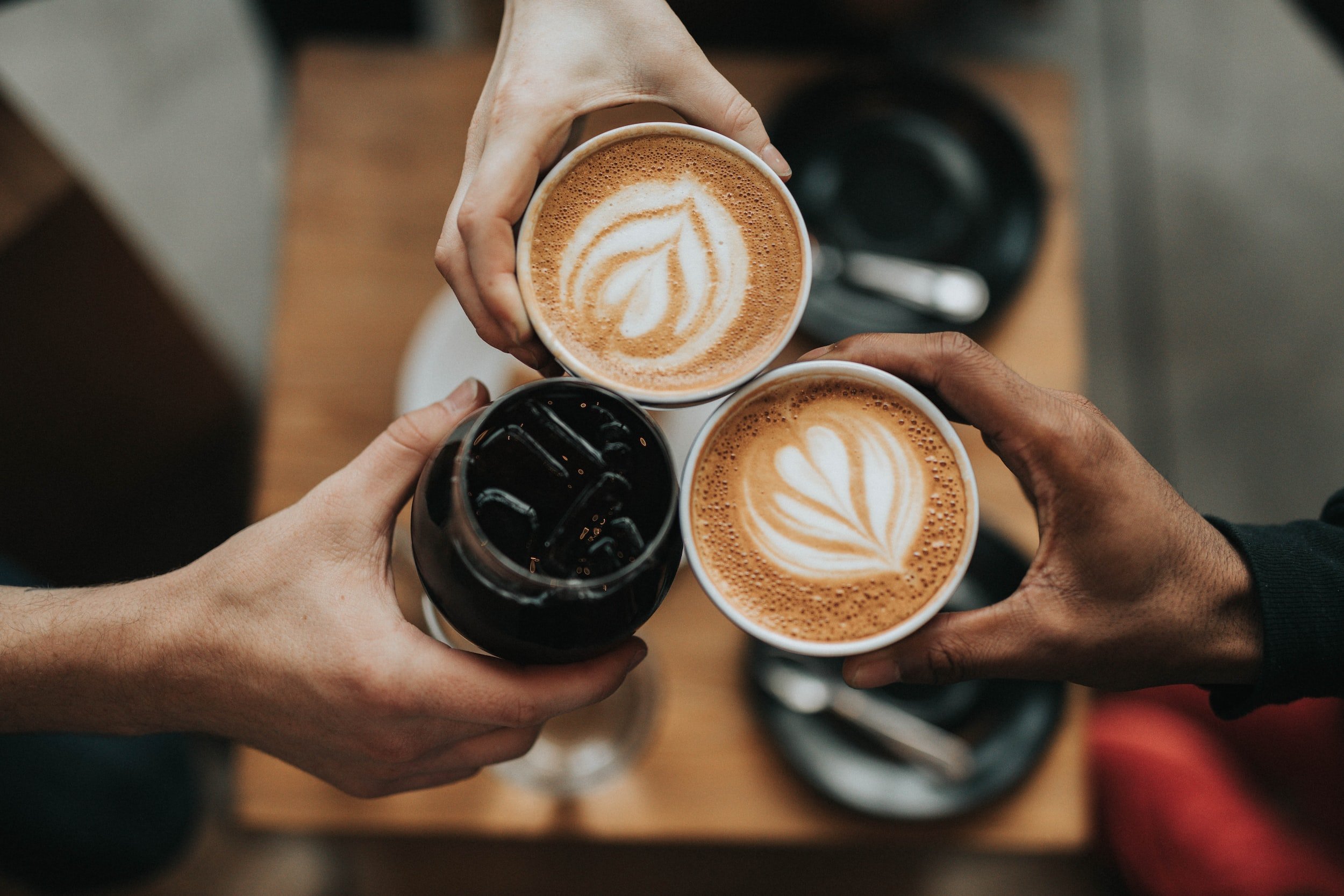
The Ultimate Happiness Diet - The Atlantic explores the relationship between diet and happiness, emphasizing that how we eat often matters more than what we eat. While various diets promote longevity and health, happiness is closely tied to social eating experiences and moderation. Research suggests that regular, balanced meals with others enhance well-being, while overindulgence in processed foods, alcohol, or strict diets can diminish it. The Spanish eating method—focused on togetherness rather than the food—is a model for a happiness-boosting diet. Ultimately, the joy of eating lies in shared experiences, not just the food.

Unraveling IBD's Mysteries

Recent research into inflammatory bowel disease (IBD) sheds light on potential new therapies by exploring the genetic, immunological, and microbial factors that drive the condition. Studies reveal how gene regulation, rogue antibodies, and gut bacteria contribute to IBD's complexity. These findings suggest tailored treatments for IBD may be possible, although much work remains. With a rising global incidence, these discoveries offer hope for better-targeted therapies, even if only a few patients benefit from these early advances. Solving Inflammatory Bowel Disease's Mysteries May Lead to New Therapies | Scientific American.

Aging Patterns Unveiled

A comprehensive study analyzing nearly 50,000 brain scans has identified five distinct patterns of brain atrophy linked to aging, neurodegenerative diseases, and lifestyle factors like smoking and alcohol consumption. Using deep-learning techniques, researchers created models that detect subtle brain changes over time, offering insights into predicting disease progression, including dementia and Parkinson's. The study highlights the complex interplay between brain anatomy, genetics, and lifestyle, emphasizing the potential for early detection and tailored interventions to combat age-related neurological decline. Brain Scans Reveal Aging Patterns Based on Disease, Alcohol, and Smoking | Scientific American.

A Diabetes Dilemma

Recent studies have reinforced the link between red and processed meat consumption and an increased risk of Type 2 diabetes. A comprehensive analysis involving nearly two million participants across 20 countries found that consuming just 1.8 ounces of processed meat daily raised diabetes risk by 15%, while 3.5 ounces of unprocessed red meat increased it by 10%. Poultry also showed a modest risk increase, though results were less consistent. The research underscores the growing evidence that reducing meat intake could benefit diabetes prevention. Eating Meat Is Linked With Type 2 Diabetes, New Studies Suggest - The New York Times (gift article).

Zepbound for Glory

Eli Lilly's Zepbound, also known as tirzepatide, shows promise in nearly eliminating the risk of type 2 diabetes in overweight and pre-diabetic adults, according to a recent study. Over three years, patients taking Zepbound experienced a 94% reduction in diabetes risk and sustained significant weight loss, averaging a 23% reduction in body weight. These findings bolster the case for broader insurance coverage and potential FDA approval for additional health benefits, positioning Zepbound as a game-changer in obesity and diabetes management. Eli Lilly's Zepbound could eliminate the risk of diabetes in overweight adults: study.

A Tiny Problem, A Huge Headache

The pervasive presence of microplastics, fragments less than 5mm in diameter, has infiltrated the environment and human organs, including the brain. Recent studies reveal that human brain samples contain about 0.5% plastic by weight, raising serious health concerns. Researchers are calling for an immediate global emergency to address this growing plastic pollution crisis, which now impacts air, water, food, and human tissue. The mounting evidence underscores the urgent need to curtail plastic use and mitigate its harmful effects on health and ecosystems. Microplastics Invade Human Brains, Researchers Call For Global Emergency (Thanks, Amy!).

Apps Serving Friendship on a Platter

Social apps are evolving beyond dating, offering platonic meetups over meals to combat loneliness, especially among remote workers and city dwellers. Platforms like The Breakfast and Timeleft pair strangers for breakfast or dinner, fostering deep connections. Users, tired of networking and dating apps, seek genuine social interactions. The trend is growing, with apps like Bumble acquiring friend-focused Geneva. As loneliness rises, these platforms provide a much-needed space for meaningful connections, proving that breaking bread with strangers can create new friendships.Want to meet new people? These apps connect strangers for a meal. - The Washington Post (gift article).

Mood Food

The Connection Between Diet and Mood Disorders Is Growing Stronger — Here's What Researchers Know explores the growing evidence linking diet to mood disorders like anxiety and depression. Research shows that blood sugar fluctuations, driven by high-glycemic foods such as white bread and sugary snacks, can significantly impact mental health. The Mediterranean diet, with its low glycemic index, is highlighted for its potential to stabilize mood. Practical strategies, such as combining carbs with proteins or eating them earlier in the day, are suggested to help manage these effects and support overall mental well-being.


070 - Gut Glia, Quercetin, and Defining Death - HealthHippieMD Week In Review

Inoculating Against the Blues

A Vaccine for Depression - Nautilus delves into the pioneering research on developing a vaccine-like treatment for depression. This innovative approach focuses on targeting the immune system, which plays a crucial role in mental health. Researchers have discovered that certain immune responses can exacerbate depressive symptoms. By modulating these responses, it's possible to alleviate depression. This groundbreaking work opens up a new frontier in mental health treatment, moving beyond traditional methods and offering hope for more effective and lasting solutions for those battling depression.

A Grape Pain

A recent study has identified quercetin, a compound in red wine, as a potential cause of the notorious red wine headaches. This discovery challenges previous beliefs that tannins, sulfites, or histamines were to blame. Quercetin, found in grape skins, is beneficial as a grape sunscreen and a human antioxidant, but when combined with alcohol, it can disrupt the body's process of breaking down alcohol, leading to headaches. The study, co-authored by Andrew Waterhouse and Morris Levin, reveals that quercetin blocks an enzyme crucial for converting acetaldehyde into acetate, causing a buildup of toxins and resulting in headaches. Interestingly, cheaper wines tend to have less quercetin due to less exposure to the sun on grapes, potentially offering a workaround for those prone to these headaches. However, there's no definitive cure yet, and further research will explore this phenomenon more deeply. Why red wine gives you headaches, according to science - The Washington Post (gift article).

The Double-Edged CAR-T Sword

The FDA has raised concerns that CAR-T, a groundbreaking cancer treatment, might paradoxically cause new cancers in some patients. Approved in November 2017 for severe blood cancers, CAR-T therapy involves genetically modifying a patient's T cells to attack cancer cells. Despite its life-saving potential, the FDA reported 19 cases of new blood cancers post-treatment. While the risk is considered small and the benefits significant, this development has sparked a debate in the medical community. The FDA is investigating these cases to determine if there's a direct causal link between the treatment and the emergence of new cancers amidst CAR-T's remarkable success in saving thousands of lives. CAR-T, Lifesaving Cancer Treatment, May Sometimes Cause Cancer, FDA Says - The New York Times (gift article).

New Coursera Course on Generative AI

Coursera has fabulous free courses taught by the world's experts. I'm adding the course mentioned in Generative AI for Everyone: A Free Course from AI Pioneer Andrew Ng | Open Culture to my list to take after I finish my current course: Songwriting: Writing the Music | Coursera.

Symphony of Health

Speaking of music, are you curious about how to harness the power of music to help manage different conditions or symptoms? If so, you might be interested in the National Center for Complementary and Integrative Health's free virtual meeting, "[Music as Medicine: The Science and Clinical Practice][1]," on December 14–15, 2023. The 2-day event will share what's been learned in recent years and chart a path forward for growing the research to drive deeper scientific understanding of this topic. See you there!

Gut Glia

In the Gut's 'Second Brain,' Key Agents of Health Emerge delves into the fascinating world of glial cells in the enteric nervous system, often overshadowed by neurons. These cells play a crucial role in digestion and disease, a fact that scientists are just beginning to unravel. The gut, equipped with its complex network of nerve cells, functions almost independently from the brain and is responsible for digestion, from breaking down food to nutrient absorption and waste elimination. Recent studies have highlighted enteric glia's diverse and active role in this process, including their involvement in nutrient absorption, blood flow, immune responses, and even gut motility. This newfound understanding of glial cells in the gut could pave the way for novel treatments for gastrointestinal disorders and enhance our comprehension of the digestive system's intricate workings.

Hypnotic Gut Healing

In a surprising turn of medical treatment, hypnotherapy emerges as a potential relief for gut disorders. A story in the Atlantic centers around Zack Rogers, who, on his 12th birthday, began experiencing severe stomach pain, leading to a drastic weight loss and a prolonged struggle with his health. After years of ineffective medical treatments and facing the prospect of major surgery, Zack's mother sought a second opinion, which led to hypnotherapy. This unconventional approach gradually brought significant improvements, involving deep focus and relaxation to alter thought patterns. Zack's recovery was so profound that he regained his everyday life, including playing sports and attending college, a future that seemed impossible before the hypnotherapy. This case highlights hypnotherapy's unexpected yet impactful role in treating severe gut disorders. Hypnosis Could Work Wonders on IBS - The Atlantic.

How Much Protein Do You Really Need?

The NY Times summed up the current recommendations in How Much Protein You Need As You Age - The New York Times (gift article).

Defining Death

What is death? | MIT Technology Review delves into the evolving understanding of death in neuroscience. It challenges traditional perceptions of death, suggesting it should be viewed as a transient process rather than an irreversible event. This shift in perspective emerged with medical advancements like CPR and mechanical ventilators, which blurred the lines between life and death. The concept of brain death, arising from observations of patients with severe brain damage, further complicated the definition of death. This has sparked medical, ethical, and legal debates. The article highlights that despite these advancements, the scientific understanding of the dying brain remains complex and filled with unanswered questions.

064 - AI Lucid Dreams, Long Covid, and Glowing Guts - HealthHippieMD Week In Review

Getting Gold through Crowdfunding

Olympic gymnast Mary Lou Retton joined the ranks of countless Americans, turning to crowdfunding to cover her substantial medical expenses incurred during a battle with rare pneumonia. Her daughter launched a fundraising campaign on Spotfund, and the public rallied, astonishingly raising $350,000 in under two days, surpassing the $50,000 goal. This peculiar juxtaposition highlights the harsh reality of healthcare costs in the U.S., where a quarter million Americans initiate crowdfunding campaigns yearly. Sadly, most don't reach their targets; studies show that 16% receive no donations. This underscores the stark inequalities within the American healthcare system. Mary Lou Retton Crowdfunded Her Medical Debt, Like Many Thousands of Others - The New York Times. (gift article)

Scientists Unearth New Clues to Long Covid

In an unexpected twist in Long Covid, researchers suggest that the villain might be lurking in the gut. In a study published in the journal Cell, scientists from the University of Pennsylvania propose that the remnants of the coronavirus residing in the digestive tract could be suppressing serotonin production, the brain's feel-good neurotransmitter. This serotonin shortage could explain the cognitive and neurological symptoms experienced by many Long Covid sufferers. The research offers a fresh perspective on the condition and potential treatment avenues, proving that sometimes the gut feeling isn't just a metaphor. Scientists Offer a New Explanation for Long Covid - The New York Times. (gift article)

FDA Sounds Alarm on Ketamine Misuse

The FDA is raising eyebrows about the reckless use of ketamine, the anesthetic pharmaceutical (and sometimes party drug) that's been rebranded as a depression and anxiety remedy. They're concerned about the growing trend of online marketers doling out ketamine prescriptions via telemedicine, sidelining the need for medical supervision. While ketamine therapy for mental health shows promise, the regulatory haze around it has spurred abuse. The FDA warns that unsupervised use could lead to serious health problems despite its "off-label" legality. Before you consider a virtual consultation for ketamine, think twice. FDA Issues Warning Over Misuse of Ketamine Therapy - The New York Times. (gift article)

How Not To Age

I'm a big fan of Michael Greger and NutritionFacts. Dr. Gregor's new book, How Not to Age, is coming out this December. He has a few previews of the information here: anti-aging | Health Topics | NutritionFacts.org.

Emotional Costs of Sleepless Nights

A Psychology Today article highlights the emotional toll of sleep deprivation. Beyond the evident fatigue, insufficient sleep can destabilize our delicate equilibrium, leading to intensified negative emotions and unpredictable mood swings. It's a poignant reminder that sleep doesn't merely rejuvenate our bodies but also plays a pivotal role in mental well-being. In essence, to remain emotionally balanced, it's imperative to count the hours and make them count. 4 Ways That Sleep Deprivation Can Harm Your Emotional Health | Psychology Today.

Ear's a Thought: Brainwave Buds

Researchers from the University of California, San Diego, have unveiled innovative earbuds to monitor brainwaves and assess health via ear sweat metabolites. Unlike traditional bulky EEG machines, these compact "neuro-buds" offer a non-invasive peek into cognitive states, potentially aiding early diagnosis of neurodegenerative diseases and even providing neurofeedback. The earbuds, embedded with minute electrodes, detect neural electrical activity during various tasks. Additionally, they can gauge stress levels, predict seizure risks, and measure vital metabolites like glucose. As a bonus, they're designed to play calming sounds based on detected neural patterns, offering users real-time mind management. New Brain-Earbuds Can Listen to Brainwaves, Improve Mood, Decrease Stress, and Possibly Predict Stroke and Neurodegenerative Diseases. ^

NCCIH on Rheumatoid Arthritis

NCCIH has a page on the science behind complementary approaches to Rheumatoid Arthritis: 6 Things To Know About Complementary Health Approaches for Rheumatoid Arthritis | NCCIH.

+And a page on paying for Integrative and Complementary Medicine (including insurance coverage): Paying for Complementary and Integrative Health Approaches | NCCIH.

Mediterranean Diet and Exercise Melt Visceral Fat

A recent study revealed that a combination of a reduced-calorie Mediterranean diet and regular exercise can significantly reduce total fat mass and dangerous visceral belly fat. Older participants following this regime gained muscle and lost considerable body fat within a year, with benefits lasting up to three years. Notably, this wasn't merely about weight loss; the program reshaped body composition from fat to muscle. The study underscores the health risks of visceral fat, linked to diabetes, heart disease, and stroke, and emphasizes the transformative potential of diet and exercise on metabolic health. Mediterranean diet and exercise reduce dangerous belly fat, study says | CNN.

Glowing Guts for IBD

An MIT team designed a pill filled with genetically engineered E. coli bacteria that emit light when detecting gut inflammation. The new device was built to aid in treating Inflammatory Bowel Disease. Photodiodes inside the pill capture this glow, while a radio chip broadcasts it externally. Merging moist microbes with dry electronics was tricky, solved with a clever adhesive barrier. After promising tests in pigs, the next step is human trials. As some pursue a "pill cam" for visual diagnostics, this pill offers a luminescent alternative. This microbe-filled pill could track inflammation in the gut | MIT Technology Review.

Sobering Stories: Physicians and Their Mental Health

The Guardian had an article on the physical and mental toll of medicine and medical training, told through the experience of a Harvard Endocrine Surgeon. U.S. surgeons are killing themselves at an alarming rate. One decided to speak out.

Lucid Dreaming with the Help of AI

Eric Wollberg and Wesley Berry have embarked on a futuristic quest with their startup, Prophetic. Taking inspiration from ancient prophets, their "Halo" device pledges to induce lucid dreams through the wonders of generative A.I. After a whirlwind fundraising season garnering over $1 million and support from tech bigwigs like Apple's neurotech team and Elon Musk's Neuralink, the buzz is palpable. But there's a hiccup: Prophetic hasn't triggered lucid dreams yet. Science suggests that inducing such dreams is feasible, but consistently doing so remains unproven, especially with Prophetic's unique method. Prophetic says its Halo device can cause lucid dreams using generative A.I. Can it?

045 - Dying Brains, Frenemies, and the Physiology of Hangry - HealthHippieMD Week In Review

Flavanols Combat Memory Loss in Aging Adults

A new study reveals that flavanols, nutrients found in select fruits and vegetables, are crucial in mitigating age-related memory decline. The research demonstrates a positive correlation between flavanol intake and memory test scores among older adults. Notably, individuals over 60 with low-flavanol diets experienced significant memory improvement after reintroducing these dietary components. This study supports the emerging understanding that specific nutrients are essential for maintaining optimal brain health as we age. By highlighting the power of flavanols, the research offers potential avenues for improving cognitive function in older adults and underscores the importance of a flavanol-rich diet or supplements. Memory Boosting Power of Flavanols in Aging Adults

Gut Check

Scientists have discovered the mechanism behind how chronic stress can lead to gut inflammation. Signals originating in the brain reach gut nerve cells, triggering the release of inflammatory chemicals. The study, The enteric nervous system relays psychological stress to intestinal inflammation glucocorticoids act on gut neurons and glial cells, which then activate immune cells. These immune cells release molecules that cause painful bowel inflammation. The findings suggest that managing stress levels could significantly impact the effectiveness of treatments for inflammatory bowel disease (IBD). The research opens possibilities for targeting the brain-to-gut signaling pathway for new therapies. Chronic stress can inflame the gut — now scientists know why

Frenemies Take a Toll

According to psychologists, ambivalent relationships, known as frenemies, which combine positive and negative aspects, can be more detrimental to health than purely negative relationships. Research reveals that interacting with individuals who evoke mixed feelings can raise blood pressure and lead to negative physical symptoms. Even a single ambivalent interaction can have adverse effects on well-being. Unpredictability increases pain from unpleasant interactions, and rumination contributes to the negative impact of such relationships. Recognizing the harmful effects of frenemies is important for maintaining overall health and well-being. Opinion | Ambivalent Relationships May Be Hazardous to Your Health. (gift article)

The Neuroscience of Hangry

Neuroscientists have discovered a cluster of cells called AgRP neurons that stimulate appetite and play a vital role in the infamous "hangry" feeling. These cells near the brain's blood supply receive signals from the stomach and fat tissue, influencing our hunger levels. By manipulating AgRP neuron activity in mice, researchers have identified how they trigger food-seeking behavior and respond to the presence of nutrients. This breakthrough could lead to new therapies for eating disorders like anorexia and overeating. By understanding and controlling the hangry feeling, scientists hope to revolutionize our ability to manage our diets effectively. Neuroscientists May Have Found the Part of Your Brain That Makes You Hangry

Electrical Activity Surges in the Dying Brain

A new study reveals that dying brains experience a surge of electrical activity, challenging the assumption that brain activity decreases during dying. Researchers monitored four comatose patients who died in a neurointensive care unit and observed a surge of neurophysiological activity in regions associated with conscious processing. This surge included increased synchronization and connectivity between different brain regions. While the study doesn't directly explain near-death experiences, it suggests that the observed brain activity pattern may contribute to the vivid perceptions reported during such experiences, prompting further investigation into the nature of human consciousness. Scientists monitored four dying patients' brains. Here's what they saw . In the late 2000s, David Auyong and I observed the same phenomenon while on call: Processed electroencephalogram during donation after cardiac death.

Biochemistry of Psychedelics, BDNF, and Neuroplasticity

Psychedelics promote plasticity by directly binding to BDNF receptor TrkB | Nature Neuroscience reveals that LSD and magic mushrooms dramatically rewire the brain, offering new possibilities for treating depression. The research conducted by an international team of scientists from the University of Helsinki shows that, at least in a test tube, these psychedelics bind to a protein called receptor tyrosine kinase beta (TrkB), which activates brain-derived neurotrophic factor (BDNF). BDNF plays a crucial role in neuron growth and development. This discovery paved the way for developing safer and more effective treatments for mental health disorders. LSD and Magic Mushrooms Dramatically Rewire the Brain, New Study Reveals.

AIHits (Generative AI Music and Podcasts)

"What makes pop work is that it's always changing and always responding. This is just a feedback loop between systems." AI is having a profound effect on artistic expression in music. Now there's a website to listen to. AI Could Usher in a New Era of Music. Will It Suck?

+The Generative AI gold rush is on in the podcasting space, too, as if the genre wasn't already overcrowded: Generative AI Podcasts Are Here. Prepare to Be Bored.

The Evolutionary Significance of Dreaming

"REM [sleep] has been crucial to human creativity."The evolutionary significance of dreaming is an interesting video on BigThink.

External Stressors Affect Cancer Mortality

Surprise, surprise! Higher allostatic load, a quantitive measure of the cumulative physiological damage from stress, is associated with worse cancer outcomes: Evidence Emerges Showing External Stressors Adversely Affect Cancer Outcomes

Sucralose-Genotoxic?

At least in test tubes, new evidence shows that Sucralose (Splenda) can disrupt DNA. "It's time to revisit the safety and regulatory status of sucralose because the evidence is mounting that it carries significant risks." Sucralose Damages DNA, Linked to Leaky Gut: Study (thanks, Diana!)

029 - Coffee College, Facebook, Resilience and Despair - HealthHippieMD Week In Review

Life may get in the way of newsletter publication next week. I'm apologizing in advance for an abreviated or absent edition. I'll resume normal publication on Sunday, February 26.


Demoralization of Healthcare Workers

Here is a provocative piece about diminished morale amongst healthcare workers. Although written by a physician about physicians, the same is true for other healthcare professionals. Opinion | Doctors Aren't Burned Out From Overwork. We’re Demoralized by Our Health System (gift article)

Food Choice and Cognition / Dementia

Here is another article on the cognitive value of eating whole, plant-based food: How Your Diet Could Help (or Hurt) Your Aging Brain. For a nice review paper on food and supplements, see: In Pursuit of Healthy Aging: Effects of Nutrition on Brain Function.

Exercise and Resilience

"Resilience is the ability to bounce back from adversity... Resilience is essentially an emotional muscle, but a growing body of research shows that exercising our physical muscles is one way to increase our capacity to cope with daily stress." WaPo had an article on the physiology behind the phenomenon: How exercise can help you build resilience at any age (gift article)

Your Lying Mind

The Atlantic procured several articles on how our minds can deceive us, especially when something threatens our identity: Your Lying Mind - The Atlantic (requires subscription)

Psychedelics Medically Approved Down-Under

Starting July 1, 2023, authorized Australian psychiatrists have another tool in their armamentarium: psychedelics. On February 3, MDMA and psilocybin, but the training standards and hoops to jump through to prescribe these drugs are still formidable: MDMA and Psilocybin Are Approved as Medicines for the First Time | WIRED (thanks, Richard!)

Relationship Contracts

A relationship contract looks pretty unromantic, but it seems to work for this couple: Creating a contract — yes, a contract! — could help you get what you want from your relationship |

Sound Therapy

Sound therapy instruments like the Digeridoo and Tibetan Singing Bowls have been used for thousands of years to calm the mind and heal the body. Is Sound Therapy the New Way to Zen? discusses the phenomenon. I was skeptical about sound therapy until I read literature on how specific frequencies of sound activate immune pathways (in rodents): Alzheimer's Disease and Gamma Waves

Coffee College

I'm interested in perfecting my coffee-making abilities. In the article, Coffee College: Everything You Wanted to Know about Coffee Making in One Lecture, I learned of the coffee-education service Barista Hustle and its associated Youtube channel. I'm setting aside 80 minutes to watch: Advanced Coffee Making Lecture at Assembly Coffee London.

Your Healthcare System: Official Corporate Partner of the NFL

A provocative opinion piece in WaPo about hospital marketing. "So when people see any TV commercial or billboard highlighting a hospital system's quality of care, then walk into that same hospital system's emergency room only to find it dangerously overcrowded and understaffed, it is worth connecting the dots. Imagine how many lives would be saved if only we were to take the bold step of demanding that our healthcare dollars be spent on actual healthcare." Opinion | Super Bowl ads are not where hospitals in crisis should spend money (gift article)

Artificial Intelligence Primer: Wired Complete Guides

Wired has been doing background pieces on today's important technology. Two examples to help you get up to speed: What Is Blockchain? The Complete WIRED Guide and What Defines Artificial Intelligence? The Complete WIRED Guide. Both are worth a read.

A New Approach to Graft-vs-Host Disease and Inflammatory Bowel Disease (pre-clinical)

GI GVHD Link to Microbiome Dysbiosis Addressed by Reducing Intestinal Oxygen discusses a study looking at treating GVHD (and perhaps inflammatory bowel disease) by decreasing the oxygen content in the bowel using iron chelation. "The findings suggested that restoring the normal environment by reducing the oxygen level in the intestine could help re-establish the balance of the microbial community and lead to attenuation of GVHD."

The Science of Pleasurable Touch (pre-clinical)

You've probably heard of "skin hunger," the craving to be touched by another. Scientists are beginning to unravel why being touched by others is pleasurable: Scientists mapped the brain circuitry involved in pleasing touch in mice

How Do You Serve a Friend in Despair

Love oozed from a journalist's writing about his good friend who sunk into depression and ultimately committed suicide. "I learned, very gradually, that a friend's job in these circumstances is not to cheer the person up. It's to acknowledge the reality of the situation; it's to hear, respect, and love the person; it's to show that you haven't given up on them or walked away." Opinion | How Do You Serve a Friend in Despair? (gift article)

All Things Zuckerberg

"We are the germs, but Facebook is the wind." Facebook seems to be at the center of many controversies today. I just read the 2018 article, Can Mark Zuckerberg Fix Facebook Before It Breaks Democracy?, The article was insightful and informative and is a must-read for anyone that wonders what all the hullaballoo is about.

Covid Evolved

A Crucial Group of Covid Drugs Has Stopped Working discusses how Covid has evolved, negating the effectiveness of drugs that were once the mainstay of prophylaxis for immunocompromised patients.

006 - Loneliness, Mucus, and Cannabinoids - HealthHippie Week In Review - August 21, 2022

Loneliness

Loneliness is a significant problem among older adults. For many, feelings of isolation were amplified by the pandemic. Feelings of loneliness impart risks to immunity, cognition, and general health. I read the article, Mindfulness Training Appears To Improve an Immune Function Marker in Lonely Older Adults The critical question was whether MBSR stimulated production of interleukin-6 (IL-6), a measure of the immune system's responsiveness in older, lonely adults (as measured by the UCLA Loneliness Scale). The authors found that MBSR significantly increased IL-6 production in response to challenge, improving responsiveness. The authors pointed out these are only early mechanistic findings-it is unclear whether the results would translate into meaningful health outcomes. An interesting study, nonetheless.

Gut Mucus and Inflammatory Bowel Disease

Fugitive gut bacteria can disrupt our immune system. Here's how we can capture them is an intriguing synopsis of the study, The systemic anti-microbiota IgG repertoire can identify gut bacteria that translocate across gut barrier surfaces. The study looked at the activation of the immune system by bacteria that cross the gut barrier into circulation. The study reinforced the importance of maintaining a healthy mucus layer in your gut through food choices and the avoidance of emulsifiers (both in food and soaps). Here is an article that touches on the concept A New Theory of Obesity.. I will write something else on emulsifiers soon.

Facing Covid with a Compromised Immune System

The excellent opinion piece, How to Plan for the Future When COVID Isn't Going Away, written by an immunocompromised author, resonated with me.

The Doctor will Zoom you Now

An interesting opinion piece by a physician telemedicine convert: How I Came Around on Telemedicine. The article touches on the many benefits of remote visits, including some unexpected ones. The report also discusses some of the challenges for telemedicine moving forward.

Mad Honey Redux

Two weeks ago, I learned about Mad Honey for the first time. This week, The Washington Post published a story about a Turkish bear that got so stoned on Mad Honey-he had to be rescued. Here is the story (with a video): Meet Balkiz, a bear cub in Turkey who got high on hallucinogenic honey

Plant-Based "Meat"

I read the article Taste alone won't persuade Americans to swap beef for plant-based burgers and had a pretty strong reaction. The piece focused solely on messaging to improve plant-based meat consumption. Isn't the most essential question "what's best for our bodies?" Although plant-based meats may be better for the environment, the jury is still out on whether these highly processed foods are better for our health: Plant-based Meat versus Beef

Psychedelic Capitalism

As a follow-up to my newsletter a few weeks ago, here is an interesting podcast on the rapidly developing market for psychedelics: The corporatization of psychedelics-audio. or transcript

+More on the psychedelic renaissance. Psychedelics and mental health: What to know.

Fish Oil and Endocannabinoids

I read the article, Fish Oil Is Good! No, Bad! No, Good! No, Wait, that focuses on the drug Vascepa. Vascepa was approved after a published study demonstrated that, among high-risk adults already receiving another type of cholesterol-lowering treatment, the drug decreased the risk of heart failure and other serious cardiovascular events by an eye-popping 25 percent. A recent manuscript, Effects of Randomized Treatment With Icosapent Ethyl and a Mineral Oil Comparator on Interleukin-1β, Interleukin-6, C-Reactive Protein, Oxidized Low-Density Lipoprotein Cholesterol, Homocysteine, Lipoprotein(a), and Lipoprotein-Associated Phospholipase A2: A REDUCE-IT Biomarker Substudy calls into question the findings of the original study and raises suspicion it was not the fish oil that made subjects better. Instead, it was the placebo that made control subjects worse. The article is anti-fish oil, but I wouldn't give up on fish oil just yet. Most people don't realize fish oil is a building block for endogenous cannabinoids, the substances your body makes that bind to the same receptors as marijuana. Cannabinoid receptors are everywhere in your body, and we are just beginning to understand what they do. The fact that the receptors are so prevalent tells me they have essential roles to play in physiology. I've touched on some emerging science: Why does running give you a high? A look at the science If you'd like to learn more about the biochemistry: Emerging Class of Omega-3 Fatty Acid Endocannabinoids & Their Derivatives

Medical Gaslighting

A common experience in medicine is having one's concerns dismissed by a provider, often referred to as medical gaslighting. Medical practitioners often quickly ignore symptoms and diseases they don't fully understand. The article, How to Spot 'Medical Gaslighting' and What to Do About It, discusses how to identify these behaviors by medical professionals and how to overcome them.

Love, not Lies

Another great article in the Atlantic's How to Build a Life Series. The latest, Disagreement Can Be an Act of Love, is about the lies we tell ourselves and each other. One of my favorite lines in the article, "Some lies might make life easier, but they don't necessarily make life happier._"

Hyperbarics and Long Covid

An intriguing synopsis of a small study out of Israel, Is Oxygen the Answer to Long Covid?, shows hyperbaric oxygen treatment improves the symptoms of Long Covid. The authors opine on potential mechanisms but do not mention the microbiome. A hyperoxic environment would kill many anaerobic bacteria that typically thrive in the oxygen-poor environment of the gut. The alteration of the gut microbiome through hyperoxic exposure is definitely worth considering.

Daydreaming

I've always enjoyed daydreaming, but not everyone does. Why Daydreaming Is Actually Good For Your Brain is an interesting article on the phenomenon of positive and negative daydreaming. The report includes tips on making your daydreams more positive, productive, and creative.

Are Small Amounts of Alcohol Beneficial to Your Health?

Michael Greger tackles the questions of alcohol use and reverse causation in: Is It Better to Drink Little Alcohol Than None? Do Any Benefits of Alcohol Outweigh the Risks?

Quote of the Week

"You must love in such a way that the person you love feels free." ― Thich Nhat Hanh

004 - Fighting Food Waste, Dark Cheerfulness, What We Smell in Our Friends - HealthHippie Week In Review - August 7, 2022

Revamping the Food Expiration System

Americans waste about one-third of their food. The article, Food expiration dates are broken — a microbiologist explains how to fix them discusses revamping the system to be more beneficial for consumers (and to decrease food waste).

Hospital Rankings

This week, the U.S. News and World Report released its hospital rankings. The podcast episode, Should We Trust Hospital Rankings? is an interesting discussion of the ranking system and how the rankings could be improved. "Hospitals compete for prime spots on the U.S. News rankings — but could those lists do more harm than good?"

The Dark Side of Cheerfulness

"Emotions are usually defined by their ungovernability, experienced as forces that wash over us and challenge our sense of agency. That quality is what makes most seem authentic and trustworthy to us. Fake anger or love feels like a betrayal. But fake cheer?..." The excerpt is taken from the book review, The Dark Side of American Cheerfulness on the book: Cheerfulness: A Literary and Cultural History. The review is well worth the read, touching on psychology, culture, history, philosophy, and politics.

Smell you Later

Many of us believe we have cognitive control over most aspects of our lives, including the people we call friends and the people we choose as romantic partners. With all types of human connections, some just "click," but the basis behind interpersonal chemistry remains elusive. As with all things physiological, the story is complex. Do we like our friends because they stink like we do is a reminder that at our core, we are just evolved animals. These researchers claim they can determine "chemistry" between two individuals with 71% accuracy using only their smell.

Pandemic and Positive Emotions

Listened to the Pushkin Podcast from the Happiness Lab with Laurie Santos, What Did the Pandemic Teach Us About Happiness? about the role the pandemic played in happiness. The discussion referred to Surgeon General Vivek Murthy's NEJM article, Confronting Health Worker Burnout and Well-Being. In 2017 I tried to get my proposal, Measuring the impact of biofeedback-enhanced meditation on resident stress, burnout, and well-being, funded. The plan was to begin with residents but ultimately study the entire perioperative healthcare workforce. The proposal was not funded. I remain just as interested today as I was back then, maybe more so now that my daughter has started her long medical training.

Questioning the Theory of Chemical Imbalance in Depression

The manuscript, The serotonin theory of depression: a systematic umbrella review of the evidence. stirred quite a bit of controversy. The commentary in Slate, Why has the misleading chemical imbalance theory of mental illness persisted for so long was one of the better articles I read.

Nutrition and Mental Health

And while we are on the topic of mental health, I discovered a new podcast this week from ZOE Science and Nutrition. I listened to two of the episodes. Both were excellent with a mix of science and actionable advice: How food can improve your mood and Can you reverse damage from a bad diet?

Can We Cure Aging?

Medscape published an excellent brief overview of longevity research: Is There a Cure for Aging?

Dr. Amazon is In

Several interesting stories about Amazon this week. First, an article about Alexa's potential utility in early diagnosis of cognitive decline: Alexa could diagnose Alzheimer's and other brain conditions — should it? The article discusses the technology and some of the ethics behind continuous digital monitoring—food for thought. Voice technology will continue to improve in its ability to "diagnose" many mood and cognitive disorders.

+I woke up to news that Amazon is interested in purchasing iRobot, the company that makes the Roomba. Roomba has a "Smart Maps" feature that maps the interior of your living area. The article focuses on Amazon as a surveillance company. I don't necessarily agree. I wouldn't be surprised if Amazon's interest in iRobot has medical applications--perhaps mapping the safety of an elder's environment to minimize falls. I look forward to hearing more about this deal.

Bacteriophages and IBD

I read an exciting news story on Inverse, Bacteria-eating virus cocktails may effectively treat gut inflammation, that covers the findings in the manuscript, Targeted suppression of human IBD-associated gut microbiota commensals by phage consortia for treatment of intestinal inflammation. An Israeli-led team (that includes UNC's Dr. Ryan Balfour Sartor) zeroed in on a strain of bacteria, Klebsiella pneumoniae, and demonstrated the bacteria could cause IBD like symptoms in mice. They then developed a cocktail of phages (viruses that selectively attack particular bacteria) that targeted K. pneumonia and ameliorated damage caused by the bacteria. The authors are now beginning clinical trials. I plan to follow this work carefully.

Thanks for reading. See you next week! Please forward the newsletter to a friend.

002 - Hangover Pills, Animal Dreams, and Sound - HealthHippie Week In Review - July 24, 2022

Here are a few of the interesting stories I read this week...

Chronic Fatigue and Covid

Freakonomics, M.D.: 46. Could Long Covid Help Treat Other Chronic Illnesses? on Apple Podcasts This was an interesting discussion about the similarities between Long Covid and Myalgic Encephalomyelitis/Chronic Fatigue Syndrome(ME/CFS). I learned that ME/CFS is the most underfunded disease in the NIH portfolio relative to disease burden. Interestingly, there was no mention of the influence of the microbiome. I will be astounded if changes in the microbiome aren't involved with (or even responsible for) both diseases.

How to Hack Intrusive Thoughts

"It's not about controlling your thoughts; it's about not letting the thoughts control you..." This was the opening statement in the article A psychiatrist's guide to coexisting with intrusive thoughts. The report is a summary of If you don't let it in, you don't have to get it out: Thought preemption as a method to control unwanted thoughts.A 2020 NIH survey reported more than 1 in 5 Americans have a mental illness, but even a higher percentage have unwanted or obsessive thoughts. Rumination can adversely affect longevity as well as physical and mental well-being. The best take-home advice from the article was "We encourage people to think of intrusive thoughts as strangers at a party who drift into a room that you might happen to be in, you might engage with them for a little bit, but then eventually, they wander out the other door, and you may not spend too much time engaging with them.".

Inflammatory Bowel Disease and Depression

More interesting news on the gut-brain axis. A new study, Bidirectional association between inflammatory bowel disease and depression among patients and their unaffected siblings demonstrated a bidirectional link between Inflammatory Bowel Disease and Depression. The findings were summarized in New study shows a bidirectional link between inflammatory bowel disease and depression

Anthropause

The article Did Nature Heal During the Pandemic' Anthropause' is fascinating. "Anthropause" is what scientists named the slowdown of human activity during the Covid-19 Pandemic. Interestingly, according to the authors, the impact of diminished human activity is both positive AND negative.

Superbugs

The pandemic has impacted healthcare well beyond patients that contract Covid. I read a depressing article, The Pandemic Fueled a Superbug Surge. Can Medicine Recover?, about how the pandemic influenced a rapid rise in deadly resistant superbugs that will impact us all. The article was written in response to a recent CDC report, COVID-19, U.S. Impact on Antimicrobial Resistance. Unfortunately, not much good news there that brings greater urgency to out-of-the-box thinking to treat infections such as last week's story on Maggot Therapy.

Combatting Burnout

Burnout: How to recover and enjoy your free time is an interesting article on how burnout has reached epic proportions during the pandemic, and how to cope. The main points I took from the article:

  1. The more stressful the job, the more difficult it is to recover and the more significant the impact on self-care behaviors.
  2. Scientists group downtime into two categories: relaxation and mastery (and the importance of mastery in recovery).
  3. The importance of self-directed downtime activities.
  4. The importance of regularly separating oneself from work.

Sabine Sonnentag wrote an excellent review on the topic: Recovery from Work: Advancing the Field Toward the Future | Annual Review of Organizational Psychology and Organizational Behavior Also see my article on Time Poverty.

A Probiotic Pill for Hangovers? Not So Fast!

In my blog entry, Are Probiotics Making You Fat? probiotics, prebiotics, and fermented food,, I warned about the over-zealous promotion of probiotics as a miracle cure-all. Myrkl: new anti-hangover pill said to break down 70% of alcohol in an hour, is a perfect example of the need for caution. This is the latest instance I've read about of a companies trying to cash in on the probiotic gold rush. Myrkl, recently released in the U.K., is an enteric coated pill (resistant to stomach acid) that delivers a load of Bacillus subtilis and Bacillus coagulans to the small intestine. The company claims the two bacteria break down alcohol, thereby preventing a hangover. Putting aside the fact that a hangover is caused only indirectly by alcohol, the claim Myrkl can "cure" hangovers is based on a single, weak, poorly designed, non-generalizable investigation. I also disagree with the author of the article that probiotics are entirely safe--we don't know enough about them to make that claim. Buyer beware!

Do Animals Dream?

The article, Do Animals Dream, is a review of the book When Animals Dream: The Hidden World of Animal Consciousness. I'm adding this to my queue.

Turtle Time

There are three ways to die: injury, disease, or old age. The aging process is called senescence, the gradual breakdown of bodily functions. The article, What Turtles Can Teach Humans About the Science of Slow Aging, discusses recent studies that examine the factors contributing to the prolonged aging process of turtles. By studying slow-aging species, scientists hope to gain insight into human healthspanmight be improved.

An Apple A Day

Apple released a 65-page reporton their activities in the healthcare and wellness space. I'm working my way through the report now. Big tech is finally deeply embracing healthcare: see this article in the Economist about Alphabet/Google (Alphabet is spending billions to become a force in health care) and Amazon (Amazon to Acquire One Medical Clinics in Latest Push Into Health Care.) Amazon and other large corporations aim to control a portion of their healthcare expenditures by bringing primary care in-house rather than paying incumbent health systems and insurers. The tech giants and other prominent players (e.g., national pharmacy chains like CVS and Walgreens and retailers like Walmart) will ultimately attempt to keep their company workforce healthy (through wellness and preventative care) and OUT of incumbent health systems. Healthcare tech development is the first phase of what promises to be a massive shift in healthcare: Deloitte Estimates Wellness will Play a $3.8 Trillion Role in the Future of Medicine.

Weekend Warriors

A study published in JAMA Internal Medicine, Association of the "Weekend Warrior" and Other Leisure-time Physical Activity Patterns With All-Cause and Cause-Specific Mortality, showed that Weekend Warriors, those who only engage in exercise on the weekends, had many of the same reduction in the risk of dying as those that exercised more frequently.

Arthur Brook's Three Biggest Happiness Rules

I'm a big fan of Arthur Brook's How to Build a Life Series in The Atlantic. The article, A Happiness Columnist's Three Biggest Happiness Rules, is worth a read. The best quote: " Happy people love people and use things; unhappy people use people and love things."

Sleep and Sound

I read an interesting article on how your brain is still responsive to sound during sleep, The missing conductor: Your brain still hears sound as it sleeps. It made me think of the work at MIT looking at specific frequencies of sound and light and their effect on immune function Alzheimer's Disease and Gamma Waves. The article made me wonder if I should play particular frequency sounds while sleeping.