Yoga

084 - Digital Doppelgangers, Whispers in White Noise, and Optimism in Longevity - HealthHippieMD Week In Review

Digital Doppelgangers: Revolutionizing Diabetes Management

Twin Health has innovated a groundbreaking approach to managing type 2 diabetes by creating digital twins of the human body. These virtual avatars are built using multiple data points from sensors and AI algorithms to generate a personalized model of a patient's metabolism. The digital twin continuously learns from real-time data, offering tailored predictions and recommendations for managing blood sugar levels. In a clinical trial, patients using this technology saw significant reductions in blood sugar levels, with nearly 73% achieving remission after a year. The future of this technology promises a personalized and proactive approach to managing chronic diseases like diabetes, potentially transforming global healthcare standards. Interestingly, in 2014, I wrote a proposal for NLM and then NIDDK for this exact purpose. My proposal went unfunded, but seeing I was on the right track is rewarding. Digital twins are an effective new way to control your metabolism.

Sitting on a Time Bomb

A recent study by the University of California, San Diego (UCSD) has unveiled alarming findings about the health risks associated with prolonged sitting. Tracking 5,856 women aged 63 to 99 over a decade, researchers discovered that those sitting for more than 11 hours daily had a 57% higher risk of death compared to those sitting for less than 9.5 hours. Contrary to popular belief, even regular moderate-to-vigorous exercise couldn't offset the dangers of excessive sitting. However, an Australian study suggests that walking 9,000 to 10,500 steps daily could reduce the risk of premature death, even for habitual sitters. The discrepancies between studies might be due to different methods of measuring sitting time. The UCSD study's robust evidence underscores the importance of minimizing sitting time and breaking it up with periods of standing or walking, which aligns with World Health Organization guidelines. Sitting Is Even Deadlier Than We Thought, A New Study Reveals.

The Concussion Conundrum

The article explores the misconceptions surrounding concussion treatment, highlighting the story of Conor Gormally, who suffered multiple concussions. For years, the medical advice for concussion recovery emphasized total rest, but emerging research indicates that active rehabilitation, involving activities like exercise, reading, and screen time, is more effective. Despite this shift in understanding, many patients still receive outdated advice to "cocoon" themselves in rest, delaying their recovery. The article calls for a change in how concussions are treated, emphasizing the need for updated medical education and patient-centered care. Concussion: there's an insidious myth about a common sports injury. Even doctors believe it.

Optimism's Role in Longevity

The New Science of Optimism and Longevity explores the biological significance of optimism in promoting healthy aging and reducing disease risk. People with optimistic mindsets exhibit better cardiovascular, pulmonary, metabolic, and immunological health, leading to lower incidence of age-related illnesses and reduced mortality. A 2019 review found that optimists have a 35% lower risk of cardiovascular events and tend to live 11-15% longer than pessimists. The article also discusses the potential of optimism in slowing down cellular aging, as evidenced by studies on telomere shortening. While genetics play a role, optimism can be cultivated through social relationships and positive thinking practices, offering a strategy for enhancing physical and mental well-being.

Whispers in the White Noise

Have you ever heard mysterious voices or music in your white noise machine? You're not alone. This phenomenon, known as auditory pareidolia, occurs when your brain tries to match patterns in continuous noise, like white noise, with familiar sounds. It's a normal brain function, not a sign of schizophrenia or other psychological disorders. Experts explain that our brains are pattern-matching machines, constantly searching for recognizable sounds in the noise we hear. While it might be unsettling to listen to these phantom sounds, there's no need for concern unless you hear them without any noise present. If you're bothered by these sounds, try switching to a different type of noise or moving away from the source. Why You Hear Voices in Your White Noise Machine | WIRED.

The Impact of Electronic Music on Consciousness

Electronic music isn't just for dancing; it can also significantly alter our consciousness. Research shows that electronic music's repetitive beats and rhythms can induce trance-like states, impacting brainwave patterns and emotions. This effect is not only utilized by club-goers but also by therapists for meditation and relaxation. The article explores how electronic music's unique characteristics can influence our mental and emotional well-being, offering a new perspective on the power of music in shaping our state of mind. Brain beats: How electronic music can alter our state of consciousness. +see also Electronic music appears to alter our state of consciousness | New Scientist (subscription required)

Disconnect to Reconnect

Finding a healthy relationship with our devices is crucial in an age where technology is omnipresent. 5 Tips for a Healthier Relationship With Your Phone - The New York Times (gift article) offers practical advice for managing screen time without completely unplugging. Key suggestions include being mindful of automatic urges to check devices, limiting phone use while on the move, scheduling short tech breaks, creating an environment that encourages less phone usage, and ensuring that technology serves you, not the other way around. These tips help individuals regain control over their digital lives and foster a more balanced interaction with their gadgets.

Cool Your Jets

A comprehensive review of 154 studies by Sophie L. Kjaervik and Brad Bushman has revealed that traditional methods of managing anger, such as hitting a punching bag or jogging, may be ineffective. Instead, activities that decrease physiological arousal, like deep breathing, muscle relaxation, yoga, meditation, and mindfulness, have significantly reduced anger and aggression across various settings and populations. The research challenges the notion that venting anger is beneficial, highlighting that simple and accessible techniques can be more effective for anger management. This study offers evidence-based strategies for better anger control, promoting healthier outcomes and societal well-being. Chilling out rather than blowing off steam is a better way to manage anger − new review of 154 studies reveals what works.
082 - AI Emotional Surveillance, Ibogaine, and the Microbiome of Death - HealthHippieMD Week In Review

NCCIH Guide to Yoga

Yoga is an ancient and complex practice rooted in Indian philosophy. It began as a spiritual practice but has become popular to promote physical and mental well-being. Here is the evidence behind its health benefits: Yoga: What You Need To Know | NCCIH

Daily Uses of ChatGPT

Here is an excellent set of suggestions for using ChatGPT to make your life easier. 10 ways to use ChatGPT in daily life

Baking End-of-Life Conversations into Family Gatherings

How to Make End-of-Life Planning Less Stressful - The New York Times (gift article) explores the importance of end-of-life planning, inspired by the author's family unconventional approach to discussing the topic over a meal. Despite initial reluctance, the gathering provided clarity and comfort, revealing unexpected preferences like her parents' desire to avoid memorial services and her sister's wish for a Starbucks-held ceremony. The article emphasizes the need for open communication, preparation, and regular check-ins to ensure loved ones' wishes are respected and to alleviate future stress. It serves as a reminder that addressing end-of-life matters can be a gift to family members, sparing them from guesswork and chaos during grief.

Microbes Clock In to Solve Mysteries of Death

Scientists have uncovered a consistent network of microbes in decomposing human corpses, regardless of location or climate. By studying 36 cadavers across different environments, researchers found that these critical decomposers, comprising about 20 types of bacteria and fungi, appear predictably during the first 21 days of decomposition. This discovery has the potential to revolutionize forensic science, as tracking the abundance and patterns of these microbes can help estimate the time since death with high accuracy. This microbial clock could be a valuable tool in forensic investigations, providing a more precise determination of the postmortem interval (PMI). However, further research is needed to apply these findings in real-world scenarios, especially in cases where bodies are buried or submerged, which can alter the decomposition process. 'Microbiome of Death' Uncovered on Decomposing Corpses Could Aid Forensics | Scientific American

Sleep Engineering

Recent studies suggest that manipulating sleep could offer novel treatments for mental health issues and memory loss. Techniques like "imagery rehearsal" therapy and sleep-engineering devices aim to reshape nightmares and enhance positive memories during sleep. Researchers have found that pairing specific sounds with positive imagery before sleep and replaying those sounds during REM sleep can reduce the frequency of nightmares and improve overall mood. This approach leverages the brain's ability to consolidate memories during sleep and offers a potential new avenue for addressing conditions like post-traumatic stress disorder, anxiety, and depression. While the technology is still in development and has risks to consider, the potential for sleep engineering to provide effective and non-invasive treatment options is promising. Stimulating the Sleeping Brain Could Help Heal Memory Loss or Mental Health Problems | Scientific American

Mind Matters: p-Factor of Mental Illness

Mental illnesses often display a perplexing overlap, challenging the traditional diagnostic boundaries set by the DSM. This phenomenon is exemplified by the case of a Ph.D. student with schizophrenia whose family members suffer from a range of psychiatric conditions. Researchers attribute this overlap to a concept known as the "p factor," a general psychopathology factor that suggests a shared genetic predisposition to various mental disorders. Evidence indicates that about 40% of the risk for mental illness can be explained by this factor. This has led to a call for reevaluating diagnostic classifications and treatment approaches, advocating for a focus on commonalities rather than distinct categories. The pursuit of understanding the p factor involves exploring genetic correlations, brain structures, and psychological traits to develop more effective, generalized treatments for psychiatric illnesses. However, the concept remains contentious, with critics questioning the statistical models used to justify the p factor's existence and suggesting that mental illnesses may fall into broader categories rather than sharing a common set of features. Why Do So Many Mental Illnesses Overlap? | Scientific American

The Psychedelic Potential of Ibogaine

Ibogaine, a natural psychoactive compound derived from the iboga tree's bark, is gaining attention for its potential in treating addiction, PTSD, and brain injuries. Despite being illegal in the United States, it has shown promise in small studies for reducing opioid dependency and cravings. The drug's mechanism is believed to involve neuroplasticity, allowing patients to reevaluate their behavior and trauma. However, its legality is a barrier to access, and it carries risks of fatal cardiac arrhythmias. Ibogaine's treatment experience is intense, often involving confronting past traumas. While some studies, particularly in Brazil, support its anti-addictive properties, the lack of large-scale clinical trials and its cardiac risks make FDA approval unlikely soon. What to Know About Ibogaine, a Psychedelic - The New York Times (gift article).

Feelings Under Surveillance

The article Emotion-tracking AI on the job discusses the growing use of emotion-tracking artificial intelligence (AI) in the workplace, which analyzes biological signals and computer usage to infer employees' emotions. Despite claims of benefits like improved well-being and productivity, workers express concerns about privacy, bias, and the potential for inaccurate or unfair employment decisions. The technology, often seen as flawless by employers, has been criticized for its scientific validity and reliance on contested theories of emotion. The study highlights the additional emotional labor imposed on workers, who must mask their true feelings to present favorably to the AI, exacerbating existing workplace challenges. Critics suggest that its use should be reevaluated until the technology's implications are fully understood.

The Divergent Paths of Discordant Twins

A comprehensive study involving 25,252 Swedish adult twins, published in JAMA Psychiatry, has provided substantial evidence on how childhood trauma influences adult mental health. The research focused on "discordant twins," where only one twin experienced abuse or neglect. The findings revealed that those who faced childhood trauma were significantly more likely to be diagnosed with psychiatric illnesses such as depressive disorders, anxiety disorders, substance abuse disorders, or stress disorders. The impact of trauma was evident even after controlling for genetic and environmental factors, highlighting the profound effect of childhood adversities on adult mental well-being. This study underscores the urgent need to address child abuse and neglect to prevent long-term mental health consequences. One Twin Was Hurt; the Other Was Not. Their Adult Mental Health Diverged. - The New York Times (gift article).

027 - Wise-Selfishness, Horvath's Clock and GrimAge - HealthHippieMD Week In Review

Wise Selfishness

"....a truly enlightened self-interest also means recognizing that acting in great and altruistic ways makes you happier than solely being out for yourself." I enjoyed reading The Benefits of Being Selfish.

Nobody Has My Condition But Me

We often think that in modern medicine all maladies have been cataloged. That is far from the truth. Nobody Has My Condition But Me is about the trials and tribulations of a woman with a unique condition.

Recycling Plastic

More on recycling of plastic: Is plastic recycling a scam? Here's the truth about the common practice. We have a long way to go....

David Crosby's 15 Essential Songs

Another rock icon passed away last week. The NY Times published a list of David Crosby's best songs: David Crosby's 15 Essential Songs. (gift article)

10 Myths in Nutrition

An interesting article for both the myth-busting and the experts consulted: 10 Nutrition Myths Experts Wish Would Die (gift article)

The Microbiome and Thermoregulation

This summary article had a wealth of provocative information:

  1. The presence or absence of certain bacteria was associated with the body's temperature response in sepsis (in both humans and mice).
  2. Mice without a microbiome have a lower basal body temperature than conventional mice.
  3. The administration of antibiotics lowers basal body temperature.

The authors of the study opine that changes in the microbiome may account for the reduction in basal body temperatures of humans over the last 150 years: Gut Microbes Control the Body's Thermostat

Mixed Feelings

Feeling conflicted can feel worse than feeling bad and can bring with them a great deal of distress. Mixed Feelings Can Be Worse Than Bad Ones offers advice on how to overcome the distress.

Amazon is Happy to be Your Pharmacy

Here's an article on Amazon's RxPass, the newest service from Amazon. With a Prime Membership, you can receive as many of the 80 generic medications the service offers for a flat fee of $5 (assuming you have insurance and are not on Medicare or Medicaid). Amazon Will Now Be Your Pharmacist, If You Subscribe to Prime

Food Compass

A relatively new system aims to demystify identifying healthy and unhealthy foods. Parsing which foods are healthy and which are less so isn't always straightforward – a new rating system aims to demystify the process explains.

Gene Snippets from Mother Shape a Baby's Microbiome

A recent study published in Cell demonstrated that it's not just pure bacterial transfer between mother and baby that's important in developing a newborn's microbiome. Small pieces of DNA called mobile genetic elements hop between maternal and newborn bacteria and ultimately influence the baby's microbial development: Mobile Genes From the Mother Shape the Baby's Microbiome.

Odors Change Purchasing Decisions

I did not realize there was a body of research on the sense of smell and consumerism. How body odors influence your buying behavior explains the latest research.

Yerba Mate

Although Yerba Mate is a staple of South American dietary traditions, traction in the U.S. has slowly evolved. The recurrent description of the taste, "like freshly cut green grass," will not help to stimulate demand. The Coffee Alternative Americans Just Can't Get Behind

The Universal Aging Clock and GrimAge

Aging research is all the rage. Here is an interesting article on Horvath's Clock, GrimAge, and the effects of umbilical and young blood plasma transfusion: The Universal Clock of Aging. I learned about the GrimAge metric. I'm continuing to keep a close eye on this body of research.

The Benefits of Yoga

Another article on the benefits of yoga: Yoga: Modern research shows a variety of benefits to both body and mind from the ancient practice. For the latest science: Yoga: What You Need To Know | NCCIH

Adding New Life to Friendships and Relationships

TED had an article with helpful information on how to revitalize interactions with the people most important to you: How to add new life to your relationships (even your best ones!) |

Neurocognitive Testing for Aging Physicians

An interesting interview tackling the subject of competency exams for physicians: Age Competency Exams for Physicians -- Yes or No? For the record, I think it's a good idea.

Physicians Open Notes

Being able to read what your physician writes about you in your chart is a good thing, right? Not so fast. Why Reading Your Doctor's Notes Can Be Painful covers some of the issues.

022 - The Science of Swearing, Hobbies of Geniuses, and Cultivating Flow - HealthHippieMD Week In Review

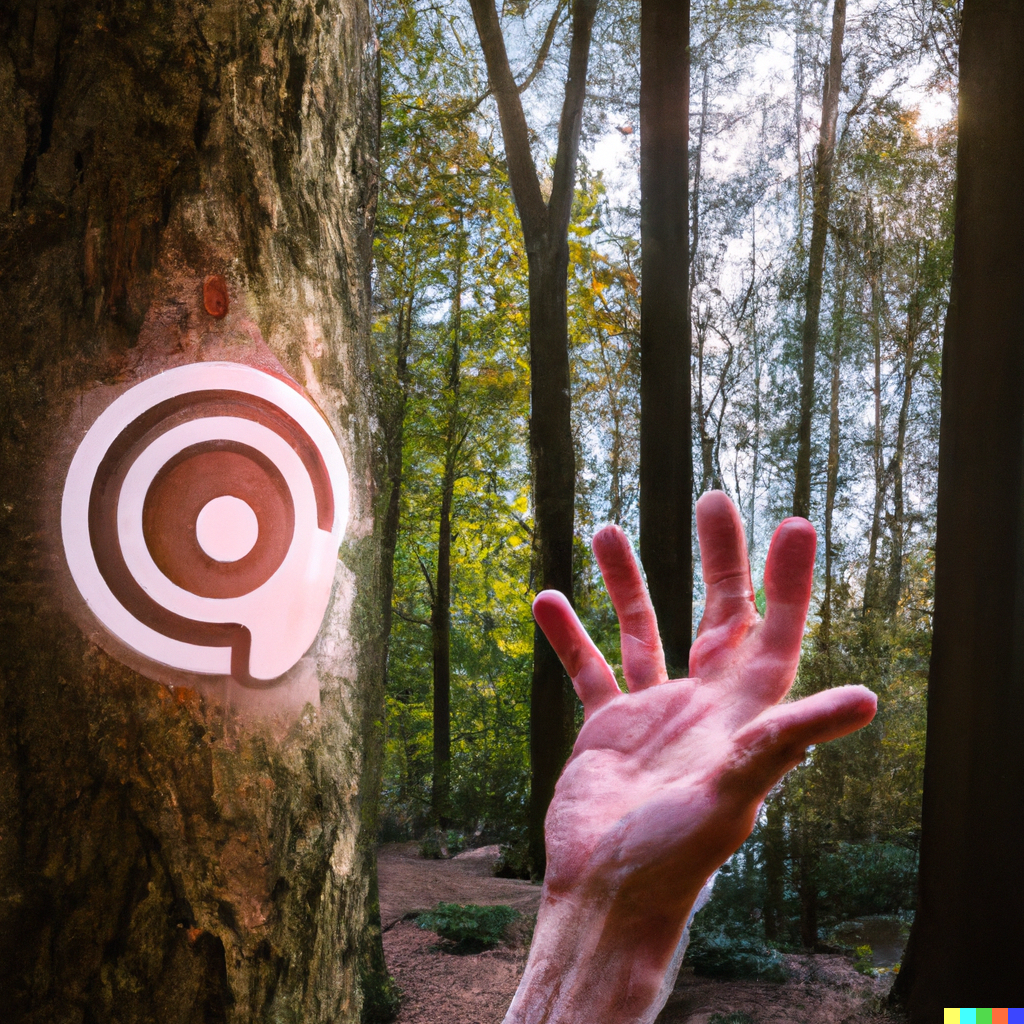
Image generated by DALL-E (picture in the forest incorporating, health, wellness, and technology).

I will be taking a couple of weeks off from curating. The newsletter will return on January 1, 2023. Have a safe and healthy holiday season!


OpenAI

I've been seeing a lot of press lately about the OpenAI project. The OpenAI project will force us to rethink what it means to be creative and will offer a new set of challenges for education, academics, and intellectual property: ChatGPT's Most Charming Trick Is Also Its Biggest Flaw. For more on using ChatGPT in creative writing, see Structuring Creativity: Poetry Generation with ChatGPT. For generative art, see: DALL-E I had to try it out.

+More on ChatGPT and education: Will ChatGPT Kill the Student Essay?

Forever Chemicals and the Kitchen

Following up on an article I mentioned in 018 - Living Medicines, Dangerous Cookware, and Toad Licking, an article in the Guardian, Wooden spoons and glass mugs: how to avoid toxic chemicals in your Kitchen has some valuable advice on how to minimize your exposure to forever chemicals. (thanks, Lauren!)

Whole Grains

The good news: Americans are eating more whole grains than ever before. The bad news? Because of imprecise labeling, no one is sure exactly how much: What Are Whole Grains and How Many Should You Eat? - The New York Times (gift article).

Solitude and Single-Person Dates

Take Yourself on a Date is an article on solitude and how (and why) to enjoy dating yourself. The article mentions a must-read book: The Artist's Way.

The Science of Swear Words

I loved this article looking at the commonalities of cussing across different cultures: Scientists want to know why swear words share this one universal trait

Opinion Piece on Human Composting

Dying is expensive. I had no idea a burial plot in Manhattan (before other funeral expenses) could run up to $1 million. The author of Opinion | Human Composting Should Be an Option for New Yorkers - The New York Times (gift article) thinks New York should be the sixth state to legalize terramation. See also: 014 - Terramation, Farmacies, and Edible Cities and 015 - Deja Vu, Pilates, and Recycling Theater.

The Dark Side of Body Building

The Washington Post had a long, interesting article on how many bodybuilders go to great extremes to compete: Extreme training techniques push bodybuilders to death, or close to it. (gift article)

Stretching for Better Sleep

Stretching and meditative movements (like yoga) before bed can improve the quality of your sleep. The New York Times offered an article with eleven stretches to incorporate into your evening routine: 11 Exercises For Better Sleep - The New York Times (gift article).

Entering Flow States

As part of my research, I spent a lot of time studying positive psychology. One of my favorite concepts is "flow," where one becomes so involved in the task that the world melts away and time is distorted. Here are some ways to increase flow in your life: We all can reach a "flow state." Here's how. If you'd like to learn more about positive psychology, a great place to start is Martin Seligman's Flourish: A Visionary New Understanding of Happiness and Well-being.

The Hobbies of Geniuses

I enjoyed reading The hobbies of 5 great geniuses.. I was especially interested in Albert Einstein's love of music. Einstein, a talented musician, carried "Lina," his violin, everywhere he went. He used music to help him think: Inside Einstein's Love Affair With 'Lina'—His Cherished Violin. _"Life without playing music is inconceivable for me," Einstein declared. "I live my daydreams in music. I see my life in terms of music … I get the most joy out of music." _

Silent Synapses and Memory Generation as an Adult

A recent paper published in Nature used mice to understand memory generation and recall as we age: How adult brains learn the new without forgetting the old | The Economist

Ultraprocessed Foods and the Aging Brain

A study published in JAMA Neurology, consisting of 10,775 adults, showed that higher intake of UPF was significantly associated with a faster decline in executive and global cognitive function. The article, Ultraprocessed Foods Tied to Faster Rate of Cognitive Decline, discusses the findings and shortcomings of the study.

Gatorade of the Ancients

Here is a strange article about posca, the hydration used by Roman soldiers: My Favorite Beverage Is a 2,000-Year-Old Energy Drink From Ancient Rome If you'd like to taste posca, the article contains a recipe.......

Vitamin D and Cognition

A recent study from Tufts, Brain vitamin D forms, cognitive decline, and neuropathology in community‐dwelling older adults found a correlation between higher levels of vitamin D in their brains and better cognitive function. The article, Brains With More Vitamin D Function Better, discusses the findings.

001 - Friendship, Psychedelics, and Maggots, Oh My - HealthHippie Week In Review - July 17, 2022

You may have noticed the difference in format this week. Starting today, I will send a weekly curated newsletter with interesting articles, videos, and audio from the week. I will reserve blog entries for longer-form writing, such as the following past articles:

Thanks for reading and your suggestions. Please grow my audience by forwarding this email to at least one friend and encouraging them to subscribe.

Thanks for your support!


Here are some of the interesting items from this week.

On Friendship and Living Well

The Friendship Files - The Atlantic presents an out-of-the-box method to finding deep friendship, similar to an arranged marriage, complete with rituals and renewal of vows. The article made me think of another I had read about Aristotle's virtues and how to live a good life: How to be happy: Aristotle's 11 guidelines for a good life.

Maggot Therapy

This week's Science Friday featured a previous story on Maggot Therapy and an update. Science Friday: Big Bang Debate History, Black Hole Sounds, Maggot Healthcare, Forest Lichens. July 8, 2022, Part 2 on Apple Podcasts The history of the discovery of maggot's medicinal use is fascinating (it turns out larvae secrete antibacterial, antifungal, antiviral and pro-healing compounds). Listening to the story and reading about the history, The Biochemistry Of Medical Maggot Spit, made me think of some of the observations of Florence Nightingale (who observed that soldiers exposed to the fresh air and sunlight after being wounded, actually had better outcomes) Open hospital windows to stem the spread of infections, says microbiologist.

Mental Illness, Psychedelics, and Psychiatry

Currently, many eyes (both clinical and on Wall Street) are focused on the emergence of psychedelic-assisted psychotherapy. I've added Netflix's new docuseries, How to Change Your Mind, to my viewing queue. The series is adapted from Michael Pollen's excellent book of the same name. As I read another article, Will We Ever Find a Cure for Mental Illness? - The Atlantic, that reviews a new book by Andrew Scull on the history of psychiatry, Desperate Remedies.

Antibiotics and Mental Health

I read an interesting story about a study that claims a single dose of antibiotics correlates with altered emotional processing in young adults - Antibiotic Treatments May Make Us More Susceptible to Negative Emotions - Neuroscience News. I have yet to read the actual manuscript currently in pre-press, but I find fascinating the emerging focus on the gut-brain axis and its influence on mental health. The microbiome is the new frontier in diagnosing and treating mental illness. Last year, I delivered a Zoom lecture on the topic - Gut Feelings: the role of the microbiome in behavioral health — HealthHippieMD

The Brain's Low Power Mode

Much like our electronic devices, pre-clinical studies suggest the brain has a low-power mode that kicks in when energy is in short supply. This interesting article, The Brain Has a 'Low-Power Mode' That Blunts Our Senses covers the findings in the recently published paper, Neocortex saves energy by reducing coding precision during food scarcity. In short, the visual cortex conserves energy by altering the firing of neurons in the visual pathways. The power down-regulation could be switched off by administering Leptin. The influence of Leptin, a hormone usually thought of in a food-seeking context, not visual pathways, is another example of how our bodies are an extensive, complex, integrated system. The far-reaching effects of hormones should also be a warning that manipulation of single pathways of our complex physiology can have unintended consequences-there are still many unknown unknowns in human physiology and biochemistry.

Circadian Medicine

It seems everywhere I look, I see a story or study about the body's circadian rhythms. I read two articles this week on the topic: Clocking the Drugs, Drugging the Clock: The Health Impact Of Circadian Medicine. and One kind of work interferes with metabolic health Most are aware of the central master clock, but as with everything in the body, the story is much more complicated. Every organ, and likely every cell, has an intrinsic physiological clock. As with many processes in the body, the influence is bidirectional. For instance, circadian rhythms affect the composition of the microbiome, and the microbiome composition affects circadian rhythm. Current studies are investigating the impact of circadian rhythms on health, cancer treatment, and a whole host of other applications. One thing is growing increasingly clear: there is likely an optimal time to eat, sleep, and take medications/supplements. One kind of work interferes with metabolic health discussed the various health effects of working at night. There is an association between night work and obesity, cancer, and diabetes. The article made me wonder if nighttime workers should be offered hazard pay since night shifts negatively impact health and well-being.

NCCIH Free ebook on Yoga

The National Center for Complementary and Integrative Health published a free ebook about Yoga. The ebook provides an overview of the Science behind the benefits of Yoga, information on how to practice Yoga safely, and a summary of national survey findings about the use of Yoga in the United States. Yoga for Health (eBook) | NCCIH

Intermittent Fasting and Covid

Late in the week, I read this news release, Study finds people who practice intermittent fasting experience less severe complications from COVID-19! and the paper it cites, Association of periodic fasting with lower severity of COVID-19 outcomes in the SARS-CoV-2 prevaccine era: an observational cohort from the INSPIRE registry | BMJ Nutrition, Prevention & Health. Although there are many obstacles to the generalizability of the study (non-randomized study population, self-selection for database inclusion, self-reported fasting activity, etc. ), the paper includes many thought-provoking hypotheses on how fasting might influence COVID outcomes.


Thanks for reading! If you enjoyed the information, please help me grow my audience by forwarding this email to at least one friend.