
Positive Psychology

097 - The Write Stuff, Fish Oil Debate, and Awe - HealthHippieMD Week In Review

Mind-Expanding Reads for Daily Life

This article reviews five essential psychology books that simplify complex theories into practical advice for daily life. Thinking Fast and Slow by Daniel Kahneman explores cognitive biases and decision-making processes. Carol Dweck’s “Growth Mindset” emphasizes the power of effort over innate ability. “Emotional Intelligence” by Daniel Goleman highlights the importance of understanding and managing emotions. Angela Duckworth’s “Grit” focuses on resilience and perseverance. Finally, “Flow” by Mihaly Csikszentmihalyi delves into achieving optimal experiences. Each book, authored by experts, offers actionable insights to enhance personal and professional life. 5 applied psychology books for everyday life - Big Think.

Awe

Lori Santos covered the eight types of awe in her podcast The Happiness Lab with Dr. Laurie Santos: The Power of Awe. Well worth a listen whether you are religious or not.

Gaslight, Camera, Action

Gaslighting, a manipulative tactic that makes victims question their reality, can profoundly affect mental health, leading to anxiety and depression. When confronted with gaslighting, experts recommend seven strategies to regain control and assert your truth. These include calmly stating your perspective, setting boundaries, validating your feelings, documenting events, suggesting neutral third-party mediation, using humor to defuse tension, and focusing on solutions rather than memory debates. These techniques aim to disrupt the manipulator’s control and provide clarity, helping you maintain your sense of reality and well-being. 7 Things to Say When Someone Gaslights You.

Unraveling Chronic Illness Misdiagnoses

Chronic illness symptoms are frequently dismissed as mere stress, complicating diagnosis and treatment. Amina AlTai, initially attributing her fatigue and brain fog to work-related stress, faced repeated dismissal from doctors despite worsening symptoms like hair loss and gastrointestinal issues. It wasn’t until thorough blood tests that she was diagnosed with Hashimoto’s disease and celiac disease, severe autoimmune conditions. This case underscores the complex interplay between stress and chronic illness, highlighting the need for careful evaluation to distinguish between stress-related symptoms and underlying medical conditions. Why Chronic Illness Symptoms are Commonly Dismissed as Just Stress - The New York Times (gift article).

Weight Loss Woes

States like West Virginia are grappling with the high costs of weight-loss drugs like Ozempic and Wegovy. Despite their effectiveness, with some patients losing 15-20% of their weight, the prohibitive costs, reaching up to $1,400 a month, make them inaccessible for many. Canceling public funding programs exacerbates the disparity between those who can afford these medications and those who cannot. Critics argue that the situation mirrors past pharmaceutical crises, underscoring a broader issue of healthcare inequality in treating obesity, a condition classified as a complex disease. Some States Say They Can’t Afford Ozempic and Other Weight Loss Drugs - The New York Times (gift article).

Time for a Pill

MIT researchers have discovered that the effectiveness of medications depends significantly on the time of day they are taken due to circadian variations in liver function. Using engineered mini-livers, the study identified over 300 liver genes with circadian patterns, affecting drug metabolism and inflammation. These findings suggest that drug regimens could be optimized to enhance efficacy and reduce toxicity. For instance, Tylenol’s breakdown is more efficient at specific times, and the liver’s susceptibility to infections like malaria varies with the circadian cycle. This research opens new avenues for tailoring drug administration schedules. Drugs are more effective at certain times of day | MIT Technology Review.

The Fish Oil Debate

The article explores the ongoing debate about the efficacy of fish oil supplements for heart health. Despite early enthusiasm sparked by Inuit dietary studies, recent research reveals mixed results. Some studies suggest omega-3s reduce coronary events, but many trials show no significant cardiovascular benefits. Additionally, fish oil supplements may increase the risk of atrial fibrillation. Experts recommend obtaining omega-3s from dietary fish rather than supplements, emphasizing a balanced diet and healthy lifestyle for heart health. The article underscores the importance of relying on well-rounded dietary practices rather than supplements for optimal cardiovascular well-being. Is Fish Oil Helpful or Harmful for the Heart? - The New York Times (gift article).

Reclaim Your Work-Life Balance

In an era of remote work and constant connectivity, achieving work-life balance has become increasingly challenging. The article outlines five tech-based strategies to prevent work from encroaching on personal time. These include setting and communicating boundaries, scheduling messages during work hours, minimizing notifications, filling calendars with buffer times, and establishing emergency contact plans. By leveraging the same technology that blurs the line between work and personal life, individuals can regain control and ensure their jobs stay within the confines of a typical workday. How to get back your work-life balance with tech - The Washington Post (gift article).

AI: The Write Stuff

A recent study reveals that over 10% of scientific papers are co-authored by large language models (LLMs) like ChatGPT, with fields like computer science showing even higher usage. Researchers from the University of Tübingen and Northwestern University utilized an excess-vocabulary method to identify unusual word frequencies in scientific abstracts. This method bypasses traditional detection algorithms, revealing the widespread integration of AI in academic writing. While LLMs enhance drafting efficiency, especially for non-native English speakers, their use raises concerns about biases, hallucinations, and the potential flood of low-quality publications. Academic policies on LLM usage remain inconsistent and evolving. At least 10% of research may already be co-authored by AI.

073 - Whiskey Business, British Bake Off, and the Sinister Secrets of Sugar - HealthHippieMD Week In Review

Life in the Fast Lane (podcast)

Ever wonder why time seems to accelerate as you age? Radiolab: The Secret to a Long Life explores the phenomenon.

Chronic Pain Conundrum (podcast)

Chronic pain casts its shadow over approximately one-third of the global population. Shockingly, for one in ten of these individuals, the pain reaches such devastating levels that it incapacitates them, thus establishing itself as the foremost cause of disability worldwide. The enigma surrounding certain types of chronic pain perplexes medical practitioners who struggle to provide effective treatments or unravel the underlying causal mechanisms. This enigmatic challenge looms large over societies, demanding innovative solutions to alleviate the burden on healthcare systems and provide much-needed relief for those enduring this relentless agony. Babbage from The Economist: The mystery of chronic pain (paywall).

Whiskey Business

In the article A bottle of scotch recently sold for $2.7 million – what's behind such outrageous prices? the author explores the unprecedented rise in Scotch whisky prices, exemplified by a recent $2.7 million sale. The article delves into the factors contributing to this trend, such as rarity, age, brand prestige, and collector demand. It discusses the allure of owning a piece of liquid history and how whisky has become a status symbol and investment opportunity for affluent enthusiasts. With captivating insights, the article unveils the fascinating world of ultra-high-end Scotch whisky auctions, shedding light on the intoxicating allure of these extravagant prices.

All I Needed to Know, I Learned in Grade School

In the article Teaching positive psychology skills at school may be one way to help student mental health and happiness the author explores the potential benefits of incorporating positive psychology into school curricula. By introducing students to techniques that promote resilience, optimism, and well-being, educators can empower them to navigate life's challenges better and enhance their mental health. The article emphasizes that fostering positive emotions, relationships, and personal strengths can increase happiness and improve overall mental well-being, ultimately providing students with essential life skills for a brighter future.

Age Beyond the Numbers

A New York Times article explored the intriguing world of "biological age testing." The article delves into the cutting-edge scientific methods used to determine one's biological age, including DNA analysis, biomarkers, and artificial intelligence. While these approaches hold promise in uncovering hidden health risks and offering longevity predictions, the article also highlights the skepticism surrounding the accuracy and practicality of these tests. As researchers continue to refine these techniques, the concept of biological age testing challenges our conventional understanding of aging and raises important questions about its role in the future of healthcare. Is Biological Age Testing Accurate or Useful? - The New York Times (gift article).

BMJ Christmas Edition: The British Bake Off

"Conclusion: Recipes for Christmas desserts from The Great British Bake Off often use ingredient groups associated with reductions, rather than increases, in the risk of death or disease. This Christmas, if concerns about the limitations of observational nutrition research are set aside, you can have your cake and eat it too." The BMJ's Christmas issue is now a well-established tradition. "Its mix of quirky comment articles, features, and peer-reviewed research was perhaps best described in a 2012 New York Times article as "lighthearted but rigorous." This year's articles include:

Sinister Secrets of Sugar (podcast)

In this enlightening episode, Dr. Andrew Huberman welcomes Dr. Robert Lustig, a renowned neuroendocrinologist and nutrition expert. Together, they dissect the conventional "calories in - calories out" model of metabolism and shed light on the role of macronutrients, fiber, and sugar in the equation. Delving into the nuances of sugar, particularly fructose, they explore its addictive qualities and how it rewires the brain's circuits related to cravings and satisfaction. The conversation extends to the profound impact of sugar on obesity, gut health, mental well-being, and the food industry's manipulation of refined sugars. The podcast is long but a must-listen for those curious about the profound impact of dietary choices on the mind and body. Huberman Lab: Dr. Robert Lustig: How Sugar & Processed Foods Impact Your Health.

The Funniest Articles of the Year

WaPo featured the funniest stories of the year. Opinion | Today's Opinions: The pieces that made us laugh the most in 2023 - The Washington Post (gift article).

Boomers Go Green

In this thought-provoking Wired article, the beef industry faces a seismic shift as baby boomers, traditionally avid beef consumers, pivot towards more sustainable and health-conscious eating habits. The article delves into the reasons behind this transformation, highlighting environmental concerns, health consciousness, and a growing appetite for plant-based alternatives. As boomers increasingly embrace greener diets, the meat industry adapts to changing consumer preferences. With captivating insights and statistics, this piece sheds light on the evolving landscape of food consumption and its implications for the beef industry's future. A Demographic Time Bomb Is About to Hit the Beef Industry | WIRED.

Misled to Misread

In the article Health misinformation is rampant on social media – here's what it does, why it spreads and what people can do about it the author delves into the pervasive issue of false health information circulating on social media platforms. The piece explores the damaging consequences of this misinformation, including the amplification of public health risks and the erosion of trust in medical experts. The article also sheds light on the mechanisms behind the rapid dissemination of such content and offers valuable insights into how individuals can combat this problem by promoting accurate information and critical thinking.

022 - The Science of Swearing, Hobbies of Geniuses, and Cultivating Flow - HealthHippieMD Week In Review

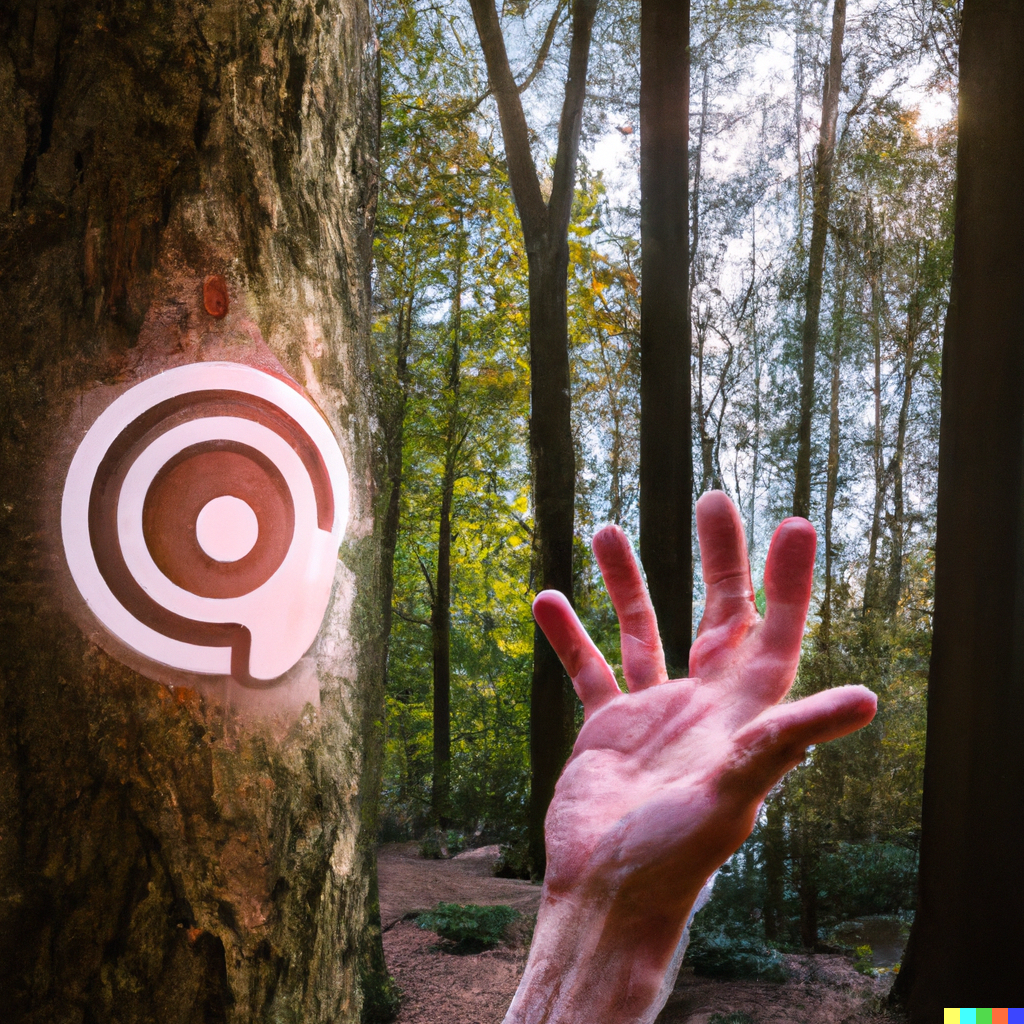
Image generated by DALL-E (picture in the forest incorporating, health, wellness, and technology).

I will be taking a couple of weeks off from curating. The newsletter will return on January 1, 2023. Have a safe and healthy holiday season!


OpenAI

I've been seeing a lot of press lately about the OpenAI project. The OpenAI project will force us to rethink what it means to be creative and will offer a new set of challenges for education, academics, and intellectual property: ChatGPT's Most Charming Trick Is Also Its Biggest Flaw. For more on using ChatGPT in creative writing, see Structuring Creativity: Poetry Generation with ChatGPT. For generative art, see: DALL-E I had to try it out.

+More on ChatGPT and education: Will ChatGPT Kill the Student Essay?

Forever Chemicals and the Kitchen

Following up on an article I mentioned in 018 - Living Medicines, Dangerous Cookware, and Toad Licking, an article in the Guardian, Wooden spoons and glass mugs: how to avoid toxic chemicals in your Kitchen has some valuable advice on how to minimize your exposure to forever chemicals. (thanks, Lauren!)

Whole Grains

The good news: Americans are eating more whole grains than ever before. The bad news? Because of imprecise labeling, no one is sure exactly how much: What Are Whole Grains and How Many Should You Eat? - The New York Times (gift article).

Solitude and Single-Person Dates

Take Yourself on a Date is an article on solitude and how (and why) to enjoy dating yourself. The article mentions a must-read book: The Artist's Way.

The Science of Swear Words

I loved this article looking at the commonalities of cussing across different cultures: Scientists want to know why swear words share this one universal trait

Opinion Piece on Human Composting

Dying is expensive. I had no idea a burial plot in Manhattan (before other funeral expenses) could run up to $1 million. The author of Opinion | Human Composting Should Be an Option for New Yorkers - The New York Times (gift article) thinks New York should be the sixth state to legalize terramation. See also: 014 - Terramation, Farmacies, and Edible Cities and 015 - Deja Vu, Pilates, and Recycling Theater.

The Dark Side of Body Building

The Washington Post had a long, interesting article on how many bodybuilders go to great extremes to compete: Extreme training techniques push bodybuilders to death, or close to it. (gift article)

Stretching for Better Sleep

Stretching and meditative movements (like yoga) before bed can improve the quality of your sleep. The New York Times offered an article with eleven stretches to incorporate into your evening routine: 11 Exercises For Better Sleep - The New York Times (gift article).

Entering Flow States

As part of my research, I spent a lot of time studying positive psychology. One of my favorite concepts is "flow," where one becomes so involved in the task that the world melts away and time is distorted. Here are some ways to increase flow in your life: We all can reach a "flow state." Here's how. If you'd like to learn more about positive psychology, a great place to start is Martin Seligman's Flourish: A Visionary New Understanding of Happiness and Well-being.

The Hobbies of Geniuses

I enjoyed reading The hobbies of 5 great geniuses.. I was especially interested in Albert Einstein's love of music. Einstein, a talented musician, carried "Lina," his violin, everywhere he went. He used music to help him think: Inside Einstein's Love Affair With 'Lina'—His Cherished Violin. _"Life without playing music is inconceivable for me," Einstein declared. "I live my daydreams in music. I see my life in terms of music … I get the most joy out of music." _

Silent Synapses and Memory Generation as an Adult

A recent paper published in Nature used mice to understand memory generation and recall as we age: How adult brains learn the new without forgetting the old | The Economist

Ultraprocessed Foods and the Aging Brain

A study published in JAMA Neurology, consisting of 10,775 adults, showed that higher intake of UPF was significantly associated with a faster decline in executive and global cognitive function. The article, Ultraprocessed Foods Tied to Faster Rate of Cognitive Decline, discusses the findings and shortcomings of the study.

Gatorade of the Ancients

Here is a strange article about posca, the hydration used by Roman soldiers: My Favorite Beverage Is a 2,000-Year-Old Energy Drink From Ancient Rome If you'd like to taste posca, the article contains a recipe.......

Vitamin D and Cognition

A recent study from Tufts, Brain vitamin D forms, cognitive decline, and neuropathology in community‐dwelling older adults found a correlation between higher levels of vitamin D in their brains and better cognitive function. The article, Brains With More Vitamin D Function Better, discusses the findings.