Environment

091 - Meta Heads, Embracing Solitude, and The Brain's Immunity Master Switch - HealthHippieMD Week In Review

The Brain's Immunity Master Switch

In a groundbreaking study, A body–brain circuit that regulates body inflammatory responses | Nature, researchers led by Charles Zuker at the Howard Hughes Medical Institute discovered that the brainstem plays a crucial role in controlling the immune system. This revelation challenges the long-held belief that immune regulation is solely within the immune system. Using advanced genetic techniques, the team identified specific brainstem neurons that, through the vagus nerve, can either boost or suppress inflammation. This finding opens new avenues for treating immune disorders by targeting this brain-immune axis, potentially transforming the approach to managing diseases like rheumatoid arthritis and toxic shock syndrome. Very exciting! Finding a Master Immune System Controller | HHMI(Thanks, Miriam!).

Siri-ous Competition

OpenAI's latest release, GPT-4o, showcased its advanced capabilities in a live demo, positioning it as a game-changer in natural human-computer interaction on iPhones. This new model demonstrated storytelling, visual understanding, and multilingual conversation interpretation, all within the updated ChatGPT app. The impressive features of GPT-4o signal a potential end for Siri and similar voice assistants, which lag in functionality and responsiveness. Major tech companies like Apple and Samsung are racing to integrate generative AI into their devices, highlighting software as the new frontier in smartphone innovation. This Is the Next Smartphone Evolution - The Atlantic.

Avo-lution

The United States of Avocado | TASTE explores the growing popularity of avocados in the United States, from their rising role as a baby's first food to their integration into various cuisines and cultural dishes. Avocados, celebrated for their nutritional benefits and mild flavor, have doubled consumption in the U.S. since 2001. The article also delves into the avocado industry's expansion, including direct-to-consumer models and the challenges of maintaining quality and affordability. Despite issues like the involvement of organized crime in Mexican avocado production, the fruit's global appeal continues to rise, influencing food trends and diets. (Thanks, Dave / NextDraft!).

Bite-Sized Triumphs

Breaking large goals into smaller, flexible subgoals can significantly enhance goal achievement, as confirmed by a recent study published in the Journal of Applied Psychology. The study involved over 9,000 volunteers from Crisis Text Line, revealing that those assigned weekly or biweekly subgoals volunteered 7-8% more hours than those with a broad annual target. This incremental approach mirrors techniques in language learning apps and savings programs, proving effective across various contexts by making daunting tasks feel more manageable and achievable over time. The Secret to Accomplishing Big Goals Lies in Breaking Them into Flexible, Bite-Size Chunks | Scientific American.

Meta Heads

The European Union has initiated an investigation into Facebook and Instagram over concerns about their addictive impact on children. This probe mirrors earlier inquiries into TikTok's influence on young users. Meta's platforms are being scrutinized for fostering excessive exposure to content about depression and unrealistic body images and for potentially allowing children under 13 to use their services. This investigation, led by EU's internal markets commissioner Thierry Breton, is part of the broader Digital Services Act enforcement, aiming to ensure safer online experiences for children. Meta Faces Fresh Probe Over 'Addictive' Effect on Kids | WIRED.

Weight and See

A four-year study on Wegovy (semaglutide) in Nature Medicine shows sustained weight loss in people with cardiovascular disease who are overweight or obese. Initial weight loss occurred in the first 65 weeks, plateauing after that but remaining stable for the study. The SELECT trial involved 17,604 participants and revealed an average weight reduction of 10.2% for those on Wegovy, compared to 1.5% for the placebo group. Despite limitations like demographic skew, the study supports Wegovy's use for long-term weight management in cardiovascular patients. Researchers now face questions about the drug's long-term usage and cost. Wegovy Can Keep Weight Off for at Least 4 Years, Research Shows | WIRED.

Embracing Solitude

We All Need Time Alone. Here's How to Embrace It (gift article) from The New York Times explores the importance of spending time alone and how to embrace it positively. Psychologists Robert Coplan and Thuyvy Nguyen explain that solitude, distinct from loneliness, offers emotional and physical benefits like stress reduction and increased creativity. They suggest practical tips for incorporating alone time into daily routines, such as tracking moods, engaging in personal hobbies, and setting boundaries with partners. The article encourages finding "micro-moments" of solitude at home or in public spaces to enhance well-being and maintain a healthy balance between solo and social time.

Plasticulture's Paradox

Plastic mulch revolutionizes agriculture by boosting crop yields, conserving water, and reducing pesticide use. However, it leaves behind massive amounts of waste at season's end. While economically and environmentally advantageous in some aspects, the thin, contaminated plastic is tough to recycle, often ending up in landfills or incinerators. Innovative solutions, like those from Revolution Sustainable Solutions, show promise in recycling agricultural plastics, but challenges remain. As biodegradable alternatives prove costly and inconsistent, the farm sector grapples with balancing efficiency and sustainability amidst growing plastic waste. Giant Heaps of Plastic Are Helping Vegetables Grow - The Atlantic

Mind Over Muscle

A study in the Proceedings of the National Academy of Sciences reveals how exercise enhances brain health. When activated, muscles, rich in nerve cells, release compounds that boost cognitive function. Brain-muscle communication is crucial for producing proteins, mRNA, and hormones supporting neural growth. Regular exercise maintains these neural connections, promoting brain health. Researchers used a synthetic model to show that muscle stimulation increases brain-boosting substances' production. Although further research is needed to confirm these effects in humans, the findings highlight the profound link between physical activity and cognitive vitality. Why Exercise Is So Good For Our Brains According to A Wild New Study.

067 - Invisible Wounds, Stellar Departures, and Shakespeare on Sleep - HealthHippieMD Week In Review

Moth Matriarchy

In an unexpected twist of fate, researchers in Japan have stumbled upon a virus that could revolutionize pest control by inducing a matriarchal society in moth populations. This unique virus, discovered within the tobacco cutworm, can eliminate male offspring, resulting in generations of female-only moths. This finding challenges our understanding of viral evolution and offers a promising tool for managing agricultural pests and disease vectors. The discovery, which could have easily fluttered unnoticed, now stands as a beacon of potential in the ongoing battle against crop-destroying insects, highlighting nature's intricate balance of power. Male-Killing Virus Is Discovered in Insects - The New York Times. (gift article)

Diet Debts

The United Nations has published a significant new tally of the world's food system's impact on our health and the planet, a staggering $12.7 trillion annually (about 10% of the world's GDP). The FAO report highlights that the majority of these costs stem from health-related issues due to poor diets leading to obesity and diseases. Environmental impacts follow, with significant disparities between low and high-income countries. The study suggests that better dietary choices, fairer trade practices, and sustainable farming could alleviate these financial burdens. The FAO urges a multifaceted approach involving government policy, consumer behavior, and industry practices to reduce these hidden costs. The World's Broken Food System Costs $12.7 Trillion a Year | WIRED.

Stellar Departures

In an exploration of humanity's final frontier, Their Final Wish? A Burial in Space, (gift article) delves into the lives of individuals who have chosen the cosmos as their final resting place. Contracting with Celestis, a company that offers memorial spaceflights, these seven people have opted to send their ashes or DNA into the vastness of space. Their reasons range from spiritual to pragmatic, with many driven by a lifelong passion for the stars. As traditional earthly bonds loosen, space burials represent a profound acceptance of the unknown, a testament to the human spirit's unyielding curiosity and desire for exploration.

Invisible Wounds: A Closer Look at the Markers of PTSD

How Post-traumatic Stress Disorder Works delves into the harrowing journey of Adam Kelley, a U.S. Army specialist who, despite returning home from Iraq, could not escape the clutches of PTSD, ultimately leading to his tragic suicide 13 years later. PTSD, a mental health condition triggered by traumatic experiences, is characterized by 17 symptoms, including agitation, anxiety, concentration issues, memory problems, depression, and mood swings. These symptoms can manifest in various intensities and are not uniform across all individuals. The article also explores the evolution of PTSD's understanding, from its initial identification in the American Civil War to modern research that includes genetic factors and the importance of social support. It highlights the military's vulnerability to PTSD, given the intense and life-threatening nature of combat experiences. The article concludes with insights into counseling and medication treatments for PTSD, cutting-edge research, and innovative approaches like virtual reality therapy and resilience training for soldiers.

Amazon's One Medical Priming the Market

Amazon is making its primary care boutique clinic, One Medical, cheaper for Prime subscribers. Amazon links One Medical primary care to Prime memberships - The Washington Post. (gift article)

Shakespeare on Sleep

Arthur Brook's article, Five Ways to Make Sure You Get More Sleep, using quotes from Shakespeare, delves into the elusive quest for restful slumber, a journey often hijacked by the mind's nocturnal wanderings. With 15% of American adults struggling to fall asleep, the nation's sleep debt is not just a personal nuisance but a public health concern. Sleep deprivation is linked to a myriad of health issues, from metabolic disturbances to mental health problems like depression and anxiety. The piece underscores the profound impact of sleep on our well-being and happiness, offering practical sleep hygiene tips and advocating for a personalized approach to sleep patterns. It suggests that embracing one's unique sleep rhythm and addressing life's stressors could be the key to unlocking the rejuvenating power of sleep and a happier life.

Mind Matters

Emerging research underscores a significant connection between mental health disorders in later life and an increased risk of dementia. Studies suggest that late-life mental illnesses, such as depression, maybe early indicators of dementia or could exacerbate its onset. While not all late-life psychiatric disorders lead to dementia, the correlation is strong enough to warrant cognitive testing for older adults presenting new psychiatric symptoms. The relationship between early-life mental health issues and later dementia is less definitive, though severe early mental illness does raise dementia risk. Overall, maintaining mental and physical health is emphasized as a preventative measure against dementia. Mental Illness May Affect Dementia Risk, Research Suggests - The New York Times. (gift article)

Psychedelics and Depression: Neuroplasticity without the Trip

Recent insights suggest that the mental health benefits of psychedelics like psilocybin and MDMA may not stem from their hallucinogenic effects. Researchers are now developing non-hallucinogenic variants that target neuroplasticity without the trip, potentially offering depression and PTSD treatments to a broader patient base. These novel compounds could reset emotional control and improve mood without the psychedelic experience by enhancing brain adaptability. This shift could redefine psychedelic therapy, focusing on neuroplastic potential rather than transcendental experiences, and streamline regulatory processes for easier access and research. What If Psychedelics' Hallucinations Are Just a Side Effect? - The Atlantic.

+More on the importance of neuroplasticity in mental health. Neuroscientists are Tantalizingly Close to Mastering How Psychedelics Redesign Our Brains.

Urban Wellness

Urban epidemiologist Tolullah Oni's research underscores a stark contrast in urban living conditions, revealing that affluent neighborhoods often boast better air quality, cooler temperatures, and safer spaces for physical activity. This disparity is critical as urban populations are set to double by 2050. Oni's work emphasizes the need for cities to address these inequalities proactively. The article highlights the importance of urban planning that considers health impacts, equitable access to public spaces, and the role of governments and the private sector in building healthier cities. Where You Live Is As Important As What You Eat | WIRED.

058 - Scientific Spirituality, Supermarket Lies, and Psychedelics - HealthHippieMD Week In Review

Food for Thought: How Your Diet Affects Your Mind

Beyond the immediate joy of a good meal, food can significantly impact your mental health. Animal proteins like roast turkey and fish contain amino acids essential for dopamine and serotonin production, key mood-regulating neurotransmitters. With their rich nutrient content, Brussels sprouts and cranberries play roles in brain function and mood regulation. The emerging field of nutritional psychiatry explores how diet influences mental health, shedding light on diets like the Mediterranean and mind diets. How food affects the mind, as well as the body.

Supermarket Lies

The New Yorker discusses the attorney Spencer Sheehan, who takes food and home goods companies to task for misrepresenting the ingredients in their products. Shocker, he's swamped. The Lies in Your Grocery Store | The New Yorker.

Scientific Spirituality

In a recent study, Julian Huxley's belief that science held a spiritual dimension gained validation. Researchers developed a scale to measure "scientific spirituality," discovering that it stirs feelings of wonder and connection akin to religious spirituality. These feelings boost well-being and life satisfaction, even in atheists and agnostics. Furthermore, those with higher scientific spirituality scores demonstrated a better understanding of scientific subjects. The study suggests that finding "holiness in reality" through science can offer a unique and fulfilling spiritual experience, bridging the gap between empirical and spiritual realms. The Holiness in Reality - Nautilus.

+Asimov also wrote about this topic in one of my favorite series, Foundation..

Paper Cups: Brewing Trouble for the Environment

While paper coffee cups might seem like a greener alternative to plastic, a recent study warns that they can be just as toxic. These seemingly eco-friendly cups are lined with a thin layer of plastic to prevent liquid seepage, and this plastic can release harmful chemicals when it ends up in our natural environment. Researchers found that even midge larvae exposed to water tainted by paper cups suffered ill effects. The exact composition of these chemicals remains a mystery due to limited disclosure from manufacturers. To combat this issue, scientists advocate for innovative, sustainable alternatives and more significant recycling efforts, as disposable paper cups pose a significant environmental hazard. Sorry, Your Paper Coffee Cup Is a Toxic Nightmare | WIRED.

How Psychedelics Work?

"People often talk about psychedelic therapy functioning like a "reset button" for the mind, but until Dölen's work came out, no one could provide a scientifically plausible explanation for "how something so short in duration can have lasting and transformative effects that go well beyond the time that the drug is in there."This scientist and her team believe psychedelics re-open the brain to critical learning. The Psychedelic Scientist Who Sends Brains Back to Childhood | WIRED.

Ode to Emojis

"Emojis have this ability to make the same words seem more emotional or less emotional—to seem alarming versus completely fine or joking even," she says. These are important social functions, she adds. "Through our switch to more text-based communication, we lost this additional layer of meaning that emojis can now provide." Nautilus published a pretty interesting article on the history and science of emojis: Your 🧠 On Emoji - Nautilus.

What are Dreams For?

We've all observed the twitching of babies or animals while they're sleeping. Conventional wisdom has been that twitches reflect movements taking place during a dream. The scientists in this story believe the exact opposite. Rather than the body reflecting brain activity, it is the brain learning from the body. The implications, if true, are striking both in our understanding of ourselves and for emerging technology such as robotics. What Are Dreams For? | The New Yorker.

Weight-Loss Drugs Also Protect the Heart

Another apparent benefit of the new weight-loss drugs was published in the New England Journal of Medicine. "In a trial of more than 500 patients with obesity and heart failure in 13 countries, those who got a weekly injection of semaglutide for a year reduced symptoms such as fatigue, shortness of breath, and swelling. They also had notable improvements in their physical abilities and exercise function." Ozempic and Wegovy Can Also Protect Your Heart | WIRED.

Death of the Calorie

The Economist had a detailed story on the history (and failure) of calorie counting for weight loss. Death of the calorie.

How Play and Art Boost Learning

In the article To Supercharge Learning, Look to Play, , authors Susan Magsamen and Ivy Ross highlight the integral role of play and art in enhancing learning. They stress that play and creativity are inherent to human evolution, aiding cognitive development and emotional well-being. The authors emphasize "guided play" to effectively impart new skills. They also discuss the Playful Learning Landscapes Action Network, which transforms public spaces into interactive learning hubs. Furthermore, the article explores the neuroscience of attention and how immersive video games, like EndeavorRx, can improve focus, particularly in individuals with ADHD, offering a promising alternative to medication. (disclosure: I own shares of Akili Interactive mentioned in the article).

Knocking Out the Wrong Goals to Achieve Happiness

In a punchy revelation, Arthur Brooks discusses the "Tyson Paradox" inspired by boxing legend Mike Tyson. Despite his impressive career, Tyson's pursuit of fame and riches didn't guarantee his happiness. The paradox arises from the "arrival fallacy," where achieving goals doesn't sustain bliss. Instead, we quickly return to an equilibrium. To combat the loss of happiness, the article suggests setting the right goals focused on intrinsic values and relationships. Intrinsic goals like fostering friendships lead to greater well-being, while achievement goals can disappoint, especially when compared to others. Ultimately, the journey, not just the destination, provides lasting satisfaction and meaning. How to Set the Right Life Goals - The Atlantic.

044 - Biophilic Design, Hallucinations, and Erasing Memories - HealthHippieMD Week In Review

Strobe Lights Induce Visual Hallucinations

Wired U.K. featured a story about Dreamachine, where people experience hallucinatory effects through stroboscopic lights and music. The project aims to explore the impact of stroboscopic lights on the brain and investigate the neural basis of visual experience. Participants, even with closed eyes, reported vivid and kaleidoscopic visual experiences. The Dreamachine's potential applications extend to mental health therapy due to the reported common emotion of peace experienced by participants. This Machine Makes You Hallucinate | WIRED

Erasing Psychedelic Trips for the Good of Science

To address criticisms of psychedelic research, scientists at the University of Wisconsin–Madison Transdisciplinary Center for Research in Psychoactive Substances conducted a pilot study involving eight individuals, exploring the possibility of combining psychedelics with memory erasure. The study addresses the challenge of studying psychedelics in traditional randomized clinical trials due to the subjective nature of the experiences and the role of expectations. By exploring innovative study designs, scientists strive to better understand psychedelics' effects and potential therapeutic applications. Scientists Gave People Psychedelics—and Then Erased Their Memory

The Whimsy of Honoring Body Donors

Medical students and faculty members across the United States are organizing gratitude ceremonies to honor body donors who have contributed to medical research and education. These ceremonies involve music performances, speeches, and artistic expressions, allowing students to express appreciation for the donors who have served as their "first patients." The ceremonies aim to re-humanize the donors, recognizing their selfless acts and the sacrifice made by their families. The events provide closure and foster a sense of gratitude while imparting essential lessons in ethics and professionalism. Honoring the Body Donors Who Are a Medical Student's 'First Patient' (gift article)

Conversational Receptiveness: Mastering the Art of Disagreement

To have better disagreements, change your words – here are four ways to make your counterpart feel heard and keep the conversation going discusses the importance of changing our words and behaviors during disagreements to foster productive conversations. Instead of solely focusing on persuading others, the research suggests adopting a communication style called "conversational receptiveness." This style involves four key elements: hedging claims, emphasizing agreement, acknowledging the opposing perspective, and reframing to the positive. By employing these techniques, conversations become less confrontational and more constructive, allowing both parties to feel heard and maintaining relationships.

Rousing Revelations: Some Mental Illness May Have Autoimmune Origin

WaPo published a story about a groundbreaking case involving April Burrell, a catatonic woman diagnosed with schizophrenia. Researchers discovered that lupus, an autoimmune disease, attacked April's brain, leading to severe symptoms. After targeted treatments, including immunotherapy, April regained consciousness after being trapped in her mind for over two decades. This discovery has the potential to revolutionize the care for psychiatric patients worldwide and reshape the way mental illnesses are diagnosed and treated, bringing hope to "forgotten souls" who were deemed untreatable. How autoimmune disease can attack the brain, cause psychiatric symptoms - The Washington Post (gift article)

Function Over Flaws

A revolutionary new health metric called human functioning could alter the treatment of chronic illnesses. Traditionally, health has been measured based on morbidity and mortality rates, focusing solely on disease and death. However, the proposed metric considers a person's illness and available resources to gauge their condition's impact on daily life activities. This approach aims to shift the healthcare system toward a patient-centered approach, promoting well-being and enabling individuals to live their best lives. This New Metric For Health Could Revolutionize How We Treat Chronic Illnesses

Byte-Size Nutrition

Artificial intelligence (A.I.) nutritionist apps are revolutionizing healthy eating by offering personalized diet solutions. These apps use A.I. algorithms to analyze data on an individual's blood sugar, microbiome, and other metabolic measurements. By understanding how different foods affect each person's body, these apps can suggest healthier meal options. While personalized nutrition is still evolving, A.I. programs hold the potential for addressing obesity, heart disease, and other health concerns. Here Come the Artificial Intelligence Nutritionists

+A reminder, buyer-beware when it comes to A.I. advice (although the chatbot mentioned in this article is different than ChatGPT): An Eating Disorder Chatbot Is Suspended for Giving Harmful Advice^4a50c0

Music and Health: The Evidence

The NCCIH has a web page focused on Music and Health: What You Need To Know.

Nature at Home: A Prescription for Well-being

WaPo had an article about the science-backed concept of "biophilic design" that promotes connecting with nature indoors. 7 ways to bring nature into your home, according to science. (gift article)

Green Brain: Brain Aging Delayed with Mediterranean Diet

A recent study reveals that a Mediterranean diet can slow brain aging. The research indicates that a mere 1% reduction in body weight resulted in brains appearing almost nine months younger. Greener Diet, Younger Brain: Mediterranean Diet Slows Brain Aging.

Ultra-processed Food and Sleep Quality

"No study had previously investigated what happens if we consume an unhealthy diet and then compare it to the quality of sleep after that person follows a healthy diet." In this small preliminary study, an unhealthy diet impacted each individual's sleep quality. Junk Food vs. Sleep: New Study Reveals Impact of Diet on Sleep Quality.

022 - The Science of Swearing, Hobbies of Geniuses, and Cultivating Flow - HealthHippieMD Week In Review

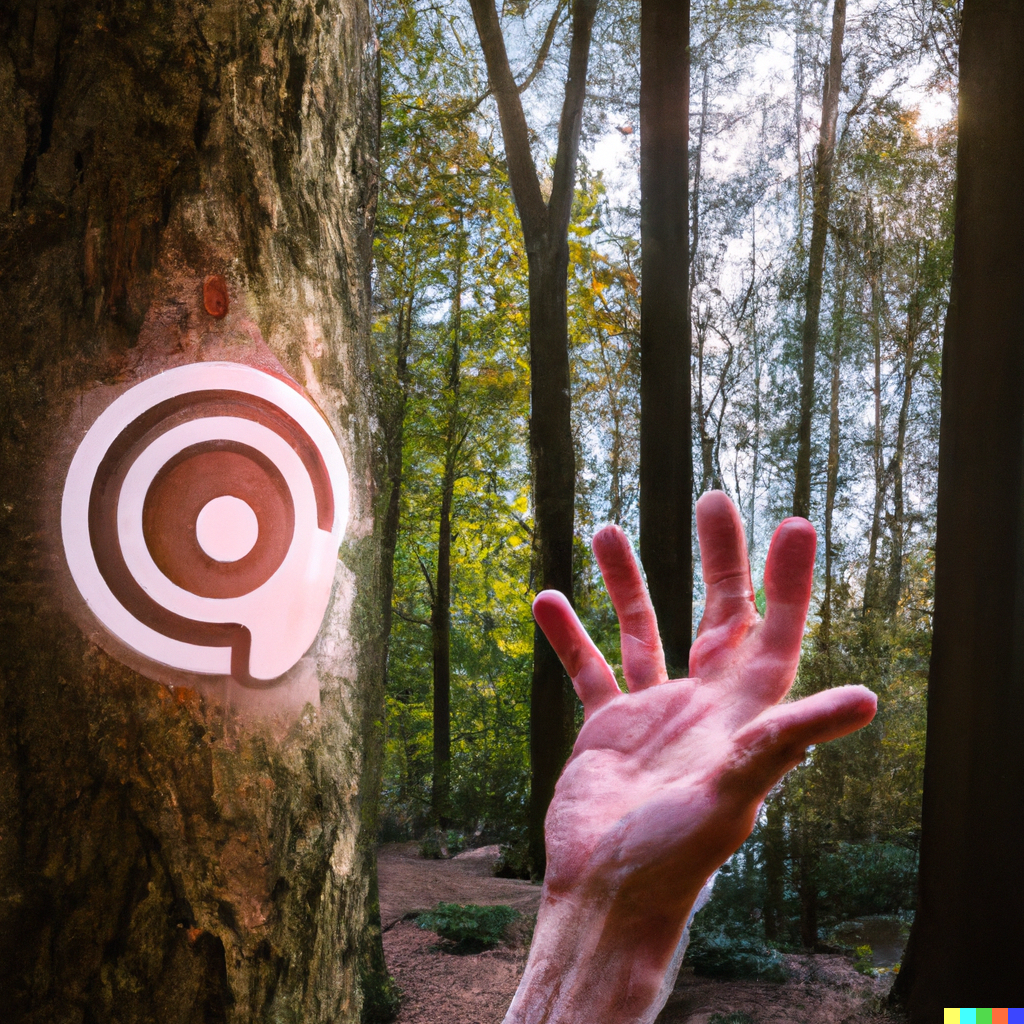
Image generated by DALL-E (picture in the forest incorporating, health, wellness, and technology).

I will be taking a couple of weeks off from curating. The newsletter will return on January 1, 2023. Have a safe and healthy holiday season!


OpenAI

I've been seeing a lot of press lately about the OpenAI project. The OpenAI project will force us to rethink what it means to be creative and will offer a new set of challenges for education, academics, and intellectual property: ChatGPT's Most Charming Trick Is Also Its Biggest Flaw. For more on using ChatGPT in creative writing, see Structuring Creativity: Poetry Generation with ChatGPT. For generative art, see: DALL-E I had to try it out.

+More on ChatGPT and education: Will ChatGPT Kill the Student Essay?

Forever Chemicals and the Kitchen

Following up on an article I mentioned in 018 - Living Medicines, Dangerous Cookware, and Toad Licking, an article in the Guardian, Wooden spoons and glass mugs: how to avoid toxic chemicals in your Kitchen has some valuable advice on how to minimize your exposure to forever chemicals. (thanks, Lauren!)

Whole Grains

The good news: Americans are eating more whole grains than ever before. The bad news? Because of imprecise labeling, no one is sure exactly how much: What Are Whole Grains and How Many Should You Eat? - The New York Times (gift article).

Solitude and Single-Person Dates

Take Yourself on a Date is an article on solitude and how (and why) to enjoy dating yourself. The article mentions a must-read book: The Artist's Way.

The Science of Swear Words

I loved this article looking at the commonalities of cussing across different cultures: Scientists want to know why swear words share this one universal trait

Opinion Piece on Human Composting

Dying is expensive. I had no idea a burial plot in Manhattan (before other funeral expenses) could run up to $1 million. The author of Opinion | Human Composting Should Be an Option for New Yorkers - The New York Times (gift article) thinks New York should be the sixth state to legalize terramation. See also: 014 - Terramation, Farmacies, and Edible Cities and 015 - Deja Vu, Pilates, and Recycling Theater.

The Dark Side of Body Building

The Washington Post had a long, interesting article on how many bodybuilders go to great extremes to compete: Extreme training techniques push bodybuilders to death, or close to it. (gift article)

Stretching for Better Sleep

Stretching and meditative movements (like yoga) before bed can improve the quality of your sleep. The New York Times offered an article with eleven stretches to incorporate into your evening routine: 11 Exercises For Better Sleep - The New York Times (gift article).

Entering Flow States

As part of my research, I spent a lot of time studying positive psychology. One of my favorite concepts is "flow," where one becomes so involved in the task that the world melts away and time is distorted. Here are some ways to increase flow in your life: We all can reach a "flow state." Here's how. If you'd like to learn more about positive psychology, a great place to start is Martin Seligman's Flourish: A Visionary New Understanding of Happiness and Well-being.

The Hobbies of Geniuses

I enjoyed reading The hobbies of 5 great geniuses.. I was especially interested in Albert Einstein's love of music. Einstein, a talented musician, carried "Lina," his violin, everywhere he went. He used music to help him think: Inside Einstein's Love Affair With 'Lina'—His Cherished Violin. _"Life without playing music is inconceivable for me," Einstein declared. "I live my daydreams in music. I see my life in terms of music … I get the most joy out of music." _

Silent Synapses and Memory Generation as an Adult

A recent paper published in Nature used mice to understand memory generation and recall as we age: How adult brains learn the new without forgetting the old | The Economist

Ultraprocessed Foods and the Aging Brain

A study published in JAMA Neurology, consisting of 10,775 adults, showed that higher intake of UPF was significantly associated with a faster decline in executive and global cognitive function. The article, Ultraprocessed Foods Tied to Faster Rate of Cognitive Decline, discusses the findings and shortcomings of the study.

Gatorade of the Ancients

Here is a strange article about posca, the hydration used by Roman soldiers: My Favorite Beverage Is a 2,000-Year-Old Energy Drink From Ancient Rome If you'd like to taste posca, the article contains a recipe.......

Vitamin D and Cognition

A recent study from Tufts, Brain vitamin D forms, cognitive decline, and neuropathology in community‐dwelling older adults found a correlation between higher levels of vitamin D in their brains and better cognitive function. The article, Brains With More Vitamin D Function Better, discusses the findings.

018 - Living Medicines, Dangerous Cookware, and Toad Licking - HealthHippieMD Week In Review

No Matter Your Age, Improving Your Diet can Extend Your Life - NEJM

At any age, a healthy diet can extend your life is a recap of the 2018 NEJM Paper, Association of Changes in Diet Quality with Total and Cause-Specific Mortality. The take-home message is "No matter how old you are or how much junk food you consume, it's never too late to start undoing the damage caused by a poor diet."

Gut Check

Radiolab replayed an episode on the importance of your gut: Radiolab: Guts. The episode features stories on a UC Davis fistulated cow, the microbiome, the gut-brain axis, and autoimmune disease. As my daughter exclaimed when she sent me the episode, "This is the most dad-like episode I've ever listened to." She knows me well.

Psychedelics and End-of-Life Care

Colorado approved the legalization of medicinal psilocybin on Tuesday. A physician and nurse wrote an opinion piece on How Psychedelics Can Transform End-of-Life Care.

Wood-Wide Web

Do the trees in the forest "talk" to one another? The debate continues. The Wood Wide Web: Scientists Debate Whether Trees Really Talk (paywall-I'm waiting for my gift articles to replenish)

The Race to Develop "Living Medicines."

This Gulp of Engineered Bacteria Is Meant to Treat Disease features a company engineering E. coli, a gut bacteria, as therapeutic agents. Microbiome therapeutics is a hot area of development these days, with a market expected to grow to $1.5 billion by 2027. Here is a list of some of the top microbiome startups by the amount of funding raised: Top 10 Microbiome startups. (disclosure - I own shares of Seres Therapeutics and Finch Therapeutics)

Dangerous Cookware

The EPA has labeled "forever chemicals," such as PFAS—perfluoroalkyl and polyfluoroalkyl, commonly found in traditional nonstick pans, hazardous substances. That means your nonstick pans are now considered dangerous. Teflon Nonstick Pans Are Bad. Consider These Alternatives discusses the various options to replace your cookware. Time to get my Le Creuset out of storage!

National Park Service Asks Visitors to Stop Licking Toads

Stop licking psychedelic Sonoran Desert toads, National Park Service says is an article about attempts to stop visitors from sampling Bufotoxin, a potent hallucinogen, secreted by Sonoran Desert Toads. The article reminded me of one of my favorite NPR radio stories ever: The Dog Who Loved to Suck on Toads. (listen, don't read)

Cell Senescence, Immunology, Stem Cells, and the Gut

Longevity by Design: Dr. Jennifer Elisseeff—Regenerative Medicine and Immunology was a fascinating discussion about aging, tissue repair, immunology, and cell senescence. The part that most excited me was her current studies investigating the role of the microbiome in stem cell activation. I'm going to track down some of Dr. Elisseeff's papers.

COMPASS Synthetic Psilocybin Study - NEJM

In 003 - Mad Honey, Frisson, and Psychedelic Capitalism I mentioned the controversy behind COMPASS and their attempts to corner the psychedelic market via intellectual property. This week, COMPASS published the results of a study in the NEJM: Single-Dose Psilocybin for a Treatment-Resistant Episode of Major Depression. Here is an article summarizing the findings: A single dose of psilocybin may alleviate major depression for 12 weeks, study finds.

Quiet Quitting and Going to the "Neutral Zone."

"More of us want to find ways to align our work with our values. And for some of us, those values have changed." Post-pandemic, many people are considering the nature of their employment and, in many cases, "quiet quitting." Quiet quitting is a work phenomenon in which employees do no more than the minimum required by the rules of their contract or job. The author of Have you quietly quit? Your next step: Go to the neutral zone recommends rather than jumping directly into a new job, to take time to reflect before drastically changing the way we work and live. The ZigZag Project is a great resource to help contemplate your professional direction.

How do "Super-Agers" Maintain Their Cognitive Abilities?

Super-agers are elderly individuals for whom aging doesn't seem to impact cognitive abilities. "SuperAgers" with super memory have super neurons summarizes a study attempting to figure out why.

Dietary Fiber and the Efficacy of Immunotherapy

The article, More fiber for the microbiome may boost immunotherapy cancer drugs is an overview of recent studies demonstrating an increased efficacy of immunotherapy drugs based on dietary intake. The microbiome mediates the effect.

Brain Training with Crossword Puzzles

A study published in NEJM Evidence has found that regularly attempting a crossword may help slow decline in some people with mild cognitive impairment, an early stage of faltering memory that can sometimes progress to dementia. Read the summary of the study here: Crossword puzzles may benefit people with mild cognitive impairment .

Quote

"The future influences the present just as much as the past."- Friedrich Nietzsche