
OpenAI

099 - Forest Bathing, Ripple Effects, and Brain Gains - HealthHippieMD Week In Review

A Wellness Bot in Hot Water?

Big banks and VCs are wary of an AI bubble, but Arianna Huffington dives in. Teaming up with OpenAI’s Sam Altman, she announced a hyper-personalized AI health coach via Thrive Global. This bot, trained on peer-reviewed science and personal data, aims to improve daily habits and reduce health inequities. However, skepticism arises from Huffington’s history with health pseudoscience, charlatans, and Altman’s controversial ventures. While AI has potential in healthcare, critics question the efficacy and equity of this initiative, warning it could perpetuate existing biases and inequalities. Why Arianna Huffington and Sam Altman Are Such a Catastrophic Pair to Make a Health App-Slate.

Mental Wealth Management

Navigating mental health treatment can be daunting due to a variety of options and a shortage of providers. A clinical psychologist, Bryan Cochran, emphasizes recognizing distress and impairment as the first step. Diagnosis and referrals are crucial for treatment, often starting with primary care. Insurance can complicate access, but many communities offer sliding-scale services. Therapy types and effectiveness vary by condition; combining medication with therapy can enhance outcomes. A strong therapist-client relationship significantly impacts success, making it essential to find the right fit. Despite challenges, pursuing mental health care is a valuable endeavor. Navigating mental health treatment options can be overwhelming – a clinical psychologist explains why it’s worth the effort.

+And how professional athletes are changing popular beliefs about mental health: By revealing their mental health struggles, pro athletes are scoring with fans.

Fiber Face-Off: Food vs. Supplements

In Is a Fiber Supplement Just as Good as Fiber From Food? - The New York Times (gift article), experts weigh in on whether fiber supplements can match the health benefits of fiber-rich foods. While supplements can aid digestion and alleviate issues like constipation and bloating, they lack the vitamins, minerals, and other beneficial compounds in whole foods. Dr. Denise Millstine emphasizes that fruits, vegetables, nuts, and whole grains offer comprehensive health benefits, including reduced inflammation and lower disease risk.

Tree-ting Stress Naturally

Forest bathing, or shinrin-yoku, is a therapeutic practice from Japan that immerses individuals in nature to promote health. Pioneered by Dr. Qing Li, this method reduces stress, lowers blood pressure, and enhances mood and immune function without side effects. Studies reveal significant health benefits, including reduced anxiety, improved sleep, and elevated anticancer proteins. Accessible even in urban parks, forest bathing involves simple activities like walking, tai chi, or mindful observation of nature. Embracing this practice not only improves human health but also fosters environmental conservation. Opinion | Forest bathing as a side effect-free antidote for stress - The Washington Post (gift article).

+and a story on NPR about preschools in the forests of Colorado: Colorado is the 2nd state to approve licenses for outdoor preschools | KUNC.

Weight Loss Showdown

A new study in JAMA Internal Medicine reveals that Eli Lilly’s tirzepatide, the active ingredient in Mounjaro and Zepbound, significantly outperforms Novo Nordisk’s semaglutide (Ozempic and Wegovy) for weight loss. Researchers analyzed the health records of 41,000 patients over 12 months, finding that tripeptide users lost up to 15.3% of their body weight compared to 8.3% with semaglutide. The results have propelled Eli Lilly and Novo Nordisk to the top of the pharmaceutical market, though Novo Nordisk highlights the study’s limitations and the comprehensive benefits of its drugs. Mounjaro is better for weight loss than Ozempic: study.

Intermittent Fasting Myths Busted

Intermittent fasting, practiced by one in 10 Americans, must be understood despite its popularity. A new study debunks four myths: it doesn’t harm sex hormones, leads to greater muscle loss than other diets, worsens diet quality, or promotes eating disorders. Instead, it can safely aid weight management and metabolic health by reducing overall calorie intake without altering food choices. The simplicity of fasting schedules makes it a sustainable option for many, offering benefits like reduced body fat and improved cellular function. Debunking four popular myths about intermittent fasting.j

Brain Gains: Age is Just a Number

In Can we change how our brains age? Scientists think it’s possible, scientists explore how lifestyle and technology can decelerate brain aging. Communities like Loma Linda’s Blue Zone show that diet, social interaction, and mental stimulation extend lifespans. AI and MRI technology advances allow for early detection and treatment of brain aging signs. Researchers like Dr. Andrei Irimia and companies like Brainkey are pioneering methods to predict and manage brain health. Sleep, depression treatment, and innovative biotech approaches are crucial in maintaining cognitive vitality, offering hope for a healthier, longer life.

Ripple Effects: How the Brain Chooses Memories

Neuroscientist György Buzsáki explores how the brain decides what to remember by studying sharp wave ripples—high-frequency brain waves fired during rest. His research shows these ripples are crucial in tagging and consolidating meaningful experiences into long-term memories. When animals rest, these ripples replay specific neuronal activity sequences from recent experiences, signaling which memories to retain. This phenomenon underscores the importance of sleep and rest in memory formation, as awake and asleep brains use these sharp wave ripples to filter and solidify memories. How the Brain Decides What to Remember-Wired.

Cracking the Autism Code

A new study in Nature Microbiology reveals that children with autism spectrum disorder (ASD) have unique gut microbiomes. By analyzing over 1,600 stool samples, researchers identified distinct biological markers in autistic children, which could lead to more objective diagnostic tools. Current diagnostic methods rely heavily on subjective observations, which can be error-prone. This groundbreaking research opens the door for earlier, more accurate diagnoses and interventions, though more validation is needed, especially across diverse populations. The findings represent a significant step towards understanding the biological underpinnings of ASD through the gut microbiome. Children With Autism Carry Unique Gut Flora, Study Finds - The New York Times (gift article).

091 - Meta Heads, Embracing Solitude, and The Brain's Immunity Master Switch - HealthHippieMD Week In Review

The Brain's Immunity Master Switch

In a groundbreaking study, A body–brain circuit that regulates body inflammatory responses | Nature, researchers led by Charles Zuker at the Howard Hughes Medical Institute discovered that the brainstem plays a crucial role in controlling the immune system. This revelation challenges the long-held belief that immune regulation is solely within the immune system. Using advanced genetic techniques, the team identified specific brainstem neurons that, through the vagus nerve, can either boost or suppress inflammation. This finding opens new avenues for treating immune disorders by targeting this brain-immune axis, potentially transforming the approach to managing diseases like rheumatoid arthritis and toxic shock syndrome. Very exciting! Finding a Master Immune System Controller | HHMI(Thanks, Miriam!).

Siri-ous Competition

OpenAI's latest release, GPT-4o, showcased its advanced capabilities in a live demo, positioning it as a game-changer in natural human-computer interaction on iPhones. This new model demonstrated storytelling, visual understanding, and multilingual conversation interpretation, all within the updated ChatGPT app. The impressive features of GPT-4o signal a potential end for Siri and similar voice assistants, which lag in functionality and responsiveness. Major tech companies like Apple and Samsung are racing to integrate generative AI into their devices, highlighting software as the new frontier in smartphone innovation. This Is the Next Smartphone Evolution - The Atlantic.

Avo-lution

The United States of Avocado | TASTE explores the growing popularity of avocados in the United States, from their rising role as a baby's first food to their integration into various cuisines and cultural dishes. Avocados, celebrated for their nutritional benefits and mild flavor, have doubled consumption in the U.S. since 2001. The article also delves into the avocado industry's expansion, including direct-to-consumer models and the challenges of maintaining quality and affordability. Despite issues like the involvement of organized crime in Mexican avocado production, the fruit's global appeal continues to rise, influencing food trends and diets. (Thanks, Dave / NextDraft!).

Bite-Sized Triumphs

Breaking large goals into smaller, flexible subgoals can significantly enhance goal achievement, as confirmed by a recent study published in the Journal of Applied Psychology. The study involved over 9,000 volunteers from Crisis Text Line, revealing that those assigned weekly or biweekly subgoals volunteered 7-8% more hours than those with a broad annual target. This incremental approach mirrors techniques in language learning apps and savings programs, proving effective across various contexts by making daunting tasks feel more manageable and achievable over time. The Secret to Accomplishing Big Goals Lies in Breaking Them into Flexible, Bite-Size Chunks | Scientific American.

Meta Heads

The European Union has initiated an investigation into Facebook and Instagram over concerns about their addictive impact on children. This probe mirrors earlier inquiries into TikTok's influence on young users. Meta's platforms are being scrutinized for fostering excessive exposure to content about depression and unrealistic body images and for potentially allowing children under 13 to use their services. This investigation, led by EU's internal markets commissioner Thierry Breton, is part of the broader Digital Services Act enforcement, aiming to ensure safer online experiences for children. Meta Faces Fresh Probe Over 'Addictive' Effect on Kids | WIRED.

Weight and See

A four-year study on Wegovy (semaglutide) in Nature Medicine shows sustained weight loss in people with cardiovascular disease who are overweight or obese. Initial weight loss occurred in the first 65 weeks, plateauing after that but remaining stable for the study. The SELECT trial involved 17,604 participants and revealed an average weight reduction of 10.2% for those on Wegovy, compared to 1.5% for the placebo group. Despite limitations like demographic skew, the study supports Wegovy's use for long-term weight management in cardiovascular patients. Researchers now face questions about the drug's long-term usage and cost. Wegovy Can Keep Weight Off for at Least 4 Years, Research Shows | WIRED.

Embracing Solitude

We All Need Time Alone. Here's How to Embrace It (gift article) from The New York Times explores the importance of spending time alone and how to embrace it positively. Psychologists Robert Coplan and Thuyvy Nguyen explain that solitude, distinct from loneliness, offers emotional and physical benefits like stress reduction and increased creativity. They suggest practical tips for incorporating alone time into daily routines, such as tracking moods, engaging in personal hobbies, and setting boundaries with partners. The article encourages finding "micro-moments" of solitude at home or in public spaces to enhance well-being and maintain a healthy balance between solo and social time.

Plasticulture's Paradox

Plastic mulch revolutionizes agriculture by boosting crop yields, conserving water, and reducing pesticide use. However, it leaves behind massive amounts of waste at season's end. While economically and environmentally advantageous in some aspects, the thin, contaminated plastic is tough to recycle, often ending up in landfills or incinerators. Innovative solutions, like those from Revolution Sustainable Solutions, show promise in recycling agricultural plastics, but challenges remain. As biodegradable alternatives prove costly and inconsistent, the farm sector grapples with balancing efficiency and sustainability amidst growing plastic waste. Giant Heaps of Plastic Are Helping Vegetables Grow - The Atlantic

Mind Over Muscle

A study in the Proceedings of the National Academy of Sciences reveals how exercise enhances brain health. When activated, muscles, rich in nerve cells, release compounds that boost cognitive function. Brain-muscle communication is crucial for producing proteins, mRNA, and hormones supporting neural growth. Regular exercise maintains these neural connections, promoting brain health. Researchers used a synthetic model to show that muscle stimulation increases brain-boosting substances' production. Although further research is needed to confirm these effects in humans, the findings highlight the profound link between physical activity and cognitive vitality. Why Exercise Is So Good For Our Brains According to A Wild New Study.

059 - Enacted Dreams, MDMA, and Chillin' Like a Monk - HealthHippieMD Week In Review

How Enacted Dreams Predict Parkinson's

Enacted dreams during the rapid eye movement (REM) phase of sleep may be an early sign of Parkinson's disease and other brain disorders, according to a Scientific American article. Known as REM sleep behavior disorder (RBD), this phenomenon affects a small percentage of the population and often precedes neurodegenerative diseases, such as Parkinson's and Lewy body dementia. Researchers increasingly recognize RBD as a valuable early marker for these conditions, offering potential opportunities for early intervention and clinical trials to slow or prevent disease progression. Acting Out Dreams Predicts Parkinson's and Other Brain Diseases - Scientific American

Checklist for AI Self-Awareness Emerges

As artificial intelligence (AI) continues to advance, whether AI systems can become conscious is gaining traction. To address this, 19 experts, including neuroscientists, philosophers, and computer scientists, have developed a checklist of criteria that could indicate AI consciousness. Published in the arXiv preprint repository, their approach draws from six neuroscience-based theories of consciousness, emphasizing "phenomenal consciousness" or subjective experience. By assessing AI systems against these criteria, the authors aim to provide a more nuanced evaluation of consciousness potential in AI, highlighting the need for more precise theories of AI consciousness in the future. If AI Becomes Conscious, Here's How We Can Tell - Scientific American

New Book on Happiness

"The common strategy of trying to eliminate problems from life to get happier is futile and mistaken. We must instead look for the "why" of life to make our problems an opportunity for learning and growth," Arthur Brooks writes in Three Myths and Four Truths About How to Get Happier - The Atlantic. The column refers to his new book, Build the Life You Want: The Art and Science of Getting Happier, , co-written with Oprah.

Chillin' Like A Monk: The Quest for Biostasis

Can We Stop Time in the Body? - Nautilus delves into the intriguing concept of biostasis—essentially, hitting the pause button on the body's metabolic processes. The article begins with a captivating Tibetan ceremony involving monks sleeping and surviving a Himalayan mountainside in sub-freezing temperatures, sparking curiosity about the physiological mechanisms at play. DARPA's pioneering biostasis project aims to develop a drug that can temporarily halt metabolism, offering potential lifesaving benefits in emergencies. The article introduces SNC80, a drug that slows metabolism in tadpoles, showcasing its reversible effects without harm to vital organs. Although not a perfect solution, the quest for biostasis continues, inspired by nature's examples, from hibernating bears to the remarkable spiny desert mouse. Ultimately, the article highlights the fascinating pursuit of slowing down time within the human body.

How Artificial Intelligence Can Revolutionize Science

How artificial intelligence can revolutionize science was an interesting article in the Economist. It cited two ways AI could accelerate scientific discovery: "The first is "literature-based discovery" (LBD), which involves analyzing existing scientific literature, using ChatGPT-style language analysis, to look for new hypotheses, connections or ideas that humans may have missed." (I mentioned some of the emerging tools in a previous newsletter: 052 - Genetic Judo, Young Blood, and Gray Hair). "The second area is "robot scientists," also known as "self-driving labs." These robotic systems use AI to form new hypotheses, based on analysis of existing data and literature, and then test those hypotheses by performing hundreds or thousands of experiments, in fields including systems biology and materials science." And for more on this topic, see my friend and colleague, Gary Kantor's excellent LinkedIn article: Can Generative AI Close The Knowledge Gap?

The Happiest States in the Union

Utah Named the Happiest State in New Study Where does your state fit? Happiest States in America (2023)

Ever find yourself at a loss for a familiar face or the whereabouts of your car keys? Don't fret; it's not just you. Our memory can take a quirky turn as we age, often leaving us in moments of blank confusion. The good news? It's usually nothing to worry about. While memory retrieval becomes less efficient in our fifties, it doesn't necessarily mean a problem. Experts suggest that embracing mindfulness, reducing multitasking, managing stress, getting enough sleep, maintaining a healthy diet, and even indulging in some cardiovascular exercise can keep your memory on its toes. If memory loss significantly disrupts your daily life, then it's time to chat with your doctor. Why Memory Lapses Are Not Always a Cause for Concern - The New York Times (gift article).
What OpenAI Really Wants

Wired had a long-form story on OpenAI and its CEO, Sam Altman. What OpenAI Really Wants | WIRED

Anxiety and Creativity

Anxiety is not always a boon to creatives. "Depending on the situation, fear, and anxiety can inspire or impede. But when anxiety becomes overwhelming, creative work often stalls." Anxiety can often be a drag on creativity, upending the trope of the tortured artist.

MDMA for PTSD

"Results of a new study may offer regulators enough evidence to allow the psychedelic, also known as Ecstasy, to be considered for use as a PTSD treatment." MDMA Therapy for PTSD Inches Closer to U.S. Approval - The New York Times (gift article).

022 - The Science of Swearing, Hobbies of Geniuses, and Cultivating Flow - HealthHippieMD Week In Review

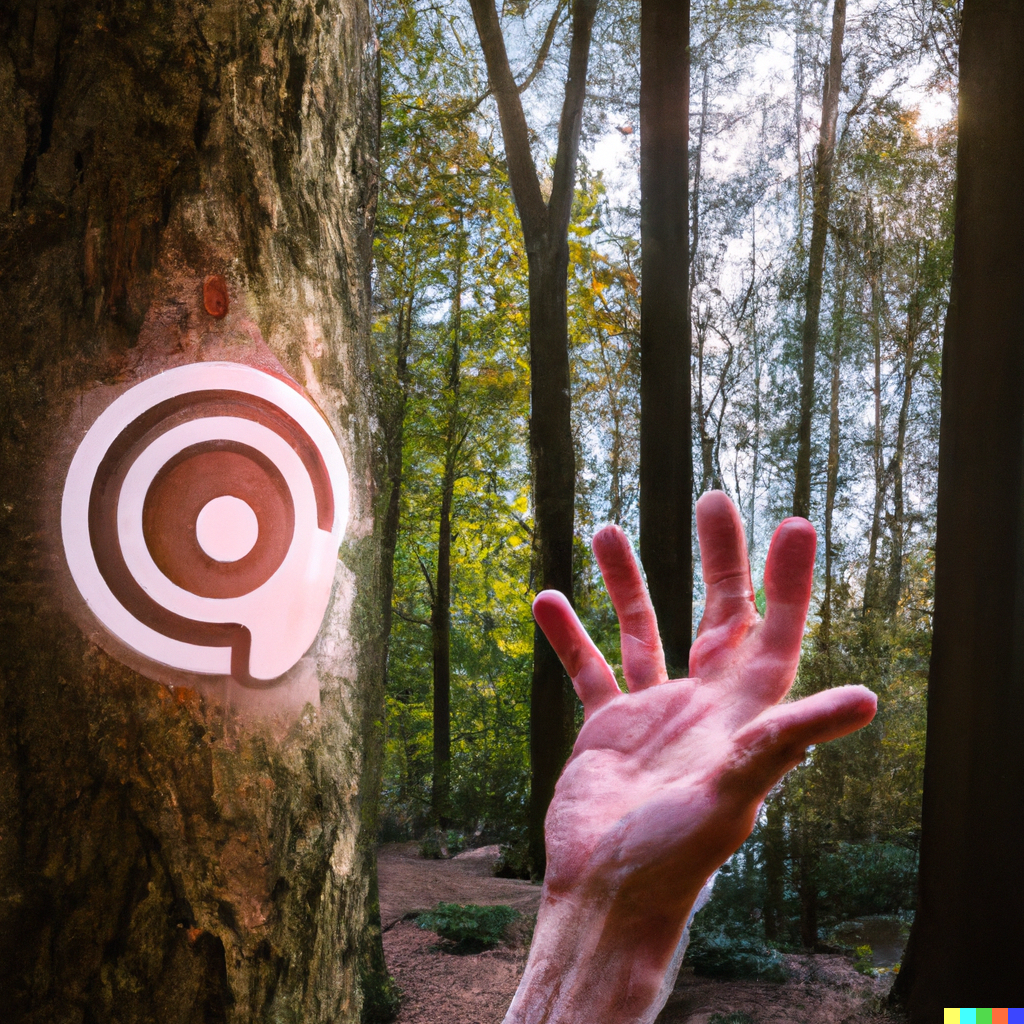
Image generated by DALL-E (picture in the forest incorporating, health, wellness, and technology).

I will be taking a couple of weeks off from curating. The newsletter will return on January 1, 2023. Have a safe and healthy holiday season!


OpenAI

I've been seeing a lot of press lately about the OpenAI project. The OpenAI project will force us to rethink what it means to be creative and will offer a new set of challenges for education, academics, and intellectual property: ChatGPT's Most Charming Trick Is Also Its Biggest Flaw. For more on using ChatGPT in creative writing, see Structuring Creativity: Poetry Generation with ChatGPT. For generative art, see: DALL-E I had to try it out.

+More on ChatGPT and education: Will ChatGPT Kill the Student Essay?

Forever Chemicals and the Kitchen

Following up on an article I mentioned in 018 - Living Medicines, Dangerous Cookware, and Toad Licking, an article in the Guardian, Wooden spoons and glass mugs: how to avoid toxic chemicals in your Kitchen has some valuable advice on how to minimize your exposure to forever chemicals. (thanks, Lauren!)

Whole Grains

The good news: Americans are eating more whole grains than ever before. The bad news? Because of imprecise labeling, no one is sure exactly how much: What Are Whole Grains and How Many Should You Eat? - The New York Times (gift article).

Solitude and Single-Person Dates

Take Yourself on a Date is an article on solitude and how (and why) to enjoy dating yourself. The article mentions a must-read book: The Artist's Way.

The Science of Swear Words

I loved this article looking at the commonalities of cussing across different cultures: Scientists want to know why swear words share this one universal trait

Opinion Piece on Human Composting

Dying is expensive. I had no idea a burial plot in Manhattan (before other funeral expenses) could run up to $1 million. The author of Opinion | Human Composting Should Be an Option for New Yorkers - The New York Times (gift article) thinks New York should be the sixth state to legalize terramation. See also: 014 - Terramation, Farmacies, and Edible Cities and 015 - Deja Vu, Pilates, and Recycling Theater.

The Dark Side of Body Building

The Washington Post had a long, interesting article on how many bodybuilders go to great extremes to compete: Extreme training techniques push bodybuilders to death, or close to it. (gift article)

Stretching for Better Sleep

Stretching and meditative movements (like yoga) before bed can improve the quality of your sleep. The New York Times offered an article with eleven stretches to incorporate into your evening routine: 11 Exercises For Better Sleep - The New York Times (gift article).

Entering Flow States

As part of my research, I spent a lot of time studying positive psychology. One of my favorite concepts is "flow," where one becomes so involved in the task that the world melts away and time is distorted. Here are some ways to increase flow in your life: We all can reach a "flow state." Here's how. If you'd like to learn more about positive psychology, a great place to start is Martin Seligman's Flourish: A Visionary New Understanding of Happiness and Well-being.

The Hobbies of Geniuses

I enjoyed reading The hobbies of 5 great geniuses.. I was especially interested in Albert Einstein's love of music. Einstein, a talented musician, carried "Lina," his violin, everywhere he went. He used music to help him think: Inside Einstein's Love Affair With 'Lina'—His Cherished Violin. _"Life without playing music is inconceivable for me," Einstein declared. "I live my daydreams in music. I see my life in terms of music … I get the most joy out of music." _

Silent Synapses and Memory Generation as an Adult

A recent paper published in Nature used mice to understand memory generation and recall as we age: How adult brains learn the new without forgetting the old | The Economist

Ultraprocessed Foods and the Aging Brain

A study published in JAMA Neurology, consisting of 10,775 adults, showed that higher intake of UPF was significantly associated with a faster decline in executive and global cognitive function. The article, Ultraprocessed Foods Tied to Faster Rate of Cognitive Decline, discusses the findings and shortcomings of the study.

Gatorade of the Ancients

Here is a strange article about posca, the hydration used by Roman soldiers: My Favorite Beverage Is a 2,000-Year-Old Energy Drink From Ancient Rome If you'd like to taste posca, the article contains a recipe.......

Vitamin D and Cognition

A recent study from Tufts, Brain vitamin D forms, cognitive decline, and neuropathology in community‐dwelling older adults found a correlation between higher levels of vitamin D in their brains and better cognitive function. The article, Brains With More Vitamin D Function Better, discusses the findings.