Flow

110 - Rapamycin, Genes on Sale, and Flowing Through Jazz - HealthHippieMD Week In Review

There will be no newsletter next week as I gather with family and friends to celebrate my son's wedding. The newsletter will resume on Sunday, October 6.

Forever in Your Food

PFAS, or "forever chemicals," are increasingly found in food, raising concerns about long-term health impacts. These synthetic substances, used in products like nonstick cookware and food packaging, resist breakdown, contaminating farmland through sewage sludge fertilizer. Linked to cancer, liver disease, and developmental issues, PFAS can accumulate in food, particularly in items like milk, eggs, and seafood. While the FDA's tests show low levels in most foods, the full extent of contamination remains to be seen, and regulatory gaps leave questions about how safe our food supply truly is. How Dangerous Is PFAS in Food? - The New York Times (gift article).

Leaky Gut Instinct

Emerging research suggests long-term COVID-19 in children might be linked to gut permeability, or "leaky gut." Dr. Lael Yonker, a pediatric pulmonologist, has launched the first clinical trial testing larazotide, a drug to tighten intestinal walls. This trial seeks to address symptoms such as headaches, gastrointestinal pain, and attention issues in children with long-term COVID-19. While long Covid research has primarily focused on adults, Yonker's trial could provide an essential treatment option for young patients, possibly offering a breakthrough in combating this debilitating condition. The Gut Might Hold the Key to Treating Long Covid in Kids | WIRED.

Plastic Fantasy

In a lawsuit backed by ProPublica's reporting, California accuses ExxonMobil of deceptive marketing regarding its chemical recycling process, pyrolysis. The oil giant claims the technology transforms plastic waste into reusable products, such as fruit cups, but evidence shows less than 0.1% of the recycled content ends up in new products. Despite this, ExxonMobil advertises 30% recycled content using controversial accounting methods. The lawsuit likens this practice to past tobacco industry deceptions, calling for billions in penalties to fund public education and sustainability efforts. ExxonMobil Accused of Deceptive Marketing of Plastics Recycling Process — ProPublica.

Genes on Sale

Remember That DNA You Gave 23andMe? - The Atlantic explores the potential sale of 23andMe and its genetic data, raising concerns about DNA privacy. As the company struggles financially, with stock declines and leadership upheavals, its most valuable asset—customers' genetic information—may be sold. This creates uncertainties about how future owners might use sensitive data, with risks extending beyond current privacy policies. Insurance companies, law enforcement, and other third parties could exploit the DNA data for profit or surveillance. The article underscores that once DNA is shared, it cannot be fully controlled, posing long-term consumer risks.

AI Doctor's Notes

As physicians face overwhelming patient messages, AI tools like MyChart's "In Basket Art" are stepping in to draft responses. These tools use AI models to mimic doctors' voices, providing medical advice or administrative replies. Though many hospitals embrace efficiency, concerns over transparency and potential errors in AI-generated responses grow. Experts worry about automation bias, where physicians may rely too much on AI, risking patient safety. As AI edges into clinical decision-making, ethical questions arise about the role of technology in personal doctor-patient communication. That Message From Your Doctor? It May Have Been Drafted by AI - The New York Times (gift article).

The Rapamycin Gamble

Rapamycin, a drug traditionally used as an immunosuppressant, has gained attention in the longevity community for its potential anti-aging benefits. Early studies in animals, including mice, show promise, suggesting the drug can extend lifespan by inhibiting the mTOR complex, which is linked to cellular health. However, human studies remain inconclusive, with mixed results and limited long-term data. While some users report improvements in energy, reduced inflammation, and other minor health benefits, skeptics caution about the drug's potential risks, such as immune suppression. The quest for a longer, healthier life continues—cautiously. Rapamycin and Anti-Aging: What to Know - The New York Times (gift article).

A Recipe for Health

How UTSW's Food as Medicine Program Is Revolutionizing Physician Education - D Magazine explores the Food as Medicine program at UT Southwestern (UTSW) and how it is transforming physician education by incorporating culinary medicine into medical training. Spearheaded by Dr. Jaclyn Albin and Program Director Milette Siler, the initiative teaches medical students and residents how to use food to combat chronic illness. With cooking classes and real-world nutrition lessons, physicians learn to help patients manage conditions like diabetes and heart disease through diet. The program partners with local communities and aims to make healthy eating accessible and culturally sensitive, tackling health outcomes and social isolation. I am currently enrolled in a similar class offered online: Culinary Health Education Fundamentals (CHEF) Coaching—The Basics-Overview | Continuing Education Catalog. (thanks, Amy!).

Flowing Through Jazz

In a study of jazz musicians, researchers used EEG scans to explore the brain activity behind entering a "flow state," a heightened, effortless creative focus. Jazz guitarists of varying experience levels improvised while their brain activity was recorded, revealing that more experienced musicians frequently entered flow. Brain scans showed reduced activity in areas associated with cognitive control, suggesting that expertise enables performers to "let go" mentally, allowing creativity to flourish. This research sheds light on how mastery and relaxed focus foster spontaneous innovation. Brain Scans of Jazz Musicians Reveal How to Reach a Creative 'Flow State' | Scientific American.

Empathy: A Team Sport?

Empathy isn't just an individual endeavor—it's socially driven. Research shows that empathy flourishes when it's a group norm, not just a personal skill. Programs like "empathy cafes" and classroom workshops reveal that structured dialogues and reflective listening can foster understanding, even across deep divides. Neuroscience supports this: empathetic behavior lights up specific brain regions, and witnessing empathy in others boosts our empathetic response. The key takeaway? Empathy thrives when nurtured in communities, showing that togetherness can make the cognitive challenge of empathy more manageable and rewarding. Being Empathetic Is Easier when Everyone's Doing It | Scientific American.

102 - Anxiety, Mood Movers, and Partnering for Wellness - HealthHippieMD Week In Review

Anxiety: A Double-Edged Sword

Anxiety isn’t all bad; it comes in two flavors: growth anxiety and toxic anxiety. Growth anxiety, akin to the stress felt before a big presentation, can enhance performance and foster resilience. This positive stress follows the Yerkes-Dodson Law, where moderate stress improves function. However, toxic anxiety, resulting from overwhelming or chronic stress, can lead to health issues like hypertension and cognitive decline. Recognizing and managing the types of anxiety can turn harmful stress into a tool for growth and strength, much like how physical exercise benefits the body. Anxiety Is Like Exercise - The Atlantic.

More Mind Over Matter

Anxiety, often viewed negatively, is a common human emotion that can be reframed as a catalyst for change. This video discusses how embracing concepts from Zen Buddhism and striving to achieve a ‘flow state’ can transform anxiety and enhance mental resilience. Experts Stephen Kotler, Wendy Suzuki, and psychiatrist Robert Waldinger provide insights on optimizing the brain to work harmoniously with our thoughts. By leveraging our physiology instead of resisting it, we can manage our minds more effectively, fostering unanxiousness and resilience for a more peaceful life. Reboot your mind for flow, unanxiousness, and resilience - Big Think.

Alzheimer’s: The Early Bird’s Conundrum

Scientific American highlights new guidelines proposing Alzheimer’s diagnosis based on biomarkers before cognitive symptoms appear. These biomarkers identify brain changes linked to Alzheimer’s, shifting focus from symptomatic to pre-symptomatic stages. While early detection can enhance research and potentially lead to preventive measures, it raises ethical and practical concerns. Critics argue about the psychological burden of knowing one’s risk and the possible misuse of such diagnoses by insurance and employers. The debate underscores the need for a balanced approach to integrating early diagnostic techniques into clinical practice, ensuring patient protection and informed decision-making. Controversial New Guidelines Would Diagnose Alzheimer’s Before Symptoms Appear | Scientific American.

Stay Cool and Hydrated

In scorching summer heatwaves, staying hydrated is critical to avoid heat-related illnesses like heat exhaustion and heat stroke. Experts from Scientific American explain that water needs vary per individual, influenced by activity, age, and health conditions. Thirst isn’t a reliable indicator; frequent urination and pale yellow urine are better hydration markers. Besides water, foods and certain beverages contribute to hydration. For those sweating excessively, electrolyte replenishment is advised. Staying hydrated ensures optimal body functions, preventing severe complications from underhydration, especially during extreme heat. How to Stay Hydrated During a Summer Heatwave, According to Experts | Scientific American.

The Power of ‘I Statements’ in Relationships

Couples counselors advocate using “I statements” to reduce conflict and defensiveness in relationships. This technique involves expressing one’s feelings and needs without accusing the partner, thus fostering better communication and understanding. The key lies in expressing genuine emotions, practicing regularly, and choosing the right moments to communicate, turning “I statements” into a powerful tool for healthier relationships. Couples Counselors’ Advice on Communication Strategy - The New York Times (gift article).

Exercising Caution with Fitness Fables

8 Fitness Myths That Drive Experts Crazy - The New York Times (gift article) debunks eight prevalent fitness myths that often mislead enthusiasts. Stretching before workouts, lifting heavy weights to build muscle, running damaging knees, and walking being sufficient for aging fitness are all challenged. Experts explain that dynamic warm-ups are better than static stretches and lighter weights can be as effective as heavy ones. Running doesn’t necessarily harm knees, and strength training is crucial alongside walking for older adults. Other myths dispelled include the necessity of 10,000 steps a day, ice baths for recovery, and strength training neglected by runners and cyclists. Misconceptions can lead to injury, emphasizing informed fitness choices.

Mood Movers

Exercise isn’t just about physical health; it also boosts your mood by triggering a complex cocktail of neurochemicals like endocannabinoids, dopamine, serotonin, and oxytocin. While the benefits might take about three weeks of consistent activity, maintaining a workout routine that raises your heart rate for at least 30 minutes can significantly improve your mood. For optimal results, make your workouts social and mix up your routine with different types of exercises. Finding an enjoyable activity is key to reaping the emotional rewards of physical fitness. How to Exercise to Improve Your Mood - The New York Times (gift article).

Nurse Practitioners Impacting Patient Safety

The increasing reliance on nurse practitioners (NPs) in the US healthcare system, fueled by a surge in graduates from mostly online programs, raises alarms about patient safety. This expansion, driven by the cost-efficiency of employing NPs over physicians, results in undertrained practitioners handling complex cases, sometimes with fatal outcomes. The lack of standardized, rigorous training, particularly in clinical settings, exacerbates these risks. Stories of tragic errors, like the mismanagement leading to Fred Bedell’s death, highlight the urgent need for tighter educational standards and oversight in the burgeoning NP field. This issue is important to me. I nearly escaped becoming a statistic because of the mismanagement of anaphylaxis by a nurse practitioner. Is the Nurse Practitioner Job Boom Putting US Health Care at Risk? - Bloomberg.

Healthy Hurdles: Partnering for Wellness

When one partner ignores health issues, frustration often arises in relationships. Experts recommend collaborating rather than confronting and expressing affection and concerns without judgment. Strategies include offering support, actively listening to health anxieties, and providing concrete help, like scheduling appointments or accompanying visits. If direct encouragement fails, enlist trusted friends or family for reinforcement. This approach fosters better health outcomes and strengthens the partnership by addressing underlying fears and anxieties together. Such proactive steps ensure mutual well-being and a shared commitment to long-term health. Your Partner is Ignoring a Health Issue. Now What? - The New York Times (gift article).

097 - The Write Stuff, Fish Oil Debate, and Awe - HealthHippieMD Week In Review

Mind-Expanding Reads for Daily Life

This article reviews five essential psychology books that simplify complex theories into practical advice for daily life. Thinking Fast and Slow by Daniel Kahneman explores cognitive biases and decision-making processes. Carol Dweck’s “Growth Mindset” emphasizes the power of effort over innate ability. “Emotional Intelligence” by Daniel Goleman highlights the importance of understanding and managing emotions. Angela Duckworth’s “Grit” focuses on resilience and perseverance. Finally, “Flow” by Mihaly Csikszentmihalyi delves into achieving optimal experiences. Each book, authored by experts, offers actionable insights to enhance personal and professional life. 5 applied psychology books for everyday life - Big Think.

Awe

Lori Santos covered the eight types of awe in her podcast The Happiness Lab with Dr. Laurie Santos: The Power of Awe. Well worth a listen whether you are religious or not.

Gaslight, Camera, Action

Gaslighting, a manipulative tactic that makes victims question their reality, can profoundly affect mental health, leading to anxiety and depression. When confronted with gaslighting, experts recommend seven strategies to regain control and assert your truth. These include calmly stating your perspective, setting boundaries, validating your feelings, documenting events, suggesting neutral third-party mediation, using humor to defuse tension, and focusing on solutions rather than memory debates. These techniques aim to disrupt the manipulator’s control and provide clarity, helping you maintain your sense of reality and well-being. 7 Things to Say When Someone Gaslights You.

Unraveling Chronic Illness Misdiagnoses

Chronic illness symptoms are frequently dismissed as mere stress, complicating diagnosis and treatment. Amina AlTai, initially attributing her fatigue and brain fog to work-related stress, faced repeated dismissal from doctors despite worsening symptoms like hair loss and gastrointestinal issues. It wasn’t until thorough blood tests that she was diagnosed with Hashimoto’s disease and celiac disease, severe autoimmune conditions. This case underscores the complex interplay between stress and chronic illness, highlighting the need for careful evaluation to distinguish between stress-related symptoms and underlying medical conditions. Why Chronic Illness Symptoms are Commonly Dismissed as Just Stress - The New York Times (gift article).

Weight Loss Woes

States like West Virginia are grappling with the high costs of weight-loss drugs like Ozempic and Wegovy. Despite their effectiveness, with some patients losing 15-20% of their weight, the prohibitive costs, reaching up to $1,400 a month, make them inaccessible for many. Canceling public funding programs exacerbates the disparity between those who can afford these medications and those who cannot. Critics argue that the situation mirrors past pharmaceutical crises, underscoring a broader issue of healthcare inequality in treating obesity, a condition classified as a complex disease. Some States Say They Can’t Afford Ozempic and Other Weight Loss Drugs - The New York Times (gift article).

Time for a Pill

MIT researchers have discovered that the effectiveness of medications depends significantly on the time of day they are taken due to circadian variations in liver function. Using engineered mini-livers, the study identified over 300 liver genes with circadian patterns, affecting drug metabolism and inflammation. These findings suggest that drug regimens could be optimized to enhance efficacy and reduce toxicity. For instance, Tylenol’s breakdown is more efficient at specific times, and the liver’s susceptibility to infections like malaria varies with the circadian cycle. This research opens new avenues for tailoring drug administration schedules. Drugs are more effective at certain times of day | MIT Technology Review.

The Fish Oil Debate

The article explores the ongoing debate about the efficacy of fish oil supplements for heart health. Despite early enthusiasm sparked by Inuit dietary studies, recent research reveals mixed results. Some studies suggest omega-3s reduce coronary events, but many trials show no significant cardiovascular benefits. Additionally, fish oil supplements may increase the risk of atrial fibrillation. Experts recommend obtaining omega-3s from dietary fish rather than supplements, emphasizing a balanced diet and healthy lifestyle for heart health. The article underscores the importance of relying on well-rounded dietary practices rather than supplements for optimal cardiovascular well-being. Is Fish Oil Helpful or Harmful for the Heart? - The New York Times (gift article).

Reclaim Your Work-Life Balance

In an era of remote work and constant connectivity, achieving work-life balance has become increasingly challenging. The article outlines five tech-based strategies to prevent work from encroaching on personal time. These include setting and communicating boundaries, scheduling messages during work hours, minimizing notifications, filling calendars with buffer times, and establishing emergency contact plans. By leveraging the same technology that blurs the line between work and personal life, individuals can regain control and ensure their jobs stay within the confines of a typical workday. How to get back your work-life balance with tech - The Washington Post (gift article).

AI: The Write Stuff

A recent study reveals that over 10% of scientific papers are co-authored by large language models (LLMs) like ChatGPT, with fields like computer science showing even higher usage. Researchers from the University of Tübingen and Northwestern University utilized an excess-vocabulary method to identify unusual word frequencies in scientific abstracts. This method bypasses traditional detection algorithms, revealing the widespread integration of AI in academic writing. While LLMs enhance drafting efficiency, especially for non-native English speakers, their use raises concerns about biases, hallucinations, and the potential flood of low-quality publications. Academic policies on LLM usage remain inconsistent and evolving. At least 10% of research may already be co-authored by AI.

093 - Electric Dreams, Face Time, and Your Gut on Salt - HealthHippieMD Week In Review

Face Time

Unlike virtual connections, regular face-to-face interactions with friends significantly enhance physical and mental health. Studies reveal that in-person meetings boost the immune system, reduce stress, and improve overall well-being, comparable to the effects of a Mediterranean diet. Frequent physical contact, such as hugs, also benefits the hypothalamic-pituitary-adrenal axis, lowering inflammation and improving sleep. Additionally, our sense of smell and neural synchrony are crucial in forming deeper, more empathetic connections. Decreased time spent with friends underscores the importance of rekindling in-person socializing for better health. In-person friendships are better for health than virtual connections - The Washington Post (gift article) (Thanks, Amy!).

Paws-in

The viral "paws-in" challenge on TikTok sees dogs imitating their owners by placing a paw atop a stack of human hands. The trend delights viewers, showcasing dogs' ability to mimic, seek attention, and connect with their human families. Experts highlight the role of training and innate behavior in dogs' responses. Even if some dogs don't join in perfectly, their varied reactions—using their muzzle or looking for cues—emphasize the deep bond between humans and their pets. The challenge underscores the joy and heartwarming connection pets bring to their owners' lives. Dogs are doing the viral 'paws in' challenge. Here's why. - The Washington Post (gift article).

Electric Dreams

Researchers have explored using electricity to control the immune system for over a decade, promising a revolution in treating chronic diseases like rheumatoid arthritis and diabetes. Despite substantial investment, electroceuticals—implants designed to replace drugs—haven't yet fulfilled their early promise. Meanwhile, new research into bioelectric medicine shows potential for innovative treatments, including fast-healing bandages and cancer therapies. The field faces challenges, including precise targeting and overcoming biases toward nervous system-centric approaches. As research evolves, the dream of electrically hacking the body for better health remains an electrifying possibility. The decade-long quest to hack the body's immune system with electricity | MIT Technology Review.

+see also: 091 - Meta Heads, Embracing Solitude, and The Brain's Immunity Master Switch - HealthHippieMD Week In Review — HealthHippieMD.

Mediterranean Eating May Boost Brain Health

A new study in Nature Aging suggests the Mediterranean diet, rich in fatty acids, carotenoids, and vitamin E, may slow cognitive decline. Researchers from the University of Illinois and the University of Nebraska-Lincoln found that participants aged 65-75 with delayed brain aging had larger brain volumes, better connectivity, and higher cognitive scores. Essential nutrients included α-linolenic acid and eicosapentaenoic acid from fish and plants, carotenoids from colorful vegetables, and vitamin E from nuts and oils. While promising, the study calls for further research across diverse populations. New Study Suggests Mediterranean Diet May Slow Cognitive Decline.

Cognitive Harmony

Understanding cognition requires viewing the brain's large-scale coordination of neural activity, driven by rhythmic electric fields, rather than focusing on individual neurons. MIT neuroscientists argue that brain rhythms, once dismissed as mere byproducts, are crucial for organizing neural activity. These rhythms influence cognition and could be key to treating disorders like schizophrenia and epilepsy. Brain waves like beta and gamma rhythms coordinate complex cognitive tasks, acting like stencils guiding neural activity. Scientists hope to unlock deeper insights into how thoughts and memories form and function by studying these rhythms. To understand cognition, neuroscientists must learn its rhythms - Big Think.

The Brain-Belly Connection

In this episode of the Huberman Lab Podcast, Stanford's Dr. Andrew Huberman hosts Dr. Diego Bohórquez of Duke University. Dr. Bohórquez, an expert in gastrointestinal physiology and neuroscience, delves into the gut-brain axis, focusing on how our gut senses food. Unlike the popular microbiome focus, Dr. Bohórquez explores how our gut detects nutrients like amino acids, fats, and sugars, akin to how our eyes sense light. This episode reveals the intricate sensory mechanisms within our digestive system, offering a deeper understanding of how our gut communicates with our brain. ‎Huberman Lab: Dr. Diego Bohórquez: The Science of Your Gut Sense & the Gut-Brain Axis.

Following the Pharma Funds

How much Big Pharma is paying doctors discusses the financial relationships between doctors and pharmaceutical companies, highlighting the Open Payments website. This platform, run by Medicare, allows the public to see the payments made to doctors by healthcare companies. A recent JAMA study revealed that many physicians endorsing products on social media have received payments from the companies behind these products. The article emphasizes the importance of transparency in understanding these financial ties and their potential impact on healthcare costs and quality in the U.S.

Your Gut on Salt

Excessive salt, though essential historically, disrupts the gut microbiome, likely contributing to health issues like high blood pressure, heart disease, and metabolic disorders. Modern diets, laden with processed foods, exacerbate these problems. High sodium intake alters beneficial gut bacteria, leading to inflammation and metabolic disruptions and increasing cravings and weight gain. Reducing salt intake and focusing on unprocessed, plant-based foods can help maintain a healthy microbiome and prevent disease. The push for lower sodium in diets faces challenges from industry lobbyists, but evidence for its necessity continues to grow. How Salty Food Can Poison Your Microbiome.

Jazz Mind and Flow

Researchers at Drexel University's Creativity Research Lab studied how jazz musicians reach a creative "flow state." They discovered that flow involves a balance between expertise and releasing focus. Using EEG, they recorded the brain activity of 32 jazz guitarists, finding that flow states correlated with reduced frontal lobe activity, indicating low cognitive control. Experienced musicians showed enhanced sensory brain activity. The study suggests achieving flow requires extensive practice and the ability to let go of conscious control, allowing automatic, creative responses. This dual approach can help in mastering any creative task. Brain Scans of Jazz Musicians Reveal How to Reach a Creative' Flow State' | Scientific American.

+see also: We all can reach a "flow state." Here's how. - Big Think.

086 - Emotional Choreography, Musical Flow States, and Brain Waves from the Grave - HealthHippieMD Week In Review

Sweet Relief

Honey, with its long-standing reputation as a natural remedy, is being explored for its potential to alleviate hay fever symptoms. Ancient civilizations utilized honey for medicinal purposes, and today, its anti-inflammatory and anti-allergic properties are of interest. Recent research suggests that honey could act as a form of immunotherapy, desensitizing the immune system to allergens and reducing allergic reactions. Studies have shown that consuming local honey daily can lead to significant improvements in hay fever symptoms. Honey's anti-inflammatory effects, antioxidants, and prebiotic characteristics may contribute to its therapeutic potential. However, not all honey is created equal, and its efficacy can vary depending on its source and processing. While honey shows promise, it should be used alongside conventional therapies and with caution, especially in children under one and individuals with severe allergies. The Truth About Honey And Hay Fever.

Emotional Choreography

The cerebellum, traditionally known for controlling movement, is revealing its deeper role in regulating emotions, social interactions, and complex behaviors. This "little brain" at the back of our heads contains a staggering three-quarters of all brain neurons, organized in a crystalline-like structure. Recent studies, presented at the Society for Neuroscience annual meeting, challenge the long-standing view of the cerebellum's limited function. Using advanced techniques, researchers are uncovering its involvement in maternal behavior, social recognition, and even autism, suggesting it acts as a hub for sensory input and higher cognitive functions. This shift in understanding highlights the cerebellum's integral role in both movement and mental processes, showcasing its significance beyond mere physical coordination. Scientists Are Unlocking the Secrets of Your ‘Little Brain’ | WIRED.

Garden Variety

In this comprehensive guide from The Washington Post, readers are introduced to the basics of starting a vegetable garden. The article emphasizes that anyone can grow vegetables, regardless of space, by selecting the right location, sourcing quality soil, and choosing appropriate plants. It highlights the importance of sunlight, proper drainage, and understanding your hardiness zone for planting. The piece advises starting with easy-to-grow vegetables and incorporating flowers and herbs for a diverse ecosystem. It also stresses the significance of having the right attitude, embracing experimentation, and learning from failures. Overall, the article provides practical tips and encouragement for budding gardeners looking to cultivate their own edible harvest. How to start a vegetable garden - The Washington Post (gift article).

Fortune's Folly

Big Think had an excellent video on the myth of the billionaire genius."wealth is not directly correlated with brain power. Thinking smarter and working harder does not always make you rich; most of the time, it’s just about being positioned at the luckiest spot on the bell curve." Debunking the ‘billionaire = genius’ myth - Big Think.

Jazzing Up the Brain

A study conducted by Drexel University's Creativity Research Lab reveals the neural underpinnings of achieving a state of "flow" in creativity, particularly among jazz musicians in the Philadelphia area. By examining the brain activity of 32 jazz guitarists through EEG scans while they improvised, researchers found that flow is associated with reduced activity in the frontal lobes, which are responsible for executive function and cognitive control. This suggests that letting go of conscious control is key to reaching this state. The study also showed that experienced musicians were more likely to achieve flow, indicating that a foundation of expertise is necessary before one can truly "just wail," as jazz legend Charlie Parker advised. These findings not only shed light on the neural mechanisms of flow but also suggest practical strategies for enhancing creative thinking. Brain scans of Philly jazz musicians reveal secrets to reaching creative flow.

Sleep

Up to 2/3 of adults will suffer from insomnia at some point in their life. The National Center for Integrative and Complementary Health has an excellent science-based overview of various interventions: [Mind and Body Practices for Sleep Disorders: What the Science Says | NCCIH.](https://www.nccih.nih.gov/health/providers/digest/psychological-and-physical-approaches-for-sleep-disorders-science +see also Sleep Disorders – Common Types, Symptoms, Treatments | Sleep Foundation.

Brain Waves from the Grave

The new science of death: ‘There’s something happening in the brain that makes no sense’ explores the enigmatic phenomenon of heightened brain activity in individuals at the brink of death, challenging conventional understanding of the dying process. In particular, it delves into the case of "Patient One," whose brain exhibited remarkable electrical signals and connectivity even after life support was removed. This unexpected discovery, made by neurologist Jimo Borjigin and her team at the University of Michigan, suggests that the brain may enter a hyperactive state during the final moments of life, potentially giving rise to near-death experiences. The findings have profound implications for our comprehension of consciousness and the boundaries between life and death, propelling the scientific community towards new frontiers in the study of the dying brain and the possibility of reversing death itself.

Matrix of Productivity

The Eisenhower matrix, named after the 34th President of the United States, is a powerful tool for enhancing productivity by organizing tasks based on their urgency and importance. Although there's no evidence that Eisenhower himself used the matrix, its principles align with his famous saying, "What is important is seldom urgent and what is urgent is seldom important." The matrix divides tasks into four categories: do (urgent and important), decide (important but not urgent), delegate (urgent but not important), and delete (neither urgent nor important). By regularly revisiting and adjusting the matrix, individuals can maintain focus on their goals and values, ensuring that they invest their time in what truly matters. This method not only aids in managing day-to-day tasks but also helps in aligning efforts with long-term objectives, promoting a balanced and fulfilling life. Why the “Eisenhower matrix” is a fantastic productivity hack - Big Think.

A Nosh Above

Manischewitz, the 136-year-old kosher food brand, is spicing up its image with a vibrant rebrand aimed at attracting new customers and making kosher cuisine a culinary destination. The new packaging features tangerine hues, arched logos, and Hebrew-inspired accents. Shani Seidman, CMO of parent company Kayco, envisions broadening the brand's appeal beyond traditional consumers to those curious about diverse cuisines. The rebrand includes an expanded product range, from frozen matzoh balls to "Mani'z" snacks, and quirky merchandise like "Man I Shvitz" T-shirts. Despite the risks of alienating loyal customers, the move is seen as vital for the brand's long-term survival and relevance in a changing market. Manischewitz hopes its rebrand will make kosher food cool - The Washington Post (gift article).

074 - The Yips, Resilience, and Pig-Plant Hybrids - HealthHippieMD Week In Review

Mitochondria: Unmasking the Culprit Behind Long COVID Fatigue

In the article Scientists Pinpoint Key Part of Cells That Could Drive Long Covid Fatigue researchers shed light on the mysterious fatigue that often plagues long COVID sufferers. They reveal how the mitochondria, tiny energy factories within our cells, play a pivotal role. By studying the dysfunctional mitochondria in long COVID patients, scientists hope to uncover new treatment avenues, offering relief and insight into the lingering exhaustion that many survivors face. This research illuminates the cellular culprit behind post-COVID fatigue and opens doors to potential solutions for this debilitating condition.

The Magic of Immersive Tasks

Amid the 6-Day Energy Challenge, the New York Times explores the concept of flow states, where individuals become wholly absorbed in an activity, losing track of time and self-consciousness. These moments of intense focus, as described by positive psychology pioneer Mihaly Csikszentmihalyi, can lead to increased alertness and motivation. The article suggests finding your "low-stakes flow state" by identifying past immersive experiences and hobbies that bring joy. It offers various time-friendly activities, from learning a foreign language to tackling an adult Lego set, emphasizing the rejuvenating power of losing oneself in a task. The Energy Challenge: How Losing Yourself in A Task Can Boost Your Mood - The New York Times. (gift article)

The Mediterranean Diet's Heart-Healthy Legacy

The Mediterranean Diet, rooted in decades of research and the lifestyle choices of millions, emerges as a powerhouse for heart health. This lifestyle, emphasizing whole, unprocessed foods and rich in fruits, vegetables, legumes, nuts, and olive oil, showcases an impressive array of benefits, including lowered blood pressure, cholesterol and a reduced risk of Type 2 diabetes. Moderation is key, with occasional indulgences allowed. While not a guaranteed cure, the Mediterranean Diet can substantially enhance heart health with other healthy habits. With the potential for cognitive improvements within days and lasting benefits with commitment, this diet is a delicious and sensible choice. The Mediterranean Diet Is That Good for You. Here's Why. - The New York Times. (gift article)

Ozempic's Potential: Beyond Weight Loss, a Medical Revolution in Progress

The article Can Ozempic and Weight-Loss Drugs Treat Other Diseases? - The New York Times(gift article) explores the groundbreaking impact of drugs like Ozempic, which have revolutionized the treatment of obesity and diabetes. Scientists are now embarking on numerous clinical trials to investigate their potential in treating a wide array of conditions, from alcohol use disorder to polycystic ovary syndrome, liver disease, cardiovascular issues, sleep apnea, and kidney disease. These medications could offer hope to millions of patients with limited treatment options while presenting a lucrative pharmaceutical company market. As researchers unravel the mysteries of these drugs, they promise to reshape the future of medicine.

Reducing Food Waste

"In the United States, most dates consumers see on food items are for freshness, not safety, according to the U.S. Department of Agriculture." "A product past its 'best, if used by' date, may not taste as good as something fresh off the shelf. But it is often perfectly healthy to eat." The Washington Post had some great tips on how to minimize food waste. How to reduce food waste while cooking at home - The Washington Post (gift article).

A Surgeon Faces the Yips

"The principle "everything else is fixable" can apply to so much of life." The Washington Post published an opinion piece on the folly of perfectionism. Opinion | I had the yips as a young surgeon. Here's what it taught me. - The Washington Post (gift article).

Stepping into Creativity

In this article, titled How Walking Fosters Creativity Stanford researchers validate a timeless belief held by philosophers and writers - that walking enhances creativity. The study underscores how strolls can significantly boost creative thinking and problem-solving abilities. By examining participants' cognitive processes and neural activity while walking, the research confirms that walking sparks innovative thoughts and ideas. The findings provide scientific evidence for the age-old practice of "thinking on your feet" and highlight the valuable role of walking in nurturing creative thinking.

Building Resilience: The Recipe for Stress Management

In the article, What is resilience? A psychologist explains the main ingredients that help people manage stress, the author explores the concept of resilience and its vital role in handling stress effectively. Drawing on psychological insights, the article highlights the key components that contribute to resilience, such as adaptability, social support, and a positive mindset. By delving into these main ingredients, the author offers valuable insights into how individuals can cultivate resilience to better cope with life's challenges and stresses, ultimately leading to improved mental well-being and overall success.

Plant-Pig Hybrids Fake Meat Revolution

Moolecs, a cutting-edge biotech company, has unveiled a novel approach to enhance the taste and texture of plant-based meat alternatives. By creating plant-pig hybrids, Moolecs is bridging the gap between plant-based and animal-derived meats, promising consumers a more authentic, meatier experience. Through innovative genetic engineering, they have integrated essential flavor and texture components from pigs into plants, offering a sustainable and ethical solution for meat production. This exciting breakthrough can potentially revolutionize the fake meat industry and satisfy the cravings of even the most devoted carnivores. I have three words: No, thank you. The Plan to Put Pig Genes in Soy Beans for Tastier Fake Meat | WIRED.

022 - The Science of Swearing, Hobbies of Geniuses, and Cultivating Flow - HealthHippieMD Week In Review

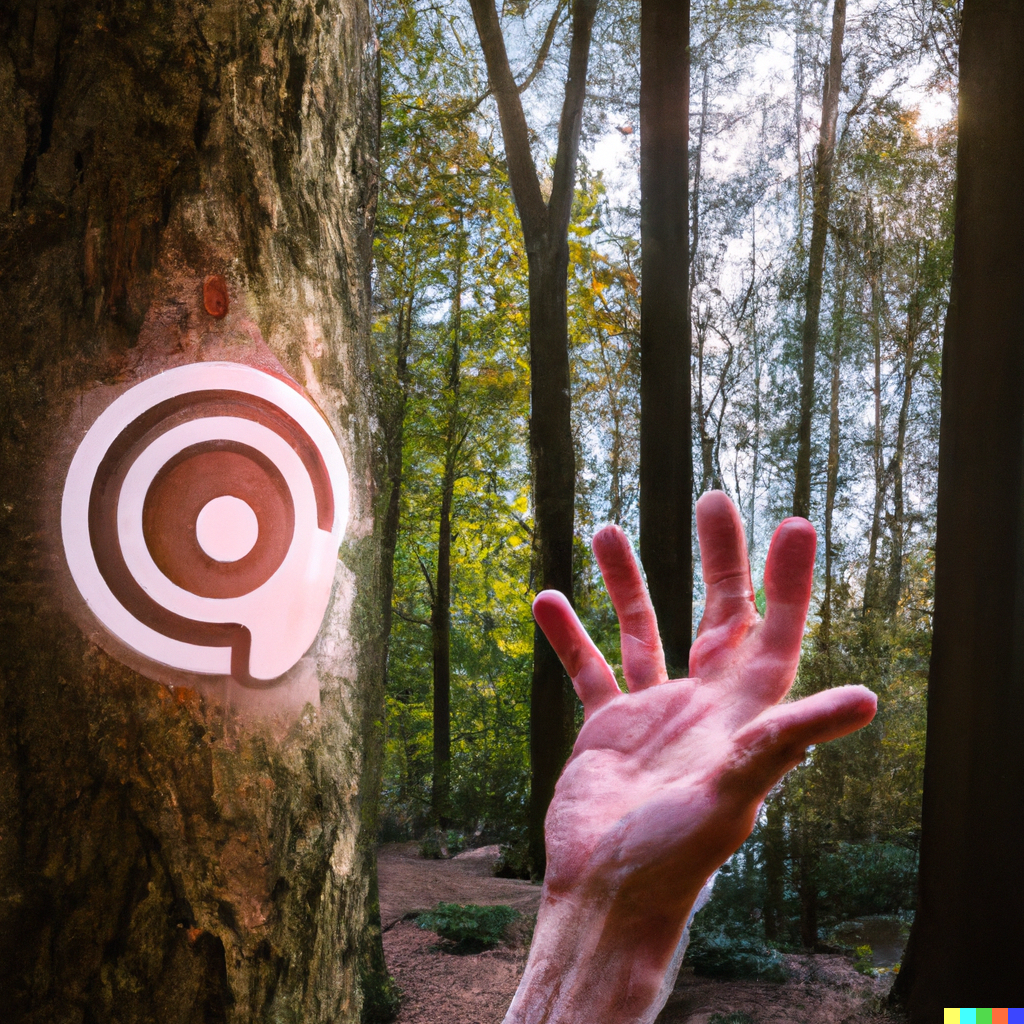
Image generated by DALL-E (picture in the forest incorporating, health, wellness, and technology).

I will be taking a couple of weeks off from curating. The newsletter will return on January 1, 2023. Have a safe and healthy holiday season!


OpenAI

I've been seeing a lot of press lately about the OpenAI project. The OpenAI project will force us to rethink what it means to be creative and will offer a new set of challenges for education, academics, and intellectual property: ChatGPT's Most Charming Trick Is Also Its Biggest Flaw. For more on using ChatGPT in creative writing, see Structuring Creativity: Poetry Generation with ChatGPT. For generative art, see: DALL-E I had to try it out.

+More on ChatGPT and education: Will ChatGPT Kill the Student Essay?

Forever Chemicals and the Kitchen

Following up on an article I mentioned in 018 - Living Medicines, Dangerous Cookware, and Toad Licking, an article in the Guardian, Wooden spoons and glass mugs: how to avoid toxic chemicals in your Kitchen has some valuable advice on how to minimize your exposure to forever chemicals. (thanks, Lauren!)

Whole Grains

The good news: Americans are eating more whole grains than ever before. The bad news? Because of imprecise labeling, no one is sure exactly how much: What Are Whole Grains and How Many Should You Eat? - The New York Times (gift article).

Solitude and Single-Person Dates

Take Yourself on a Date is an article on solitude and how (and why) to enjoy dating yourself. The article mentions a must-read book: The Artist's Way.

The Science of Swear Words

I loved this article looking at the commonalities of cussing across different cultures: Scientists want to know why swear words share this one universal trait

Opinion Piece on Human Composting

Dying is expensive. I had no idea a burial plot in Manhattan (before other funeral expenses) could run up to $1 million. The author of Opinion | Human Composting Should Be an Option for New Yorkers - The New York Times (gift article) thinks New York should be the sixth state to legalize terramation. See also: 014 - Terramation, Farmacies, and Edible Cities and 015 - Deja Vu, Pilates, and Recycling Theater.

The Dark Side of Body Building

The Washington Post had a long, interesting article on how many bodybuilders go to great extremes to compete: Extreme training techniques push bodybuilders to death, or close to it. (gift article)

Stretching for Better Sleep

Stretching and meditative movements (like yoga) before bed can improve the quality of your sleep. The New York Times offered an article with eleven stretches to incorporate into your evening routine: 11 Exercises For Better Sleep - The New York Times (gift article).

Entering Flow States

As part of my research, I spent a lot of time studying positive psychology. One of my favorite concepts is "flow," where one becomes so involved in the task that the world melts away and time is distorted. Here are some ways to increase flow in your life: We all can reach a "flow state." Here's how. If you'd like to learn more about positive psychology, a great place to start is Martin Seligman's Flourish: A Visionary New Understanding of Happiness and Well-being.

The Hobbies of Geniuses

I enjoyed reading The hobbies of 5 great geniuses.. I was especially interested in Albert Einstein's love of music. Einstein, a talented musician, carried "Lina," his violin, everywhere he went. He used music to help him think: Inside Einstein's Love Affair With 'Lina'—His Cherished Violin. _"Life without playing music is inconceivable for me," Einstein declared. "I live my daydreams in music. I see my life in terms of music … I get the most joy out of music." _

Silent Synapses and Memory Generation as an Adult

A recent paper published in Nature used mice to understand memory generation and recall as we age: How adult brains learn the new without forgetting the old | The Economist

Ultraprocessed Foods and the Aging Brain

A study published in JAMA Neurology, consisting of 10,775 adults, showed that higher intake of UPF was significantly associated with a faster decline in executive and global cognitive function. The article, Ultraprocessed Foods Tied to Faster Rate of Cognitive Decline, discusses the findings and shortcomings of the study.

Gatorade of the Ancients

Here is a strange article about posca, the hydration used by Roman soldiers: My Favorite Beverage Is a 2,000-Year-Old Energy Drink From Ancient Rome If you'd like to taste posca, the article contains a recipe.......

Vitamin D and Cognition

A recent study from Tufts, Brain vitamin D forms, cognitive decline, and neuropathology in community‐dwelling older adults found a correlation between higher levels of vitamin D in their brains and better cognitive function. The article, Brains With More Vitamin D Function Better, discusses the findings.