024 - Musical Instruments and Cognition, Law of Jante, McGurk Effect, Awe - HealthHippieMD Week In Review

The McGurk Effect

Our senses mediate everything we experience in the world. But sometimes, our senses fool us. One such example is the McGurk Effect: The "McGurk effect" is a mind-blowing auditory illusion—and you can listen to it here.

Cognitive Ability and Instrument Playing

There is a well-known link between playing an instrument and cognitive ability, but the benefit duration was unclear. A recent study suggests the mental benefit of playing a musical instrument remains for decades: Playing an instrument is linked to better cognition.

Awe and Well-being

"Awe is the feeling of being in the presence of something vast that transcends your understanding of the world." Awe is also a key component of well-being. How a Bit of Awe Can Improve Your Health (gift article), has a toolkit to experience more. I'm adding the book Awe: The New Science of Everyday Wonder and How It Can Transform Your Life to my reading list.

Microbiome Vaults

Diverse gut microbiota is a key element in health. Unfortunately, gut diversity is negatively influenced by our habits in modern society (processed foods, industrial chemicals, etc.). The article A Mass Extinction Is Taking Place in the Human Gut discusses efforts to preserve a historical record of human microbial diversity through the creation of a biological repository - or colloquially, a shit bank.

Olfaction and Navigation

A 2018 paper showed that those with a superior sense of smell were also better at navigating directions: Got a strong sense of smell? Then you probably also have this special skill. Why? It's thought to be because of the topographical overlap of the sense of smell and spatial memory of the brain.

The Mediterranean Diet

For the fifth straight year, the Mediterranean Diet was voted the most healthy eating pattern. The New York Times discusses many of the commonly asked questions: The Mediterranean Diet Really Is That Good for You. Here’s Why. (gift article)

Loneliness

Going from surviving to thriving is crucial for healing after a disaster. Disasters usually bring out pro-social behaviors. In 2023, instead of coming together, emerging evidence suggests that we are in the midst of a long-term crisis of chronic loneliness, in which relationships were severed and never re-established. How We Learned to Be Lonely mentions several ways to buck the trend.

Dishwashing Agents and the Microbiome

Here is a worrisome study looking at the effect of dishwashing agents on the microbiome. It is a well-known dish soap that breaks down the gut's mucus layer. Researchers find potential risks to the gut from rinse agents in dishwashers implicates alcohol ethoxylates, ingredients prevalent in commercial rinsing agents, in breaking down the epithelial layer of the gut. (thanks, Dave)

Setting Yourself Up for Success

Early January is a time to reflect on the direction of our lives and make plans for the upcoming year. 5 ways to set yourself up for success offers some good advice for the upcoming year.

Law of Jante

Denmark routinely ends up at the top of the world's happiest people, while the U.S. ranks far down the list. Some argue that societal belief in Jante Law, ten rules around accepting the average (rather than needing to be the best), are at least partially responsible for the nation's happiness. "Law of Jante": The grim Danish philosophy that makes people happy .

Diabetes and the Microbiome

A recent study revealed a distinct correlation between insulin sensitivity and certain butyrate-producing gut microbes. New findings link gut bacteria with diabetes risk, but questions remain discusses the findings.

023 - Aspartame Anxiety, Psychedelic Spirituality, and Hopewashing - HealthHippieMD Week In Review

Nutritional Psychiatry

An emerging body of literature shows that what we eat impacts our mood. The Economist published an article on the emerging field of nutritional psychiatry: How food affects the mind, as well as the body.

Aspartame and Anxiety

A pre-clinical study (in rodents) demonstrated that the non-nutritive sweetener, Aspartame, at a fraction of the maximum allowable amount suggested by the FDA, may raise the risk of anxiety: Transgenerational transmission of aspartame-induced anxiety and changes in glutamate-GABA signaling and gene expression in the amygdala. The food industry has pitched non-nutritive sweeteners as being inert. But recent studies show a link between artificial sweeteners and diabetes, heart disease, stroke, and cancer. Can a Common Artificial Sweetener Fuel Anxiety?

Silicon Valley Focuses on Gut Health

Silicon Valley is always looking for the next investment opportunity. Silicon Valley is coming for your gut biome, discusses the burgeoning investment opportunities focused on gut health, supplements, and the microbiome.

+Another article about the future use of microbial therapeutics: Prescription poop could be the future of medicine

Sleep, Phases of Life, and Cognition

A study of 730,000 adults recently published in Nature Communications titled "Reported sleep duration reveals segmentation of the adult life-course into three phases" demonstrated a link between sleep duration and cognitive performance later in life. Sleep duration divides adult lifespan into 3 phases discusses the findings.

Psychedelics and Spirituality

A recent study, Belief changes associated with psychedelic use, found that using psychedelics increased belief in God and the afterlife and altered people's understanding of consciousness. Psychedelics alter beliefs about God, reality, superstition discusses the findings.

Thinking about the future

As each year ends, we spend more time contemplating the future. The Case Against Hopewashing and How to Live on the Precipice of Tomorrow are the first two of three featured articles in Wired Magazine.

Synthetic Brain Cells Taught to Play Pong

Earlier this year, an Australian neuroscientist taught lab-grown neurons to play the video game Pong. The article This neuroscientist taught brain cells to play Pong — and shifted how we view human intelligence forever discusses the implications.

You Can't Unsee This

Public restrooms are just as dirty as you imagine. I've seen many articles about "fecal patinas" caused by aerosolizing toilet water. Of course, scientists had to capture the process on film: Toilets spew invisible aerosol plumes with every flush – here's the proof, captured by high-powered lasers

Toxic Self-Talk Toolkit

We constantly talk to ourselves, and most self-talk is negative. Here is a toolkit to combat the negativity: How to stop toxic self-talk, explained in 6 minutes

Drugs to Fight Aging

Scientists are looking for ways to slow aging and age-related combat diseases like cancer and neurodegeneration. Wired had a short article on new pharmaceuticals based upon the biology of aging: A Drug to Treat Aging May Not Be a Pipe Dream.

The Most Important Thing About Exercise

Slate has a new column, Good Fit, focused on exercise. The first article of the series, Fitness Goals: In 2023, weight loss and even health aren't the most important things about exercise, describes society's movement toward "healthism," and the mixed messages we receive.

New Year's Seven-Day Relationship Challenge

One of the most potent predictors of happiness is the quality of one's relationships. To this end, How to Have a Happier New Year, (gift article) describes a seven-day program to bolster your relationships.

Step-By-Step Guide to Breaking Bad Habits and Starting New Ones

The beginning of the year is a time to reflect on our behavior. Do you have a habit you want to break but have struggled to do so? Wired has a step-by-step guide to aid in your success: How to (Finally) Break That Bad Habit | WIRED +On setting goals: You've Been Choosing Your Goals All Wrong | WIRED

Happy New Year!

022 - The Science of Swearing, Hobbies of Geniuses, and Cultivating Flow - HealthHippieMD Week In Review

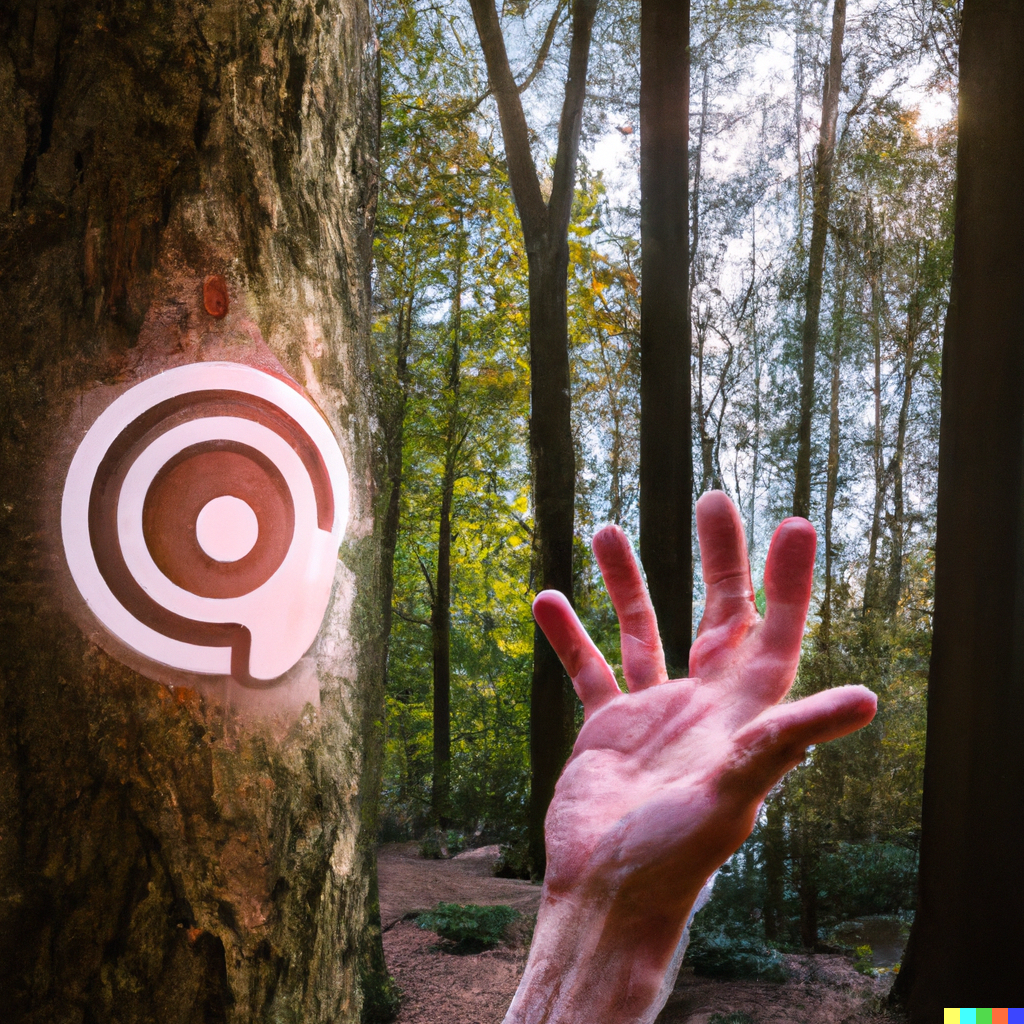
Image generated by DALL-E (picture in the forest incorporating, health, wellness, and technology).

I will be taking a couple of weeks off from curating. The newsletter will return on January 1, 2023. Have a safe and healthy holiday season!


OpenAI

I've been seeing a lot of press lately about the OpenAI project. The OpenAI project will force us to rethink what it means to be creative and will offer a new set of challenges for education, academics, and intellectual property: ChatGPT's Most Charming Trick Is Also Its Biggest Flaw. For more on using ChatGPT in creative writing, see Structuring Creativity: Poetry Generation with ChatGPT. For generative art, see: DALL-E I had to try it out.

+More on ChatGPT and education: Will ChatGPT Kill the Student Essay?

Forever Chemicals and the Kitchen

Following up on an article I mentioned in 018 - Living Medicines, Dangerous Cookware, and Toad Licking, an article in the Guardian, Wooden spoons and glass mugs: how to avoid toxic chemicals in your Kitchen has some valuable advice on how to minimize your exposure to forever chemicals. (thanks, Lauren!)

Whole Grains

The good news: Americans are eating more whole grains than ever before. The bad news? Because of imprecise labeling, no one is sure exactly how much: What Are Whole Grains and How Many Should You Eat? - The New York Times (gift article).

Solitude and Single-Person Dates

Take Yourself on a Date is an article on solitude and how (and why) to enjoy dating yourself. The article mentions a must-read book: The Artist's Way.

The Science of Swear Words

I loved this article looking at the commonalities of cussing across different cultures: Scientists want to know why swear words share this one universal trait

Opinion Piece on Human Composting

Dying is expensive. I had no idea a burial plot in Manhattan (before other funeral expenses) could run up to $1 million. The author of Opinion | Human Composting Should Be an Option for New Yorkers - The New York Times (gift article) thinks New York should be the sixth state to legalize terramation. See also: 014 - Terramation, Farmacies, and Edible Cities and 015 - Deja Vu, Pilates, and Recycling Theater.

The Dark Side of Body Building

The Washington Post had a long, interesting article on how many bodybuilders go to great extremes to compete: Extreme training techniques push bodybuilders to death, or close to it. (gift article)

Stretching for Better Sleep

Stretching and meditative movements (like yoga) before bed can improve the quality of your sleep. The New York Times offered an article with eleven stretches to incorporate into your evening routine: 11 Exercises For Better Sleep - The New York Times (gift article).

Entering Flow States

As part of my research, I spent a lot of time studying positive psychology. One of my favorite concepts is "flow," where one becomes so involved in the task that the world melts away and time is distorted. Here are some ways to increase flow in your life: We all can reach a "flow state." Here's how. If you'd like to learn more about positive psychology, a great place to start is Martin Seligman's Flourish: A Visionary New Understanding of Happiness and Well-being.

The Hobbies of Geniuses

I enjoyed reading The hobbies of 5 great geniuses.. I was especially interested in Albert Einstein's love of music. Einstein, a talented musician, carried "Lina," his violin, everywhere he went. He used music to help him think: Inside Einstein's Love Affair With 'Lina'—His Cherished Violin. _"Life without playing music is inconceivable for me," Einstein declared. "I live my daydreams in music. I see my life in terms of music … I get the most joy out of music." _

Silent Synapses and Memory Generation as an Adult

A recent paper published in Nature used mice to understand memory generation and recall as we age: How adult brains learn the new without forgetting the old | The Economist

Ultraprocessed Foods and the Aging Brain

A study published in JAMA Neurology, consisting of 10,775 adults, showed that higher intake of UPF was significantly associated with a faster decline in executive and global cognitive function. The article, Ultraprocessed Foods Tied to Faster Rate of Cognitive Decline, discusses the findings and shortcomings of the study.

Gatorade of the Ancients

Here is a strange article about posca, the hydration used by Roman soldiers: My Favorite Beverage Is a 2,000-Year-Old Energy Drink From Ancient Rome If you'd like to taste posca, the article contains a recipe.......

Vitamin D and Cognition

A recent study from Tufts, Brain vitamin D forms, cognitive decline, and neuropathology in community‐dwelling older adults found a correlation between higher levels of vitamin D in their brains and better cognitive function. The article, Brains With More Vitamin D Function Better, discusses the findings.

021 - Freudenfreude, Covert Consciousness, and Friend Recessions - HealthHippieMD Week In Review

The Neuroscience of Music Appreciation

"When we listen to music, the greatest amount of pleasure stems from events predicted with only a moderate level of accuracy." The article, Why Certain Types of Music Make Our Brains Sing, and Others Don't, was my favorite of the week. If you like this article, you will also like Oliver Sack's Musicophilia: Tales of Music and the Brain

Who Knew? Zebra Stripes Repel Flies

Science is fascinating. Here is an article that made me say, "Huh." Scientists Reexamine Why Zebra Stripes Mysteriously Repel Flies

A Mandatory Retirement Age for Physicians?

Many high-risk professions require individuals to retire at a certain age (airline pilots, air traffic controllers, etc.). Opinion | How Would You Feel About a 100-Year-Old Doctor? - The New York Times (gift article) discusses the controversy of forced retirement for physicians.

Friendship Recessions

Americans, especially American men, are facing a "friendship recession." The article Why Is It So Hard for Men to Make Close Friends offers tips on how to overcome this worrisome trend.

Freudenfreude and Schadenfreude

Finding joy in another person's good fortune is what social scientists call "freudenfreude." Freudenfreude is a social glue, making relationships more enjoyable. The article What is Freudenfreude? And How to Cultivate It discusses how to have more of it, and less schadenfreude: the pleasure we feel when witnessing someone's misfortune.

Stutz on Netflix

Is It Toxic to Tell Everyone to Get Therapy? is a quick overview of Stutz, a new Jonah Hill documentary on Netflix. I'm going to check it out....

Doctors Spreading Misinformation

Is Spreading Medical Misinformation a Doctor's Free Speech Right?(gift article) discusses a recent California law, slated to begin January 1, written to combat the spread of false information by healthcare professionals. The law is being challenged.

Viruses and Alzheimer's Disease

Is Herpes Simplex 1 involved in the development of Alzheimer's Disease? The article's author, The link between viruses and Alzheimer's disease, thinks so. The article offers some compelling justification for pursuing the science. Reading the article brought to mind one of my favorite quotes by George Bernard Shaw, "All great truths begin as blasphemies." Although this scientist's theories may be incorrect, her words resonated with me: "Most researchers acknowledge that new, surprising, and challenging ideas should be viewed with caution. But ideas should not be dismissed without any deliberation." The author is definately a Dark Horses.

Tips to Extend your Healthspan with Minimum Effort and Maximal Reward

The BBC had an article I will refer to often, offering practical tips to live a longer, healthier life. Minimum effort, maximum reward

The Folly of Expiration Dates

Food waste is a huge issue in the United States. The implications? Wasted money and a profound effect on the environment/climate. The article, Go Ahead, Ignore Expiration Dates discusses the phenomenon of the "expiration date." One of useful facts mentioned was expiration dates denote an estimate of preserved food quality, NOT safety. If you're worried about whether your food is still edible, the authors suggest the Sniff Test.

Paging Dr. Amazon

I read several articles about Amazon's push into healthcare. Amazon's Creep Into Health Care Has Some Experts Spooked discusses the impetus and some of the controversies surrounding Amazon's healthcare efforts. Amazon makes a new push into health care echoes many of the same sentiments. See also: 011 - CVS, Amazon, and the Disruption of Primary Care, Anxiety Inoculants, Wabi Sabi, and AI.

Unnecessary Death

I am an advocate for the U.S. adopting a single payer system of healthcare where incentives align with patient health rather than corporate profit. Universal Health Care Could Have Saved More Than 330,000 U.S. Lives during COVID discusses the lost opportunity for the U.S for not having universal healthcare during the pandemic: 338,000 lives and a $105 billion.

Social Media and Mental Health

Why does social media impact our mental health? Why Social Media Makes People Unhappy--And Simple Ways to Fix It offers answers and ways to combat the negative feelings.

Covert Consciousness

Views on coma and consciousness are changing. Some People Who Appear to Be in a Coma May Be Conscious is a nice overview of the evolving science.

Genetic Resistance to Coronavirus?

Some scientists wonder if genetics offer protection from Coronavirus. The article Could Genetics Be the Key to Never Getting the Coronavirus explains the rationale. Since SARS-CoV2 binds to the ACE Receptor, I wondered if the commonly prescribed anti-hypertensive ACE inhibitors had any effect on infection rates or disease progression. At least one study demonstrated a protective effect.

020 - Biohacking, Pheromones, Comfort Food, and Obesity - HealthHippieMD Week In Review

Long Covid and ME/CFS

More on how the phenomenon of Long Covid is shedding light on a disease that, until now, has lived in the shadows: myalgic encephalomyelitis/chronic fatigue syndrome, or ME/CFS, for short. How long COVID reignites attention for chronic fatigue syndrome

What Causes Obesity? Scientists Still Don't Agree

The NY Times had an opinion piece on a recent attempt to develop a consensus statement on the cause of obesity which affects more than 40 percent of U.S. adults and costs the health system about $173 billion yearly. Scientists could not agree: Scientists Don't Agree on What Causes Obesity, but They Know What Doesn't.

Obesity Drugs

The estimated cost of obesity in the U.S. is over $170 billion. A new class of drugs, glucagon-like peptide-1s receptor agonists (GLP-1s), initially approved for diabetes, are increasingly prescribed off-label for weight loss. The drugs are effective in stimulating weight loss (some as much as 20%), now approaching the efficacy of bariatric surgery (the current gold standard). Earlier this year, the FDA approved Wegovy as a treatment for obesity. Despite the potential of these drugs to positively impact the obesity epidemic, they are considered non-essential "lifestyle drugs" and are priced financially out of reach to the general public. Most insurance companies will currently not cover GLP-1s for obesity, meaning out-of-pocket costs, even with insurance, of $1200-$1500 / month-another indicator of the misaligned incentives of much of our medical and pharmaceutical systems, prioritizing profit over the health of individuals. What Is Ozempic and Why Is It Getting So Much Attention?

+If you are taking one of the GLP-1 medications; all is not a bed of roses: 'I miss eating': the truth behind the weight loss drug that makes food repulsive.

Are Near-Death Experiences Real?

Big Think has an article on a scientist who studied more than 1000 near-death experiences. As with so many things, the more we know, the less we understand. Are near-death experiences real?

Telomeres and Cancer

I've seen lots of stories on telomeres lately. Here is one about how telomeres and telomerase influence different types of cancer. How cancer tumor cells can become immortal.

The article, After someone dies: death certificates, bureaucracy, and grief (gift article) is a written experience of a woman who had the additional stress of financial and institutional red tape after her husband's death. Death is a depressing topic, but the article offers valuable advice on managing your important information now to minimize future stress on your loved ones.

Holidays for the Immunocompromised

Although the world is slowly returning to its pre-pandemic behavior for most individuals, there is a subset of the population, the immunocompromised, for whom very little has changed. How Immunocompromised Experts Will Celebrate Another Pandemic Holiday discusses the many challenges of navigating the holidays with an abnormal immune system.

How To Choose a Healthy Cooking Oil

The Washington Post's article offered an excellent overview of the many oils available in the supermarket. How to choose a healthy cooking oil.) (gift article). If you'd like to compare different brands of olive oil, head over to one of my favorite resources, ConsumerLab: Extra Virgin Olive Oil Review & Top Picks. (requires a membership). ConsumerLab is a fantastic resource for sleuthing out dietary items and supplements: ConsumerLab: Independent Testing of Supplements and Botanicals.

Embracing Pheromones on the Farm

Wired had a piece on the effort to develop pheromones to combat infestations and limit the number of pesticides used in farming. To Ditch Pesticides, Scientists Are Hacking Insects' Sex Signals.

Love or Hate Brussel Sprouts? The Reason Might be Your Genes

Inverse had an interesting article on the genetic influence on taste and enjoyment of food: There might be a biological reason you hate Brussels sprouts.

Chronic Illness and the Holidays

Although some people say being diagnosed with a chronic or terminal illness was good for them, others struggle with negative emotions, especially around the holidays: What if You Can't Find the Silver Lining in Your Illness?

Does Playing Pickleball Count as Vigorous Exercise?

Many of my friends are dropping other sports, such as tennis and racquetball, and instead playing pickleball. Is pickleball a good exercise? Yes, and no has some good information on this rapidly growing sport.

Advanced Glycation End Products and Cognitive Decline

Michael Greger had a good video on Advanced Glycation End Products (AGEs) and Cognitive Decline. I was surprised by order of food in a table he referred to listing foods highest in AGEs.

Biohacking and Health-Span

An interesting article in The Guardian, Who wants to live to 100 on a diet of lentil and broccoli slurry? Mostly rich men. "The goal shouldn't be to extend life endlessly but to create joy and purpose at every stage of it... What we need is to make life worth living." Different from the author, I'm in the camp of extending my health span AND creating joy and purpose at every stage. This article reminded me not to be draconian about my health regimen. Eighty percent adherence to healthy behaviors should significantly impact my health without sucking the joy out of life.

The Science of Comfort Food

Food takes a centerpiece in many of this season's holiday celebrations. The Science of Comfort Food (gift article) examines why certain foods give us so much pleasure.

019 - Farmaceuticals, Psychobiotics, and Darwinian Medicine - HealthHippieMD Week In Review

Psychobiotic Diet

The article, This diet helps your mental health by boosting your gut health, discusses food to improve mental health. Psychobiotics and nutritional psychiatry are fields in their infancy, but you're going to hear more and more about the role of food on stress, anxiety, and depression.

YAMS and Sweet Potatoes

Yams and sweet potatoes are NOT the same things. But in the U.S., the names are used interchangeably. Here's the story: What's the Difference Between Sweet Potatoes and Yams?

What Are Sugar Alcohols

Sugar alcohols are in many of today's processed foods. What are they? Sugar Alcohols Are in Many Sugar-Free Foods. What Are They? (gift article)

Darwinian Medicine, Evolutionary Psychiatry

What if illness is not a disease but an adaptation to evolutionary pressures? The provocative article Evidence grows that mental illness is more than dysfunction discusses a controversial way of reframing our thoughts about mental illness.

Humor: An Essential Life Skill

Why a good sense of humor is an essential life skill has a lot to say about the importance of humor in your personal and professional lives.

The Formula for Happiness

"What we think it is about is an attachment to another person. And a sense that another person is there for you, particularly when you need them. We think of relationships as safety nets, as stress regulators." There are many important insights in this podcast/transcript from Arthur Brook's How to Build a Happy Life. A New Formula for Happiness

Pursuing Happiness in All the Wrong Places

More Arthur Brooks. Before he taught at Harvard and wrote publicly about happiness, he led a well-known conservative think tank. The article, America Is Pursuing Happiness in All the Wrong Places, adapted from his November remarks at the Irving Kristol Award & Annual Dinner, is packed with wisdom. Although I am not a conservative, and despite some of the political overtones of the article, his words spoke deeply to me.

Farmaceuticals

Antibiotic resistance is an increasing problem across the world. Here is an article about a new antibiotic isolated from potatoes, incredibly potent against certain types of fungus: New antibiotic found in potato bacteria

Lucid Dreaming

Scientists are studying the phenomenon of lucid dreaming. Lucid Dreaming Is a Mystery We're Starting to Crack is focused on the quality of sleep during lucid dreaming.

Gut Microbiome and Prosocial Behavior

Scientists are studying the role of gut bacteria and the gut-brain axis in prosocial behavior. In a preclinical study with implications for neurodevelopment issues, Researchers found Zebra Fish lacking a gut microbiome are less social and have different brain structures than peers who had normal gut flora. Specifically, the lack of bacteria influenced the microglia of Zebra Fish brains and led to structural changes. It will be interesting to see if a similar phenomenon exists in mammals, especially humans.

Wasted Healthcare Spending

It's conceivable that half of the healthcare dollars are wasted. A small portion of the total, a mind-numbing $160 billion, is attributed to absenteeism-not showing up for appointments. According to the article, A big source of wasted healthcare spending is your fault, one in four appointments is missed. I will track down the NEJM article mentioned, although I'm sure it will raise my blood pressure.

Mindfulness vs. Anti-Anxiety Medications

A recent paper compared Mindfulness-Based Stress Reduction (MBSR) to the medication escitalopram's (Lexipro's) ability to reduce stress. Mindfulness meditation may be just as effective as anxiety medication reports the study, published in JAMA Psychiatry. Although 45 minutes of daily mindfulness practice may not be practical for everyone (I usually only do 15-20 minutes), the paper indicates that cultivating mindfulness should be more widely taught (and prescribed).

+See also my lecture on mindfulness/meditation: Mindfulness-The Basics

More Bugs in Space

Knowledge of what happens to microbial life inside and outside the body while in space is important to understand as we contemplate missions to Mars and beyond. Scientists are struggling to figure out how space transforms our gut microbiome is an overview of the emerging science.

Bed Habits

Is Falling Asleep to TV So Bad? An Investigation is an entertaining article written about an insomniac's immersion into the science of sleep.

How to Recognize and Treat Your Pet's Anxiety

Pet anxiety is quite common. Here is an article to help you decode your pet's behavior and some ideas for treating their anxiety: Puppies on Prozac: How to Handle Your Pet's Anxiety.

Do Something Boring, Yet Engaging to Boost Your Creativity

How to unblock your creativity: Scientists say this bad habit can help is an interesting article on how to boost your creativity and get over mental blocks.

Cannabinoids and Opioids for Pain Relief

Cannabis for pain: A scientist reveals how weed activates our body's opioid system is an overview of work to decode these two substances that might safely work together to alleviate pain.

018 - Living Medicines, Dangerous Cookware, and Toad Licking - HealthHippieMD Week In Review

No Matter Your Age, Improving Your Diet can Extend Your Life - NEJM

At any age, a healthy diet can extend your life is a recap of the 2018 NEJM Paper, Association of Changes in Diet Quality with Total and Cause-Specific Mortality. The take-home message is "No matter how old you are or how much junk food you consume, it's never too late to start undoing the damage caused by a poor diet."

Gut Check

Radiolab replayed an episode on the importance of your gut: Radiolab: Guts. The episode features stories on a UC Davis fistulated cow, the microbiome, the gut-brain axis, and autoimmune disease. As my daughter exclaimed when she sent me the episode, "This is the most dad-like episode I've ever listened to." She knows me well.

Psychedelics and End-of-Life Care

Colorado approved the legalization of medicinal psilocybin on Tuesday. A physician and nurse wrote an opinion piece on How Psychedelics Can Transform End-of-Life Care.

Wood-Wide Web

Do the trees in the forest "talk" to one another? The debate continues. The Wood Wide Web: Scientists Debate Whether Trees Really Talk (paywall-I'm waiting for my gift articles to replenish)

The Race to Develop "Living Medicines."

This Gulp of Engineered Bacteria Is Meant to Treat Disease features a company engineering E. coli, a gut bacteria, as therapeutic agents. Microbiome therapeutics is a hot area of development these days, with a market expected to grow to $1.5 billion by 2027. Here is a list of some of the top microbiome startups by the amount of funding raised: Top 10 Microbiome startups. (disclosure - I own shares of Seres Therapeutics and Finch Therapeutics)

Dangerous Cookware

The EPA has labeled "forever chemicals," such as PFAS—perfluoroalkyl and polyfluoroalkyl, commonly found in traditional nonstick pans, hazardous substances. That means your nonstick pans are now considered dangerous. Teflon Nonstick Pans Are Bad. Consider These Alternatives discusses the various options to replace your cookware. Time to get my Le Creuset out of storage!

National Park Service Asks Visitors to Stop Licking Toads

Stop licking psychedelic Sonoran Desert toads, National Park Service says is an article about attempts to stop visitors from sampling Bufotoxin, a potent hallucinogen, secreted by Sonoran Desert Toads. The article reminded me of one of my favorite NPR radio stories ever: The Dog Who Loved to Suck on Toads. (listen, don't read)

Cell Senescence, Immunology, Stem Cells, and the Gut

Longevity by Design: Dr. Jennifer Elisseeff—Regenerative Medicine and Immunology was a fascinating discussion about aging, tissue repair, immunology, and cell senescence. The part that most excited me was her current studies investigating the role of the microbiome in stem cell activation. I'm going to track down some of Dr. Elisseeff's papers.

COMPASS Synthetic Psilocybin Study - NEJM

In 003 - Mad Honey, Frisson, and Psychedelic Capitalism I mentioned the controversy behind COMPASS and their attempts to corner the psychedelic market via intellectual property. This week, COMPASS published the results of a study in the NEJM: Single-Dose Psilocybin for a Treatment-Resistant Episode of Major Depression. Here is an article summarizing the findings: A single dose of psilocybin may alleviate major depression for 12 weeks, study finds.

Quiet Quitting and Going to the "Neutral Zone."

"More of us want to find ways to align our work with our values. And for some of us, those values have changed." Post-pandemic, many people are considering the nature of their employment and, in many cases, "quiet quitting." Quiet quitting is a work phenomenon in which employees do no more than the minimum required by the rules of their contract or job. The author of Have you quietly quit? Your next step: Go to the neutral zone recommends rather than jumping directly into a new job, to take time to reflect before drastically changing the way we work and live. The ZigZag Project is a great resource to help contemplate your professional direction.

How do "Super-Agers" Maintain Their Cognitive Abilities?

Super-agers are elderly individuals for whom aging doesn't seem to impact cognitive abilities. "SuperAgers" with super memory have super neurons summarizes a study attempting to figure out why.

Dietary Fiber and the Efficacy of Immunotherapy

The article, More fiber for the microbiome may boost immunotherapy cancer drugs is an overview of recent studies demonstrating an increased efficacy of immunotherapy drugs based on dietary intake. The microbiome mediates the effect.

Brain Training with Crossword Puzzles

A study published in NEJM Evidence has found that regularly attempting a crossword may help slow decline in some people with mild cognitive impairment, an early stage of faltering memory that can sometimes progress to dementia. Read the summary of the study here: Crossword puzzles may benefit people with mild cognitive impairment .

Quote

"The future influences the present just as much as the past."- Friedrich Nietzsche

017 - Ganzflicker, Misinformation, Canine Cognition, and Happiness

What Your Dog Wants

+Dogs understand our behavior better than we do theirs. The article What Your Dog's Behavior Means (gift article) gives insight into what your canine companion might be thinking.

+An article that resonated for me (and Theodore and many of his pals): The Pet-Name Trend People Can't Resist.

Ganzflicker and Hallucinations

For millennia, humans have sought alternate states of consciousness. Most of us are aware of the effect of psychedelic drugs on consciousness. Here is an article about using light to achieve altered states: What is ganzflicker? The strange history of hallucinating without drugs. Although ganzflicker sounds risky for those prone to light-induced seizures, (and perhaps seizures are the reason for the hallucinations), I'm increasingly fascinated by the effect of repetitive light and sound on human physiology: Alzheimer's Disease and Gamma Waves.

How to Help Someone you Love With Their Depression

An estimated 21 million adults in the United States have suffered at least one bout of depression. How to Help Someone With Depression (gift article) has some tips on how to recognize the illness with others and some things to do to help.

Tips to Improve your Sleep

The NY Times published the article, How to Get Better Rest, According to a Sleep Expert (gift article) with helpful tips to combat sleep disruption and insomnia. If you're interested in the topic, read Matthew Walker's book, Why We Sleep: Unlocking the Power of Sleep and Dreams

Prebiotic Primer

I often find myself explaining the difference between prebiotics and probiotics. Now I may refer folks to the N.Y. Times article: What Are Prebiotics And How Do They Work? (gift article)

Resilience First, Then Happiness

+For whatever reason, my inbox has recently overflowed with stories about happiness. Parents: Don't focus on happiness, help build resilience instead argues that to cultivate happiness in our children (and ourselves), we should focus on resilience. After all, cultivating happiness depends on one's ability to regulate distress.

+The happiness paradox, explained in 7 minutes is from a different source with an identical message.

Fermented and Fibrous Foods May Lessen Stress

+John Cryan is a prolific scientist who has published a great deal on food, the microbiome, and how they likely influence cognitive and mental health (for an overview, see his Tedx talk and his list of publications: ). This week, he published a brief overview of his most recent paper on how eating particular foods may lower perceived stress levels: Fermented foods and fiber may lower stress levels.

+Here's a story on foods to improve gut health: Best Foods For Gut Health

Cultivating Levity

Humor and levity are essential for well-being. Why Humor and Levity Are Important, According to Experts (gift article) has tips to cultivate more.

The Evolution of Laughter

+Why do we laugh? And why is laughter contagious? Why Is That Funny, describes the phenomenon and evolution of laughter. ^a2a14a

Understanding the Science Behind Complementary Health Approaches

If you are using (or thinking about using) a complementary approach to your health, read these fact sheets from the National Center for Complementary and Integrative Health: Know the Science of Complementary Health Approaches.

Triskaidekaphobia

Everything you might want to know about the number 13: Why is 13 considered unlucky? The power behind this notorious number.

What Makes a Song Great, Beato, and Dylan

+Music plays an integral part in my well-being. Bob Dylan wrote a book, The Philosophy of Modern Song. Here is a summary article in The Atlantic: Bob Dylan Reveals Himself Through 66 Songs.

+Although quite a different animal, the premise of Dylan's book reminded me of Rick Beato's YouTube Channel. My favorite feature of Beato's channel is "What Makes This Song Great," where he dissects classic rock songs. If you'd like to see a list of the songs he's covered, see: Rick Beato - What Makes This Song Great Playlist

How to Make Life More Transcendent

People traditionally turned to religious and spiritual behaviors to gain a sense of meaning in a confusing world. Religious belief correlates with searching for and finding purpose in life. Although, as a whole, our society is less religious than previous generations, it is still possible to infuse transcendence into your life: What Transcendent Experiences Do to Your Brain.

SuperForecasting

I enjoyed reading the book Superforecasting: The Art and Science of Prediction, as mentioned in my newsletter 016 - Vampire Hormones, Zombie Fungi, Micromorts, and Bugs in Space. IARPA, the U.S. government's Intelligence Advanced Research Projects Activity heavily influenced the subject matter. IARPA is to the intelligence community what DARPA is to the Department of Defense. The book offered a fascinating integration of math, history, economics, psychology, positive psychology, and a whole host of other domains. I'm always a sucker for a Dark Horseand Philip E. Tetlock is one.

Why do We Believe Misinformation

WaPo had a good article on the psychology of misinformation entitled Why do we believe misinformation? I learned the concepts of the "illusionary truth effect" and the "continued influence effect." The article is well worth a read especially since political misinformation is so abundant these days.

Quote of the Week

"It is only possible to live happily ever after on a daily basis." —Margaret Bonanno

Thank you for voting!

016 - Vampire Hormones, Zombie Fungi, Micromorts, and Bugs in Space - HealthHippieMD Week In Review (Halloween Edition)

Dungeons and Dragons for Mental Health?

I was called a nerd for playing tabletop role-playing games (TTRGs) back in the '70s and '80s. It warms my heart that TTRGs have had a resurgence. The article, How Therapists Are Using Tabletop Games to Help People, discusses how TTRGs are being leveraged outside of entertainment to improve mental health.

Predicting The Likelihood of Death - Micromorts

We all know riding a motorcycle is more dangerous than driving a car. But have you ever wondered precisely how much more dangerous? Enter the concept of micromorts and superforecasting. Worried About Nuclear War? Consider the Micromorts, covers micromorts in the context of the likelihood of nuclear war. The choice of context is not pleasant, but the concept of micromorts is useful. For more on micromorts and other attempts to quantify the likelihood of dying, see my article: The Spreadsheet of Life and Death. For more on Superforecasting, see How spooks are turning to superforecasting in the Cosmic Bazaar (paywall). For one of my favorite Wired articles of all time, see: Why the Future Doesn't Need Us.. I've added the book Superforecasting: The Art and Science of Prediction to my reading list.

Antibiotics as an Adjunct to Improve Mental Health

An article at Medscape, Antibiotic May Enhance TMS, Improve Depression Outcomes, summarized a new publication that demonstrated the addition of the broad spectrum antibiotic, D-cycloserine, to transcranial magnetic stimulation of the brain, may improve outcomes in major depressive disorder. The study team credits the ability of D-Cycloserine to bind to the NMDA receptors for effect, but I can't help wondering if the effect is mediated through changes in the microbiome.

Mindfulness for Substance Abuse Disorder?

Mindfulness has many benefits. Most people think of mindfulness as modulating anxiety and depression. This researcher believes mindfulness should also be part of addiction-treatment programs.

Melatonin - The Vampire Hormone

Most people in the U.S. take melatonin incorrectly. Melatonin for Sleep: How the Aid Works (gift article), has lots of helpful information on the hormone. During a trip to Australia (where melatonin is unavailable over the counter), I took a self-imposed crash course on naturally occurring sources of melatonin. Here is a good WebMD article on melatonin-rich foods: 6 Foods High in Melatonin and Why You Need It

More on the Psychedelic Gold-Rush

The NY Times had an interesting article on the attempts to cash in on psychedelics by patenting everything from molecular compounds to treatment rooms. With Promise of Legalization, Psychedelic Companies Joust Over Future Profits (gift article).

The Therapeutic Potential of "Zombie Fungus"

I have often used pictures of Cordyceps in my lectures to reinforce the notion that at least some human behavior may not be under our control but instead might be driven by microbes: The Zombie Fungus Takes Over Ants' Bodies to Control Their Minds. I was not aware this same fungus has been used to treat various maladies and is currently being examined by pharma for its therapeutic potential: How to grow a zombie fungus in a lab. (thanks, Laura!)

Canine Gilgamesh

The Search for a Pill That Can Help Dogs—and Humans—Live Longer in Wired tells the story of the start-up Loyal, aiming to increase the life expectancy of dogs, and ultimately, humans. I had not heard of the company before. The article is short on science and long on the political challenges and the venture capital exploits of the founder, Celine Halioua. Whether Loyal is truly onto something, is a flash-in-the-pan, or is another Theranos, remains to be seen.

How to Interpret Scientific Literature

The National Center for Complementary and Integrative Health of the NIH released How To Make Sense of a Scientific Journal Article. This is a good resource if you're not familiar with scientific literature.

Microbiomes in Space

Over the last decade, we've learned much about what happens to gut flora in space. This knowledge will be critical for prolonged space flight like a mission to Mars. Studying astronaut Scott Kelly and his identical twin who remained on earth offered many exciting insights. The article, Gut health in space: How zero gravity could wreak the microbiome reports some of the findings.

Can Sense of Smell Predict Depression?

An article on Medscape discussed a recent publication demonstrating hyperawareness of smell may be an indicator of anxiety and/or depression: Can Sensitivity to Common Smells Sniff Out Depression, Anxiety?

Shinrin-yoku: The Soothing Practice of Forest Bathing

More on forest bathing: Shinrin-yoku: The Soothing Practice of Forest Bathing. As I mentioned in 009 - Doritos Dementia, Pain Clocks, and Forest Bathing, I believe a good portion of the benefits of forest bathing are derived from the forest's microbiome. I'd love to prove/disprove my hypothesis.

How are Memories Encoded in the Brain?

The news release, During Sleep, One Brain Region Teaches Another, Converting Novel Data Into Enduring Memories, discusses work building neural networks to understand human memory encoding processes, especially during sleep. In this case, Androids MIGHT Dream of Electric Sheep.

Quote

"Whoever is careless with the truth in small matters cannot be trusted with important manners." - Albert Einstein.

015 - Deja Vu, Pilates, and Recycling Theater - HealthHippieMD Week In Review

Fight for the Soul of Pilates

An interesting story in the NY Times about the fight over Joseph Pilate's legacy (gift article) The Fight for the Soul of Pilates.

Technology and Shallow Relationships

It's well-known that frequent social media use contributes to feelings of loneliness and depression. Despite this, technology use accelerated during the pandemic. Arthur Brooks talks about how to combat over-reliance on technology in our relationships: Technology Can Make Your Relationships Shallower.

Predicting Long-Covid

A manuscript published this week, Early immune markers of clinical, virological, and immunological outcomes in patients with COVID-19: a multi-omics study, describes the use of multi-omics and machine learning to predict individuals who will develop long-covid.

Banana Genealogy

Everything you wanted to know about the origins of the modern banana: The Search Is on for Mysterious Banana Ancestors.

The Paradox of Atypical Anorexia

Eating disorders can affect anyone of any body, shape, or type. I learned quite a bit from 'You Don't Look Anorexic.' (gift article)

Lessons from a "Difficult Patient"

I enjoyed an essay in the NY Times about how medicine, in many ways, has lost its humanity. The article, Lessons From a 'Difficult Patient' (gift article), follows one physician's internal journey as she cares for a challenging patient throughout her training.

Understanding Deja Vu

I learned a few new things about the neuropsychological underpinnings of deja vu in the article: What is déjà vu? A psychologist explains this common but creepy phenomenon.

More Terramation

It seems like stories about human composting are everywhere. This article was in Slate: Composting offers a greener way to dispose of human remains.

Brain Cells on a Chip Learn to Play Pong

I found this article on brain-machine interfaces: Brain cells on a chip learn to play Pong within 5 minutes. Although the title is a bit sensational, I still find the concept disturbing.

Omega-3 Fatty Acids and Brain Health

In a new study, Omega-3's Linked to Improved Brain Structure and Cognition at Midlife, , the authors opined increasing omega-3 fatty intake might help preserve brain health and cognition in middle age. We still don't understand the mechanism of how omega-3 fatty acids work in the brain. My guess is the mechanism involves our endogenous endocannabinoid system, as I mentioned in 006 - Loneliness, Mucus, and Cannabinoids - HealthHippie Week In Review.

Return on Investment for Employee Wellness Programs

Michael Greger released the first video in a series focused on the business case for offering wellness programs in corporate environments: The Return on Investment (ROI) for Employee Health and Wellness Programs. His take after reviewing the literature: $3 returned for every $1 spent.

Rethinking Healthy Eating in Terms of the Microbiome

I loved the manuscript, Rethinking healthy eating in light of the gut microbiome. The manuscript synthesizes a wide range of information from around the world and makes recommendations on what constitutes healthy eating by promoting a healthy gut microbiome. I will be referring to this paper for a time to come.

The Rocky Road of Aspartame

I've had a long-standing interest in non-nutritive sweeteners. Aspartame, only one of many artificial sweeteners, is a multi-billion dollar product. Aspartame: Decades of Science Point to Serious Health Risks is a compilation of the primarily negative data on the multi-billion dollar substance. For a less critical view, see: The_History_of_Aspartame

Think You Are Responsible with your Recycling? Think again.

The article Big Plastic Wants You to Think You Can Recycle Your Yogurt Container, was eye-opening for me. Only a tiny fraction of plastics are recycled, and there is incredible resistance to doing so, given the cost. The take-home point of the article for me: buy fewer products made of ANY plastic.

Our Pets, Our Microbiome

I enjoyed reading Does owning a pet boost your gut health? on how humans and our animal companions swap bacteria -likely beneficial to our overall health and well-being. The one downside of the article is not being able to unsee the phrase "fecal patina."

Behold Envy, The Happiness Killer

Arthur Brooks tackles the topic of envy in the article How to Stop Being So Envious. The article touches on social comparison, social media, and the importance of authenticity. In addition, he offers a few practical suggestions to minimize the role of envy in your life.

Making Better Use of Antidepressants

I learned a lot from the article, How to make better use of antidepressants (pay-wall). I did not realize that 10-15% of the population is on antidepressants, many for a very long time. With the serotonin theory of depression recently called into doubt coupled with a re-examination of this class of drug's efficacy (only about 15% response rate, mainly in severely depressed), it is likely time to reexamine our overuse of these medications, especially in the elderly.

New Evidence Linking the Microbiome to Rheumatoid Arthritis

The 2017 paper, Evidence of the Immune Relevance of Prevotella copri, a Gut Microbe, in Patients With Rheumatoid Arthritis, hypothesized that a protein produced by a common gut bacteria, Prevotella copri, could trigger the immune system and lead to arthritic inflammation. A new study summarized in New evidence linking gut bacteria with rheumatoid arthritis development provides further evidence supporting the 2017 hypothesis.

Quote of the Week

"Without music, life would be a mistake." - Friedrich Nietzsche (thanks, Lauren!)